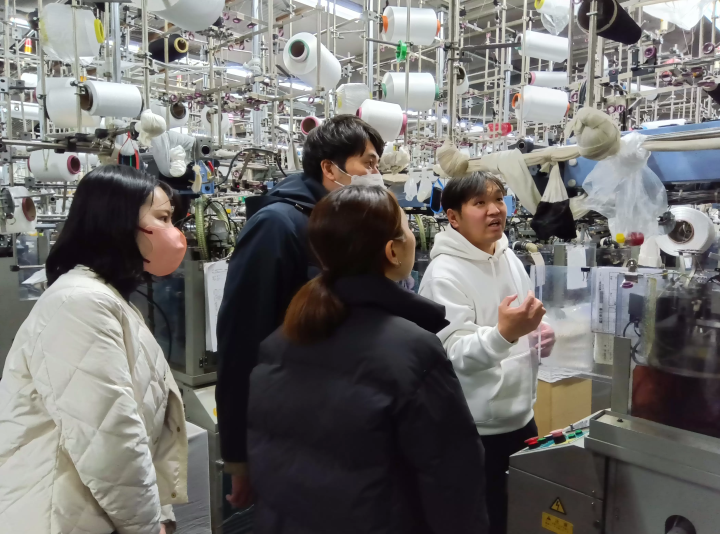
Life and nightlife at Tomioka Silk Mill before it became a World Heritage Site
The Tomioka Silk Mill, known as a World Cultural Heritage Site, was at its most prosperous in the mid- Showa period (1960s), when Japan was in a state of excitement due to the Tokyo Olympics. I will introduce the life of Tomioka City and the people who worked at the silk mill at that time, based on memories I heard from friends.

Written by
The Tomioka City Tourism Association utilizes the tourism resources of Tomioka City, including the Tomioka Silk Mill and Mt. Myogi, in order to increase the number of visitors while contributing to the development of the local economy.
This service includes sponsored advertisements.
Tomioka Silk Mill at its most prosperous in the 1960s
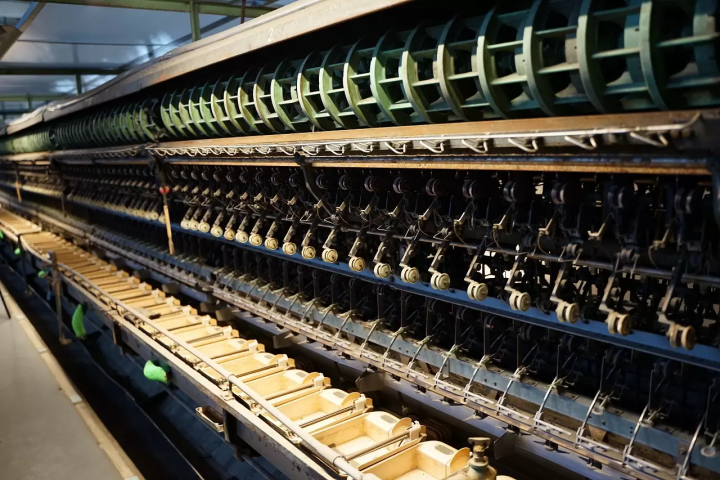
Tomioka Silk Mill is a company that represents Tomioka, and its period of greatest raw silk production was in the mid Showa period (around 1960-1970).
Since 1939, the company has been called Katakura Silk Spinning Co., Ltd. (now Katakura Industries), and served as the last private owner until 2005.
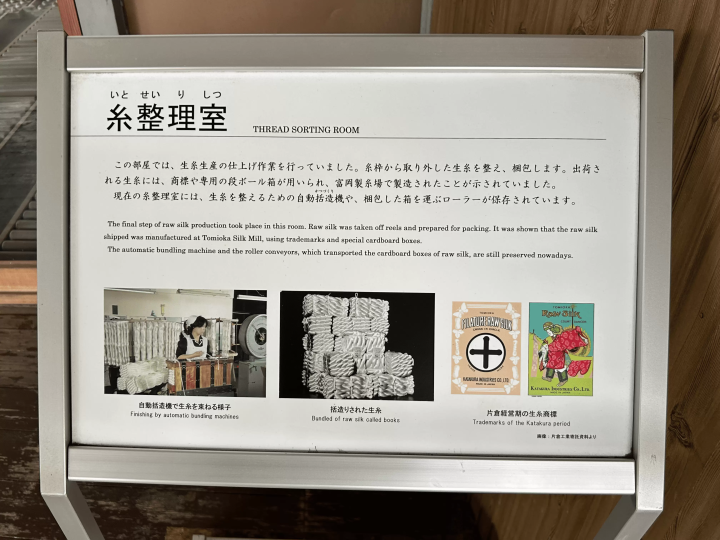
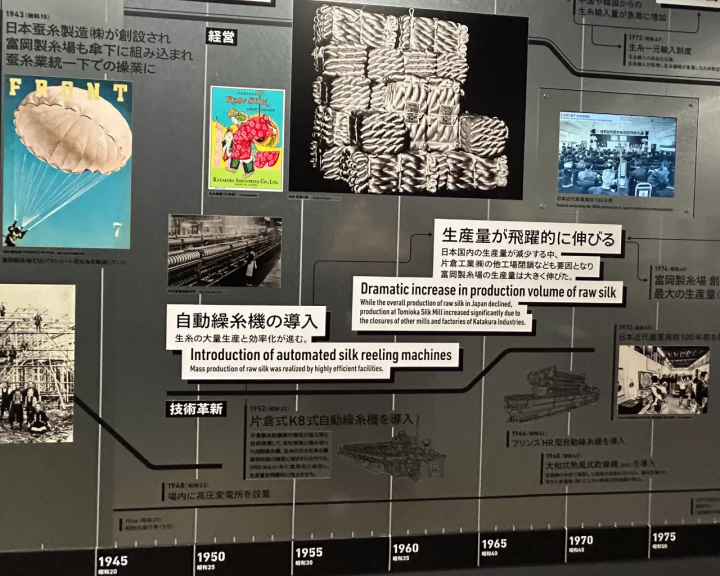
After World War II, the latest automatic silk-reeling machines were introduced, and production volume increased dramatically.
However, with the decline of Japan's silk industry, the factory's achievements came to an end in March Showa.
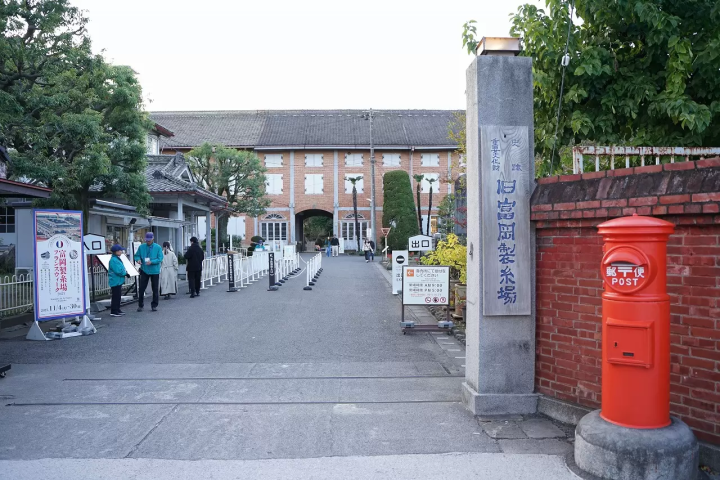
In front of the current Tomioka Silk Mill
Tomioka Thread Mill
 1-1 Tomioka, Tomioka City, Gunma Prefecture 370-2316
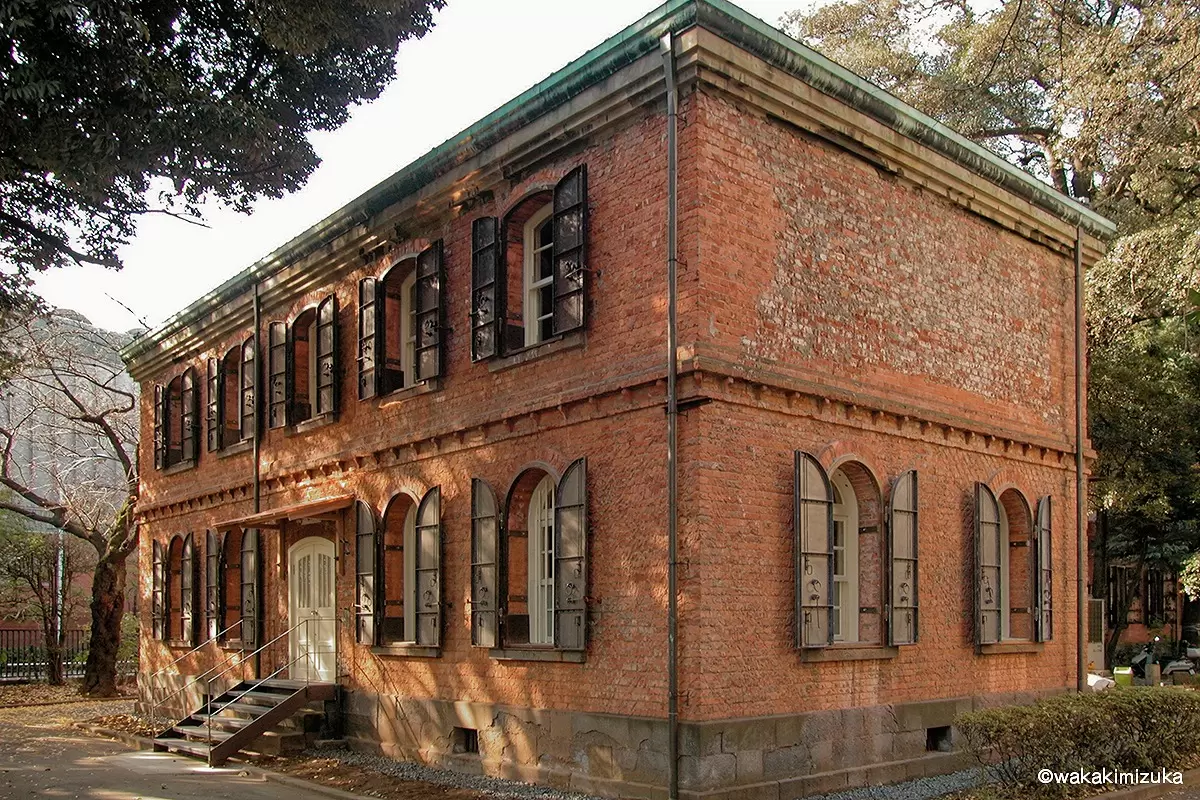
Founded in 1872 (Meiji 5), Tomioka Silk Mill is a model government-run factory that supported Japan's modernization. Buildings from the time of the mill's founding, such as the red brick East and West Cocoon Warehouses and the Silk Reeling Plant, still remain, allowing visitors to experience the history of manufacturing firsthand. In 2014, the mill was registered as a World Heritage Site, and it has become a popular tourist spot where visitors can learn about the progress of Japan's Industrial Revolution while strolling through the town.
1-1 Tomioka, Tomioka City, Gunma Prefecture 370-2316
Founded in 1872 (Meiji 5), Tomioka Silk Mill is a model government-run factory that supported Japan's modernization. Buildings from the time of the mill's founding, such as the red brick East and West Cocoon Warehouses and the Silk Reeling Plant, still remain, allowing visitors to experience the history of manufacturing firsthand. In 2014, the mill was registered as a World Heritage Site, and it has become a popular tourist spot where visitors can learn about the progress of Japan's Industrial Revolution while strolling through the town.
"Life in company housing" for employees working at Tomioka Silk Mill
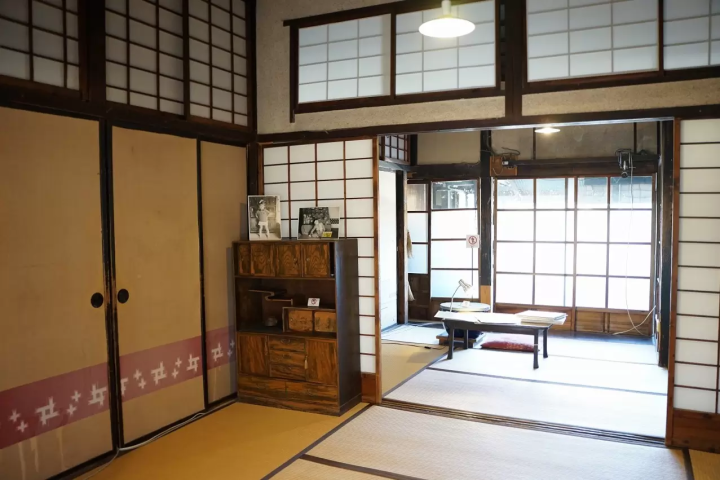
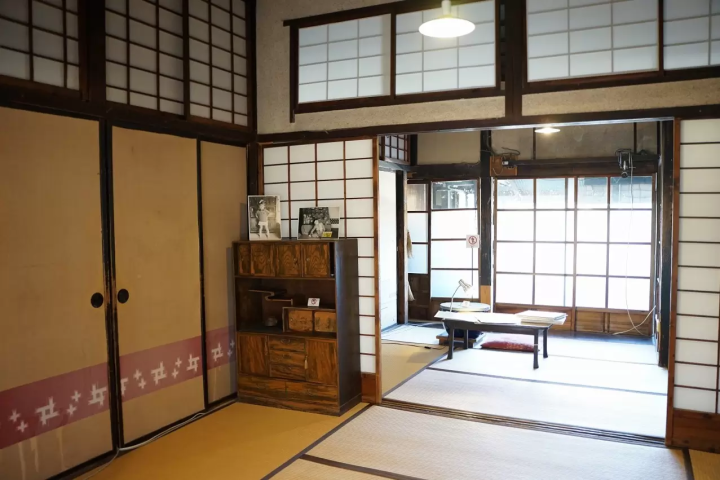
It is believed that approximately 80 employees lived in company housing, which varied in design depending on position and family structure.
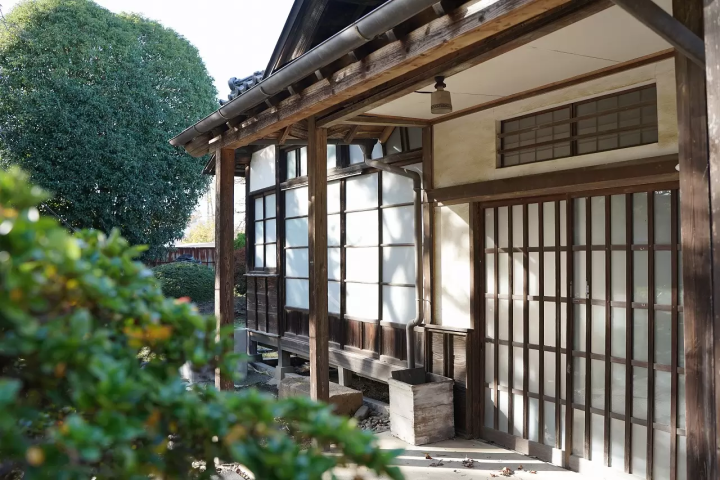
Managers were given a house with many rooms and a spacious entrance hall. Imagine living in such a spacious house and it must have motivated employees.
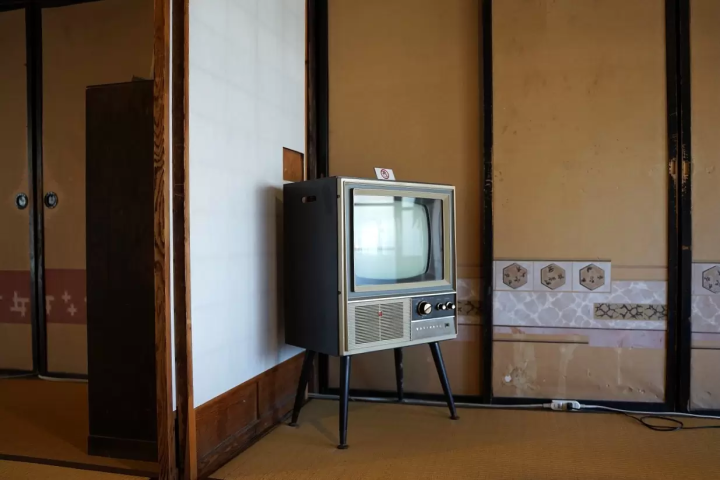
At that time, there were one or two friends in each class whose parents worked at Tomioka Silk Mill, and they seemed to have a strong sense of pride, saying, "We're from Katakura!!"
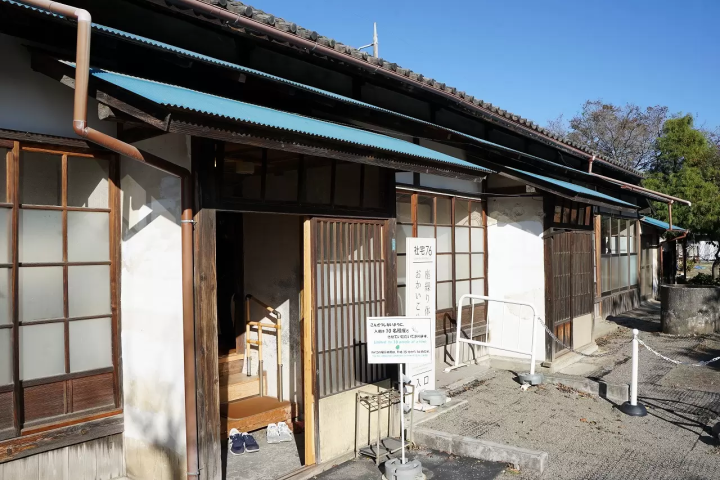
I once visited the company housing, but I had to go through a procedure just to enter the factory grounds, so perhaps that's how prestigious the company was.
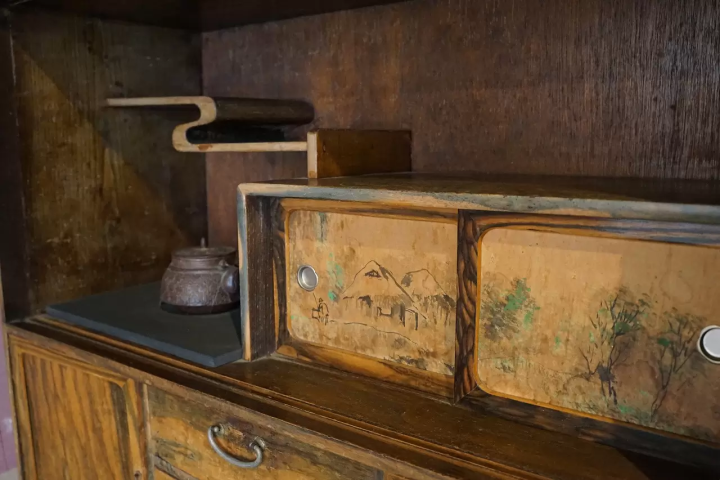
I remember that the company housing my friend lived in was not exactly a fancy room, perhaps because, as I've heard, it was rooted in the Katakura Industries president's philosophy of being frugal and not spending money on his own lifestyle.
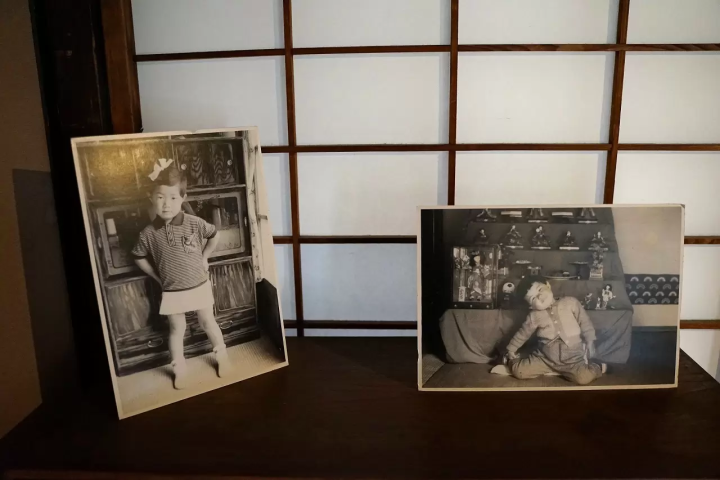
When I visited my friend who lived in company housing, we often played with spinning tops. I remember my friend urging me to hurry up and get home before our parents got home. My friend may have been concerned about the modest room.
Town life and festivals at the time
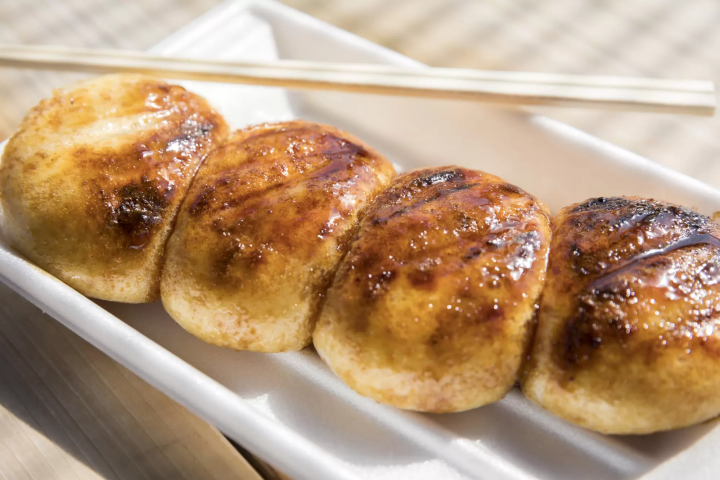
Joshu specialty Yakimanju
Photo by PIXTA
Around the 1960s, Tomioka City was home to many festivals. The Kishibojin Festival, which continues to this day, is held every year on November 12th (in the past it was held over two days, from the 12th to the 13th). When I was in elementary and junior high school, my grandmother would often ask me to buy her some "yakimanju" (steamed buns smeared with miso paste) and we would go to the festival. I never thought these buns, which come in a sweet variety with bean paste inside, were particularly tasty, but my grandmother seemed to love them.
In the summer, there is a festival with a line of floats (Miyamotocho), and many people participate in the Bon Odori dance wearing matching yukata. Taiko drumming practice begins two weeks before the festival, and the sound reverberates throughout the town.
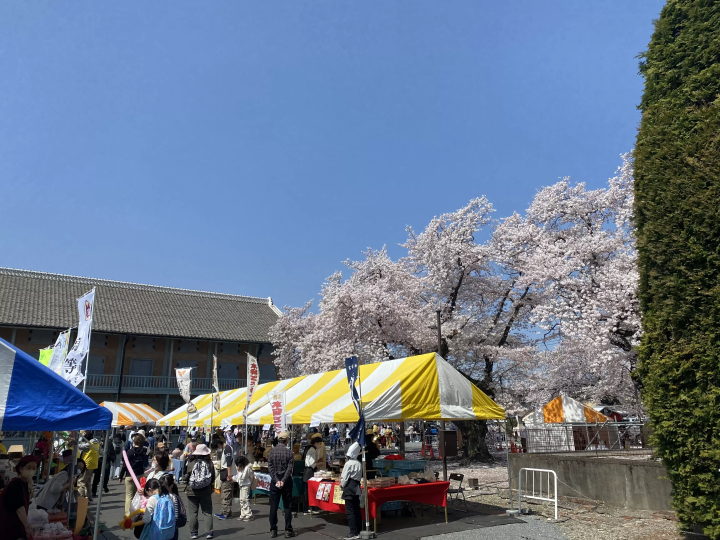
Photo courtesy of Tomioka City
Records also show that Tomioka's factory girl have had a long-standing tradition of viewing cherry blossoms in the spring. In modern times, an event called the "Cherry Blossom Viewing Party" is held, where people from outside the city and prefecture, as well as those living in Tomioka, come together to enjoy the beautiful cherry blossoms, and this culture has been passed down. At this event, you can see the cherry blossoms in full bloom with the beautiful silk mill buildings as a backdrop.
Nightlife in Tomioka around 1975 (about 50 years ago)
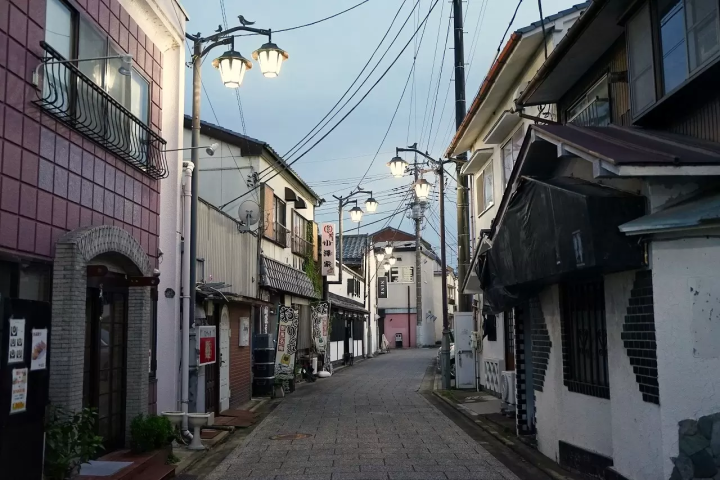
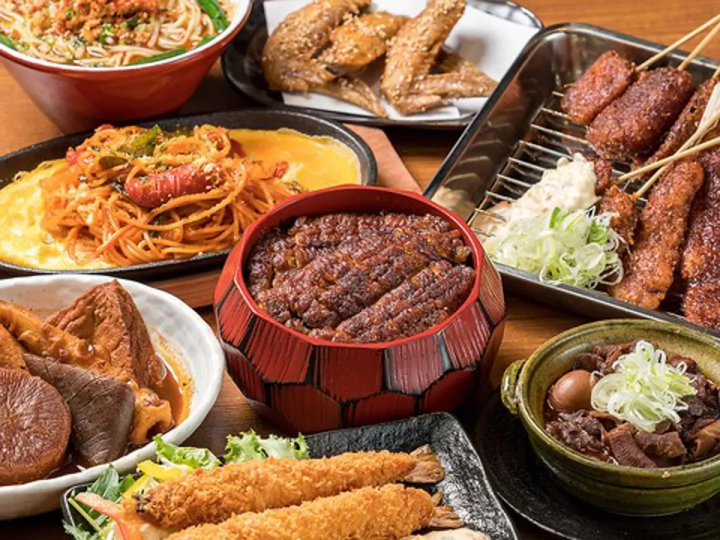
To the east of the Tomioka Silk Mill, in an area measuring about 100m x 200m, there was a drinking district with nearly 120 establishments, which were often used by Tomioka Silk Mill employees to entertain clients. Until the bubble era, the area was filled with drinkers every night, and in a sense, was also a place of relaxation for the Tomioka Silk Mill. There were a variety of nightlife establishments, including izakayas, snack bars, bars, and cabarets.
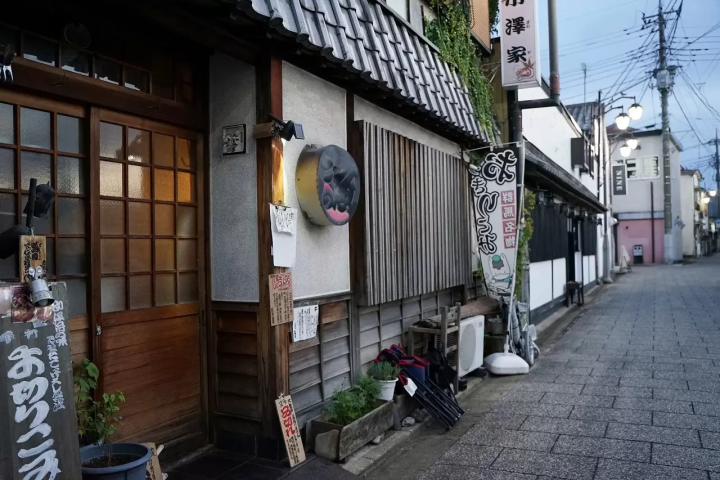
I was also a heavy drinker who frequented this drinking district five days a week. It's a shame that the vitality of this district has declined with the collapse of the bubble economy.
I was a regular at a small izakaya called "Karakaze" and loved the Hiroshima sake "Gikyou." "Karakaze" refers to the very strong, cold wind that blows around Tomioka in November, and is apparently called "Asama oroshi" in other areas.
At that time, there was an unspoken seating arrangement for regular customers at bars, and everyone would decide on a place to go without cheating, so we would just discuss what time we would go, meet there, and often drink until around 2 a.m.
During the bubble economy, the economy was booming, but there was also a lot of overtime work, and people could earn almost the same amount in overtime pay as their regular salary, so they worked hard, drank a lot, and had fun. The establishments frequented by company presidents often had geisha.
A place where you can encounter vestiges of old Tomioka
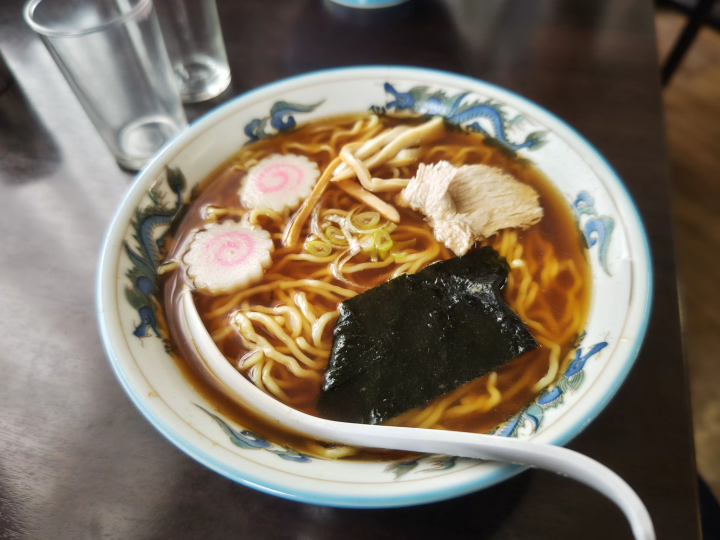
There are restaurants where you can enjoy the taste of the past. I recommend Ise's ramen. You can also enjoy mitarashi dango and rice balls.
As Tomioka Silk Mill is registered as a World Heritage Site, we hope you will be able to reminisce about the atmosphere of central Tomioka in the 1960s. Even today, this town still evokes the atmosphere of those days, and is filled with nostalgia and warmth.
[Access information]
Ise
1031 Tomioka , Tomioka City, Gunma Prefecture Prefecture, 370-2316
7 minutes walk from Tomioka Station
Business hours: 9:30-11:30 Closed on Wednesdays
The Tomioka City Tourism Association utilizes the tourism resources of Tomioka City, including the Tomioka Silk Mill and Mt. Myogi, in order to increase the number of visitors while contributing to the development of the local economy.
The contents on this page may partially contain automatic translation.


Special Features
More







![[Cancelled for 2026] Kawaguchiko Herb Festival, which adorns the shores of Lake Kawaguchi at the Mount Fuji with a purple carpet.](https://resources.matcha-jp.com/resize/720x2000/2025/05/27-234666.webp)