Savoring Hida Takayama: Woodcraft, Sake, and Local Cuisine
Explore the crafts and culinary traditions of Hida Takayama with our 2-day itinerary. Discover local sake and fermentation-based dishes, from Hoba Miso to rustic farm life.

Written by
Japan’s Fermentation: The Secret Behind UMAMI. Discover the hidden secrets and charms of Japan’s rich fermentation culture! Nagoya, once home to powerful shogun who shaped history, is famous for landmarks like Nagoya Castle and Ghibli Park. But did you know it's also a treasure trove of Japan’s iconic UMAMI-rich food culture? ■What's HAKKO? In Japanese cuisine, fermentation (HAKKO) plays a crucial role in creating flavorful seasonings and world-renowned sake. The mastery of fermentation techniques is key to crafting these delicious essentials. ■What Kind of Place is Nagoya? Located in central Japan, Nagoya serves as a major transportation hub, easily accessible by air and land. Thanks to its rich natural environment and unique climate, the region has cultivated a distinctive fermented food culture over the centuries.The Chita Peninsula, nestled between Ise Bay and Mikawa Bay, is a scenic region that has long been known for its thriving brewing industries, producing sake, vinegar, miso, and tamari soy sauce. Meanwhile, Nishi-Mikawa, the birthplace of Tokugawa Ieyasu, carries on the tradition of making Hatcho miso and the uniquely light-colored Shiro shoyu (white soy sauce)—both essential elements of Japanese cuisine.
This service includes sponsored advertisements.
-
Table of Contents
- A Deeper Look at Hida-Takayama Through Local Flavors
- Sakurayama Hachimangu Shrine and the Takayama Festival Floats Exhibition Hall
- Savor Hoba-Miso Beef Steak for Lunch at Suzuya
- Exploring the Craft of Hoba Miso at Kusakabe Miso and Soy Sauce Brewing
- Kusakabe Folk Crafts Museum: Discover Traditional Architecture and Craftsmanship
- Stay at Sumiyoshi Ryokan to Enjoy Heartfelt Hospitality
- Slow Breakfast at oku: With Artisanal Sourdough and Seasonal Flavors
- Savor Takayama’s Exquisite Sake: A Tour of Hirata Sake Brewery
- Taste Home-Style Takayama Cooking at Taiki
- Hida Folk Village: Immerse Yourself in Traditional Life
- Summary
A Deeper Look at Hida-Takayama Through Local Flavors
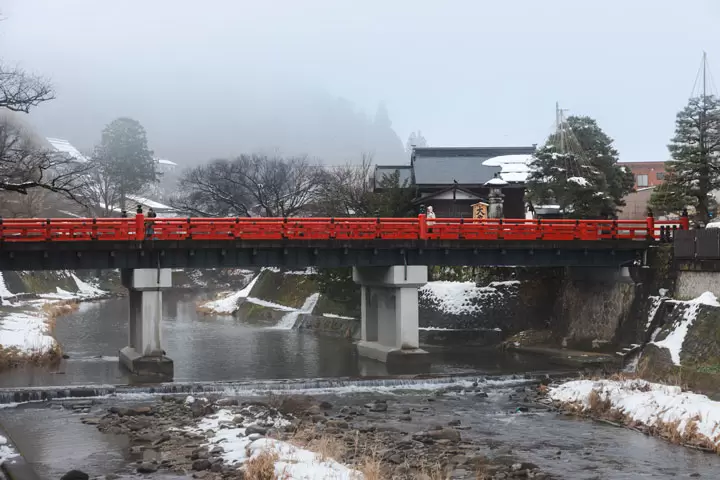
Located in the mountainous Hida region of Gifu, Takayama is a haven for travelers drawn to Edo-period townscapes and Japanese craftsmanship. While the city is world-renowned for its biannual Takayama Festival—a tradition rooted in the 17th century and featuring wooden floats with intricate carvings—there is a quieter side to the city waiting to be tasted.
Frequently paired with the thatched-roof charm of nearby Shirakawa-go, Takayama is just a scenic, two-and-a-half-hour ride on the limited express train from Nagoya.
However, there is more to Takayama than the well-trodden merchant streets of Sanmachi Suji. This two-day itinerary dives deep into Takayama’s soulful fermentation culture, guiding you to local charms that define the city’s true character.
Sakurayama Hachimangu Shrine and the Takayama Festival Floats Exhibition Hall
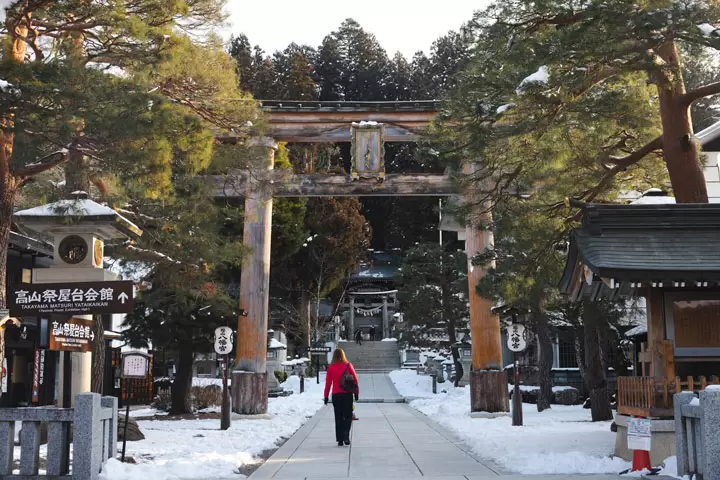
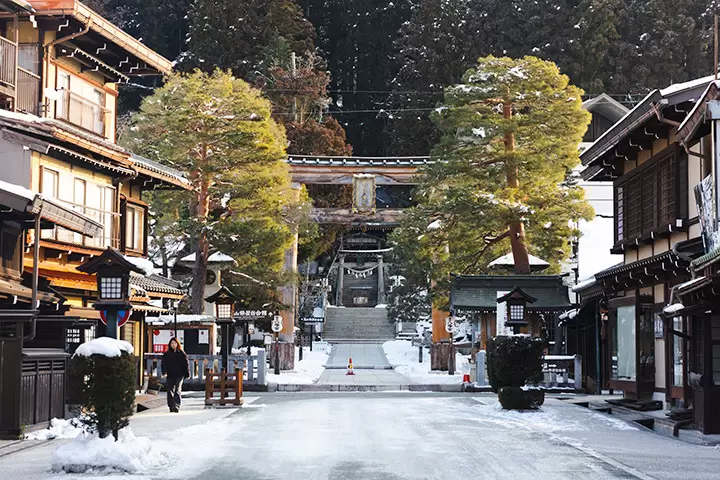
The iconic Takayama Festival, a tradition dating back to the mid-17th century, is the city’s pride. It is celebrated twice annually: the Spring Festival (April 14–15) at Hie Shrine in the south, and the Autumn Festival (October 9–10) at Sakurayama Hachimangu Shrine in the north.
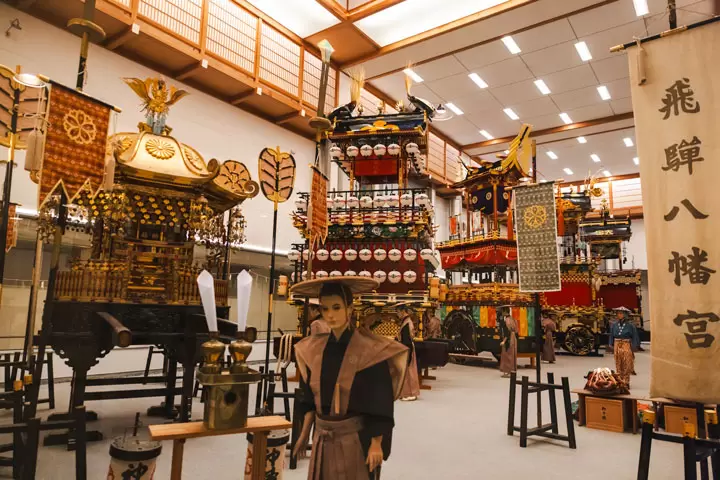
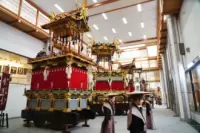
Even outside these dates, you can experience the pinnacle of Hida craftsmanship at the Takayama Festival Floats Exhibition Hall (Yatai Kaikan). Located within the Sakurayama Hachimangu precincts, the hall displays a rotating selection of four spectacular floats from the autumn festival fleet year-round.
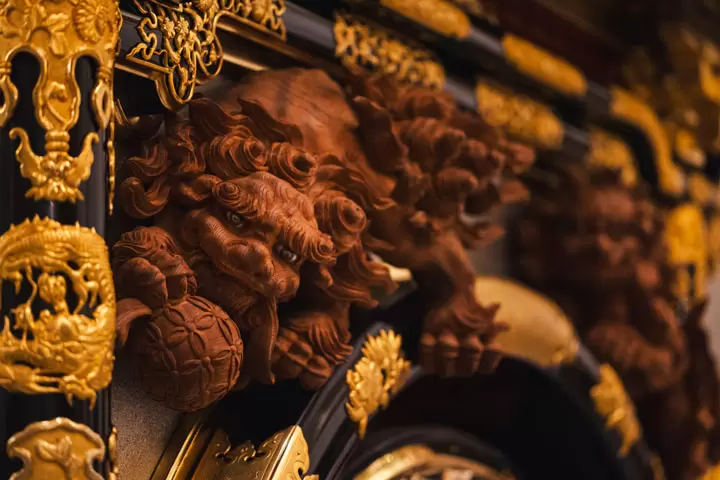
Designated as Important Tangible Cultural Assets, these nearly 8-meter-tall floats are meticulously maintained by local communities. To preserve their delicate woodwork, they are kept in a climate-controlled gallery.
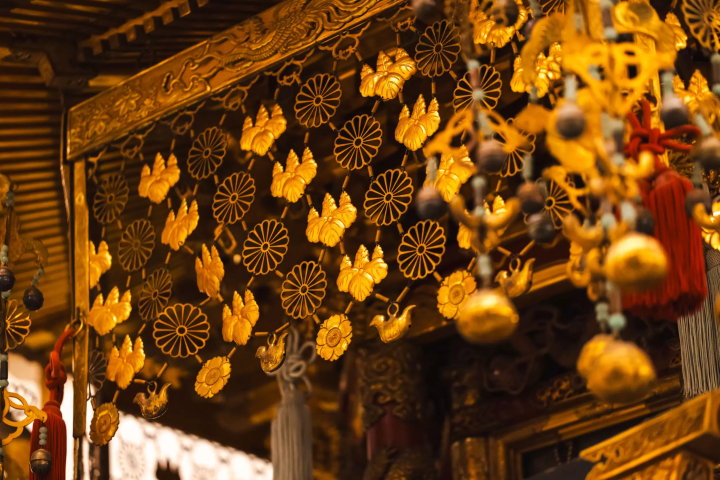
From behind the glass, you can admire each float’s unique character: intricate carvings, brilliant lacquerware, gilded symbolism, and precious tapestries. You’ll even see the karakuri puppets, famous for their lifelike movements during the festival.
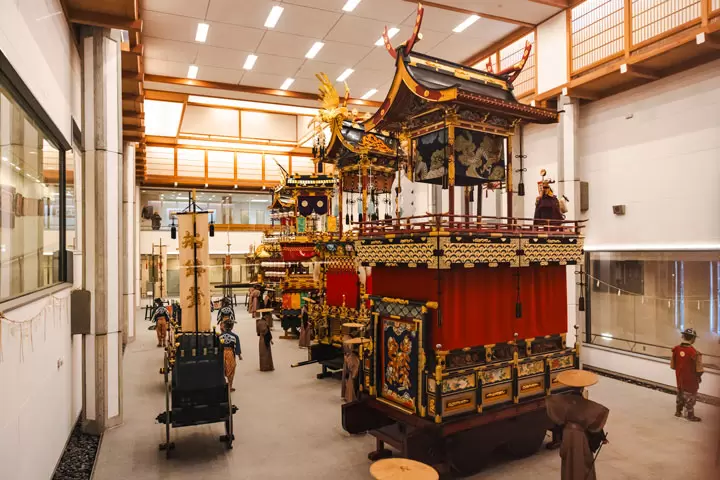
The exhibition hall features a raised walkway, allowing you to view the floats from above and truly appreciate the skills of the Hida artisans. To see the floats in action, visit the onsite video hall; a 10-minute film captures the festival’s spirit, from sacred shrine prayers to the magical yomatsuri (night festival), where the floats are illuminated by about a hundred glowing lanterns.
Starting your journey at the Yatai Kaikan provides essential context for your visit, as the festival remains the heartbeat of Takayama’s daily life and local identity.
Sakurayama Hachimangu Shrine Takayama Festival Floats Exhibition Hall
 178 Sakuramachi, Takayama, Gifu Prefecture, 506-0858
This is the site of the annual Takayama Autumn Festival (Hachiman Festival). Within the grounds, you'll find Akiba Shrine, the god of fire prevention and protection; Tenman Shrine, dedicated to Sugawara no Michizane; Inari Shrine, dedicated to bountiful harvests, prosperous business, sericulture, and various industries; Kotohira Shrine, dedicated to safe maritime traffic; and Terusaki Shrine, dedicated to the gods of valor and teeth. Visitors can enjoy a leisurely stroll through these sub-shrines. During the reign of Emperor Nintoku, a villainous tribe called Ryomen-sukuna rebelled against the emperor and threatened the people in the Hida mountains. According to the Nihon Shoki, Naniwaneko Takefurukuma-no-Mikoto, under the imperial command of the Shogun for the expedition, is said to have led the government forces into Hida. It is said that Takefurukuma-no-Mikoto enshrined the venerable spirit of Emperor Ojin, the emperor at the time, and offered prayers for victory in battle in the sacred grounds of Sakurayama, marking the founding of the shrine.
178 Sakuramachi, Takayama, Gifu Prefecture, 506-0858
This is the site of the annual Takayama Autumn Festival (Hachiman Festival). Within the grounds, you'll find Akiba Shrine, the god of fire prevention and protection; Tenman Shrine, dedicated to Sugawara no Michizane; Inari Shrine, dedicated to bountiful harvests, prosperous business, sericulture, and various industries; Kotohira Shrine, dedicated to safe maritime traffic; and Terusaki Shrine, dedicated to the gods of valor and teeth. Visitors can enjoy a leisurely stroll through these sub-shrines. During the reign of Emperor Nintoku, a villainous tribe called Ryomen-sukuna rebelled against the emperor and threatened the people in the Hida mountains. According to the Nihon Shoki, Naniwaneko Takefurukuma-no-Mikoto, under the imperial command of the Shogun for the expedition, is said to have led the government forces into Hida. It is said that Takefurukuma-no-Mikoto enshrined the venerable spirit of Emperor Ojin, the emperor at the time, and offered prayers for victory in battle in the sacred grounds of Sakurayama, marking the founding of the shrine.
 178 Sakuramachi, Takayama, Gifu Prefecture, 506-0858
The Takayama Festival Floats Exhibition Hall is in Hida Takayama, Gifu Prefecture, almost in the center of the Japanese archipelago. The Takayama Festival, held in spring and autumn, is extremely famous, and is particularly known for the beauty of the floats, the highlight of the festival. The Takayama Festival Floats Exhibition Hall alternates exhibiting four of the 11 floats pulled during the Takayama Autumn Festival, with nine puppeteers manipulating the floats.
Takayama Festival is held twice a year, in spring and autumn, respectively in different host shrines, regions, and the floats used. The spring festival is annually held at Hie Shrine, while the autumn festival is held at Sakurayama Hachiman Shrine. The Takayama Festival Floats Exhibition Hall is located within the grounds of Sakurayama Hachiman Shrine and displays the floats used in the Takayama Autumn Festival.
The Takayama Autumn Festival is held every year on October 9th and 10th. Visiting the Takayama Festival Floats Exhibition Hall allows you to fully experience the atmosphere of Takayama Festival.
178 Sakuramachi, Takayama, Gifu Prefecture, 506-0858
The Takayama Festival Floats Exhibition Hall is in Hida Takayama, Gifu Prefecture, almost in the center of the Japanese archipelago. The Takayama Festival, held in spring and autumn, is extremely famous, and is particularly known for the beauty of the floats, the highlight of the festival. The Takayama Festival Floats Exhibition Hall alternates exhibiting four of the 11 floats pulled during the Takayama Autumn Festival, with nine puppeteers manipulating the floats.
Takayama Festival is held twice a year, in spring and autumn, respectively in different host shrines, regions, and the floats used. The spring festival is annually held at Hie Shrine, while the autumn festival is held at Sakurayama Hachiman Shrine. The Takayama Festival Floats Exhibition Hall is located within the grounds of Sakurayama Hachiman Shrine and displays the floats used in the Takayama Autumn Festival.
The Takayama Autumn Festival is held every year on October 9th and 10th. Visiting the Takayama Festival Floats Exhibition Hall allows you to fully experience the atmosphere of Takayama Festival.
Savor Hoba-Miso Beef Steak for Lunch at Suzuya
Picture courtesy of Suzuya
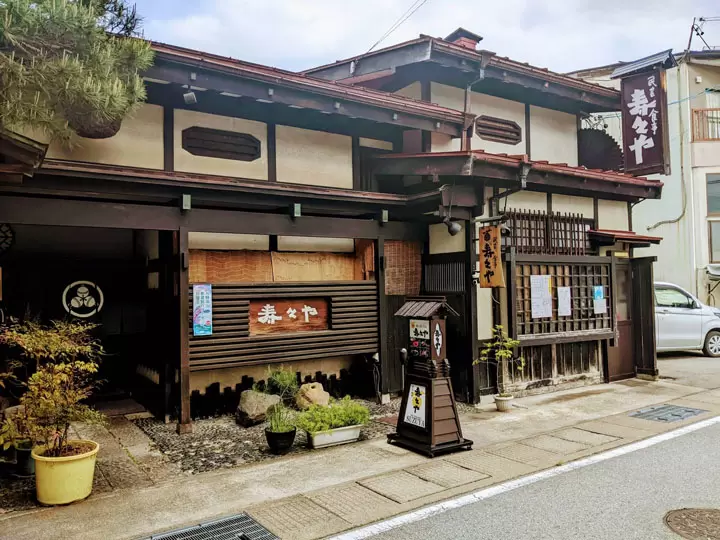
Located just a short walk from Sakurayama Hachimangu Shrine, Suzuya is an excellent choice for lunch. This restaurant offers a variety of dishes using Takayama’s prized Hida beef, including the local specialty Hoba-Miso Beef Steak.
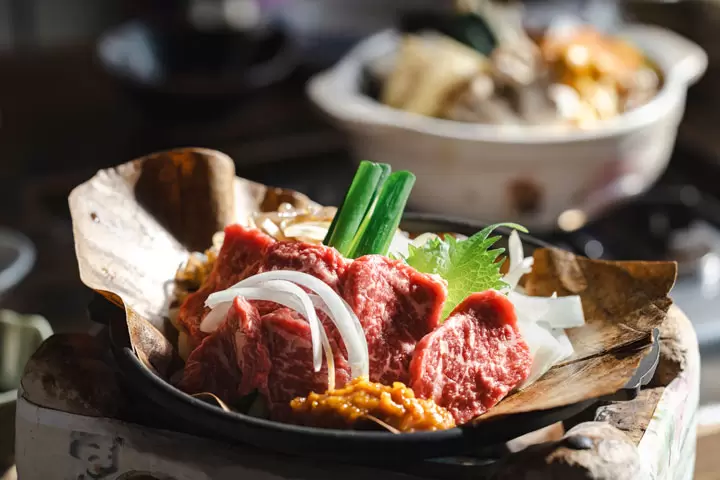
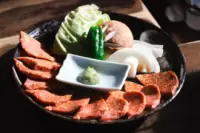
In this regional dish, Hida beef, leeks, and mushrooms are grilled in miso paste atop a dried magnolia leaf, which infuses the ingredients with a deep, earthy fragrance. The beef’s high marbling ensures it remains incredibly tender, allowing its natural sweetness to blend perfectly with the savory miso—a combination that pairs beautifully with steamed rice.
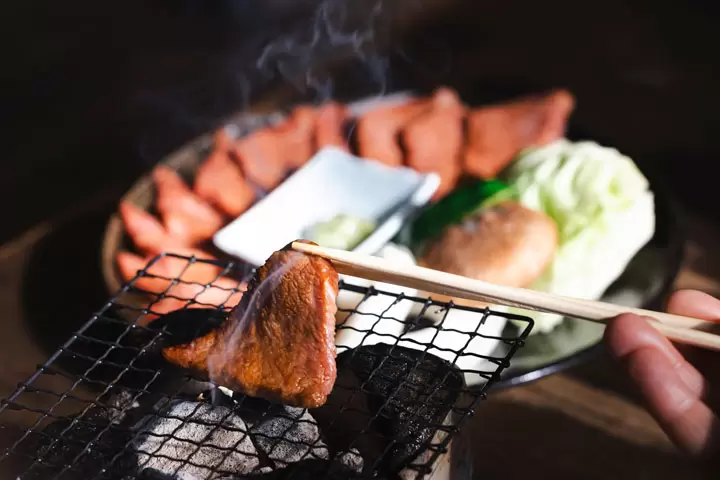
Suzuya offers traditional favorites like Sansai Miso Nabe (mountain vegetable hot pot), Sukiyaki, and Ami-yaki (table-top BBQ), as well as Western-style dishes like pork cutlets and ebi fry (deep-fried shrimp).
Beyond the flavorful cuisine, the charm of dining at Suzuya lies in its traditional atmosphere. Housed in a former ancestral home where the owner’s great-grandfather once lived, the building was converted into a restaurant 60 years ago.
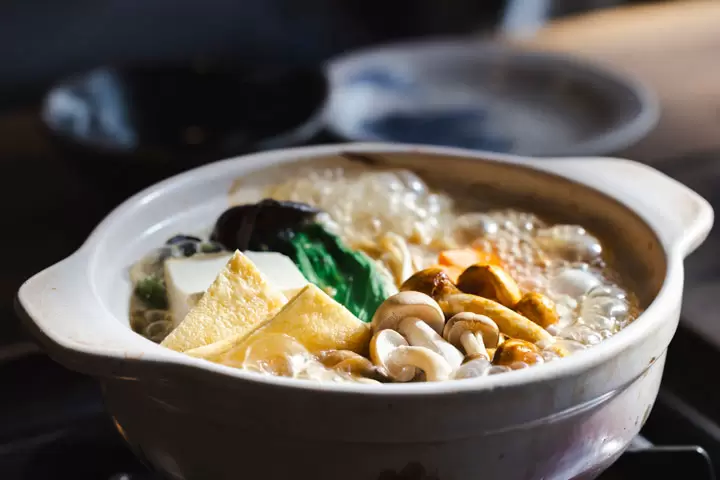
While the menu originally centered on Takayama’s mountain vegetables and river fish, it expanded to include Hida beef. To this day, the restaurant also serves Western favorites like pork cutlets, a tribute to the current owner’s grandfather, who was a specialist in Western cuisine.
What truly sets Suzuya apart is its warm, tourist-friendly hospitality. The staff go out of their way to ensure every guest feels welcome, using English or helpful gestures to explain the best way to enjoy each dish. Do not be surprised if you are thanked in your own native language—it is all part of their dedicated effort to provide a memorable and inclusive dining experience.
Suzuya
 24 Hanakawamachi, Takayama, Gifu Prefecture, 506-0015
Suzuya Restaurant is popular for its elegant atmosphere, incorporating the old architectural style of Hida Takayama. This restaurant serves Hida Takayama's local cuisine, focusing on seasonal mountain harvests and river produce. A popular dish is the Hoba Miso Steak, made with homemade miso paired with sesame oil, sake, sugar, and other ingredients. This dish is eaten by mixing Hida beef, green onions, and mushrooms with slightly sweet miso. The aroma of roasted miso will whet your appetite. Locally grown wild vegetables, such as bracken and butterbur, and mountain harvests such as mushrooms are healthy and have a powerful flavor. There are table seats, tatami rooms, and sunken kotatsu tables, so even babies and the elderly can relax comfortably. The warm hospitality and personality of the staff are also the secret to their popularity. This is a restaurant you'll want to visit again and again.
24 Hanakawamachi, Takayama, Gifu Prefecture, 506-0015
Suzuya Restaurant is popular for its elegant atmosphere, incorporating the old architectural style of Hida Takayama. This restaurant serves Hida Takayama's local cuisine, focusing on seasonal mountain harvests and river produce. A popular dish is the Hoba Miso Steak, made with homemade miso paired with sesame oil, sake, sugar, and other ingredients. This dish is eaten by mixing Hida beef, green onions, and mushrooms with slightly sweet miso. The aroma of roasted miso will whet your appetite. Locally grown wild vegetables, such as bracken and butterbur, and mountain harvests such as mushrooms are healthy and have a powerful flavor. There are table seats, tatami rooms, and sunken kotatsu tables, so even babies and the elderly can relax comfortably. The warm hospitality and personality of the staff are also the secret to their popularity. This is a restaurant you'll want to visit again and again.
Exploring the Craft of Hoba Miso at Kusakabe Miso and Soy Sauce Brewing
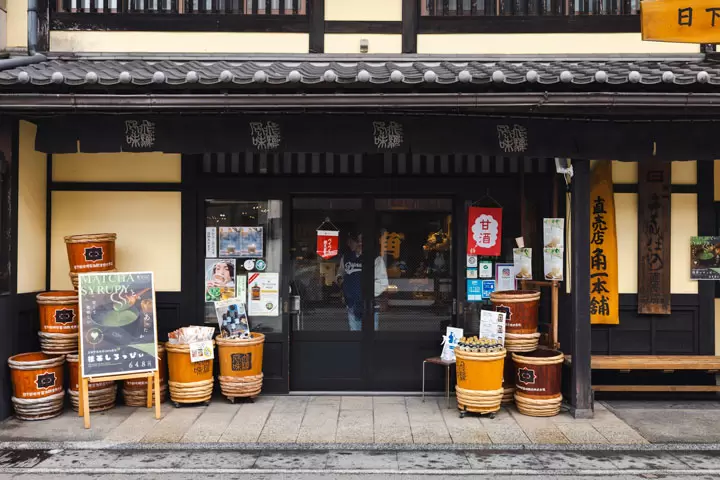
To learn more about Hoba Miso and what makes it so tasty, visit the shop of Kusakabe Miso and Soy Sauce Brewing Kakuichi.
Founded in 1890, this brewery is renowned for its Kakuichi Koji miso, which is still produced in wooden barrels—some of which have been in use for over 130 years.
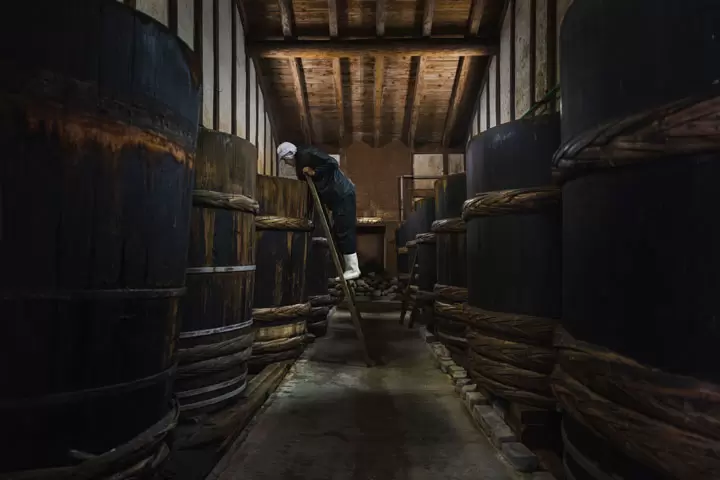
These historic barrels house unique fermentation bacteria that impart a mellow, deep umami flavor that stainless steel tanks simply cannot replicate.
While the facility does not offer public brewery tours, visitors can explore their direct sales shop, located within a beautifully preserved section of the original storehouse.
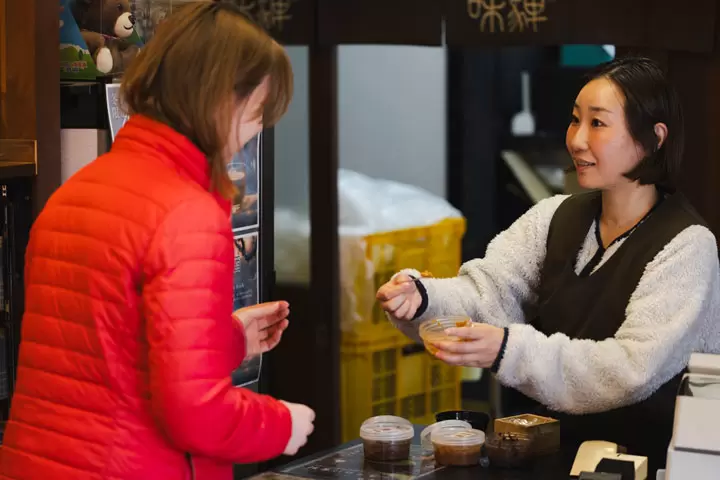
Inside the shop, you can sample four types of miso paste and five kinds of soy sauce before making a purchase. To assist international cooks, the shop provides English explanations on how to use these fermented ingredients, covering everything from basic miso soup to the local specialty, Hoba Miso.
Kusakabe Miso and Soy Sauce Brewing prides itself on being the first company to commercialize Hoba Miso paste for retail.
Compared to standard miso, this specific variety is lower in salt and notably sweeter. Using their signature Kakuichi Koji Miso as a base, the paste is blended with sake lees, mirin, and aged sake. This unique recipe is crafted to ensure the aroma peaks when grilled, resulting in a savory fragrance and a profound, rich depth of flavor.
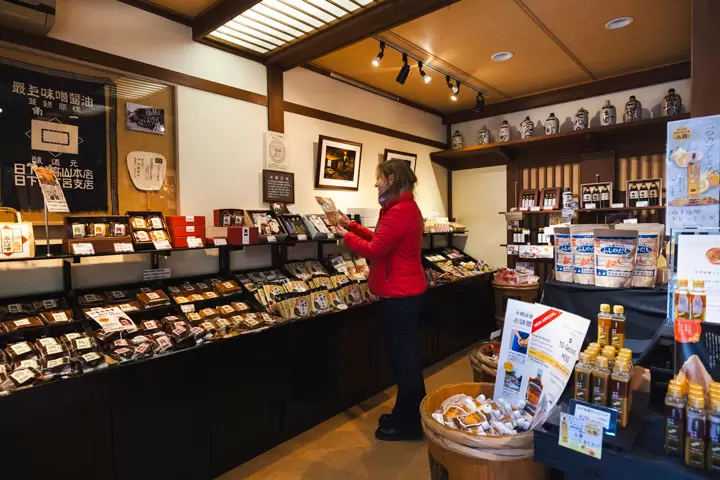
At the shop, you can purchase sets that include both the specialized miso and dried magnolia (hoba) leaves. To prepare this dish at home, begin by soaking the leaf in water for 10–15 minutes to soften it, then patting it dry. If you are using a hot plate or frying pan, place a sheet of aluminum foil slightly larger than the leaf underneath; this catches any leaks if the leaf tears and ensures an easy cleanup.
To cook, spread the miso thinly across the leaf and top with green onions, shiitake mushrooms, and beef over low heat. For a unique twist, try adding butter or cheese to enjoy how the flavor transforms.
Kusakabe Miso and Soy Sauce Brewing
 90 Kamiichinomachi, Takayama, Gifu Prefecture, 506-0844
This is a long-established miso and soy sauce brewery founded in 1890 in the heart of Hida Takayama.
For over 130 years since its founding, the brewery has continued to use carefully selected soybeans and rice (whole soybeans are used only for some of their soy sauce, as the koji is determined by the rice), koji, meltwater from the Northern Alps, and Hida's cold climate to maintain its traditional natural brewing methods using hand-brewing and wooden barrels.
Even today, wooden barrels more than 130 years old are still in use, and the fermentation bacteria that have settled in them over many years develop a deep, mellow flavor that cannot be replicated in modern stainless steel tanks.
The brewery is also known as the first to commercialize Hoba Miso, a local Hida Takayama dish made with magnolia leaves, and its unique flavor has earned it high praise nationwide.
At the brewery's direct sales shop, you can sample and purchase miso and soy sauce, giving you an up-close experience of Hida's food culture.
90 Kamiichinomachi, Takayama, Gifu Prefecture, 506-0844
This is a long-established miso and soy sauce brewery founded in 1890 in the heart of Hida Takayama.
For over 130 years since its founding, the brewery has continued to use carefully selected soybeans and rice (whole soybeans are used only for some of their soy sauce, as the koji is determined by the rice), koji, meltwater from the Northern Alps, and Hida's cold climate to maintain its traditional natural brewing methods using hand-brewing and wooden barrels.
Even today, wooden barrels more than 130 years old are still in use, and the fermentation bacteria that have settled in them over many years develop a deep, mellow flavor that cannot be replicated in modern stainless steel tanks.
The brewery is also known as the first to commercialize Hoba Miso, a local Hida Takayama dish made with magnolia leaves, and its unique flavor has earned it high praise nationwide.
At the brewery's direct sales shop, you can sample and purchase miso and soy sauce, giving you an up-close experience of Hida's food culture.
Kusakabe Folk Crafts Museum: Discover Traditional Architecture and Craftsmanship
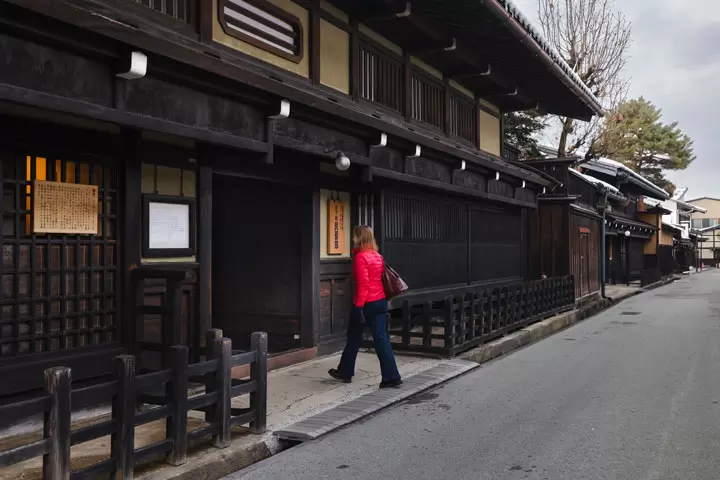
For a glimpse into Takayama’s heritage, visit the Kusakabe Folk Crafts Museum, located just a short walk from the Miyagawa Morning Market. The main building, reconstructed in 1875 following a devastating city-wide fire, originally served as the residence and warehouse of the Kusakabe family, prominent merchants and money lenders during the Edo period (1603–1868).
During this era, the Hida region was designated as tenryo, meaning it was under the direct control of the Tokugawa shogunate. The city flourished as a result of its abundant timber resources and the legendary skill of its local carpenters, known as Hida no Takumi (the "Masters of Hida").
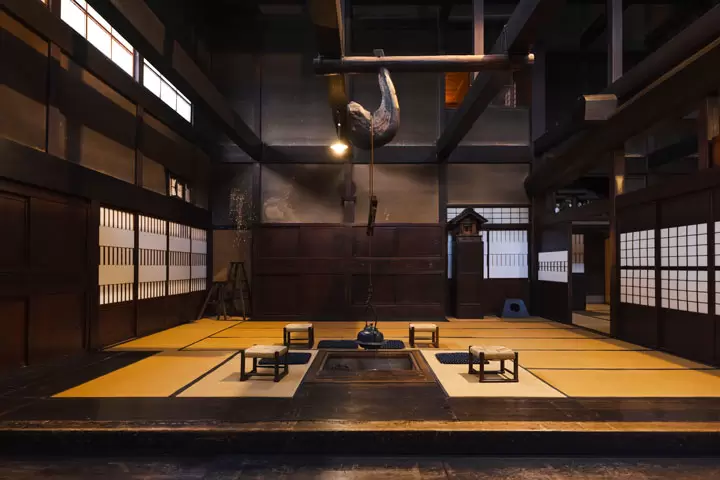
Designated an Important Cultural Property in 1967, the Kusakabe Residence stands as a quintessential example of Takayama’s architectural mastery. Visitors can marvel at the home's striking aesthetic, defined by massive, dark-lacquered beams and a soaring open-ceiling structure that showcases the region's carpentry expertise.
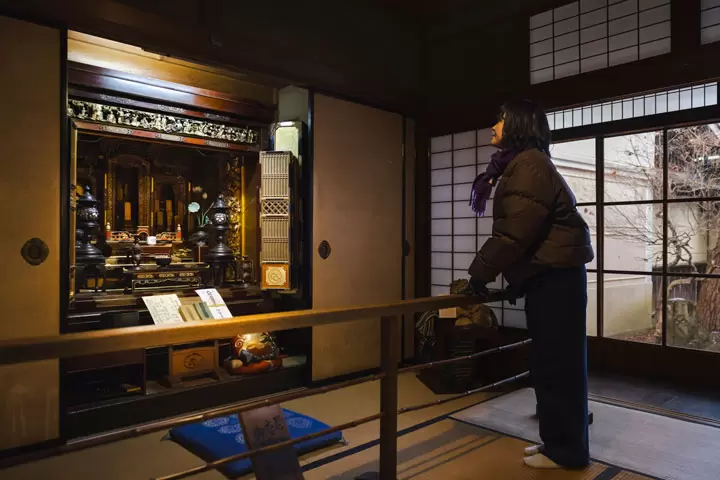
Near the entrance, you will find a 250-year-old Buddhist altar—a rare survivor of the great fire. As you move through the home, the tokonoma (decorative alcoves) display exquisite Japanese art, while curated exhibits of Hida folk crafts, traditional pottery, and antique utensils offer a window into the refined daily life of a wealthy merchant dynasty.
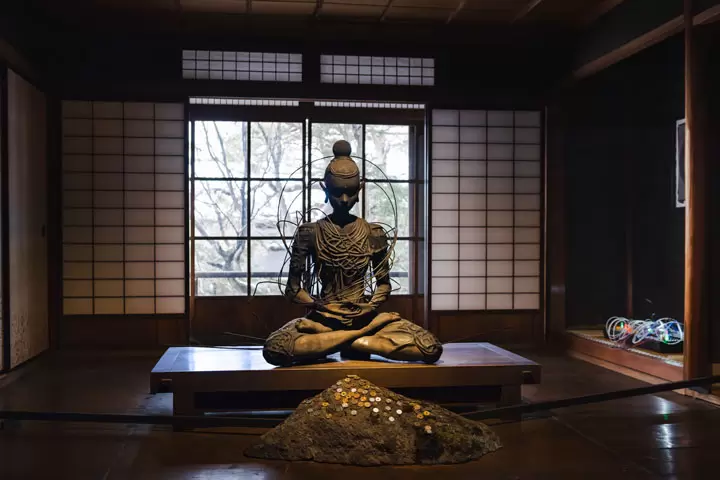
During our visit, the second floor featured an installation by contemporary artist Ochiai Yoichi. By merging cutting-edge technology with Buddhist imagery, his work blurs the boundary between the sacred and the digital. Since the museum director’s wife is an art curator, the Kusakabe Folk Crafts Museum frequently serves as a bridge between eras, hosting innovative exhibitions and public events.
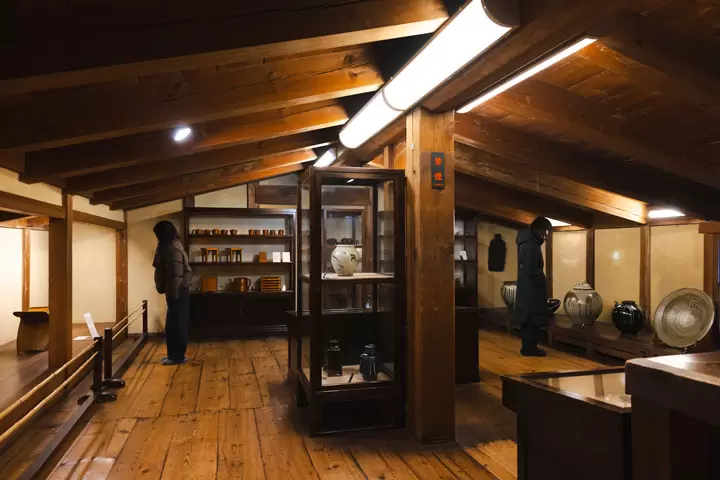
Before you leave, be sure to explore the serene inner garden and the earthen storehouse (kura), which has been repurposed into a stunning exhibition gallery.
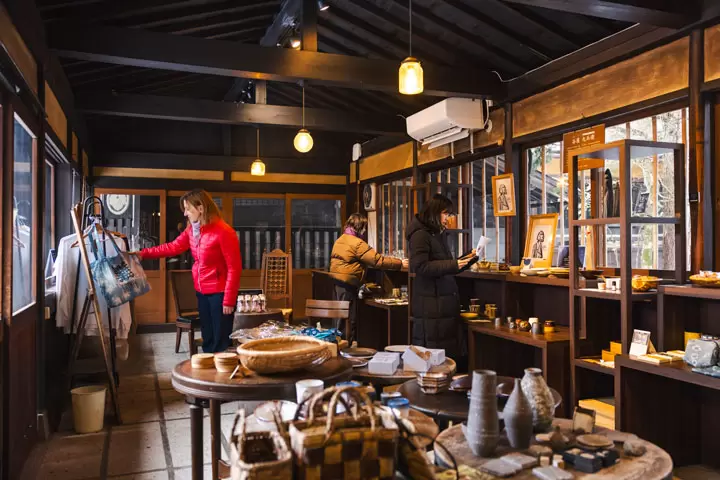
Finally, stop by the museum shop to browse a curated selection of handcrafted glassware, textiles, and jewelry—alongside original artwork—offering a sophisticated alternative to standard souvenirs.
Kusakabe Folk Crafts Museum
 1-52 Oshinmachi, Takayama, Gifu Prefecture 506-0851
Oshinmachi in Takayama, Gifu Prefecture.
Kusakabe Folk Crafts Museum, located a short walk from Takayama Station, is housed in the former townhouse of the Kusakabe family, who prospered as merchants purveying to magistrate's office during the era of tenryo, directly ruled territories.
Although the original residence was destroyed in a major fire in 1875, in 1879, a renowned Hida carpenter by the name of Jisuke Kawajiri faithfully recreated it in the Edo period's architectural style.
The storehouse was opened as an exhibition room, displaying art and folk crafts, including Shibukusa ware handed down in the Kusakabe family.
In 1966, the house was designated an Important Cultural Property by the national government as a Meiji-era private residence.
Come experience the culture of Hida and Takayama at our museum.
1-52 Oshinmachi, Takayama, Gifu Prefecture 506-0851
Oshinmachi in Takayama, Gifu Prefecture.
Kusakabe Folk Crafts Museum, located a short walk from Takayama Station, is housed in the former townhouse of the Kusakabe family, who prospered as merchants purveying to magistrate's office during the era of tenryo, directly ruled territories.
Although the original residence was destroyed in a major fire in 1875, in 1879, a renowned Hida carpenter by the name of Jisuke Kawajiri faithfully recreated it in the Edo period's architectural style.
The storehouse was opened as an exhibition room, displaying art and folk crafts, including Shibukusa ware handed down in the Kusakabe family.
In 1966, the house was designated an Important Cultural Property by the national government as a Meiji-era private residence.
Come experience the culture of Hida and Takayama at our museum.
Stay at Sumiyoshi Ryokan to Enjoy Heartfelt Hospitality
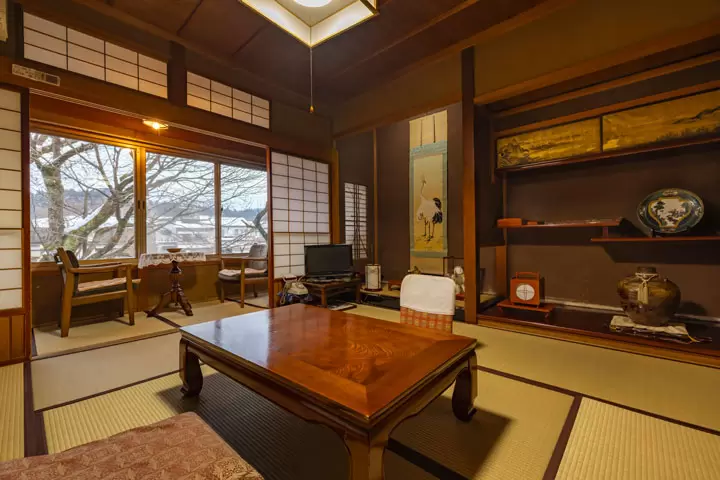
While Takayama offers many modern hotels, Sumiyoshi Ryokan provides a more authentic experience. Ideally situated along the Miyagawa River—just across from the morning market—this family-run inn originally served as a Meiji-era shichiya (pawnshop) before opening as a ryokan in 1950.
The traditional rooms feature tatami flooring, Hida furniture, and seasonal art, with second-floor rooms offering picturesque river views. Throughout the inn, guests can admire an extensive collection of Japanese art and heirlooms curated by the owner’s father. The lobby is particularly striking, showcasing a rich array of antique folk art and Takayama festival artifacts.
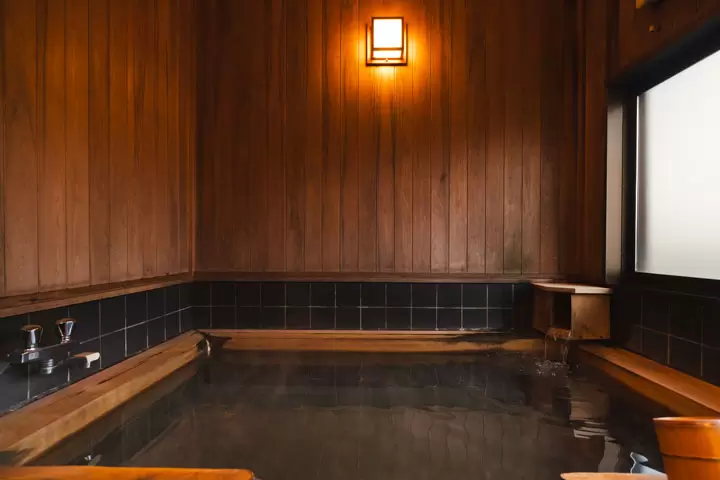
As with many traditional inns, the restrooms and bathing areas are shared. The ryokan features two baths: a large communal one and a smaller one available for private use—though guests are asked to be mindful of others’ wait times. To follow Japanese bathing etiquette, always wash and rinse thoroughly at the shower stations before entering the communal tub; notably, the tub should remain filled for the next guest.
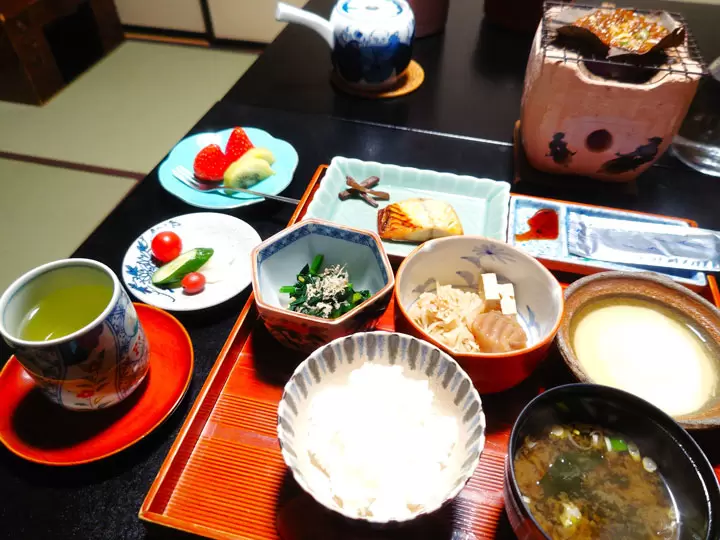
In the morning, the inn serves a vibrant "Japanese feast" featuring miso soup, rice, grilled fish, and local Hoba Miso (miso grilled on a magnolia leaf). If you are looking for an authentic Takayama breakfast, Sumiyoshi is an exceptional choice.
Sumiyoshi Ryokan
 4-21 Honmachi, Takayama, Gifu Prefecture, 506-0011
This inn is a homely ryokan (traditional Japanese inn) built in the pure Takayama townhouse style of the Taisho period, preserving the Hida Takumi architectural style. Traditional flavors and seasonal mountain and sea delicacies are served. Sumiyoshi offers delicious meals with a rich local flavor unique to the inn.
4-21 Honmachi, Takayama, Gifu Prefecture, 506-0011
This inn is a homely ryokan (traditional Japanese inn) built in the pure Takayama townhouse style of the Taisho period, preserving the Hida Takumi architectural style. Traditional flavors and seasonal mountain and sea delicacies are served. Sumiyoshi offers delicious meals with a rich local flavor unique to the inn.
Slow Breakfast at oku: With Artisanal Sourdough and Seasonal Flavors
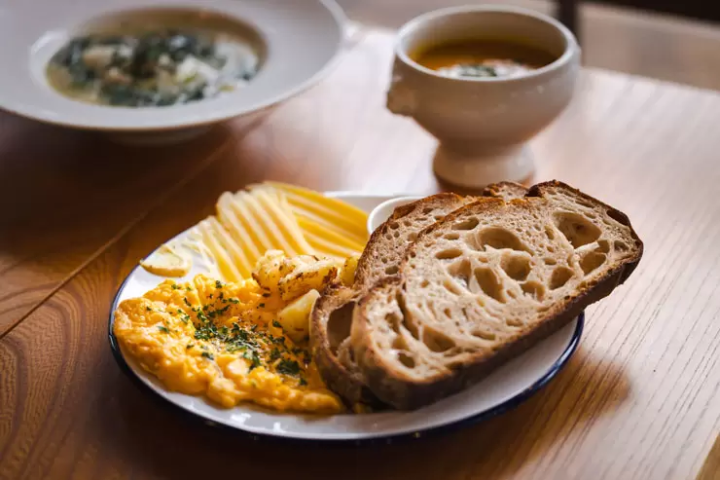
For those who prefer a Western-style start to their day, we recommend oku, a sister establishment of the renowned local bakery Le Pain Mujo. Since opening in July 2024, oku has specialized in wholesome breakfasts centered on artisanal breads.
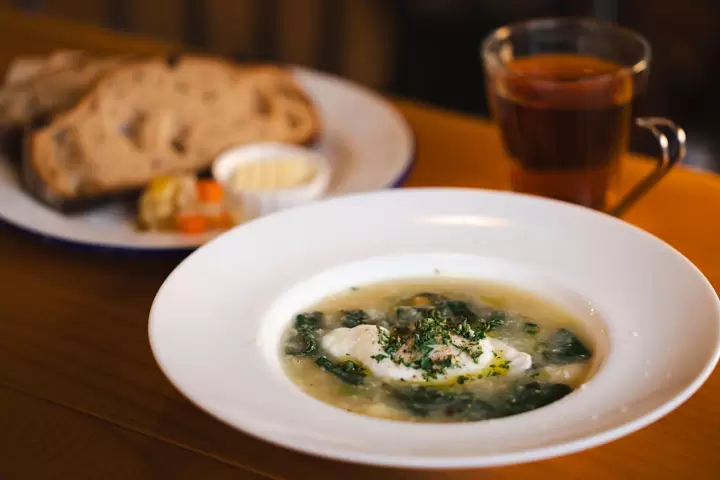
The menu features nutritious, seasonal soups—such as hearty spinach in the winter or refreshing tomato in the summer—paired with salads, house-made ham, creamy mashed potatoes, and seasonal sides. Each plate reflects a characteristically Japanese approach to nutrition, offering a meticulously balanced intake of proteins, minerals, and vitamins.
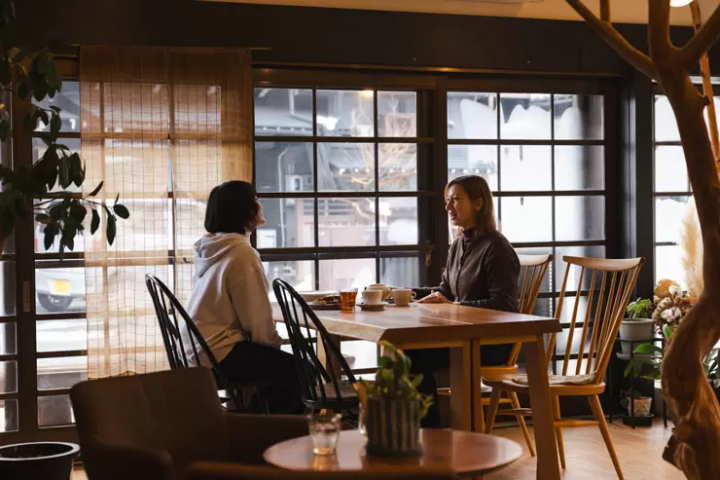
Breakfast at oku is the antithesis of fast food. The ritual begins at the entrance, where stepping out of your shoes and into slippers immediately slows your pace. The interior—filled with warm wooden furniture and lush greenery—evokes the serene atmosphere of the Hida forests.
The cafe invites you to linger, whether dining solo or with a companion. Here, breakfast is treated as a slow-paced act of self-care, providing the essential nutrients to fuel your day.
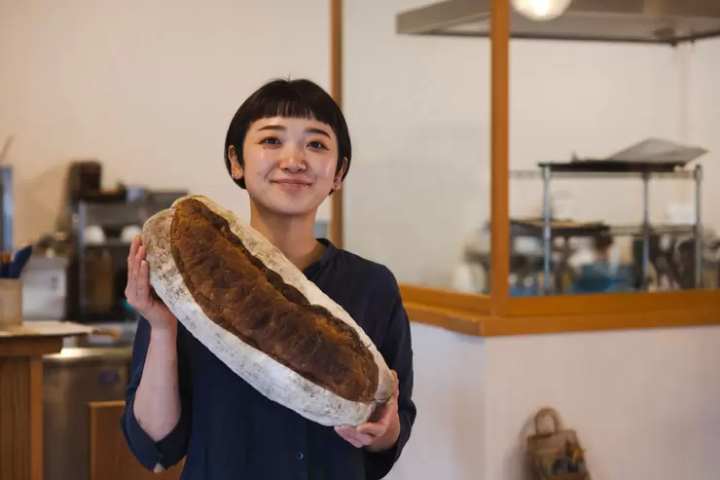
During our visit, we enjoyed the Campagne, a hearty, aromatic sourdough that left a lasting impression. Paired with seasonal soup and sides, it felt truly nourishing—the perfect preparation for a day of exploring Takayama.
oku
 1-95-2 Oshinmachi, Takayama, Gifu Prefecture, 506-0851
A cafe that enriches your mornings in Hida Takayama.
Opening at 6:30 am, it has become popular as a special space for visitors to start their sightseeing or for locals to enjoy a quiet morning. In a calming interior where you can feel the warmth of wood, you can enjoy a breakfast plate featuring freshly baked bread, seasonal deli items, homemade ham, and soup, along with cafe time and brunch.
As a sister shop of the popular bakery Le Pain Mujo, it is charming for its commitment to quality ingredients and homemade flavors. In addition to drinks and desserts, it is also open during lunchtime (11:00 am - 3:00 pm), making it a great place to take a break or relax before or after sightseeing.
1-95-2 Oshinmachi, Takayama, Gifu Prefecture, 506-0851
A cafe that enriches your mornings in Hida Takayama.
Opening at 6:30 am, it has become popular as a special space for visitors to start their sightseeing or for locals to enjoy a quiet morning. In a calming interior where you can feel the warmth of wood, you can enjoy a breakfast plate featuring freshly baked bread, seasonal deli items, homemade ham, and soup, along with cafe time and brunch.
As a sister shop of the popular bakery Le Pain Mujo, it is charming for its commitment to quality ingredients and homemade flavors. In addition to drinks and desserts, it is also open during lunchtime (11:00 am - 3:00 pm), making it a great place to take a break or relax before or after sightseeing.
Savor Takayama’s Exquisite Sake: A Tour of Hirata Sake Brewery
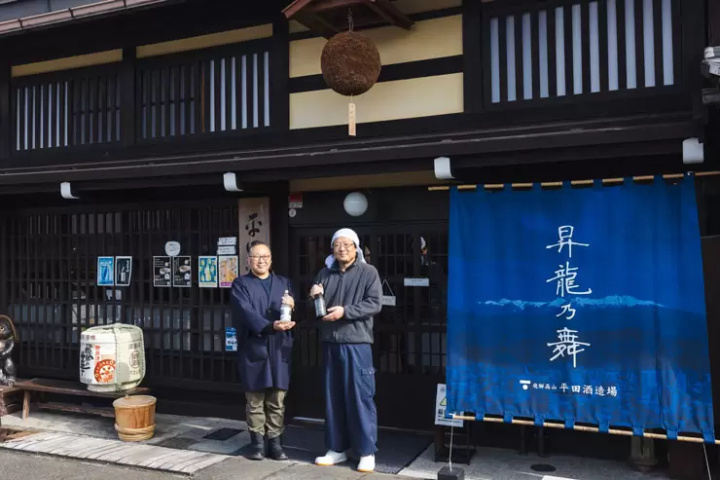
Beyond miso and soy sauce, sake (rice wine) is an integral pillar of Takayama’s fermented food culture. It is a local essential—not only for warming the soul during frost-bound winters but also as a sacred offering to the gods during the Takayama Festival, where it is shared and enjoyed by the entire community.
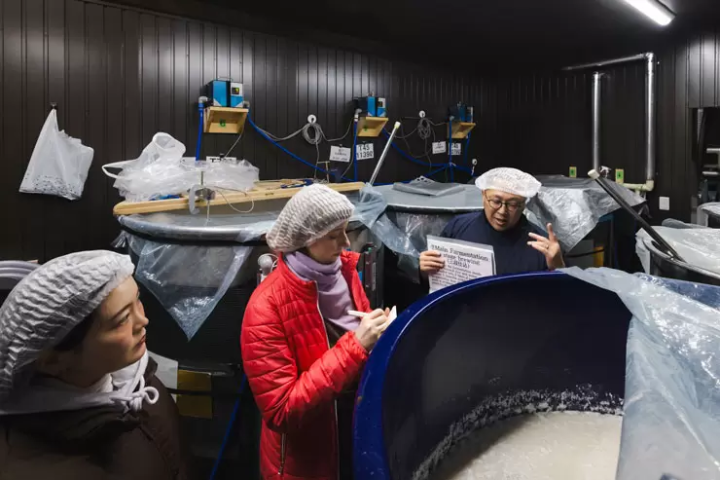
Hirata Sake Brewery, one of the city's seven historic breweries, has been perfecting its craft since 1895. Their 40-minute immersive tour (4,000 yen/person, reservation required) offers a deep dive into the philosophy of sake production. It is an excellent way to learn about this cornerstone of Japanese heritage while tasting a selection of their premium local brews.
The brewery is very compact; unlike large-scale industrial operations, Hirata Sake Brewery focuses on small-batch, handcrafted sake that reflects the natural features of the Hida region. The first half of the tour guides you through every meticulous stage of production—from rice polishing and steaming to koji inoculation, fermentation, pressing, and bottling.
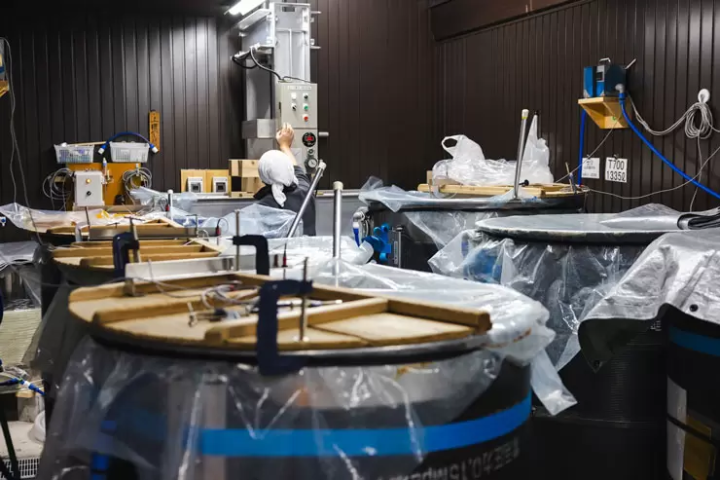
As you walk through the facility, you’ll witness the craftsmen at work, breathe in the fragrance of steaming rice and active fermenting mash, and perhaps even meet the toji (master brewer) who oversees the delicate alchemy of the entire process.
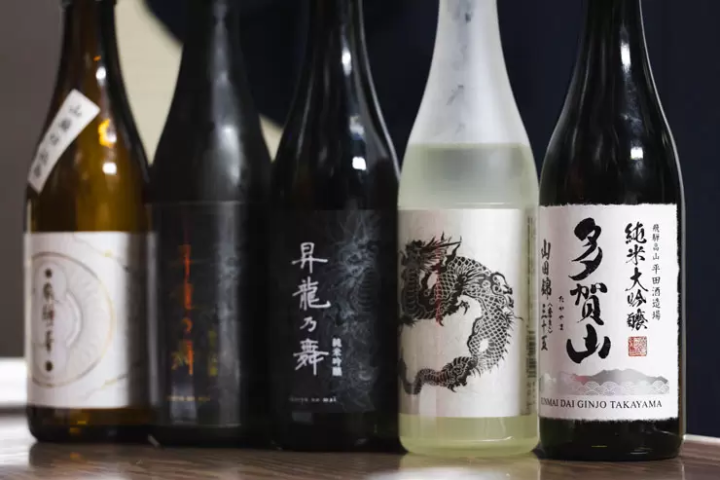
The tour concludes with a curated tasting of three signature sakes. While the lineup rotates, you will likely encounter flagship labels such as Hida no Hana (“Flower of Hida”), a crisp, dry sake designed to cut through the rich, savory flavors of local dishes like Hoba Miso. You might also sample Shoryu no Mai (“Dance of the Rising Dragon”), a refined daiginjo prized for its delicate, floral fragrance.
Another standout is Takayama, a sophisticated junmai daiginjo that earned a Gold Medal at the prestigious 2025 Kura Master competition in France—a testament to the brewery’s world-class craftsmanship.
These selections are all available at the brewery shop, alongside vibrant fruit liqueurs and traditional non-alcoholic amazake. For gourmands looking to bring the authentic flavors of Hida home, these bottles make for exceptional souvenirs.
Hirata Sake Brewery
 60 Kamininomachi, Takayama, Gifu Prefecture, 506-0845
Hirata Sake Brewery's brewing concept is that sake is something that is nurtured. The Hirata family, under the trade name Utsuboya, began manufacturing and selling hair wax and candles in 1769. They began their sake brewing business in 1895. Since their founding, they have continued to hone their skills, focusing on handcrafting based on the concept that "sake is something that is nurtured rather than manufactured." Their company motto is "quality first," and they brew sake taking advantage of the cold Hida region and techniques cultivated through tradition.
Their flagship brand is Shoryu no Mai.
60 Kamininomachi, Takayama, Gifu Prefecture, 506-0845
Hirata Sake Brewery's brewing concept is that sake is something that is nurtured. The Hirata family, under the trade name Utsuboya, began manufacturing and selling hair wax and candles in 1769. They began their sake brewing business in 1895. Since their founding, they have continued to hone their skills, focusing on handcrafting based on the concept that "sake is something that is nurtured rather than manufactured." Their company motto is "quality first," and they brew sake taking advantage of the cold Hida region and techniques cultivated through tradition.
Their flagship brand is Shoryu no Mai.
Taste Home-Style Takayama Cooking at Taiki
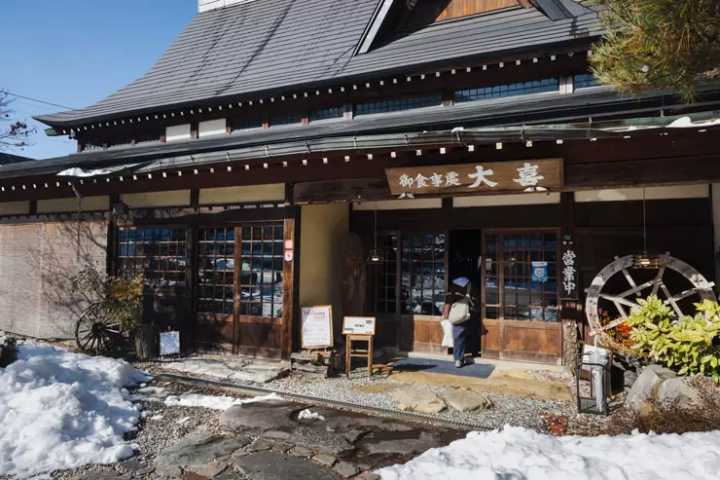
For the second afternoon of your stay, we suggest a visit to the Hida Folk Village, located just a 15-minute taxi ride from the city center.
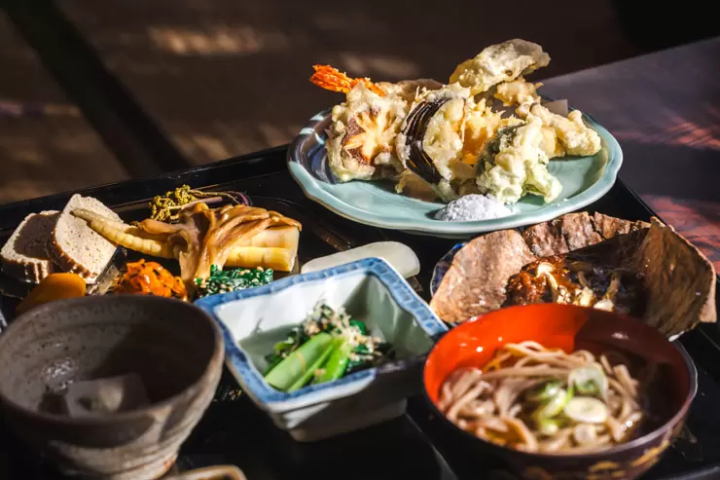
Before exploring, stop for lunch at Taiki, a rustic restaurant celebrated for its authentic Hida cuisine. Their extensive menu features everything from handmade soba noodles and crisp tempura to regional specialties like Hoba Miso and mountain vegetable sets.
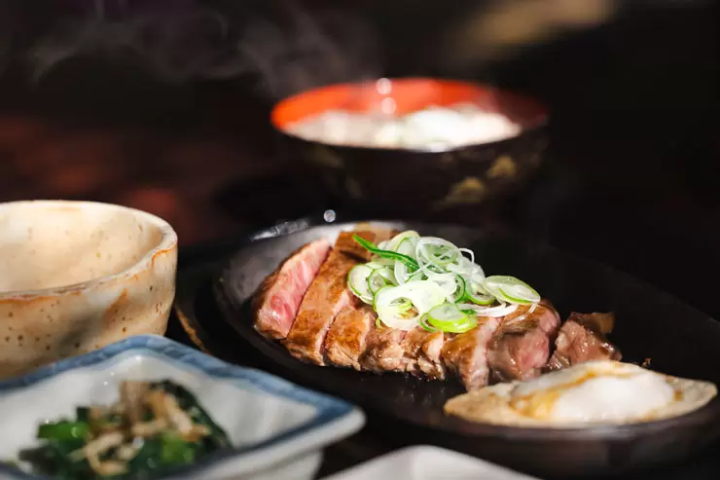
The owner sources only high-quality Hida beef and pairs it with fresh produce foraged from the surrounding forests. Depending on the season, you may also find salt-grilled sweetfish or char, prepared simply to highlight their delicate, natural flavors.
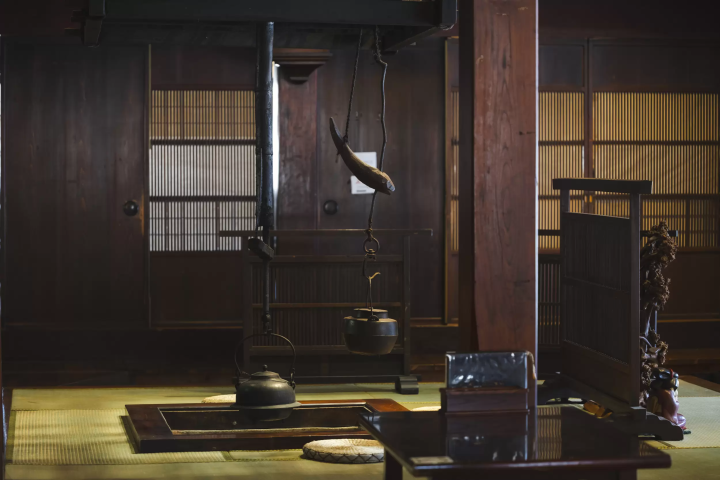
The restaurant itself is housed in a magnificent structure dating back 250 years. Dining within the aged timber interior on traditional tatami mats offers a profound sense of immersion into Takayama’s history.
Taiki is an exceptional destination for those seeking authentic, home-style Hida flavors, with a diverse menu designed to satisfy every palate. While the focus is on regional specialties, the kitchen can accommodate vegetarian requests to a certain extent; however, please ensure you make a reservation in advance to allow the chefs to prepare a specialized dish.
Restaurant Taiki
 3-768 Nishinoisshikimachi, Takayama, Gifu Prefecture, 506-0031
A restaurant located on the way to Hida Folk Village, one of Takayama's representative sightseeing spots. They offer seasonal mountain vegetable dishes unique to Hida Takayama, as well as A5 Hida beef, the highest grade of wagyu beef. They also have a children's menu, so feel free to visit with the whole family.
The restaurant also have ample parking and can accommodate large buses. Reservations for large groups are also accepted.
3-768 Nishinoisshikimachi, Takayama, Gifu Prefecture, 506-0031
A restaurant located on the way to Hida Folk Village, one of Takayama's representative sightseeing spots. They offer seasonal mountain vegetable dishes unique to Hida Takayama, as well as A5 Hida beef, the highest grade of wagyu beef. They also have a children's menu, so feel free to visit with the whole family.
The restaurant also have ample parking and can accommodate large buses. Reservations for large groups are also accepted.
Hida Folk Village: Immerse Yourself in Traditional Life
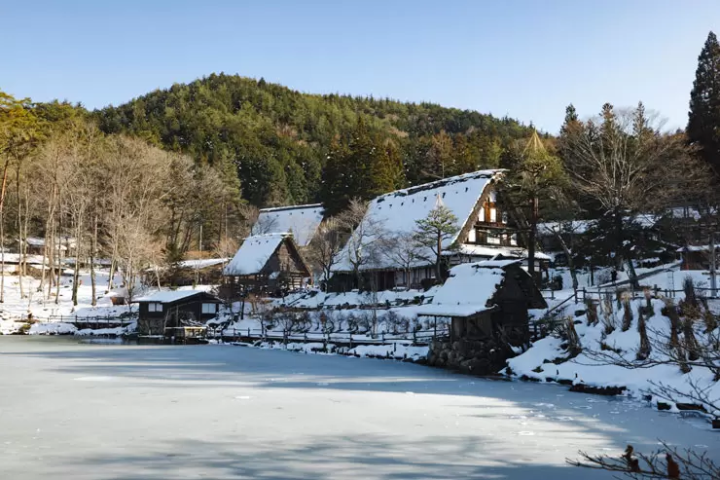
Located a short walk uphill from Taiki, the Hida Folk Village is a destination we highly recommend to anyone wishing to learn more about rural life in the Hida region.
This open-air museum is home to over 30 authentic traditional buildings, including the iconic Gassho-style thatched farmhouses known for their steep-sloped roofs. These structures were carefully dismantled and relocated here to ensure their preservation, with some houses dating back to the 18th or 19th centuries.
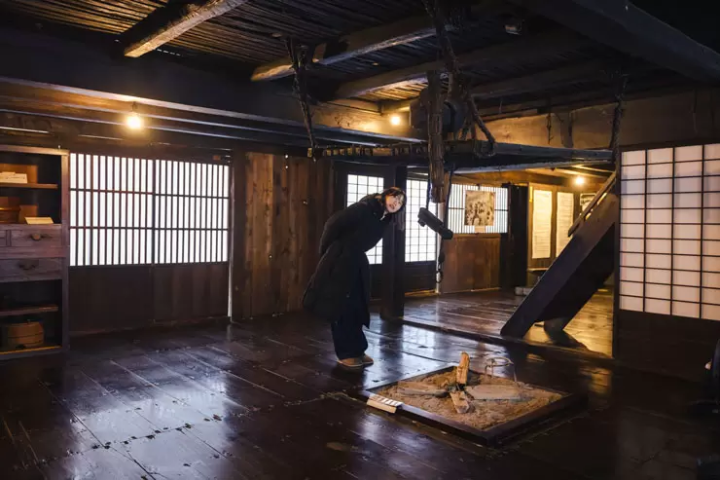
Their interiors have been preserved as much as possible to offer visitors a genuine glimpse into the past; the tools and utensils on display speak to the owners’ lifestyles and reveal the profound connection between Hida’s culture and the natural world.
Managing the region's heavy snow was always a central element of the Hida lifestyle, and the locals adapted with ingenious practicality. They kept their homes warm using irori, sunken hearths where families would gather to cook, eat, and socialize.
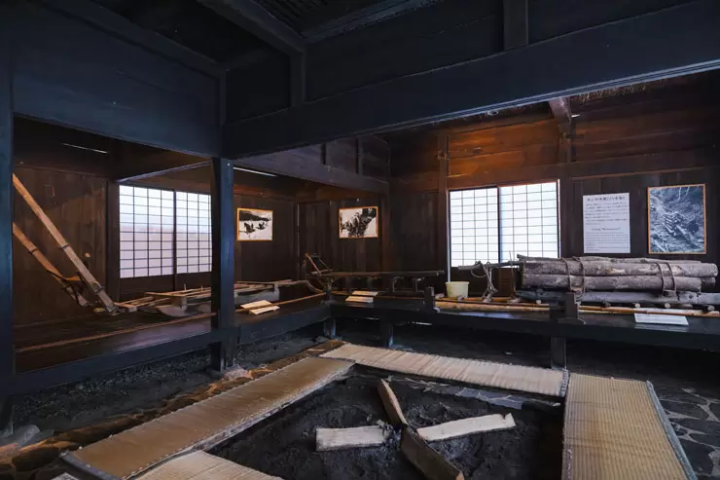
Outside the home, various types of traditional sledges were utilized to transport essential goods up and down the mountain slopes. Through these preserved details, the village vividly illustrates how the people of Hida harmonized their daily lives with a beautiful yet challenging environment.
Local artisans host live demonstrations within the houses, showcasing traditional crafts such as woodcarving. As a visitor, you can try your hand at traditional regional crafts, including Hida Sashiko embroidery, pottery, and weaving. Please check the official website for a full list of available craft experiences.
At the Hida Takayama Crafts Experience Center, a variety of hands-on activities are available year-round for families to enjoy together. These include making Sarubobo dolls, the famous red lucky charms of Takayama, as well as folk art painting and traditional tea ceremony. Stop by to create some lasting memories of your trip!
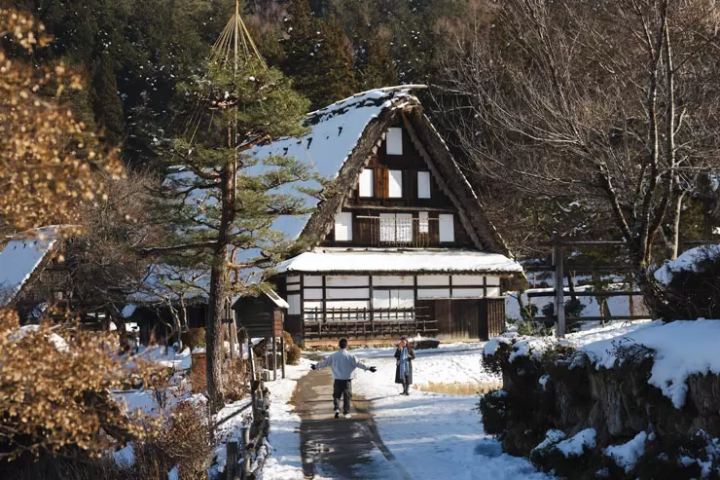
The Hida Folk Village is a wonderful destination to visit year-round. Whether you are greeted by the serene, snowy landscapes of winter, the refreshing greenery of summer, or the vibrant, warm hues of autumn, a stunning view always awaits.
Hida Folk Village
 1-590 Kamiokamotomachi, Takayama, Gifu Prefecture, 506-0055
This village museum is lined with around 30 typical Hida homes, including Gassho-style houses which are traditional in the heavy-snow Hida region, and it embodies the scenery of the area's past farming and mountain villages. Each house displays a large number of tools used in rural village life, and also holds demonstrations and experiences of straw crafts, sashiko (traditional embroidery), braiding, etc. on a daily basis, as well as seasonal events.
1-590 Kamiokamotomachi, Takayama, Gifu Prefecture, 506-0055
This village museum is lined with around 30 typical Hida homes, including Gassho-style houses which are traditional in the heavy-snow Hida region, and it embodies the scenery of the area's past farming and mountain villages. Each house displays a large number of tools used in rural village life, and also holds demonstrations and experiences of straw crafts, sashiko (traditional embroidery), braiding, etc. on a daily basis, as well as seasonal events.
Summary
Our recommended two-day itinerary for Hida Takayama is an invitation to slow down and reconnect with a more intentional way of living. From the aroma of Hoba Miso and the centuries-old craftsmanship at the Kusakabe Folk Crafts Museum to the serene mornings at oku and the rustic charm of the Hida Folk Village, this region offers a rare blend of cultural richness and natural tranquility.
Reaching Hida Takayama is a seamless journey on the JR Wide View Hida limited express train from Nagoya Station. Taking approximately 2 hours and 20 minutes, the route is renowned for its spectacular views of the Hida River and the surrounding mountain passes.
Taking a Meitetsu Bus or Nohi Bus departing from either the Nagoya Station (Shinkansen Exit) Bus Terminal or the Meitetsu Bus Center is also convenient. This is a budget-friendly option with frequent daily departures, taking roughly 2 hours and 40 minutes to reach the heart of Takayama.
Japan’s Fermentation: The Secret Behind UMAMI. Discover the hidden secrets and charms of Japan’s rich fermentation culture! Nagoya, once home to powerful shogun who shaped history, is famous for landmarks like Nagoya Castle and Ghibli Park. But did you know it's also a treasure trove of Japan’s iconic UMAMI-rich food culture? ■What's HAKKO? In Japanese cuisine, fermentation (HAKKO) plays a crucial role in creating flavorful seasonings and world-renowned sake. The mastery of fermentation techniques is key to crafting these delicious essentials. ■What Kind of Place is Nagoya? Located in central Japan, Nagoya serves as a major transportation hub, easily accessible by air and land. Thanks to its rich natural environment and unique climate, the region has cultivated a distinctive fermented food culture over the centuries.The Chita Peninsula, nestled between Ise Bay and Mikawa Bay, is a scenic region that has long been known for its thriving brewing industries, producing sake, vinegar, miso, and tamari soy sauce. Meanwhile, Nishi-Mikawa, the birthplace of Tokugawa Ieyasu, carries on the tradition of making Hatcho miso and the uniquely light-colored Shiro shoyu (white soy sauce)—both essential elements of Japanese cuisine.
The contents on this page may partially contain automatic translation.
Special Features
More











![[Shinjuku Girls' Trip] 4 Recommended Shops for Women at Odakyu Ace!](https://resources.matcha-jp.com/resize/720x2000/2026/05/11-263877.webp)