Discover Shizuoka's Hidden Gem: Umegashima Onsen Guide – 3 Unique Springs, Local Gourmet & Stunning Waterfalls
Just 1 hour from Shizuoka Station, Umegashima Onsen-kyo is a secluded paradise featuring three distinct hot spring sources (Konya, Shinden, and Umegashima). Explore our guide to the best hot springs, local delicacies like Tea Soba, scenic hiking spots, and recommended Ryokans for both day trips and overnight stays.

Written by
National hot spring resorts are designated by the Minister of the Environment under the Hot Springs Act as healthy hot spring resorts where the benefits of hot spring use are expected to be sufficient. 79 hot spring resorts have been designated nationwide (as of October 2024). National hot spring resorts are selected based on the following criteria. 1. Conditions regarding the quality and volume of hot spring water (1) The source of the hot spring water used must be a therapeutic spring. (2) The hot spring water used must have an abundant volume of water. The standard volume of water flow must be 0.5 liters per minute or more per hot spring user. 2. Conditions regarding the environment of the hot spring resort (1) The hot spring is suitable as a resort from the perspective of the natural environment, townscape, history, climate, culture, etc. (2) A plan for the placement of doctors who can provide guidance on proper hot spring use and health management from a medical perspective, or a plan for the placement or training policy of personnel who can provide guidance on bathing methods, etc. in cooperation with the doctors, must be established. (3) Appropriate efforts will be made to protect hot spring resources, manage the hygiene of hot springs, promote public use of hot springs, and take into consideration the elderly and disabled, etc. (4) Enhanced efforts to prevent disasters.
This service includes sponsored advertisements.
Please also see this article for recommended accommodations in Umegashima Onsen-kyo.
-
Table of Contents
- Experience 3 Unique Hot Spring Sources in Umegashima
- Gourmet & Sightseeing
- Top 3 Onsen Spots for Day Trips and Overnight Stays
- 【Umegashima Onsen】Yunoshimakan: Relax in the Historical "Hidden Bath" of Takeda Shingen
- Access information
Experience 3 Unique Hot Spring Sources in Umegashima
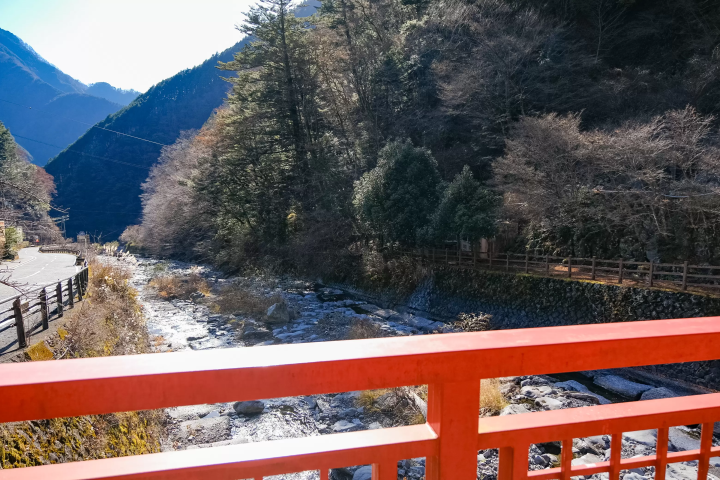
About an hour's drive from Shizuoka Station, near the border with Yamanashi Prefecture, you'll find Umegashima Onsen-kyo, a secluded hot spring resort where time passes slowly.
Umegashima Onsen-kyo is the collective name for Konya Onsen, Shinden Onsen, and Umegashima Onsen. This special hot spring resort is packed with three hot springs with different spring qualities all within driving distance.
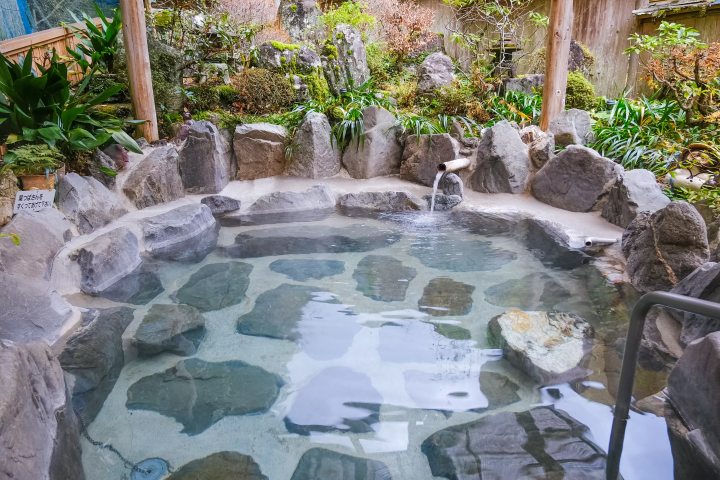
Konya Onsen is the first place you'll arrive at when you arrive from Shizuoka Station. The highly alkaline spring water, with a pH of 10.3, is one of the best in Japan. It is known for its extremely smooth, moisturizing properties that leave the skin smooth and silky.
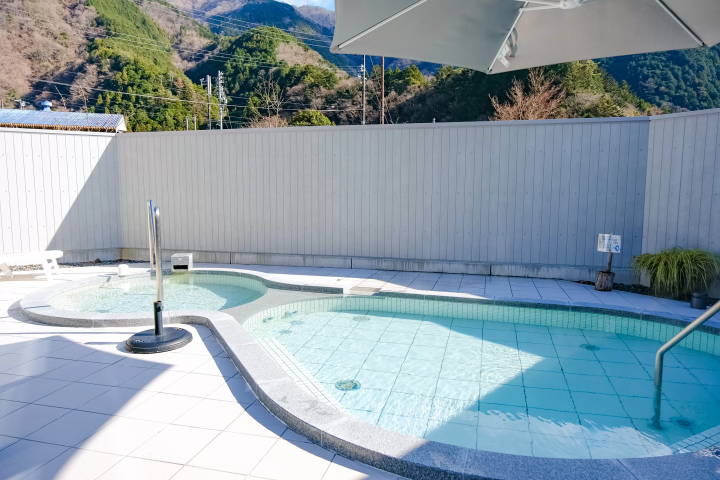
Next comes Shinden Onsen, a hot spring that is said to be effective for stiff shoulders and nerve and muscle pain. The day-trip hot spring facility, Kogane-no-yu, is also popular as a place to drop in and soak after activities.
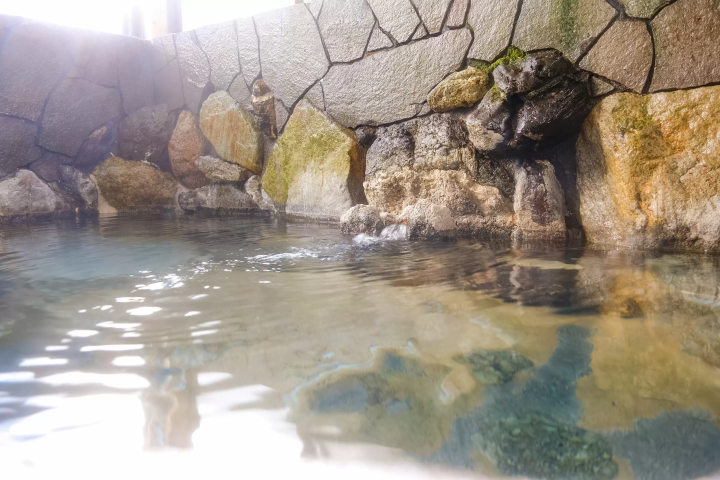
Umegashima Onsen has long been known as a famous hot spring with simple sulfur springs. It is also known as " Takeda Shingen's hidden hot spring," and is said to have been opened about 1,700 years ago.
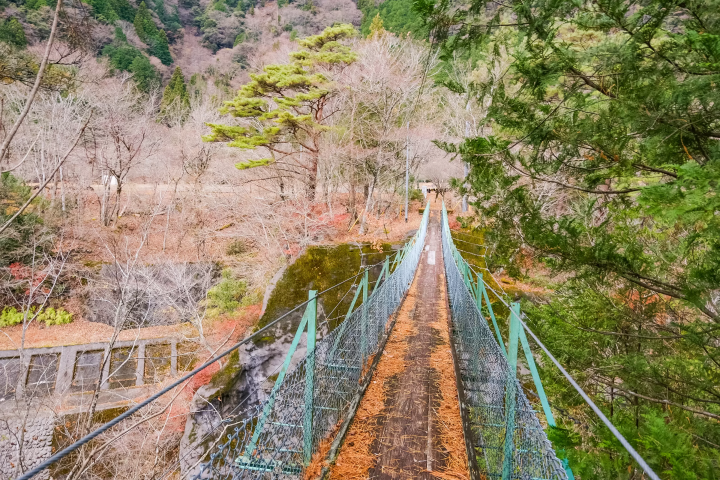
Umegashima Onsen-kyo has been designated a " People's Health Resort Spring " due to its rich natural environment and the excellent quality and efficacy of its hot springs. Umegashima Onsen-kyo is easily accessible from the Kanto region, and you can enjoy the benefits of the hot springs whether you're visiting for a day trip or an overnight stay. We'll introduce you to some must-see spots to add to your travel itinerary, how to enjoy the hot springs, and recommended inns.
Gourmet & Sightseeing
The Abe River , which was selected as one of the "100 Best Waters of the Heisei Era," supports the scenery and culinary blessings of Umegashima Onsen-kyo . The Abe River , which flows through Shizuoka City and into Suruga Bay , is an essential part of any discussion of Umegashima Onsen-kyo. We will introduce restaurants along the Abe River and spots where you can experience the great nature created by the Abe River.
"Ochaya" welcomes you with a warm, homely atmosphere
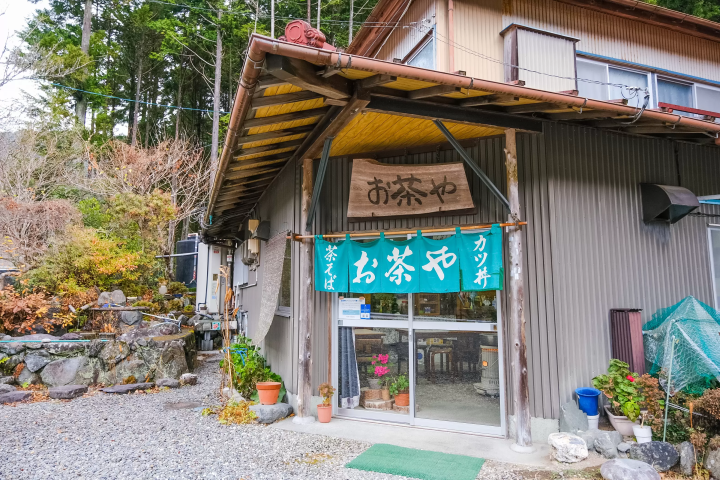
It's an hour's drive north from Shizuoka Station along the road to Umegashima Onsen-kyo. Opposite the plum and cherry blossom gardens is the restaurant Ochaya.
This Ochaya is run by a single owner, and as the name suggests, it is famous for Shizuoka's famous tea. In addition to tea served in teacups, you can also enjoy "cha soba," soba noodles with matcha mixed into them.
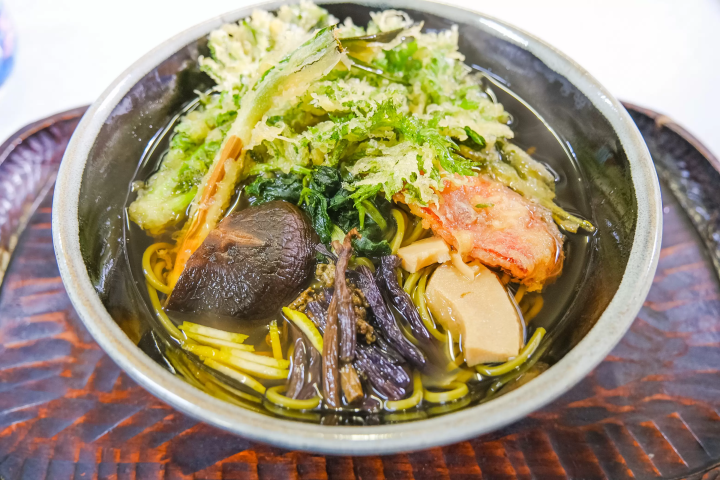
This time, I had the "Cha Soba Mount Ten." The cha soba noodles are piled high with fresh shiitake mushrooms grown in-house, as well as tempura made from peppers and other mountain delicacies, and you can tell how delicious they are from the moment they are brought to your table.
When you take your first bite of the soba noodles, a soft citrus scent tickles your nose. The refreshing scent is said to come from yuzu, which is in season at this time of year. After the refreshing taste of the chopped yuzu, the smooth texture of the soba noodles is conveyed along with the aroma of matcha.
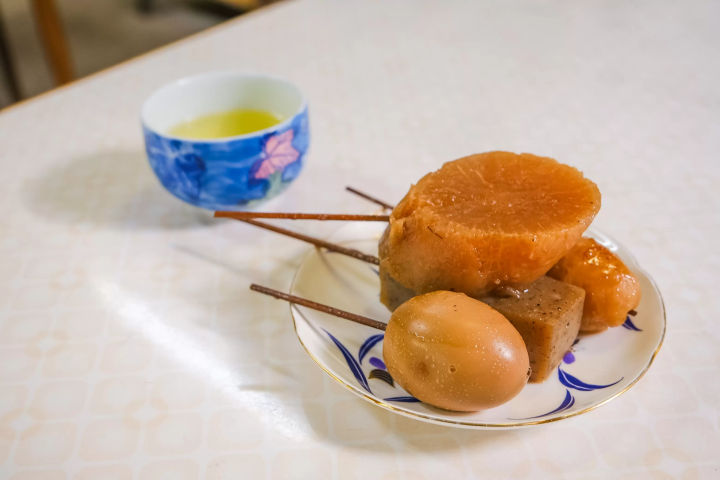
The tempura is delicious whether dipped in the sauce or eaten as is. I couldn't stop eating the soba and tempura alternately, and my stomach and heart were both satisfied.
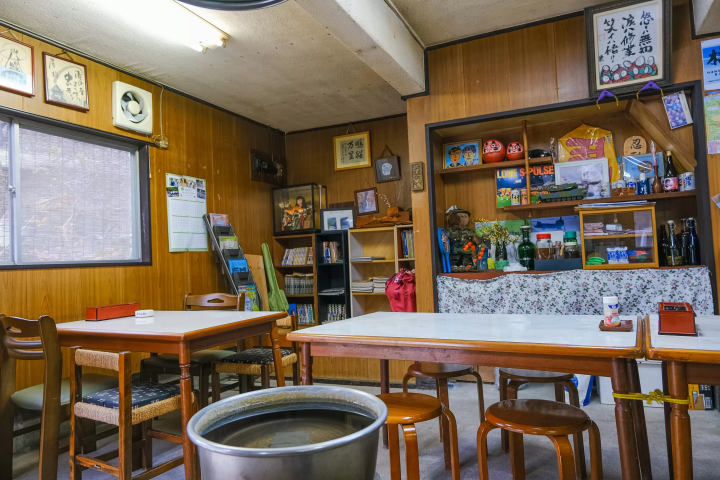
The Ochaya opens around 11:00 and is open on irregular days. If you pass by and see the noren hanging, it's a sign that the shop is open. Come and try the local ingredients at this Ochaya, where you'll feel at home and warmed by the warm hospitality.
Ochaya
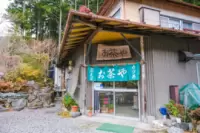 4002 Umegashima, Aoi Ward, Shizuoka City, Shizuoka Prefecture, 421-230...
This restaurant serves Shizuoka's signature cha soba noodles, and provides warm, homey hospitality to each and every traveler.
4002 Umegashima, Aoi Ward, Shizuoka City, Shizuoka Prefecture, 421-230...
This restaurant serves Shizuoka's signature cha soba noodles, and provides warm, homey hospitality to each and every traveler.
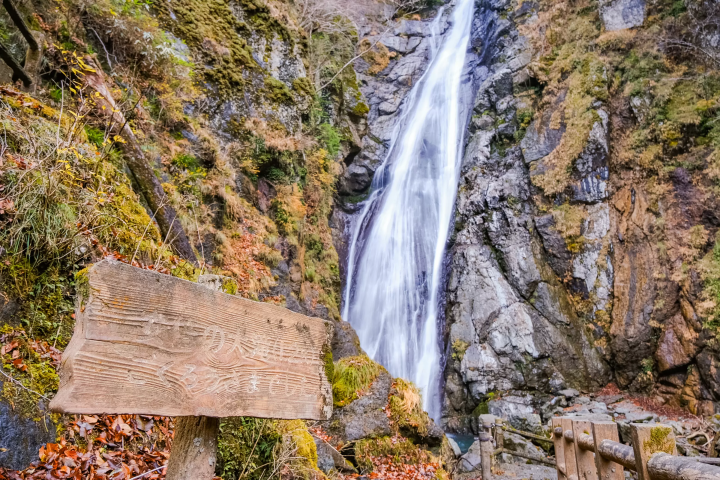
"Akamizu-no-taki Falls" - recommended for the autumn foliage season in November
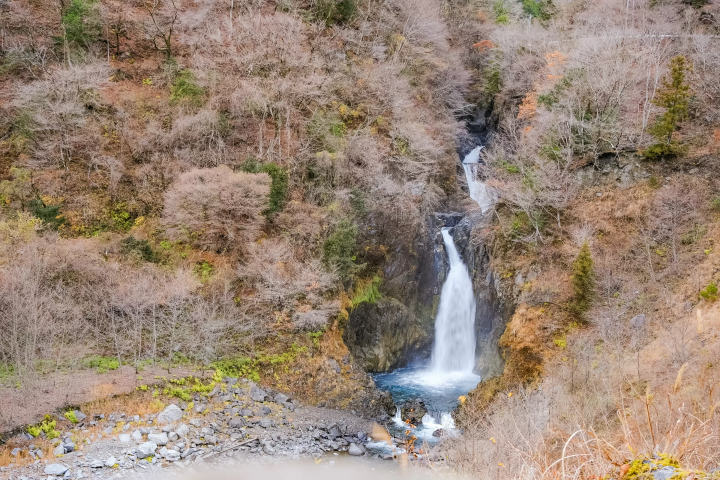
A five-minute drive from the Ochaya is Akamizu-no-taki Falls. A five-minute walk from the parking lot to the observation deck will take you to the impressive waterfall, which cascades down from a height of 50 meters.
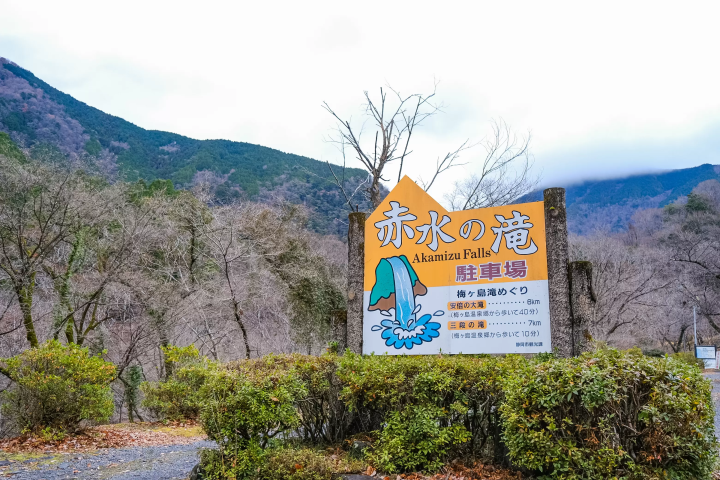
Akamizu-no-taki Falls has a long history, triggered by a major earthquake and flood that occurred in 1707. At that time, the Oya Kuzure, one of Japan's three major landslides, occurred, and the resulting mudslide created small, elevated flatlands such as Shinden and Akamizu. The spectacle of the brown, muddy water cascading from this plateau with a loud noise is the reason why it was named Akamizu-no-taki Falls.
You can see the magnificent waterfall at any time of the year, but the autumn season is especially recommended. The trees around the waterfall turn red and yellow, making the waterfall's spectacular view even more striking.
The falls will be lit up in mid-November, so you can enjoy the fantastic sight even at night.
Akamizu no Taki Waterfall
 Umegashima, Aoi Ward, Shizuoka City, Shizuoka Prefecture, 421-2301
The observation deck is about a 5-minute walk from the parking lot. There is a well-maintained walking route, making it easy to reach the waterfall. In November, the waterfall is sometimes lit up at night.
Umegashima, Aoi Ward, Shizuoka City, Shizuoka Prefecture, 421-2301
The observation deck is about a 5-minute walk from the parking lot. There is a well-maintained walking route, making it easy to reach the waterfall. In November, the waterfall is sometimes lit up at night.
Abe-no-Otaki Falls: A spectacular hike reward
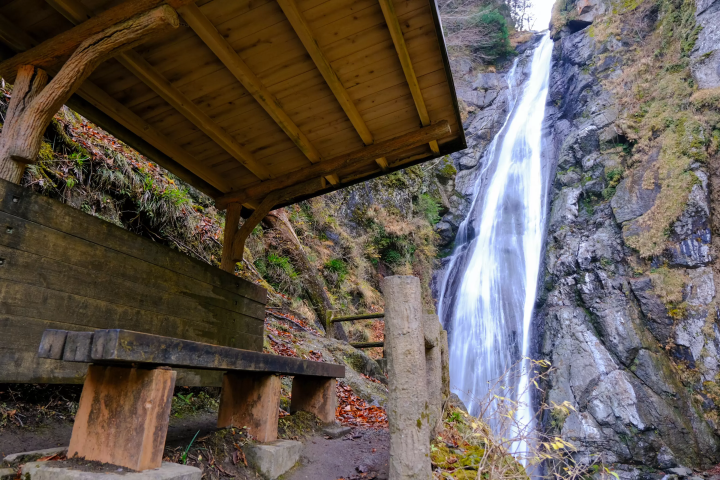
If you love spectacular views and are confident in your physical strength, hiking to Abe-no-Otaki Falls is perfect. At the end of the trail is a huge waterfall with a drop of 80m and a width of 4m. It's at the end of a hiking course that takes about 40 minutes one way, so you'll feel a special sense of accomplishment when you reach the top.
If you are coming by car, the parking space is Umegashima Onsen Parking Lot. Head down the road you came from by car and head for the Abe Otaki Entrance bus stop.
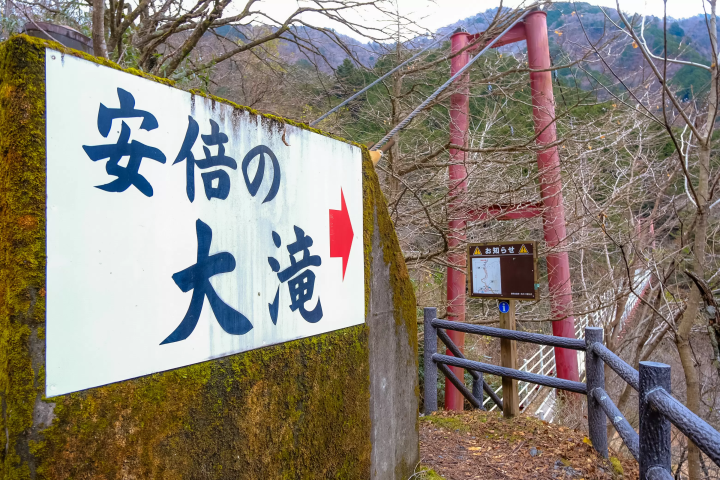
Once you pass the sign and cross one red and white suspension bridge and another that hangs right next to a stepped erosion control dam, you'll be hiking along mountain trails. The trails are full of natural features, with fallen leaves making the path slippery and steep stairs that look like walls.
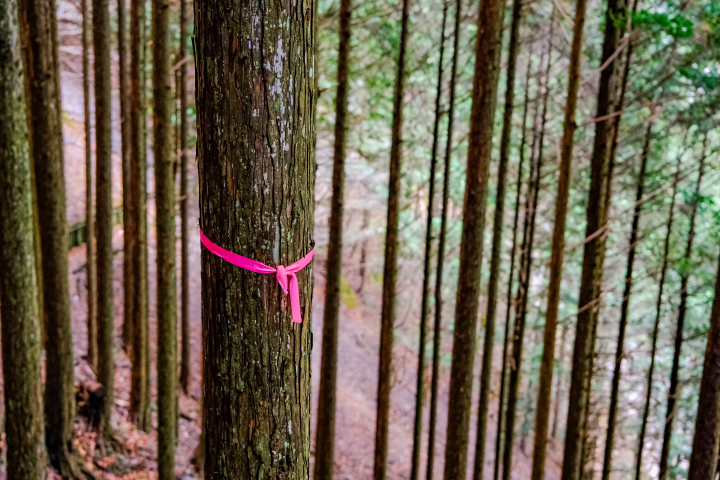
There is minimal route guidance, but if you get lost, just look for the pink ribbons on the trees. There are benches along the course, so you can take breaks at appropriate intervals as you make your way to the waterfall.
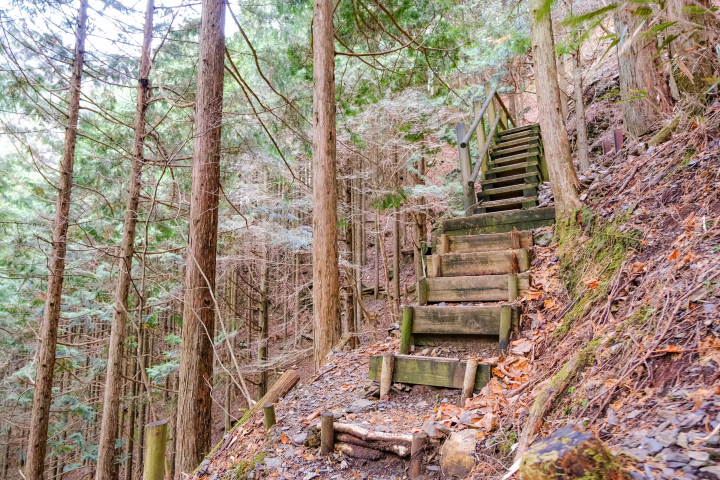
After walking for 40 minutes along the mountain path, the view suddenly opens up and a roaring sound hits you. Turning around, you'll see a magnificent view of crystal clear water cascading down the mountainside, so high you have to look up!
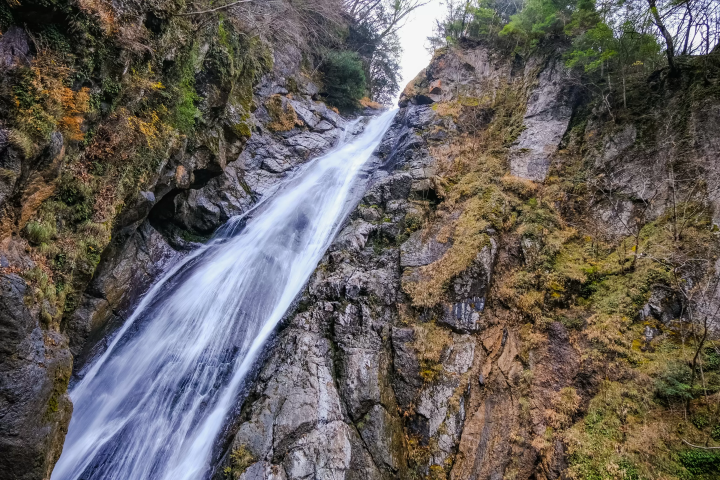
The waterfall can be seen so close that the spray of water flies towards you, and combined with the sense of accomplishment you feel when you reach it, it was so captivating that you could not speak a word.
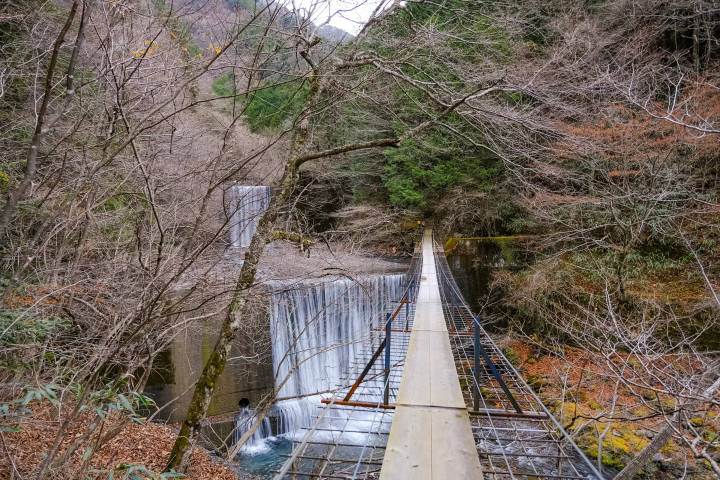
The way back from the falls is gentler and less difficult than the way there. If you do take on the challenge, be sure to wear sneakers, bring a drink, and plan to return before sunset.
Abe no Otaki Waterfall
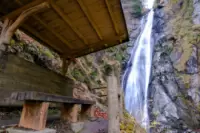 Umegashima, Aoi Ward, Shizuoka City, Shizuoka Prefecture, 421-2301
This waterfall is located at the end of a hiking trail that takes about 40 minutes one way. It's so impressive that water sprays all over the place when you get close.
When you visit, be sure to bring a drink and wear sneakers.
Umegashima, Aoi Ward, Shizuoka City, Shizuoka Prefecture, 421-2301
This waterfall is located at the end of a hiking trail that takes about 40 minutes one way. It's so impressive that water sprays all over the place when you get close.
When you visit, be sure to bring a drink and wear sneakers.
Oyu no Furusato Park is perfect for a stroll from the hot spring inn
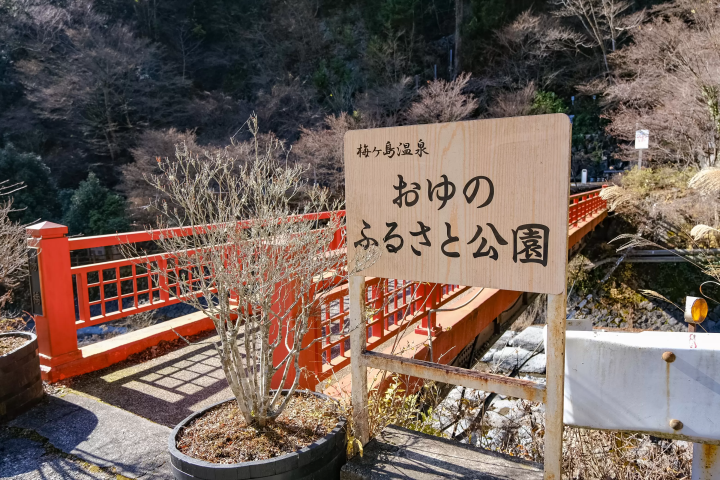
Oyu no Furusato Park is located in the hot spring town of Umegashima Onsen . It was once the site of the Umegashima Onsen public baths, and even today it is a spot where you can get a close-up look at the flowing sulfur springs that are the source of Umegashima Onsen.
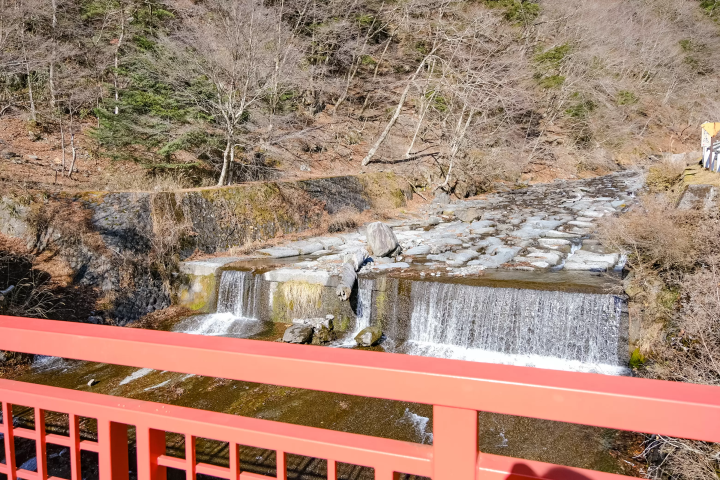
If you cross the bridge over the Abe River from the hot spring town side, you will arrive at the flat area of the park.
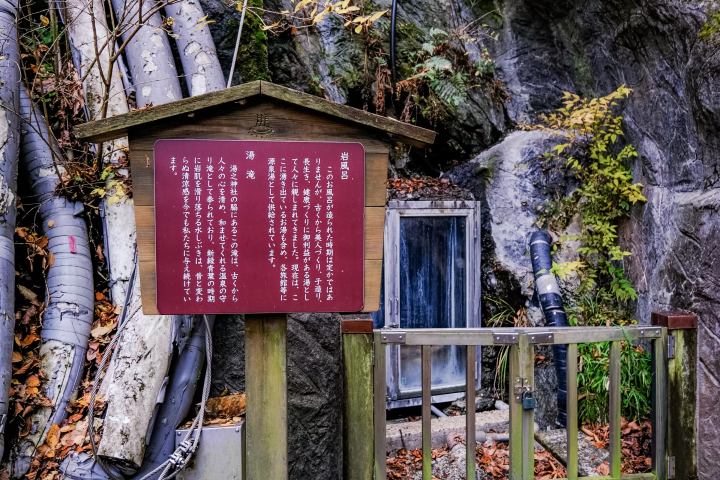
If you go up the stairs further, you will see the rock bath, which still flows continuously. The hot spring water, approximately 39 degrees Celsius, drips from the rock face of the cave, and is kept as close to natural as possible.
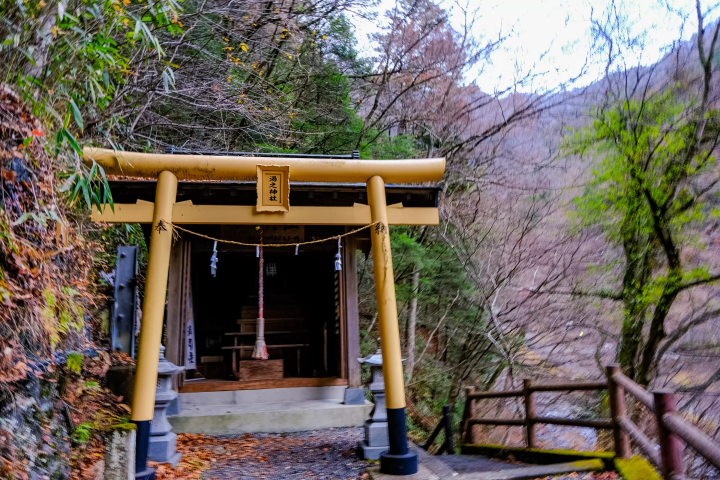
If you go around to the left of the rock bath, you will see Yuno Shrine with its golden torii gate. Just visiting the shrine, surrounded by the sound of the hot spring water and the flow of the Abe River, will make you feel sacred.
Oyu no Furusato Park
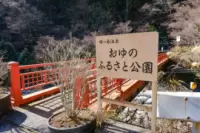 Umegashima, Aoi Ward, Shizuoka City, Shizuoka Prefecture, 421-2301
This park is located just across the bridge over the Abe River from Umegashima Onsen Town. There is a rock bath where you can still see the hot spring water flowing from the rock face, and Yunojinja Shrine with its golden torii gate.
Umegashima, Aoi Ward, Shizuoka City, Shizuoka Prefecture, 421-2301
This park is located just across the bridge over the Abe River from Umegashima Onsen Town. There is a rock bath where you can still see the hot spring water flowing from the rock face, and Yunojinja Shrine with its golden torii gate.
"Kogane-no-sato" where you can enjoy Umegashima's wasabi to your heart's content
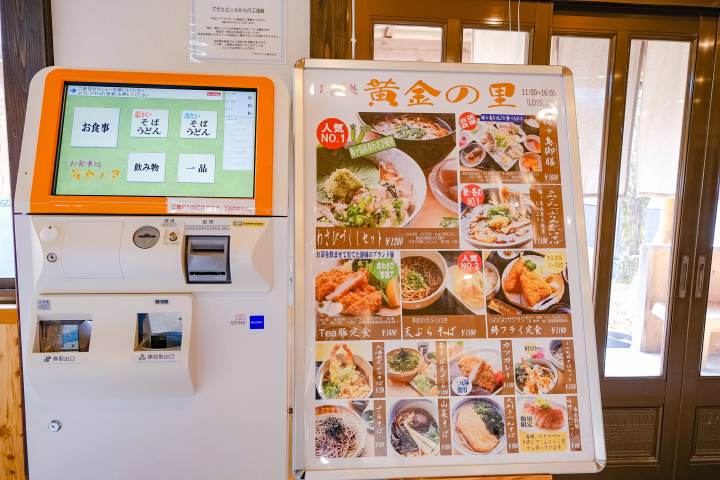
A great way to combine a bath at Shinden Onsen with a natural lunch at "Kogane-no-sato." This is the perfect spot for a meal or a short break after enjoying a day trip to "Kogane-no-yu," located on the same premises.
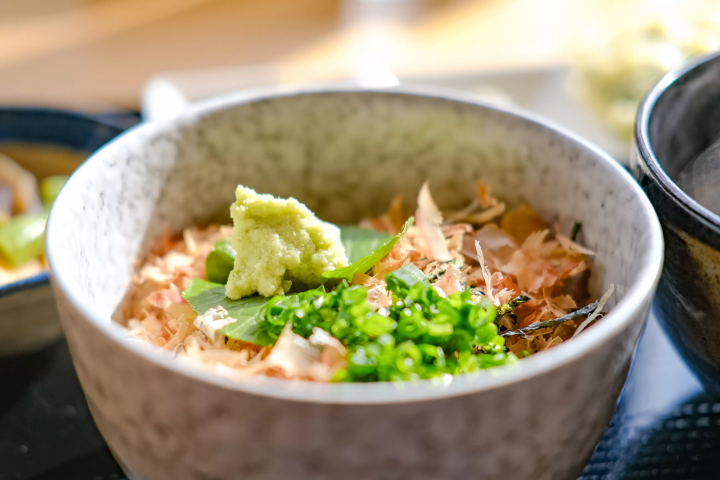
The most popular menu item is the "Wasabi Set." It includes a variety of elaborate dishes, such as wasabi rice bowls, soba noodles, homemade miso konjac, and small side dishes. All dishes use genuine wasabi from Umegashima, and the wasabi rice bowl is particularly outstanding, with a refreshing spiciness from freshly grated wasabi and a subtle sweetness.
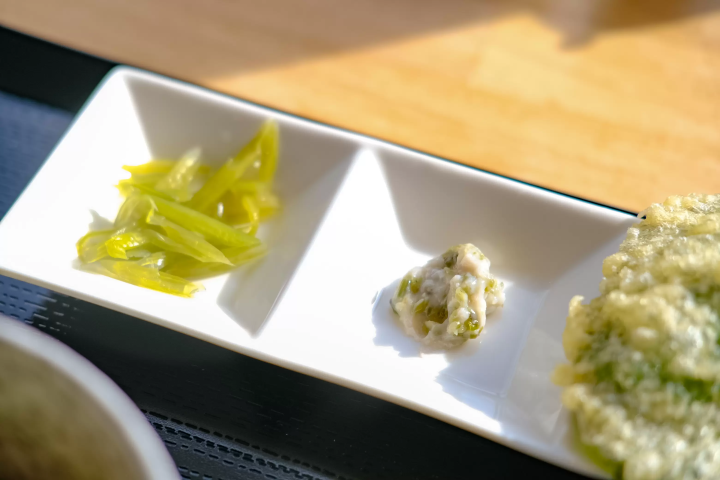
The small bowl contains three kinds of wasabi dishes: wasabi leaf tempura, pickled wasabi, and wasabi pickles. It's the perfect way to add variety to the flavors, and even though it's all about wasabi, you'll never get bored and will keep eating.
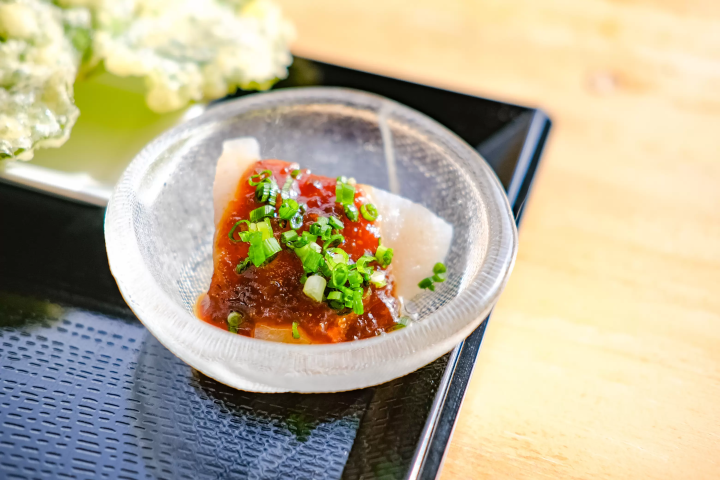
Another popular menu item is the miso konjac, which is handmade every day at Kogane-no-sato. This mild-tasting konjac is paired with a rich miso sauce and is an excellent match with alcohol.
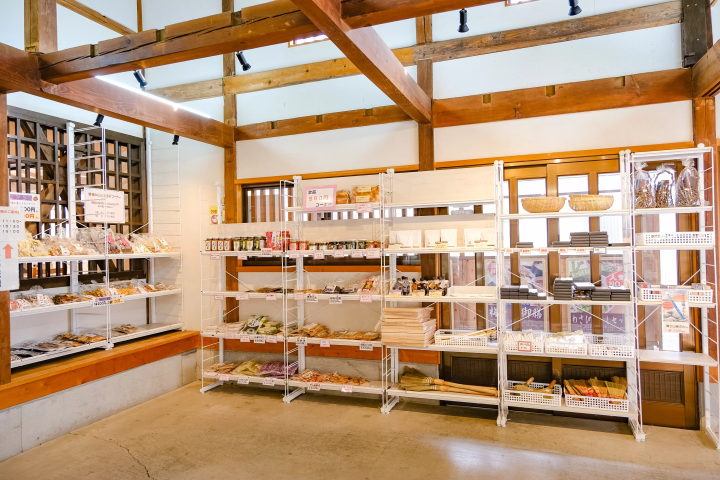
Konnyaku is also sold at the adjacent shop, so be sure to buy some as a souvenir.
Kogane no Sato
 5342-2 Umegashima, Aoi Ward, Shizuoka City, Shizuoka Prefecture, 421-2...
The best-selling item is the "Wasabi Set" which uses plenty of wasabi harvested in Umegashima. This restaurant is convenient for use before or after bathing in the adjacent "Golden Bath."
5342-2 Umegashima, Aoi Ward, Shizuoka City, Shizuoka Prefecture, 421-2...
The best-selling item is the "Wasabi Set" which uses plenty of wasabi harvested in Umegashima. This restaurant is convenient for use before or after bathing in the adjacent "Golden Bath."
Top 3 Onsen Spots for Day Trips and Overnight Stays
Umegashima Onsen-kyo is a great place to enjoy hiking, visiting waterfalls, and strolling. After working up a sweat, it's time for the much-awaited hot springs.
We will introduce you to some special hot spring spots in Umegashima Onsen-kyo, where you can enjoy three different types of hot springs, including day trips and overnight stays.
Konya Onsen: Oonogiso boasts four baths with different concepts
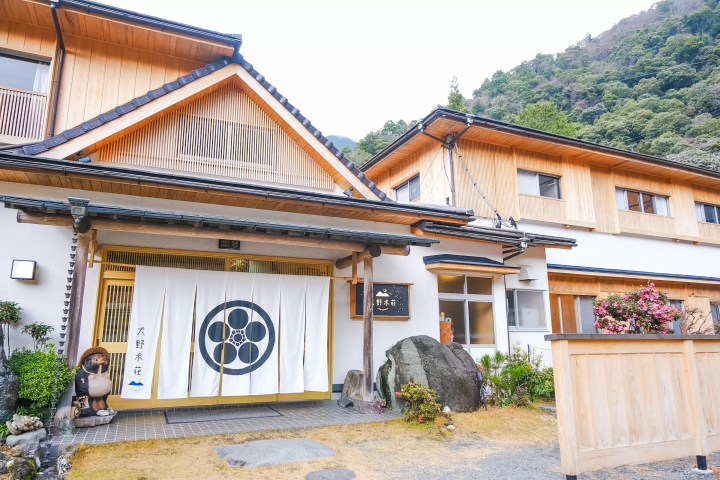
Konya Onsen to Shizuoka city. Oonogiso is the place where you can enjoy the finest hot springs, whether you're visiting for a day trip or staying overnight.
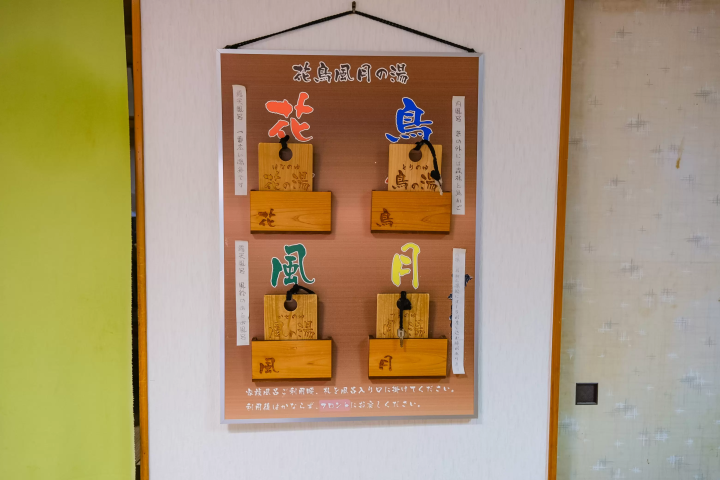
There are a total of four baths, all called "Kachou Fuugetsu," and each bath can be accessed privately with a special key.
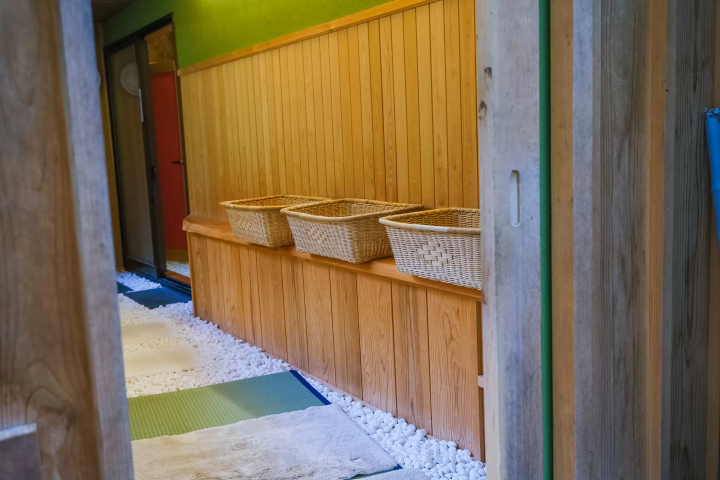
Our staff cleans the bath after each group has taken a bath, and we always provide attentive hospitality so that our customers can enjoy their bath the most.
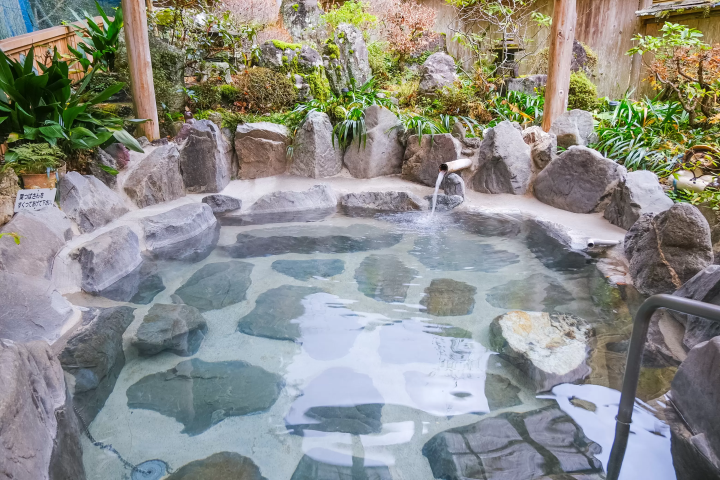
Each of the four baths has a different theme, such as the music that plays and the view that can be seen.
The open-air bath "Kaze" is particularly special, with its wind chimes blending seamlessly into the Japanese atmosphere. Every time the wind blows, a unique, clear sound resonates.
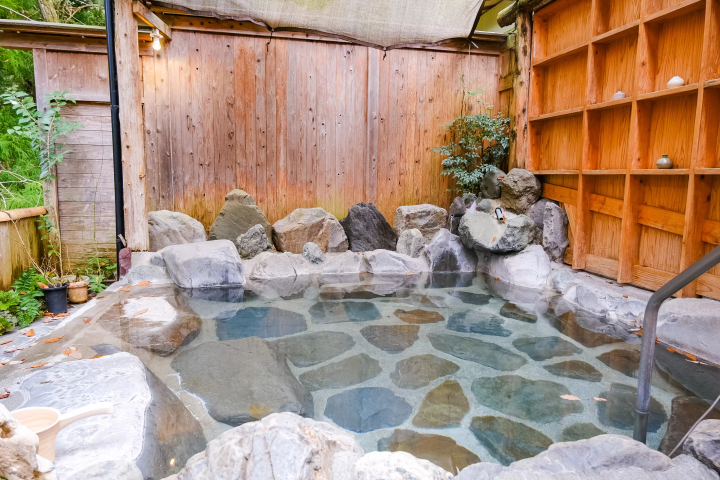
The tatami mats continue from the changing room, the spring water flows abundantly from between the rocks, and the greenery stretches out as far as the eye can see. No matter where you look, the scenery is relaxing, allowing you to enjoy a superb bathing experience.
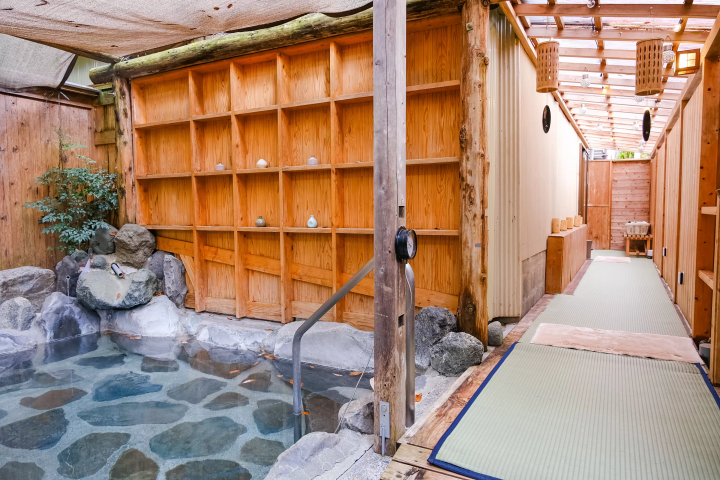
Konya Onsen has the highest pH among the springs in Umegashima Onsen-kyo , which has been designated as People's Health Resort Spring, and its water is so thick and creamy that it appears to flow slowly. Your skin will feel moisturized even while you're soaking in the water, and you'll be able to experience the strong alkaline quality of the spring.
The rooms are filled with the warmth of tatami mats, and each room is individually designed with different themes, such as Ryukyu tatami mats, Japanese tatami mats, and tatami mats made from recycled kimono fabric.
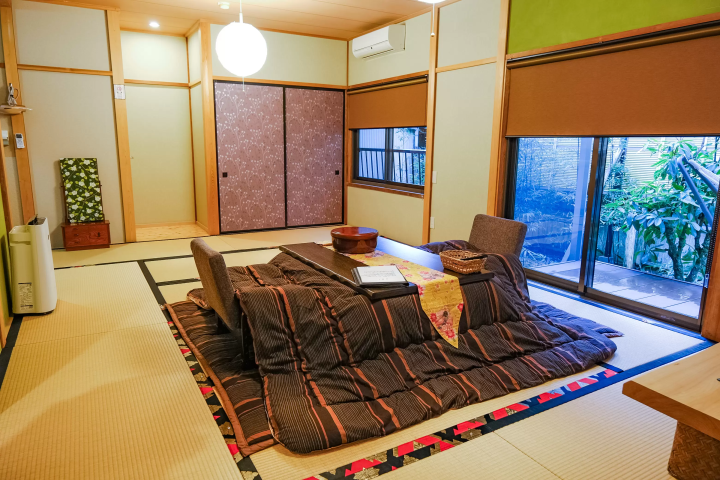
The meals are centered around wasabi and use plenty of local ingredients. The dishes have a story to tell, and the restaurant offers course meals that are not only enjoyable to eat, but also memorable.
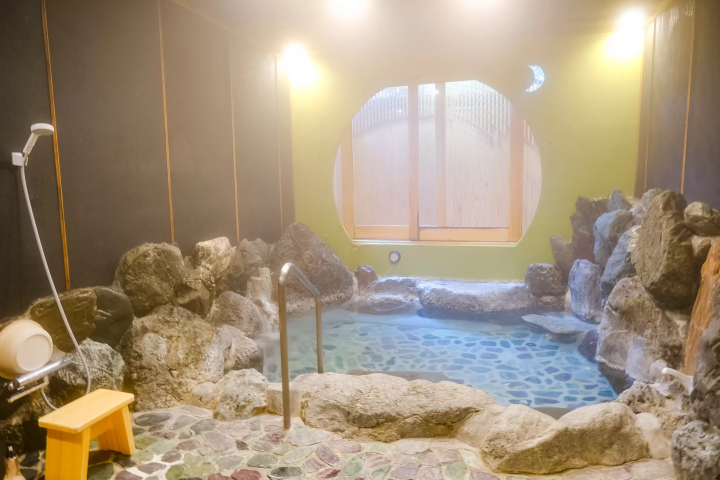
At Oonogiso, you can enjoy the well-maintained private baths as many times as you like during your stay. Be sure to try out all four of the "Kacho-Fugetsu" baths and enjoy the unique atmosphere of each.
Oonogiso
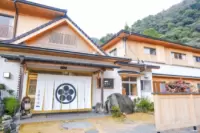 4269-10 Umegashima, Aoi Ward, Shizuoka City, Shizuoka Prefecture,, 421...
This inn allows you to bathe in Konya hot springs. You can bathe in the hot springs whether you are staying overnight or just visiting for the day, and the completely private "Kachofugetsu" bath is a specialty.
4269-10 Umegashima, Aoi Ward, Shizuoka City, Shizuoka Prefecture,, 421...
This inn allows you to bathe in Konya hot springs. You can bathe in the hot springs whether you are staying overnight or just visiting for the day, and the completely private "Kachofugetsu" bath is a specialty.
[Shinden Onsen] "Kogane-no-yu" that warms you to the core
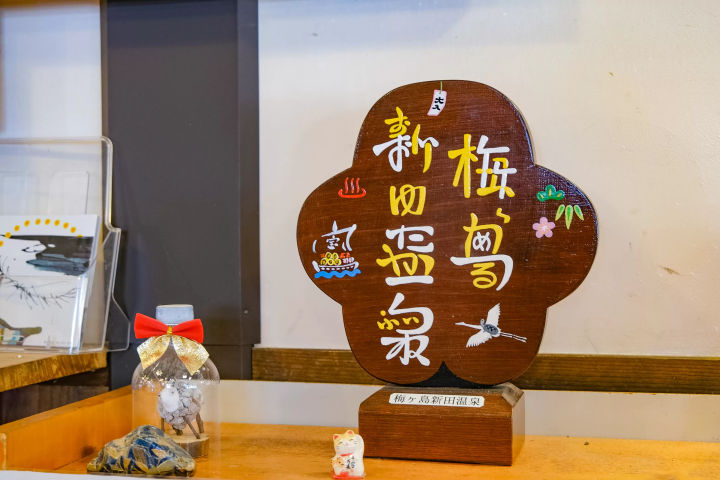
You can bathe in Shinden Onsen at the day-use bathing facility "Kogane-no-yu."
The "sodium bicarbonate hot spring" is said to be effective for relieving neuralgia, muscle pain, and frozen shoulder. The water is clear and colorless, and is very popular with regulars, who say, "My skin feels so smooth after I get out of the bath!"
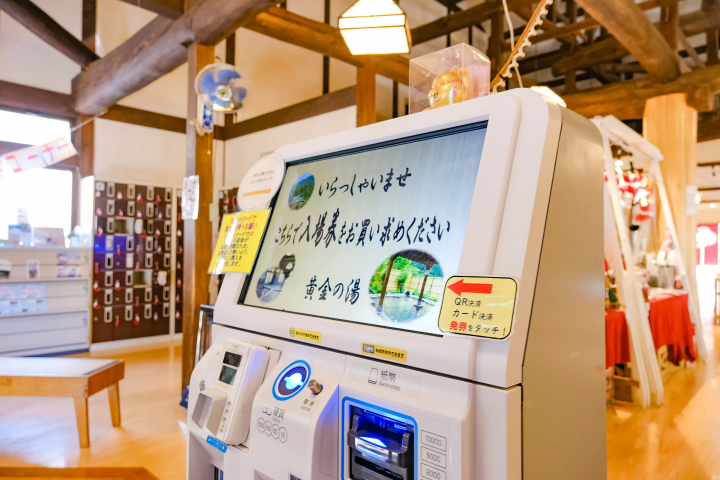
After purchasing your ticket from the ticket machine, feel free to spend your time in the facility. You can bathe as many times as you like during opening hours from 9:30 to 16:30.
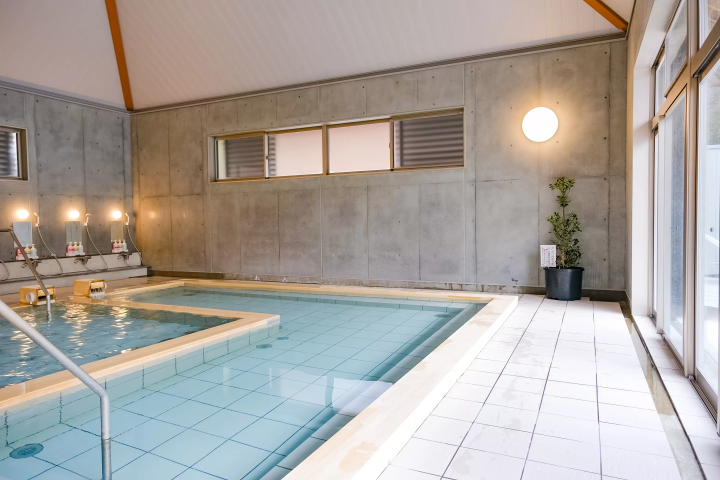
First, wash away any dirt from your body and then bathe in the lukewarm water. The lukewarm water is about 36.5-37 degrees, close to body temperature, making it perfect for warming your body from the inside out. The public bath next door is a little hotter, at 41-42.5 degrees.
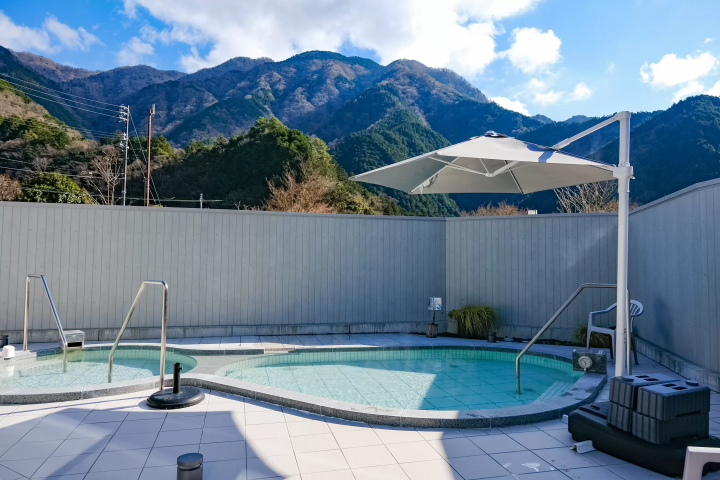
After warming up thoroughly, we headed to the open-air bath. The fresh air was pleasant, and we were able to soak in it for a long time without getting too hot. It was a luxurious bath, where we could enjoy the refreshing, clear air and the benefits of the hot spring.
After bathing, you can rest in the tatami-floored resting room. It's also recommended for families, friends, and couples, as it's easy to find a place to meet up.
Kogane no Yu
 5342-3 Umegashima, Aoi Ward, Shizuoka City, Shizuoka Prefecture, 421-2...
This is a day-trip hot spring spot where you can bathe in Nitta Onsen, one of the hot spring resorts in the Umegashima Onsen area. With a one-day ticket, you can bathe as many times as you like.
There is also a restaurant called "Golden no Sato" on the premises, so you can spend the day relaxing and taking a therapeutic bath.
5342-3 Umegashima, Aoi Ward, Shizuoka City, Shizuoka Prefecture, 421-2...
This is a day-trip hot spring spot where you can bathe in Nitta Onsen, one of the hot spring resorts in the Umegashima Onsen area. With a one-day ticket, you can bathe as many times as you like.
There is also a restaurant called "Golden no Sato" on the premises, so you can spend the day relaxing and taking a therapeutic bath.
[Umegashima Onsen] Hotel Baikunro: Stay overnight or take a day trip to enjoy the hot springs
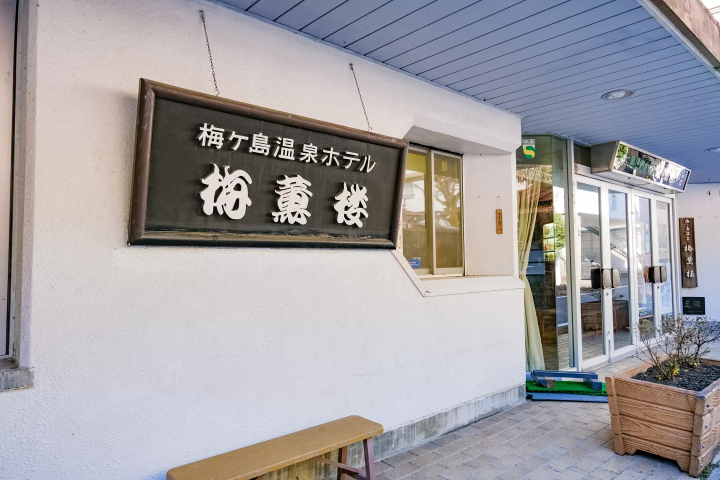
Hotel Baikunro, a long-established hotel with over 150 years of history, offers not only overnight stays but also day-trip bathing.
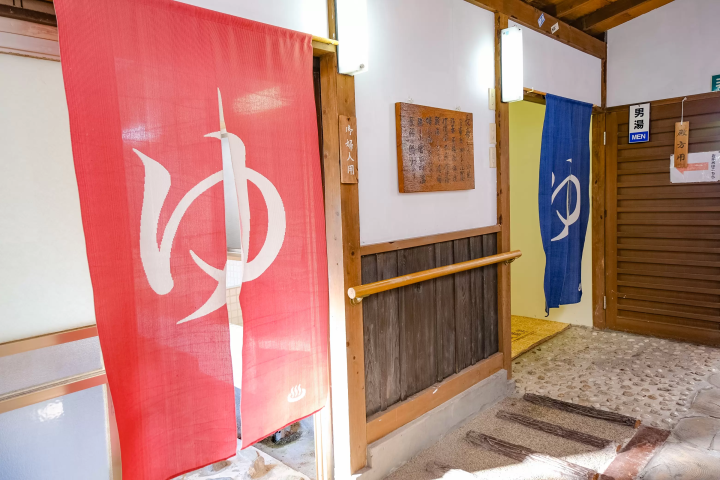
Day trips start at 500 yen and allow you to enjoy the baths in the building for one hour.
The indoor baths, "Tokiwa no Joban" and "Choju no Yu," are each equipped with a rock bath and a Goemon bath.
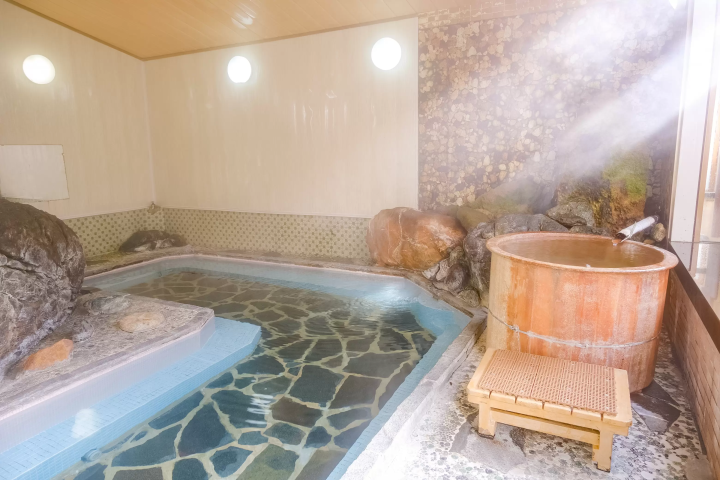
The smooth and soft quality of the spring water is obvious just by looking at the thick surface of the water. Just by placing my hands and arms in the water, the rich water enveloped my skin.
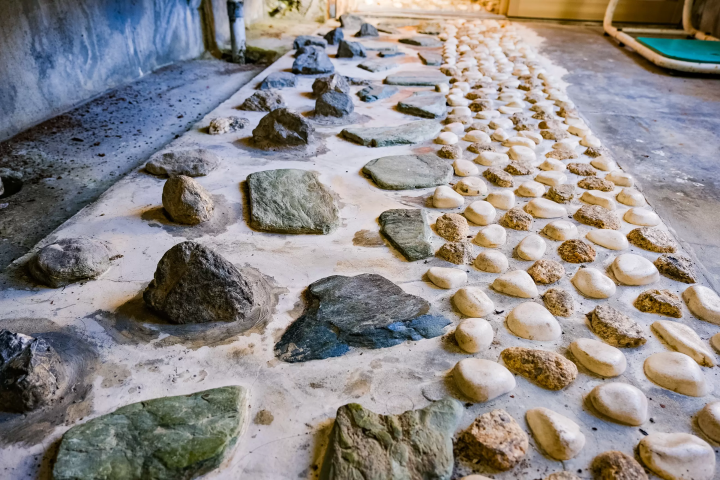
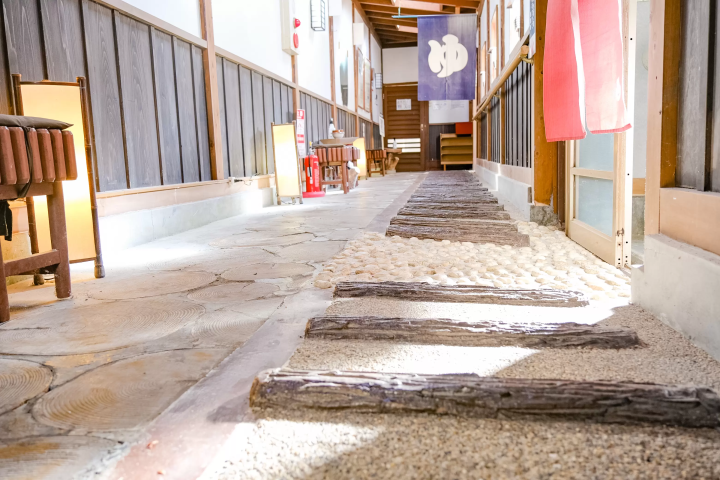
Stepping out into the corridor, you'll notice that there are rugged stones, rocks, and branches embedded in the floor. This is called the "Health Corridor" and is a hidden speciality of Hotel Baikunro. Walking barefoot, you can use it to massage your foot pressure points.
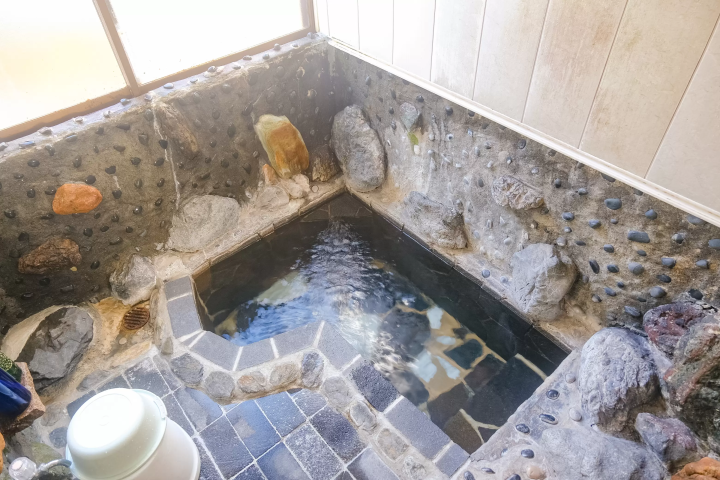
The "rock bath" and "cave bath" are perfect for when you want to soak alone. The cave bath in particular is surrounded by rocks all the way up to the ceiling, so you'll naturally find yourself relaxing as you lean your body over.
After your day trip to the baths, you can take a break in the lobby. Why not relax and enjoy the afterglow of your bath while sipping on their famous homemade plum wine?
Hotel Baikunro
 5258-4 Umegashima, Aoi Ward, Shizuoka City, Shizuoka Prefecture, 421-2...
This inn allows you to bathe in Umegashima Onsen whether you are staying overnight or just visiting for the day. The inn has four different types of baths and a "health corridor" where anyone can stimulate their foot pressure points.
5258-4 Umegashima, Aoi Ward, Shizuoka City, Shizuoka Prefecture, 421-2...
This inn allows you to bathe in Umegashima Onsen whether you are staying overnight or just visiting for the day. The inn has four different types of baths and a "health corridor" where anyone can stimulate their foot pressure points.
【Umegashima Onsen】Yunoshimakan: Relax in the Historical "Hidden Bath" of Takeda Shingen
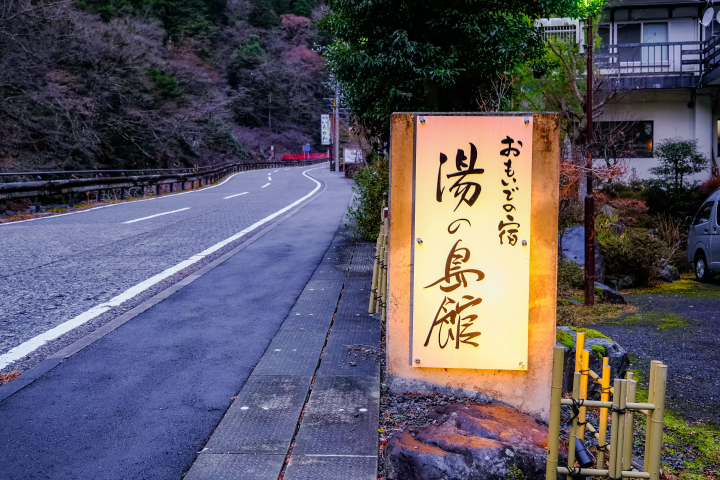
Adding color to your special night at Umegashima Onsen is Yunoshimakan, which was founded in 1958. Located along the Abe River, the entrance radiates a particularly gentle light, even in the hot spring town after sunset.
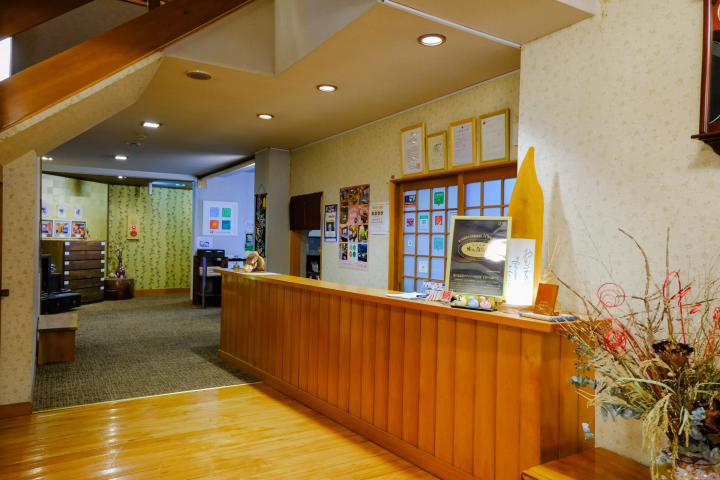
When you step into the inn, you'll be greeted by the warm wooden front desk. After being shown to your room, you can choose your preferred yukata or samue.
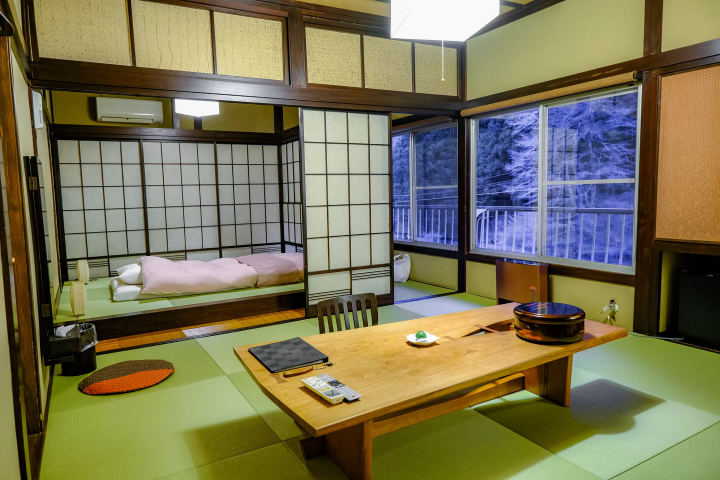
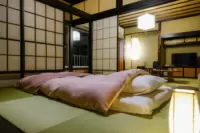
This time, I stayed in a Japanese-style room facing the Abe River. The bedroom, surrounded by shoji screens, exudes a traditional charm, making me feel like I've traveled back in time to old Japan.
Meals are served in a private room. The menu for this day was a sumptuous lineup, including "Suruga Shamo Chicken Sukiyaki," "Lotus Root Buns," "Japanese-style Shrimp Potato Gratin," and "Umegashima Amago Okakiage." Five colorful appetizers were served, and it was hard to decide where to start.
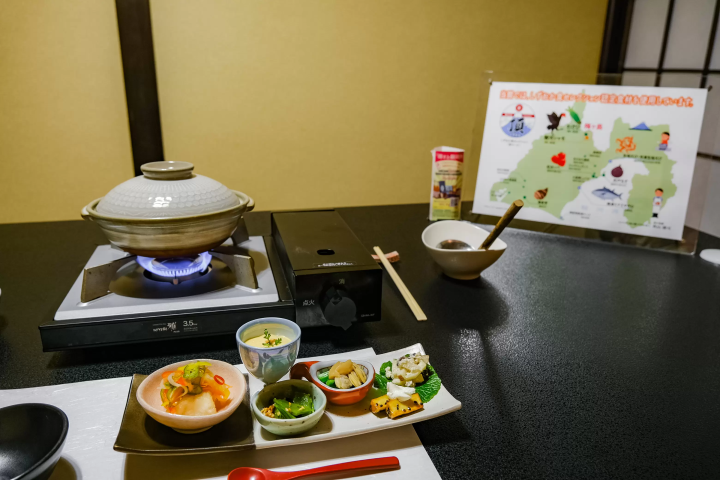
The Suruga Shamo Chicken Sukiyaki is lit as soon as you start eating, so the fragrant aroma of soy sauce and mirin gradually wafts through the air, whetting your appetite.
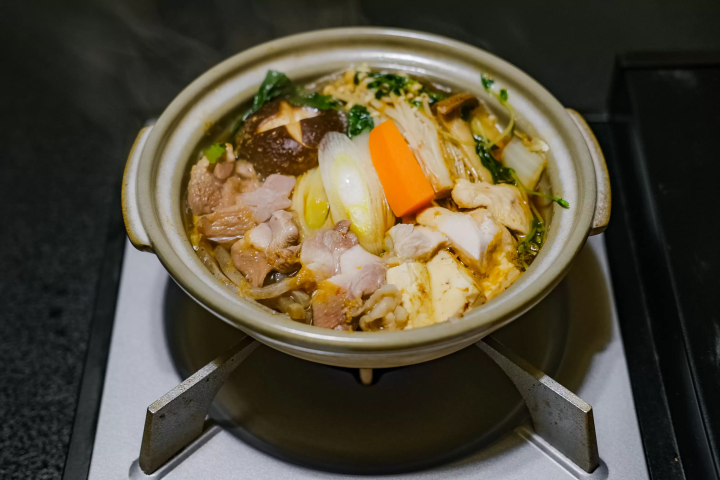
The meat is served with plenty of beautiful eggs from Aoi Ward , Shizuoka City , which give it a plump texture and a direct taste of the rich sweetness of the eggs. Both breast and thigh meat from Umegashima-produced gamecocks are served, allowing you to enjoy the different textures of each part. A generous amount of ingredients, including shiitake mushrooms, enoki mushrooms, and Chinese cabbage, are slowly simmered in a special sauce, and we savored the delicious flavor until the last bite.
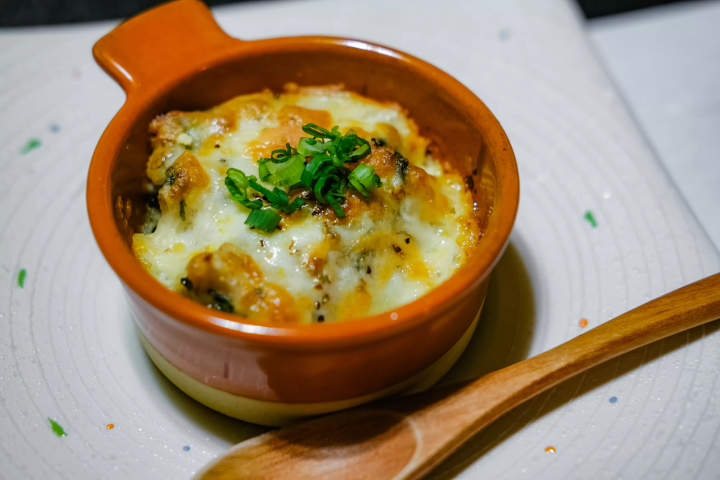
The "Ebiimo Japanese-style Gratin" is a dish in which the gentle flavor of Japanese dashi spreads the moment you put it in your mouth. Western ingredients such as cheese and broccoli are perfectly harmonized with the delicate flavor of the main ingredient, ebiimo.
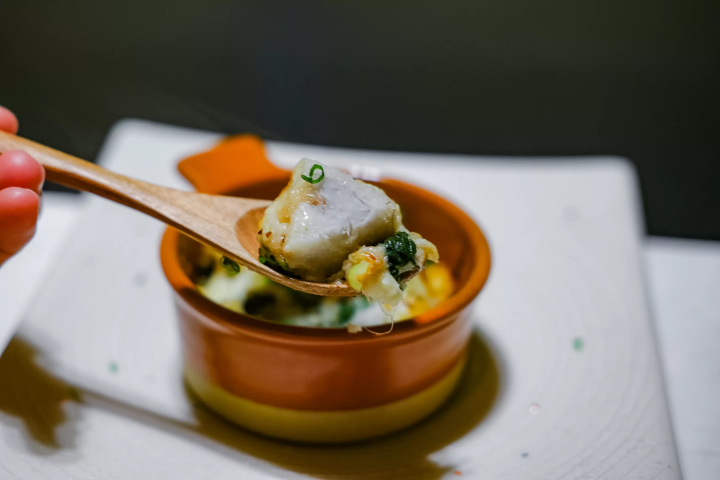
The warm and soothing flavor will leave you feeling deeply satisfied.
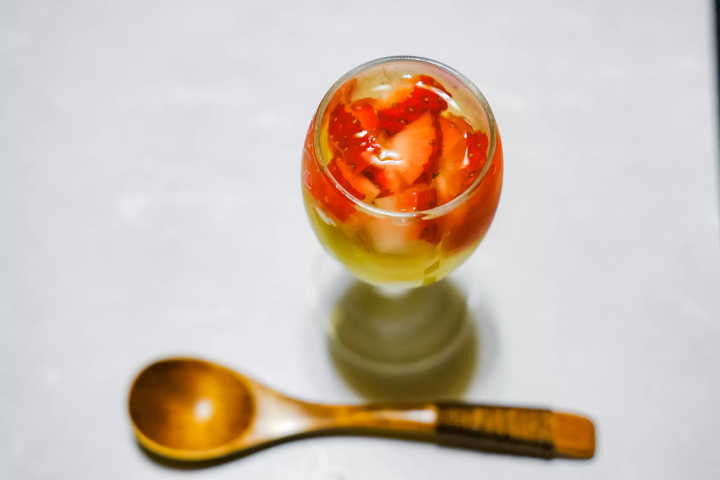
The fresh jelly dessert was made with Shizuoka Crown Melon and Beni Hoppe melon, and its fresh texture and juicy taste made it the perfect way to end the meal. It was a dinner where we were able to fully enjoy the local bounty.
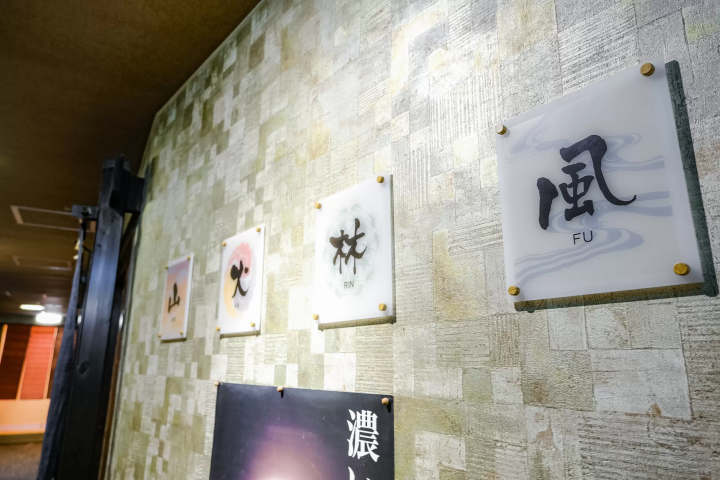
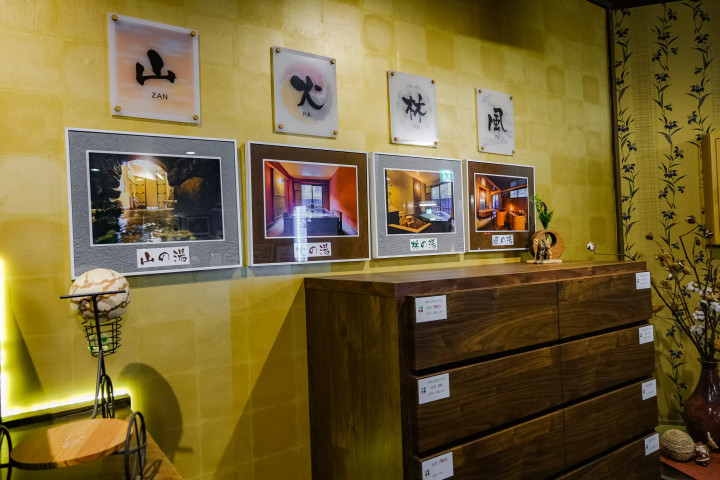
After dinner, enjoy the inn's pride and joy, the "Furinkazan" private baths, which come in four varieties. As Umegashima Onsen is said to be Takeda Shingen's secret hot spring, the baths were named after the famous military flag, "Furinkazan."
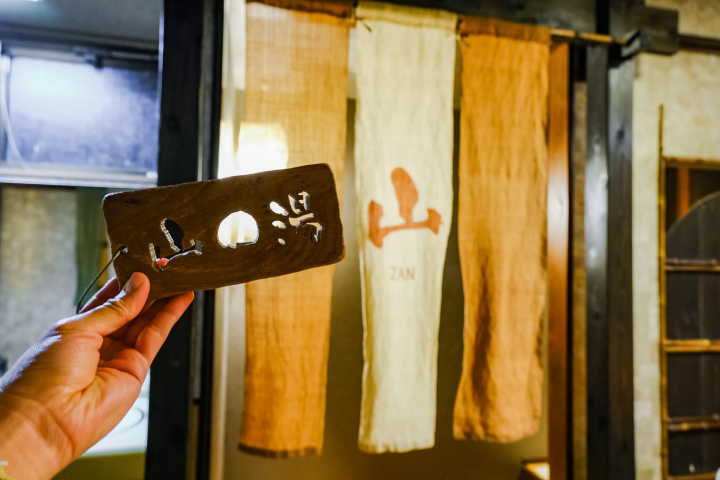
The system is that you call the front desk and if there is a bath available, you will receive a private key. First, we head to "Yama," an open-air bath that is said to have an even more atmospheric feel at night.
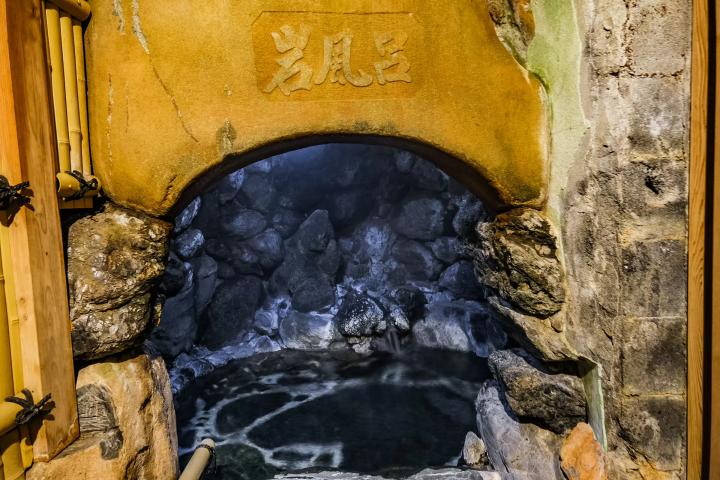
What emerges is a dynamic rock bath, with walls and bathtubs all made from rock. The cave-like space is tranquil, as if enveloped by the rock face, and you can experience a deep sense of security, like in a hideaway.
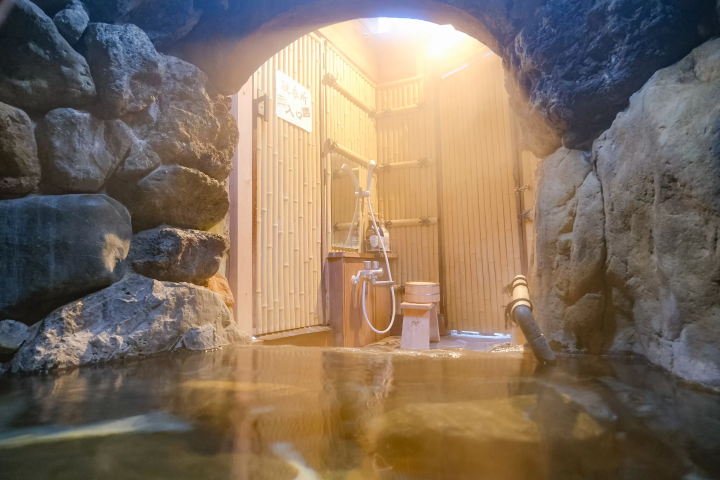
We had the hot spring water flowing from the rock face all to ourselves, stretching out our limbs and relaxing.
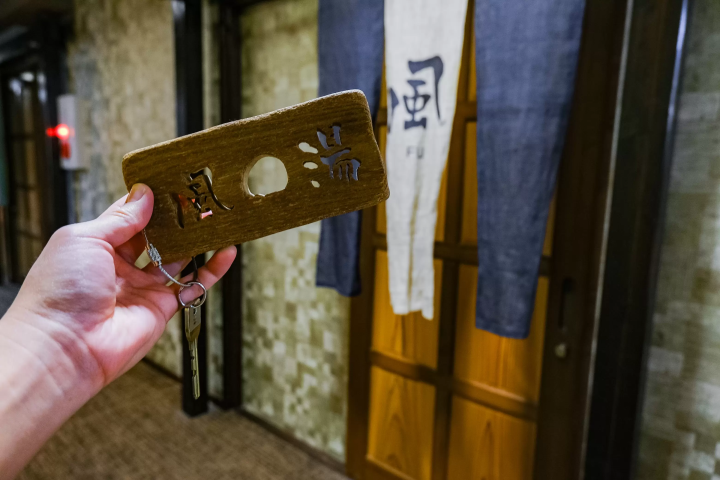
Next, we went to the "Kaze" bath, which has a large wooden tub and two Goemon baths.
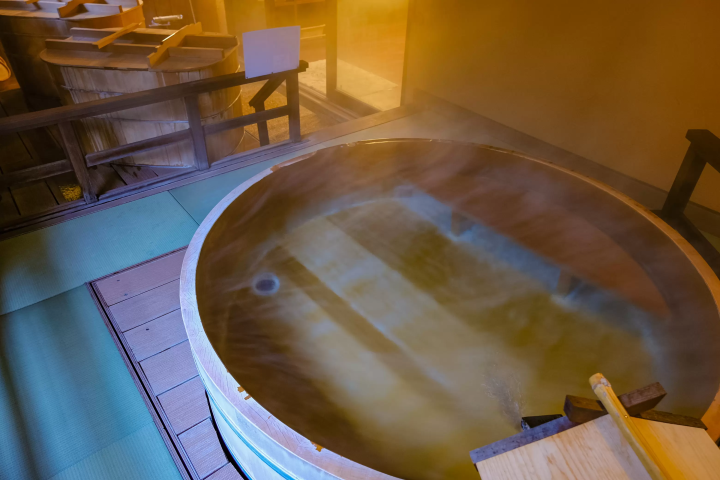
The large wooden bathtub has a refreshing tatami floor, creating a truly Japanese-style bath. Thanks to the tatami floor, you won't feel cold even when bathing at night or early in the morning.
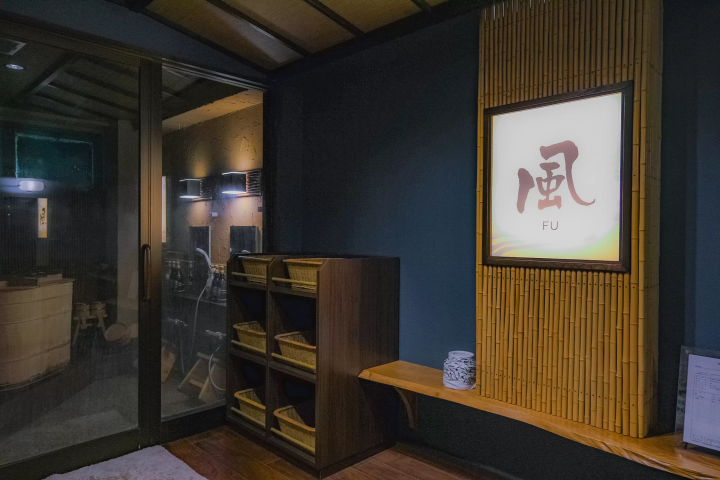
Not only the bathtub, but the changing room and washing area were also spacious, making it seem as if a Japanese-style room had been transformed into a bath.
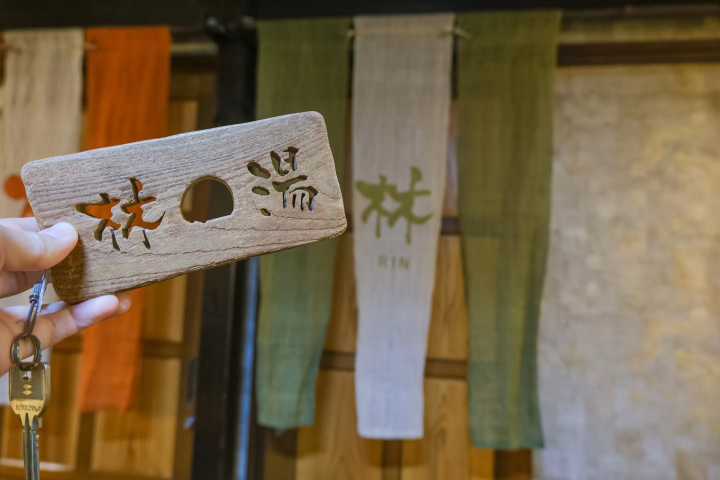
The "Hayashi" bath is a relaxing space filled with the scent of cypress. When you enter, you'll be surprised by the luxurious changing room with a raised tatami mat!
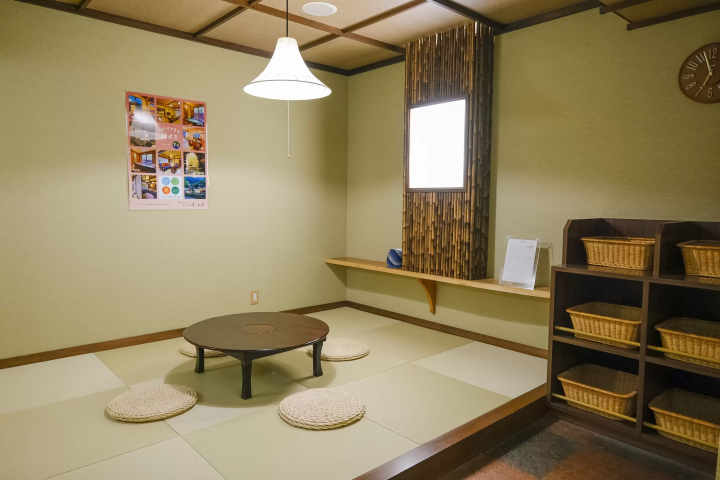
Being able to use a bath that even comes with a dedicated resting space all to yourself is the ultimate luxury.
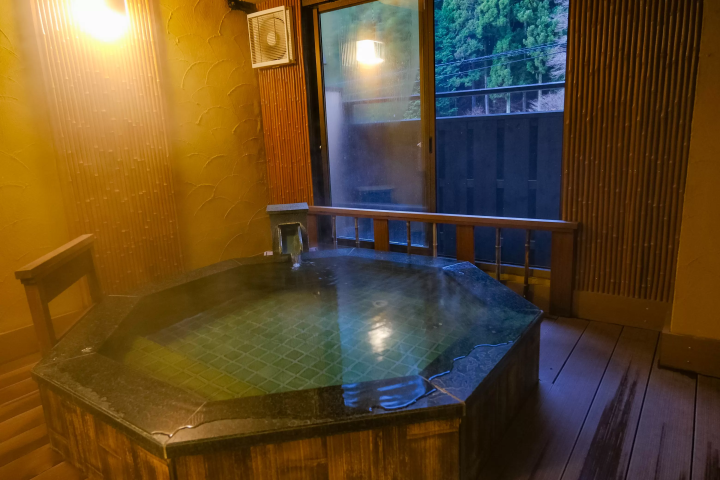
The "Hayashi" bath, unified in a pale green color, is a spacious bath where you can stretch out all the way to your feet. Perhaps because the water is thick and gentle on the skin, it feels like time is passing slowly, and you'll find yourself soaking for a long time.
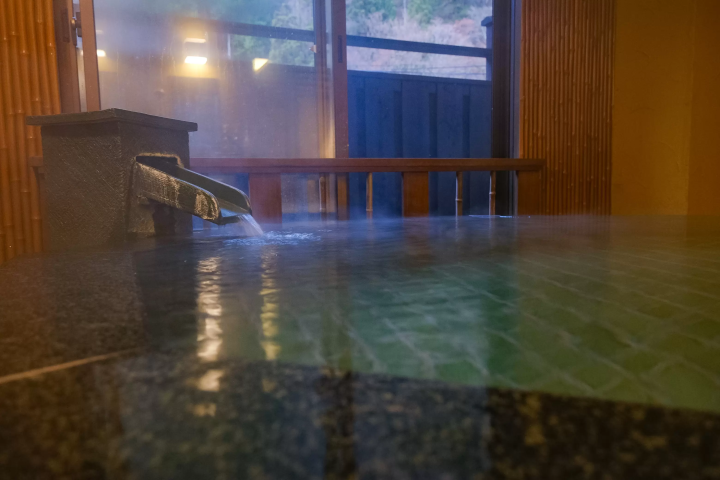
The breeze coming in through the window was pleasant, making it the perfect space for when you want to relax and enjoy a bath.
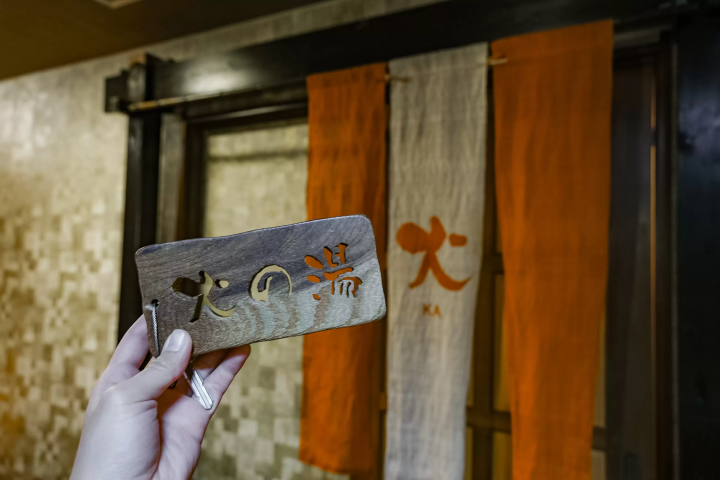
The last bath we visited was the "Fire" bath, decorated in vermilion and crimson. Its concept was to "feel like Takeda Shingen in the bath," and it is a special space with a Sengoku period atmosphere.
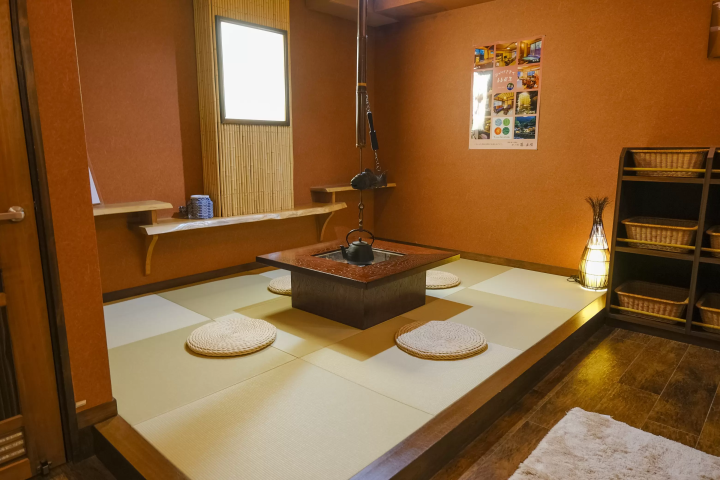
There is also a rest area with an irori hearth here, perfect for cooling off after a bath.
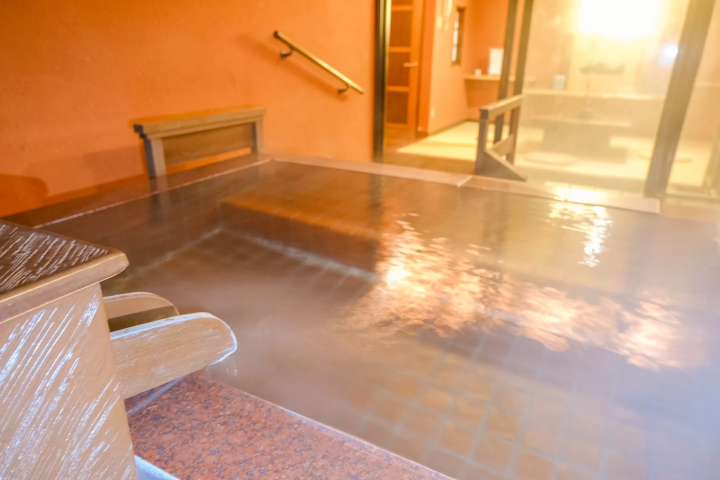
As I immersed myself in the bathtub up to my shoulders, a Japanese-style space with a hearth spread out before me. The feeling of surrendering myself to the hot spring water flowing directly from the source while admiring the scenery in a private space was exquisite. The 60 minutes of private time flew by, as it was a time of healing for both body and mind.
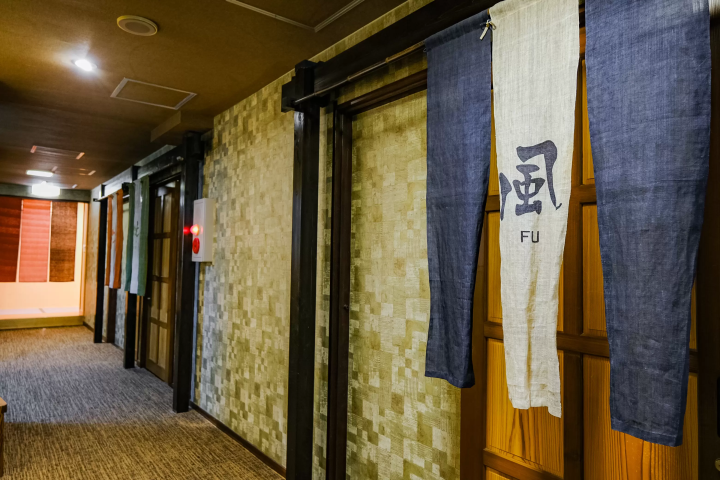
Perhaps because I had enjoyed the famous hot springs to my heart's content after visiting all four baths, I fell asleep at night and woke up feeling refreshed and comfortable in the morning.
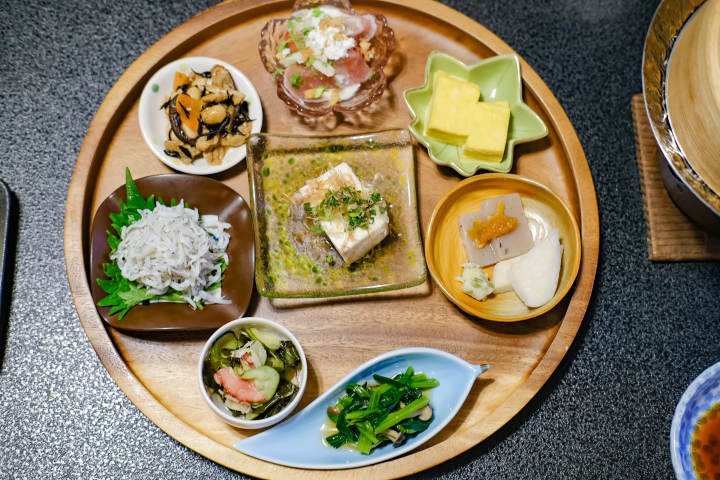
The final treat is breakfast, which concludes your stay. There are so many dishes on a tray, including small side dishes, grilled salmon, steamed food, white rice, and miso soup, that it's hard to decide where to start.
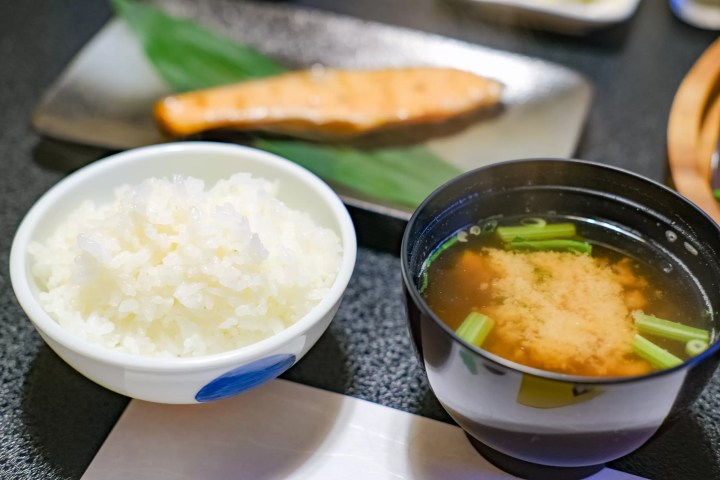
The meal was well-balanced, with side dishes that went well with rice, cold dishes to cleanse the palate, and pickles, so I was able to enjoy it until the very end without getting bored.
If you make a reservation, the hot springs at Yunoshimakan cost 1,000 yen per person per hour, and you can even bathe on a day trip. Why not experience a one-of-a-kind trip to Yunoshimakan that will heal your body and mind through a stay at People's Health Resort Spring?
Yunoshimakan
 5258-7 Umegashima, Aoi Ward, Shizuoka City, Shizuoka Prefecture, 421-2...
This inn is located in a corner of Umegashima Onsen town. Located on the banks of the Abe River, you can bathe in Umegashima Onsen, which was once known as Takeda Shingen's hidden hot spring.
The baths are available for private use, and the attraction is the four baths with different themes called "Fuurinkazan."
5258-7 Umegashima, Aoi Ward, Shizuoka City, Shizuoka Prefecture, 421-2...
This inn is located in a corner of Umegashima Onsen town. Located on the banks of the Abe River, you can bathe in Umegashima Onsen, which was once known as Takeda Shingen's hidden hot spring.
The baths are available for private use, and the attraction is the four baths with different themes called "Fuurinkazan."
Access information
There are two main means of transportation to get to Umegashima Onsen-kyo.
One option is to go by rental car or private car. If you are coming from the Tokyo metropolitan area, it takes about three hours from the Tokyo Interchange, and about an hour on public roads from Shizuoka Station.
Another option is to take the Shinkansen and local bus. First, take the Shinkansen to Shizuoka Station, then take the Shizutetsu Justline to Shizuoka Umegashima Onsen.
However, there are only three buses to Umegashima Onsen on weekdays and five on weekends, so be sure to plan your trip carefully.
National hot spring resorts are designated by the Minister of the Environment under the Hot Springs Act as healthy hot spring resorts where the benefits of hot spring use are expected to be sufficient. 79 hot spring resorts have been designated nationwide (as of October 2024). National hot spring resorts are selected based on the following criteria. 1. Conditions regarding the quality and volume of hot spring water (1) The source of the hot spring water used must be a therapeutic spring. (2) The hot spring water used must have an abundant volume of water. The standard volume of water flow must be 0.5 liters per minute or more per hot spring user. 2. Conditions regarding the environment of the hot spring resort (1) The hot spring is suitable as a resort from the perspective of the natural environment, townscape, history, climate, culture, etc. (2) A plan for the placement of doctors who can provide guidance on proper hot spring use and health management from a medical perspective, or a plan for the placement or training policy of personnel who can provide guidance on bathing methods, etc. in cooperation with the doctors, must be established. (3) Appropriate efforts will be made to protect hot spring resources, manage the hygiene of hot springs, promote public use of hot springs, and take into consideration the elderly and disabled, etc. (4) Enhanced efforts to prevent disasters.
The contents on this page may partially contain automatic translation.
Special Features
More









![[Osaka Sightseeing Bus Tour] Enjoy 360° views of Osaka from an open-top bus!](https://resources.matcha-jp.com/resize/720x2000/2026/05/25-264541.webp)
![[Autumn 2026] Private Night Tour to See the World Heritage Site Toji Temple Illuminated in a Fantastical Light-Up Effect](https://resources.matcha-jp.com/resize/720x2000/2026/04/28-263309.webp)