
First-Time Friendly Onsen Stay Near Kyoto: Enjoy A Traditional Japanese Ryokan at Ogoto Onsen
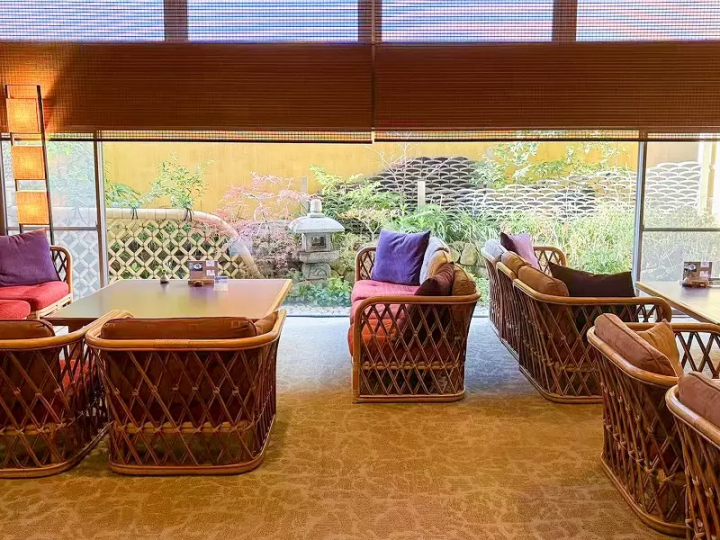
Curious about Japanese ryokan and hot springs but unsure about the customs? This guide introduces Yumotokan, a traditional ryokan in Ogoto Onsen in Shiga Prefecture, and explains Japanese-style rooms, basic onsen etiquette, and how traditional meals are served, helping first-time visitors enjoy their stay.

Written by
Ogoto Onsen is said to have been opened about 1,200 years ago by Dengyo Daishi Saicho to reward the work of the craftsmen who built Enryakuji Temple on Mount Hiei, a World Heritage Site. Among them, Yumotokan is a long-established inn with a history of 96 years. The secret to its popularity is its four different hot springs, including an open-air bath overlooking Lake Biwa from the 11th floor and an open-air bath that gives the illusion of being a hot spring in the forest, as well as its Kyoto-style kaiseki meals made with carefully selected seasonal ingredients, including "certified Omi beef," one of Japan's three great wagyu beef brands. Although it is only 20 minutes by train from Kyoto, this inn allows you to feel the warmth of nature and Japan, such as Lake Biwa and the Hira mountain range.
This service includes sponsored advertisements.
-
Table of Contents
- Why Yumotokan Is Perfect for First-Time Onsen Guests
- Guest Rooms: Japanese Style with Beds & Sofas
- Hot Springs: Multiple Bath Options for Every Preference
- Meals: Private Dining with Japanese Kaiser Cuisine
- Experience: A Peaceful Ryokan Stay Away from the Crowds
Why Yumotokan Is Perfect for First-Time Onsen Guests
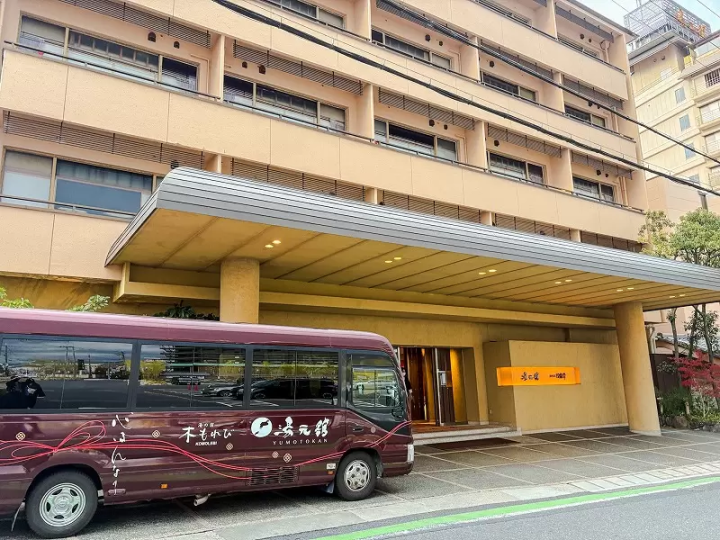
Japanese traditional inns are the perfect place to immerse yourself in Japanese culture and rejuvenate your mind and body.
There aren't many complicated rules, but visitors from overseas may be confused by the custom of taking off your shoes before entering the hot springs, and the culture of bathing in the hot springs with other people.
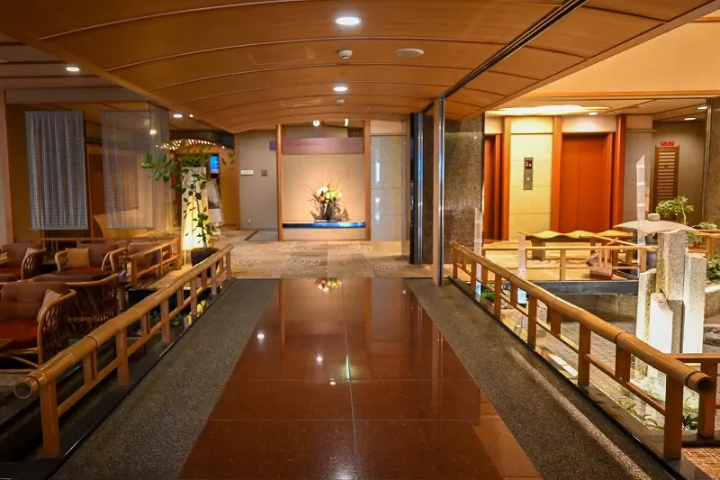
Yumotokan is well suited for guests who are new to Japanese ryokan and hot springs. Clear English signage and easy-to-follow explanations are provided throughout the property, allowing visitors unfamiliar with Japanese customs to navigate the inn comfortably and enjoy their stay with confidence.
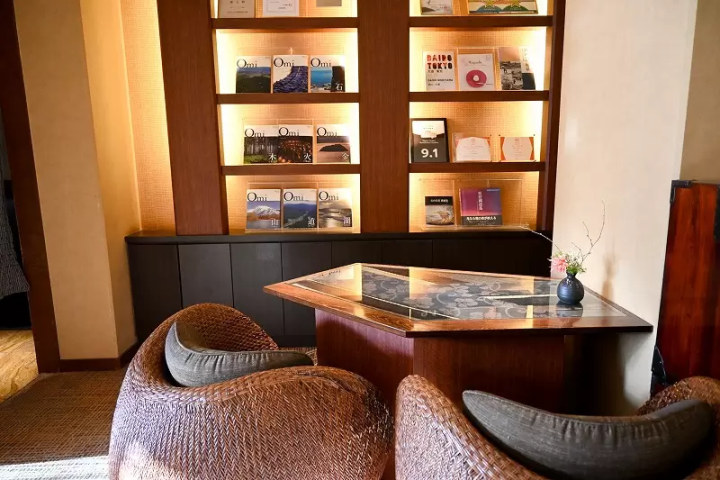
We have many international customers on a regular basis, and we have staff who can speak English. If you have any questions or concerns, please feel free to ask our staff.
Even staff who are not fluent in foreign languages will do their best to assist you, with the hope that guests will feel safe and enjoy their stay.
In this article, we will introduce the charms of Yumotokan from four perspectives: guest rooms, hot springs, food, and the unique experience of a ryokan.
Guest Rooms: Japanese Style with Beds & Sofas
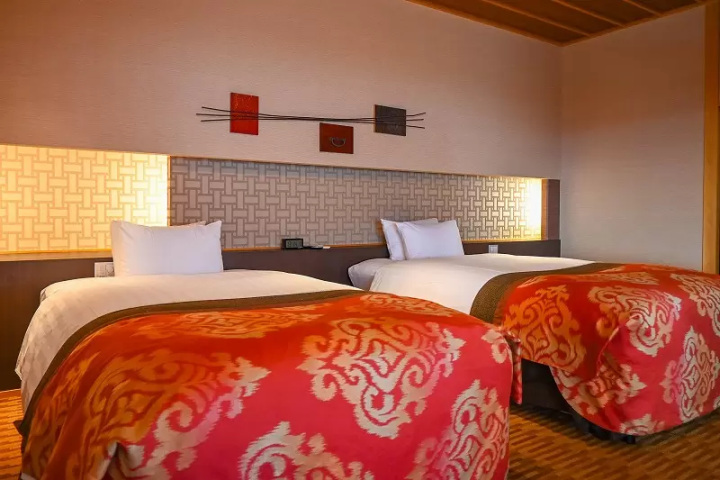
In Japan, it is common practice to take off your shoes when entering a room.
At Yumotokan, guests are asked to remove their shoes indoors, which is a way to keep the rooms clean and to ensure a relaxing stay.
The Japanese style of sleeping in a tatami room or on a futon may seem inconvenient to those who are not used to it.
That's why Yumotokan offers many guest rooms equipped with beds, while maintaining a calming Japanese atmosphere.
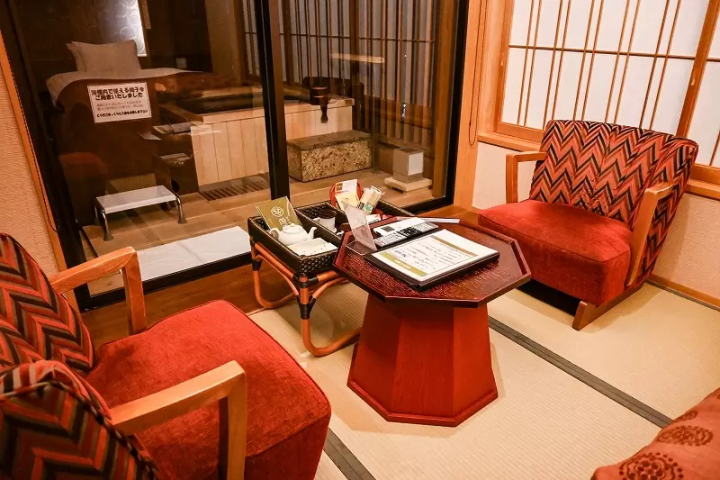
The living space is equipped with chairs and sofas, so you can feel as comfortable as usual without having to sit directly on the floor.
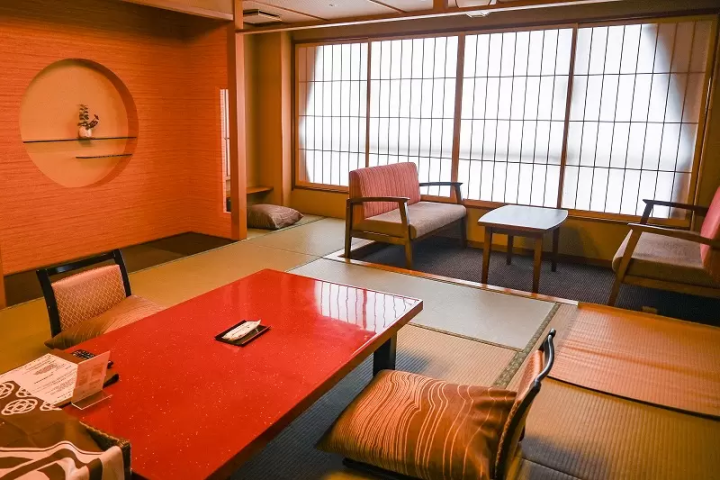
Traditional Japanese-style rooms are also available, making this a great choice for those who want to experience a truly Japanese stay.
A distinctive feature of Yumotokan is that guests can choose how they want to spend their time.
Hot Springs: Multiple Bath Options for Every Preference
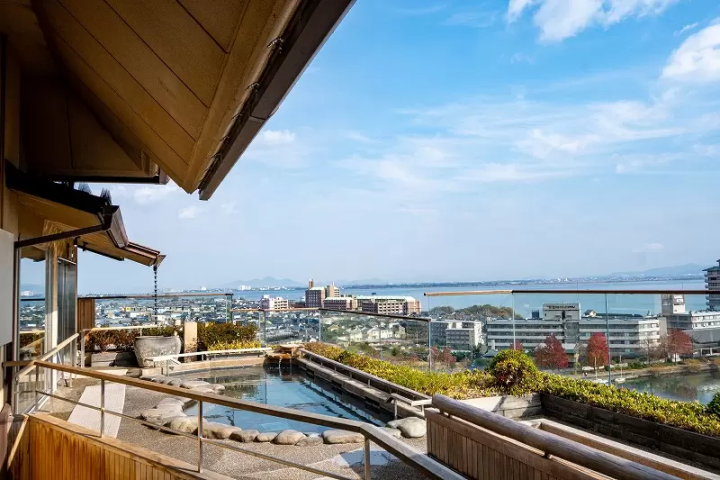
Hot springs have long been a popular way of warming the body and relaxing in Japan. There is also a culture of "touji," where people soak in hot springs to heal injuries and illnesses.
Ogoto Onsen is associated with a long-standing legend that the hot spring waters were believed to help relieve stubborn illnesses and skin conditions.
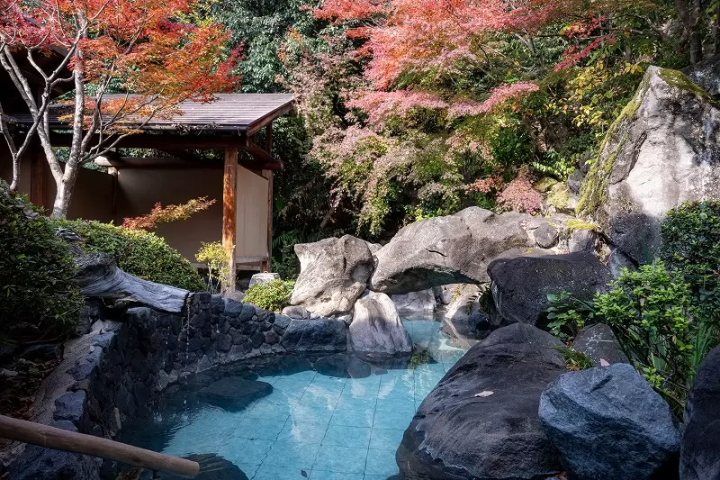
In Japan, multiple people bathe together in a large public bath.
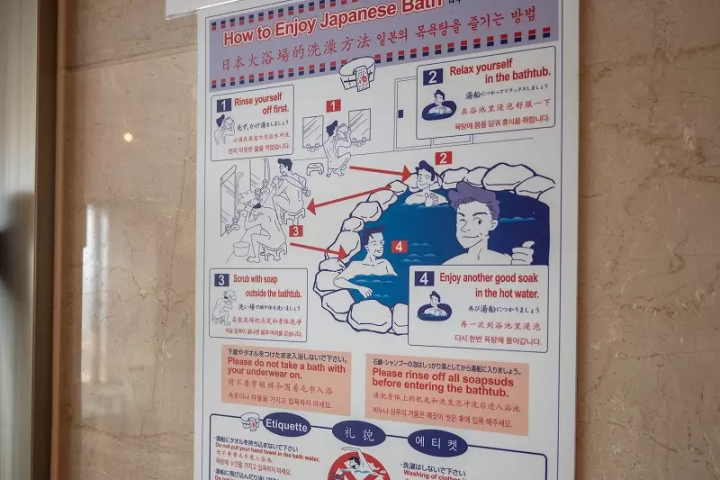
Basic bath etiquette is very simple: wash your body before entering the bath, don't put your towel in the bath, and be considerate of other bathers and stay quiet.
At Yumotokan rooms that explain how to use the hot springs in English, Chinese, and Korean. Even first-time visitors can use the hot springs with ease by following the flow.
For those who are uncomfortable bathing with others, don't worry. Yumotokan has a total of six baths, two of which are hot springs that can be reserved for private use.
For more information about hot springs, please see this article.
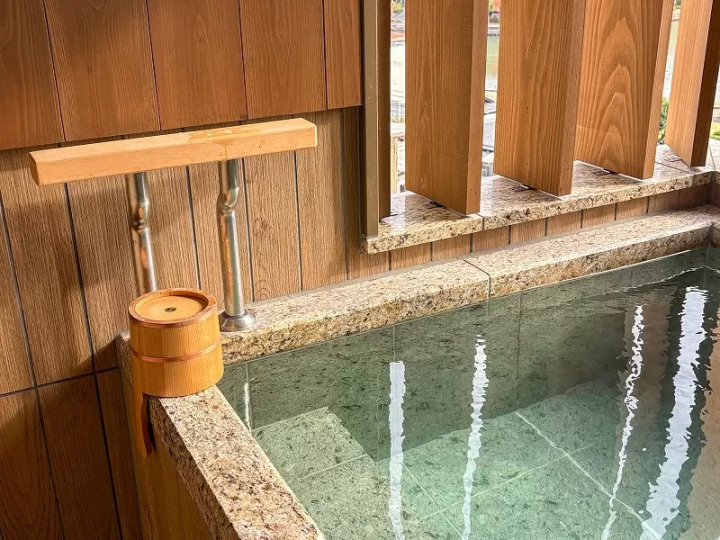
There are also rooms with open-air baths, so you can enjoy the hot springs to yourself without worrying about being seen by others.

In Japan, there is a culture known as "morning bathing," where you start your day by taking a hot spring bath early in the morning and watching the sunrise. If you stay in a room with an open-air bath, you can have this morning bath all to yourself, making it a special experience during your trip.
Two Private Hot Springs
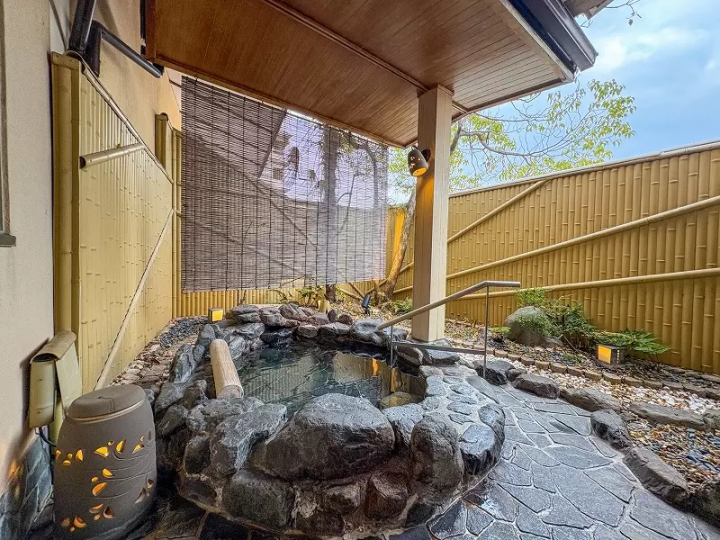
Private hot springs can be used on the day if there is availability, even if you do not make a reservation in advance.
Each session is 50 minutes, with a fee of 7,000 yen (tax included). The bath can be used by up to four adults at a time. The spacious changing room makes it comfortable for families, allowing guests with small children to relax without concern for others.
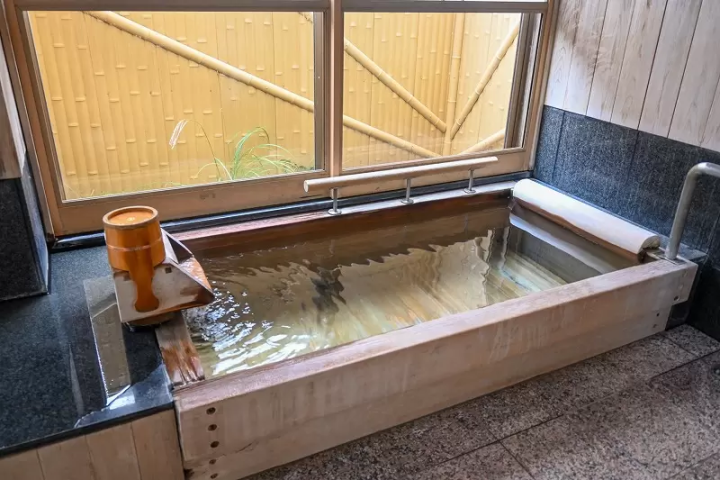
Kinoka features a wooden bathtub with a pleasant cypress scent.
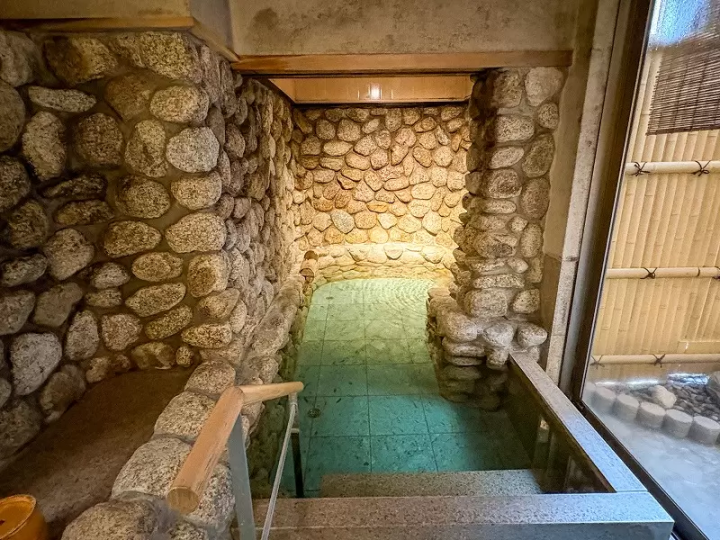
On the other hand, Ishi no Oto has an impressive indoor bath with a cave-like atmosphere. Both baths have both indoor and outdoor baths, so you can enjoy the hot springs while feeling the nature.
Meals: Private Dining with Japanese Kaiser Cuisine
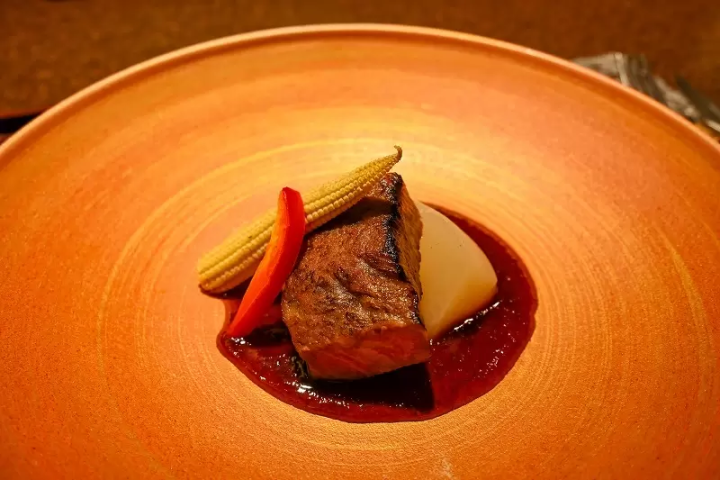
For dinner, you will enjoy kaiseki cuisine that allows you to experience the Japanese seasons.
Kaiseki cuisine is a type of Japanese cuisine served in a course format. Each dish is brought to you individually, and it is a uniquely Japanese food culture where you can enjoy seasonal ingredients.
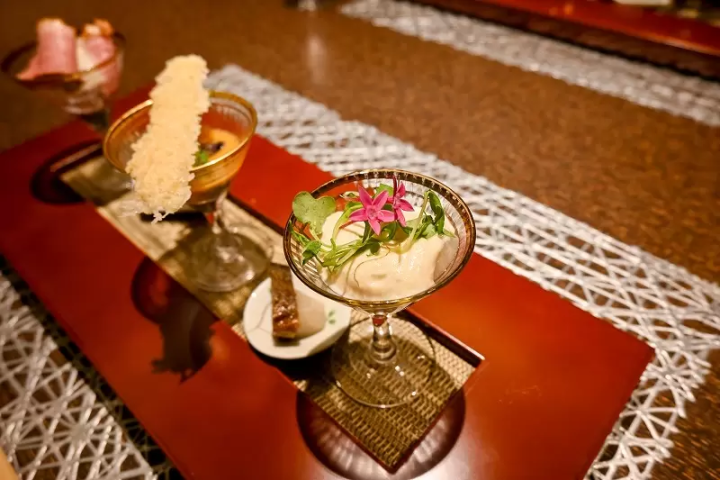
You can choose from a variety of courses, including Omi beef, a Shiga Prefecture specialty with a 400-year history, and courses that allow you to enjoy high-quality seasonal ingredients such as crab and pufferfish.
If there are any ingredients you cannot eat due to dietary restrictions or religious reasons, or if there are any foods you do not like, please let us know in advance. We will make sure that even if it is your first time eating Japanese cuisine, you can enjoy your meal with peace of mind.
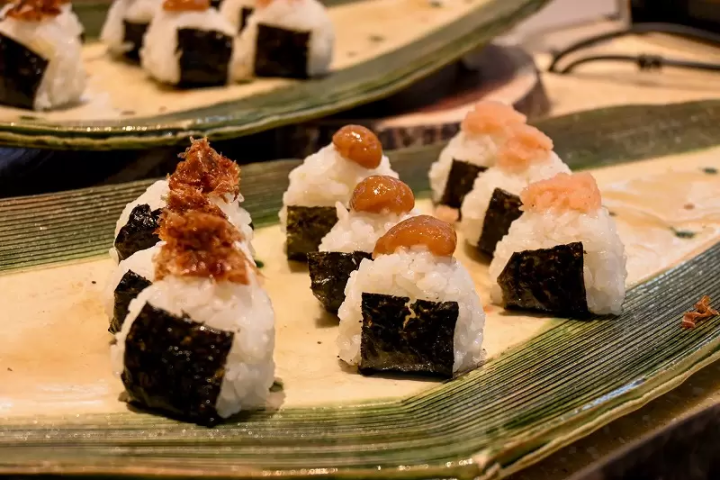
Breakfast is served buffet style.
In addition to traditional Japanese dishes such as rice balls, grilled fish, egg dishes, and freshly picked vegetables, we also offer easy-to-eat dishes.
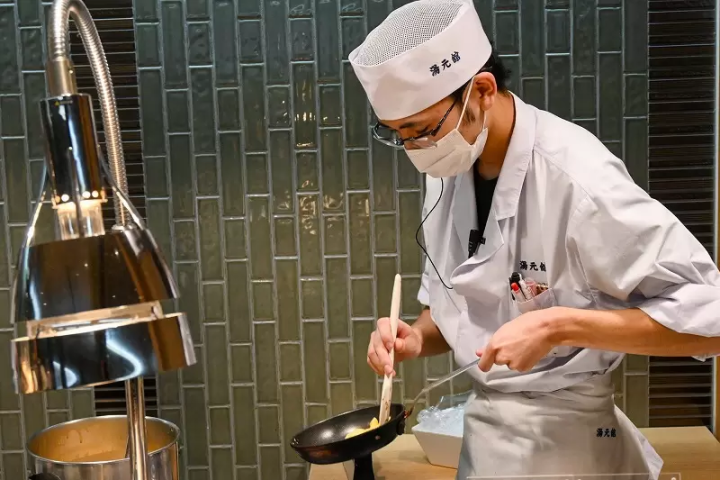
We welcome our customers with a vibrant and healthy menu to start their day.
Experience: A Peaceful Ryokan Stay Away from the Crowds
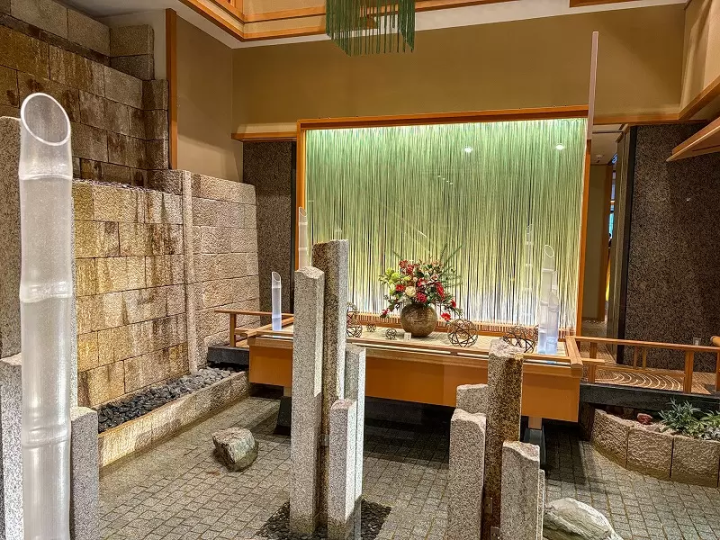
Enjoying the space of a ryokan itself is also part of Japanese ryokan culture.
At Yumotokan , we create a space where time flows quietly, displaying seasonal flowers and local pottery so that you can feel at peace no matter where you are in the building.
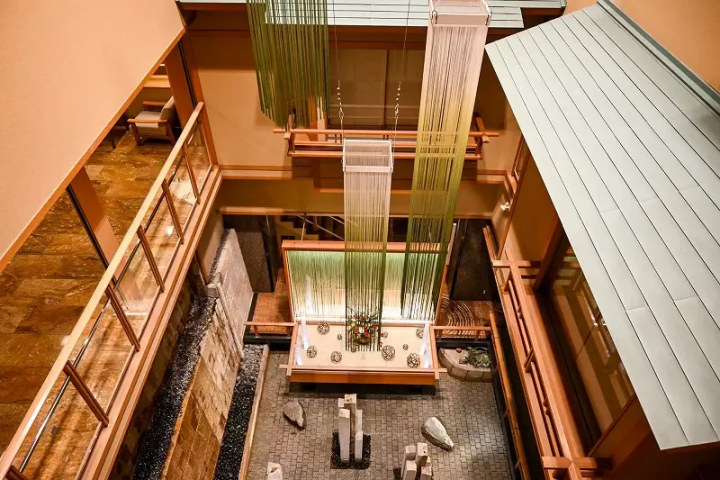
Particularly impressive is the atrium that stretches from the lobby all the way up to the third floor.
This artistic space is inspired by Shiga’s iconic scenery, featuring motifs such as Okino Shiraishi, the sacred rock floating on Lake Biwa, Yobai Shiraishi, and the historic Seta Karahashi Bridge, all well-known scenic landmarks of Shiga Prefecture.
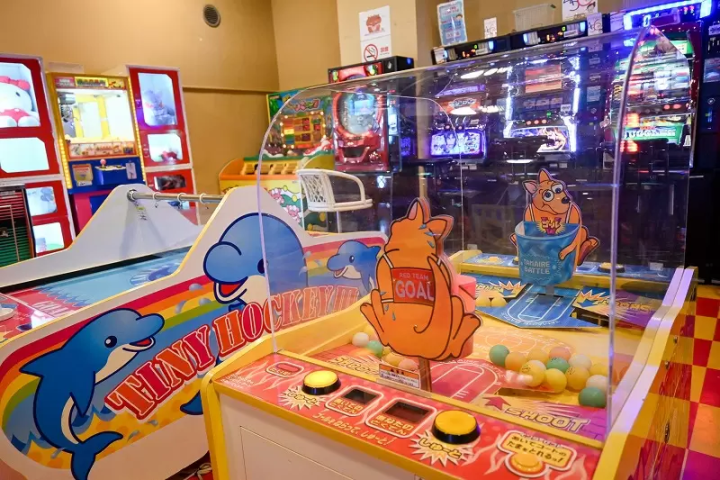
The basement also features a retro game center, once a common sight in Japanese inns and now a nostalgic yet refreshing experience.
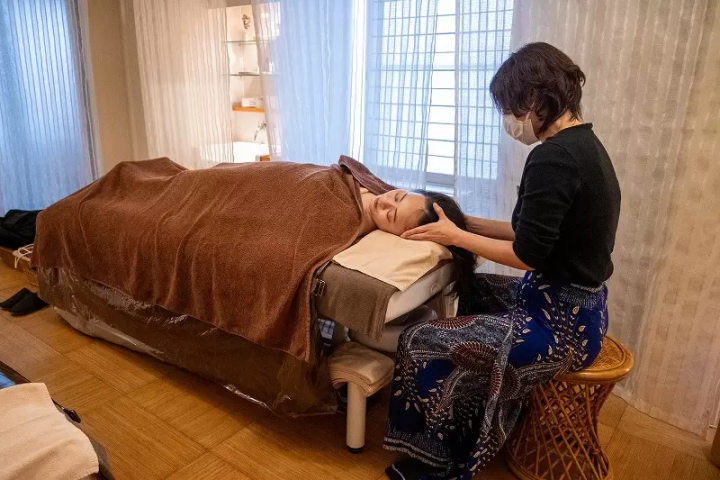
The ryokan also offers a spa featuring authentic Ayurvedic treatments, popular with guests looking to relax and refresh after a long journey. When combined with the hot springs, the experience provides an even deeper sense of relaxation and renewal.
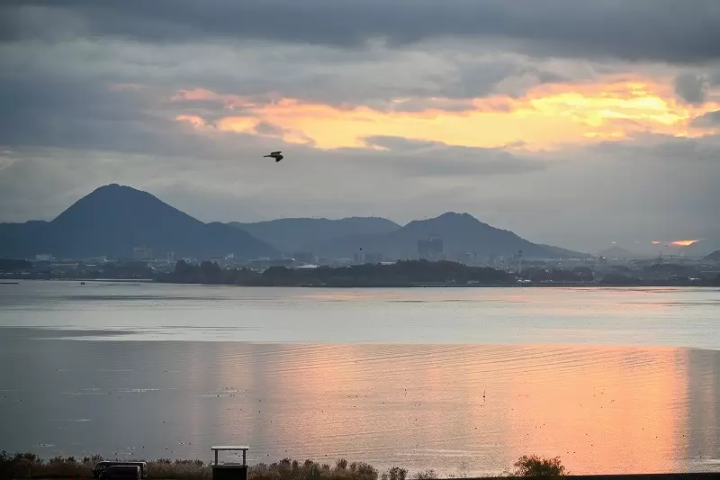
Lake Biwa seen from the guest rooms
The Ogoto Onsen area is surrounded by appealing attractions, including Mount Hiei, known for its autumn foliage, and nearby ski resorts. However, a stay here doesn’t have to be busy or rushed.
Spend your time at Yumotokan however you like—strolling through the property, relaxing in the baths, or simply doing nothing while taking in the scenery. Time spent at Yumotokan offers a quiet pause that can make your journey in Japan even more rewarding.
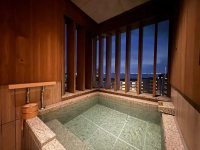
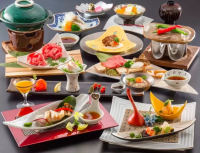
Ogoto Onsen is said to have been opened about 1,200 years ago by Dengyo Daishi Saicho to reward the work of the craftsmen who built Enryakuji Temple on Mount Hiei, a World Heritage Site. Among them, Yumotokan is a long-established inn with a history of 96 years. The secret to its popularity is its four different hot springs, including an open-air bath overlooking Lake Biwa from the 11th floor and an open-air bath that gives the illusion of being a hot spring in the forest, as well as its Kyoto-style kaiseki meals made with carefully selected seasonal ingredients, including "certified Omi beef," one of Japan's three great wagyu beef brands. Although it is only 20 minutes by train from Kyoto, this inn allows you to feel the warmth of nature and Japan, such as Lake Biwa and the Hira mountain range.
The contents on this page may partially contain automatic translation.
Special Features
More










![[Shinjuku Girls' Trip] 4 Recommended Shops for Women at Odakyu Ace!](https://resources.matcha-jp.com/resize/720x2000/2026/05/11-263877.webp)