Amakusa Shimoda Onsen Guide: Hot Springs, World Heritage & Local Seafood in Kumamoto
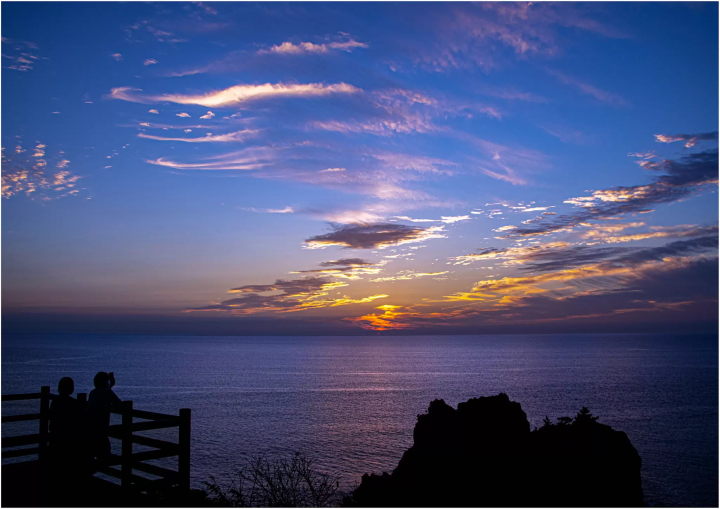
Discover Shimoda Onsen in Amakusa, Kumamoto. Famous for its 700-year history and skin-healing waters, explore this hidden gem along with World Heritage sites and fresh seafood.

Written by
National hot spring resorts are designated by the Minister of the Environment under the Hot Springs Act as healthy hot spring resorts where the benefits of hot spring use are expected to be sufficient. 79 hot spring resorts have been designated nationwide (as of October 2024). National hot spring resorts are selected based on the following criteria. 1. Conditions regarding the quality and volume of hot spring water (1) The source of the hot spring water used must be a therapeutic spring. (2) The hot spring water used must have an abundant volume of water. The standard volume of water flow must be 0.5 liters per minute or more per hot spring user. 2. Conditions regarding the environment of the hot spring resort (1) The hot spring is suitable as a resort from the perspective of the natural environment, townscape, history, climate, culture, etc. (2) A plan for the placement of doctors who can provide guidance on proper hot spring use and health management from a medical perspective, or a plan for the placement or training policy of personnel who can provide guidance on bathing methods, etc. in cooperation with the doctors, must be established. (3) Appropriate efforts will be made to protect hot spring resources, manage the hygiene of hot springs, promote public use of hot springs, and take into consideration the elderly and disabled, etc. (4) Enhanced efforts to prevent disasters.
This service includes sponsored advertisements.
-
Table of Contents
- What is Shimoda Onsen? 100% Natural Thermal Water with 700 Years of History
- Best Things to Do: Top Sightseeing & Gourmet Spots in Amakusa
- Access information
What is Shimoda Onsen? 100% Natural Thermal Water with 700 Years of History
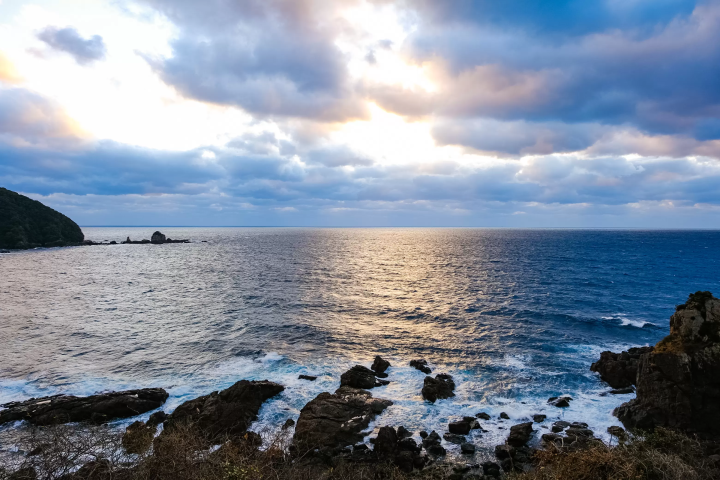
About a three-hour drive from Aso Kumamoto Airport, along the beautiful coastline of the Higashishina Sea , you will find Shimoda Onsen, a People's Health Resort Spring .
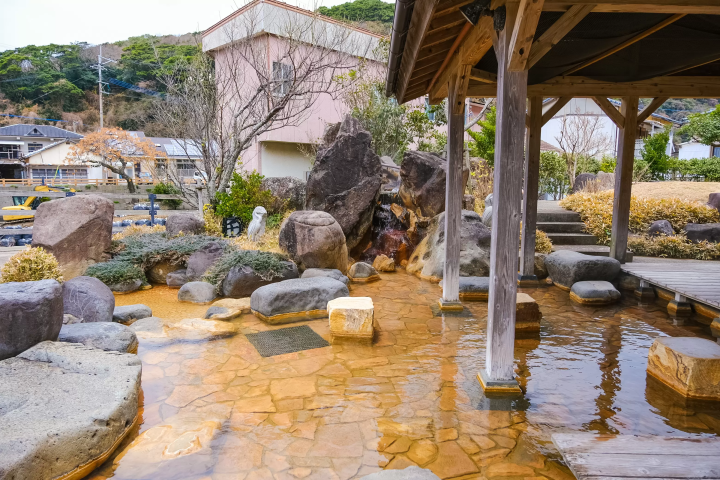
Even in Kumamoto Prefecture, which is rich in hot springs, only three places, including Shimoda Onsen, have been designated as People's Health Resort Spring . Shimoda Onsen was designated as a People's Health Resort Spring in 1963 due to its excellent spring quality and therapeutic environment.
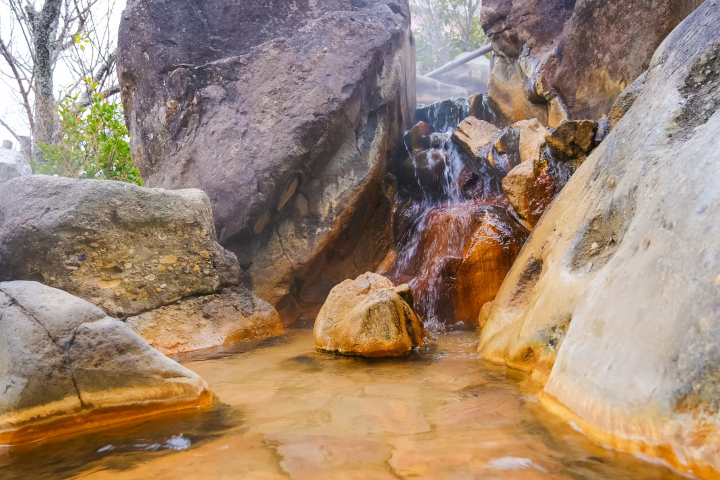
The motto of Shimoda Onsen, the oldest hot spring in Amakusa, is "No boiling, no dilution, no circulation." The hot spring water, at approximately 51 degrees, is at the perfect temperature by the time it reaches the bathtub, and you can enjoy luxurious hot spring water that is "completely free-flowing from the source" without adding water, heating, or circulation.
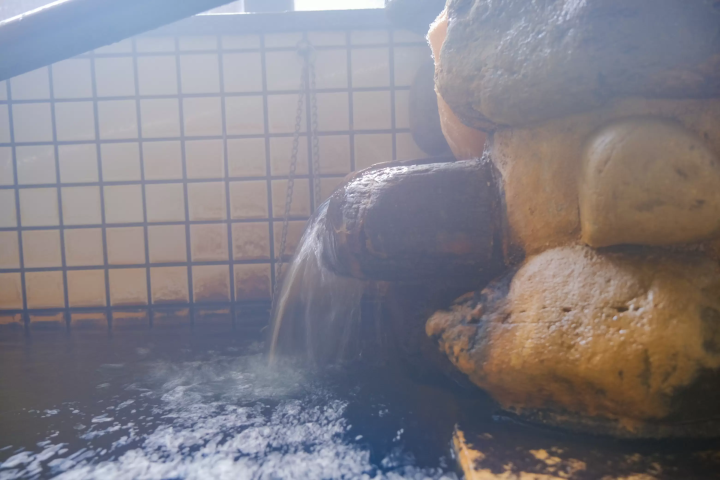
The spring water is a sodium bicarbonate chloride spring, and is known as the "cleansing water" or "beautiful skin water" due to its skin-smoothing effect. The water is colorless and transparent, and has little irritation. In addition to its skin-beautifying effects, it is also known to be effective for treating cuts, abrasions, and fatigue.
Best Things to Do: Top Sightseeing & Gourmet Spots in Amakusa
We will introduce you to the must-see spots for your Shimoda coast and visiting the famous sites unique to Amakusa.
A giant foot welcomes you at Shimoda Onsen Gosoku no Yu
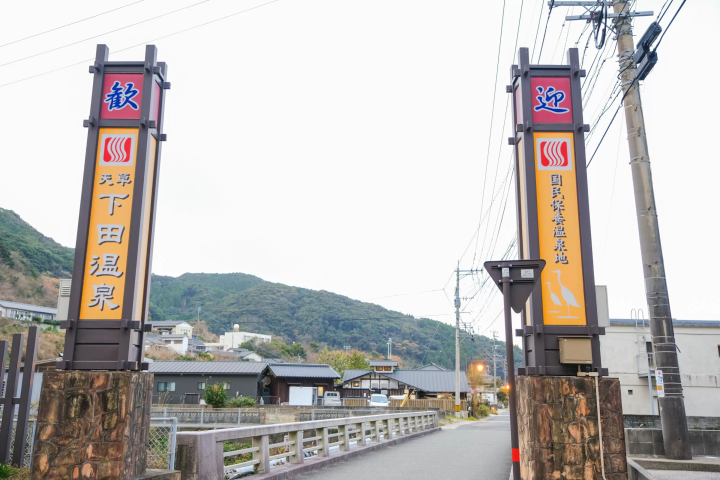
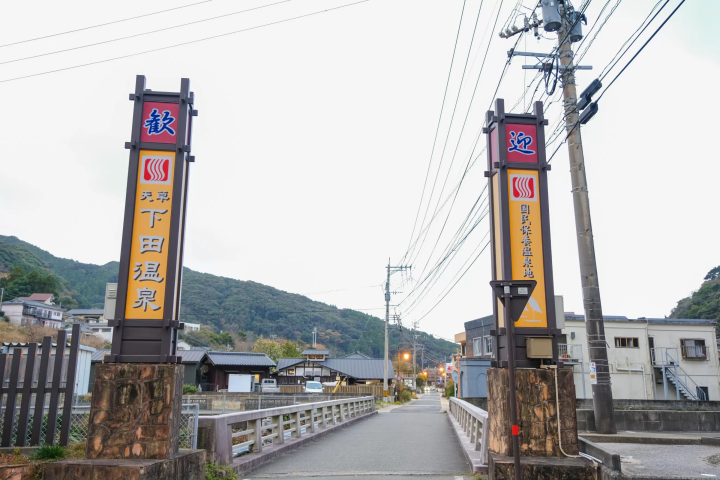
Driving from the direction of Kumamoto Airport, the first thing you see is the impressive entrance sign for Shimoda Onsen. In the surrounding area, you'll find hot spring inns, shrines, and the Shimoda Onsen Gosoku no Yu.
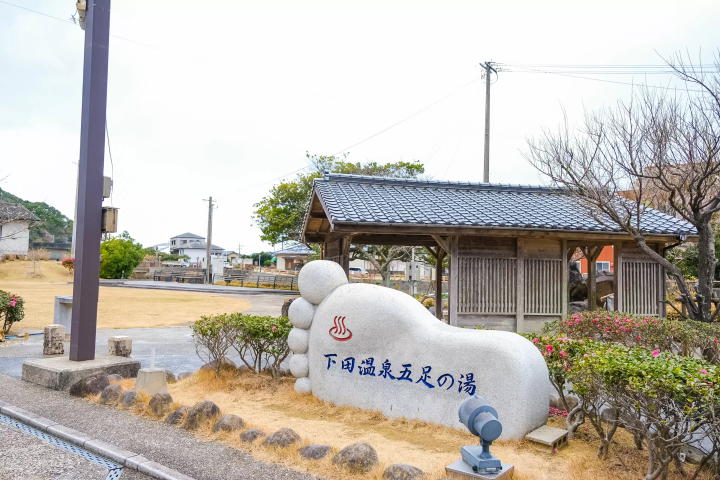
Shimoda Onsen Gosoku no Yu that anyone can use for free between 10am and 8pm.
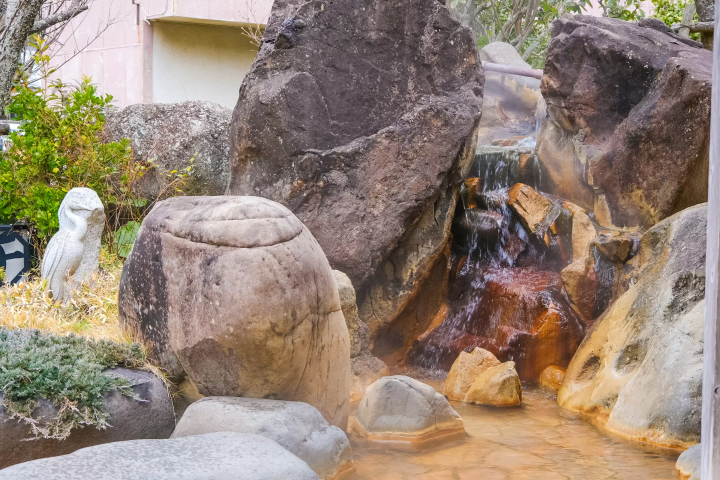
Shimoda Onsen has four hot springs, which are all collected in one place and distributed to each inn. One of these is located just behind Shimoda -no-Yu, so you can always enjoy fresh, hot spring water in the luxurious, free-flowing style.
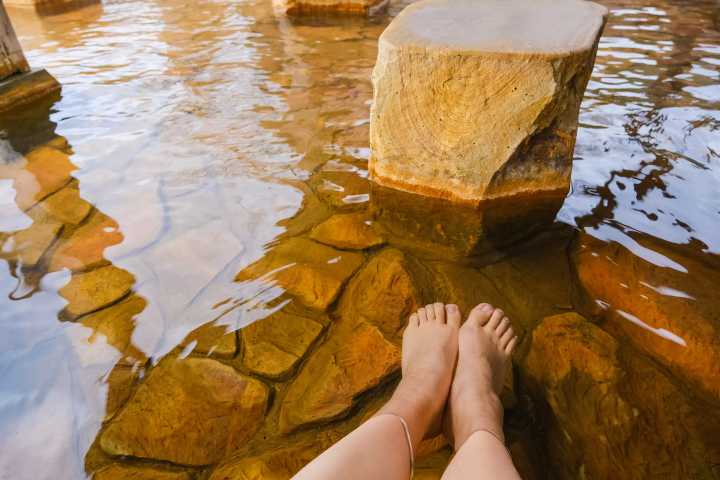
Some areas have roofs, while others have seats with a great view, so one of the great attractions is that you can choose where to bathe depending on the weather and your preferences.
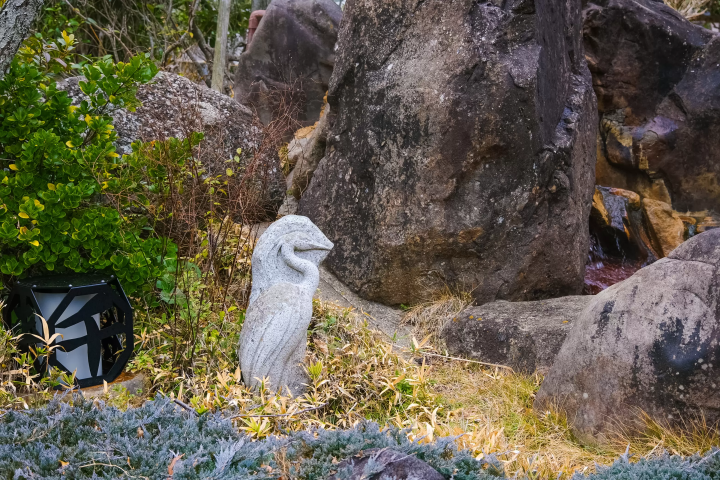
Near the outlet of the spring there is a statue of a white heron, which is associated with the legend of the hot spring's discovery, and you can spend a relaxing time feeling as if you are being watched over.
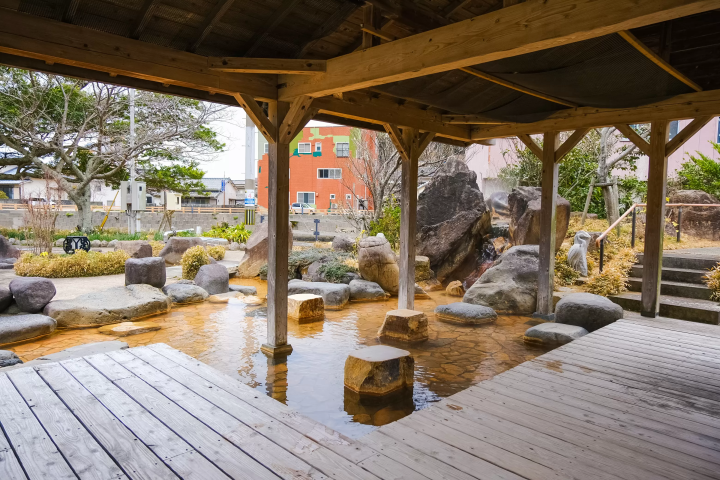
The spring water keeps you warm for a long time, so you can feel warm and cozy after just 10 minutes of soaking, and the comfortable feeling will last. If you are prone to feeling cold or are visiting in winter, stopping by the foot bath before sightseeing will allow you to enjoy your trip in comfort without worrying about the cold.
Shimoda Onsen Gosoku no Yu
 1310-3 Shimoda, Amakusa Town, Amakusa City, Kumamoto Prefecture, 863-2...
This is a spot where anyone can soak their feet in a foot bath for free from 10am to 8pm. The hot spring source is located just behind the foot bath, so you can enjoy the warmth of the hot spring even in winter.
1310-3 Shimoda, Amakusa Town, Amakusa City, Kumamoto Prefecture, 863-2...
This is a spot where anyone can soak their feet in a foot bath for free from 10am to 8pm. The hot spring source is located just behind the foot bath, so you can enjoy the warmth of the hot spring even in winter.
Myokenura Coast , one of Amakusa 's most scenic spots
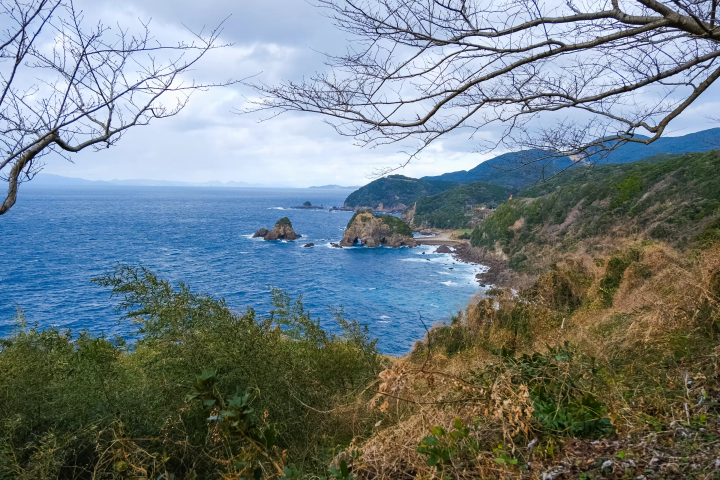
About a 10-minute drive from Shimoda Onsen Gosoku no Yu is Myokenura Coast, a nationally designated scenic spot and natural monument. It is affectionately known as "Zosan Iwa (Elephant Rock)) because it looks like an elephant walking out of the land.
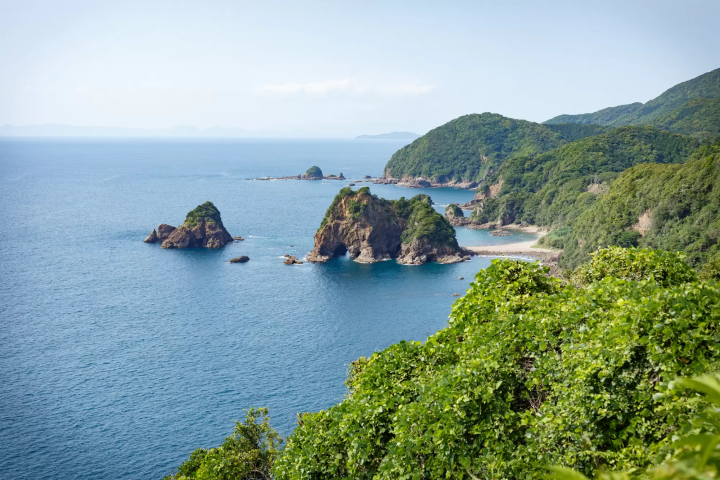
The cliffs surrounding Zosan Iwa (Elephant Rock) are 20 to 80 meters high, and are truly impressive when viewed up close! Zosan Iwa (Elephant Rock) has a cavern measuring 20 meters high, 8.5 to 20 meters wide, and 50 meters deep, which can be passed through by small boats.
We recommend visiting in early spring when the cherry blossoms are in full bloom, or at dusk. The spectacular spring-only view of the cherry blossoms and Zosan Iwa (Elephant Rock), as well as the fantastic orange glow of the setting sun, will be an unforgettable memory of your trip.
Myokenura Coast
 Amakusa Minami , Shimoda Town, Amakusa City, Kumamoto Prefecture, 8632...
This spot allows you to see the cliffs affectionately known as Elephant Rock. It was designated a national place of scenic beauty and natural monument in 1935.
The island is famous for the way it looks like elephants are walking off the land. The views are exceptional during sunset and when the cherry blossoms are in full bloom.
Amakusa Minami , Shimoda Town, Amakusa City, Kumamoto Prefecture, 8632...
This spot allows you to see the cliffs affectionately known as Elephant Rock. It was designated a national place of scenic beauty and natural monument in 1935.
The island is famous for the way it looks like elephants are walking off the land. The views are exceptional during sunset and when the cherry blossoms are in full bloom.
The sunset over the horizon is a mystical Kikaigaura Observatory
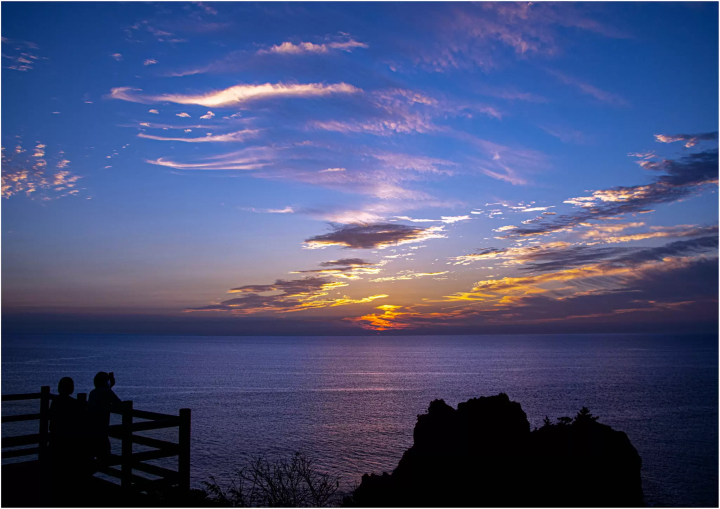
If you're planning on spending the evening in the Amakusa area, the Kikaigaura Observatory is a must-see spot. Not only can you enjoy the view from the observation deck, but you can also enjoy the fantastic sunset from the comfort of your own car.
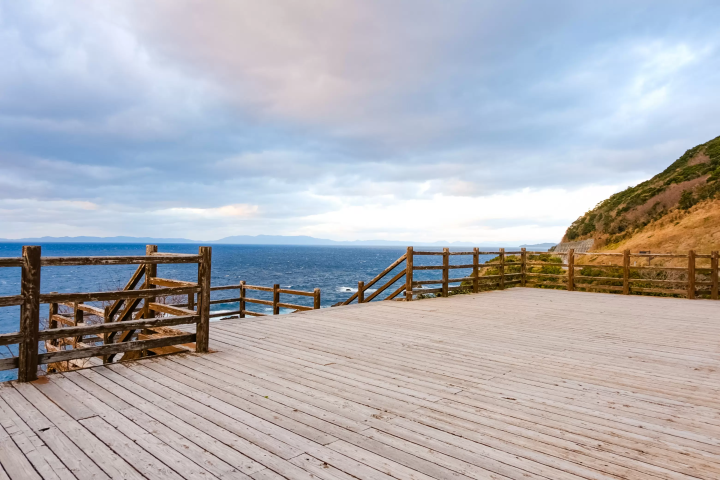
The Kikaigaura Observatory is a popular scenic spot that has been selected as one of the "Top 100 Sunsets in Japan." You can watch the sun go down while getting up close to the sea cliffs.
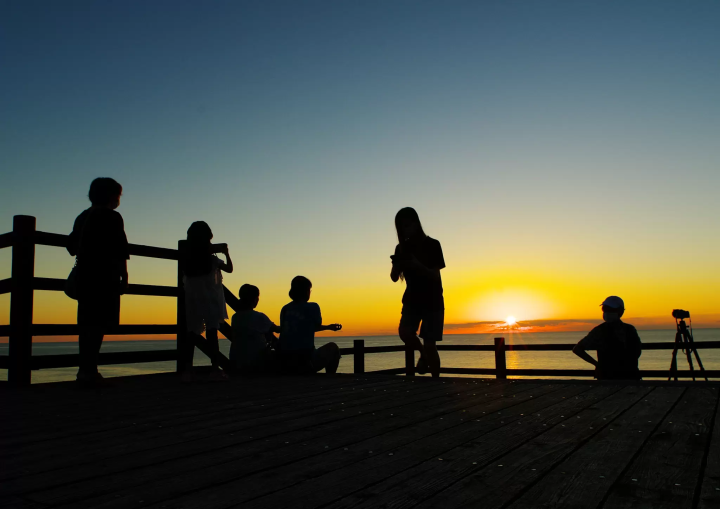
From the observation point, you can see the silhouette of the Cape Nomo Zaki Peninsula and the endless sea of the west coast, and the magnificent natural scenery that will take your breath away. It is a place where you can feel the sea breeze, watch the setting sun, and cherish the time that passes slowly.
Kikaigaura Observatory
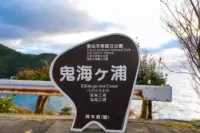 2256 Shimoda, Amakusa Town, Amakusa City, Kumamoto Prefecture, 863-280...
It is one of the 100 best sunset spots in Japan and the most scenic spot in Amakusa City. Located along the west coast, it is a spot where you can watch the sun sink into the horizon of the Amakusa Nada.
2256 Shimoda, Amakusa Town, Amakusa City, Kumamoto Prefecture, 863-280...
It is one of the 100 best sunset spots in Japan and the most scenic spot in Amakusa City. Located along the west coast, it is a spot where you can watch the sun sink into the horizon of the Amakusa Nada.
Amakusa's Laputa: A power spot where you can feel the energy of life
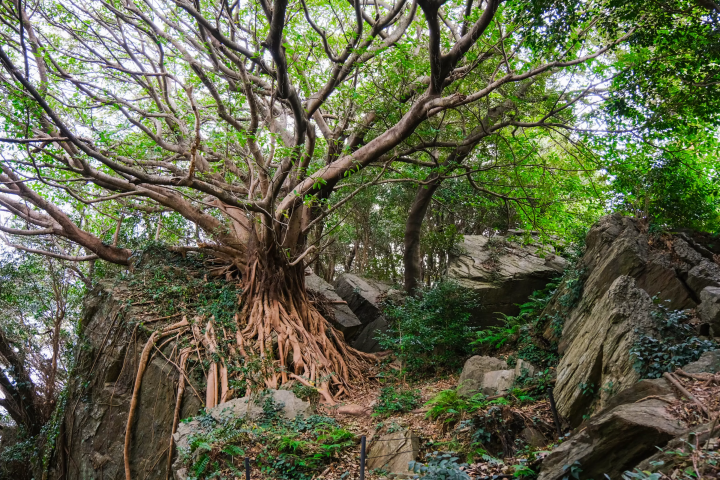
Nishihira Tsubaki Park, located along the west coast, is an area where approximately 20,000 camellia trees grow naturally within the park. The best time to see them is from November to April, making it a recommended spot that can easily be incorporated into your travel plans.
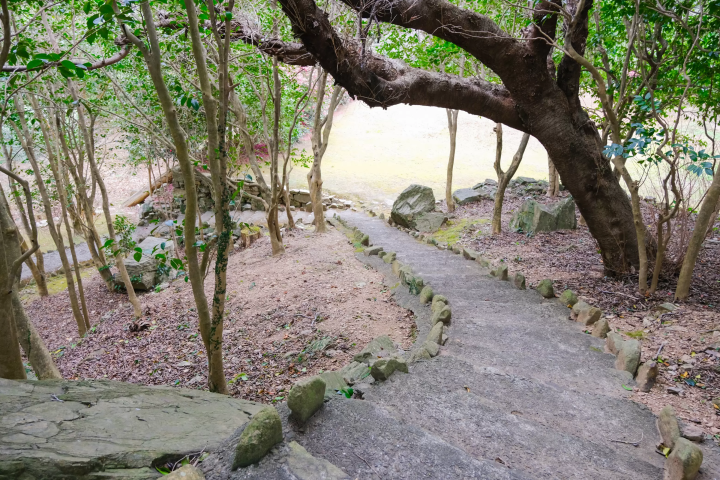
As you head towards the coast, admiring the camellias in the park, you will come across the towering "Akou Tree (Banyan Tree)" in the center. This Ako tree has aerial roots that seem to wrap around a huge rock, making it look just like the "Laputa tree." Locals affectionately call it "Amakusa's Laputa," and you can see a majestic sight that seems to be overflowing with the energy of life.
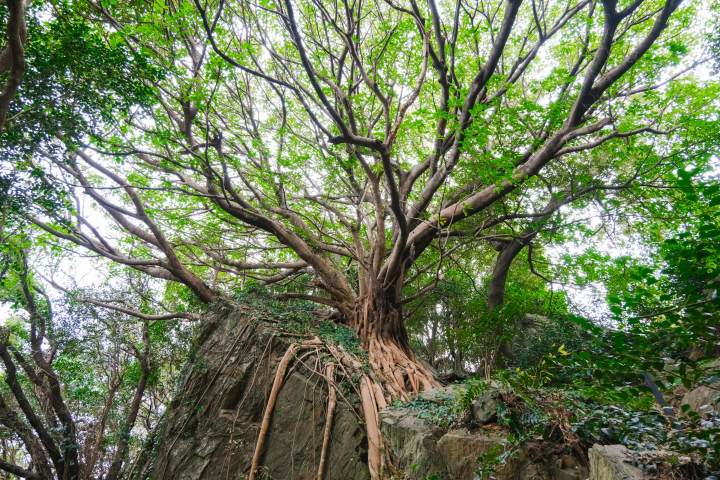
It grows up to 20 meters tall, and its large branches and roots make it a famous power spot. The tree is said to be about 300 years old, and you'll definitely feel the powerful life force that is unique to this area.
Nishihira Tsubaki Park(Amakusa's Laputa)
 Amakusa Oe, Amakusa City, Kumamoto Prefecture, 863-2801
Approximately 20,000 wild camellia trees grow within the park. In the center of the park is a 300-year-old Ako tree, commonly known as Amakusa's Laputa, which is also famous as a power spot.
It reaches a height of 20 meters, and the way its roots spread out as if swallowing the huge rocks conveys its vitality.
Amakusa Oe, Amakusa City, Kumamoto Prefecture, 863-2801
Approximately 20,000 wild camellia trees grow within the park. In the center of the park is a 300-year-old Ako tree, commonly known as Amakusa's Laputa, which is also famous as a power spot.
It reaches a height of 20 meters, and the way its roots spread out as if swallowing the huge rocks conveys its vitality.
Learn more about the history at Sakitsu Museum Minatoya
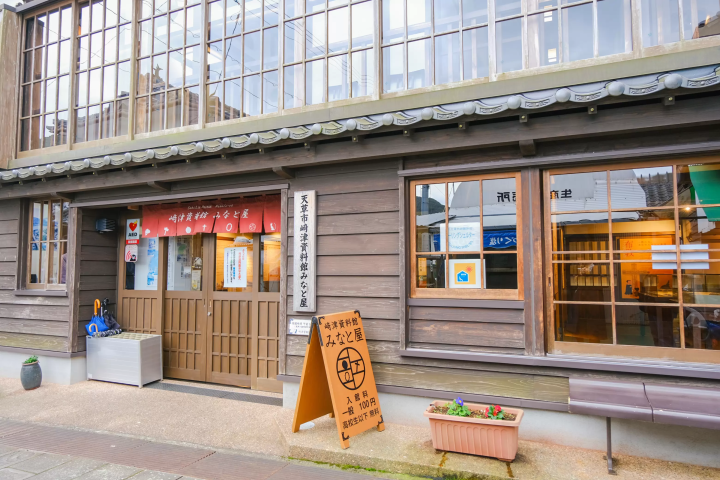
The "Hidden Christian Sites in the Nagasaki Region " was registered as a UNESCO World Heritage Site in 2018. At the Sakitsu Museum Minatoya, you can learn about the history and background of the Sakitsu Village in Amakusa, one of the constituent assets of this site.
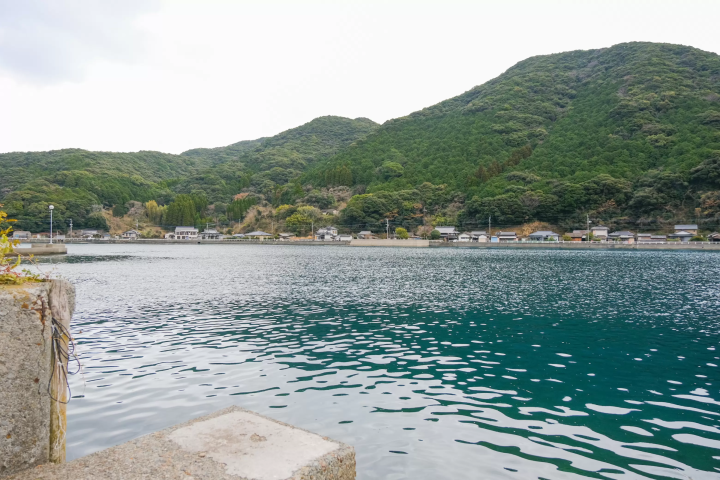
The " Hidden Christian Sites in the Nagasaki Region " consists of 12 constituent assets that tell the story of the religious traditions of the Hidden Christians, who secretly continued to practice their faith for approximately 250 years during the period when Christianity was prohibited.
The constituent assets include the Hara Castle Ruins, the main battlefield of the Shimabara-Amakusa Rebellion , which prompted the group to go into hiding, and Oura Cathedral , where their hiding ended.
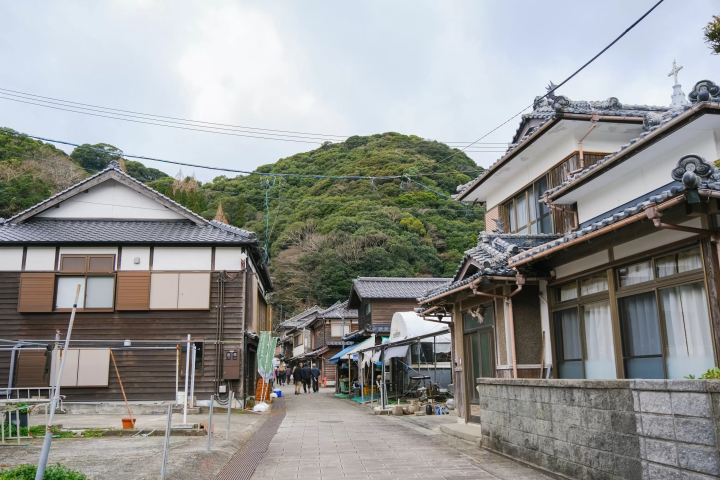
Among them, the Sakitsu Village in Amakusa City is a fishing village that practices its faith by using familiar objects as objects of worship. Hiding abalone shells and medals made from white mother-of-pearl, the villagers publicly became Buddhists and parishioners of the shrine, but secretly continued to practice their faith.
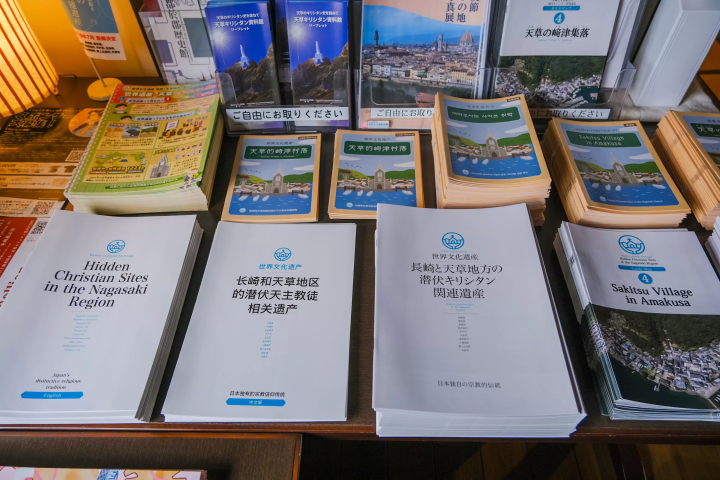
Sakitsu Museum Minatoya explains this history through dioramas, panels, and religious implements in its collection.
Admission is from 9:00 to 17:00 (last entry at 16:30) and costs 100 yen per adult. Staff will kindly explain the history of the hidden Christians in Tsu and the ingenuity they used to maintain their faith during the period when Christianity was prohibited.
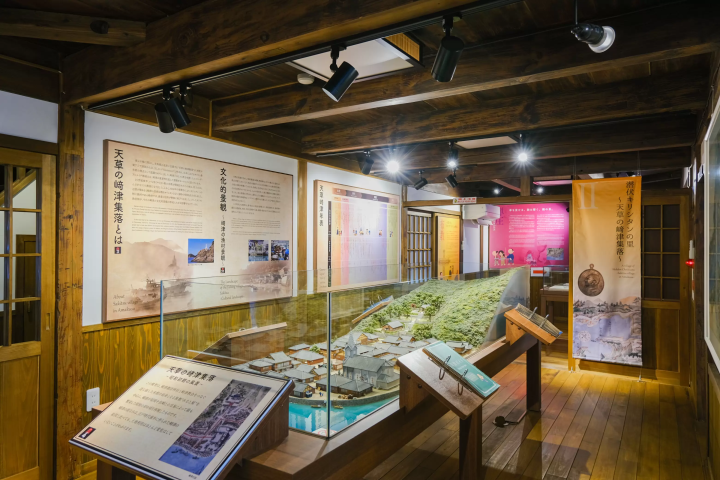
This is a highly educational spot that is definitely worth stopping by before heading to Tsu Village, Sakitsu Church, or Oe Church.
Sakitsu Museum Minatoya
 463 Sakitsu, Kawaura-cho, Amakusa City, Kumamoto Prefecture, 863-1204
This is a spot where you can learn more about the history and background of the UNESCO World Heritage Site "Hidden Christian Sites in the Nagasaki Region." Admission is 100 yen per adult, and you can learn about the history of the hidden Christians in Sakitsu and the ingenuity they used to maintain their faith during the period when Christianity was prohibited.
463 Sakitsu, Kawaura-cho, Amakusa City, Kumamoto Prefecture, 863-1204
This is a spot where you can learn more about the history and background of the UNESCO World Heritage Site "Hidden Christian Sites in the Nagasaki Region." Admission is 100 yen per adult, and you can learn about the history of the hidden Christians in Sakitsu and the ingenuity they used to maintain their faith during the period when Christianity was prohibited.
Sakitsu Church and Sakitsu Village: Tracing the Footsteps of Hidden Christians
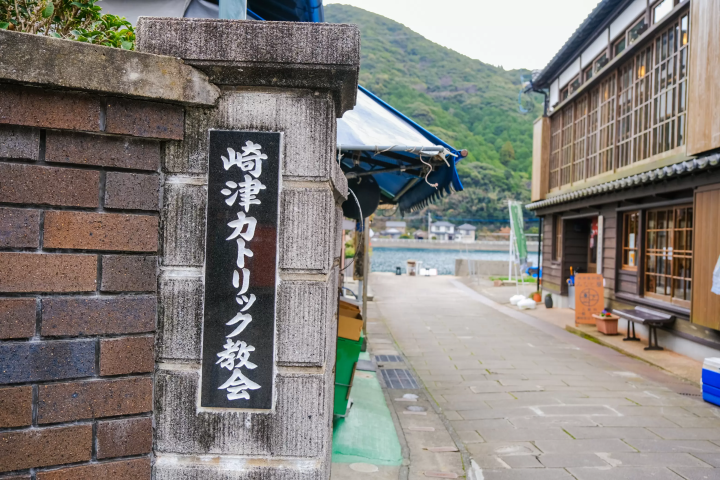
Sakitsu Village in Amakusa is one of the constituent assets of the " Hidden Christian Sites in the Nagasaki Region ." The Sakitsu Museum Minatoya, and the village itself, including the Sakitsu Church, is considered a constituent asset.
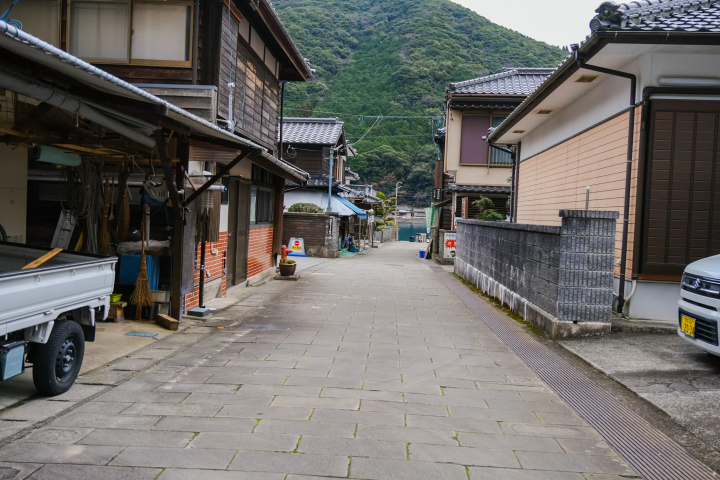
The shape of the land in Tsu village has not changed much since the Edo period, and main roads, coastal revetments, and places of worship still remain.
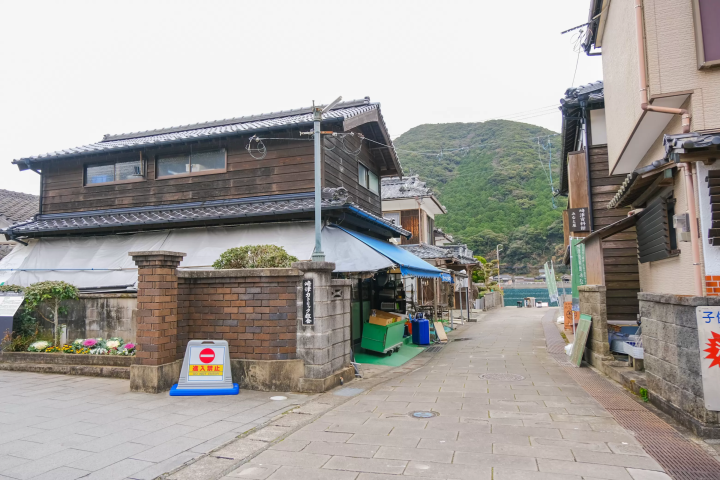
There are plenty of interesting things to know about the temple, such as the "shimenawa" (sacred rope) that is hung at the entrance all year round to assert that the temple is not a Christian, and the stone steps depicted in drawings from the Edo period that still exist today.
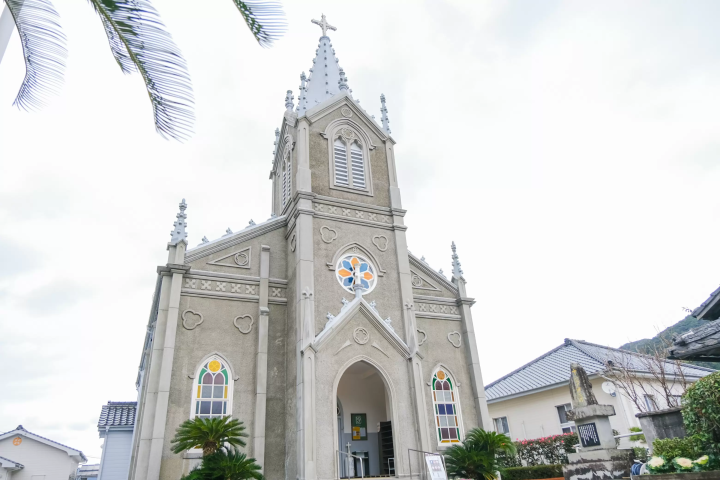
One of the places we recommend taking your time to visit is Sakitsu Church, which stands in the center of the village. At the strong request of the French missionary Father Halbout, it was built on the Site of the Yoshida Shoya House, where strict footsteps were carried out during the period when Christianity was prohibited.
An altar was set up at the site where the Efumi ceremony took place, and a tatami-floored church, rare nationwide, was built.
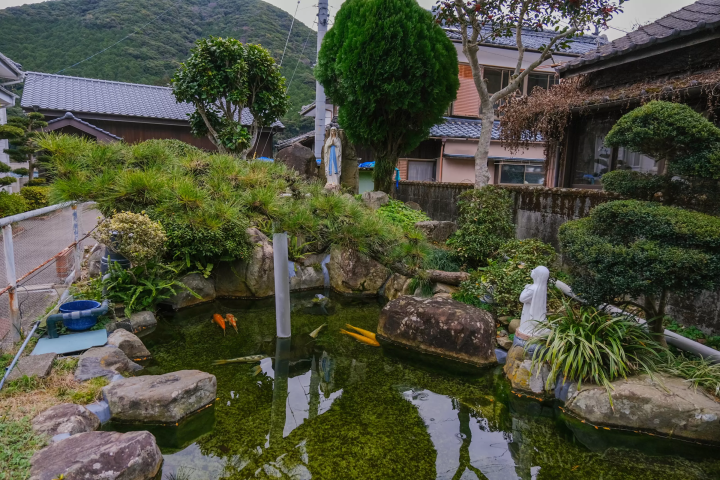
The church is open to the public except on days when events are being held. The quiet space unique to Tsu will help you forget the hustle and bustle of everyday life and calm your mind.
Sakitsu Church
 539 Sakitsu, Kawaura-cho, Amakusa City, Kumamoto Prefecture, 863-1204
"Sakitsu Village in Amakusa" is registered as one of the components of the World Cultural Heritage Site. The current Sakitsu Church was built in 1934 on the site where strict "Efumiko" (traditional Japanese footsteps) were practiced during the period when Christianity was prohibited. The interior is open to the public free of charge.
539 Sakitsu, Kawaura-cho, Amakusa City, Kumamoto Prefecture, 863-1204
"Sakitsu Village in Amakusa" is registered as one of the components of the World Cultural Heritage Site. The current Sakitsu Church was built in 1934 on the site where strict "Efumiko" (traditional Japanese footsteps) were practiced during the period when Christianity was prohibited. The interior is open to the public free of charge.
Oe Church : A beautiful Romanesque church
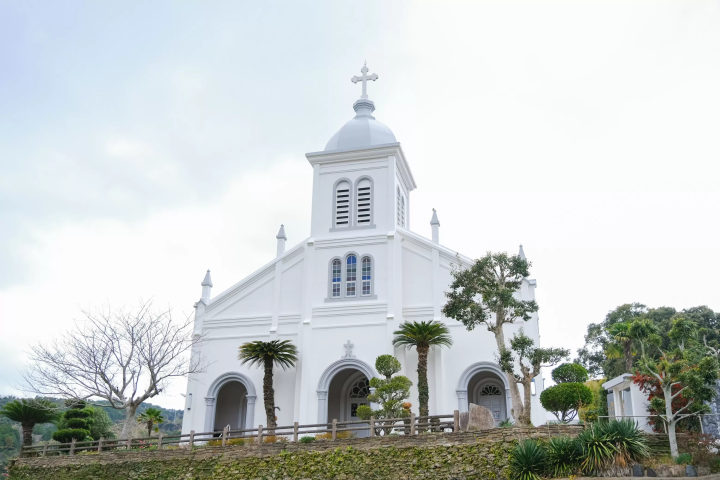
After the ban on Christianity was lifted, Oe Church was the first church built in Amakusa . The building we see today was built in 1933 by Father Garnier in cooperation with local believers.
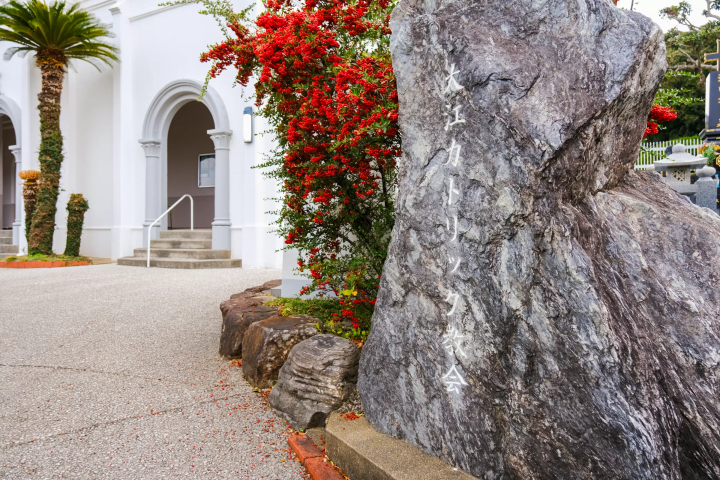
Surrounded by rural areas, Oe Church stands out in particular, creating a beautiful contrast with the blue sky. Combined with the gentle atmosphere of the surrounding flower beds and plants, you'll want to take your time and leisurely stroll around the building.
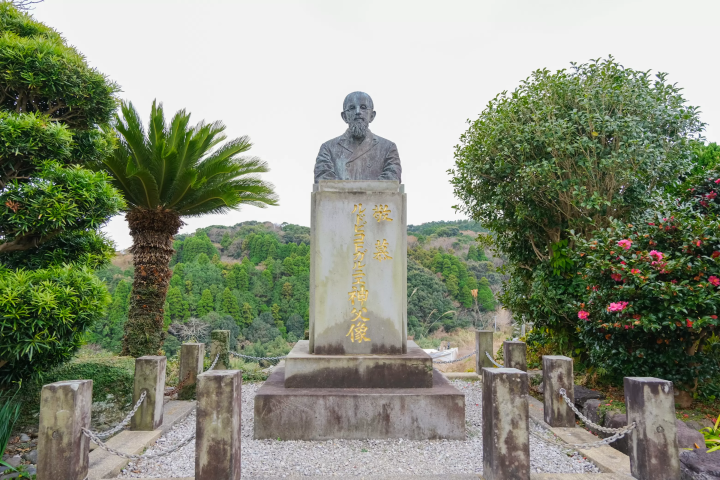
You are free to enter the interior, but photography is prohibited. Take your time to enjoy the tranquil atmosphere and the history of faith that has been woven by our ancestors.
Oe Church
 1782 Amakusa Oe, Amakusa City, Kumamoto Prefecture, 863-2801
This Romanesque church is open to the public during opening hours. It was the first church built in Amakusa after the ban on Christianity was lifted.
1782 Amakusa Oe, Amakusa City, Kumamoto Prefecture, 863-2801
This Romanesque church is open to the public during opening hours. It was the first church built in Amakusa after the ban on Christianity was lifted.
Umineko Shokudo: Enjoy your meal surrounded by adorable cat goods
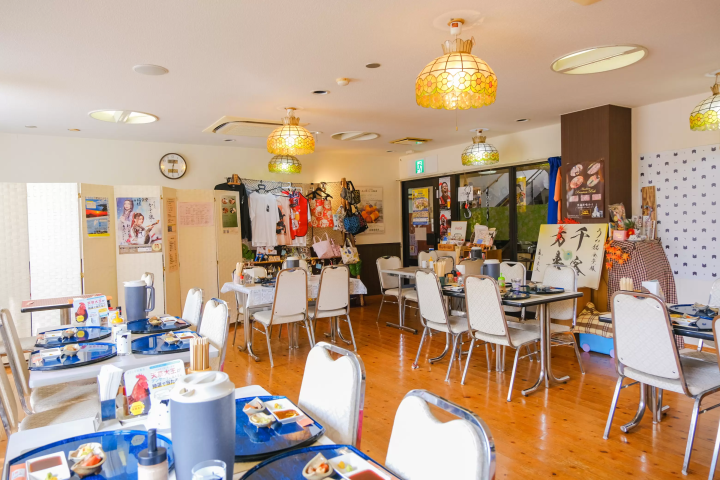
While strolling around Shimoda Onsen, you should definitely stop by Umineko Shokudo.
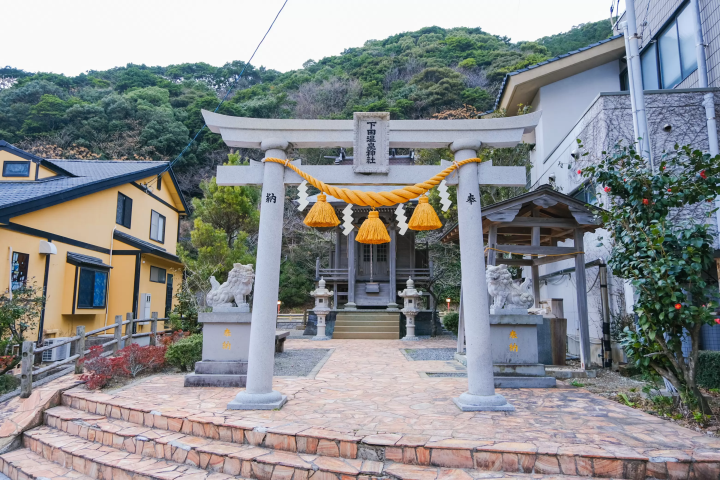
It is located next to Shimoda Onsen Shrine, where the source of Shimoda Shimoda Onsen Shrine springs flows, so it is recommended to stop by while praying there.
Recommended lunchtime dishes are the "Amakusa Champon" and the "Amakusa Premium Pork Fillet Cutlet Set Meal." Both dishes are made with plenty of freshly picked local vegetables and are very filling.
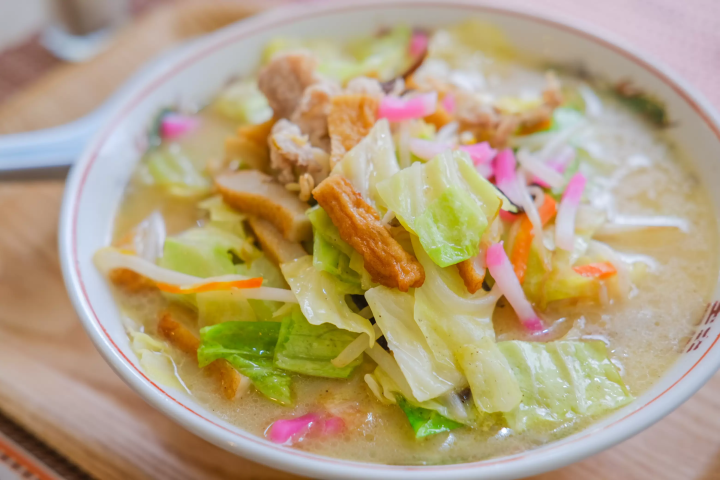
Amakusa Champon is a hearty dish with a pork bone-based soup topped with so many vegetables that the noodles are covered. You can enjoy this everyday dish that has been loved by locals for a long time, seasoned with the unique flavors of Amakusa.
The ingredients include a variety of ingredients, such as cabbage, bean sprouts, fish cakes, and wood ear mushrooms. The texture changes with every bite, from the crunchy vegetables to the chewy noodles and the crunchy wood ear mushrooms, so you won't get bored until the very end. The rich soup, infused with the broth from the ingredients, clings tightly to the noodles, making it so delicious you'll find yourself eating it all with gusto.
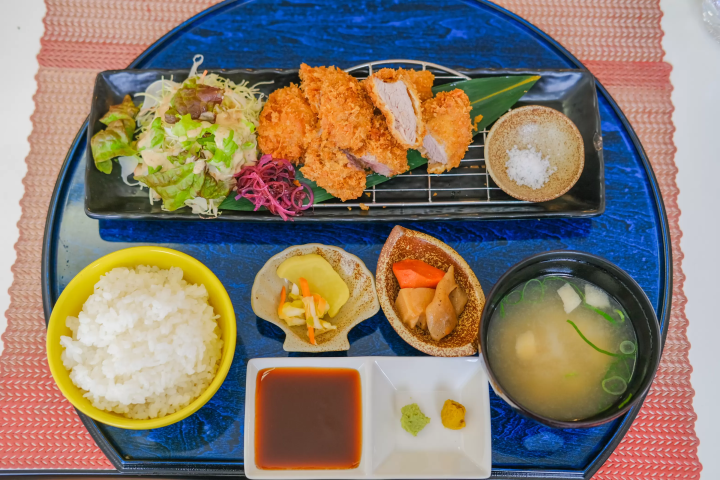
The fillet cutlet set meal uses "Amakusa Premium Pork," allowing you to directly taste the fine, tender quality of the meat.
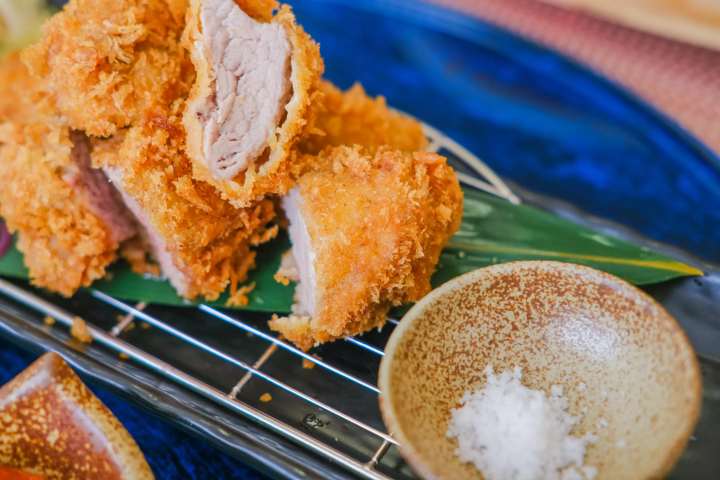
We also recommend eating it simply with salt. The mellow saltiness and sweetness of Amakusa salt blend together to bring out the full flavor of the pork fillet cutlet.
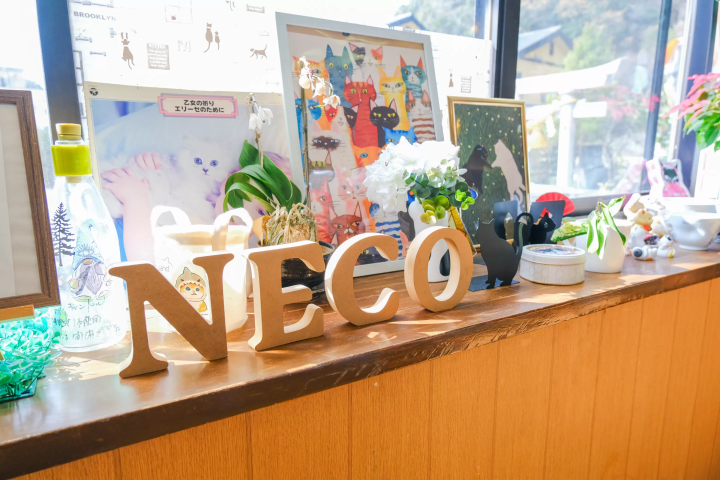
While you wait for your food, you can enjoy looking at the adorable cat goods scattered throughout the restaurant. Be sure to enjoy Amakusa 's famous gourmet food in this playful restaurant.
Umineko Shokudo
 1290-1 Shimodakita, Amakusa-cho, Amakusa City, Kumamoto Prefecture 863...
This restaurant is located inside the Amakusa City Shimoda Onsen Center Shirasagikan. Popular menu items include the pork bone-based "champon," a long-loved dish among locals, and the "fillet cutlet set meal," made with Amakusa premium pork. The interior of the restaurant is dotted with cat goods, making it fun to wait while you wait.
1290-1 Shimodakita, Amakusa-cho, Amakusa City, Kumamoto Prefecture 863...
This restaurant is located inside the Amakusa City Shimoda Onsen Center Shirasagikan. Popular menu items include the pork bone-based "champon," a long-loved dish among locals, and the "fillet cutlet set meal," made with Amakusa premium pork. The interior of the restaurant is dotted with cat goods, making it fun to wait while you wait.
Amakusa City Shimoda Onsen Center Shirasagikan : Enjoy Shimoda Onsen on a day trip
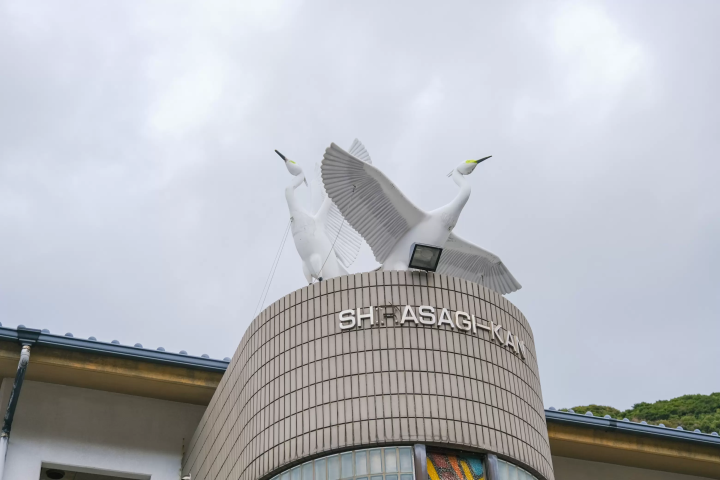
The Amakusa City Shimoda Onsen Center Shirasagikan , which is attached to Umineko Shokudo, is a place where you can enjoy both the warm atmosphere of the local area and a blissful bathing time at the same time. The monument at the entrance featuring two elegant white egrets is the landmark.
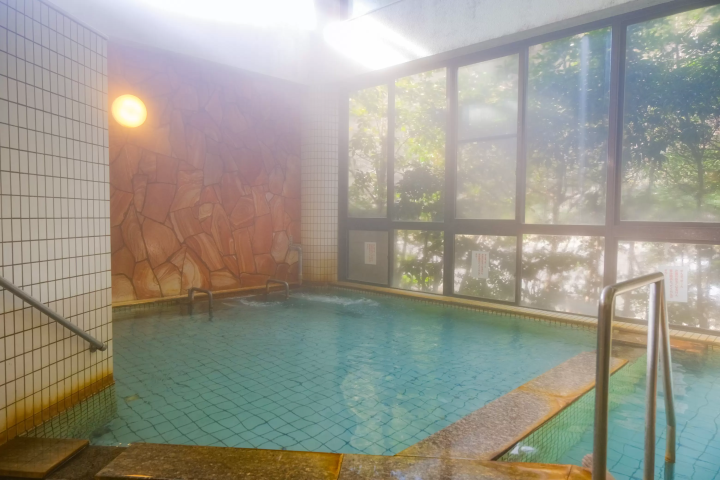
There are three types of hot springs available at Shirasagikan: " Murayu," a popular hot spring loved by locals, "Hot Spring Center," which is equipped with a jet bath and sauna, and "Private Bath," which is recommended for families and couples.
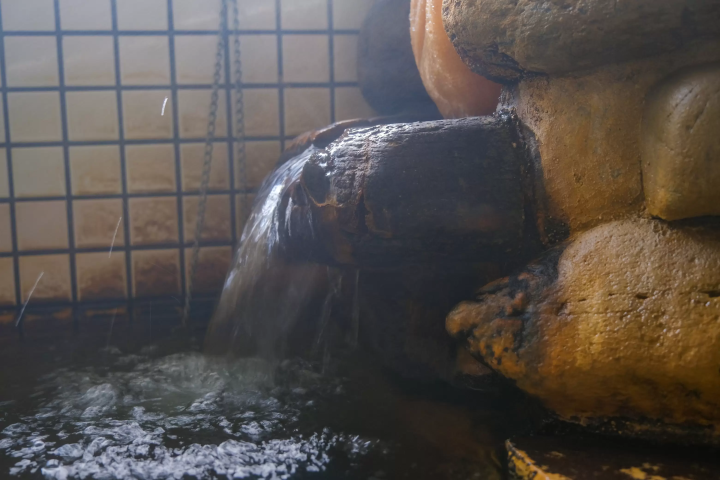
In Shimoda Onsen, where the hot springs gush forth, there is still a culture of not having a bath at home in some areas. For these people, Murayu has been loved as a communal bathhouse that is close to the lives of local people since it opened.
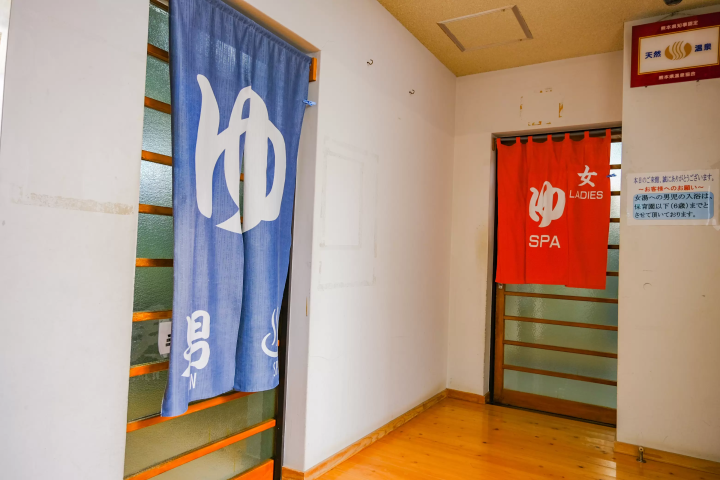
The amount of water is skillfully adjusted and the temperature is set slightly hotter, so Murayu is recommended for those who like hot baths.
The hot spring center has a full lineup of amenities that bath lovers will love, including a large public bath, sauna, cold bath, jet bath, and open-air bath.
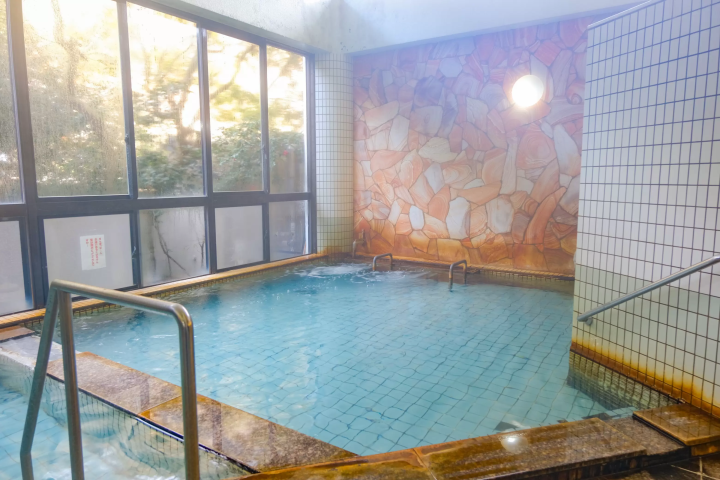
Light pours into the clear, colorless water from the large windows, creating a sense of openness within the bath. The indoor bath is divided into a hot and a lukewarm bath, so you can enjoy a blissful bathing time while working up a sweat at your own pace.
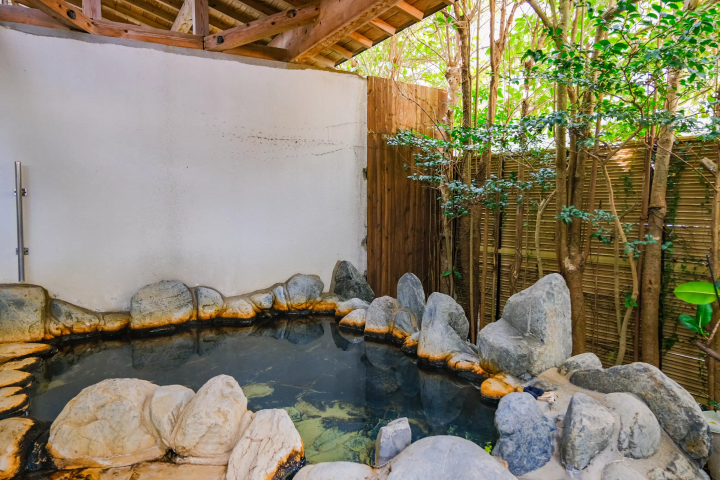
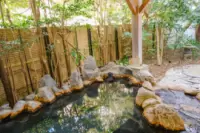
The open-air bath, surrounded by rocks and trees, is a calming space that evokes a Japanese atmosphere. You can spend a truly relaxing time soaking up to your shoulders in the water, letting the fatigue of your journey melt away.
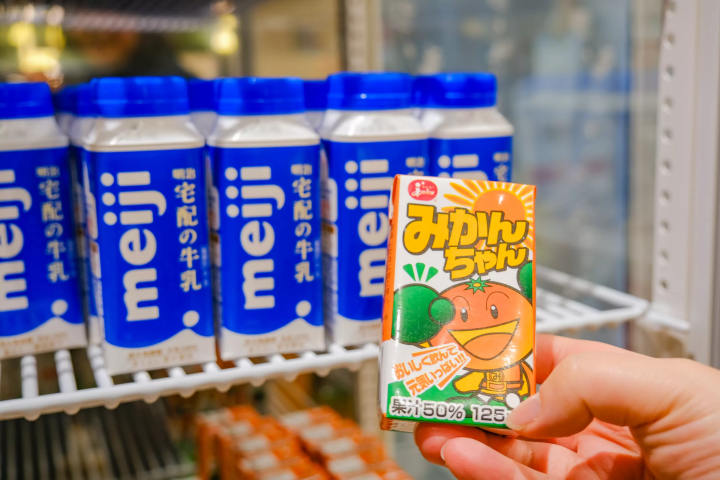
After your bath, why not pick up some local souvenirs at the shop at the entrance? We also recommend milk, a classic after-bath treat, or "Mikan-chan (Tangerine Juice)," a mandarin orange juice that's served in local elementary school lunches, to cool down and soothe your hot body.
Amakusa City Shimoda Onsen Center Shirasagikan
 1290-1 Shimodakita, Amakusa-cho, Amakusa City, Kumamoto Prefecture, 86...
There is the public bath "Murayu," loved by locals, as well as the fully equipped "Hot Spring Center" and "Private Baths." The temperature is controlled daily by skilled staff who adjust the amount of water without adding water, heating, or circulating it. The Hot Spring Center also has an open-air bath.
1290-1 Shimodakita, Amakusa-cho, Amakusa City, Kumamoto Prefecture, 86...
There is the public bath "Murayu," loved by locals, as well as the fully equipped "Hot Spring Center" and "Private Baths." The temperature is controlled daily by skilled staff who adjust the amount of water without adding water, heating, or circulating it. The Hot Spring Center also has an open-air bath.
Access information
The recommended way to access Amakusa Shimoda Onsen is by combining air travel and rental car.
If you are heading from Aso Kumamoto Airport, it is a three-hour drive in a rental car. Along the way, there are roadside stations and direct sales outlets selling fresh local vegetables and fruits, so you can enjoy your trip by taking detours and taking breaks.
Additionally, Amakusa Airlines from Osaka Itami, Fukuoka Airport, and Aso Kumamoto Airport to Amakusa Airport. Shimoda Onsen is easily accessible, just a 40-minute drive from Amakusa Airport, so it's recommended for those who want to focus on sightseeing in the Shimoda area.
Shimoda Onsen is a great place to explore by car, making it the perfect destination for road trips, historical walks, pottery tours, and hot spring lovers. Explore the Amakusa area while enjoying a leisurely drive along the west coast to your heart's content.
National hot spring resorts are designated by the Minister of the Environment under the Hot Springs Act as healthy hot spring resorts where the benefits of hot spring use are expected to be sufficient. 79 hot spring resorts have been designated nationwide (as of October 2024). National hot spring resorts are selected based on the following criteria. 1. Conditions regarding the quality and volume of hot spring water (1) The source of the hot spring water used must be a therapeutic spring. (2) The hot spring water used must have an abundant volume of water. The standard volume of water flow must be 0.5 liters per minute or more per hot spring user. 2. Conditions regarding the environment of the hot spring resort (1) The hot spring is suitable as a resort from the perspective of the natural environment, townscape, history, climate, culture, etc. (2) A plan for the placement of doctors who can provide guidance on proper hot spring use and health management from a medical perspective, or a plan for the placement or training policy of personnel who can provide guidance on bathing methods, etc. in cooperation with the doctors, must be established. (3) Appropriate efforts will be made to protect hot spring resources, manage the hygiene of hot springs, promote public use of hot springs, and take into consideration the elderly and disabled, etc. (4) Enhanced efforts to prevent disasters.
The contents on this page may partially contain automatic translation.
Special Features
More







![[Cancelled for 2026] Kawaguchiko Herb Festival, which adorns the shores of Lake Kawaguchi at the Mount Fuji with a purple carpet.](https://resources.matcha-jp.com/resize/720x2000/2025/05/27-234666.webp)