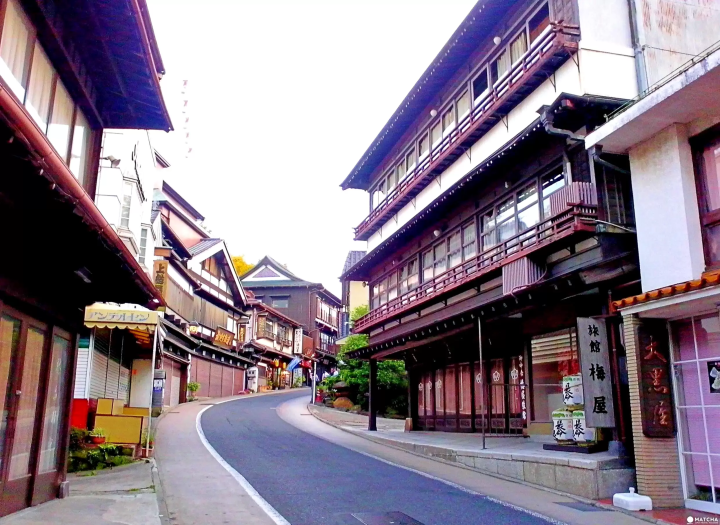
Abashiri Prison Museum: Highlights, Tickets and Access
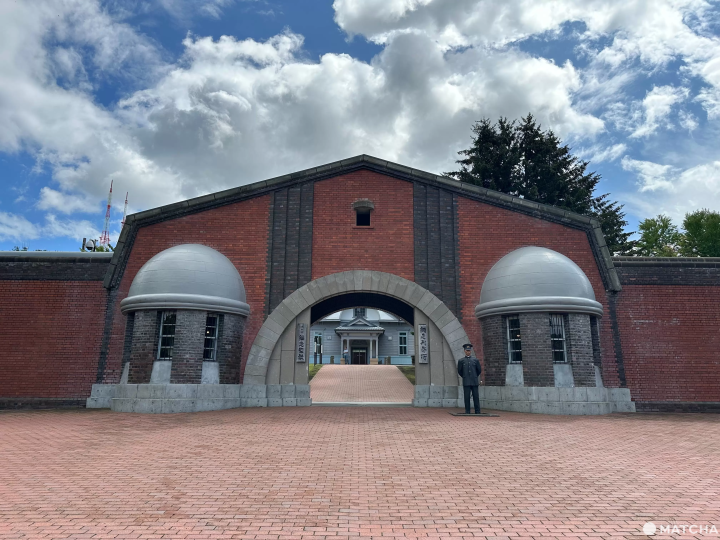
Visit Abashiri Prison Museum in Hokkaido for historic prison buildings, Golden Kamuy locations, unique prison meals, ticket details, and access information.

Written by
Born in Taipei, Taiwan. I worked in the inbound tourism industry in Kyoto, writing a blog about travel in Japan. I joined MATCHA in October 2019.
Hobbies: travel, watching trains, visiting stylish cafes, sweets, collecting seal stamps, watching musicals, taking photos, and others - so many, in fact, that I find it weird myself.
more
This service includes sponsored advertisements.
What Is the Abashiri Prison Museum?
Located in Abashiri, Hokkaido, the Abashiri Prison Museum is an open-air historical museum that preserves and displays the original structures of the old Abashiri Prison, which were relocated to this site.
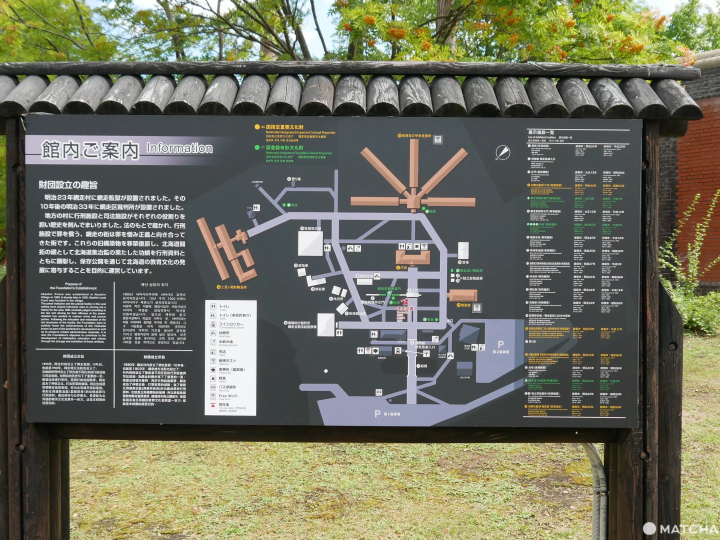
Designed like a park, the grounds contain four structures designated as Important Cultural Properties of Japan: the Prison Cell Block and Central Guardhouse, the Main Administration Building, the Lecture Hall, and the Futami-oka Prison Branch. Several other buildings on-site are registered Tangible Cultural Properties.
Unlike typical indoor museums, visitors can stroll through the spacious grounds to inspect century-old wooden buildings, prison cells, and historical facilities up close.
-
Table of Contents
- Why Is Abashiri Prison Famous in Japan?
- 9 Must-See Highlights at the Abashiri Prison Museum
- Authentic Prison Meals at the Prison Cafeteria
- Abashiri Prison Museum Tickets and Access
- The Abashiri Prison Museum
Why Is Abashiri Prison Famous in Japan?
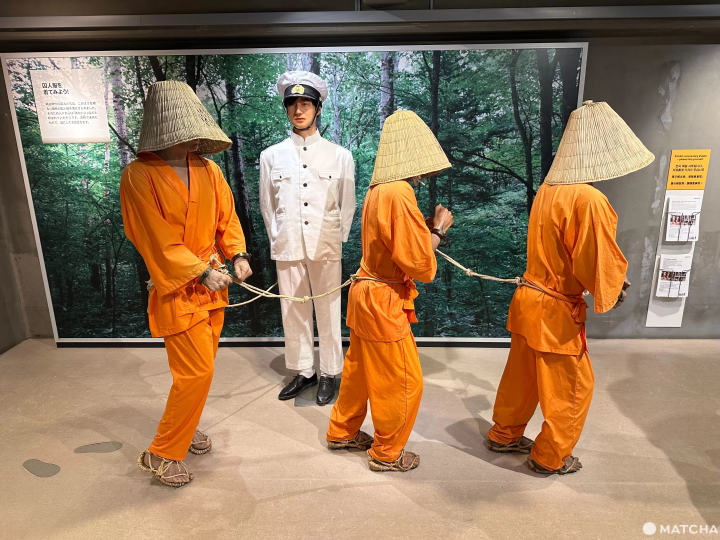
Abashiri Prison is famous across Japan for its remote location and its harsh historical role. The facility housed serious offenders who were forced to clear land and build infrastructure across Hokkaido in brutally cold weather. Many inmates perished during this grueling work, earning the facility a lasting reputation as Japan's harshest prison.
Setting for Iconic Movies and Anime
The site gained legendary status through the smash-hit movie series Abashiri Bangaichi starring Ken Takakura. More recently, the popular anime series Golden Kamuy featured the prison as a central location. This expanded its fame to younger generations and international visitors, turning the museum into a major pilgrimage destination for anime and movie fans.
9 Must-See Highlights at the Abashiri Prison Museum
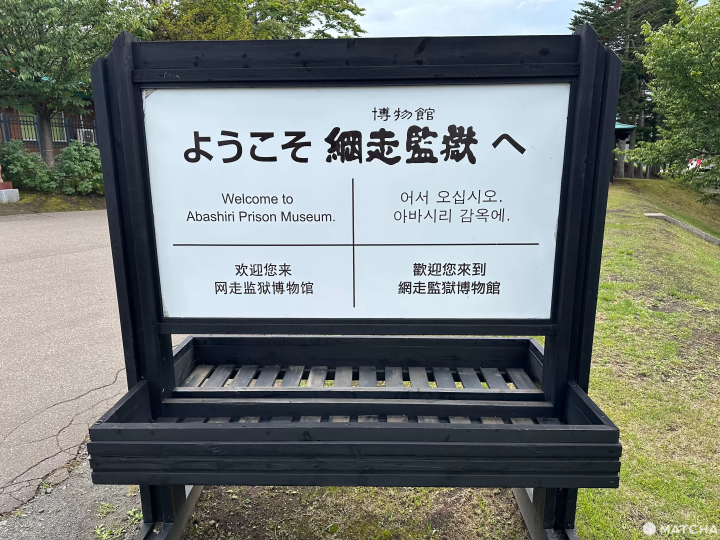
After passing the large parking lot capable of holding up to 400 vehicles, cross the Kagami Bridge to reach the main gate, marked by a wooden sign reading Museum Abashiri Prison. Once you purchase your ticket at the neighboring counter, you can step back in time into a prison from the Meiji era (1868–1912) to catch a glimpse of inmate life and reality during that period. Here are nine top highlights you should not miss when visiting!
The Reconstructed Red Brick Main Gate
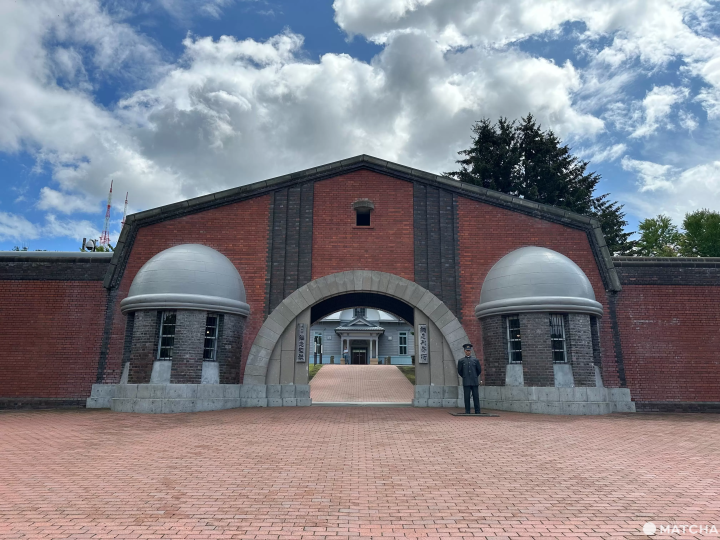
As you walk past the entrance, the first sight to meet your eyes is the heavy, imposing Red Brick Main Gate. Recreated to match the actual entrance still in use at the real Abashiri Prison, the original gate was a grand structure laid brick by brick by the inmates themselves.
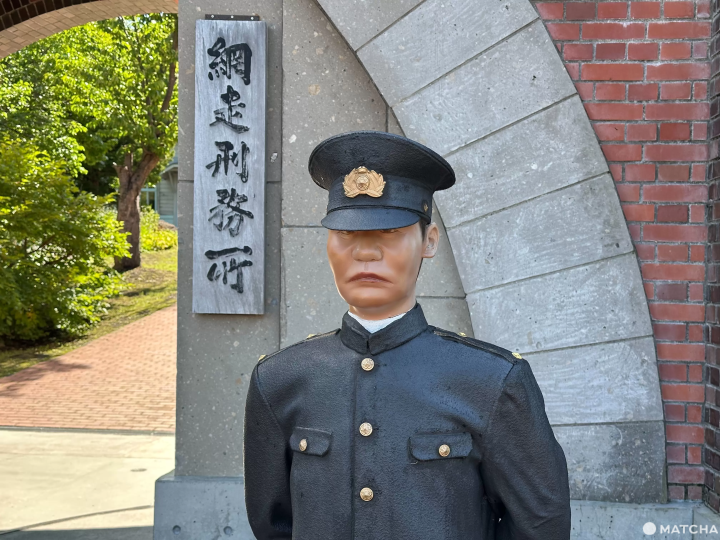
The guard mannequin standing by the door is a popular photo spot for visitors, so be sure to snap a commemorative picture in front of the gate!
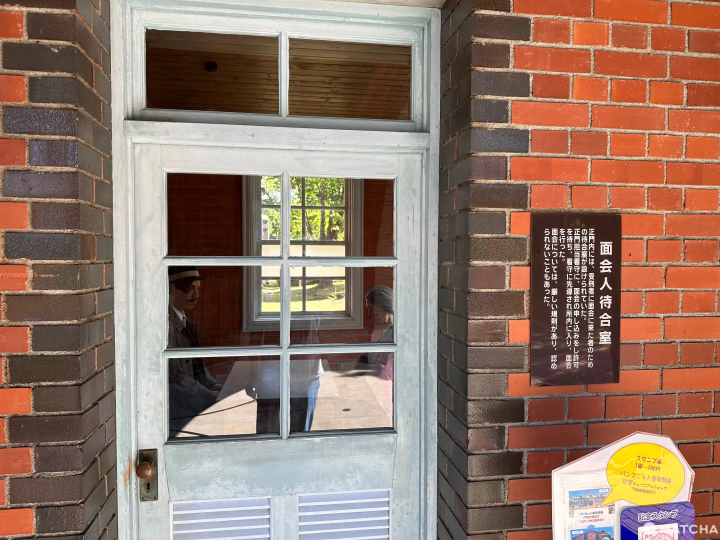
Small rooms sit on either side of the gate. One serves as a guard post complete with a lifelike guard mannequin, while the other functions as a waiting room for family members visiting inmates. Passing through this towering red brick entrance feels like stepping back a century in time, officially entering this once mysterious northern prison.
Architectural Beauty of the Main Administration Building
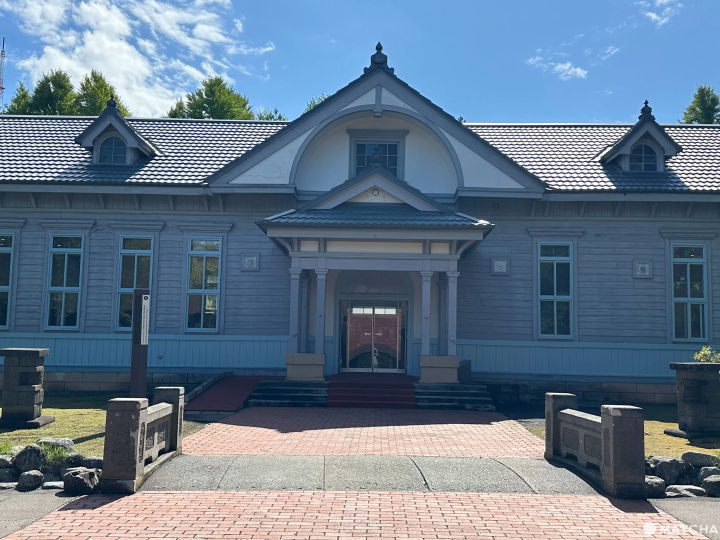
Just past the entrance sits the Main Administration Building. Featuring a pseudo-Western style that blends Japanese and Western elements, it serves as a classic example of government architecture from the Meiji era (1868–1912). The building operated as the administrative heart of the prison, housing the warden's office, meeting rooms, general affairs department, and security department under one roof.
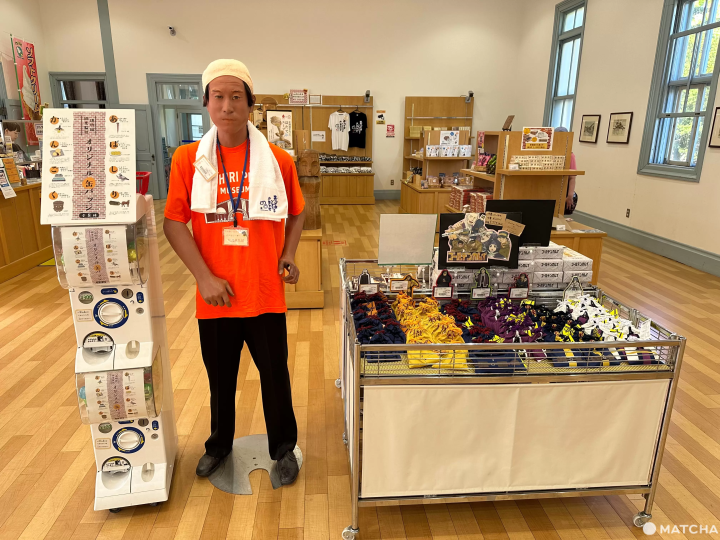
Today, the exhibition spaces inside house historical documents and an overview of the museum layout. It also contains the museum shop, a must-visit spot filled with local Abashiri souvenirs and exclusive prison-themed merchandise.
World's Oldest Radial Cell Block: Five-Wings
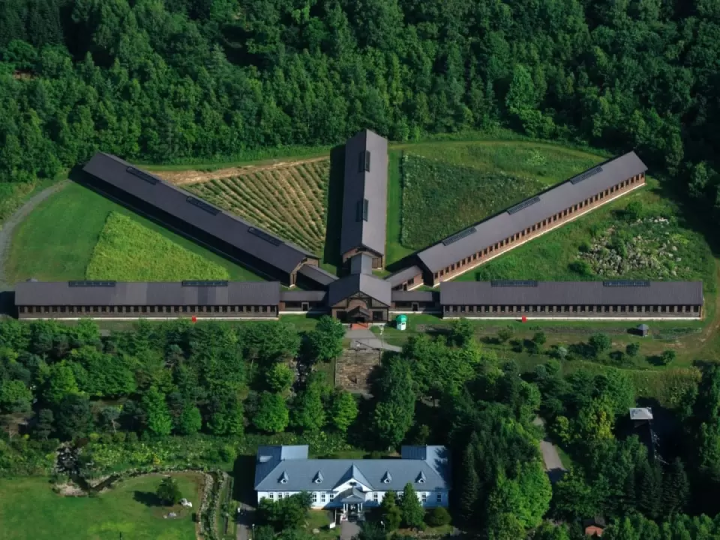
Picture courtesy of Museum Abashiri Prison
Following the tour route brings you to the museum's most famous attraction: the Five-Wing Radial Cell Block, designated as an Important Cultural Property of Japan. Designed like spokes on a wheel radiating from a central hub, this layout is a hallmark of historical prison architecture.
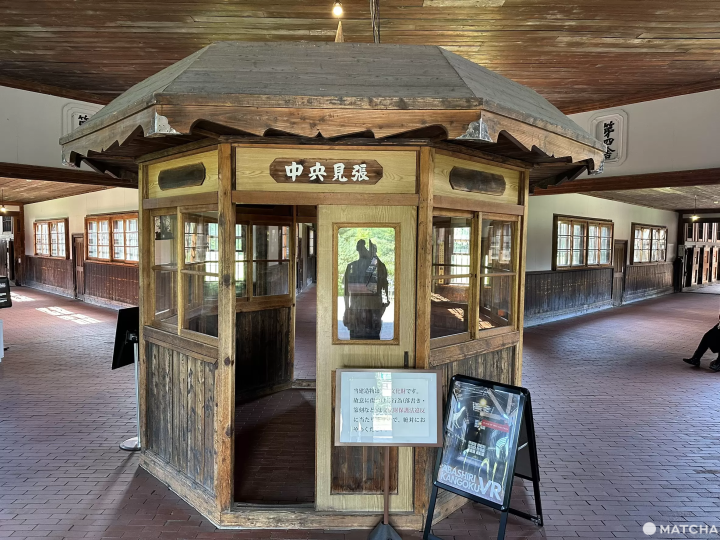
Stepping through the entrance reveals the Central Guardhouse, from which five cell block hallways radiate outward. Before security cameras existed, this clever design allowed a single guard standing in the center to monitor all five corridors simply by turning around, maximizing surveillance efficiency.
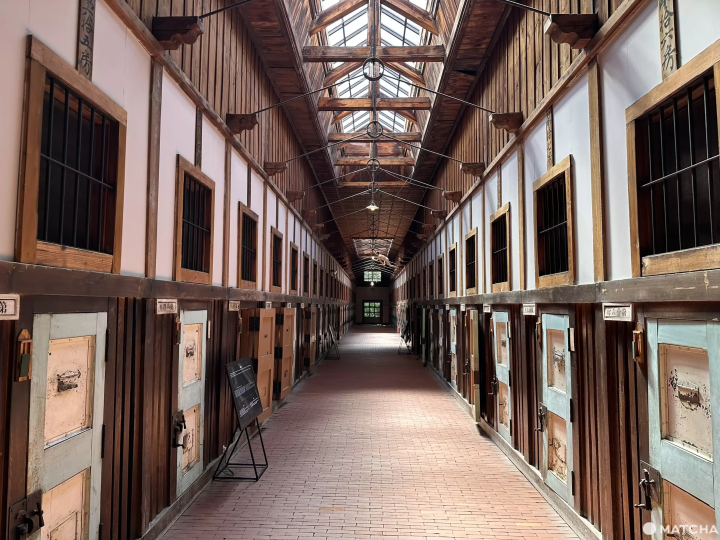
The radial layout also ensured adequate sunlight reached all five wings, maintaining hygiene. Skylights in the roof provided guards with better interior visibility.
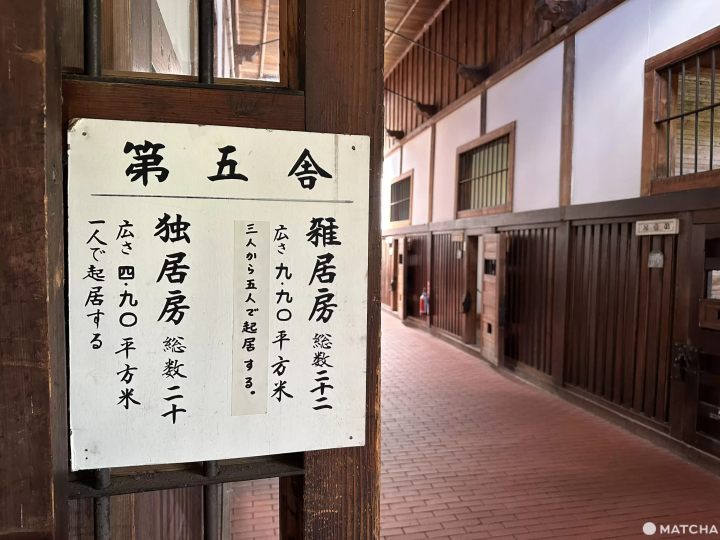
The building contains 226 cells designed to house roughly 300 to 400 inmates. However, severe overcrowding during the Meiji era (1868–1912) pushed occupancy to around 1,000 prisoners, leading to cramped and harsh living conditions inside the narrow rooms.
Find the Prison Break King
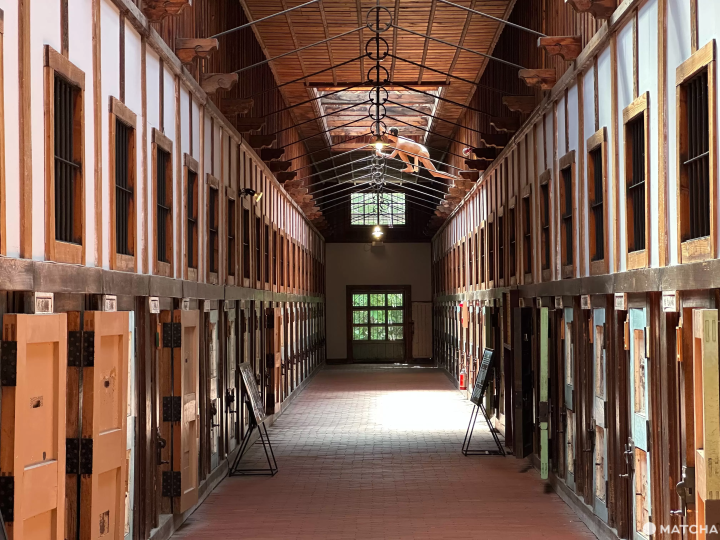
Hidden within this vast cell block is the figure of Yoshie Shiratori, Japan's legendary Prison Break King who successfully escaped from prison four times in his lifetime. His escape from Abashiri Prison marked his third breakout. Drip by drip, he poured his daily ration of salt-rich miso soup onto the cell window frame over a prolonged period to corrode the iron fittings. Once the metal loosened, he used his unique ability to dislocate his joints to squeeze through the small skylight window and escape into the wild.
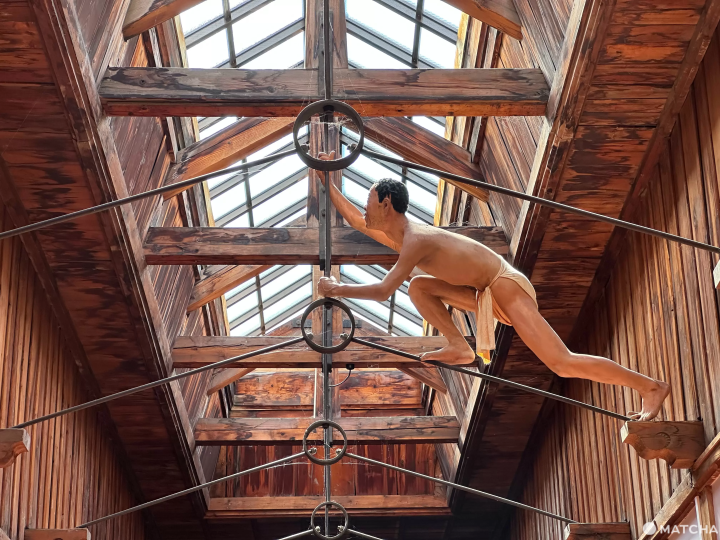
Keep an eye out for his mannequin display overhead as you walk through the cell block. Beyond being a popular photo stop for visitors, his story adds an intriguing air of legend to the facility.
Futami-oka Prison Branch
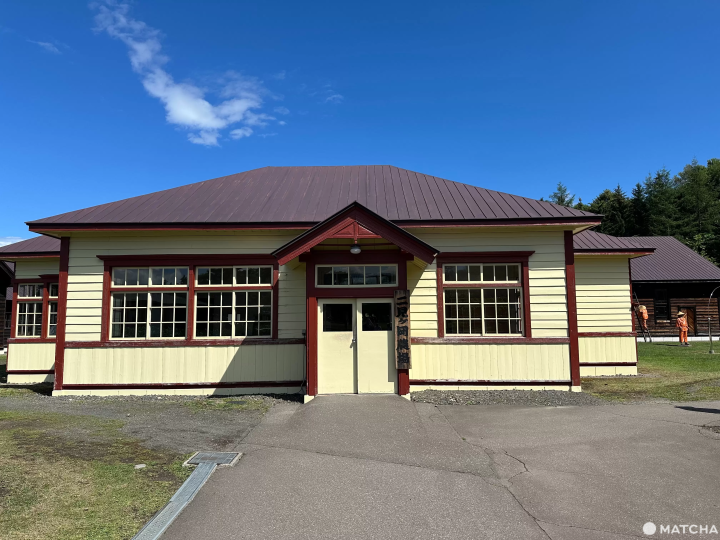
The museum grounds also contain a relocated prison branch building that resembles a farm complex. Known as the former Futami-oka Prison Branch (Futami-oka Farm), this facility served as an early model for open-prison programs in Japan. Model inmates were housed here to engage in agricultural work, livestock farming, and poultry raising. Although the prisoners enjoyed greater freedom of movement, the facility operated as a self-sufficient prison governed by strict daily routines.
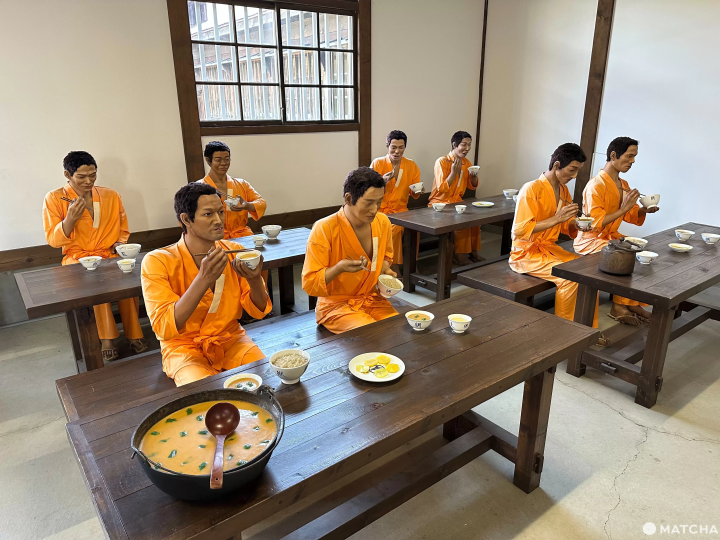
Recreated scenes inside the building depict inmates dining together in the mess hall and attending lectures in the assembly room, presenting an atmosphere entirely distinct from that of the five-wing radial cell block.
Prison History Museum
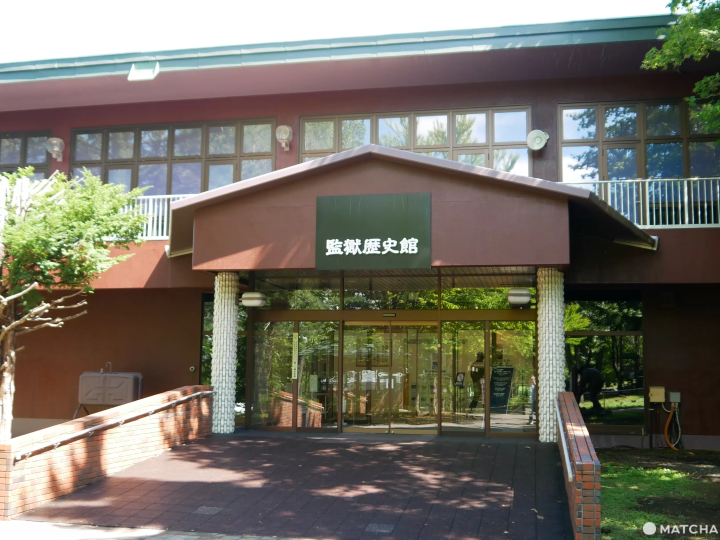
Located at the heart of the grounds, the Prison History Museum is a two-story exhibition hall that combines modern technology with rich historical documents. Moving beyond static outdoor displays, this facility uses interactive installations, authentic artifacts, and immersive audiovisual presentations to show the deep connection between Abashiri Prison and the development history of Hokkaido.
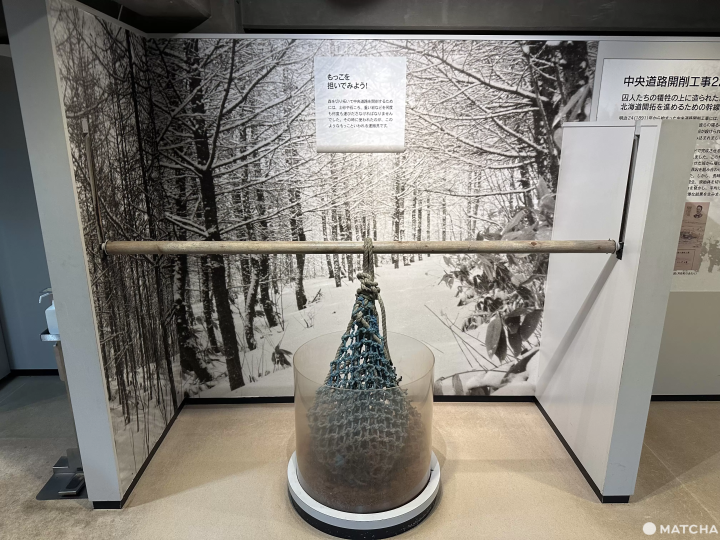
The facility also features a hands-on experience zone where visitors can lift the heavy ration packs and tools once carried by inmates. Additionally, a full-scale replica of a modern cell from today's Abashiri Prison offers a direct comparison between past and present prison life.
Bathhouse
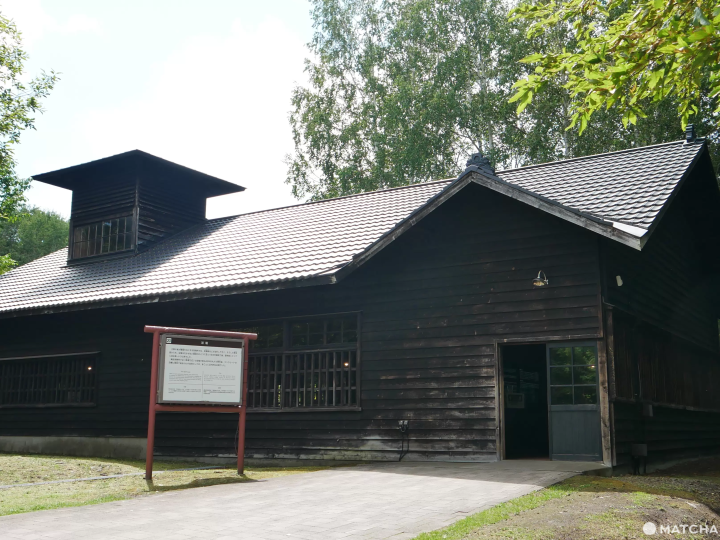
Throughout history, inmate bathing schedules were strictly controlled. Under prison regulations at the time, prisoners were allowed to bathe five times a month from June to September, and only once a month during other months, making bath time something inmates eagerly anticipated.
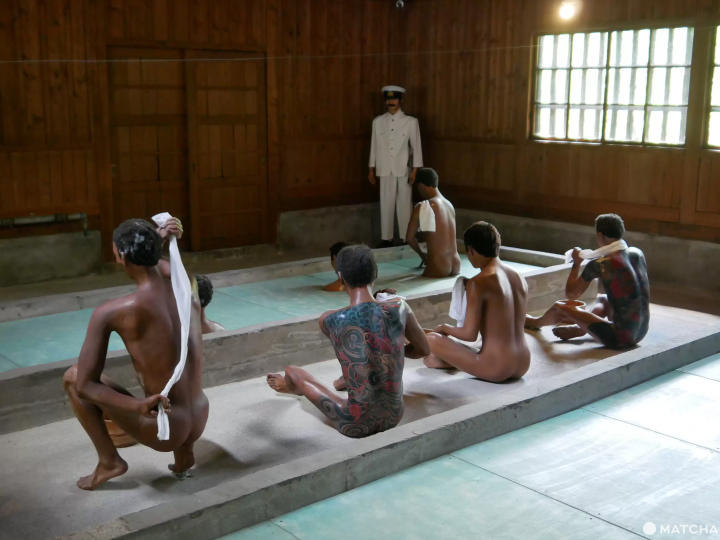
Managing bath times for a facility housing severe offenders posed a challenge. Officials devised a precise 15-minute bathing routine carried out in groups of 15 under a guard's commands: three minutes to undress, three minutes in the first soaking tub, three minutes to wash, three minutes in the second rinsing tub, and three minutes to dress. This efficient process allowed roughly 200 inmates to bathe per day.
Lecture Hall
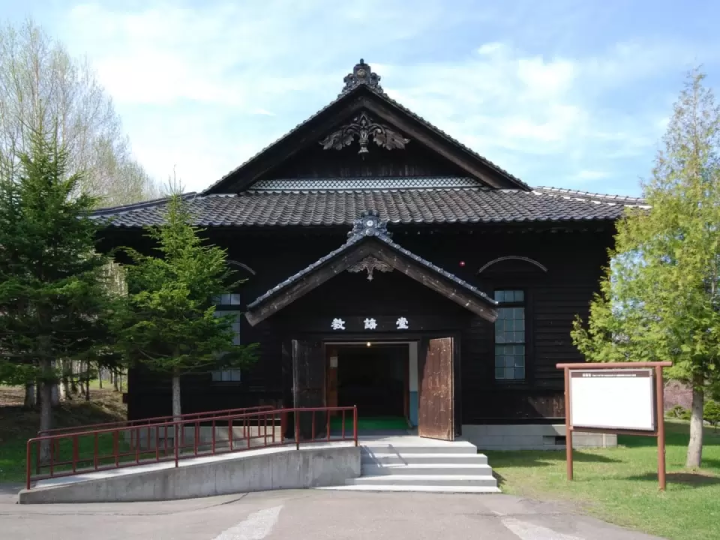
Picture courtesy of Museum Abashiri Prison
Built in 1912 during the Meiji era (1868–1912), this wooden structure blends Japanese and Western architectural elements. Buddhist monks and clergy gathered here to deliver moral lectures and rehabilitation programs to inmates. The Lecture Hall served as the location for a crucial showdown in a famous manga set at Abashiri Prison, making it a key stop for visitors exploring the museum.
Lifelike Guard and Inmate Mannequins
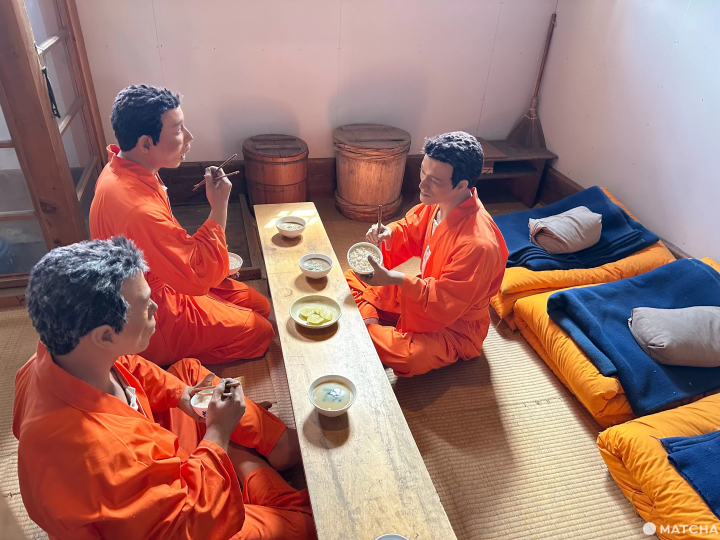
Wax figures of guards and inmates stand in various locations across the grounds, offering a clear view into daily life and prison labor during that era.
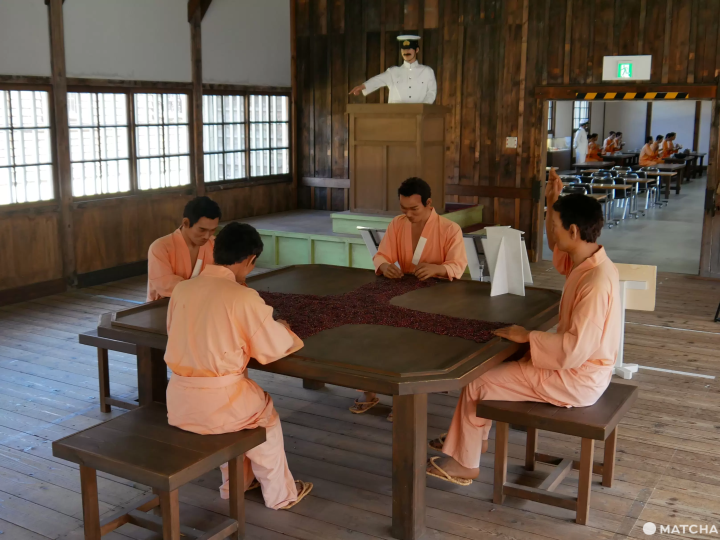
Nearby guard mannequins feature stern expressions and crisp uniforms, recreating the somber atmosphere of prison surveillance.
Authentic Prison Meals at the Prison Cafeteria
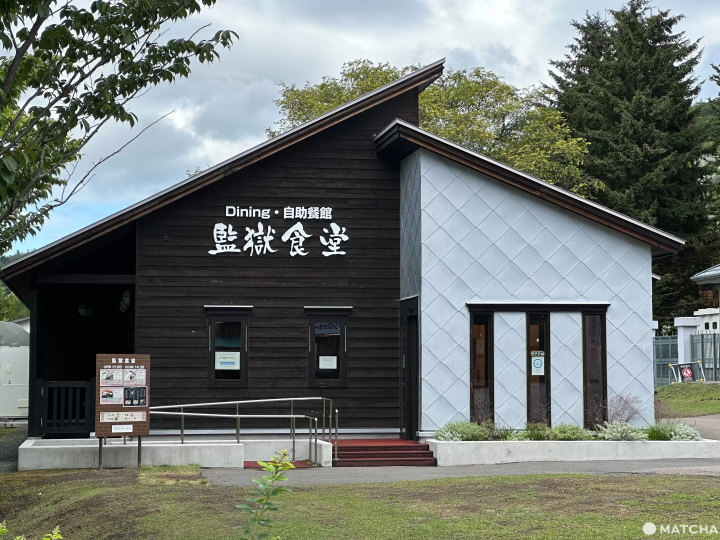
When visiting the Abashiri Prison Museum, sampling a Prison Meal is an absolute must! Located next to the ticket booth, the Prison Cafeteria serves as the sole dining option on-site. Rather than the coarse rations of the Meiji era (1868–1912), it serves exact replicas of meals served at the present-day Abashiri Prison.
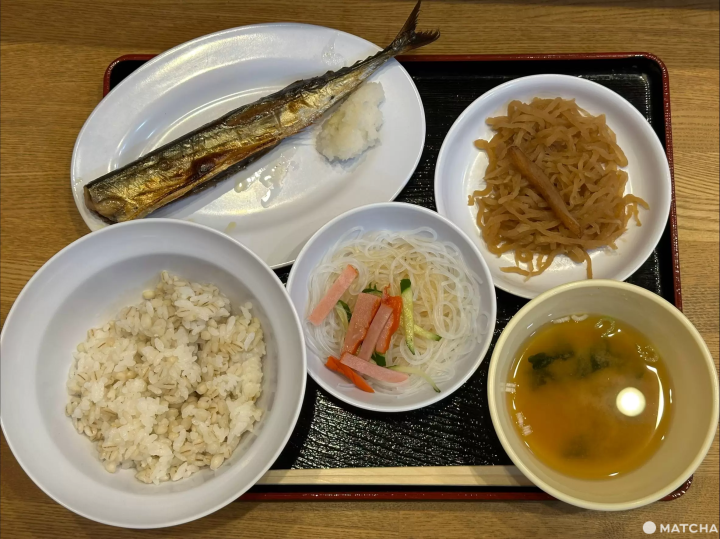
Orders are placed via a ticket vending machine and called out by number. Prison Set A features a main dish of salt-grilled Pacific saury, served alongside barley rice (a 30% barley to 70% white rice blend), miso soup, dried shredded daikon radish, and glass noodle salad. While simple and understated in flavor, the meal offers a well-balanced nutritional profile.
Abashiri Prison Museum Tickets and Access
How to Get There
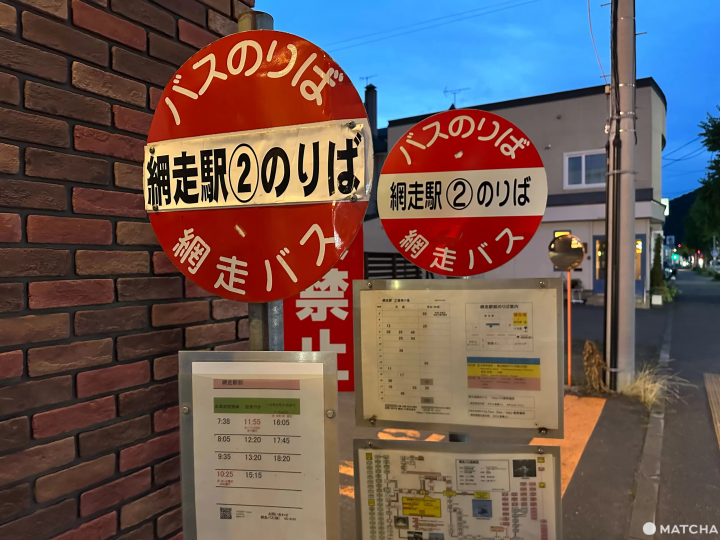
Board the Sightseeing Facility Bus (Kanko Shisetsu Meguri Bus) from either the Abashiri Bus Terminal or Bus Stop No. 2 at JR Abashiri Station. Ride for about 10 minutes and get off directly at the Museum Abashiri Prison bus stop.
Do not get off at the Keimusho-mae bus stop along the route. That stop leads to the actual active prison, not the museum.
Ticket Prices Overview
| Ticket Type | Price |
| Adults | 1,500 yen |
| High School Students | 1,000 yen |
| Elementary and Junior High Students | 750 yen |
The Abashiri Prison Museum
The Abashiri Prison Museum stands as a top attraction in Abashiri. The site combines rich historical value with the fun of anime pilgrimage spots and distinct local cuisine. From National Treasure-level wooden architecture and the dramatic history of Hokkaido's pioneering era to the unique experience of sampling a real prison meal, every element reveals the museum's fascinating appeal.
Whether you are a history buff, an architecture enthusiast, or an anime fan, this story-rich destination remains an essential stop on any Eastern Hokkaido journey!
Special thanks to Abashiri Prison Museum for their cooperation with this coverage

Born in Taipei, Taiwan. I worked in the inbound tourism industry in Kyoto, writing a blog about travel in Japan. I joined MATCHA in October 2019.
Hobbies: travel, watching trains, visiting stylish cafes, sweets, collecting seal stamps, watching musicals, taking photos, and others - so many, in fact, that I find it weird myself.
more



Special Features
More