
Yamagata is one of the most scenic destinations in northern Japan, known for hot springs, mountain scenery, historic towns, and seasonal beauty. It is also easy to reach from Tokyo by the direct Yamagata Shinkansen, making it a convenient choice for travelers seeking a quieter side of Japan.
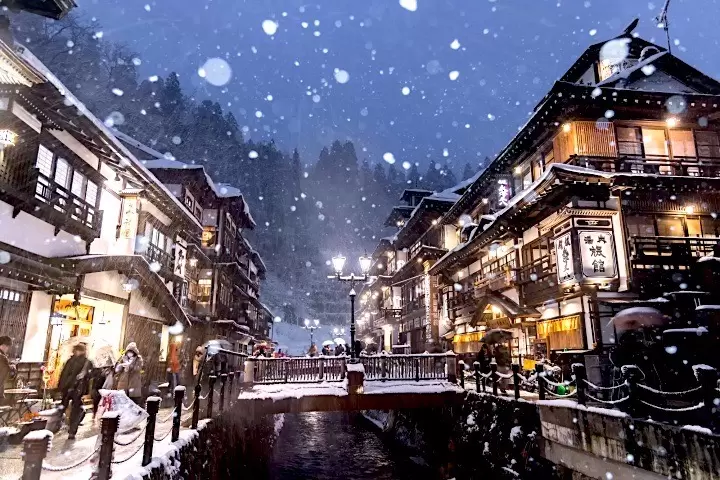
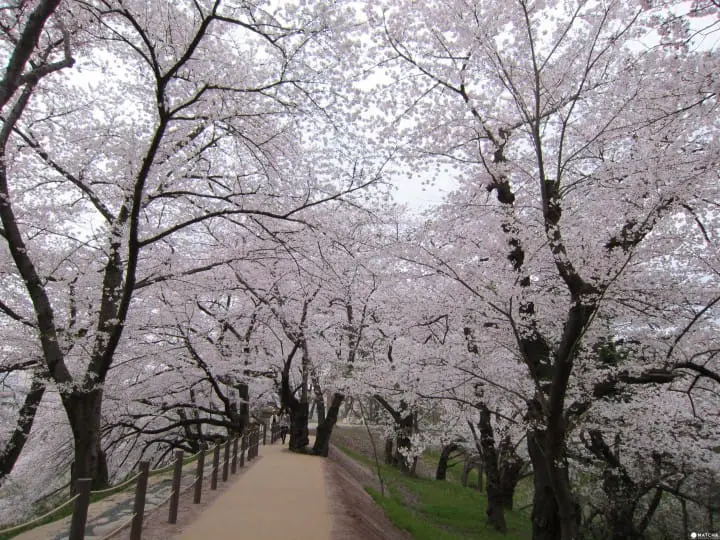
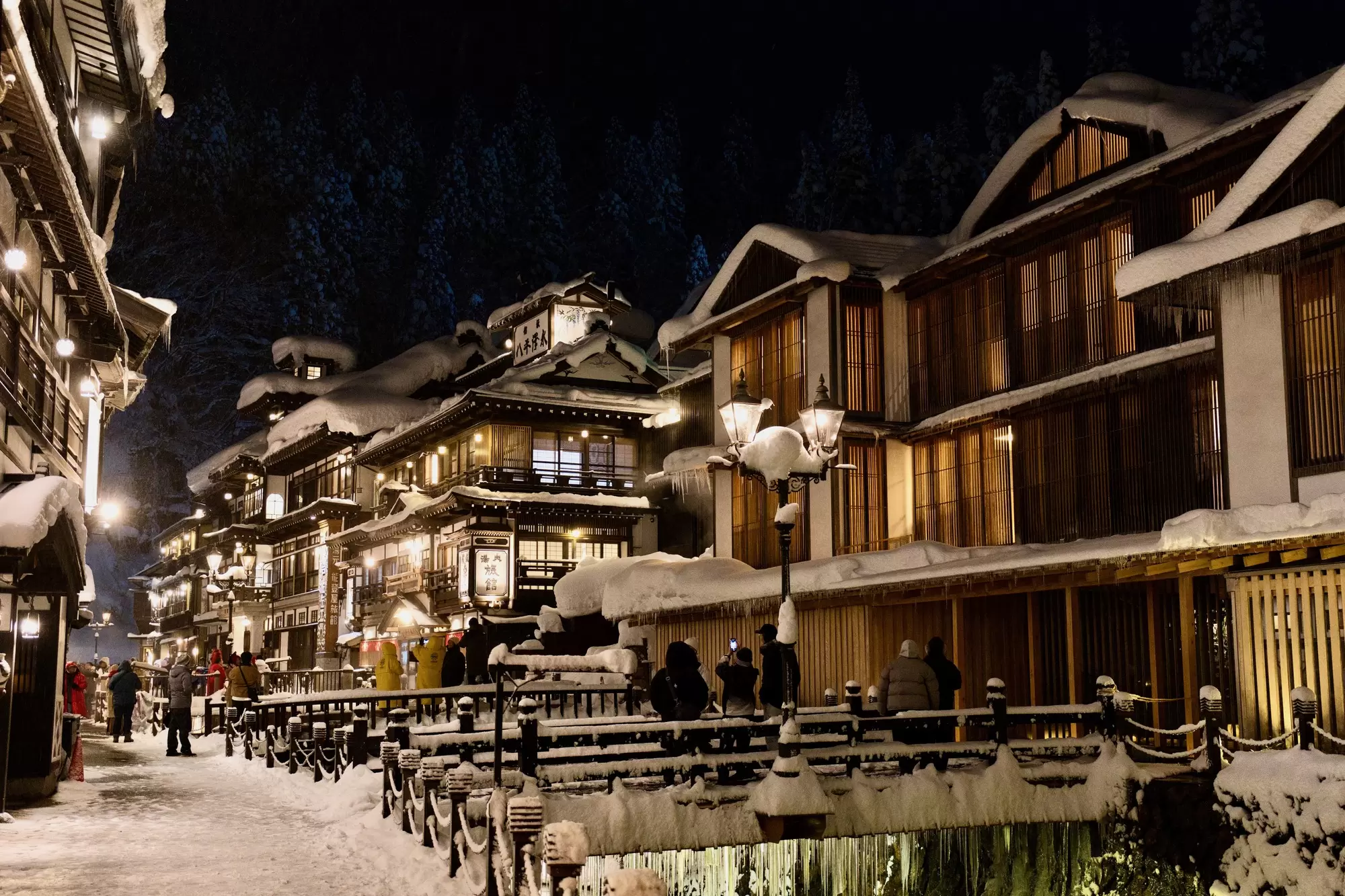
In winter, Yamagata is famous for Ginzan Onsen, Zao Onsen, and the spectacular Zao snow monsters. Spring brings cherry blossoms to Kajo Park, while summer is ideal for visiting the sacred mountains of Dewa Sanzan and taking a scenic boat ride along the Mogami River. Autumn covers the region in vivid red, orange, and gold foliage.
Yamagata is also one of Japan's leading fruit-producing regions, known for cherries, grapes, and pears. Cities such as Yamagata, Tsuruoka, and Sakata offer historic sites, spiritual traditions, and preserved merchant districts.
With famous hot springs, mountain scenery, local food, and direct access from Tokyo, Yamagata is a rewarding destination throughout the year.
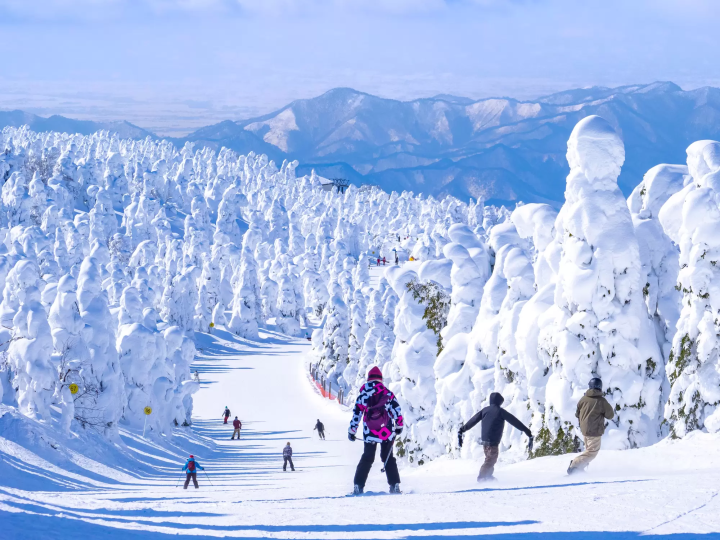
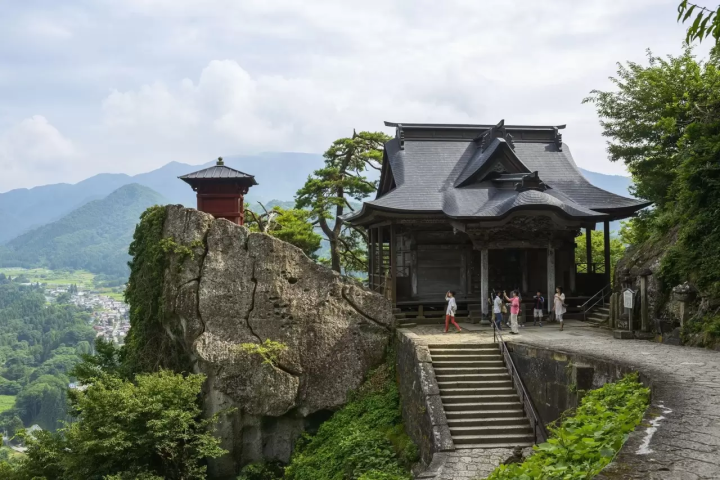
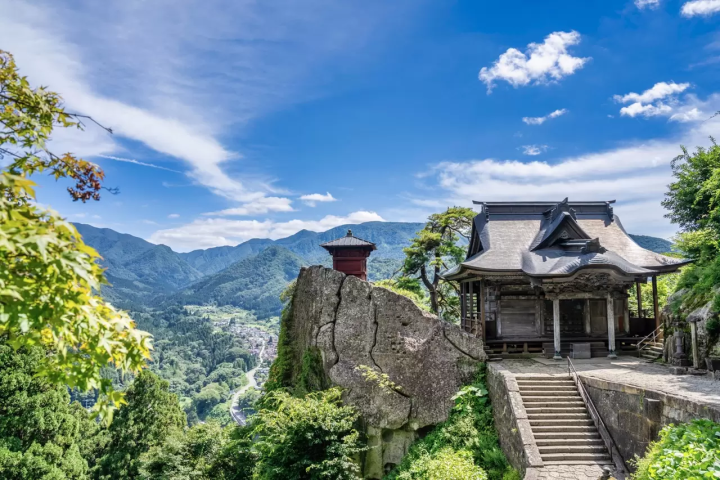
Yamagata offers diverse activities across every season and region. You can cruise down the Mogami River in summer, hike through autumn foliage up the steps of Yamadera, or head to Zao in winter to ski among iconic "snow monsters" and soak in thermal hot springs.
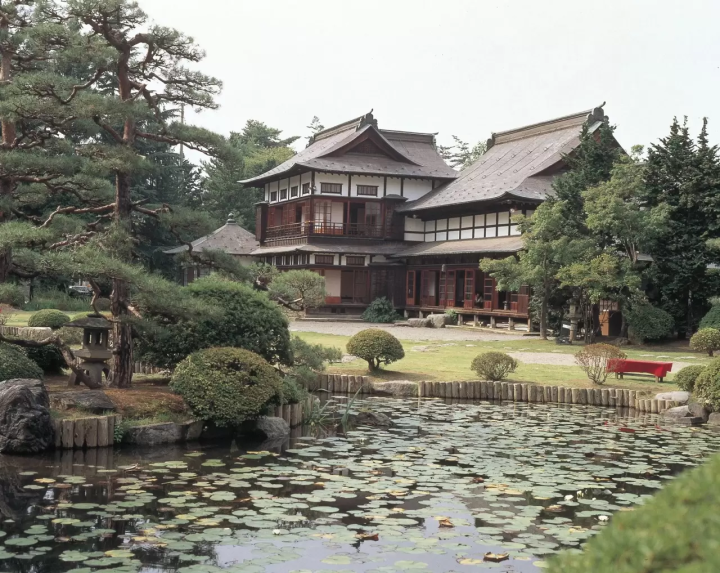
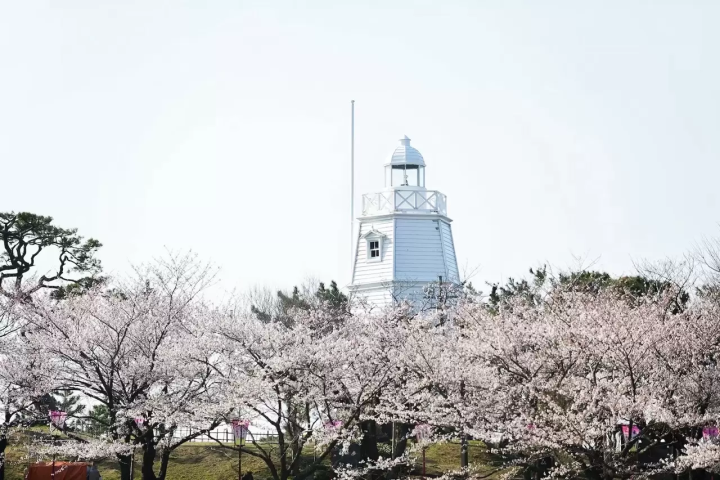
Cultural experiences abound—from strolling through cherry blossoms at Kajo Park and exploring Sakata's historic geisha districts to touring Bunshokan, a filming location for the Rurouni Kenshin movies.
To complete your journey, sample the local food scene by tasting world-renowned Yonezawa beef, sipping craft sake, and indulging in fresh cherry desserts.
Yamagata experiences distinct seasonal shifts, with temperatures ranging from 25–30°C in the summer to sub-zero winters that drop below 0°C. Spring temperatures gradually rise from around 8°C in March to 20°C in May, bringing cherry blossoms that coat spots like Kajo Park and the banks of the Mogami River in soft pink clouds.
Summer remains vibrant with local fruit picking at bustling orchards and lively seasonal festivals. By autumn, temperatures cool to 10–15°C, sparking brilliant foliage across Mount Zao and Yamadera Temple, before heavy snow transforms the landscape into a winter wonderland of hot springs, iconic frost-covered trees, and world-class skiing. Just keep in mind that temperatures plunge rapidly at higher mountain peaks, making warm outerwear essential.





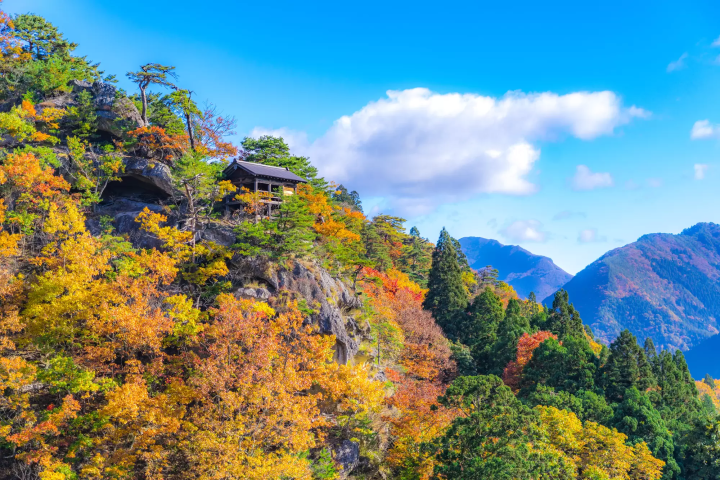
Historically part of the ancient Dewa Province, Yamagata has long been shaped by its mountainous landscapes and deep spiritual traditions. Risshakuji Temple, better known as Yamadera, is a striking example of this connection between nature and faith, with its temple buildings nestled among steep cliffs and forested mountains.
For centuries, the sacred peaks of Dewa Sanzan served as a major center for mountain ascetics (Shugendo) and pilgrims seeking spiritual renewal. During the Edo period (1603-1868), trade along the Mogami River flourished, fueling commercial prosperity and nurturing vibrant port cultures in coastal towns like Sakata and Tsuruoka.
The legacy of this era lives on through historic sites like Yamagata Castle and the Yonezawa Castle ruins, which reflect the region's rich feudal heritage.
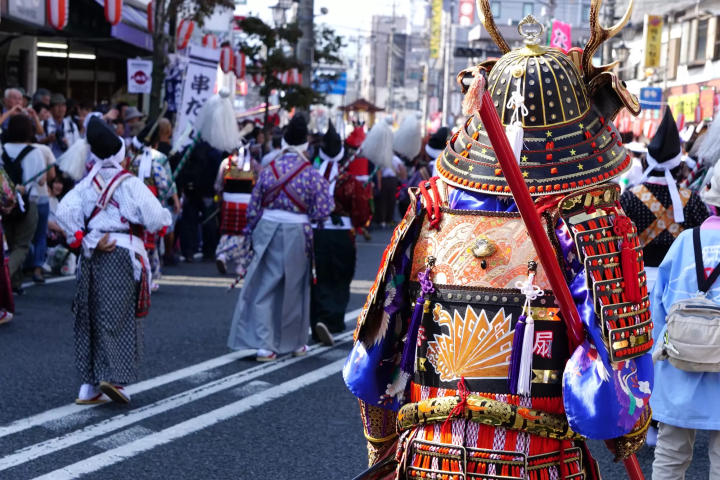
Today, Yamagata celebrates its vibrant past through major cultural events—including the energetic Hanagasa Festival, one of Tohoku's three great summer celebrations, and Tendo's April Cherry Blossom Festival featuring human shogi matches.
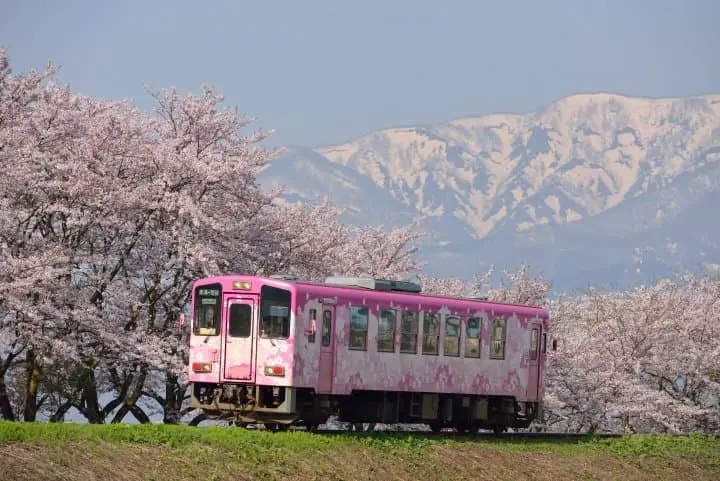
For a family trip to Yamagata, summer is the perfect time for cherry picking at local orchards and scenic Mogami River boat rides, while winter brings fun snow activities and breathtaking icy landscapes in Zao.
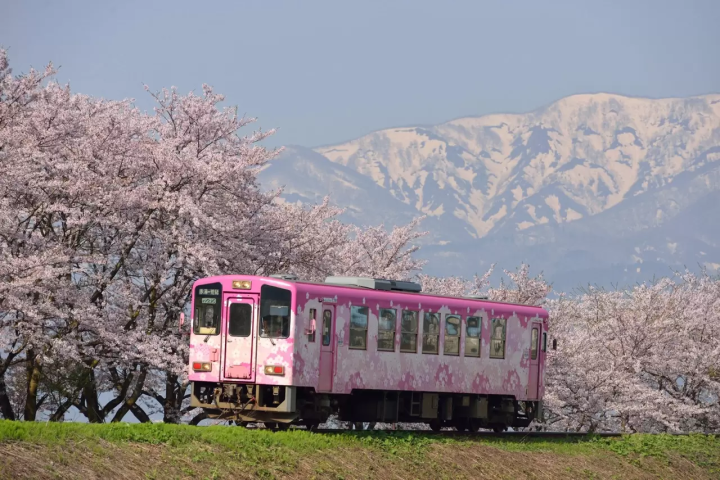
Children and parents alike will love the Kamo Aquarium—recognized as the world's top jellyfish aquarium—as well as scenic rides on the Yamagata Railway, which offers views of sweeping rice fields, distant mountain ranges, and seasonal cherry blossoms.
With year-round activities and delicious local cuisine, Yamagata makes it easy to plan an unforgettable family itinerary centered on nature and culture.

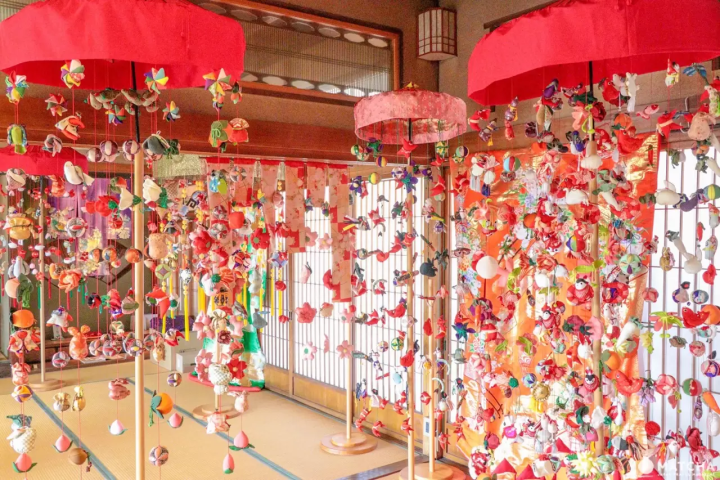
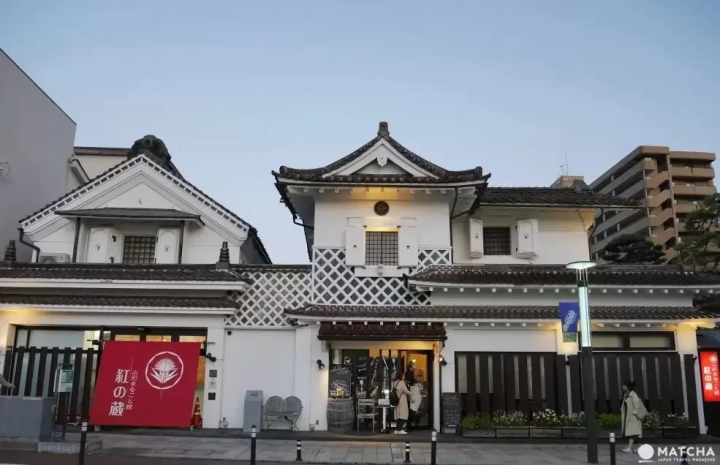


Yamagata is well worth visiting for travelers looking to experience Japan's spectacular nature, hot springs, and traditional culture away from the country's busiest destinations. Highlights include the picturesque Ginzan Onsen, the mountain temple of Yamadera, and Zao Onsen, famous for skiing and its remarkable “snow monsters” in winter. Yamagata is also home to the sacred Dewa Sanzan mountains and regional specialties such as Yonezawa beef, cherries, and sake. With cherry blossoms in spring and colorful foliage in autumn, the prefecture offers rewarding experiences throughout the year.
The best time to visit Yamagata depends on what you want to experience. Winter, from December to March, is ideal for skiing at Zao Onsen, seeing the famous snow monsters, and enjoying Ginzan Onsen covered in snow. Spring brings cherry blossoms, while summer is perfect for hiking, visiting the sacred Dewa Sanzan mountains, and tasting Yamagata's famous cherries. Autumn, particularly October and November, offers spectacular foliage around Yamadera and the mountains. With distinct seasonal attractions, Yamagata is a rewarding destination throughout the year.
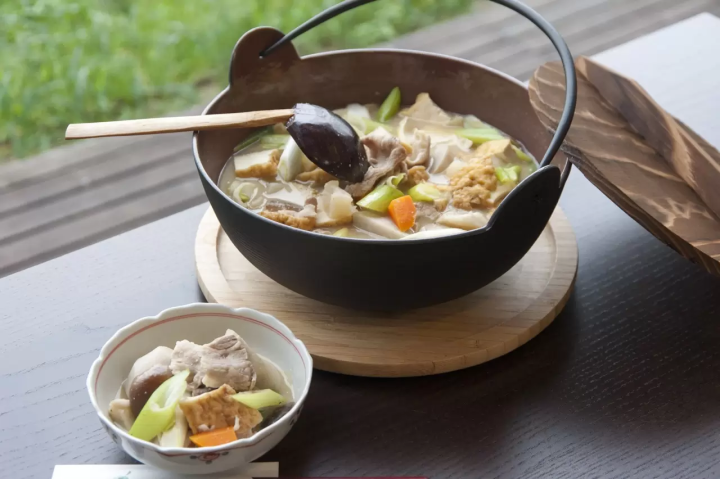
Yamagata is famous for its richly marbled Yonezawa beef, imoni—a hearty taro and meat stew—and handmade soba noodles. The prefecture is also one of Japan's leading fruit-growing regions, particularly renowned for cherries, as well as pears, grapes, and peaches. Yamagata's abundant rice and pristine water also support a thriving sake culture, with numerous breweries producing highly regarded local varieties.
The closest airport to Yamagata City is Yamagata Airport (GAJ), located about 25 kilometers north of central Yamagata. The airport offers domestic flights and is connected to Yamagata Station by an airport shuttle bus.
Yamagata City offers a mix of history, culture, and local cuisine. Visit Kajo Park and the reconstructed gates of Yamagata Castle, explore the Yamagata Prefectural Museum, and admire the historic Bunshokan building. The city is also an excellent place to sample Yamagata specialties such as imoni, soba, and local sake. Just outside the city center, Yamadera Temple and Zao Onsen make excellent excursions, offering spectacular mountain scenery, hot springs, hiking, and winter activities.