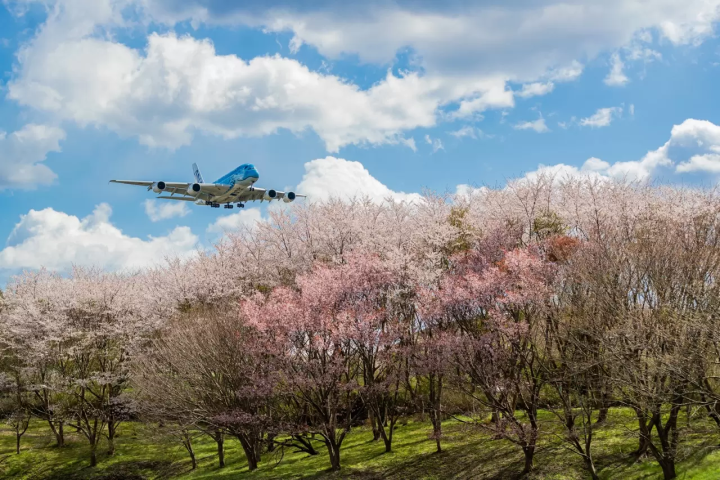
Tohoku Shinkansen Guide: Tickets and 10 Best Attractions

Want to ride the Tohoku Shinkansen for less? MATCHA explains buying tickets, booking seats, and pickup. Become a bullet train pro in no time!

Written by
Tokyo
A total natto fanatic who eats it every single day. When I’m not out for a walk, you’ll find me writing or petting my cat. And when I travel, my camera is always glued to my hand—I’m terrified of missing even a single magical moment.
This service includes sponsored advertisements.
Explore Tohoku via Bullet Train
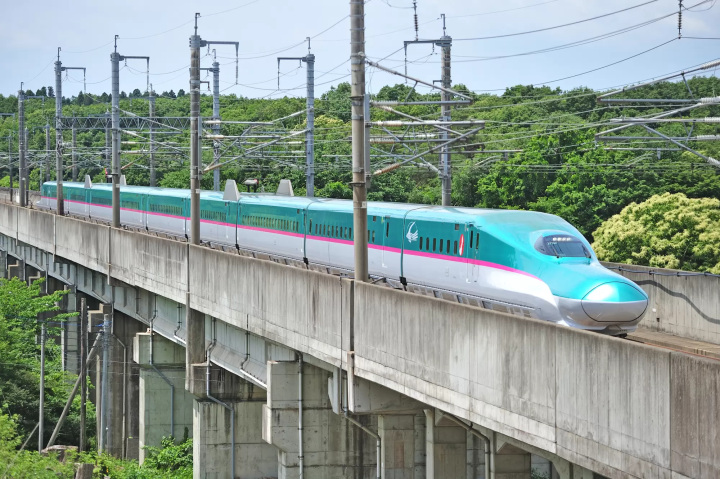
Stretching across northern Honshu, Japan’s Tohoku region offers dramatic seasonal landscapes, rich cultural heritage, and incredible local food—all easily accessible from Tokyo. Navigating this vast area is simple thanks to the high-speed Tohoku Shinkansen. Whether you are planning a winter hot spring escape or a spring cherry blossom tour, this guide covers everything you need to know about train routes, ticket purchasing, rail passes, and top destinations along the line
-
Contents
- Overview of the Tohoku Shinkansen
- How to Buy Tickets with the Tohoku JR Pass
- Where to Reserve Seats with the Tohoku JR Pass
- How to Buy Tickets Without a Tohoku JR Pass
- Top 10 Attractions Along the Tohoku Shinkansen Line
- Recommended Travel Seasons for Tohoku
Overview of the Tohoku Shinkansen
Picture courtesy of pixta
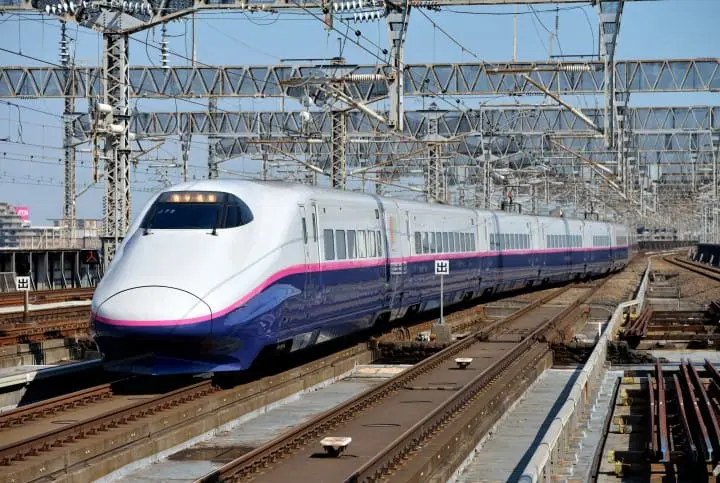
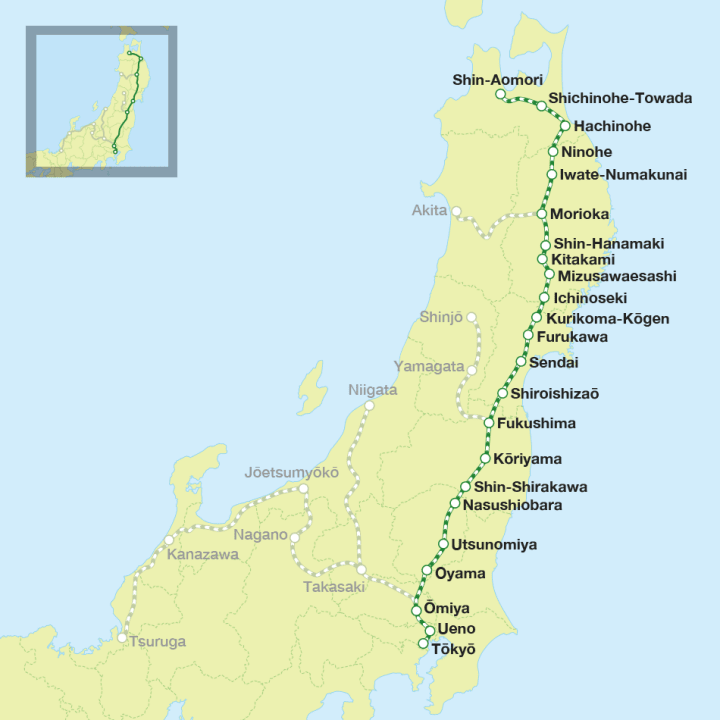
Since opening in 1982, the Tohoku Shinkansen has served as a key transit line connecting Tokyo with the Tohoku region. Spanning roughly 674 kilometers, the route runs all the way from Tokyo Station to Shin-Aomori Station. Even if you land in Tokyo, you can easily take off on a trip to Tohoku aboard this bullet train line. The fastest train, the Hayabusa, reaches Shin-Aomori from Tokyo in just 3 hours.
Main Stops on the JR Tohoku Shinkansen
Picture courtesy of JR Official Website
Connecting Tokyo Station to Shin-Aomori Station, the Tohoku Shinkansen stops at several major destinations along the way:
Tokyo Station: A massive transport hub known for its historic red-brick architecture.
Ueno Station: Located next to Ueno Park and the Tokyo National Museum.
Omiya Station: A central hub in Saitama Prefecture and home to the popular Railway Museum.
Utsunomiya Station: Famous as Japan's gyoza capital and the main gateway to the World Heritage sites in Nikko.
Koriyama Station: The liveliest city in Fukushima Prefecture and the main transfer point for Aizu-Wakamatsu.
Fukushima Station: The capital of Fukushima Prefecture, where passengers can transfer to the Yamagata Shinkansen.
Sendai Station: The central city of the Tohoku region and the best place to try local grilled beef tongue.
Morioka Station: The largest station in Iwate Prefecture, famous for cold Morioka reimen noodles and serving as the starting point for the Akita Shinkansen.
Hachinohe Station: A coastal port city in southern Aomori Prefecture with vibrant seafood markets.
Shin-Aomori Station: The gateway to Aomori City, famous for drawing huge crowds to the summer Aomori Nebuta Festival.
JR Tohoku Shinkansen Train Types
Picture courtesy of pixta
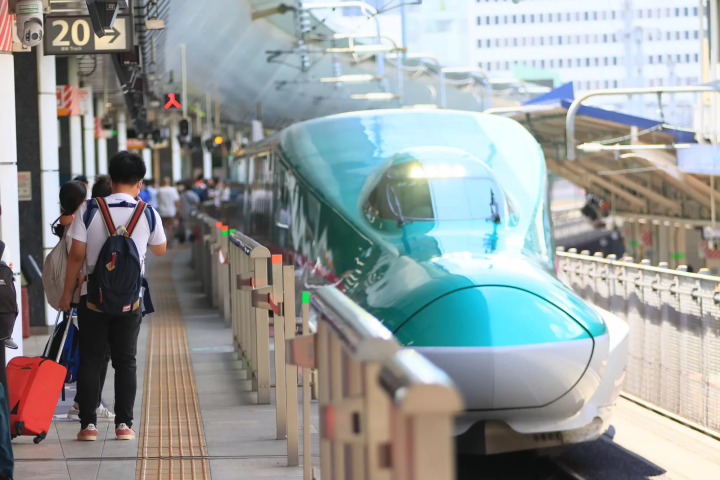
The JR Tohoku Shinkansen fleet includes E2, E3, E5, and E6 series train models. Several distinct service types run along this line, each offering different features:
Hayabusa (E5, E6 series)
The Hayabusa is the fastest service on the line, reaching top speeds of 320 km/h and running from Tokyo to Shin-Aomori in about 3 hours. Please note that all seats on this train require advance reservations.
Yamabiko (E2, E5, E6 series)
The Yamabiko makes more stops along the route and frequently runs coupled with the Tsubasa train. It includes unreserved seating cars, offering flexible travel options through Tohoku.
Komachi (E6 series)
The Komachi connects Tokyo to Akita, running coupled with the Hayabusa between Tokyo and Morioka. All seats require advance reservations. This is the train to take if you plan to visit the famous Nyuto Onsen hot springs or enjoy kiritanpo rice cake hot pots in Akita.
Tsubasa (E8 series)
The Tsubasa splits from the Yamabiko at Fukushima Station to head into Yamagata Prefecture. All seats require reservations. Choose this train if you are planning a trip to the picturesque hot spring village of Ginzan Onsen.
Nasuno (E2, E5 series)
The Nasuno is a short-distance train running between Tokyo and Koriyama in Fukushima, stopping at every station along the way. While slower, it offers unreserved seating and works well for quick trips between Tokyo and southern Tohoku.
Hayate (E5 series)
Once a primary service on the line, the Hayate now operates limited morning and evening runs with reserved seating only.
■ Tohoku Shinkansen trains offering unreserved seating: Yamabiko, Nasuno
■ Check the official JR East Timetable for current schedules.
How to Buy Tickets with the Tohoku JR Pass

Picture courtesy of pixta
For traveling around Tohoku, using the JR EAST PASS (Tohoku area) is highly recommended! Over five consecutive days, you get unlimited rides on all JR East lines, the Sendai Airport Transit line, the Tokyo Monorail line, local JR buses within the area, plus several shinkansen lines including the Tohoku, Akita, Yamagata, Joetsu, and Hokuriku Shinkansen. The pass costs 30,000 yen for adults and 15,000 yen for children (ages 6 to 11).
In addition, JR East introduced a 10-day pass (48,000 yen for adults, 24,000 yen for children) in April 2025. This pass is a fantastic money-saving tool for visitors who want to explore the Tohoku region more deeply!
You can purchase the Tohoku JR Pass through the following options:
1. Ticket offices inside major stations in Japan
2. The official JR East website
3. Online travel platforms such as KKday or Klook
Note: If you purchase your pass online in advance (via the official site, KKday, or Klook), make sure to exchange your voucher for the physical rail pass at a station before boarding your train.
Important Notes for Using the Tohoku JR Pass
■ The pass is non-transferable and can only be used by the person named on the ticket. Passing or lending it to family, friends, or third parties is strictly prohibited.
■ Always carry your passport with you when using the pass, as station staff may ask to see it.
■ If you plan to ride in a reserved seat, reserve your seat and pick up your ticket via the official website or ticket machines at the station before boarding. Holding only the pass allows access to unreserved cars only (keep in mind that many Tohoku Shinkansen trains consist entirely of reserved seats).
■ The JR EAST PASS (Tohoku area) cannot be used on the Tokaido Shinkansen.
Where to Reserve Seats with the Tohoku JR Pass
At Station Ticket Offices (Midori-no-Madoguchi)
Picture courtesy of pixta
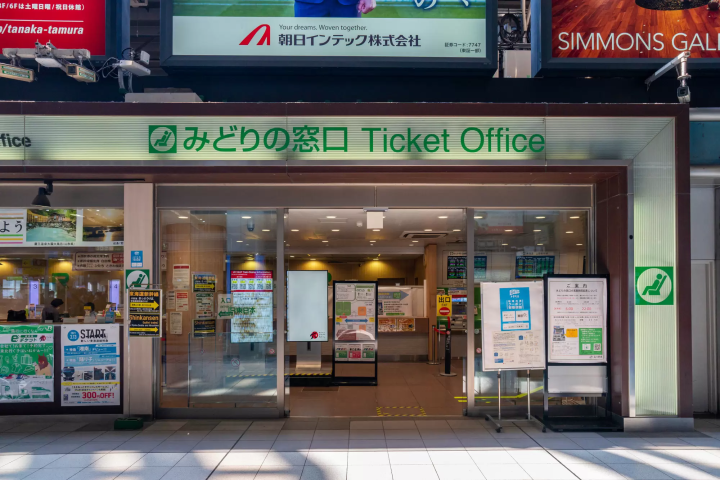
Holding the rail pass grants direct access to unreserved shinkansen cars. However, if you prefer to sit in a reserved car, you need to book your seat in advance. You can make seat reservations at station ticket offices (Midori-no-Madoguchi) by telling the staff your departure station, destination, train number, and preferred travel time. The staff will then issue your reserved seat ticket based on your request.
If speaking directly to station staff makes you nervous, simply prepare a screenshot of your travel details on your phone and show it to the attendant at the counter!
At Reserved Seat Ticket Machines
Picture courtesy of pixta
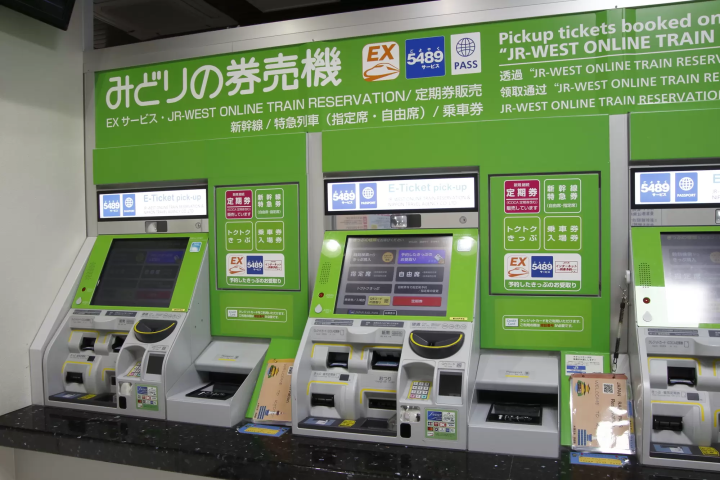
In addition to ticket counters, you can reserve seats using ticket machines at the station. These machines support multiple languages, making navigation simple. Start by selecting Reserved Seat, then choose Reserve seat with discount ticket/coupon ticket. From there, enter the number of passengers, travel date, time, and destination to issue your reserved seat ticket.
Via the Official JR Booking Website
Picture courtesy of JR Official Website
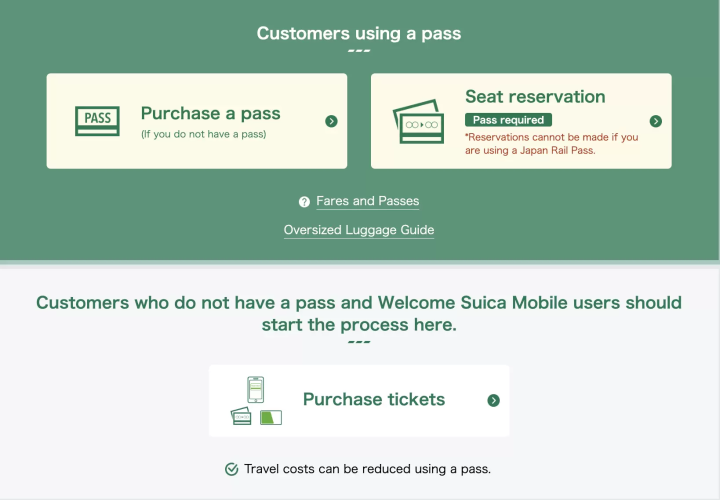
You can also reserve seats online using the JR East Train Reservation system, where bookings typically open 30 days prior to the travel date. Select Reserve Seat (Pass Holders), then log into your JR account (first-time users need to create an account).
Once logged in, follow the step-by-step prompts to enter your travel time, departure point, and destination. After selecting your train, you can choose your preferred seat directly on the screen. Once finalized, the system generates a reservation confirmation number, which you can use to pick up your physical tickets at a ticket machine or ticket office.
Important Notes for Reserving Seats with the Tohoku JR Pass
■ If you plan to travel during peak Japanese holiday seasons—such as cherry blossom season, Golden Week, or New Year holidays—reserve your seats as early as possible to ensure availability.
■ Plans change. If you need to alter your travel schedule after reserving a seat, cancel or modify your reservation promptly to avoid fees. Cancellations made before 21:00 on the day prior to travel do not incur a fee.
■ Reserved seat tickets cannot be refunded once the train has departed.
How to Buy Tickets Without a Tohoku JR Pass
Picture courtesy of pixta
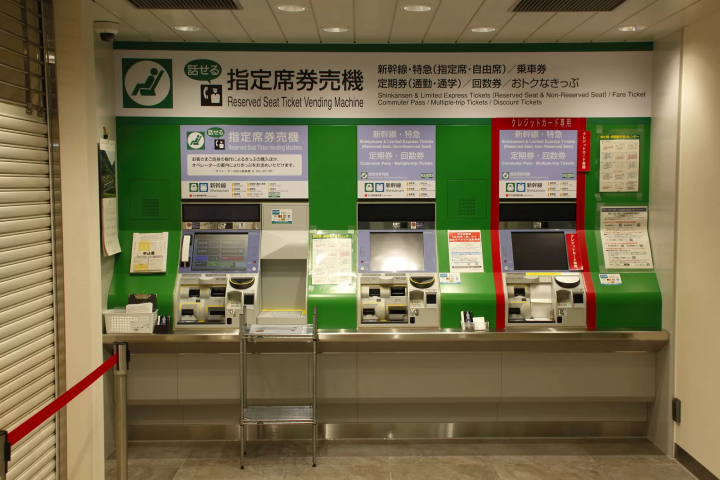
The sections above cover ticket purchasing and seat reservations for rail pass holders. If you choose not to use a rail pass and prefer to purchase individual shinkansen tickets, you can buy them through the following methods:
1. Station ticket offices (Midori-no-Madoguchi)
2. Reserved Seat Ticket Machines at stations
3. The official JR online reservation system
When purchasing, simply have your train number, travel date, time, and destination details ready to purchase your reserved seat ticket directly. Note that if you purchase tickets online, you will still need to pick up your physical tickets at a station ticket office or machine upon arriving in Japan.
Top 10 Attractions Along the Tohoku Shinkansen Line
Wondering how to plan your itinerary with the Tohoku JR Pass? The Tohoku region is filled with stunning natural landscapes and historic landmarks. Here are 10 incredible destinations accessible along the Tohoku Shinkansen line to help you make the most of your trip using the pass!
1. Fukushima Station: Ouchi-juku
Picture courtesy of pixta
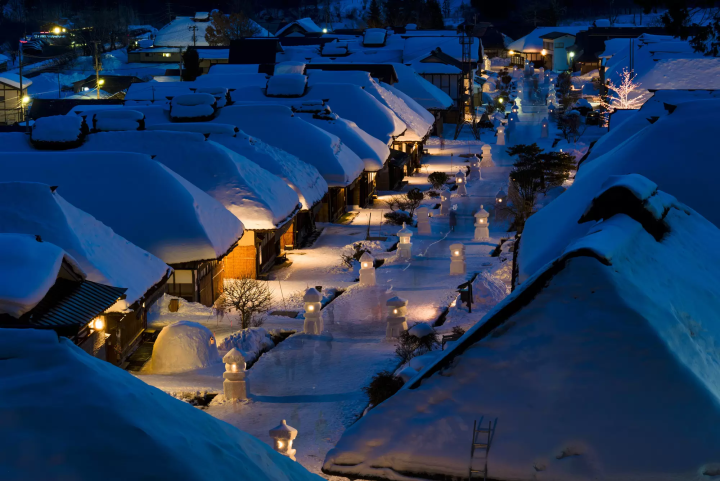
Ouchi-juku is a beautifully preserved Edo-period (1603 to 1867) post town lined with traditional thatched-roof buildings that showcase the atmosphere of old Japan. Visitors can stroll along the historic main street and sample local Fukushima specialties, such as famous negi soba (buckwheat noodles eaten with a whole green onion). In winter, snow covers the village and transforms it into a fairytale setting, making it a must-see destination during the colder months.
Ouchijuku
 〒969-5207 Ouchi, Shimogo-cho, Minamiaizu-gun, Fukushima Prefecture
Ouchijuku is an Edo period post town in Minamiaizu Town, Fukushima Prefecture. The landscape, lined with traditional mud-walled houses, retains the atmosphere of those days. Tourists can enjoy soba noodles and local specialties, and feel the history as they stroll through the quaint streets. We offer visitors a relaxing moment with the beautiful nature of each season.
〒969-5207 Ouchi, Shimogo-cho, Minamiaizu-gun, Fukushima Prefecture
Ouchijuku is an Edo period post town in Minamiaizu Town, Fukushima Prefecture. The landscape, lined with traditional mud-walled houses, retains the atmosphere of those days. Tourists can enjoy soba noodles and local specialties, and feel the history as they stroll through the quaint streets. We offer visitors a relaxing moment with the beautiful nature of each season.
Read also


2. Utsunomiya Station: Nikko Toshogu Shrine

Picture courtesy of pixta
Although located in Tochigi Prefecture rather than Tohoku proper, Nikko Toshogu Shrine is an iconic destination that should not be missed. Dedicated to Tokugawa Ieyasu, founder of the Tokugawa Shogunate, this grand shrine features ornate carvings and architecture, standing as a true treasure of Japanese culture.
Nikko Toshogu
 2301 Sannai, Nikko City, Tochigi Prefecture 321-1431
Read also

3. Sendai Station: Sendai Castle Ruins (Aoba Castle)

Picture courtesy of pixta
Sendai Castle was originally built during the Edo period (1603 to 1867) by the famous feudal lord Date Masamune on high ground overlooking what is now Sendai City. Visiting the hilltop castle grounds offers a sweeping view of the city skyline. During spring, it serves as a top cherry blossom spot in Miyagi Prefecture.
Sendai Castle Ruins
 Kawauchi, Aoba-ku, Sendai City, Miyagi Prefecture 980-0862
4. Sendai Station: Matsushima Bay

Picture courtesy of pixta
Ranked as one of Japan's Three Most Scenic Views, Matsushima Bay features more than 260 pine-covered islands scattered across the water. If time permits, hop on a sightseeing cruise to appreciate the island scenery from the water, or enjoy fresh grilled oysters at one of the coastal eateries along the shore.

Read also


5. Yamagata Station: Zao Onsen and Monster Trees
Picture courtesy of pixta
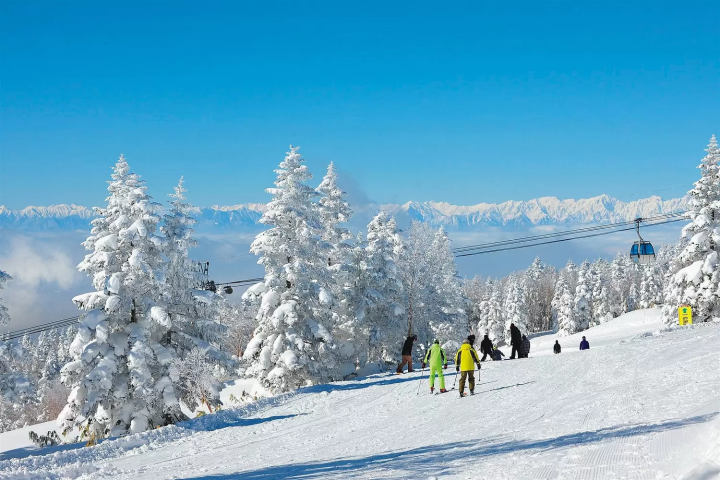
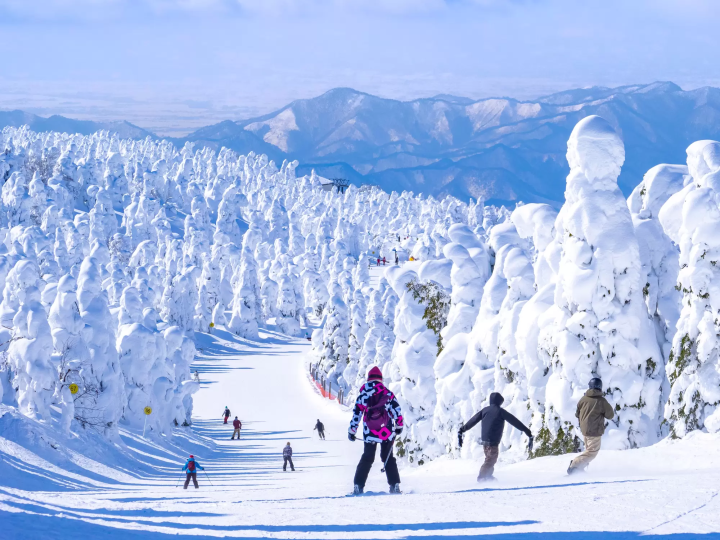
Zao Onsen is a historic hot spring town with a 1,900-year history, famous for its acidic sulfur waters. In winter, the surrounding mountain slopes become world-famous for their snow monsters (juhyo)—trees covered in thick, wind-packed ice and snow. Visitors can take a ropeway up the mountain to see these unusual natural formations up close.
Zao Onsen
 Zao Onsen, Yamagata City, Yamagata Prefecture 990-2301
Opened in 1900. A traditional hot spring that has been healing people's bodies for many years, and warms the body and soul. Zao Onsen has a long history, beginning around AD 110 when Kibi-Tagayu healed his wounds by soaking in the hot springs during Yamato Takeru's expedition to the east. The hot springs are known as “hot springs for healthy growth of children” and “hot springs for beauty”.
Zao Onsen, Yamagata City, Yamagata Prefecture 990-2301
Opened in 1900. A traditional hot spring that has been healing people's bodies for many years, and warms the body and soul. Zao Onsen has a long history, beginning around AD 110 when Kibi-Tagayu healed his wounds by soaking in the hot springs during Yamato Takeru's expedition to the east. The hot springs are known as “hot springs for healthy growth of children” and “hot springs for beauty”.
Read also


6. Ichinoseki Station: Chuson-ji Temple
Picture courtesy of pixta
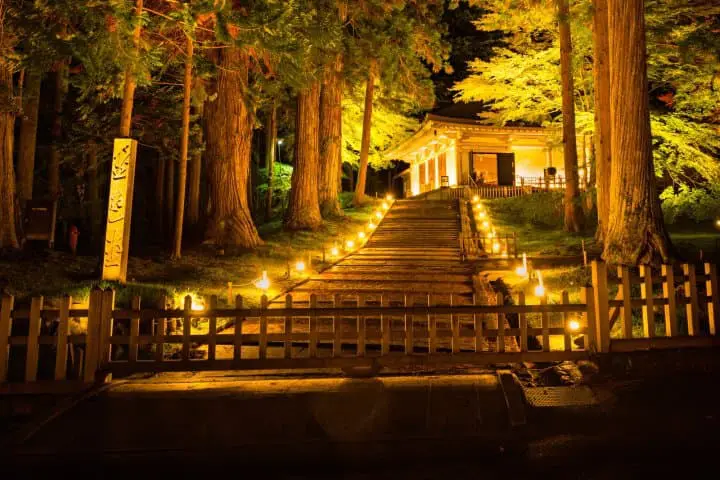
Located in the historic town of Hiraizumi, Chuson-ji Temple is a UNESCO World Heritage site best known for its Konjikido (Golden Hall), which reflects the wealth and artistic achievements of the Heian period (794 to 1185). Surrounded by quiet forest, walking along the main approach allows visitors to explore ancient structures while taking in the serene atmosphere.
Chusonji Temple
 202 Hiraizumi Kinoseki, Hiraizumi-cho, Nishii-gun, Iwate 029-4195
7. Tazawako Station: Lake Tazawa (Akita Shinkansen)
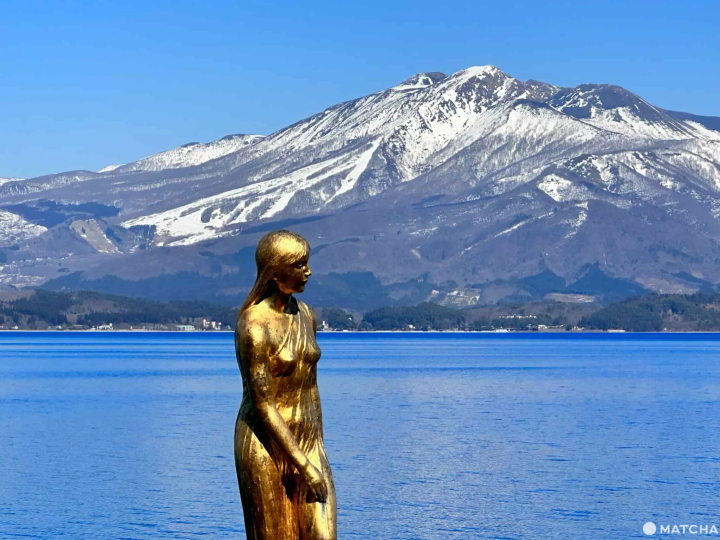
Lake Tazawa holds the title as the deepest lake in Japan, recognized for its clear blue waters and surrounding mountain scenery. Whether exploring by bus, bicycle, or on foot, visitors are treated to relaxing natural views year-round.

8. Kakunodate Station: Kakunodate Samurai District
Picture courtesy of pixta
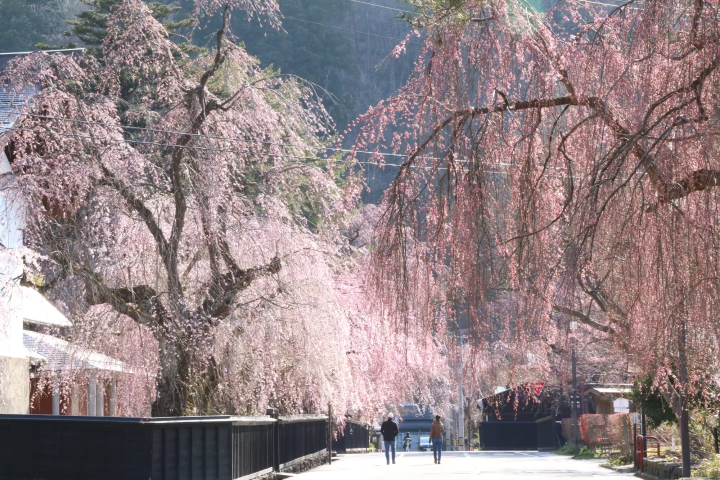
Often called the Little Kyoto of Tohoku, Kakunodate in Akita Prefecture is celebrated for its remarkably preserved samurai residence area, Kakunodate Samurai District. In spring, weeping cherry trees bloom along the historic black wooden fences, creating a striking contrast between the flowers and classical architecture.
Kakunodate Samurai Residences
 Kakunodatemachi, Semboku City, Akita Prefecture 014-0300
9. Shin-Aomori Station: Hirosaki Park and Hirosaki Castle
Picture courtesy of pixta
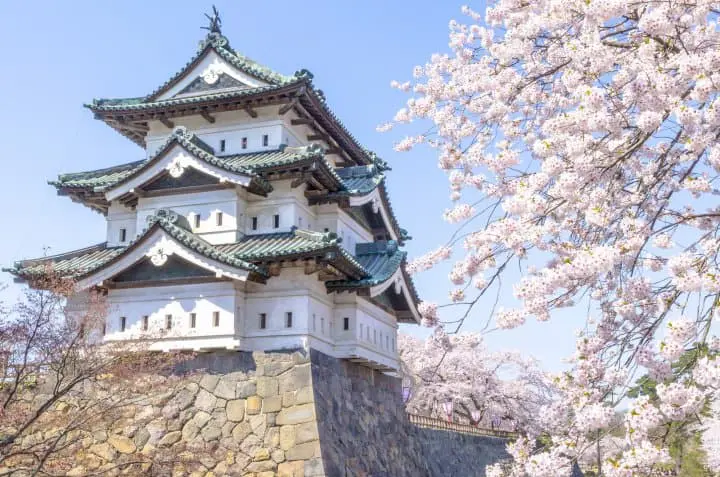
Hirosaki Park in Aomori Prefecture is one of the premier cherry blossom viewing spots in Japan, drawing large crowds every spring when thousands of trees bloom across the grounds. In autumn, vibrant foliage lights up the park. At its center stands Hirosaki Castle, originally built in 1611 by Tsugaru Nobuhira; the three-story main keep seen today dates back to 1810.
Hirosaki Park (Takayoen)
 1 Shimoshiroganecho, Hirosaki City, Aomori Prefecture 036-8356
This park is located in the center of Hirosaki City and has a total area of approximately 492,000 square meters (approximately 149,000 tsubo). Seasonal events are held every season.
1 Shimoshiroganecho, Hirosaki City, Aomori Prefecture 036-8356
This park is located in the center of Hirosaki City and has a total area of approximately 492,000 square meters (approximately 149,000 tsubo). Seasonal events are held every season.
Read also


10. Shin-Aomori Station: Oirase Mountain Stream
Picture courtesy of pixta
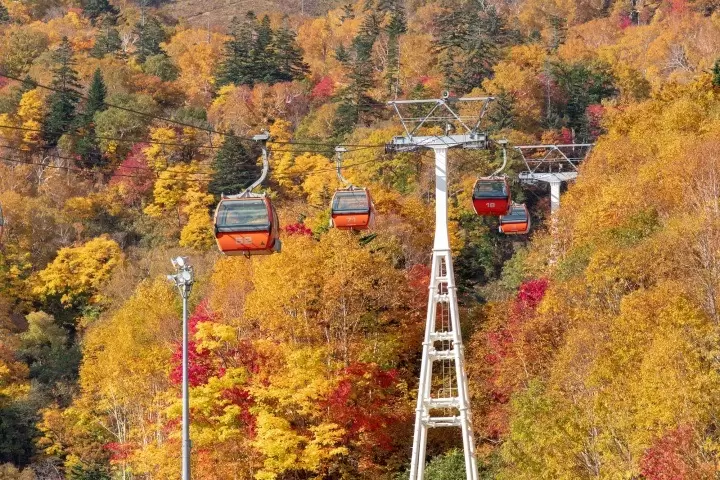
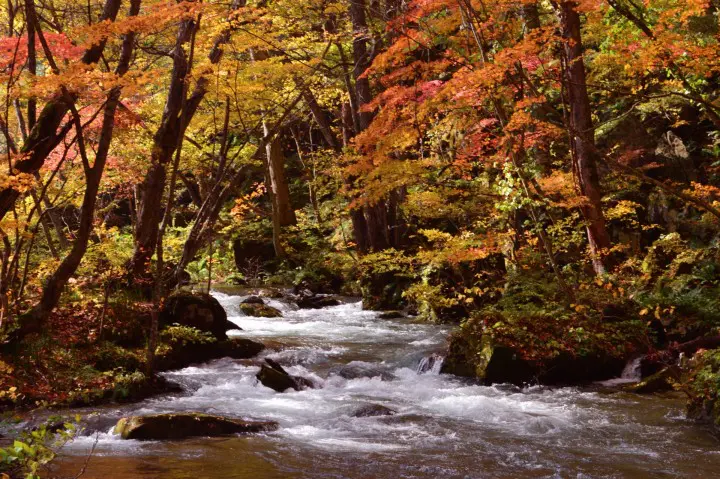
Running 14 kilometers from Lake Towada to Nenokuchi, the Oirase Mountain Stream is a scenic river gorge shaded by dense forest and punctuated by cascading waterfalls. Autumn is the most popular season to visit, as brilliant fall foliage lines the water's edge.
Oirase Gorge
 034-0301 60 Okuse, Towada City, Aomori Prefecture
Oirase Gorge is a beautiful river that flows from Lake Towada in Aomori Prefecture. Stretching for about 14 kilometers from Lake Towada, this mountain stream is a sight to behold, with natural beauty such as waterfalls and clear streams.
The mountain stream is covered with trees, creating a tunnel-like landscape. Below, there is a promenade and roadway, and in autumn, the autumn leaves are beautiful, so if you take a stroll, you will feel as if you have been lost in the autumn leaves. Oirase Gorge is a great spot to enjoy the beauty of nature.
034-0301 60 Okuse, Towada City, Aomori Prefecture
Oirase Gorge is a beautiful river that flows from Lake Towada in Aomori Prefecture. Stretching for about 14 kilometers from Lake Towada, this mountain stream is a sight to behold, with natural beauty such as waterfalls and clear streams.
The mountain stream is covered with trees, creating a tunnel-like landscape. Below, there is a promenade and roadway, and in autumn, the autumn leaves are beautiful, so if you take a stroll, you will feel as if you have been lost in the autumn leaves. Oirase Gorge is a great spot to enjoy the beauty of nature.

Recommended Travel Seasons for Tohoku
Saved all these great spots but not sure when to go? MATCHA has compiled the best times to visit the 10 Tohoku destinations above so you can catch each one at its peak!
Spring (March to May)
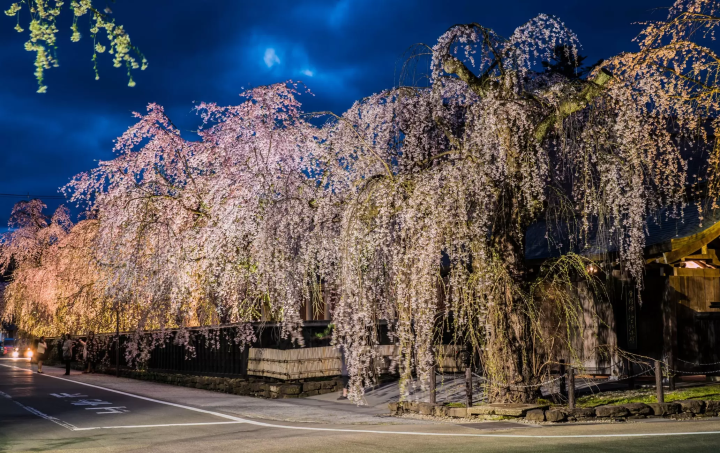
Picture courtesy of pixta
♦ Nikko Toshogu Shrine (Tochigi Prefecture)
♦ Sendai Castle Ruins (Miyagi Prefecture)
♦ Kakunodate Samurai District (Akita Prefecture)
♦ Hirosaki Castle (Aomori Prefecture)
Summer (June to August)
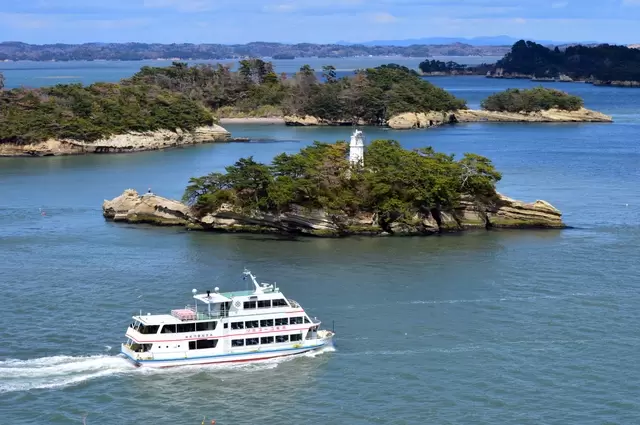
Picture courtesy of pixta
♦ Matsushima Bay (Miyagi Prefecture)
♦ Lake Tazawa (Akita Prefecture)
Autumn (September to November)
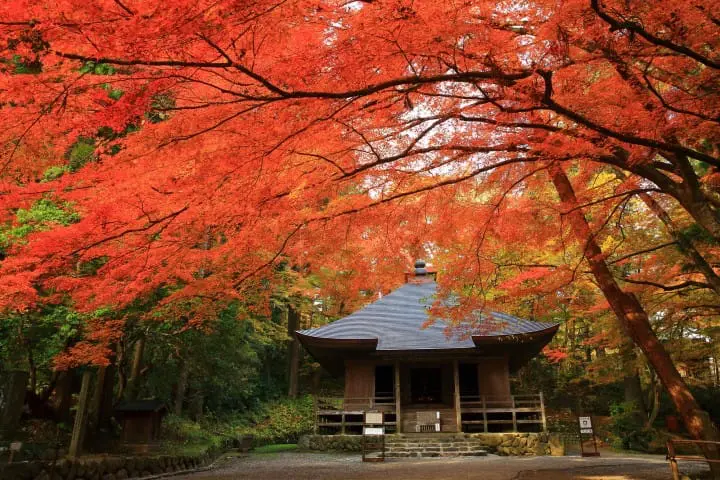
Picture courtesy of pixta
♦ Chuson-ji Temple (Iwate Prefecture)
♦ Lake Tazawa (Akita Prefecture)
♦ Kakunodate Samurai District (Akita Prefecture)
♦ Oirase Mountain Stream (Aomori Prefecture)
♦ Hirosaki Castle (Aomori Prefecture)
Winter (December to February)
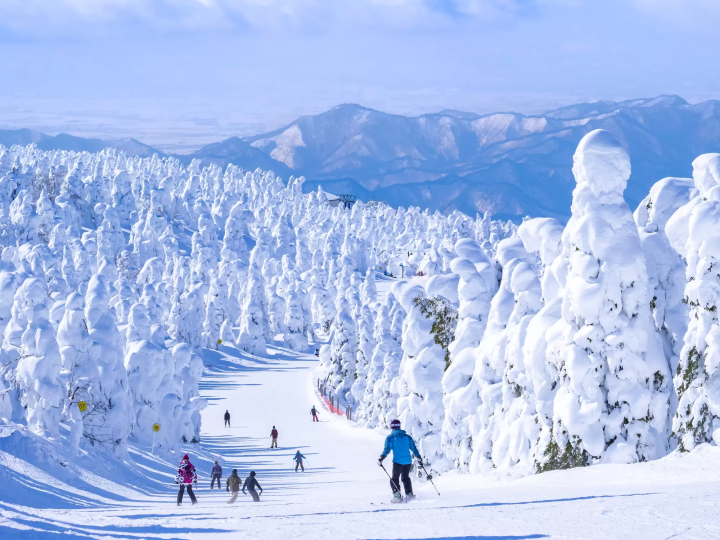
Picture courtesy of pixta
♦ Zao Onsen and Monster Trees (Yamagata Prefecture)
♦ Ouchi-juku (Fukushima Prefecture)
Recommended Travel Seasons for Tohoku
Saved all these great spots but not sure when to go? MATCHA has compiled the best times to visit the 10 Tohoku destinations above so you can catch each one at its peak!
Spring (March to May)
Picture courtesy of pixta
♦ Nikko Toshogu Shrine (Tochigi Prefecture)
♦ Sendai Castle Ruins (Miyagi Prefecture)
♦ Kakunodate Samurai District (Akita Prefecture)
♦ Hirosaki Castle (Aomori Prefecture)
Summer (June to August)
Picture courtesy of pixta
♦ Matsushima Bay (Miyagi Prefecture)
♦ Lake Tazawa (Akita Prefecture)
Autumn (September to November)
Picture courtesy of pixta
♦ Chuson-ji Temple (Iwate Prefecture)
♦ Lake Tazawa (Akita Prefecture)
♦ Kakunodate Samurai District (Akita Prefecture)
♦ Oirase Mountain Stream (Aomori Prefecture)
♦ Hirosaki Castle (Aomori Prefecture)
Winter (December to February)
Picture courtesy of pixta
♦ Zao Onsen & Monster Trees (Yamagata Prefecture)
♦ Ouchi-juku (Fukushima Prefecture)
Plan Your Ultimate Tohoku Adventure
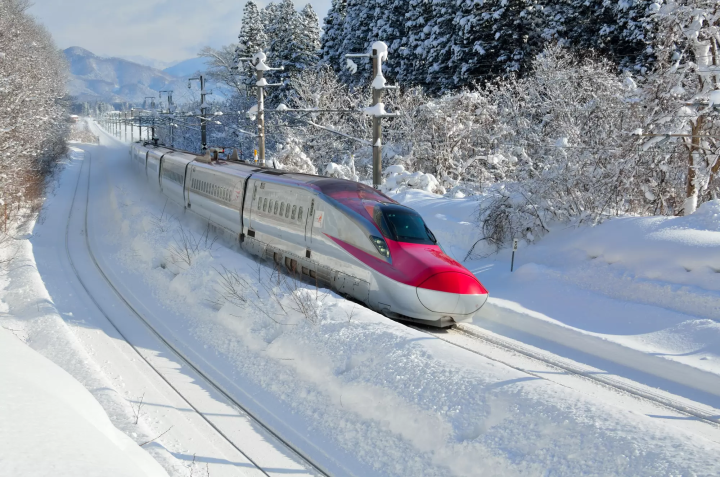
From historic samurai towns and sacred temples to breathtaking natural wonders, northern Japan is packed with unforgettable sights. Boarding the Tohoku Shinkansen allows you to trade the bustling streets of Tokyo for scenic mountain vistas in just a few hours. Grab a JR EAST PASS, pick your favorite stops along the route, and get ready to experience the timeless charm and warm hospitality of the Tohoku region on your next Japanese journey!


A total natto fanatic who eats it every single day. When I’m not out for a walk, you’ll find me writing or petting my cat. And when I travel, my camera is always glued to my hand—I’m terrified of missing even a single magical moment.
Top Articles
There are no articles in this section.
Special Features
More