
5 Must-See Autumn Foliage Spots Around Lake Biwa, Shiga - Perfect for a Scenic Fall Walk
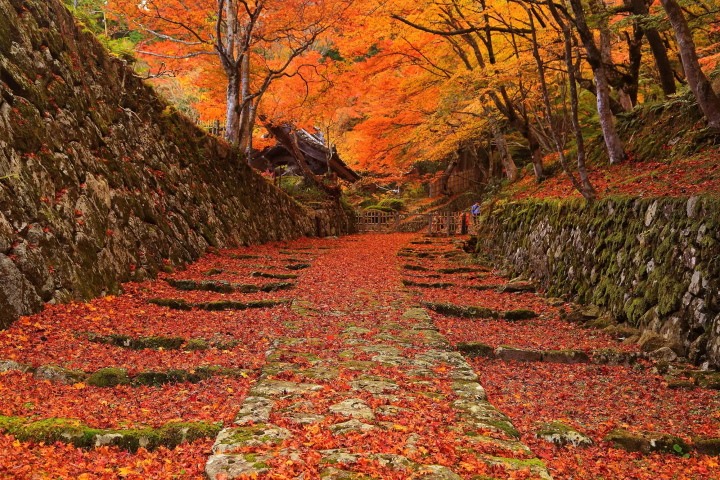
As autumn arrives in Shiga Prefecture, Lake Biwa, its historic temples and shrines, and surrounding mountains are transformed with vibrant colors. Here are recommended spots where autumn leaves uniquely reflect on the lake and enhance cultural sites.

Written by
Ogoto Onsen is said to have been opened about 1,200 years ago by Dengyo Daishi Saicho to reward the work of the craftsmen who built Enryakuji Temple on Mount Hiei, a World Heritage Site. Among them, Yumotokan is a long-established inn with a history of 96 years. The secret to its popularity is its four different hot springs, including an open-air bath overlooking Lake Biwa from the 11th floor and an open-air bath that gives the illusion of being a hot spring in the forest, as well as its Kyoto-style kaiseki meals made with carefully selected seasonal ingredients, including "certified Omi beef," one of Japan's three great wagyu beef brands. Although it is only 20 minutes by train from Kyoto, this inn allows you to feel the warmth of nature and Japan, such as Lake Biwa and the Hira mountain range.
This service includes sponsored advertisements.
-
Table of Contents
- Shiga: Experience Stunning Nature Around Japan’s Largest Lake, Lake Biwa
- 1. Ishiyamadera Temple: National Treasure Architecture & Autumn Light-up
- 2. Koto Sanzan: Vibrant Autumn Colors at One of Kansai’s Top Three Foliage Spots
- 3. Keisokuji Temple: Stunning Autumn Leaf Carpet
- 4. Hyōshū Taisha Garden: Autumn Foliage in a Historic Japanese Garden
- 5. Hiyoshi Taisha Shrine: Admire Around 3,000 Vibrant Maple Trees
- Ogoto Onsen Yumotokan: Where to Stay for Autumn Foliage Viewing in Shiga
Shiga: Experience Stunning Nature Around Japan’s Largest Lake, Lake Biwa
Shiga Prefecture, centered on Japan’s largest lake, Lake Biwa, offers natural beauty and relaxation just 20 minutes by JR train from Kyoto. Surrounded by lakes and mountains, and rich in historic temples, shrines, and traditional culture, Shiga is an ideal destination to enjoy autumn foliage and seasonal cuisine.
1. Ishiyamadera Temple: National Treasure Architecture & Autumn Light-up
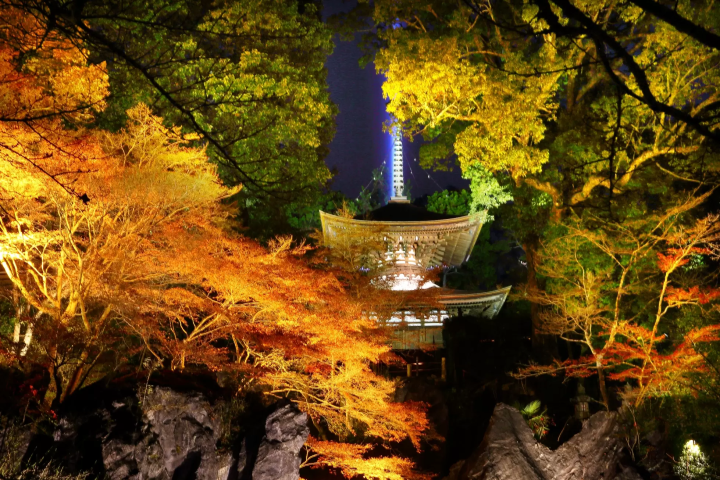
Ishiyama-dera Temple is home to 1,000 colorful autumn leaves within its grounds.
From Friday, November 14th to Sunday, November 30th, 2025, the autumn leaves will be at their peak and buildings such as the National Treasure "Tahoto Pagoda" will be lit up. Why not enjoy the fantastical collaboration of the autumn leaves and the buildings?
2. Koto Sanzan: Vibrant Autumn Colors at One of Kansai’s Top Three Foliage Spots
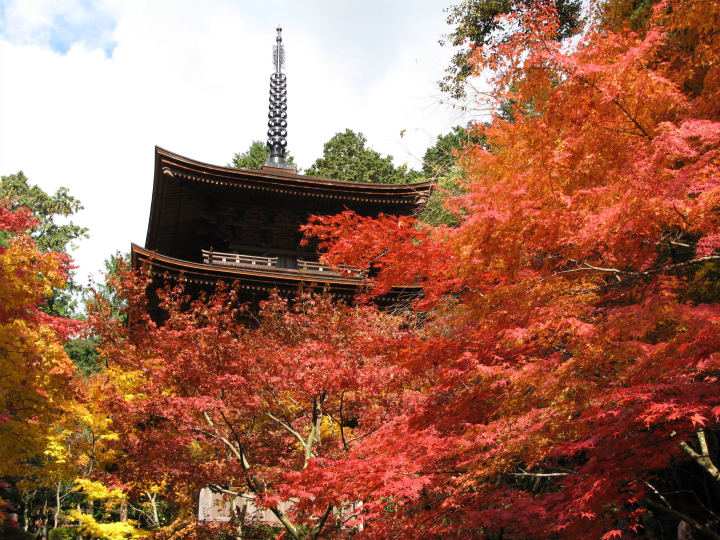
In Shiga, the Kotō Sanzan (Three Mountains of Kotō) is a must-visit for autumn. This area in the Suzuka Mountains is home to three famous temples—Saimyo-ji, Kongōrin-ji, and Baekje-ji—collectively known as Kotō Sanzan. As one of Kansai’s top three autumn foliage spots, the temples are surrounded by vibrant maple leaves. Kongōrin-ji is famous for its deep red maples, while Saimyo-ji offers beautifully landscaped gardens and Baekje-ji showcases leaves that color the mountainside, each site offering a unique seasonal experience.
3. Keisokuji Temple: Stunning Autumn Leaf Carpet
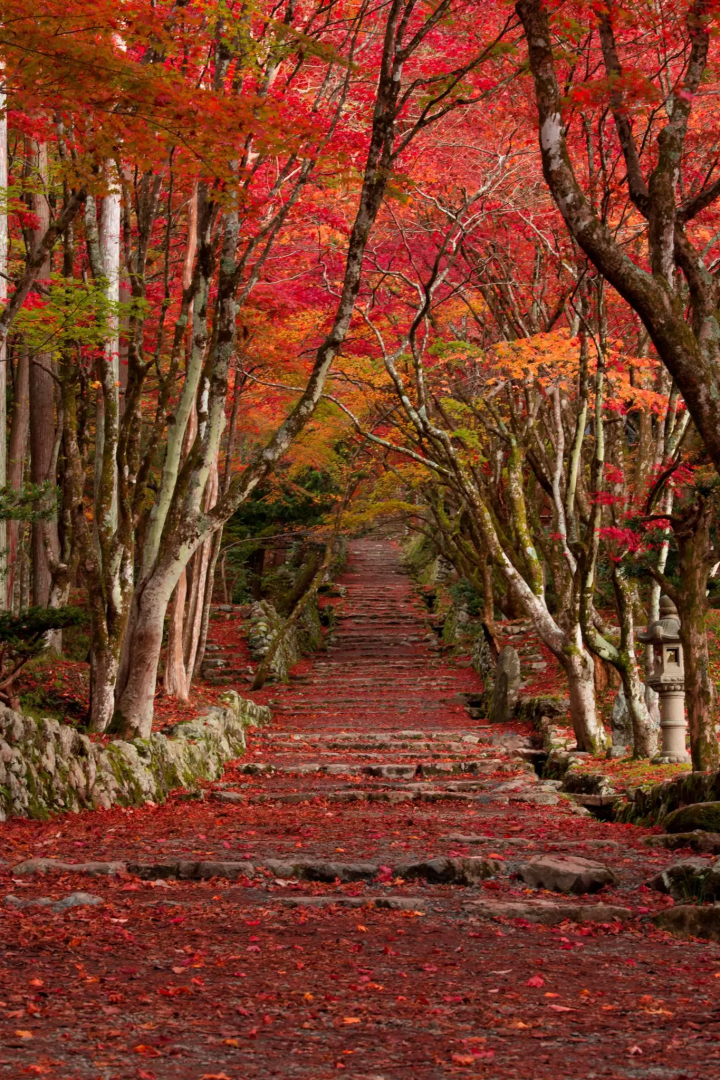
Keisokuji Temple in northern Shiga Prefecture is famous for the sight of the approach to the temple covered in red fallen leaves. The scenery known as the "carpet of autumn leaves" is a spectacular sight that you should see at least once. It gets crowded with people during the peak viewing season, so we recommend visiting early in the morning.
4. Hyōshū Taisha Garden: Autumn Foliage in a Historic Japanese Garden
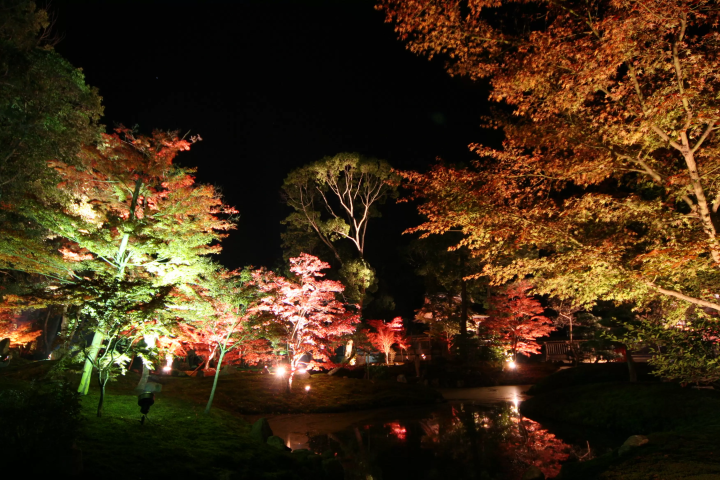
Located behind the main hall of Hyōzu Shrine, this garden was once the residence of Harima no Harima, a powerful local lord during the Kamakura period. It is a large strolling garden featuring a central pond with an island, carefully landscaped stonework, and an artificial hill with a three-tiered mound. The garden is designated a National Place of Scenic Beauty.
5. Hiyoshi Taisha Shrine: Admire Around 3,000 Vibrant Maple Trees
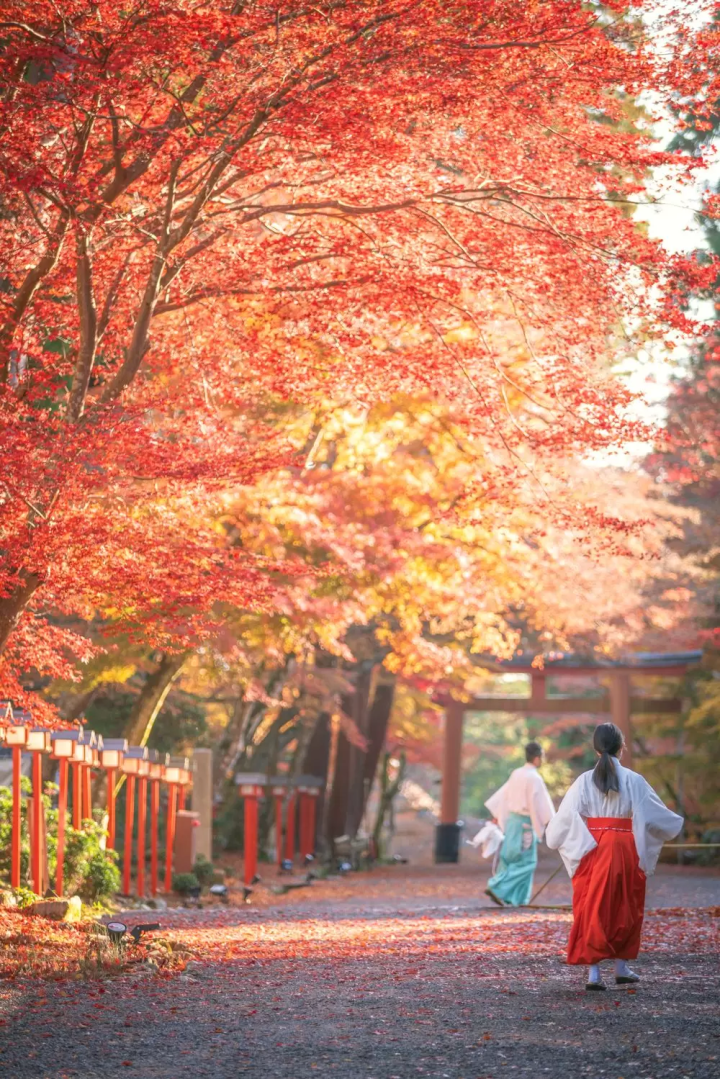
Hiyoshi Taisha Shrine, located in Sakamoto , Otsu City , Shiga Prefecture , is an ancient shrine located on the main approach to Mount Hiei ji Temple on Mount Hiei, and is affectionately known as "Sanno-san." The grounds are decorated with approximately 3,000 maple trees, making it one of the best spots in Shiga to see autumn leaves.
Hiyoshi Taisha
 5-1-1 Sakamoto, Otsu City, Shiga Prefecture, 520-0113
Hiyoshi Taisha is located at the foot of Mount Hiei in Otsu City, Shiga Prefecture, and is the main shrine of over 3,800 branch shrines across the country, founded about 2,100 years ago. When the capital was moved to Heian-kyo, it was located at the capital's devil's gate, and was revered as a shrine to ward off evil spirits and disasters, and was also worshiped as the deity of the guardian deity of Enryaku-ji Temple.
The grounds of the temple bloom in full bloom in spring, and you can enjoy the view of the historic shrine and cherry blossoms. It is also famous as a famous spot for autumn leaves, but in spring, somei Yoshino and mountain cherry blossoms will color the grounds, allowing you to enjoy cherry blossom viewing in a solemn atmosphere. The contrast between the Kamibashi (red bridge) and the cherry blossoms is particularly beautiful, making it a popular spot for photography.
Due to its quiet and calm environment, this is a hidden gem that is recommended for those who want to enjoy the cherry blossoms in a relaxed manner while avoiding crowds.
5-1-1 Sakamoto, Otsu City, Shiga Prefecture, 520-0113
Hiyoshi Taisha is located at the foot of Mount Hiei in Otsu City, Shiga Prefecture, and is the main shrine of over 3,800 branch shrines across the country, founded about 2,100 years ago. When the capital was moved to Heian-kyo, it was located at the capital's devil's gate, and was revered as a shrine to ward off evil spirits and disasters, and was also worshiped as the deity of the guardian deity of Enryaku-ji Temple.
The grounds of the temple bloom in full bloom in spring, and you can enjoy the view of the historic shrine and cherry blossoms. It is also famous as a famous spot for autumn leaves, but in spring, somei Yoshino and mountain cherry blossoms will color the grounds, allowing you to enjoy cherry blossom viewing in a solemn atmosphere. The contrast between the Kamibashi (red bridge) and the cherry blossoms is particularly beautiful, making it a popular spot for photography.
Due to its quiet and calm environment, this is a hidden gem that is recommended for those who want to enjoy the cherry blossoms in a relaxed manner while avoiding crowds.
Ogoto Onsen Yumotokan: Where to Stay for Autumn Foliage Viewing in Shiga
The charm of Shiga’s autumn foliage comes from its mix of lakes, temples, and natural scenery. Just a short trip from Kyoto, it offers a peaceful and tranquil autumn experience. This season, don’t miss a tour of Shiga’s vibrant fall colors around Lake Biwa!
We also recommend Ogoto Onsen Yumotokan as a base for viewing the autumn leaves in Shiga.
During this season, enjoy Japan’s autumn with local specialties such as seasonal matsutake mushrooms, conger eel in earthenware teapots, matsutake rice, and premium Omi beef fillet and loin steaks. Shiga also offers four types of hot springs and comfortable guest rooms, perfect for relaxing both body and mind after exploring the autumn leaves.

Ogoto Onsen is said to have been opened about 1,200 years ago by Dengyo Daishi Saicho to reward the work of the craftsmen who built Enryakuji Temple on Mount Hiei, a World Heritage Site. Among them, Yumotokan is a long-established inn with a history of 96 years. The secret to its popularity is its four different hot springs, including an open-air bath overlooking Lake Biwa from the 11th floor and an open-air bath that gives the illusion of being a hot spring in the forest, as well as its Kyoto-style kaiseki meals made with carefully selected seasonal ingredients, including "certified Omi beef," one of Japan's three great wagyu beef brands. Although it is only 20 minutes by train from Kyoto, this inn allows you to feel the warmth of nature and Japan, such as Lake Biwa and the Hira mountain range.
The contents on this page may partially contain automatic translation.
Special Features
More













![[Shinjuku Girls' Trip] 4 Recommended Shops for Women at Odakyu Ace!](https://resources.matcha-jp.com/resize/720x2000/2026/05/11-263877.webp)