
Spreading the progress of "Japanese toilet culture" to the world! "Toilet Museum" opens in Aichi, Tokoname
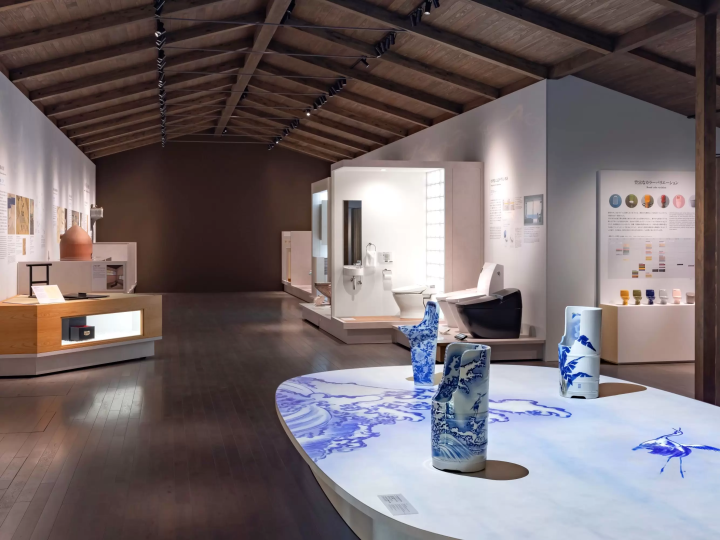
Located in Tokoname City, Aichi Prefecture , a Tokoname City for its pottery, the INAX MUSEUMS is an experiential museum that conveys the charm of clay and pottery. The museum now features the Kiln Plaza, the Tile Museum Museum, and a seventh exhibition hall, the Toilet Culture Hall, to promote Japanese toilet culture to the world.

Written by
INAX MUSEUMS is a museum of clay and pottery located in Tokoname City, Aichi Prefecture, one of the six ancient kilns of Japan. As the word "Live" in the museum's name suggests, the facility offers dynamic activities that allow children to have fun, learn, and play using all five senses. The lush outdoor spaces scattered across the six buildings change appearance with the seasons, making your time here a pleasant one. With exhibitions, workshops, and more, new discoveries and surprises await you every time you visit. Please enjoy your encounter with clay, pottery, and the history, charm, and joy of craftsmanship.
This service includes sponsored advertisements.
-
Table of Contents
- Communicating the charm of clay and pottery! INAX MUSEUMS
- The seventh museum to open is the "Toilet Museum."
- "Purity" and "cleanliness" are uniquely Japanese spirituality. Spreading the Japanese spirit and techniques to the world.
- An exhibition space where you can see the evolution of Japanese toilets over time
- Full of architectural highlights
- An invitation to Japanese toilet culture - From the Senba Collection -
- A unique souvenir "Toilet Monaka"
- Facility Overview
- Access
Communicating the charm of clay and pottery! INAX MUSEUMS
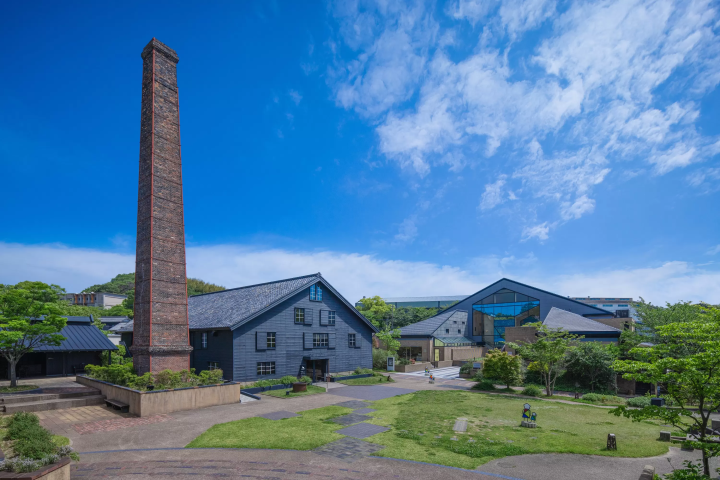
The INAX MUSEUMS is a cultural facility opened by LIXIL in Tokoname City, Aichi Prefecture , a town of pottery that is counted as one of the Six Ancient Kilns and the birthplace of the INAX brand. Kiln Plaza, the Tile Museum Tile Museum, the Toilet Culture Architectural Terracotta Museum, the Clay Works, the Tiling Workshop, and the LIXIL Ceramics Lab- the museum is dedicated to conveying the history, culture, beauty, and joy of clay and pottery.
The seventh museum to open is the "Toilet Museum."
The Toilet Culture Museum opened in April 2025 as the seventh facility of the I NAX Live Museum. With the main theme of "spreading Japanese toilet culture to the world," the Toilet Culture Museum spreads information about Japan's toilet culture, which has developed by fusing unique Japanese technology with advanced overseas technology, and the "Japanese spirit" that lies behind it.
"Purity" and "cleanliness" are uniquely Japanese spirituality. Spreading the Japanese spirit and techniques to the world.
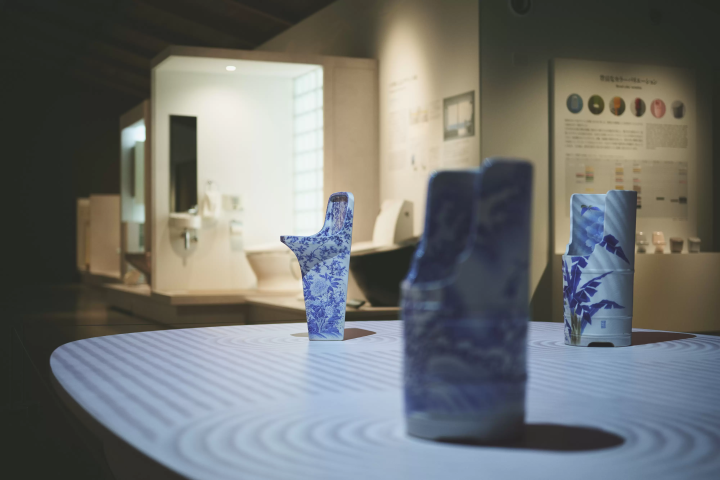
The reason why Japanese toilets are so highly acclaimed is not just because of their functionality and hygiene, but also because of their unique spirituality that values cleanliness and the spirit of hospitality. This museum has five themes in its wooden exhibition space of approximately 180 square meters, showcasing the development and evolution of toilets centered around Japanese toilet culture.
The exhibition begins with an installation that allows visitors to experience the spirit of purity and hospitality that underlies Japanese toilet culture. It traces the history of toilets, from their origins to a restored toilet box used by the shogun at Edo Castle, a recycling system that collected excrement and used it as fertilizer, and the transition to flush toilets, which has led to the comfortable toilets of today. Valuable actual toilets are on display, including the British flush toilet, which was pioneered in the world, and the first Japanese-made toilet with a warm water flush function (shower toilet), providing an easy-to-understand explanation of how Japanese toilets have developed and evolved.
An exhibition space where you can see the evolution of Japanese toilets over time
The spirit of cleanliness and purity in toilets, and hospitality
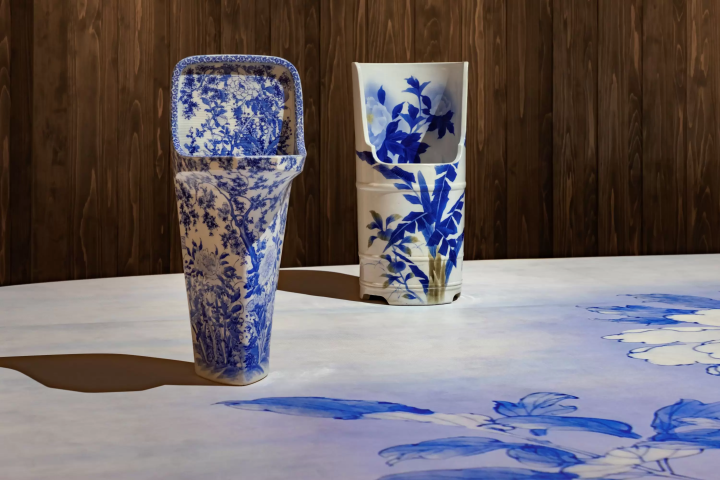
(Left) Blue and white flower design (peony) Morning glory-shaped urinal Private collection (Right) Blue and white flower and butterfly design (peony and banana) Mukaikaga-gata urinal Senba Collection Photo: Toshihide Kajihara
The toilet used by the Shogun!? The origins of Japan's "toilet culture"
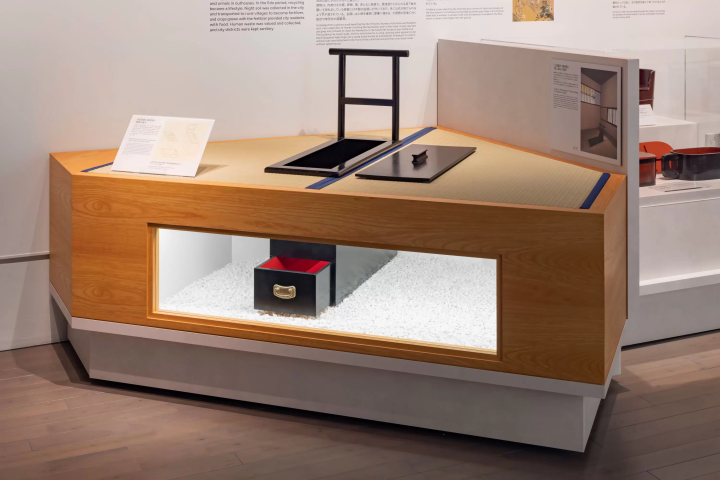
A hibako (a trough box) in the inner citadel of Edo Castle, restored from a drawing. Photo: Toshihide Kajihara
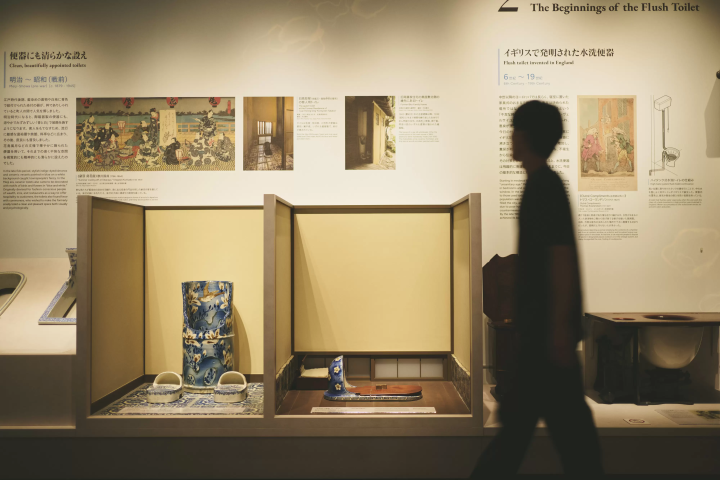
Clean, beautifully appointed toilets
The beginning of the flush toilet: The flush toilet invented in Britain
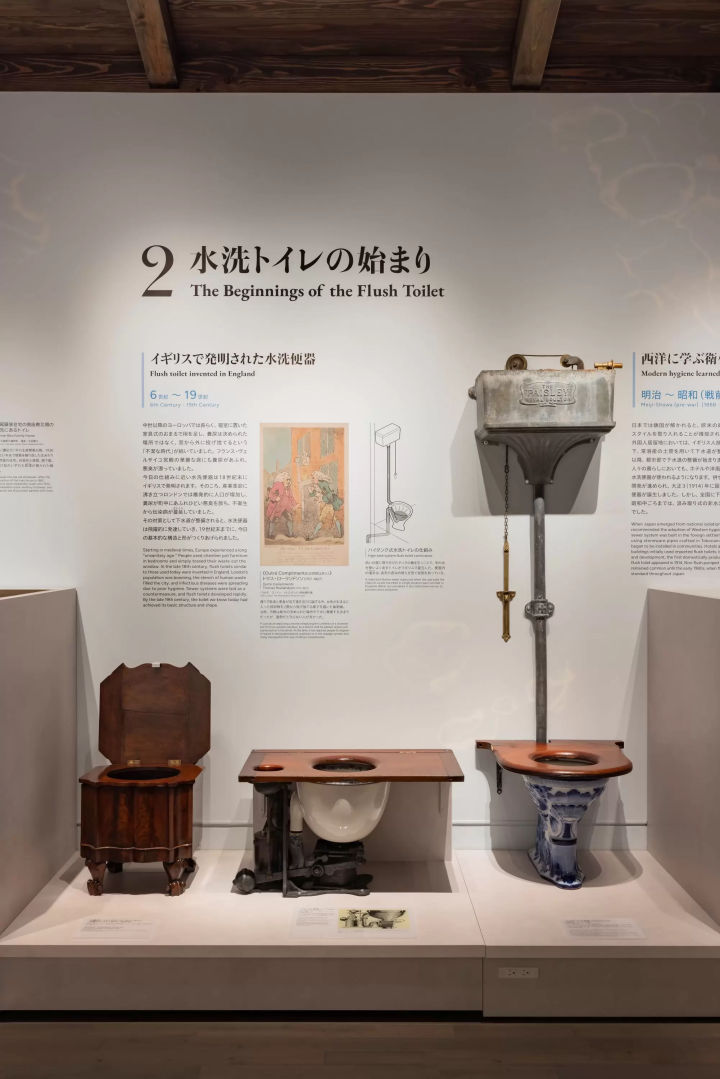
Flush toilet invented in Britain
(Chuo) Valve-type toilet (separate trap type), England, circa 1860. (Right) High-tank toilet "Simplicitas" (ceramic trap integrated). Toilet: DOULTON & Co., England, circa 1887. High-tank: Royal Doulton & Co., England, circa 1900-1910. Photo: Toshihide Kajihara
Japan's first shower toilet: "Japanese spirit, Western learning" incorporating Western technology
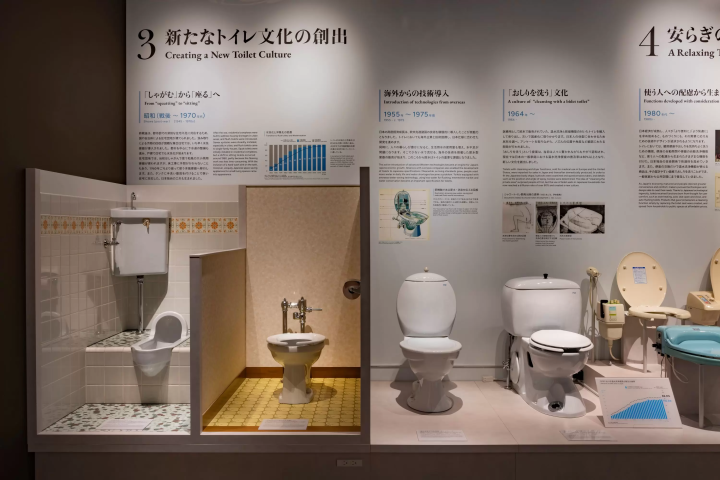
Japan's first toilet with a warm water flushing function, "Sanitary Ina 61" (released in 1967) Photo: Toshihide Kajihara
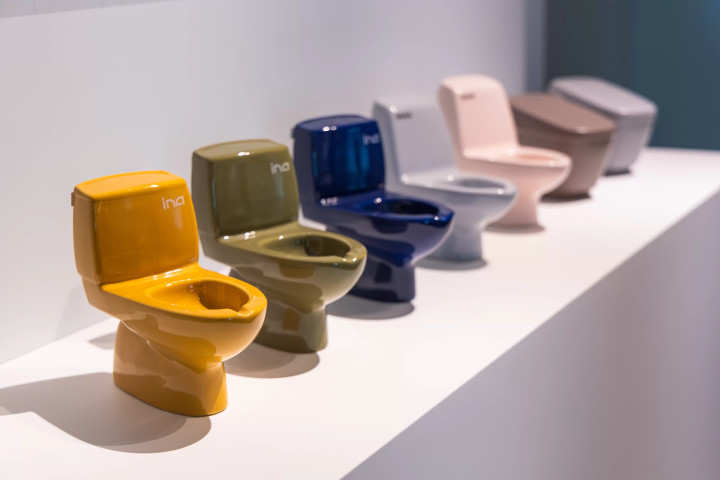
A miniature toilet showing the history of color variations
Full of architectural highlights
The first floor is made of reinforced concrete, while the second floor is made of wood, giving off a warmth. The architecture itself is also full of things to see.
Tokoname's traditional armor wall, made of black wall panels layered like armor
The wooden section on the second floor incorporates Tokoname's traditional armored walls, which are made of overlapping Tokoname wall panels resembling armor. Armored walls were invented to prevent the spread of fires, as there were many fires at pottery kilns, and they incorporate the essence of Tokoname, a town of pottery.
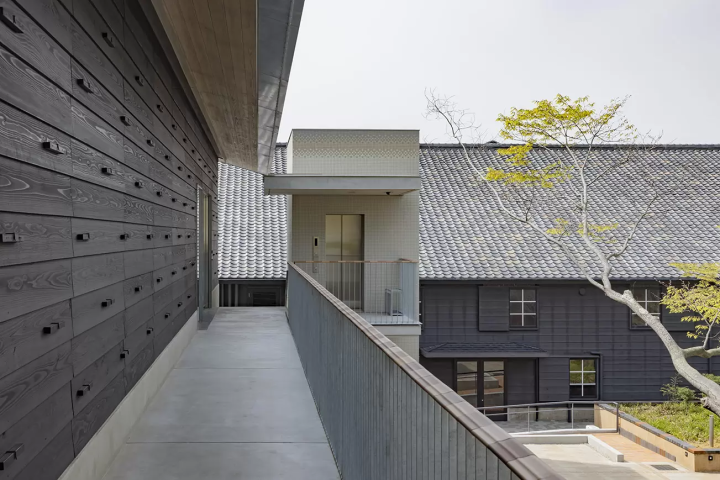
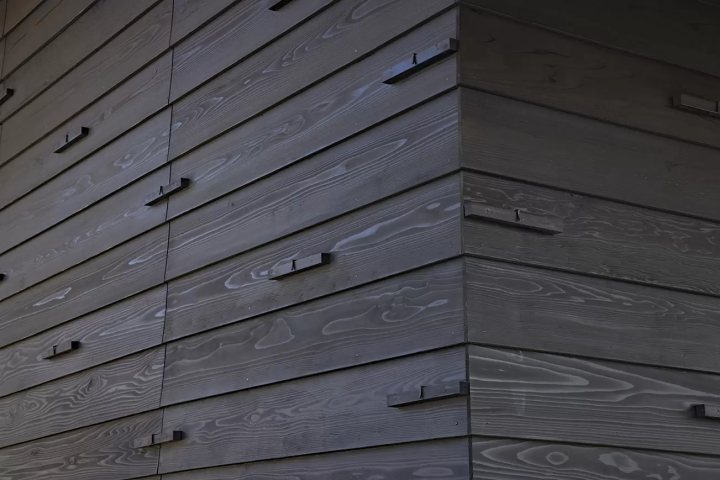
In Tokoname, fires frequently broke out at kilns, so the armor walls were fastened to the earthen walls with square timbers and broken nails, and in the event of a fire, the square timbers were removed and the wooden walls were removed all at once to prevent the fire from spreading. Photo: Toshihide Kajihara
An invitation to Japanese toilet culture - From the Senba Collection -
On the second floor of the Kiln Plaza, visitors are invited to the Toilet Culture Museum, which introduces the history of toilets in Japan and showcases beautifully decorated antique toilet bowls . On display are 17 carefully selected blue-and-white ceramic toilets (8 toilets and 9 urinals) made in Aichi, Seto Prefecture, from the Showa period through the early Showa period.
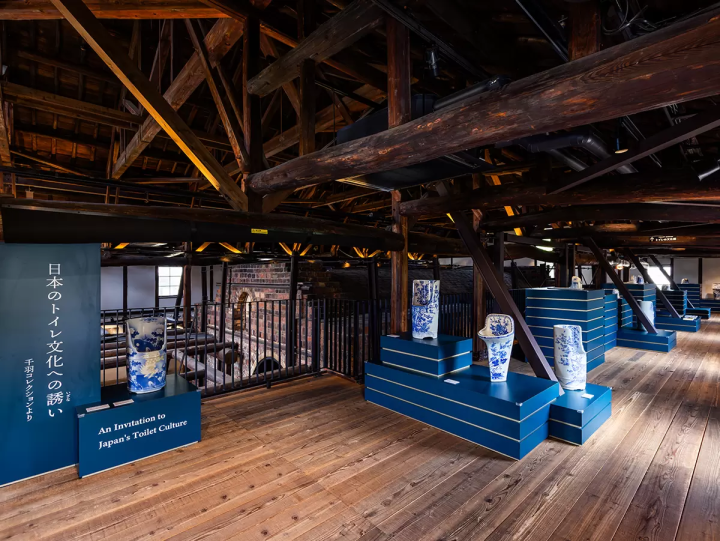
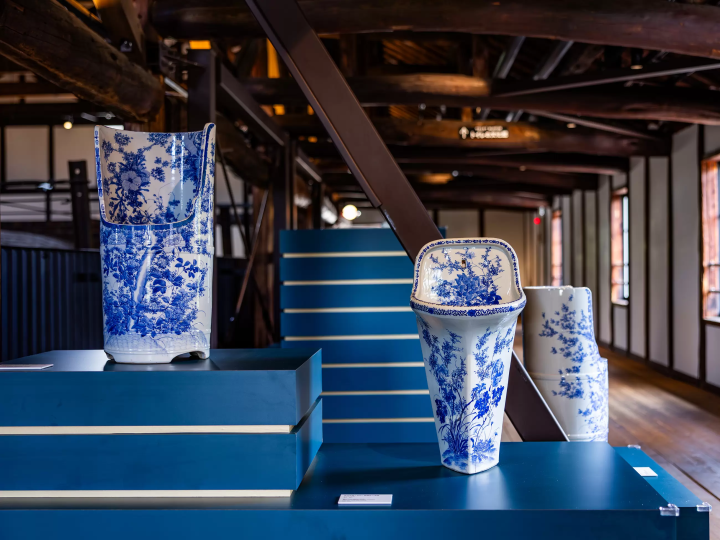
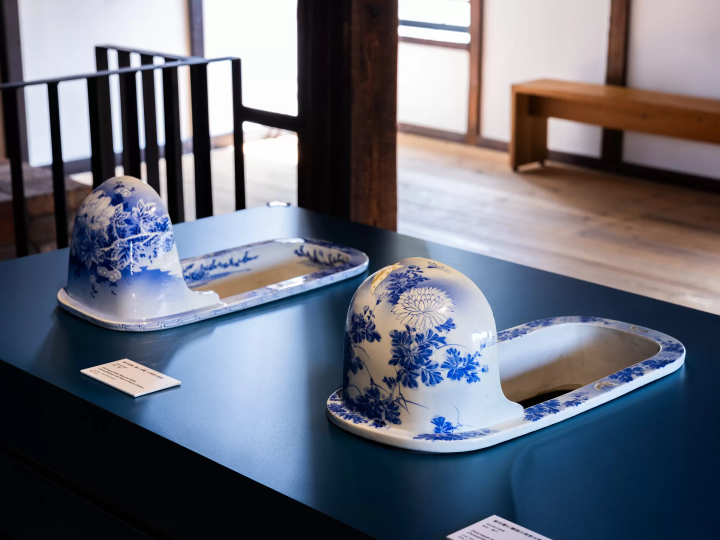
Japanese toilets are attracting attention from around the world for both their cleanliness and technology. Come see their evolution and experience the Japanese spirit and skill that has led to the pursuit of cleanliness and purity in toilets.
A unique souvenir "Toilet Monaka"
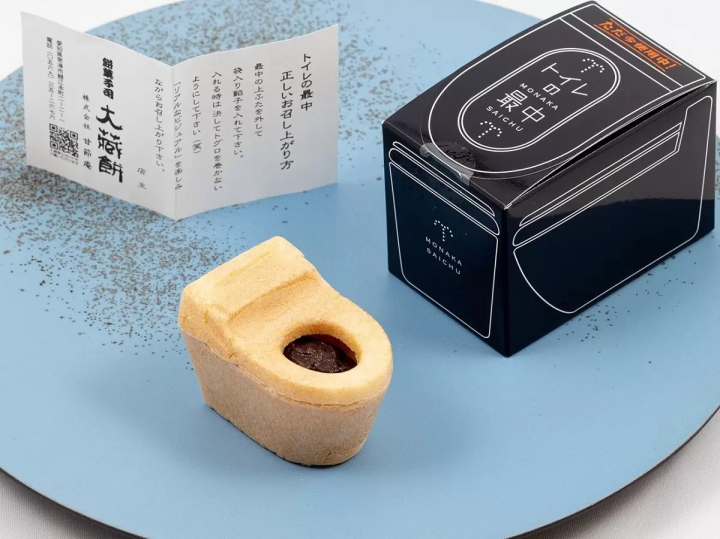
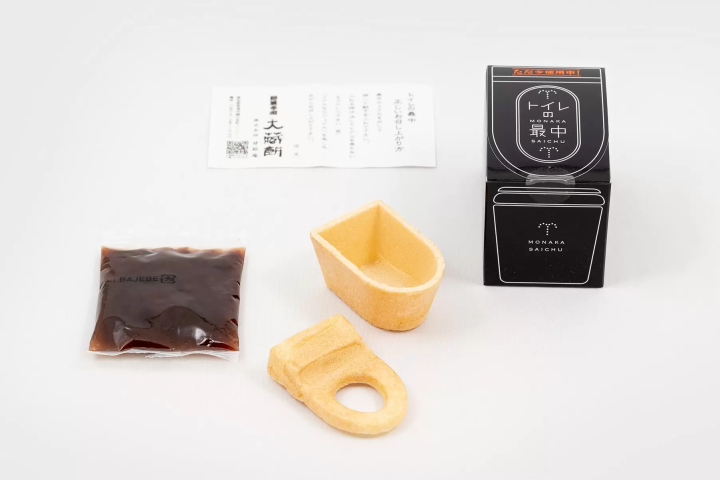
"Toilet Monaka" is a Japanese confectionery created in collaboration between the LIXIL Enokido Factory and Tokoname Mochi, a long-established Japanese confectionery shop in Okura. This toilet-shaped Monaka confectionery is the most popular item at the museum shop! Enjoy filling the toilet-shaped Monaka skin with bean paste yourself. *Please be careful not to roll the bean paste up when filling it.
This delicious delicacy is also recommended as a unique souvenir from Tokoname, the city of Tokoname.
Facility Overview
Address: 1-130 Okueicho , Tokoname City, Aichi Prefecture Oku
TEL: 0569-34-8282
Closed: Wednesdays (open on public holidays), New Year's holidays
General admission fee (after April 17, 2025): Adults: 1,000 yen, Students: 800 yen, Junior and Senior High School Students: 500 yen, Elementary School Students: 250 yen
https://livingculture.lixil.com/ilm/
Access
◆Public transportation
・Nearest station: Tokoname Station on the Meitetsu Line (approximately 25 minutes on foot)
・Bus: From Tokoname Station on the Meitetsu Line or Chubu Centrair International Airport, take the Chita Bus bound for Chita Station
2 minutes walk from " INAX MUSEUMS"
◆ Car (free parking for 80 cars)
・10 minutes from Chubu Centrair International Airport
INAX MUSEUMS is a museum of clay and pottery located in Tokoname City, Aichi Prefecture, one of the six ancient kilns of Japan. As the word "Live" in the museum's name suggests, the facility offers dynamic activities that allow children to have fun, learn, and play using all five senses. The lush outdoor spaces scattered across the six buildings change appearance with the seasons, making your time here a pleasant one. With exhibitions, workshops, and more, new discoveries and surprises await you every time you visit. Please enjoy your encounter with clay, pottery, and the history, charm, and joy of craftsmanship.
The contents on this page may partially contain automatic translation.


Special Features
More






![[Mie] TOBA SEASIDE HOTEL Dining Guide | Popular Buffet & Seasonal Menu Introduction](https://resources.matcha-jp.com/resize/720x2000/2026/05/11-263832.webp)
![[80 minutes by train from Kyoto ] Experience the countryside in Fukuchiyama City , Kyoto Prefecture , a special place only locals know about](https://resources.matcha-jp.com/resize/720x2000/2025/12/19-253414.webp)