Japan’s Northernmost Hot Spring! Toyotomi Onsen Guide: Unique Oil Baths, Day Trips & Top Hotels
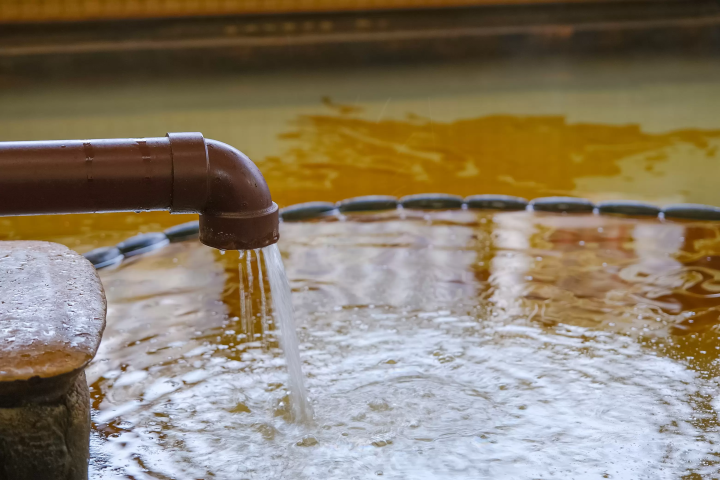
Discover Toyotomi Onsen, the only hot spring in Japan infused with natural oil. Located just a 45-minute drive from Wakkanai Airport in Hokkaido, this is Japan's northernmost hot spring village. In this guide, we explore the history and health benefits of this rare "oil bath," along with the best spots for both day-trip visitors and overnight guests.

Written by
National hot spring resorts are designated by the Minister of the Environment under the Hot Springs Act as healthy hot spring resorts where the benefits of hot spring use are expected to be sufficient. 79 hot spring resorts have been designated nationwide (as of October 2024). National hot spring resorts are selected based on the following criteria. 1. Conditions regarding the quality and volume of hot spring water (1) The source of the hot spring water used must be a therapeutic spring. (2) The hot spring water used must have an abundant volume of water. The standard volume of water flow must be 0.5 liters per minute or more per hot spring user. 2. Conditions regarding the environment of the hot spring resort (1) The hot spring is suitable as a resort from the perspective of the natural environment, townscape, history, climate, culture, etc. (2) A plan for the placement of doctors who can provide guidance on proper hot spring use and health management from a medical perspective, or a plan for the placement or training policy of personnel who can provide guidance on bathing methods, etc. in cooperation with the doctors, must be established. (3) Appropriate efforts will be made to protect hot spring resources, manage the hygiene of hot springs, promote public use of hot springs, and take into consideration the elderly and disabled, etc. (4) Enhanced efforts to prevent disasters.
This service includes sponsored advertisements.
Please also check out this article for more information on the gourmet food and tourist spots of Toyotomi Onsen.
-
Table of Contents
- A Bucket List Onsen: Discover the Rare Oil Springs of Toyotomi
- 3 Best Spots for Day Trips to Fully Enjoy Toyotomi Onsen
- Kawashima Ryokan: A Historic Base for Your Journey Founded in 1927
- Access to Toyotomi Onsen
A Bucket List Onsen: Discover the Rare Oil Springs of Toyotomi
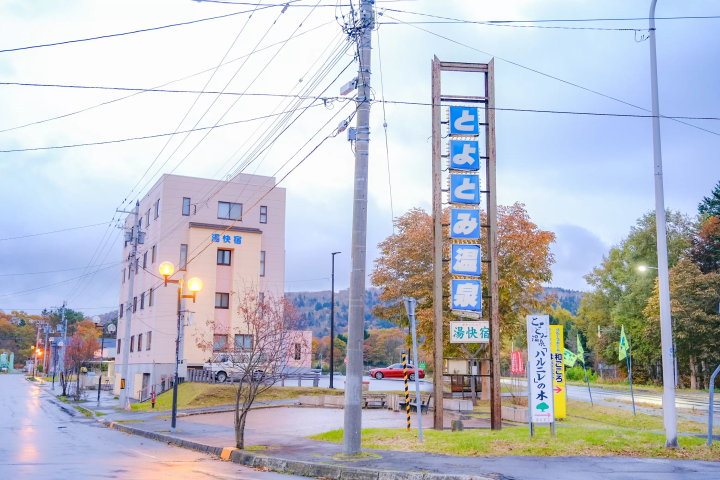
About 40 minutes by car from Wakkanai Airport, the northernmost airport in Japan, Toyotomi Onsen, which opened in 1926, is located in a landscape filled with greenery.
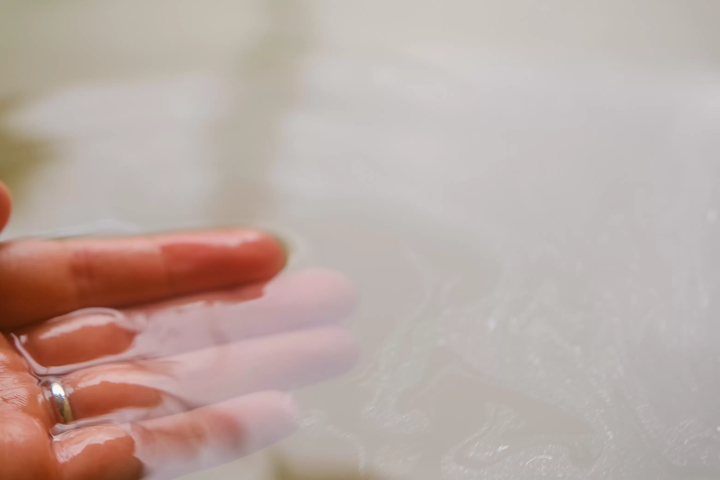
Toyotomi Onsen is a rare hot spring that was discovered by chance during oil exploration. Hot water erupted along with natural gas, and the hot spring still contains oil.
Hot springs with oil in the water are extremely rare, with only one in Japan and only two in the world.
The slightly alkaline, hypertonic water is cloudy yellow due to the oil content, and gives off a relaxing petroleum scent. The soft, gentle spring water will help relieve your body's fatigue.
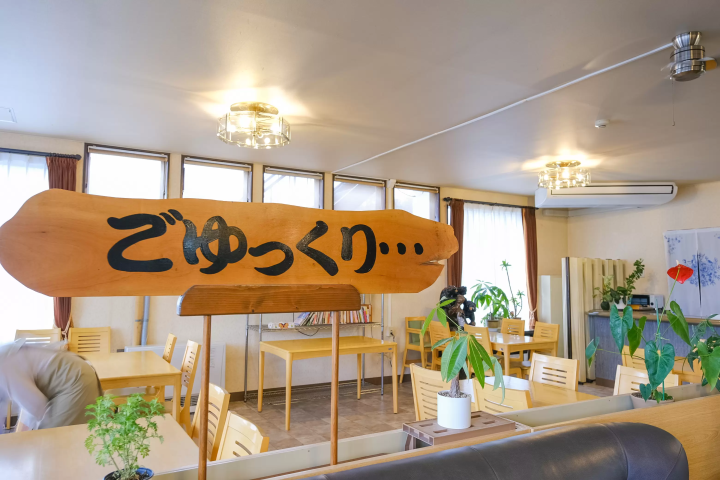
Toyotomi Onsen was also designated as a " National Hot Springs Resort " in 1992. Within the hot spring village, there are also hot spring inns where you can cook your own meals and stay for long periods of time.
It is famous for its effectiveness in treating skin conditions such as atopic dermatitis and psoriasis, and many people come from all over the country to take advantage of the hot springs. It is also known as the northernmost hot spring resort in Japan, and is a famous hot spring that hot spring lovers should visit at least once in their lifetime.
3 Best Spots for Day Trips to Fully Enjoy Toyotomi Onsen
Toyotomi Town has a variety of day-trip hot spring facilities that can be used for a variety of occasions. Be sure to check the prices and opening times and incorporate them into your travel schedule.
Hotel Toyotomi: Enjoy saunas and hot springs at the same time
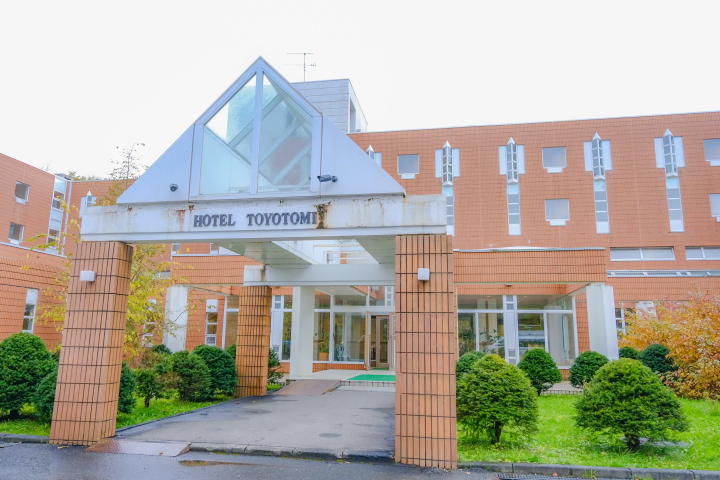
For those who want to fully enjoy Toyotomi Onsen, we recommend Hotel Toyotomi, where you can also enjoy the sauna on a day trip. Toyotomi Onsen has a low source temperature and uses the Toyotomi Onsen water as a natural cold water bath for the sauna.
The large public bath at Hotel Toyotomi has a unique semicircular shape, and the glass windows allow plenty of sunlight to stream in. The bath is equipped with three types of hot springs: hot spring, boiled fresh water, and cold water for the sauna, and you can enjoy the different temperatures of each.
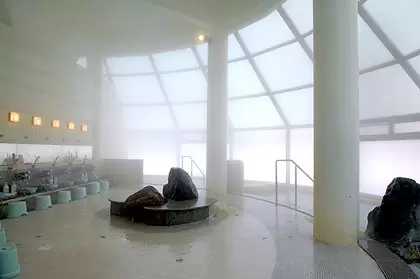
When you enter the bath, the first thing that greets you is the fragrant smell of the hot spring. The fresh scent, reminiscent of cypress, is said to be unique to Toyotomi Onsen, which contains oils. The relaxing scent and the warm steam will quickly get you in the hot spring mood.
"Fresh boiled water" is the perfect temperature for warming the body. The water has a gentle, slightly viscous texture that makes you want to pour it over your body multiple times. Just a few minutes in the water will moisturize your skin and keep your body warm.

The "hot spring" and "cold sauna water," set at around 39-42 degrees, are perfect for enjoying together with the sauna. Toyotomi Onsen's only sauna room is loved by both locals and tourists alike.
At Hotel Toyotomi, you can enjoy luxurious hot spring water straight from the source in all of the baths.
Day-trip bathing is available from 11:00 to 20:00, with the last admission at 19:30. Bathing costs 600 yen for adults and 300 yen for children. It's a great spot to enjoy Toyotomi Onsen casually, as well as stay overnight.
Hotel Toyotomi
 1510-2 Kamisarobetsu, Toyotomi Town, Teshio District, Hokkaido 098-413...
This hotel has the most guest rooms in Toyotomi Onsenkyo.
It offers both overnight stays and day-trip bathing, and is the only hotel in the hot spring resort with a sauna.
1510-2 Kamisarobetsu, Toyotomi Town, Teshio District, Hokkaido 098-413...
This hotel has the most guest rooms in Toyotomi Onsenkyo.
It offers both overnight stays and day-trip bathing, and is the only hotel in the hot spring resort with a sauna.
"Fureai Center" where you can enjoy hot springs at two different temperatures
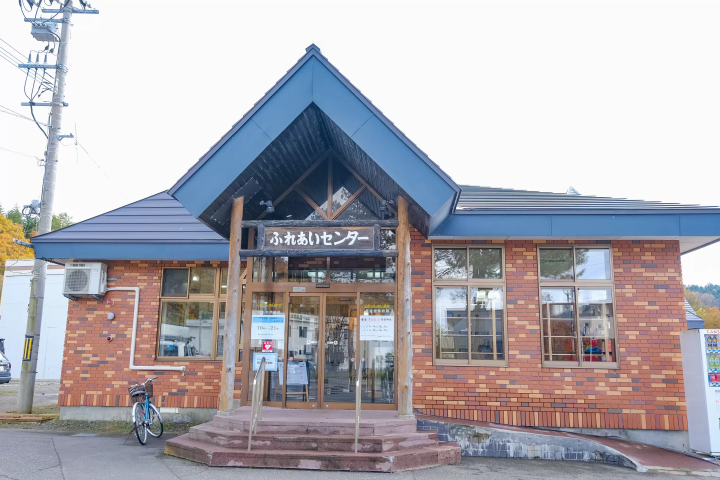
The Fureai Center is located in the center of Toyotomi Onsenkyo, a hot spring facility operated by Toyotomi Town.
The Fureai Center is unique among municipal hot spring facilities across the country in that it offers hot springs at two different temperatures. One is a low-temperature hot spring known as "Toji-yu," which is about 38-39 degrees Celsius.
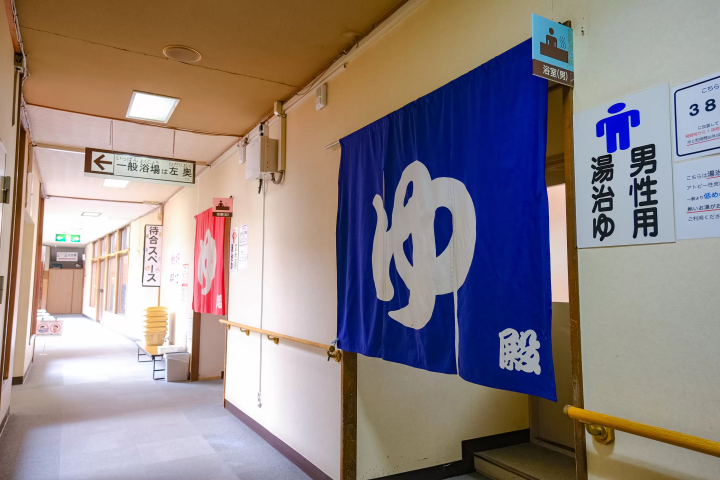
A vestige of Toyotomi Onsen's history as a therapeutic hot Toyotomi Onsen resort, the lukewarm waters of the "therapeutic hot springs" are still in use today. The water is heated every morning, and hot spring oil is added to the men's bath.
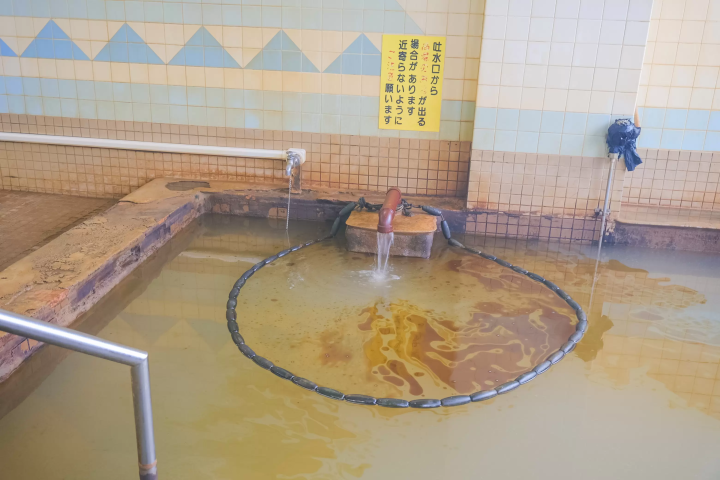
The rope is used to prevent the oil from spreading all over the bathtub at once. By spreading the oil slowly throughout the bathtub, it prevents uneven distribution of the oil.
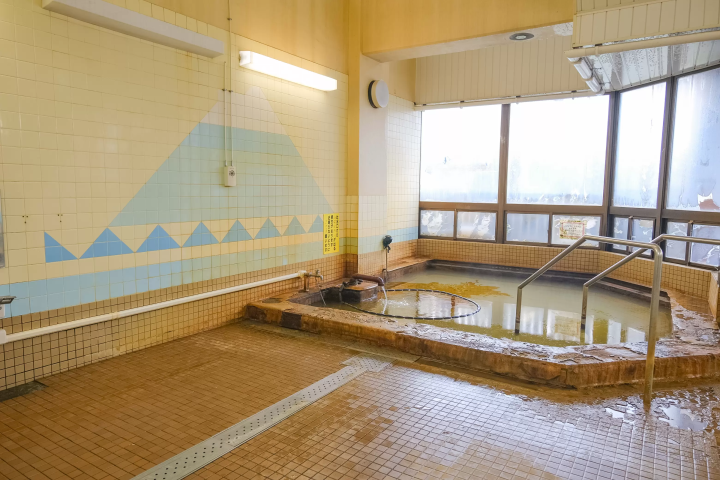
The warm "therapeutic bath" is a space where you can relax by soaking up to your shoulders, even in the summer. Perhaps because the temperature is close to body temperature, your body feels lighter while bathing, and you feel a comfortable sensation like you're in zero gravity.
The other hot spring is the "General Bath" which opened after the "Tojiyu" bath. This bath is recommended for those who prefer hotter water than the "Tojiyu" bath.
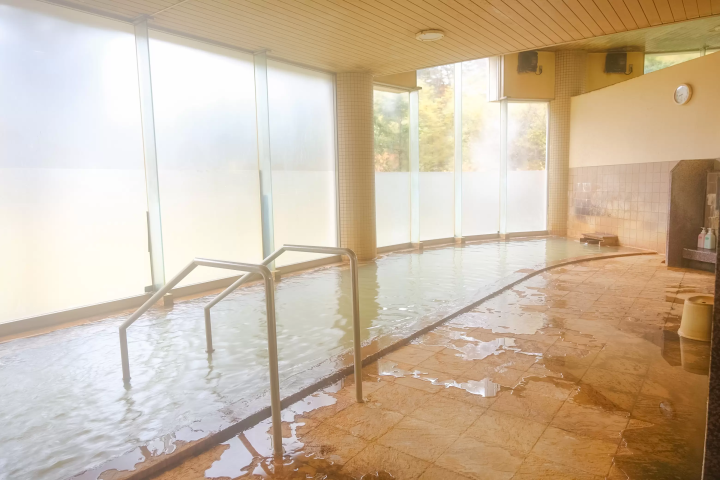
The public bath, which is larger than the therapeutic bath, is perfect for first-time visitors. The entire window is made of glass, allowing you to enjoy Toyotomi Onsen in an open atmosphere.
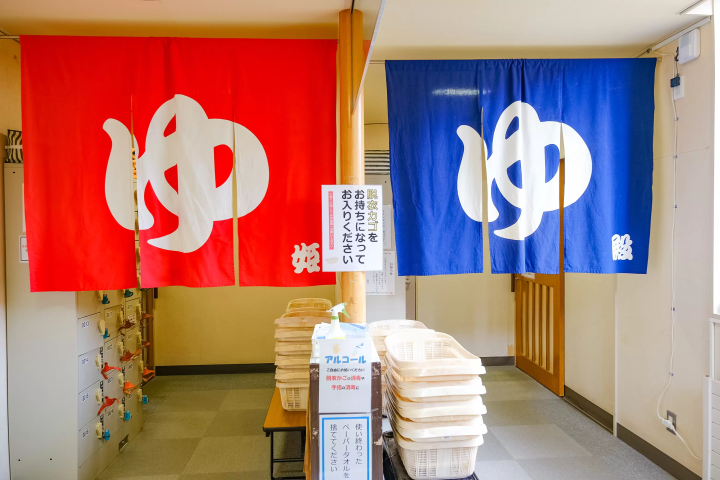
For day trips, you can enjoy both hot springs for 510 yen for adults and 250 yen for children. You can bathe twice a day, so you can take a bath in the morning, enjoy sightseeing or activities, and then bathe again in the evening. If you want to make the most of your time while sightseeing, be sure to check it out.
Municipal Day-use Hot Spring Facility “Fureai Center”
 hot spring, Teshio Toyotomi Town District, Hokkaido, 098-4132
A bathing facility operated by Toyotomi Town.
One bathing fee allows you to take two baths in one day.
hot spring, Teshio Toyotomi Town District, Hokkaido, 098-4132
A bathing facility operated by Toyotomi Town.
One bathing fee allows you to take two baths in one day.
New Onsenkaku Hotel : Enjoy daytime bathing in the early morning and late at night
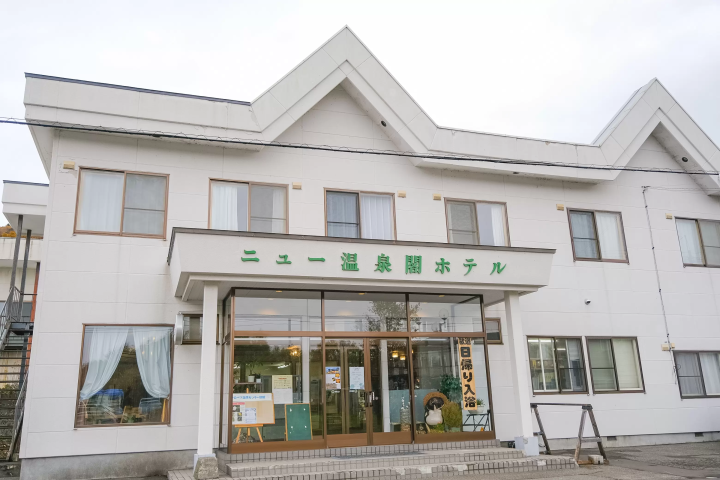
Just a minute's walk from the Fureai Center is the New Onsenkaku Hotel, which opened in 1989. Here you can enjoy the hot springs in the early morning and at night.
Daytime bathing hours are 7:00-8:30 and 13:00-21:00, so you can enjoy an early morning bath on a day trip, or simply drop in after activities or sightseeing, as well as staying overnight.
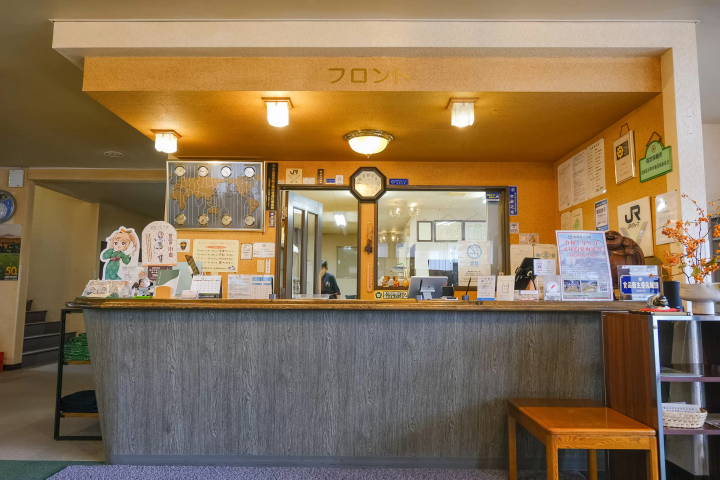
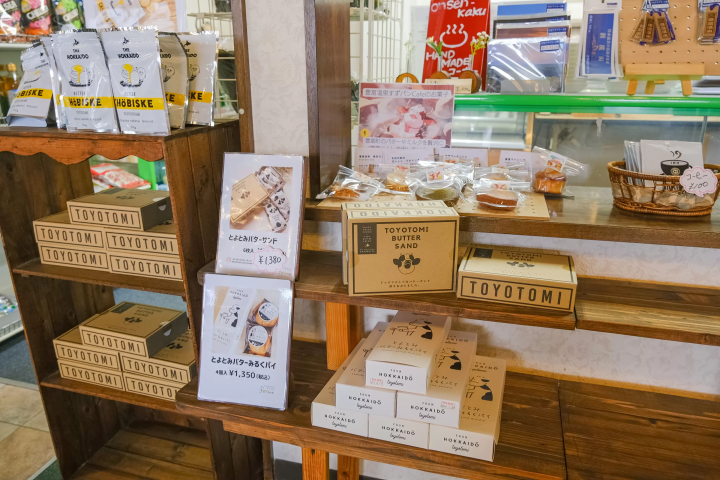
When you enter the hotel, you will be greeted by a nostalgic reception desk and a shop filled with local specialties.
Feeling excited, I checked in and it was time to take a bath.
The indoor bath is heated every day to a comfortable temperature and is a luxurious free-flowing hot spring. You will be greeted by the warm steam and the soothing scent of oil, allowing you to enjoy a relaxing and blissful time.
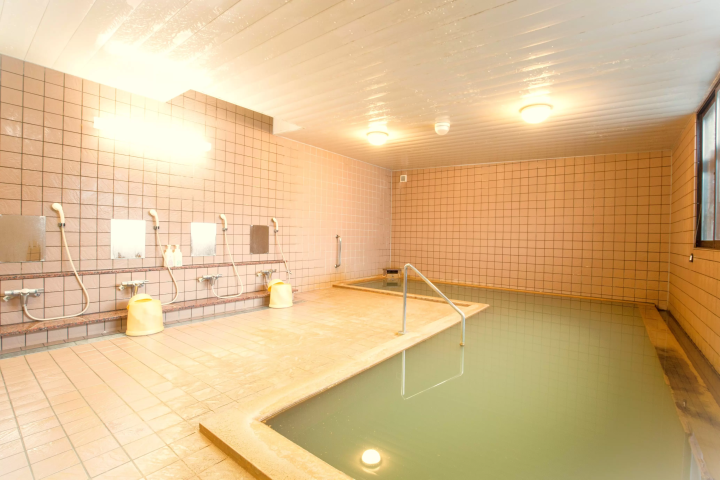
The calming tiled bathroom is perfect for quietly closing your eyes and resting your body and mind. I enjoyed the ultimate relaxation while watching the hot spring minerals floating in the murky brown and yellow water.
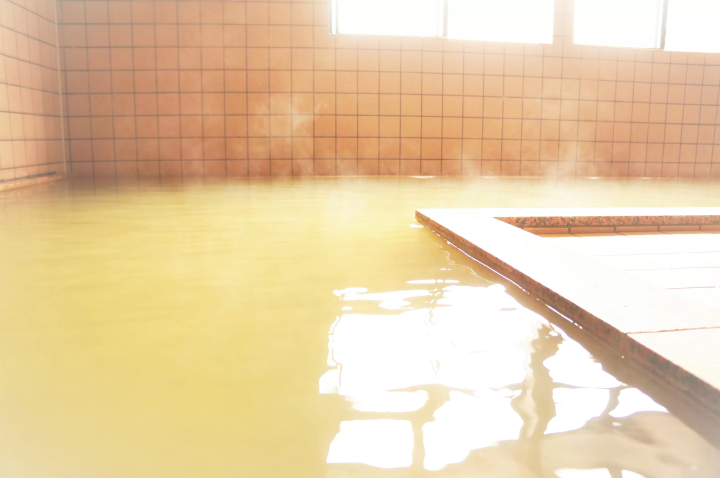
The special spring water, which contains crude oil and natural gas, has a high penetration rate into the skin, and has many beneficial effects for those with skin problems. You'll be surprised at how moist and soft your skin will feel after bathing.
New Onsenkaku Hotel
 hot spring, Teshio Toyotomi Town District, Hokkaido, 098-4132
A hotel where you can take a day trip to the baths in the early morning or late at night.
The nostalgic reception desk will make you feel like you've traveled back in time to the Showa, and the indoor baths allow you to stretch out your arms and legs in comfort.
hot spring, Teshio Toyotomi Town District, Hokkaido, 098-4132
A hotel where you can take a day trip to the baths in the early morning or late at night.
The nostalgic reception desk will make you feel like you've traveled back in time to the Showa, and the indoor baths allow you to stretch out your arms and legs in comfort.
Kawashima Ryokan: A Historic Base for Your Journey Founded in 1927
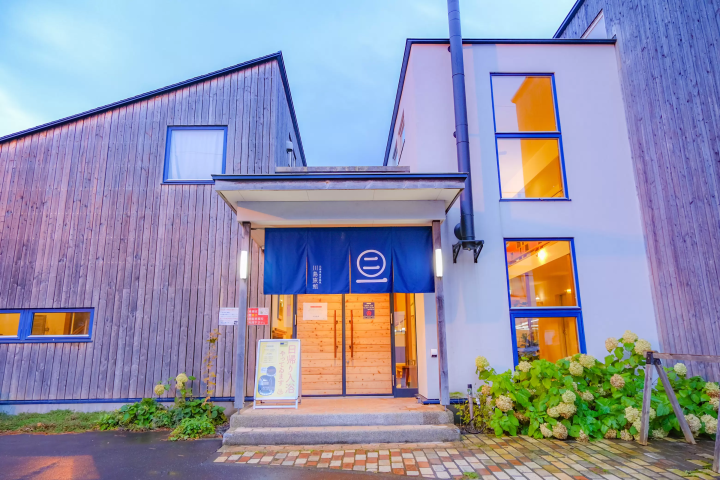
Kawashima Ryokan in the Toyotomi Onsen area, is recommended for both day trips and overnight stays. It opened in 1927, one year after Toyotomi Onsen was discovered.
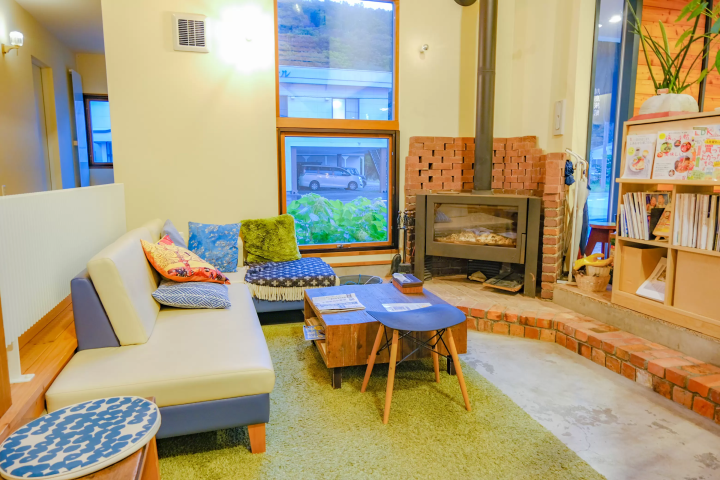
Completely renovated in 2016, this inn boasts a sophisticated wood-style atmosphere. It is an inn that can be easily used for various travel styles, from solo travelers to couples, groups of friends, and families.
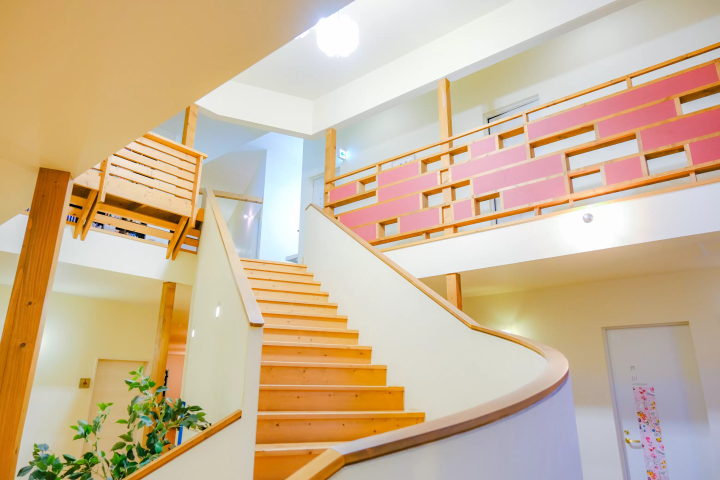
When you open the door to the inn, you'll be greeted by a grand staircase leading to the second floor and a homey front desk. They also sell original scones, after-bath puddings, and flavored butter, making them perfect for souvenirs.
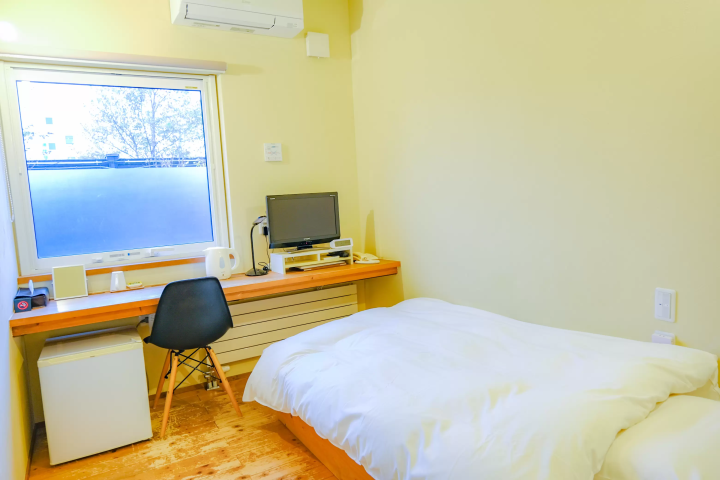
This time I stayed in a single room. The wooden floor makes you want to walk barefoot, and the pleasant scent of natural wood fills the air, creating a comfortable atmosphere that makes it feel like a hideaway for adults.
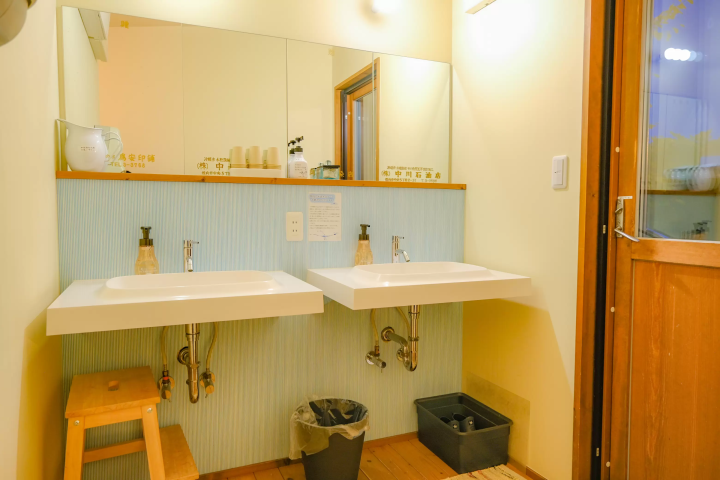
The toilets and washrooms were shared, with one on the first floor and one on the second floor.
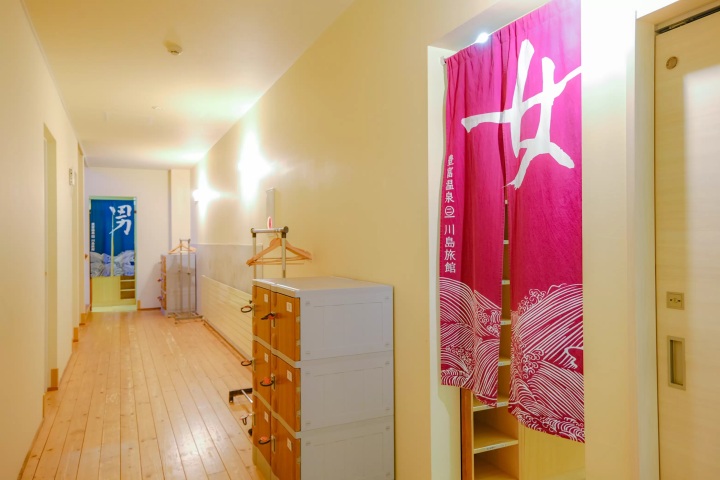
The baths, which are the highlight of the stay, are open until 10:00 the next morning. For day trips, they are open from 1:00 PM to 8:00 PM (last entry at 7:30 PM).
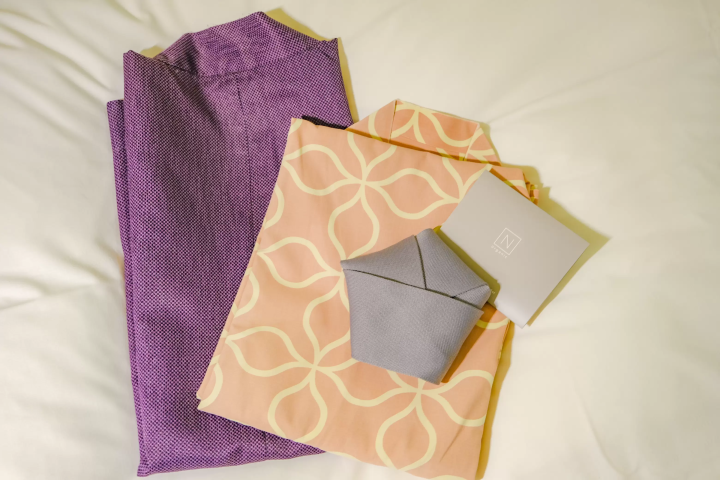
I brought my yukata and bath towel from my room and got in the bath.
Opening the door, a modern stone bathtub comes into view, accompanied by rising steam. The space, decorated with indirect lighting and featuring a black theme, gives off a sophisticated impression that changes the image of hot springs to what we have come to expect.
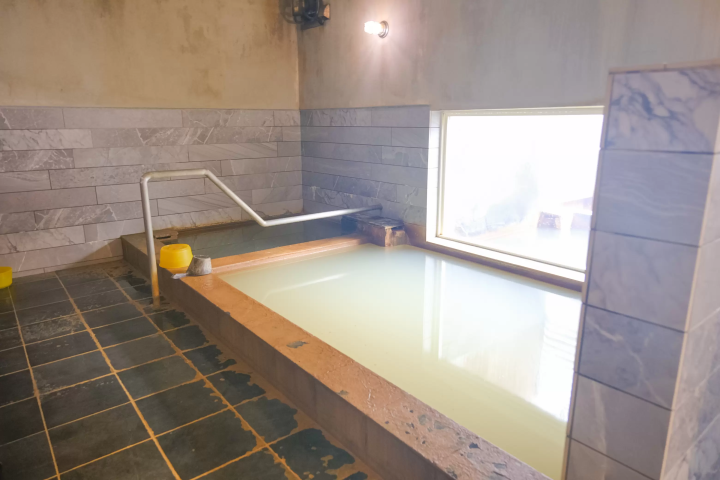
After thoroughly washing my body, I soaked in the hot spring, feeling the comfortable temperature of the water slowly relieving the fatigue of the day. Brown mineral deposits were floating in the water here and there, and I could really see why it was called an "oil bath."
At Kawashima Ryokan, you can also enjoy the only open-air bath in Toyotomi Toyotomi Onsen. Why not enjoy a luxurious bath while being soothed by the sounds of the swaying trees and the wind?
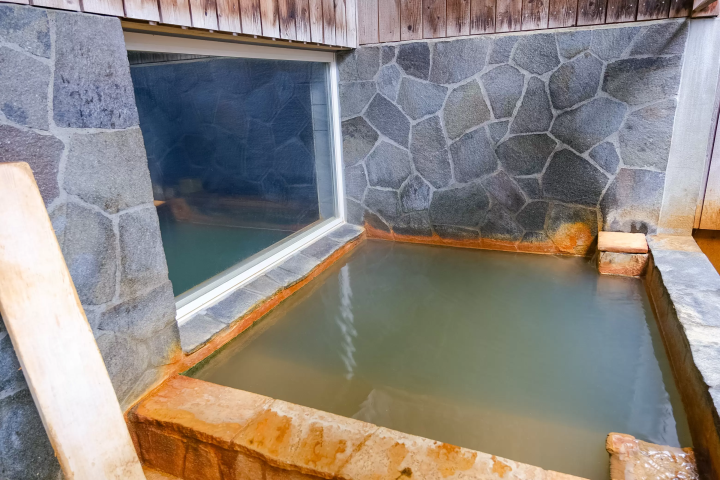
The open-air bath can be reserved for private use at certain times. If you stay in a deluxe room in the hotel, you can bathe in the private open-air bath directly from your room.
The long-awaited dinner will be served in the dining room in a course format.
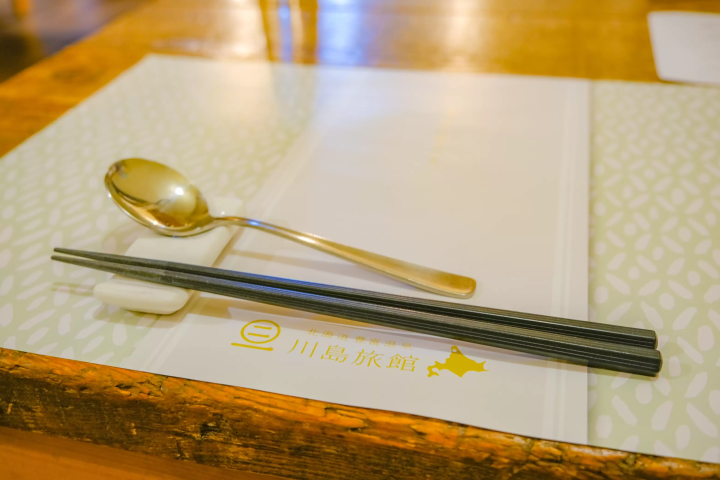
Kawashima Ryokan welcomes chefs who have trained at Japanese restaurants and uses an abundance of ingredients from Hokkaido to create a variety of gourmet dishes that can only be enjoyed here.
When making a reservation, you can choose from three courses: the "All-Butter Plan," which offers plenty of high-quality butter, the "Chef's Choice Plan," which is packed with the bounty of Hokkaido, or the hearty "Business Plan." This time, we had dinner with the "Business Plan," the menu of which changes every time you visit.
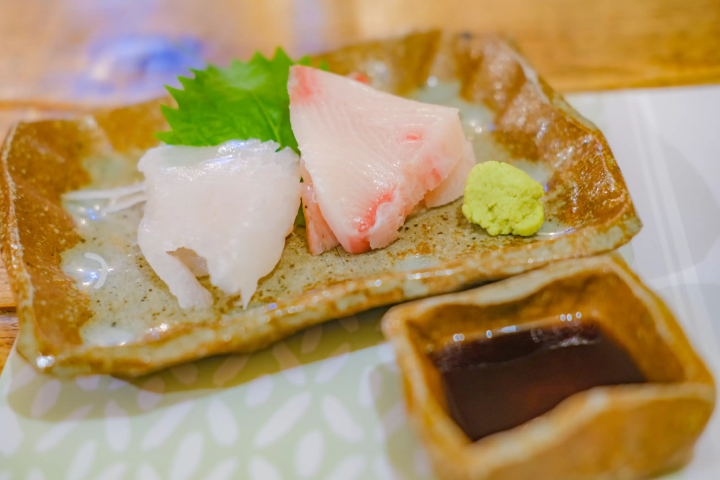
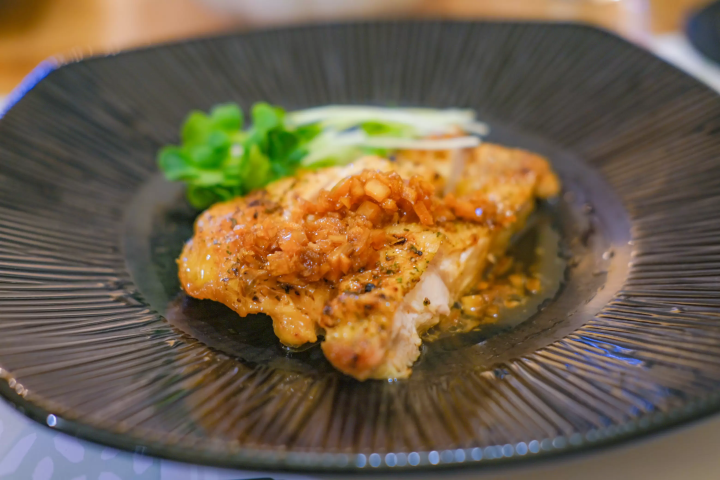
You'll be satisfied with a variety of delicious dishes, including yellowtail with its exquisite melting fat, deep-fried pufferfish with its crispy batter and fluffy flesh, and roast chicken with its moist meat complemented by a fragrant sauce.
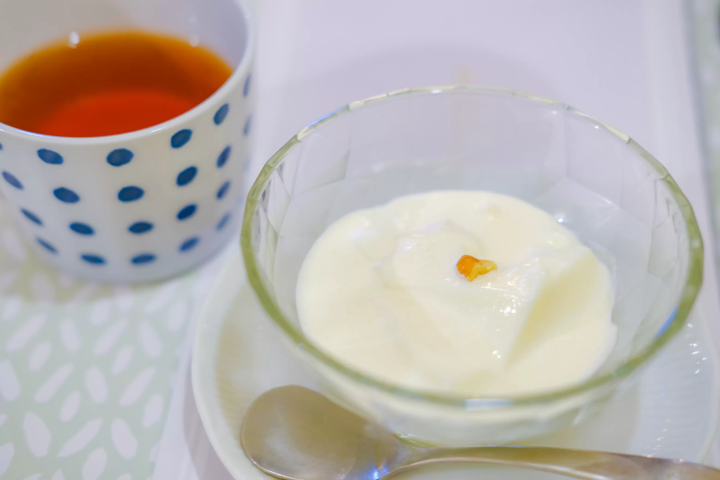
To finish off the meal, we had Kawashima Ryokan's special "After-Bath Pudding." Its gentle sweetness and rich flavor make you want to eat it every day, filling your mouth with a delicious taste that once again brings home the bounty of Hokkaido.
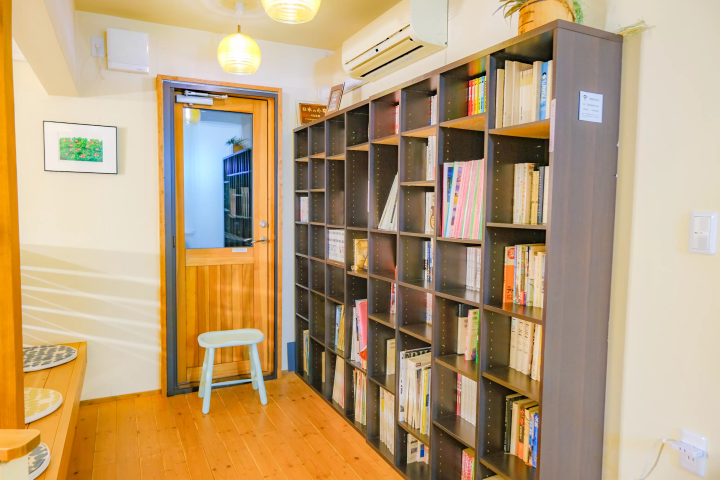
Once your stomach and soul are satisfied, you can chat in the shared space on the first floor, or retreat to your room and read a book. Enjoy your time in the leisurely Toyotomi Toyotomi Onsen.
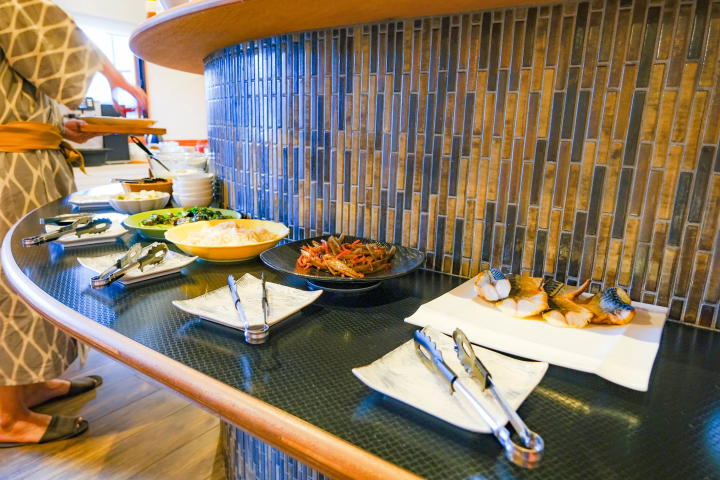
The breakfast menu is a daily changing buffet, packed with delicious dishes such as pickles, stir-fried vegetables, and salads made from scratch.
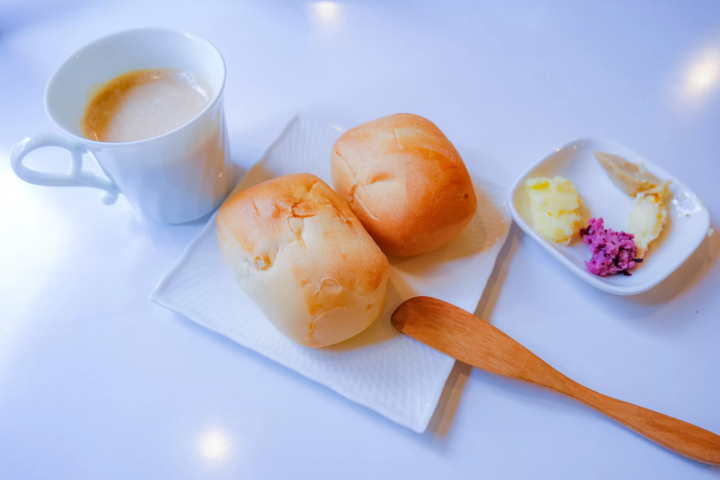
A Japanese breakfast of white rice and miso soup is good, but if you're staying at Kawashima Ryokan, why not try their original "flavored butter"?
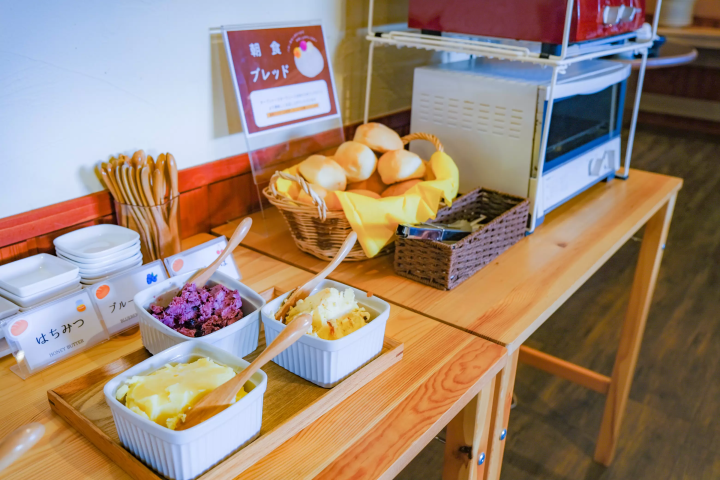
Flavored butter is a blissful blend of salty butter and flavors such as honey, salmon, and truffle. If you find your favorite, you can purchase it at the front desk.
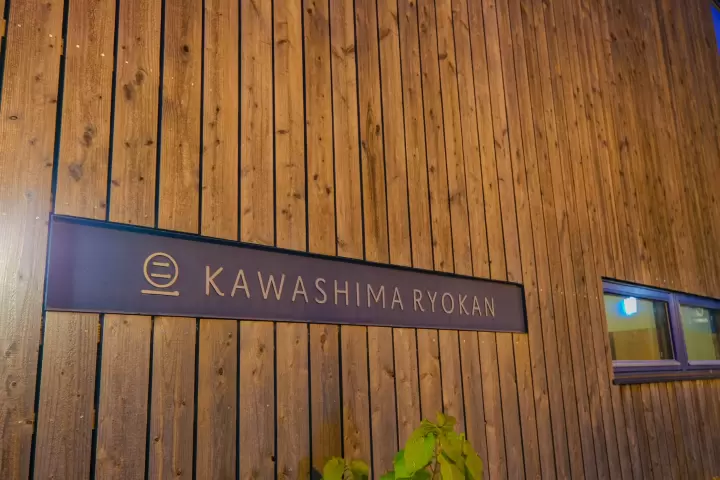
Kawashima Ryokan is the perfect inn for those who want to enjoy a satisfying hot spring cure and recharge their mind and body. Why not try it out and experience the comfort that will make you want to return again and again?
Kawashima Ryokan
 Onsen, Toyotomi Town, Teshio District, Hokkaido, 098-4132 (1988-65 Ka...
Opened in 1927, this is the oldest inn in Toyotomi Onsen. It boasts a stone-made indoor bath and the only open-air bath in Toyotomi Onsen.
Onsen, Toyotomi Town, Teshio District, Hokkaido, 098-4132 (1988-65 Ka...
Opened in 1927, this is the oldest inn in Toyotomi Onsen. It boasts a stone-made indoor bath and the only open-air bath in Toyotomi Onsen.
Access to Toyotomi Onsen
There are two ways to get to Toyotomi Onsen: by rental car or by public transportation.
Accessibility varies depending on the season, purpose of sightseeing, and number of people, so we will introduce it in detail.
Rental car use
If you are planning to rent a car, it is best to first go to Wakkanai Airport. There are several rental car shops near Wakkanai Airport, so make sure to reserve a car at your preferred shop.
It takes about 40 minutes by car from Wakkanai Airport to Toyotomi Onsen. However, there is snowfall from November to April every year, so those who are not used to driving on snowy roads should be careful.
Renting a car is recommended for those who want to sightsee freely without time constraints, or for those traveling in large groups.
Traveling by public transport
If you are using public transportation, you can access the area from either Wakkanai Airport or New Chitose.
If you are departing from Wakkanai Airport, take the airport bus to JR Wakkanai Station, which takes about 30 minutes.
From there, take the JR line to Toyotomi Station, which takes about 45 minutes. Finally, take the Engan Bus from JR Toyotomi Station, which takes 10 minutes, to Toyotomi Onsen. The journey takes about an hour and a half, depending on connections.
If you are coming from New Chitose, take the JR line to Sapporo Station. From Sapporo, take the direct Engan Bus Express Haboro, which will take you there in about five hours.
Alternatively, you can take the JR Soya Main Line to JR Toyotomi Station and transfer to a Engan Bus to get to Toyotomi Onsen.
Using public transportation is a recommended means of transportation for those planning to stay at Toyotomi Onsen spring therapy.
National hot spring resorts are designated by the Minister of the Environment under the Hot Springs Act as healthy hot spring resorts where the benefits of hot spring use are expected to be sufficient. 79 hot spring resorts have been designated nationwide (as of October 2024). National hot spring resorts are selected based on the following criteria. 1. Conditions regarding the quality and volume of hot spring water (1) The source of the hot spring water used must be a therapeutic spring. (2) The hot spring water used must have an abundant volume of water. The standard volume of water flow must be 0.5 liters per minute or more per hot spring user. 2. Conditions regarding the environment of the hot spring resort (1) The hot spring is suitable as a resort from the perspective of the natural environment, townscape, history, climate, culture, etc. (2) A plan for the placement of doctors who can provide guidance on proper hot spring use and health management from a medical perspective, or a plan for the placement or training policy of personnel who can provide guidance on bathing methods, etc. in cooperation with the doctors, must be established. (3) Appropriate efforts will be made to protect hot spring resources, manage the hygiene of hot springs, promote public use of hot springs, and take into consideration the elderly and disabled, etc. (4) Enhanced efforts to prevent disasters.
The contents on this page may partially contain automatic translation.
Special Features
More