Ski/Snowboard Packing List | What you can and can't buy at convenience stores

The day before you head out skiing or snowboarding, you often find yourself panicking, wondering, "I don't have that item!" or "Where can I buy it?" Japanese convenience stores have a wide selection of products, so you can often find the items you need. In this article, we'll introduce how to buy things locally and some things to keep in mind.
Written by
Orion Tour's domestic travel is all about snowboarding and skiing! We offer a variety of access options, including morning and evening bus plans that allow you to easily depart from the Tokyo metropolitan area, as well as plans by Shinkansen or personal car. We also offer great value accommodation packages that include lift tickets and easy day trips, so everyone from beginners to advanced skiers can enjoy the slopes with peace of mind.
This service includes sponsored advertisements.
Ski/Snowboard Packing List | Basic Information for Buying at Convenience Stores

We've put together some important points to keep in mind when purchasing ski and snowboard related items at convenience stores in Japan. Please use this as a reference when shopping before you leave or while traveling.
Most convenience stores in Japan are open 24 hours a day
Many of Japan's major convenience stores (Seven-Eleven, Lawson, and FamilyMart) are open 24 hours a day, meaning you can shop even late at night or early in the morning. This is convenient for travelers as you can stock up on essentials while traveling.
However, there are some things to keep in mind. Stores in mountainous areas may not be open 24 hours, and it is not uncommon for ski resorts to have no convenience stores nearby. If you plan to arrive late at night, it is safer to stock up on the things you need in the city first.
Prices are a little higher than at ski specialty stores
Products at convenience stores tend to be more expensive than those at ski shops or online stores, so while they offer convenience, it's good to understand that prices will be a little higher.
It is suitable for purchases when you need something urgently or want it now. If you have time, it is more economical to combine it with specialty stores and rentals.
Product lineup varies by store
Each convenience store has a different selection of items, so you may not always be able to buy the same products. Large stores in urban areas have a large stock of innerwear and other items, but smaller stores may have limited sizes.
Before heading to the ski resort, it's a good idea to check at a convenience store in town. You'll have a good chance of finding the items you need, and there's a wide variety to choose from.
Ski and snowboard packing checklist
| category | item | Can it be purchased at a convenience store? |
| Cold weather gear and innerwear | High-performance innerwear and underwear | 〇 |
| Tights, leggings, thick socks | 〇 | |
| Cold protection gloves (for city use) | △ (depending on the store) | |
| Thin inner gloves | ✕ | |
| Neck warmers and scarves | △ (depending on the store) | |
| Face mask (balaclava) | ✕ | |
| Disposable hand warmers | 〇 | |
| UV and dryness protection | sunscreen | 〇 |
| Hand cream and lip balm | 〇 | |
| sunglasses | △ (depending on the store) | |
| Safety and First Aid | Bandages and painkillers | 〇 |
| Tissues and wet wipes | 〇 | |
| Disinfectant (mini bottle) | 〇 | |
| Useful goods and accessories | Mobile batteries and charging cables | 〇 |
| Towel and change of clothes (for when wet) | 〇 | |
| Pass cases and Ziploc bags | 〇 | |
| Essential items (rental recommended) | Skis and snowboards | ✕ |
| Ski wear and boots | ✕ | |
| Goggles, ski gloves, helmets | ✕ | |
| Maintenance | Goggle anti-fog, wax, and waterproof spray | ✕ |
| Edge adjustment tool | ✕ |
What you can buy at convenience stores
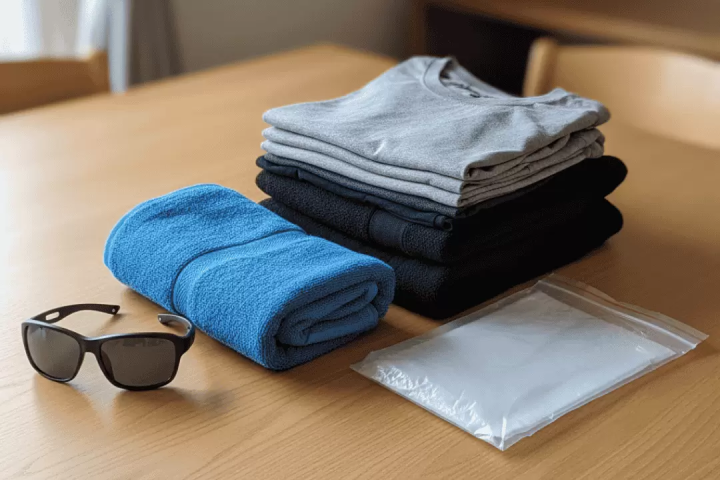
First, we'll introduce the items you can buy at convenience stores by category. Since inventory varies by store, not all convenience stores have the same products. Just keep that in mind.
Cold weather gear and innerwear | Stay comfortable even on snowy mountains
Many of the cold weather gear and innerwear that will keep you comfortable on snowy mountains can be purchased at convenience stores.
High-performance innerwear and underwear
High-performance innerwear with excellent heat retention and quick-drying properties helps maintain body temperature when worn under skiwear.
If you have a choice of material, it's best to avoid cotton, which takes a long time to dry when wet with sweat. Materials like wool and polyester absorb sweat and dry quickly, allowing you to stay comfortable throughout the day. If you sweat easily, it's convenient to have an extra layer of clothing to change into during breaks.
Tights, leggings, thick socks
Tights and leggings are essential items to keep your lower body warm. Your feet are especially susceptible to getting cold, so be sure to keep them well protected from the cold.
Thick socks not only increase the warmth inside your boots, but also help prevent pain caused by chafing. Choosing long socks that cover your calves will be more comfortable. It's a good idea to have multiple pairs of tights and socks in case they get wet from snow or sweat.
Face mask (balaclava)
A face mask (balaclava) is a great way to keep your face warm. It protects your cheeks and nose even on windy or snowy days, helping to keep your body temperature from dropping.
They are rarely sold at convenience stores, so if you need them, it's best to prepare them in advance. They may be available at ski resort shops, but they can be quite expensive.
cold weather gloves
Winter gloves can be used as a short-term alternative to ski gloves, and when combined with hand warmers, they can keep your hands even warmer.
However, the types of snowboards sold at convenience stores are thin, street-style snowboards that are not waterproof. They get wet quickly when they come into contact with snow, so keep in mind that they are not suitable for skiing.
If you plan to ski for a long time, it's a good idea to purchase special gloves at a sports goods store before heading to the ski resort.
Neck warmers and scarves
Keeping your neck warm has a big impact on how warm you feel. A neck warmer or scarf will help keep the wind out and help you maintain body temperature.
In bad weather such as a snowstorm, snow can get in through gaps in your clothing, so it's reassuring to have a type that covers your neck well. However, please note that some stores may not carry these types.
Disposable hand warmers
Disposable hand warmers are a standard item for keeping out the cold. There are two types: adhesive and non-adhesive, so you can choose the one that best suits your needs.
Heat packs that stick to your stomach or back will gently warm your body, while non-sticky types are convenient to put in your pocket to keep your hands warm. There are also small heat packs for your toes, so those who suffer from cold feet can put them inside their boots. Having several different types will allow you to use them according to the situation.
UV and dryness protection products | No need to worry about strong sunlight
Snowy mountains are characterized by strong ultraviolet rays and dry air. Products to protect your skin from these conditions can be purchased at convenience stores.
sunscreen
Snow reflects UV rays, so sunscreen is essential. At ski resorts at high altitudes, the amount of UV rays increases, so it's best to choose a sunscreen with an SPF of 50 or higher.
It easily comes off with sweat, so it's convenient to keep a reapplication bag in your pocket. Apply sunscreen to the high points of your face, such as your nose and cheekbones, as these are prone to sunburn.
Hand cream and lip balm
Snowy mountains tend to have a dry environment, so it's a good idea to bring hand cream and lip balm. Hands and lips are particularly susceptible to dryness and are prone to cracking.
If you choose a lip balm with UV protection, it will also protect you from UV rays. If you choose a small hand cream, it will be easy to put in your pocket and you can take care of your hands frequently.
sunglasses
Sunglasses can be used as an alternative to goggles and reduce glare caused by reflections from the snow.
However, availability at convenience stores varies. Also, unlike sports goggles, they do not have the functionality to block wind or snow, so they should only be considered as an emergency replacement.
Safety and First Aid Supplies | Prepare for emergencies
Items you need to prepare for injuries or illnesses can be purchased at convenience stores. It's a good idea to have them ready to use.
Bandages and painkillers (headache medicine, etc.)
Bandages are a must-have item for scrapes and scratches from falls and blisters from boots. If they come in multiple sizes, you can use them to suit the size of the wound.
Also, because you may become ill due to temperature changes and altitude changes, it's a good idea to prepare headache and cold medicine. If you have any medications you normally take, don't forget to bring them with you. It's also useful to have painkillers on hand to treat muscle pain and altitude sickness.
Tissues and wet wipes
Tissues are versatile items that can be used in many situations, such as when blowing your nose or wiping your hands before and after meals.
Pocket tissues can be easily stored in your clothing pocket and are easily accessible. Since you will need them at many times, it is convenient to have several on hand.
Disinfectant (mini bottle)
Sanitizer is not only useful for quickly cleaning injuries, but can also be used to disinfect your hands before meals, making it an essential item for anyone concerned about hygiene.
At convenience stores, it's a good idea to choose hand sanitizer that's easy to carry around.
Useful gadgets and accessories | Make your ski trip more comfortable
Even if they're not essential for skiing or snowboarding, items that will greatly improve your comfort can be easily purchased at convenience stores.
Mobile related goods (mobile batteries, charging cables)
Smartphones are often used for taking photos and as a means of communication, and the cold weather can cause the battery to drain faster.
A lightweight mobile battery will help prevent your device from running out of power. It's a good idea to have one along with a charging cable.
Clothing and belongings (towel, change of clothes, coin purse)
When skiing or snowboarding, you may get wet from sweat or falls. To avoid returning home wet, it's a good idea to bring a change of clothes, such as a T-shirt and underwear. You can purchase basic items at convenience stores.
Towels are useful not only for wiping sweat and hands, but also for wiping wet goggles and gloves. A coin purse is convenient when using lockers or vending machines, and if it's waterproof, you don't have to worry about it getting wet.
Other (pass cases, Ziploc bags, etc.)
Ziploc bags are useful for protecting your smartphone and other small items from getting wet. They are available in a variety of sizes at convenience stores, so choosing the right size for your belongings will make them easier to use. They are also convenient for temporarily storing wet gloves or face masks, so it's a good idea to have a few on hand.
If you have a pass case to put your lift pass in, you can reduce the risk of your paper lift pass getting wet and torn. However, most ski wear has a pocket for your lift pass, so you don't necessarily need a pass case. It's a good idea to have a spare one on hand for peace of mind.
Items that cannot be purchased at convenience stores

Many of the essential items and maintenance supplies needed for skiing and snowboarding are not sold at convenience stores. Most can be rented locally, with some requiring purchase at specialty stores.
Essential items | Use local rentals
It is common to rent the basic equipment needed to enjoy skiing or snowboarding at ski resorts.
Skis and snowboards
Skis and snowboards are essential items for skiing, but they cannot be purchased at convenience stores. The most common way to get them is to use a local rental shop.
Renting a rental makes travel easier as you don't have to carry your own equipment. Booking in advance can sometimes offer discounts and can make things go more smoothly on the day.
Ski wear and boots
Skiing and snowboarding require specialized waterproof and cold-weather clothing and boots, which are not sold at convenience stores, so it's convenient to rent them locally.
Size is important when it comes to clothing and boots, so try them on when you rent them to ensure a comfortable skiing experience. The fit of boots in particular is directly related to how easy it is to ski, so it's a good idea to consult with the staff beforehand when selecting your boots.
Goggles, ski gloves, helmets
Goggles are essential for protecting your eyes from wind and snow and ensuring visibility. Ski gloves are waterproof and warm, and also help prevent injury in the event of a fall. A helmet is an important item for protecting your head, and beginners should wear one for peace of mind.
Many ski resorts offer rentals for these items, but because they come into direct contact with the skin, some people choose to purchase them rather than rent them. It's best to check the ski resort's official website in advance to see if they offer rentals.
Maintenance items | Available at local stores or rented
Maintenance items for ski and snowboard equipment cannot be purchased at convenience stores. If necessary, please purchase them at local stores or specialty shops.
Goggle anti-fog, wax, and waterproof spray
Anti-fog goggles help maintain visibility, wax improves skiing, and waterproof spray keeps your clothing water-repellent.
These can be purchased at ski resort shops. Ideally, you should apply waterproof spray at home beforehand, but if you forget, you can buy it locally.
Edge adjustment tool
Sharpening and adjusting edges requires specialized tools and is generally done at a specialist shop.
If you are a beginner, you can rent skis locally and use well-maintained skis, so you don't need to prepare your own maintenance equipment.
Enjoy without having to bring anything! Orion Tour's ski plan
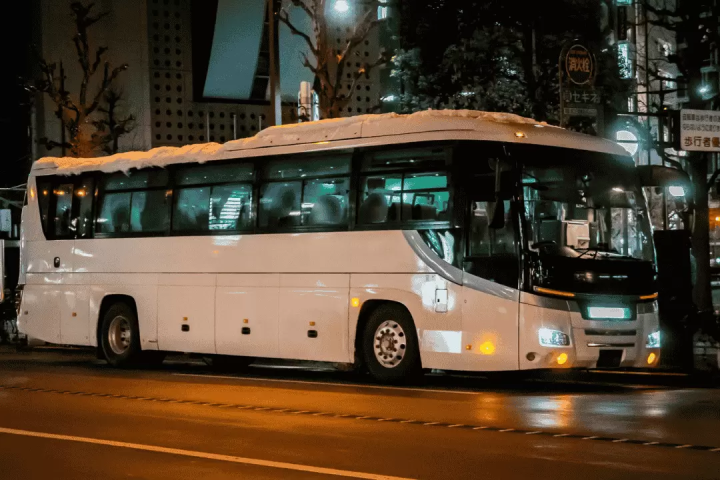
If you want to enjoy skiing and snowboarding without having to worry about your belongings, we recommend Orion Tour's one-day bus tour. The destination is Tambara Ski Park in Gunma Prefecture, and you'll have plenty of time to ski for about five hours.
The tour fee includes a lift ticket, rental equipment, and a voucher for ski wear, so even beginners who don't have their own equipment can participate with peace of mind. Another attractive feature is the wide variety of rental items available, allowing you to choose according to your preferences.
Furthermore, because English and Chinese guides accompany you, even those visiting a Japanese ski resort for the first time can enjoy themselves without worrying about language barriers. Another major benefit is that you don't have to carry heavy luggage like you would on a solo trip, so you can concentrate on skiing or snowboarding.
Tour details and reservations here
Enjoy skiing with a packing list and convenient convenience stores! Even more convenient with tours
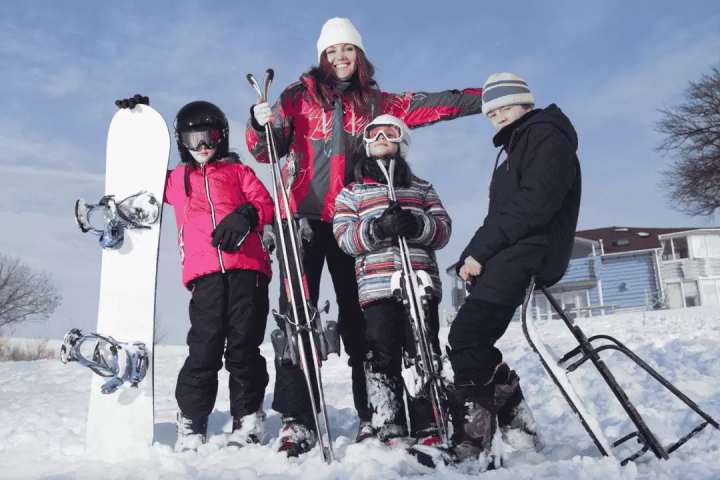
In this article, we have introduced a list of items you will need to bring when skiing or snowboarding, as well as what you can and cannot buy at convenience stores.
Japanese convenience stores are open 24 hours a day, making it easy to deal with sudden forgotten items. However, prices are somewhat high and stock varies by store, so it's best to prepare as much as possible in advance. Essential items such as skis and clothing cannot be purchased at convenience stores, so it's best to rent them locally.
To ensure you can enjoy skiing or snowboarding comfortably, please use this packing list as a reference. You can also make your ski trip even easier by joining a tour.
Orion Tour's domestic travel is all about snowboarding and skiing! We offer a variety of access options, including morning and evening bus plans that allow you to easily depart from the Tokyo metropolitan area, as well as plans by Shinkansen or personal car. We also offer great value accommodation packages that include lift tickets and easy day trips, so everyone from beginners to advanced skiers can enjoy the slopes with peace of mind.
The contents on this page may partially contain automatic translation.
Special Features
More