A Must for Gourmet Lovers! A 3-Day Itinerary of Nagoya’s Fermented Cuisine
We introduce a three-day travel itinerary to fully enjoy HAKKO (fermented) cuisine, starting from Nagoya Station. From local dishes to French restaurants and museums where you can learn about food history, this is the perfect trip for gourmet lovers!

Written by
Japanese HAKKO is the source of UMAMI. We'll introduce you to its little-known "secrets" and "charms" in detail! Nagoya, where a Shogun once ruled Japan, is famous for Nagoya Castle and Ghibli Park, but it is actually a treasure trove of food culture that produces "UMAMI," the essence of Japanese cuisine. ■What's HAKKO? HAKKO technology plays a crucial role in the production of seasonings that determine the taste of Japanese cuisine, as well as in the creation of sake, which is popular all over the world. ■What's Nagoya like? Located in the central region of Japan, Nagoya serves as a hub for both air and land travel. Its blessed natural environment and climate have fostered a unique fermented food culture. The Chita Peninsula , surrounded by Ise Bay and Mikawa Bay , is a scenic area where brewing industries such as sake, vinegar, miso, and tamari have flourished since ancient times. Nishimikawa, the birthplace of Tokugawa Ieyasu, has a history of unique fermented seasonings such as "Hatcho Miso" and "White Soy Sauce."
This service includes sponsored advertisements.
-
Table of Contents
- Do You Travel for Food? Head to Nagoya!
- Day 1: From Nagoya Station to Japan’s Best Gourmet Shopping District
- Day 2: The Secrets Behind Delicious Sushi and Hidden Restaurants
- Day 3: Eat Onigiri and Find Your Favorite Tokoname Ware
- Enjoy Food and Souvenirs in One Place at Nagoya Airport!
- Discover Nagoya’s HAKKO Culture
Do You Travel for Food? Head to Nagoya!
Many of the fermented seasonings that define the flavors of Japanese cuisine–miso paste, soy sauce, Japanese sake, vinegar, and mirin–have been cultivated here in the Chubu region. Nagoya is a city where a unique fermented food culture, centered around hatcho miso and tamari soy sauce, continues to be deeply rooted in their everyday meals. In this article, we present a 3-day 2-night travel itinerary for food enthusiasts, taking you from Nagoya City to the Chita Peninsula.
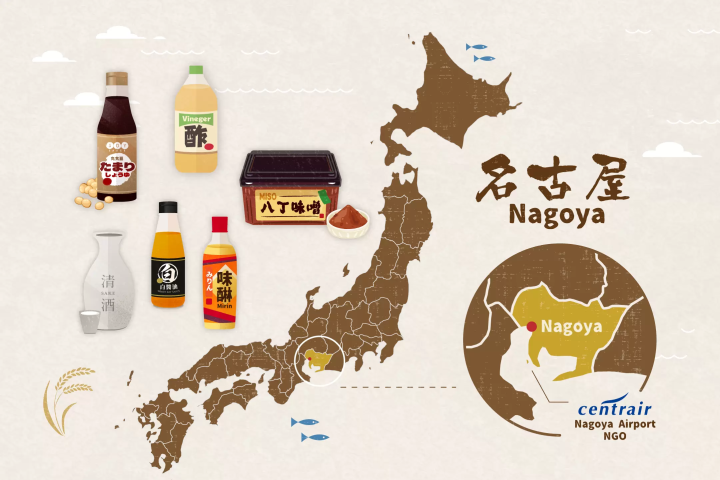
Visitors from abroad can rest assured, as the entire journey is possible by public transportation and on foot. Experience Nagoya’s food culture in depth together with delicious dishes, with a special focus on the fermented food culture that thrives in and around Nagoya.
Day 1: From Nagoya Station to Japan’s Best Gourmet Shopping District
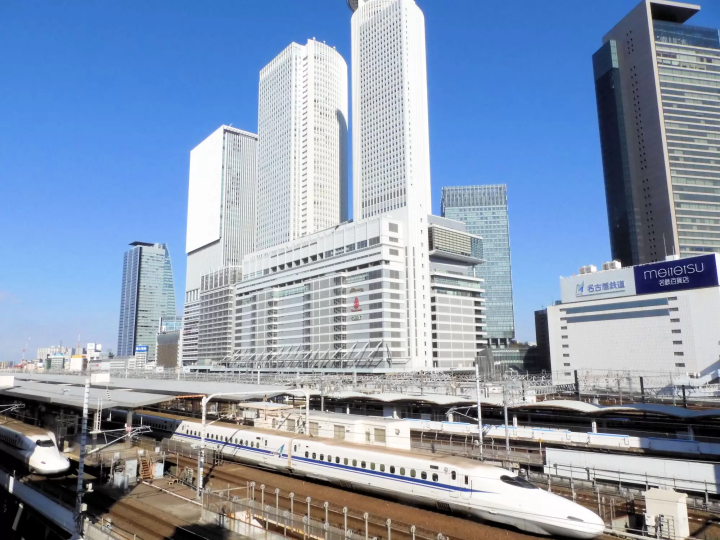
Your journey will begin at Nagoya Station. With convenient access via Shinkansen (bullet train) and the Chubu Centrair International Airport, this station serves as the gateway to the Chubu region, attracting many domestic and international visitors. While the area is lined with high-rise buildings, walk a little further out and you’ll encounter the city’s charm: its distinct Nagoya food culture.
Nagoya Station
 1-1-4 Meieki, Nakamura-ku, Nagoya, Aichi 450-0002
Located in Nagoya City, Aichi Prefecture, Nagoya Station is one of Japan’s largest terminal stations. It serves as a major transportation hub, connecting JR Central, Meitetsu, Kintetsu, and subway lines, and is a key stop on the Tokaido Shinkansen, linking Tokyo and Osaka. The area around the station is lined with skyscrapers and offers plenty of spots to enjoy Nagoya’s famous cuisine and shopping. As a vital transit hub and the gateway to the Chubu region, it welcomes countless travelers every day.
1-1-4 Meieki, Nakamura-ku, Nagoya, Aichi 450-0002
Located in Nagoya City, Aichi Prefecture, Nagoya Station is one of Japan’s largest terminal stations. It serves as a major transportation hub, connecting JR Central, Meitetsu, Kintetsu, and subway lines, and is a key stop on the Tokaido Shinkansen, linking Tokyo and Osaka. The area around the station is lined with skyscrapers and offers plenty of spots to enjoy Nagoya’s famous cuisine and shopping. As a vital transit hub and the gateway to the Chubu region, it welcomes countless travelers every day.
Try Nagoya’s Local Dish Miso Nikomi Udon for Lunch
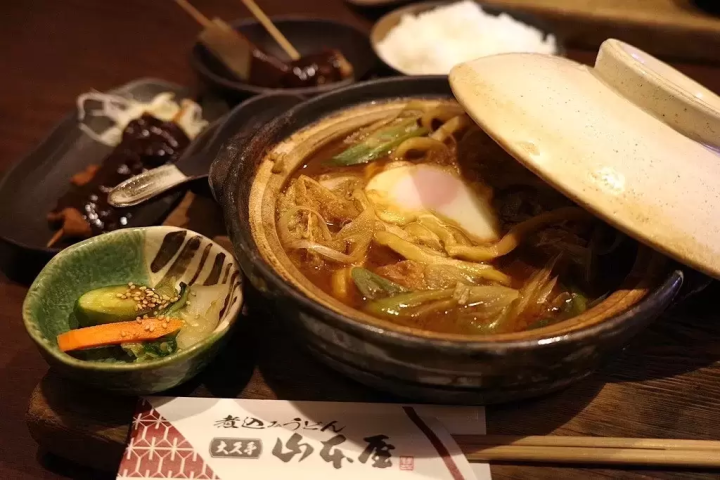
Miso nikomi udon, made with hatcho miso, is a dish you can’t leave out when discussing Nagoya’s HAKKO (fermented) food culture. At the long-established Okute Yamamotoya, you can taste the rich body and savoriness of soybean miso, fermented in a wooden barrel, in a single bowl simmered until bubbling in a clay pot.
The combination of firm udon noodles, which retain their wheat flavor, and miso paste, rich yet providing a clean aftertaste, is outstanding. It’s the perfect dish to start off your gourmet food journey. To get there, take the Nagoya Municipal Subway Sakura-dori Line from Nagoya Station to Fukiage Station, then walk three minutes from Exit 1. The restaurant has several locations in Nagoya, so you can head to your nearest location if you’d like to drop off your luggage at your hotel first.
Okute Yamamotoya
 464-0854 5-9-2 Okute, Chikusa Ward, Nagoya City, Aichi Prefecture
Yamamotoya is a long-established misonikomi udon restaurant that has been loved by many people in and around Nagoya since it was founded in 1925 in Osu, Nagoya. It continues to preserve the traditional taste of Nagoya that has been passed down since the Taisho era.
The fermented seasoning miso is made from Hatcho miso from a long-established miso brewery, and is blended with several other types of miso, including the local specialty white miso, using a unique method, and then slowly simmered until it becomes glossy. This exquisite gourmet dish combines the dashi stock carefully prepared for the stewed udon noodles early every morning with the udon noodles, which are all handmade and well-mixed with the miso, giving them a unique texture.
A day at Yamamotoya begins with the chefs preparing miso while thinking of their customers. They start early in the morning, before the sun has even risen, and work with the miso, dashi stock, and other ingredients they have procured, feeling the humidity of the day's weather and the difference in the moisture content of the ingredients.
Then, they cook the ingredients slowly and carefully, thinking about the guests who will be visiting that day.
This is a tradition that has been passed down through five generations of Yamamotoya since the Taisho era. Please come to Okute Yamamotoya to enjoy this traditional taste.
464-0854 5-9-2 Okute, Chikusa Ward, Nagoya City, Aichi Prefecture
Yamamotoya is a long-established misonikomi udon restaurant that has been loved by many people in and around Nagoya since it was founded in 1925 in Osu, Nagoya. It continues to preserve the traditional taste of Nagoya that has been passed down since the Taisho era.
The fermented seasoning miso is made from Hatcho miso from a long-established miso brewery, and is blended with several other types of miso, including the local specialty white miso, using a unique method, and then slowly simmered until it becomes glossy. This exquisite gourmet dish combines the dashi stock carefully prepared for the stewed udon noodles early every morning with the udon noodles, which are all handmade and well-mixed with the miso, giving them a unique texture.
A day at Yamamotoya begins with the chefs preparing miso while thinking of their customers. They start early in the morning, before the sun has even risen, and work with the miso, dashi stock, and other ingredients they have procured, feeling the humidity of the day's weather and the difference in the moisture content of the ingredients.
Then, they cook the ingredients slowly and carefully, thinking about the guests who will be visiting that day.
This is a tradition that has been passed down through five generations of Yamamotoya since the Taisho era. Please come to Okute Yamamotoya to enjoy this traditional taste.
Osu Shopping District: Stop by Japan’s Most Vibrant Shopping Street!
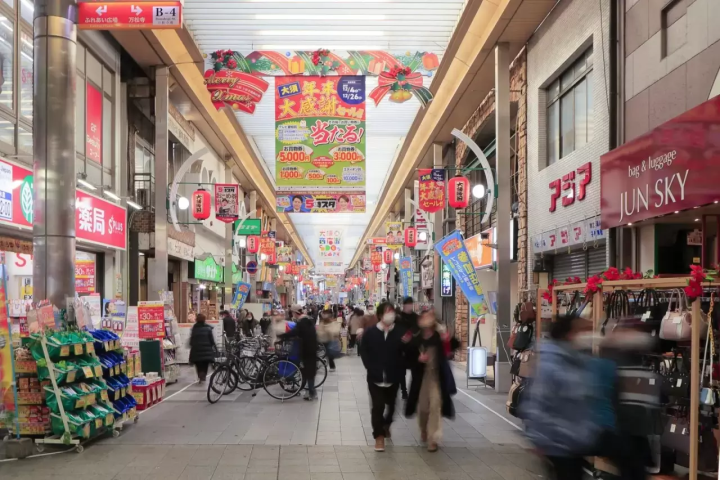
After lunch, head over to Osu Shopping District, one of Nagoya’s iconic sightseeing spots. This shopping street, approximately two-kilometers long and home to over 1,200 shops, is nicknamed “Japan’s most vibrant shopping street.”
From long-established wagashi (traditional Japanese sweets) shops to specialty stores selling fermented seasonings and the latest street food, Osu’s true charm lies in its chaotic mix of old and new. You can enjoy this area in many ways, such as walking while snacking on desserts or deli items, or stopping by a café along the way. To get there, take the Nagoya Municipal Subway Tsurumai Line from Nagoya Station to Osu Kannon Station or the Meijo Line to Kamimaezu Station. You will need to transfer once, but the travel time is about 20 minutes.
Osu shopping street
 460-0011 Osu, Naka-ku, Nagoya, Aichi Prefecture
Osu Shopping Street is located near 2-3 Osu, Naka Ward, Nagoya City, Aichi Prefecture, and developed alongside Osu Kannon Temple. Although it has relocated several times, the street as a whole has a history spanning several hundred years.
Lined with a wide variety of shops—from electronics and vintage clothing to gourmet food—it is known as "Japan’s liveliest shopping street."
460-0011 Osu, Naka-ku, Nagoya, Aichi Prefecture
Osu Shopping Street is located near 2-3 Osu, Naka Ward, Nagoya City, Aichi Prefecture, and developed alongside Osu Kannon Temple. Although it has relocated several times, the street as a whole has a history spanning several hundred years.
Lined with a wide variety of shops—from electronics and vintage clothing to gourmet food—it is known as "Japan’s liveliest shopping street."
Dinner at French Kappo Sasa with Small, Carefully Crafted Dishes
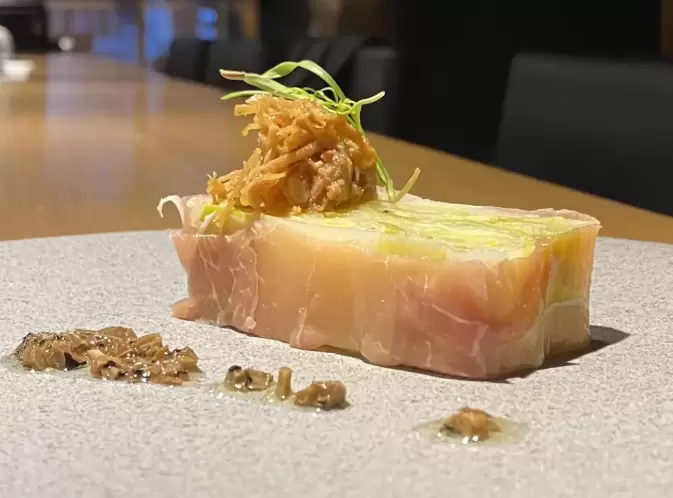
From Osu Shopping District, take the train and walk for about 30 minutes. Alight at Imaike Station on the Nagoya Municipal Subway Higashiyama Line, then walk five minutes to find French Kappo Sasa, a restaurant gaining support from food connoisseurs in Nagoya. The restaurant serves a multi-course meal of small, carefully crafted dishes highlighting ingredients and seasonings from the three Tokai prefectures (Aichi, Gifu, and Mie). This creative cuisine, skillfully incorporating fermented seasonings and Japanese influences while based on French cooking techniques, is something you can only experience here.
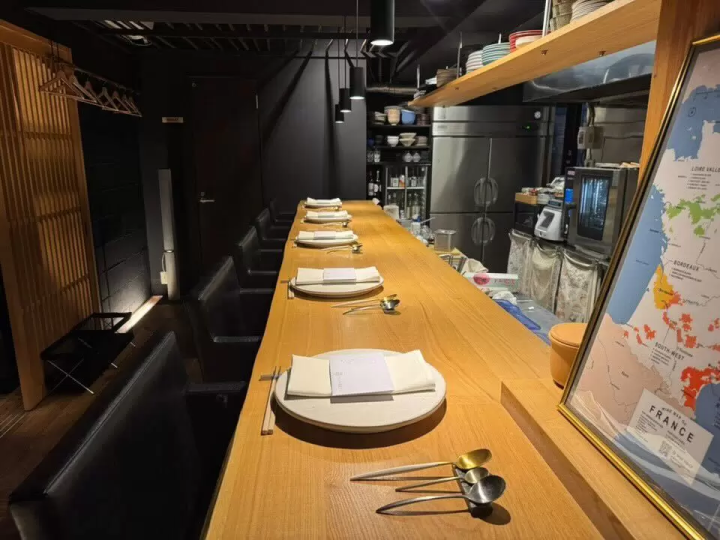
Fermented seasonings, such as miso and koji, are seamlessly incorporated into the dishes, which pair incredibly with champagne and wine. This is where you can experience the “now” in Nagoya’s gastronomic scene firsthand. Reservations are also accepted via Table Check.
FRENCH KAPPOU SASA
 Uchiyama 2-6-9, Chikusa Ward, Nagoya City, Aichi Prefecture, 464-0075
We have gathered a selection of delicious ingredients that have been grown with plenty of love in Aichi, Gifu, and Mie.
By visiting the production regions and hearing directly from the producers, we hope to convey the significance of creating dishes here and now.
Please enjoy our borderless cuisine based on French culinary techniques.
Uchiyama 2-6-9, Chikusa Ward, Nagoya City, Aichi Prefecture, 464-0075
We have gathered a selection of delicious ingredients that have been grown with plenty of love in Aichi, Gifu, and Mie.
By visiting the production regions and hearing directly from the producers, we hope to convey the significance of creating dishes here and now.
Please enjoy our borderless cuisine based on French culinary techniques.
Day 2: The Secrets Behind Delicious Sushi and Hidden Restaurants
Start Your Breakfast with Delicious Breads and Pastries
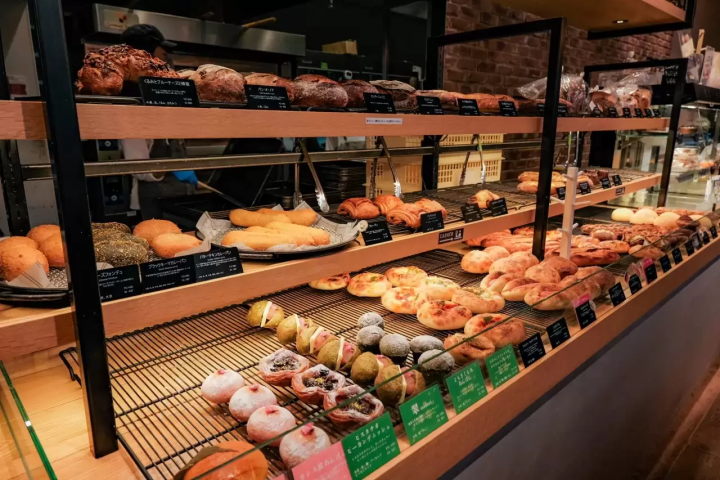
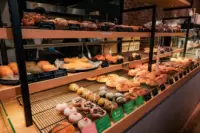
On the morning of the second day, head to ESPRIT, a popular bakery in Nagoya. Their breads, made from dough fermented for an extended period, have a natural sweetness and toasty aroma from the wheat, resulting in a flavor that’s complex, yet simple.
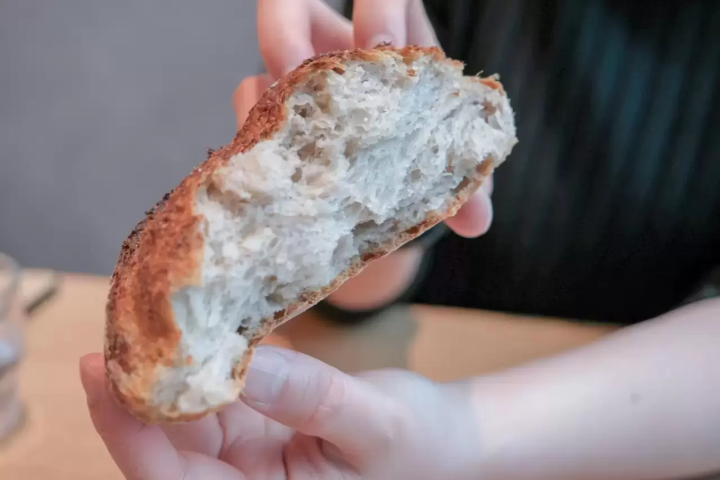
HAKKO isn’t limited to Japanese cuisine. With this breakfast, you’ll experience HAKKO as the foundation of deliciousness through bread. To get to the bakery, take the Nagoya Municipal Subway Sakura-dori Line from Nagoya Station for about five minutes to Hisaya-Odori Station, then walk for three minutes.
ESPRIT NAGOYA
 〒461-0005 Urbannet Nagoya Nexta Building, 1-1-1 Higashisakura, Higash...
At ESPRIT Nagoya, we make bread using a long, low-temperature fermentation process that takes a long time to ferment and age the dough.
Bread made with this method brings out the depth of flavor and produces baked products that are easy to digest.
In addition, we use home-grown yeast such as levain, sourdough, hop, and raisin yeast to make our bread. This gives our bread a unique texture and flavor.
When you chew it carefully and enjoy it, the flavor of wheat gradually spreads and you'll feel like wanting another bite! The golden-brown surface looks hard at first glance, but the inside is soft and moist! Another interesting point is that the bread is soft and contains plenty of air. Many regulars come here daily, so it's no surprise that the bakery has many fans!
In addition to enjoying it as take-out, we recommend enjoying the bread luxuriously on breakfast and lunch plates. There is also outdoor terrace seating. If the weather is nice, you can enjoy carefully selected bread with wine or beer during the morning and lunch hours.
〒461-0005 Urbannet Nagoya Nexta Building, 1-1-1 Higashisakura, Higash...
At ESPRIT Nagoya, we make bread using a long, low-temperature fermentation process that takes a long time to ferment and age the dough.
Bread made with this method brings out the depth of flavor and produces baked products that are easy to digest.
In addition, we use home-grown yeast such as levain, sourdough, hop, and raisin yeast to make our bread. This gives our bread a unique texture and flavor.
When you chew it carefully and enjoy it, the flavor of wheat gradually spreads and you'll feel like wanting another bite! The golden-brown surface looks hard at first glance, but the inside is soft and moist! Another interesting point is that the bread is soft and contains plenty of air. Many regulars come here daily, so it's no surprise that the bakery has many fans!
In addition to enjoying it as take-out, we recommend enjoying the bread luxuriously on breakfast and lunch plates. There is also outdoor terrace seating. If the weather is nice, you can enjoy carefully selected bread with wine or beer during the morning and lunch hours.
Try Red Vinegar Sushi for Lunch at Uotaro Handa
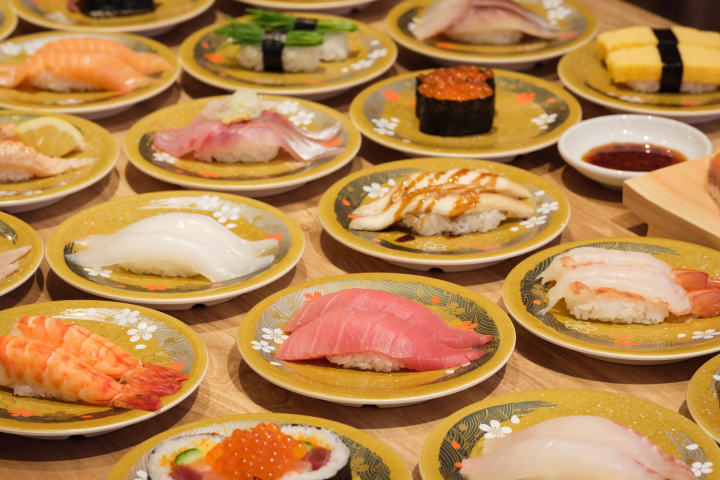
After breakfast, return to Meitetsu Nagoya Station and take the Meitetsu Limited Express to Chita Handa Station for about 50 minutes to the Chita Peninsula. For lunch, head to Uotaro Handa, located about a 15-minute walk from Chita Handa Station. Their sushi, made with rice seasoned with akazu (red vinegar), is a must-eat.
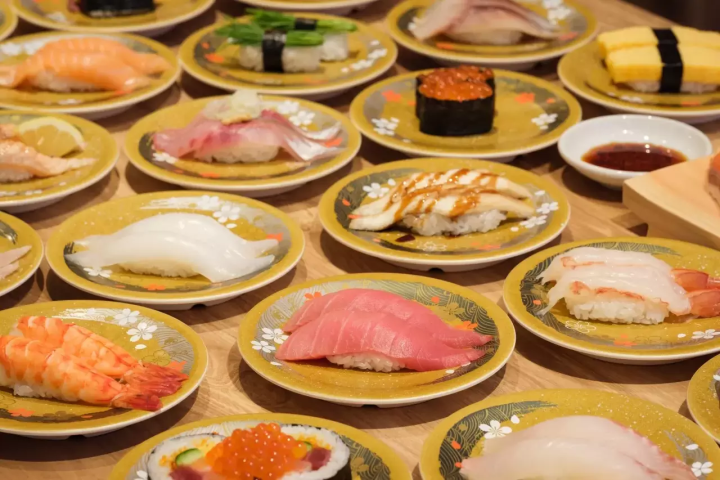
Akazu is a fermented seasoning made from sake lees and is essential to making Edomae-style sushi. It enhances the umami of the fish, leaving a smooth aftertaste.
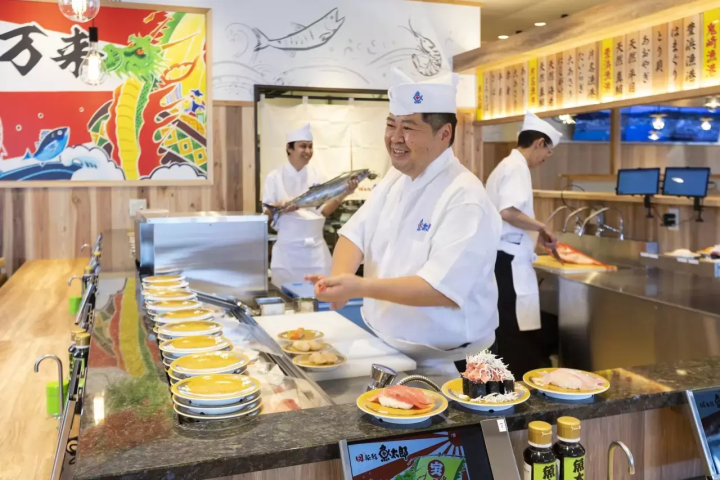
The perfection of the sushi, made with fresh seafood caught in the Chita Peninsula and the power of fermentation, makes it a must-try. It’s an experience that allows you to truly understand the reason sushi is so delicious.
Conveyor belt sushi Uotaro Handa branch
 475-0873 1-33-2 Nakamuracho , Handa City, Aichi Prefecture
Because we are a fishmonger with auction rights at four fishing ports on the Chita Peninsula, we pay particular attention to freshness, which determines the deliciousness of the fish, and immediately prepare freshly caught fish and shellfish on the premises to make sushi. With the careful skill of our craftsmen who take advantage of the freshness of our sushi, and with the lively spirit of our fishmongers, we create exceptionally delicious sushi.
Another charm of this restaurant is the sushi made using local ingredients, such as the "Akazu Sankan Mori," which uses red vinegar in the sushi rice, represented by Mitsukan's first branded vinegar, "Mitsuban Yamabuki," from Handa.
On the first floor, you can enjoy extremely fresh sushi on a rotating sushi bar.
The 2nd floor sushi kaiseki offers private rooms of various sizes. It can be used for a wide variety of occasions, including memorial services, celebrations and condolences, business events such as entertainment, and dinners at local gatherings.
475-0873 1-33-2 Nakamuracho , Handa City, Aichi Prefecture
Because we are a fishmonger with auction rights at four fishing ports on the Chita Peninsula, we pay particular attention to freshness, which determines the deliciousness of the fish, and immediately prepare freshly caught fish and shellfish on the premises to make sushi. With the careful skill of our craftsmen who take advantage of the freshness of our sushi, and with the lively spirit of our fishmongers, we create exceptionally delicious sushi.
Another charm of this restaurant is the sushi made using local ingredients, such as the "Akazu Sankan Mori," which uses red vinegar in the sushi rice, represented by Mitsukan's first branded vinegar, "Mitsuban Yamabuki," from Handa.
On the first floor, you can enjoy extremely fresh sushi on a rotating sushi bar.
The 2nd floor sushi kaiseki offers private rooms of various sizes. It can be used for a wide variety of occasions, including memorial services, celebrations and condolences, business events such as entertainment, and dinners at local gatherings.
Mizkan Museum: Learn and Experience the History of Vinegar
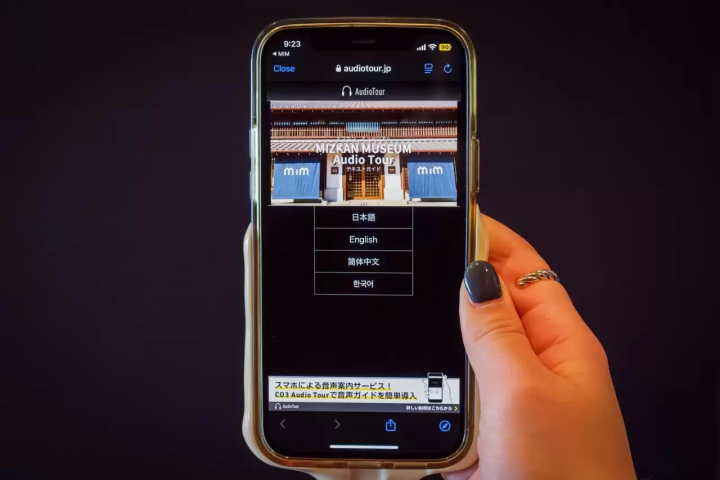
Vinegar is an essential ingredient to making delicious sushi. After enjoying red vinegar sushi at Uotaro, take a short walk to Mizkan Museum and have fun learning about the history of vinegar-making and fermented food culture.
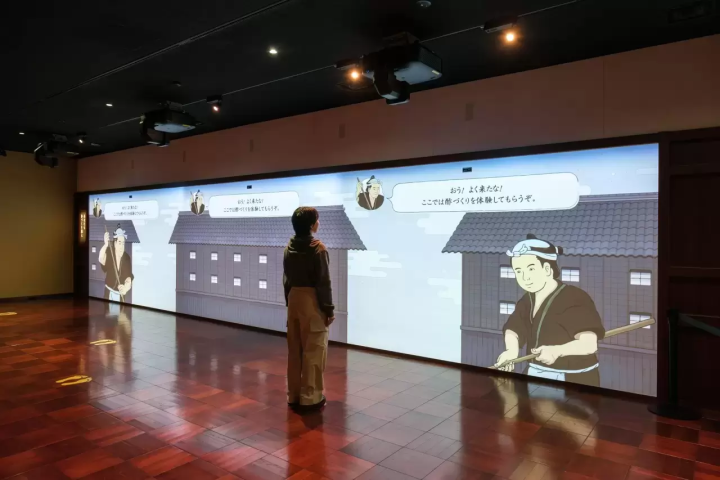
Handa is the birthplace of Mizkan, a vinegar manufacturer popular even overseas, and is home to exhibits and interactive experiences showcasing the vinegar brewing process and innovations passed down since the Edo period. At the museum shop, you’ll find limited-edition vinegars and original merchandise exclusively sold here that are popular as souvenirs. Reservations are required for tours. Due to the museum’s popularity, be sure to book early.
Mizkan Museum
 475-8585 2-6 Nakamuracho , Handa City, Aichi Prefecture
This is an experiential museum where you can have fun learning about the history of Mizkan's vinegar production and the appeal of food culture.
By seeing vinegar production in the Edo period and brewing today, you can enjoy the spirit of manufacturing that has been passed down through the generations.
In the experience corner, you can enjoy attractions that allow you to experience the wisdom and ingenuity of Edo period craftsmen and Mizkan's commitment to vinegar production.
In the shop, you can purchase limited-edition vinegar that is only available here, as well as fun original goods as souvenirs.
475-8585 2-6 Nakamuracho , Handa City, Aichi Prefecture
This is an experiential museum where you can have fun learning about the history of Mizkan's vinegar production and the appeal of food culture.
By seeing vinegar production in the Edo period and brewing today, you can enjoy the spirit of manufacturing that has been passed down through the generations.
In the experience corner, you can enjoy attractions that allow you to experience the wisdom and ingenuity of Edo period craftsmen and Mizkan's commitment to vinegar production.
In the shop, you can purchase limited-edition vinegar that is only available here, as well as fun original goods as souvenirs.
Enjoy a French Omakase Dinner at Le Coeuryuzu
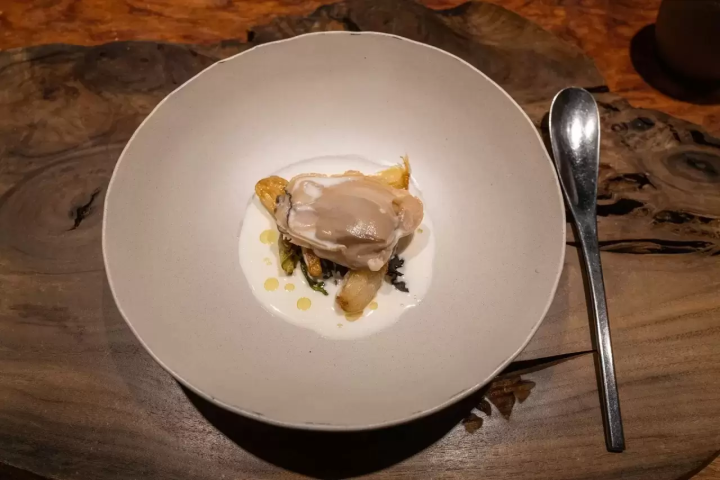
In the evening, make your way to Le Coeuryuzu, a house-style restaurant surrounded by nature on the Chita Peninsula. It takes about an hour by train and bus from Mizkan Museum, with the final stop being Kumano Bus Stop. There are a limited number of trains and buses, so make sure to check your route beforehand.
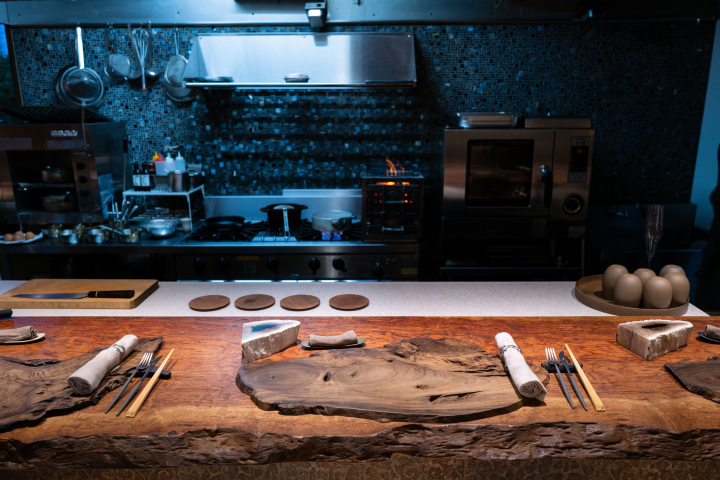
The omakase course meal, centered on local ingredients and prepared with fermented seasonings and aged sauces, leaves a quiet, deep aftertaste. Rather than being flashy, the dishes evoke a sense of “land and time,” and are the work of a chef who has genuinely engaged with HAKKO culture.
It’s a memorable dinner fitting to conclude the second day of your trip. Reservations are accepted via Table Check.
Day 3: Eat Onigiri and Find Your Favorite Tokoname Ware
On the final day of your trip, we recommend walking around Tokoname. Several hotels are located near Tokoname Station, so after dinner at Le Coeuryuzu, stay overnight in Tokoname and make the most of your last day.
To CHOUWA OMUSUBI for Exquisite Onigiri
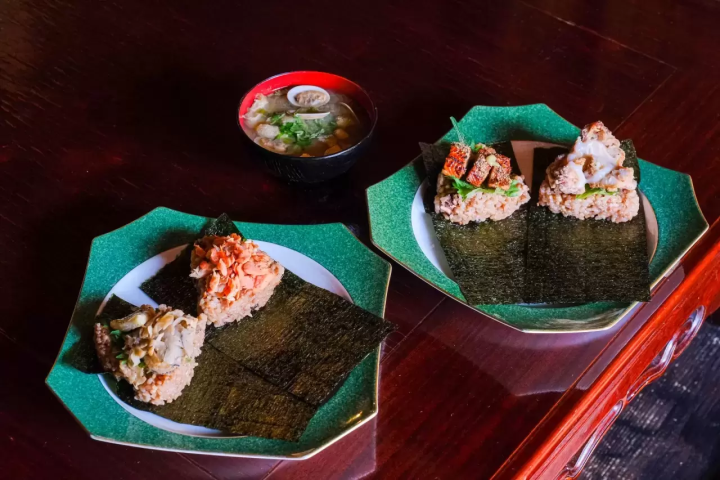
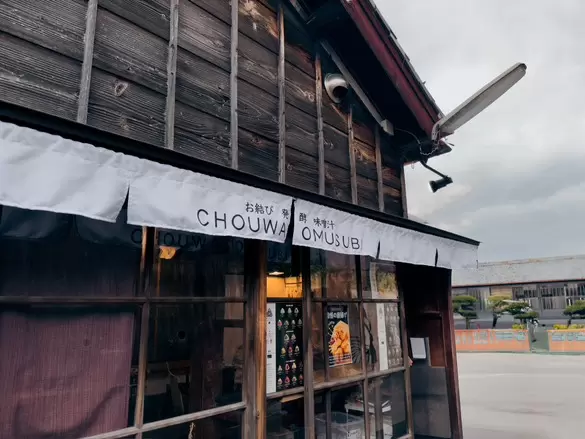
CHOUWA OMUSUBI is a great place to stop by for a late breakfast or brunch, just a seven-minute walk from Tokoname Station. Onigiri (rice balls) are well-known as Japan’s soul food and the onigiri served here sets itself apart.
The ingredients are flavored with fermented seasonings and paired with fluffy, well-cooked rice. Its simplicity is what allows the ingredients and fermentation to shine through. Takeout is also available, so you can buy some to eat on your train or flight home.
Take a Picture with Tokonyan and Find Your Favorite Tokoname Ware
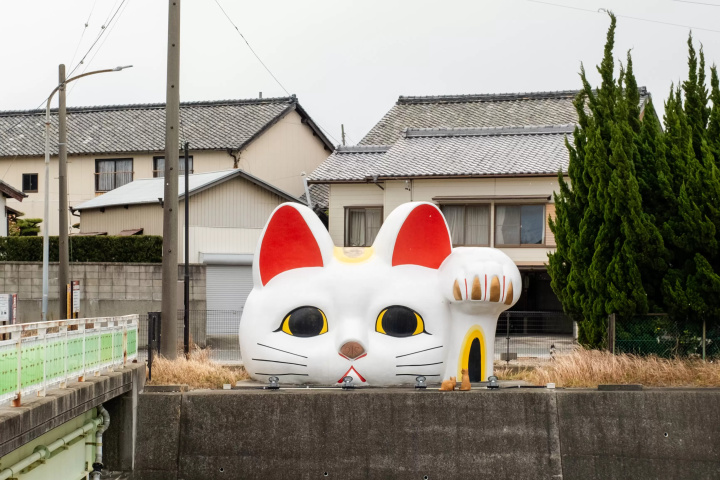
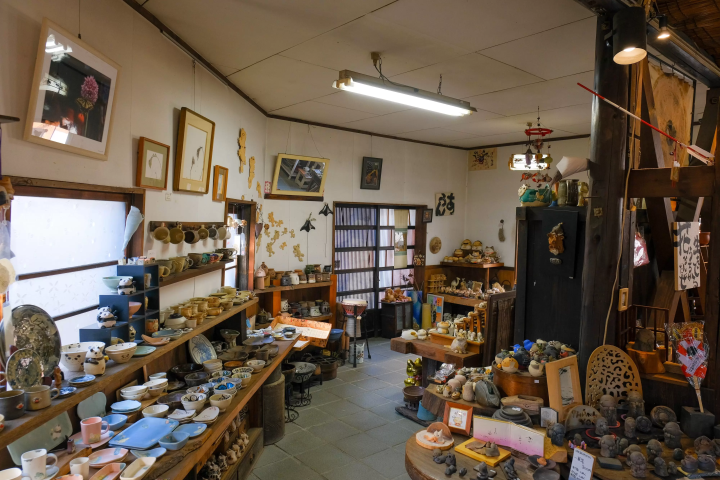
Tokoname is the birthplace of Tokoname ware, one of Japan’s Six Ancient Kilns. Take a walk through the city and you’ll encounter the giant beckoning cat statue known as Tokonyan.
Tableware, used to enhance the presentation of food, is an essential part of the Japanese cuisine experienced on this trip. Finding your favorite Tokoname ware along the Pottery Footpath, just a stone’s throw from Tokoname Station, is the perfect way to conclude your trip.
Tokoname Pottery Footpath
 479-0836 Sakaemachi, Tokoname City, Aichi Prefecture
The Tokoname Pottery Footpath refers to the area where the ceramic industry was at its most prosperous in the early Showa period. Chimneys, kilns, and factories still dot the area, quietly conveying the state of those days.
Today, many artists still have studios here. The area has wonderful galleries, cafes, pottery shops, and miscellaneous goods stores.
The starting point for the walk is the Tokoname City Ceramic Hall, which is a 5-minute walk from Tokoname Station.
Enjoy strolling through the maze-like alleyways with the pamphlet you got here in hand.
There are also sightseeing guided tours that provide visitors with a deeper understanding of Tokoname. Please take advantage of these excursions.
479-0836 Sakaemachi, Tokoname City, Aichi Prefecture
The Tokoname Pottery Footpath refers to the area where the ceramic industry was at its most prosperous in the early Showa period. Chimneys, kilns, and factories still dot the area, quietly conveying the state of those days.
Today, many artists still have studios here. The area has wonderful galleries, cafes, pottery shops, and miscellaneous goods stores.
The starting point for the walk is the Tokoname City Ceramic Hall, which is a 5-minute walk from Tokoname Station.
Enjoy strolling through the maze-like alleyways with the pamphlet you got here in hand.
There are also sightseeing guided tours that provide visitors with a deeper understanding of Tokoname. Please take advantage of these excursions.
Enjoy Food and Souvenirs in One Place at Nagoya Airport!
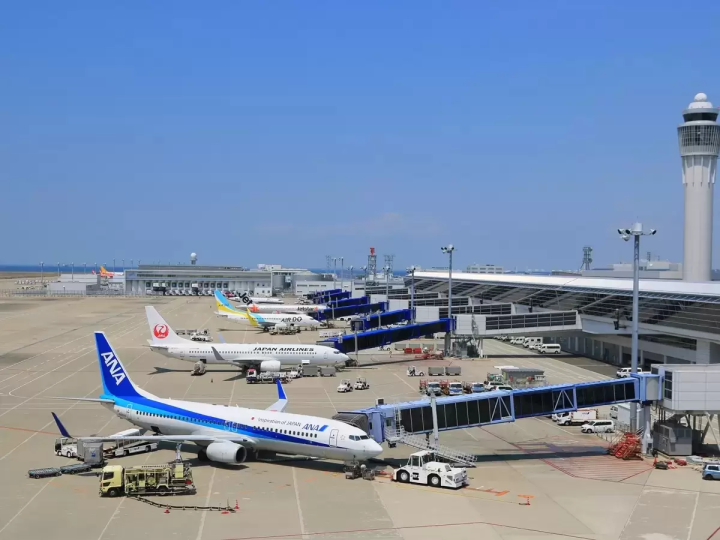
Central Japan International Airport, Nagoya (Centrair, NGO), about five minutes from Tokoname Station on the Meitetsu Airport Line, is the gateway to Nagoya. The airport services flights to destinations across Japan as well as many international flights, primarily to and from cities in Asia.
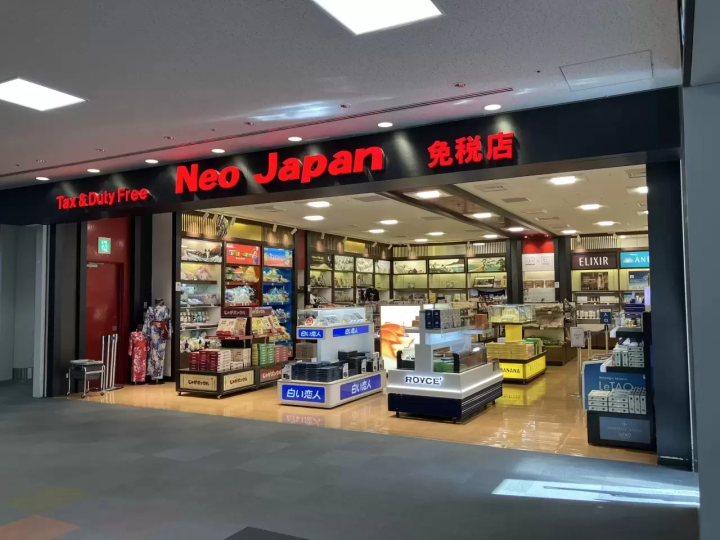
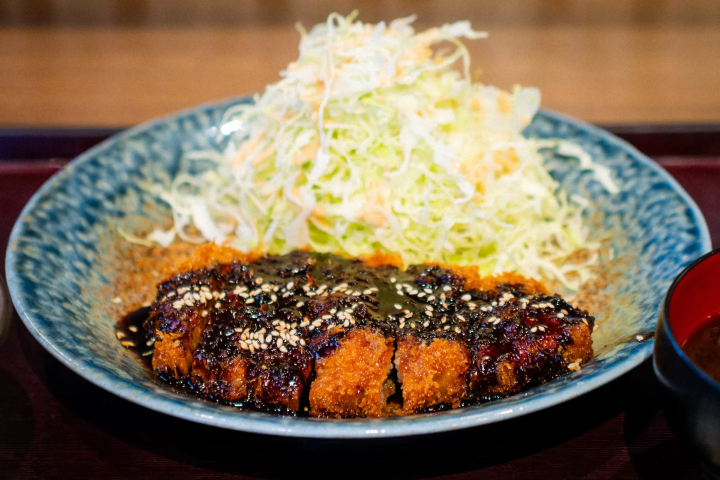
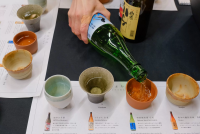
The airport is lined with souvenir and duty-free shops where you can purchase miso, soy sauce, Japanese sake, and other fermented foods. In the airport’s dining area, you can enjoy many of Nagoya’s signature local specialties including miso nikomi udon, hitsumabushi (grilled eel over rice), and misokatsu (pork cutlet with miso sauce). Even if you end up buying more souvenirs than expected, traveling by air makes carrying them easy.
Discover Nagoya’s HAKKO Culture
On our 3-day 2-night itinerary, we introduced spots for those who travel for food. We especially recommend this itinerary to anyone interested in fermented gourmet foods or who wants to gain a deeper understanding of Japanese food culture.
Make sure to savor HAKKO, Nagoya’s fermented food culture, to the fullest on your next trip to Japan!
Japanese HAKKO is the source of UMAMI. We'll introduce you to its little-known "secrets" and "charms" in detail! Nagoya, where a Shogun once ruled Japan, is famous for Nagoya Castle and Ghibli Park, but it is actually a treasure trove of food culture that produces "UMAMI," the essence of Japanese cuisine. ■What's HAKKO? HAKKO technology plays a crucial role in the production of seasonings that determine the taste of Japanese cuisine, as well as in the creation of sake, which is popular all over the world. ■What's Nagoya like? Located in the central region of Japan, Nagoya serves as a hub for both air and land travel. Its blessed natural environment and climate have fostered a unique fermented food culture. The Chita Peninsula , surrounded by Ise Bay and Mikawa Bay , is a scenic area where brewing industries such as sake, vinegar, miso, and tamari have flourished since ancient times. Nishimikawa, the birthplace of Tokugawa Ieyasu, has a history of unique fermented seasonings such as "Hatcho Miso" and "White Soy Sauce."
The contents on this page may partially contain automatic translation.
Special Features
More






![[2026] Two Recommended Fireworks Festivals in Izu! Enjoy Summer's Stunning Scenery in a Hot Spring Town and by the Sea](https://resources.matcha-jp.com/resize/720x2000/2026/05/21-264411.webp)