Sekiya Brewery: First-rate Aichi Sake Born from Hometown Love
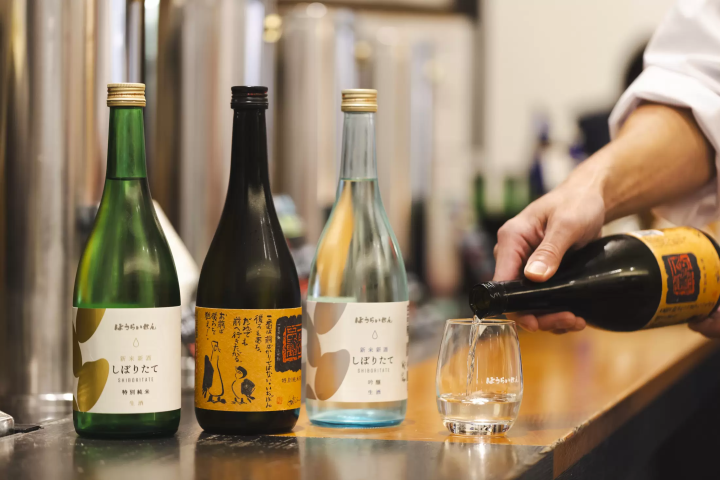
Sekiya Brewery, based in Aichi’s Shitara district and famous for the Houraisen sake brand, operates facilities offering guided tours and hands-on brewing experiences. Visit them for an insightful encounter with local flavors and the art of sake brewing.

Written by
Japanese HAKKO is the source of UMAMI. We'll introduce you to its little-known "secrets" and "charms" in detail! Nagoya, where a Shogun once ruled Japan, is famous for Nagoya Castle and Ghibli Park, but it is actually a treasure trove of food culture that produces "UMAMI," the essence of Japanese cuisine. ■What's HAKKO? HAKKO technology plays a crucial role in the production of seasonings that determine the taste of Japanese cuisine, as well as in the creation of sake, which is popular all over the world. ■What's Nagoya like? Located in the central region of Japan, Nagoya serves as a hub for both air and land travel. Its blessed natural environment and climate have fostered a unique fermented food culture. The Chita Peninsula , surrounded by Ise Bay and Mikawa Bay , is a scenic area where brewing industries such as sake, vinegar, miso, and tamari have flourished since ancient times. Nishimikawa, the birthplace of Tokugawa Ieyasu, has a history of unique fermented seasonings such as "Hatcho Miso" and "White Soy Sauce."
This service includes sponsored advertisements.
A Leading Aichi Sake Brewery from Shitara
In our explorations of Japan’s fermentation culture, we encountered several top-class sake breweries, all of which distinguish themselves through exceptional products and a dedication to quality.
For the first time, however, we’ll feature a brewery that does more than simply make sake. They are deeply engaged with the local community, playing an essential role in keeping local industries alive at a time when the rural population is shrinking.
Sekiya Brewery is renowned not only for its famous sake brand Houraisen, which is loved all over Aichi, but also for offering hands-on opportunities for visitors: experiencing sake making, touring the facilities to witness all the processes up close, and even growing their own rice.
Their activities are a lifeline for the Shitara district, which neighbors the city of Toyota, proving that sake truly has the power to connect and enliven.
-
Table of Contents
- Embracing Change with the Times: The Story of Sekiya Brewery
- The Secret Ingredient of Houraisen: Shitara's Exceptionally Soft Water
- Growing Rice for Sake Brewing
- Houraisen: The Jizake of Eastern Mikawa Region
- Enjoy Brewery Tours and Tastings at Houraisen Ginjo Kobo (Sekiya Brewery Inabu Factory)
- Experience Sake Brewing at Houraisen Sake Lab
- Summary
Embracing Change with the Times: The Story of Sekiya Brewery
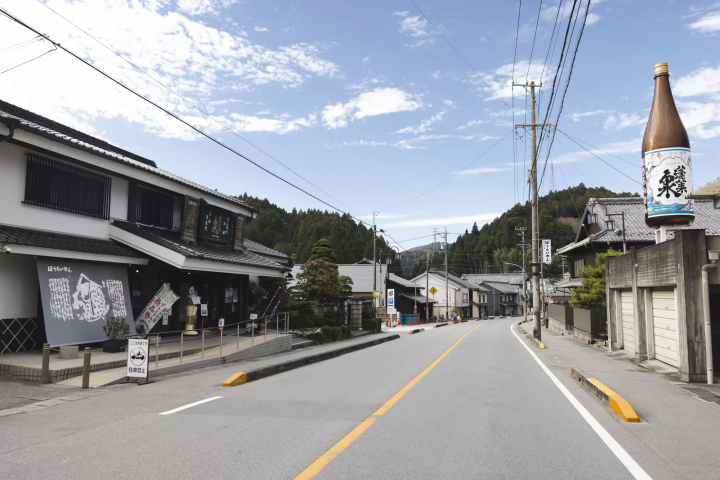
Sekiya Brewery traces its origins back to 1864. The facility was originally a shoya (a site for collecting tax rice) before entering the sake brewing industry under the new family head, Sekiya Buzaemon. It quickly became the representative brewery in the Shitara district.
Shitara was a prosperous post town on the Sanshu Kaido (or Ina Kaido), a road connecting Okazaki and the Mikawa region to Shinano (Nagano), primarily used for transporting goods. As a post town, Shitara was busy with ryokan inns and dining facilities, creating a constant and high demand for sake.
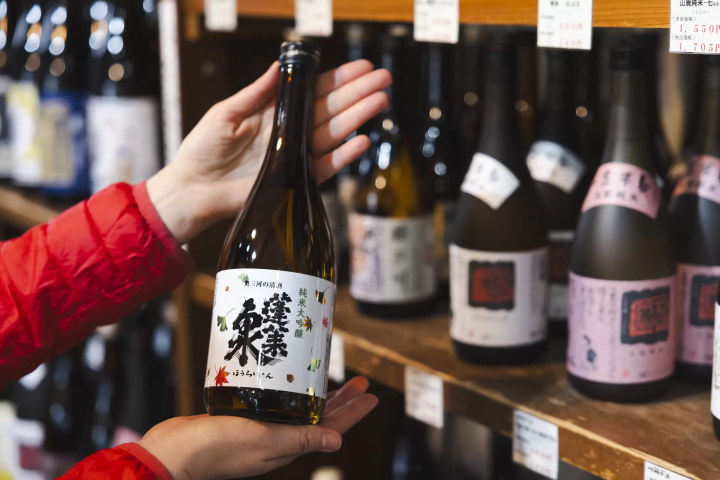
The Showa period (1926-1989) was a time of great upheaval, prompting Sekiya Brewery to implement essential changes in response to Shitara's evolving landscape. As the market value of their standard sake declined, the fourth-generation head of the company decided to launch a new, high-quality sake brand: Houraisen. This brand rapidly gained popularity throughout Aichi and established itself as the brewery's signature brand.
Expanding their market beyond the local community proved to be a critical strategic move for Sekiya Brewery. In 1985, when local roads were enlarged and modernized, the Shitara district lost its historic atmosphere as a post town, and agriculture became the principal occupation for its residents.
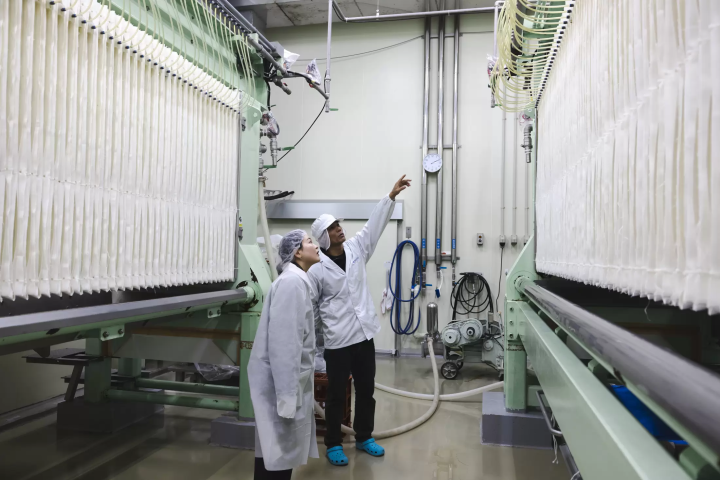
This time we were given special permission to tour the storehouse at the head office, which is normally not open to the public.
Under the leadership of Sekiya Takeshi, the seventh-generation head, the brewery continues to embrace challenges and expand its activities. In a rare move for a Japanese brewery, they began cultivating their own rice on local land.
Furthermore, they have opened satellite facilities that allow visitors to engage directly with the brewing process through tours and hands-on experiences. Because they continually launch high-grade sake designed for special occasions and tailored to the modern palate, Sekiya Brewery is taking sake production to new heights.
The Secret Ingredient of Houraisen: Shitara's Exceptionally Soft Water
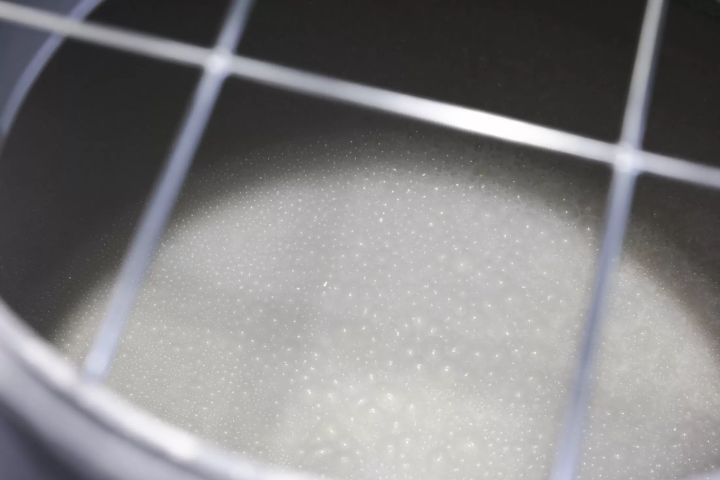
When asked what features make Houraisen such a popular sake, Mr. Sekiya immediately pointed to its primary ingredient:
“It’s the local water. The water we use for brewing (shikomi-mizu) is soft water with a very low mineral content. This gives the sake a smooth texture, making it easy to drink.”
The water sourced from the Shitara district in Toyota has a remarkably low concentration of calcium and magnesium—approximately 3 to 5 mg/L. This is very low when compared to the average soft water hardness of 30 mg/L or the general average of tap water in Japan, which is 70 to 80 mg/L.
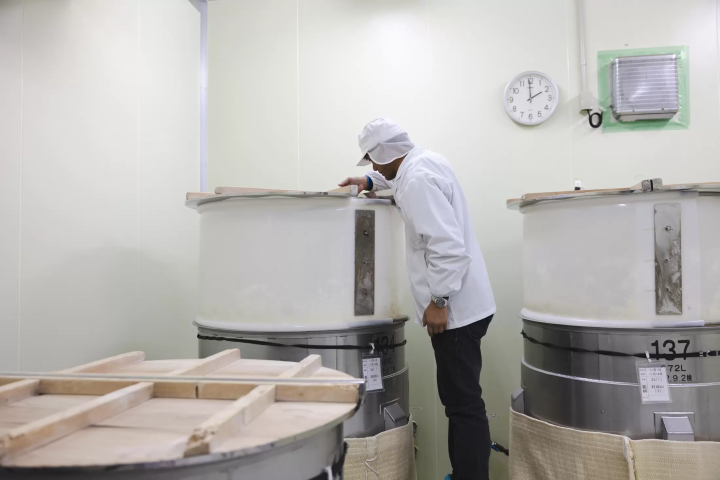
The resulting sake is a gentle variety that appeals to a wide range of palates.
Mr. Sekiya speaks with reverence about this local resource, acknowledging that Sekiya Brewery owes a large part of its success to this natural feature of its hometown.
This deep appreciation explains why they hold the Shitara district and its natural environment in such high regard.
Growing Rice for Sake Brewing
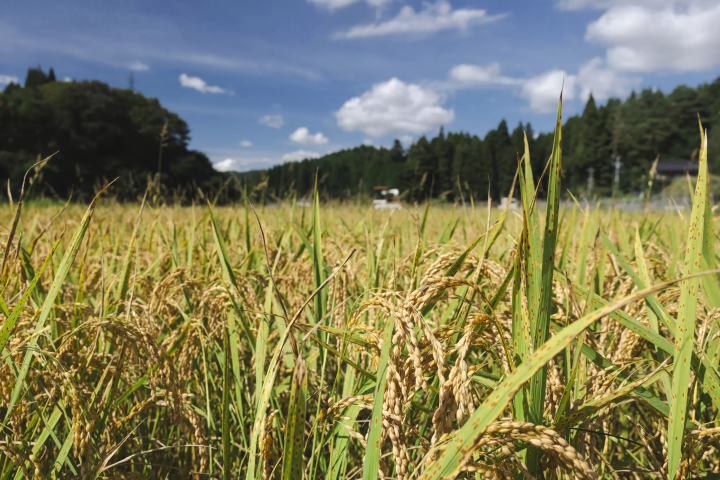
The brewery's challenge to begin growing its own rice was motivated by the decline and aging of Shitara's farming population. With many local farmers lacking successors, they were relieved when Sekiya Brewery either purchased their land or agreed to administer it.
Corporate engagement in agriculture was still prohibited by law in the early 2000s, but a change in the legal environment allowed Sekiya Brewery to begin rice farming in 2006.
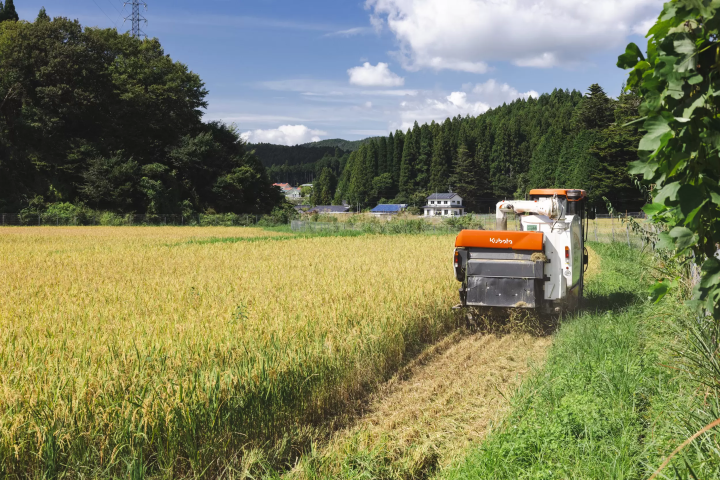
“Back then, we were complete beginners, not knowing where to start,” recalls Mr. Sekiya. He notes that they learned everything necessary about cultivating rice directly from the experienced local farmers.
Currently, Sekiya Brewery cultivates sake rice on 42 hectares of land, primarily growing Yumesansui, a popular sake rice variety in Aichi.
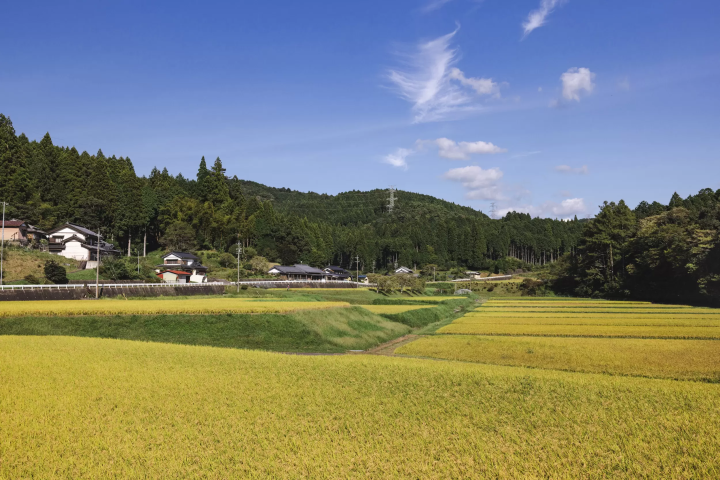
They take pride not only in their ability to cultivate and ensure the quality of their sake rice but also in preserving the serene paddy field scenery of Shitara, their hometown.
Had the land been sold to outside interests, the landscape might have been drastically altered. Instead, Sekiya Brewery managed to maintain Shitara as they remember it, revealing the intrinsic value of this peaceful, nature-rich place.
Houraisen: The Jizake of Eastern Mikawa Region
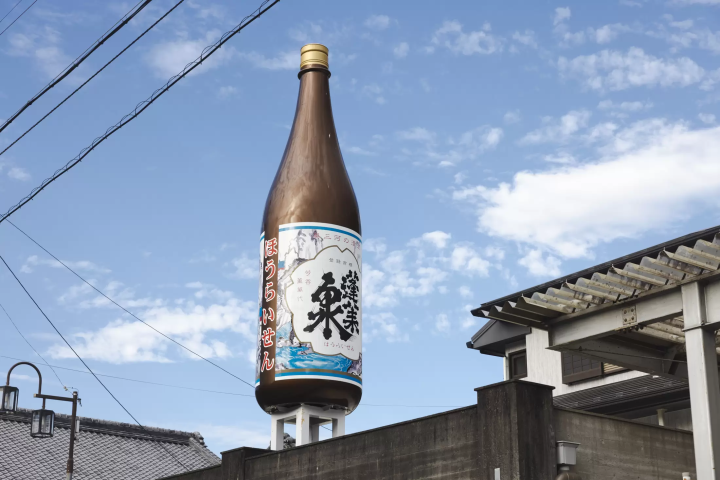
According to Mr. Sekiya, a sake must satisfy two primary criteria to be regarded as jizake (local sake):
1. Over fifty percent of the rice utilized for its production must originate from the local area.
2. The sake must be regularly appreciated and consumed by over fifty percent of the local population of drinking age.
Since over 60% of the rice used for Houraisen is locally cultivated, and 90% of the residents across the Mikawa region–including Toyota, Okazaki, Anjo, and Toyokawa–enjoy it, Houraisen can rightfully pride itself on being the jizake of Eastern Mikawa.
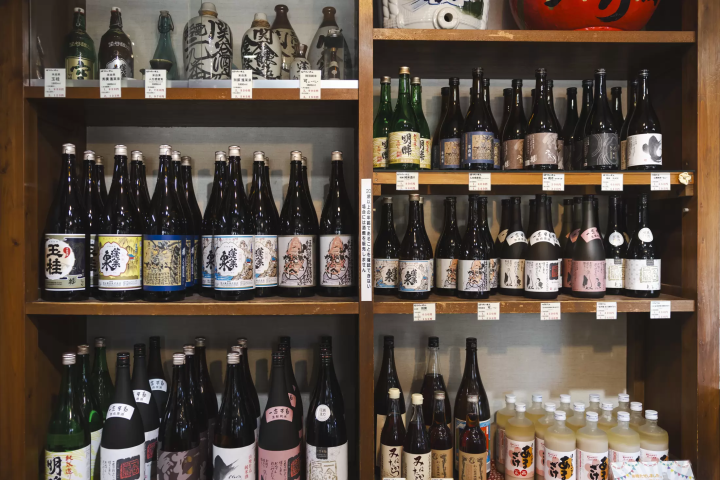
While the two varieties of Houraisen (Bessen and Shuusen) are ideal for daily enjoyment, the junmai daiginjo (*1) varieties—such as Kuu 空, Gin 吟, and Bi 美—offer a more sophisticated flavor profile, perfect for special occasions.
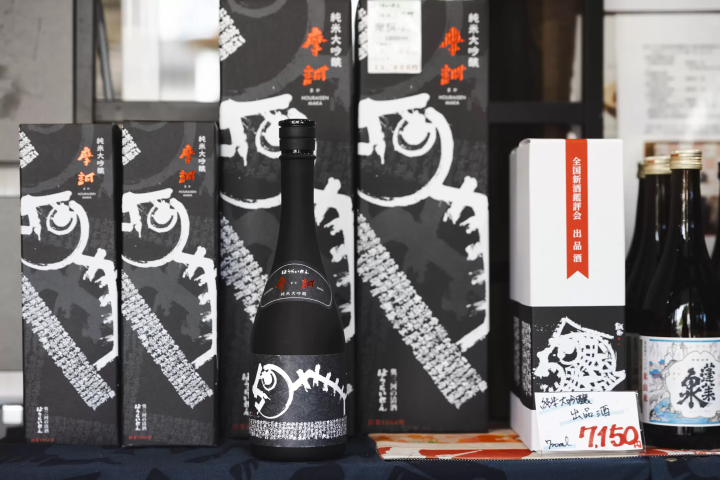
Maka 摩訶, a junmai ginjo (*1) created in celebration of Sekiya Brewery’s 150th anniversary, makes an excellent gift. While smooth on the tongue, its flavor possesses a remarkable depth and complexity.
*1 Junmai daiginjo is the highest grade of sake, made from rice polished down to at least 50%. This meticulous process results in a refined, fruity, and complex flavor profile.
These sake varieties are available for purchase at the shops located next to the Sekiya Brewery facilities, as well as in sake stores across the Mikawa cities. However, please be aware that the junmai daiginjo varieties are produced in limited quantities and are often available only by special order.
* Please note that 'Ku' and 'Gin' are currently available by reservation only. If you wish to purchase them, please visit the store directly for further details.
Sekiya Brewery Main Office
 22 Machiura, Taguchi, Shitara-cho, Kitashitara, Aichi Prefecture, 441-...
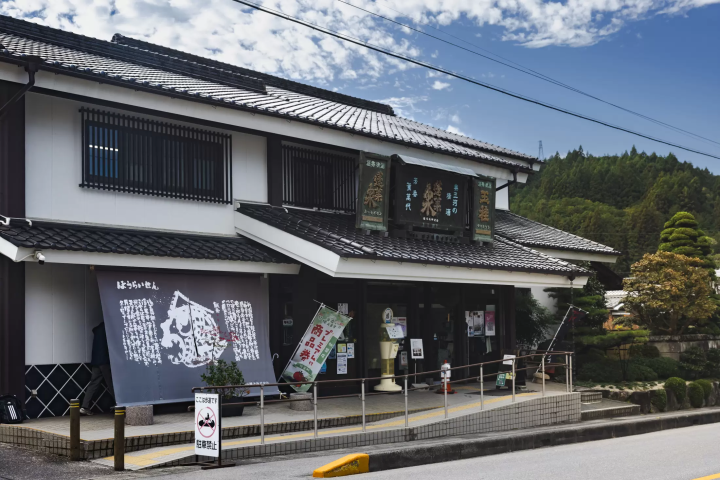
Sekiya Brewery's Main Office is a historic sake brewery founded in 1864 in Shitara, Okumikawa, Aichi Prefecture. For over 150 years, the brewery has pursued traditional techniques and innovative sake brewing in a rich natural environment. Houraisen, their flagship brand, is not only enjoyed by locals as an everyday drink, but is also widely cherished as a sake for celebrating special occasions.
At the main brewery, they place a strong emphasis on the quality of their ingredients, which is the foundation of sake brewing. The sake rice is polished in-house, and in some cases the brewers even cultivate the rice themselves, demonstrating meticulous attention to every detail from ingredients to flavor. They are also known for their commitment to making the most of their resources, including producing their own alcohol from sake lees.
At the direct sales shop, visitors can enjoy exclusive sakes, including freshly pressed undiluted, unpasteurized sake sold by the volume, as well as a wide selection of original products and sake-related gifts. Some of their popular souvenirs include sake cakes made with the luxuriously fragrant Houraisen Daiginjo Kuu and food products made with koji and sake lees, both by-products of sake brewing.
The flavors, created by the brewery's history and the rich nature of Okumikawa, are recommended not only to sake fans but also to tourists seeking to experience the local culture and cuisine. Your encounters here are sure to become unforgettable memories of your trip.
22 Machiura, Taguchi, Shitara-cho, Kitashitara, Aichi Prefecture, 441-...
Sekiya Brewery's Main Office is a historic sake brewery founded in 1864 in Shitara, Okumikawa, Aichi Prefecture. For over 150 years, the brewery has pursued traditional techniques and innovative sake brewing in a rich natural environment. Houraisen, their flagship brand, is not only enjoyed by locals as an everyday drink, but is also widely cherished as a sake for celebrating special occasions.
At the main brewery, they place a strong emphasis on the quality of their ingredients, which is the foundation of sake brewing. The sake rice is polished in-house, and in some cases the brewers even cultivate the rice themselves, demonstrating meticulous attention to every detail from ingredients to flavor. They are also known for their commitment to making the most of their resources, including producing their own alcohol from sake lees.
At the direct sales shop, visitors can enjoy exclusive sakes, including freshly pressed undiluted, unpasteurized sake sold by the volume, as well as a wide selection of original products and sake-related gifts. Some of their popular souvenirs include sake cakes made with the luxuriously fragrant Houraisen Daiginjo Kuu and food products made with koji and sake lees, both by-products of sake brewing.
The flavors, created by the brewery's history and the rich nature of Okumikawa, are recommended not only to sake fans but also to tourists seeking to experience the local culture and cuisine. Your encounters here are sure to become unforgettable memories of your trip.
Enjoy Brewery Tours and Tastings at Houraisen Ginjo Kobo (Sekiya Brewery Inabu Factory)
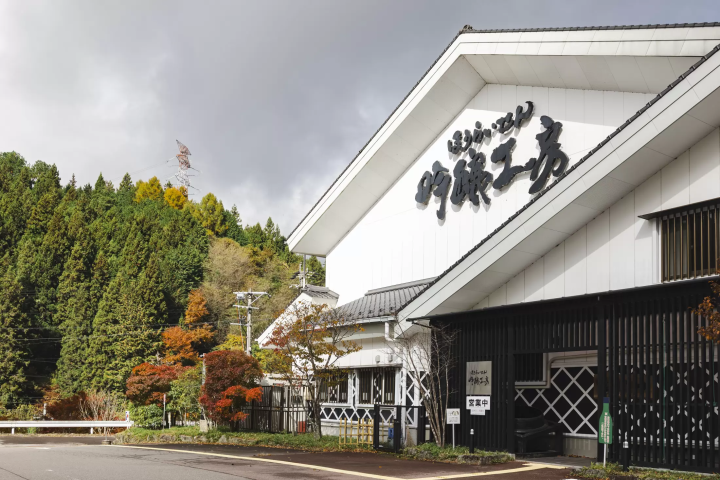
The Houraisen Ginjo Kobo opened in 2004 as a dedicated satellite factory of Sekiya Brewery. It was designed to offer visitors an opportunity to learn about the art of sake brewing through guided tours, participate in some of the processes, and taste various sake varieties to find their favorite.
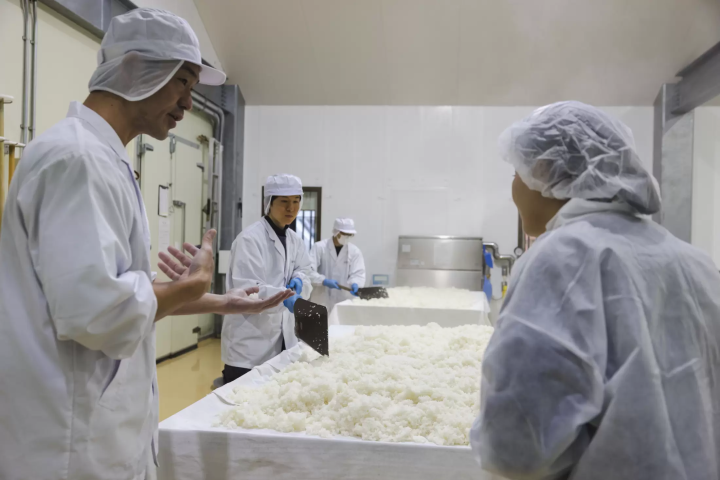
While the gallery is free to access, allowing you to observe the brewing artisans through glass windows, we highly recommend the guided tour. The tour offers additional insights and the unique chance to see the artisans at work up close, directly inside the brewery.
*A guided tour of the brewery and a tasting experience require a reservation at least one week in advance. Please also note that you must wear a white coat (fees apply). Please check the official website for the latest information.
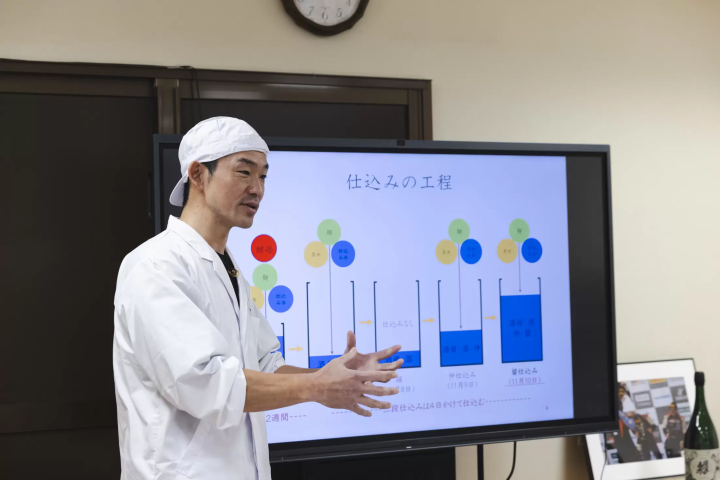
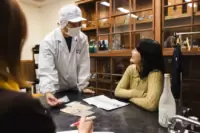
When we joined the tour, we were surprised by the open and accessible presentation of the brewing process steps. Toji Master Miyase Naoya frequently drew comparisons to winemaking, which made it easy to grasp the unique characteristics of sake and the factors determining its final flavor.
Inside the brewery, we witnessed key processes, including the washing of the rice, preparing the steamed rice for koji inoculation (Aspergillus oryzae mold), and fermentation.
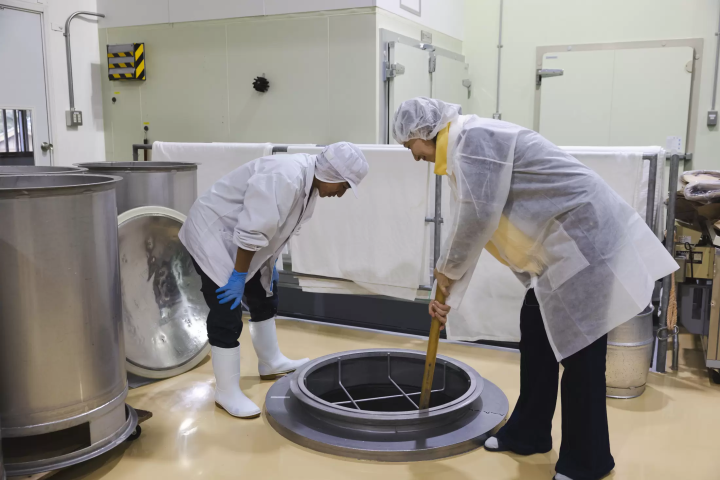
The staff even allowed us to participate by mixing the fermenting mash! Feeling the fruity aroma of the mash—sake in its becoming—was a truly exciting experience, leaving us eager to know what kind of sake it would ultimately become.
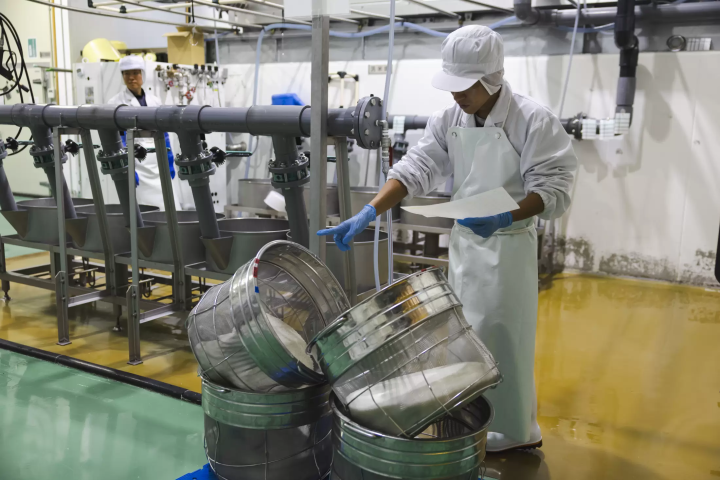
One of the main attractions at the Houraisen Ginjo Kobo is the custom-made sake brewing service, starting from just 60 kg of rice. It is customary for local farmers to bring in a portion of their harvest and have about 100 bottles of sake made, which they can then gift to friends and family as a product of their own paddies.
Custom-made sake is also a highly popular wedding gift. Imagine the joy of sharing a unique, one-of-a-kind sake variety with the guests on your wedding day! This exclusive service makes the Houraisen Ginjo Kobo truly unique and highly sought after.
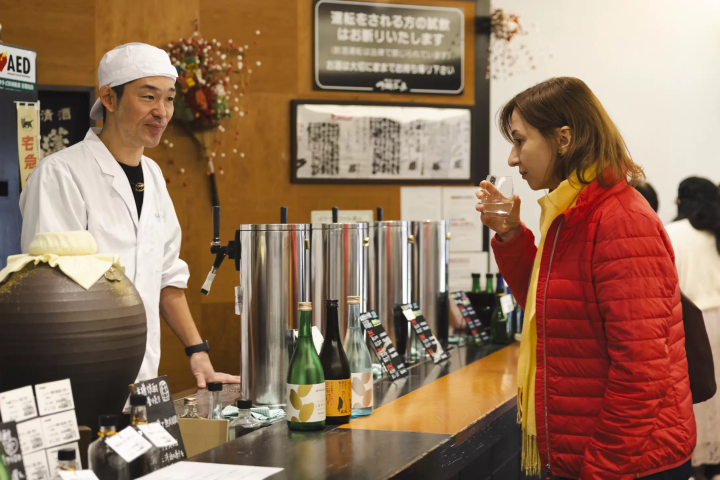
After the brewery tour, be sure to stop by the shop for a tasting! Guests can usually sample three types of sake for free. We especially recommend trying Ichinen Fudo, a variety brewed right here at the Ginjo Kobo; its surprisingly refreshing taste is a revelation!
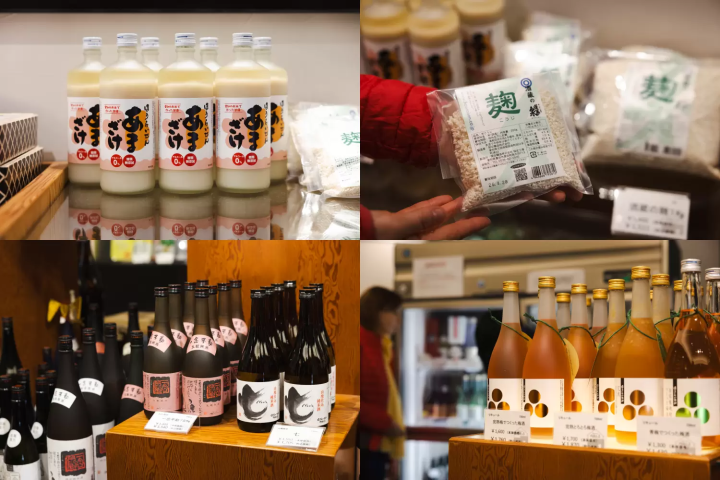
The shop handles a wide spectrum of products, ranging from daily sake beverages to premium junmai daiginjo selections and limited-edition seasonal offerings.
They also feature a variety of fruit liqueurs—such as ume (plum), blueberry, and apricot—which the Houraisen Ginjo Kobo proudly makes on-site. Visitors can also purchase snacks, food products made with sake lees, amazake, and even koji rice for preparing homemade fermented dishes.
Houraisen Ginjo Kobo
 713 Minamimizuwakare, Kuroda-cho, Toyota, Aichi Prefecture, 441-2524
Houraisen Ginjo Kobo is a sake brewery that opened in Toyota City (formerly Inabu Town) in April 2004, with the desire to promote the appeal of Japanese sake in a multifaceted way. For employees, it is a place for training and preserving sake brewing techniques, and for the general public, it is a place where they can experience the joy of brewing their own sake through sake brewing experiences and custom-made sake brewing.
713 Minamimizuwakare, Kuroda-cho, Toyota, Aichi Prefecture, 441-2524
Houraisen Ginjo Kobo is a sake brewery that opened in Toyota City (formerly Inabu Town) in April 2004, with the desire to promote the appeal of Japanese sake in a multifaceted way. For employees, it is a place for training and preserving sake brewing techniques, and for the general public, it is a place where they can experience the joy of brewing their own sake through sake brewing experiences and custom-made sake brewing.
Experience Sake Brewing at Houraisen Sake Lab
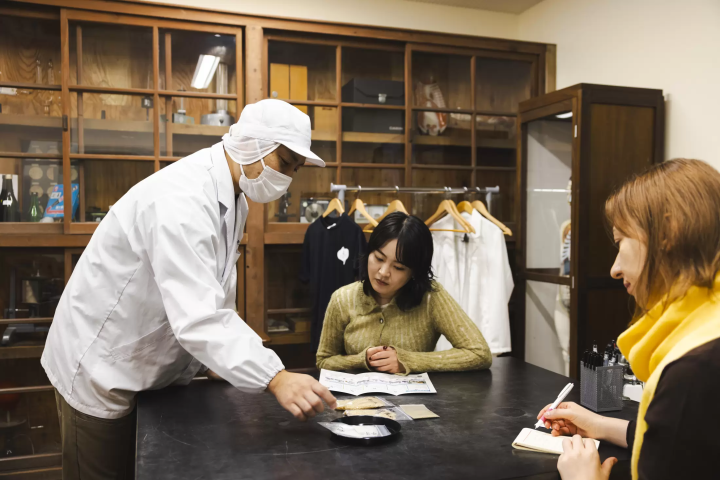
For those seeking a hands-on experience of sake brewing, Sekiya Brewery opened the Houraisen Sake Lab in 2021.
Located within Michi-no-eki Shitara, the local roadside station, this miniature brewery offers five distinct courses that allow visitors to participate in various stages of sake production. The sessions typically accommodate 2 to 5 people, though groups of up to 8 individuals can participate together.
Please ensure you make a reservation in advance at: https://www.houraisen.co.jp/en/sakelabo.html (Japanese only)
Each course begins with a theoretical component where experienced staff teach the basics of sake brewing. The seminar venue is a recreation of a school laboratory, utilizing materials and objects sourced from the currently unused Nagura School. This unique interior evokes a strong sense of nostalgia for many Japanese visitors, transporting them back to their own school days.
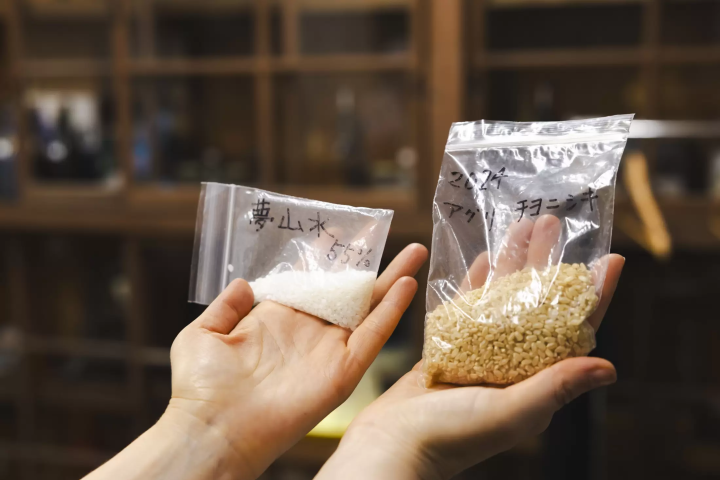
Here, you will be able to examine samples of polished and unpolished rice, compare different rice varieties based on shape and color, and see samples of koji spores—which are essential to the fermentation process. All your questions regarding the art of sake brewing can be answered in this introductory session!
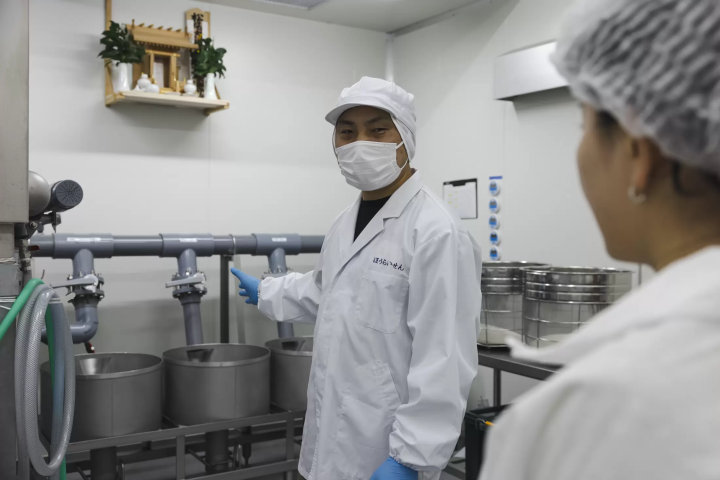
The hands-on part of the course allows you to take part in one of the following key activities:
washing the rice, steaming the rice, shikomi (inserting the water, steamed rice, and koji into the tank for fermentation), and even two steps from the shibori (pressing) process—inserting the fermented mash into the sacks for pressing, and performing the pressing itself to obtain the sake.
(*Please note that each activity is available on a different day, so check the schedule when making your reservation.)
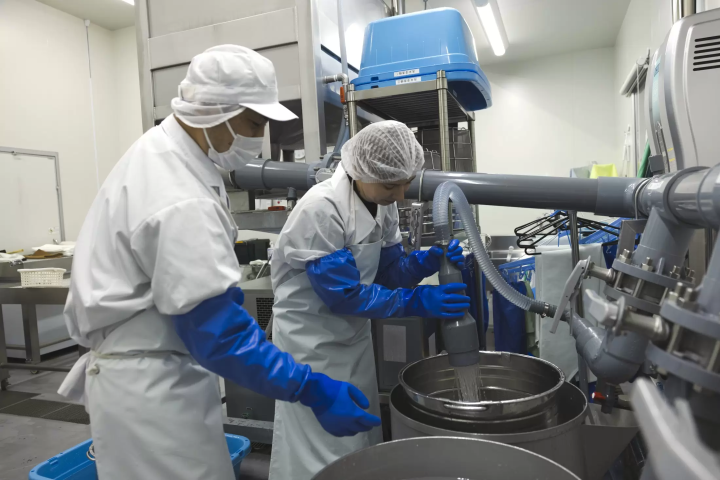
During our visit, we tried our hand at washing the rice. The quantity of rice is carefully measured, and the water is changed three times. What surprised us most, however, was that the washing time is also precisely measured to control the amount of water absorbed by the rice!
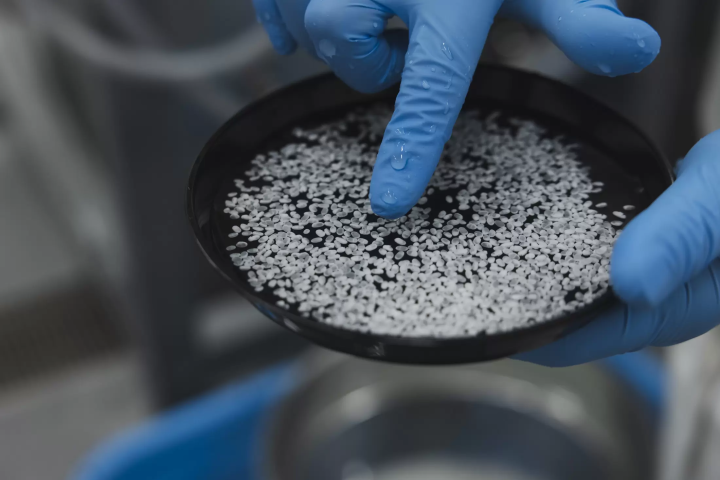
After washing, the rice is left to soak, and you can actually watch its color gradually change from transparent to opaque white as it absorbs the water. Only after absorbing the right amount of water is the rice ready for the next process: steaming.
This process showed us the exact science that lies behind sake brewing! We would not have gained this valuable insight without this hands-on experience, and we highly recommend it. Feeling the chill of the air in a space set to the low temperatures ideal for sake brewing, listening to the sounds of fermentation, and taking in the unique aromas—it was truly an experience to be savored with all five senses.
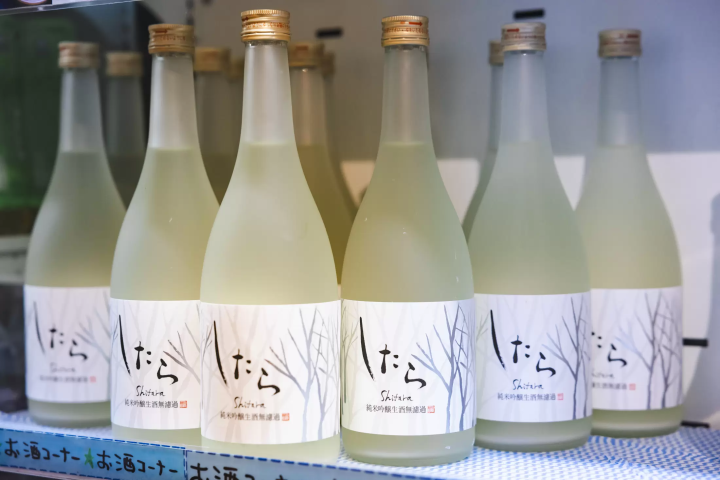
Participation in any of the courses includes a bottle of the original sake brewed right at the laboratory. Don't miss this unique, direct encounter with the world of sake brewing in the Shitara area of Aichi!
Houraisen Sake Lab
 17-7 Nakada, Kiyosaki, Shitaracho, Kitashitara, Aichi Prefecture, 441-...
Houraisen Sake Lab is a facility where visitors can experience sake brewing that opened inside Michi-no-Eki Shitara in May 2021. Using locally harvested rice, Houraisen Sake Lab allows visitors to experience everything from washing and steaming the rice to preparation and pressing.
By experiencing the sake brewing process while getting hands-on with traditional techniques, visitors are given the opportunity to experience the profound depths of sake culture.
Through this experience, visitors will gain a real sense of the joy and difficulty of sake brewing, as well as learn about the traditions of Sekiya Brewery, the local climate, and its history.
The facility also holds amazake (sweet sake) classes and workshops, offering a wide range of programs where visitors can deepen their understanding of sake culture through a variety of experiences.
17-7 Nakada, Kiyosaki, Shitaracho, Kitashitara, Aichi Prefecture, 441-...
Houraisen Sake Lab is a facility where visitors can experience sake brewing that opened inside Michi-no-Eki Shitara in May 2021. Using locally harvested rice, Houraisen Sake Lab allows visitors to experience everything from washing and steaming the rice to preparation and pressing.
By experiencing the sake brewing process while getting hands-on with traditional techniques, visitors are given the opportunity to experience the profound depths of sake culture.
Through this experience, visitors will gain a real sense of the joy and difficulty of sake brewing, as well as learn about the traditions of Sekiya Brewery, the local climate, and its history.
The facility also holds amazake (sweet sake) classes and workshops, offering a wide range of programs where visitors can deepen their understanding of sake culture through a variety of experiences.
Summary
We hope this introduction to Sekiya Brewery has demonstrated how sake brewing can deeply engage with the local community and environment, setting a powerful example of embracing change to preserve a precious tradition.
Beyond brewing sake and offering guided tours and hands-on experiences, Sekiya Brewery also operates the MARUTANI Sake Bar, with two branches in Nagoya (in Nagono and Hisaya-odori Park). Visit either location to enjoy exceptional food and sake pairings featuring Sekiya Brewery’s products.
When you have the opportunity, open a bottle of Houraisen to experience the exquisite craftsmanship of Aichi’s master brewers. We encourage you to visit one of their facilities in Shitara for an unforgettable encounter with the art of fermentation and sake brewing.
Japanese HAKKO is the source of UMAMI. We'll introduce you to its little-known "secrets" and "charms" in detail! Nagoya, where a Shogun once ruled Japan, is famous for Nagoya Castle and Ghibli Park, but it is actually a treasure trove of food culture that produces "UMAMI," the essence of Japanese cuisine. ■What's HAKKO? HAKKO technology plays a crucial role in the production of seasonings that determine the taste of Japanese cuisine, as well as in the creation of sake, which is popular all over the world. ■What's Nagoya like? Located in the central region of Japan, Nagoya serves as a hub for both air and land travel. Its blessed natural environment and climate have fostered a unique fermented food culture. The Chita Peninsula , surrounded by Ise Bay and Mikawa Bay , is a scenic area where brewing industries such as sake, vinegar, miso, and tamari have flourished since ancient times. Nishimikawa, the birthplace of Tokugawa Ieyasu, has a history of unique fermented seasonings such as "Hatcho Miso" and "White Soy Sauce."
The contents on this page may partially contain automatic translation.
Special Features
More









![[Osaka Sightseeing Bus Tour] Enjoy 360° views of Osaka from an open-top bus!](https://resources.matcha-jp.com/resize/720x2000/2026/05/25-264541.webp)
![[Autumn 2026] Private Night Tour to See the World Heritage Site Toji Temple Illuminated in a Fantastical Light-Up Effect](https://resources.matcha-jp.com/resize/720x2000/2026/04/28-263309.webp)