
Curling, the “Chess on Ice”|Rising-Star Winter Sport Spectator Guide: Rules, Highlights & Tickets
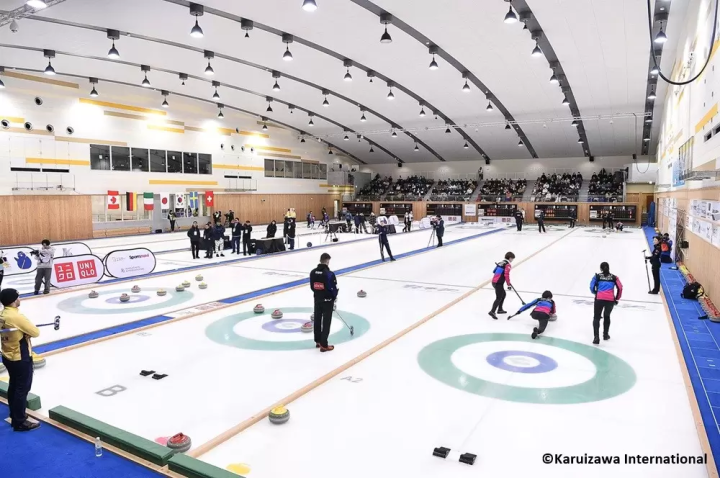
Curling is a sport that is sometimes called "chess on ice," in which players place stones and compete for points. The flow of the game can change with just one throw, so the more you understand the mechanics, the more interesting it becomes to watch. Here, we will explain team roles, equipment, sheets, rules, calls, scoring, and etiquette.

Written by
"Tickets in Japan" is a ticket sales service that allows international tourists visiting Japan to purchase entertainment tickets for sports events, concerts, theater performances, and other shows held in Japan.
This service includes sponsored advertisements.
-
Table of Contents
- Team Composition & Position Roles
- Curling's Unique Equipment (Stones, Brushes, Shoes)
- The Structure of the Rink "Sheet" Where Matches Are Played
- Basic Rules of Match Progression (Ends and Throwing Order)
- Sweeping & Players' "Calls"
- How to Count "Points" That Determine Victory
- Spectator Etiquette and "Concede (Give Up)"
- Tickets in Japan X KARUIZAWA INTERNATIONAL (Curling)
Team Composition & Position Roles
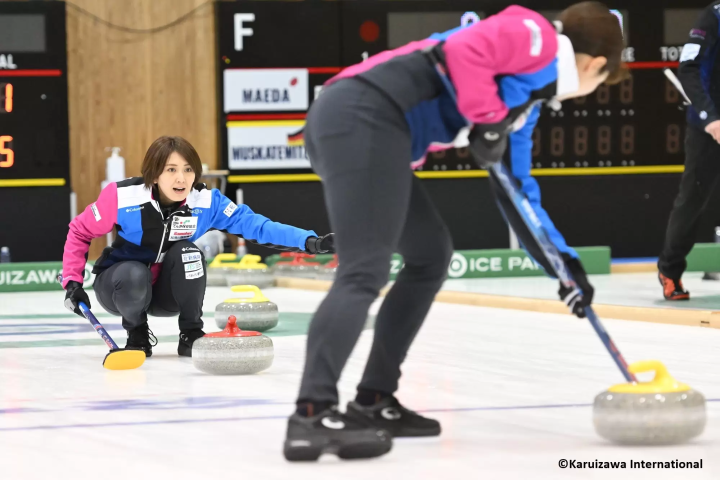
Curling is played with 4 people per team, throwing in order: Lead → Second → Third (Vice-Skip) → Skip, with each throwing 2 stones. The Lead creates the foundation with guards and draws in the early game, and after throwing, mainly adjusts distance and curl through sweeping. The Second handles guards and takeouts according to the situation, similarly supporting through sweeping.
The Third throws at crucial moments in the late game, and when the Skip is throwing, reads the situation from the house and instructs on targets and lines. The Skip acts as the commander, deciding tactics and moving the game with the final 2 throws. The Reserve serves as a substitute, entering based on physical condition and tactics.
Curling's Unique Equipment (Stones, Brushes, Shoes)
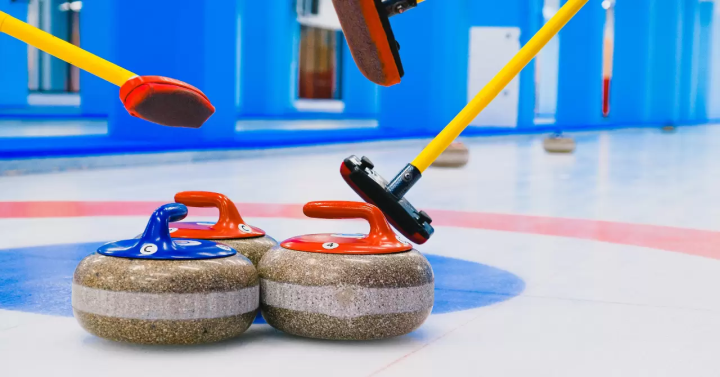
Curling equipment centers on stones, brushes, and specialized shoes. Stones are made of granite, approximately 30cm in diameter and weighing about 20kg, with the same set shared on the rink. Brushes commonly have synthetic fiber pads, though horsehair or boar bristle may be used depending on rink conditions. They're used for "sweeping" the ice in front of the stone's path during delivery, changing the ice surface condition through friction to extend distance or adjust curl.
Shoes have different soles for left and right feet, with one foot having a sliding material and the other a non-slip material, matched to handedness. Grippers are attached when walking. Hand control is also important.
The Structure of the Rink "Sheet" Where Matches Are Played
©Karuizawa International
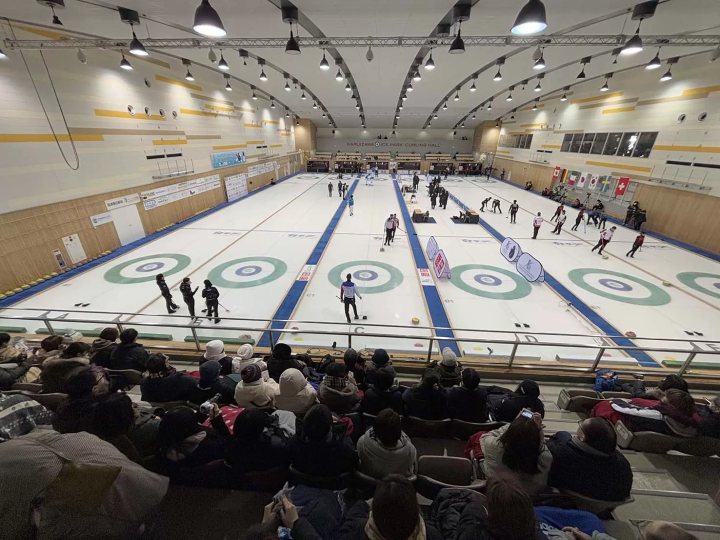
The stage for curling is an elongated rink called a "sheet". It's approximately 40m long and 5m wide, with circular "houses" drawn at both ends. The goal is to place stones as close as possible to the center of the house. When delivering, stones must be released before the "hog line" and cross the hog line to be valid plays.
The effective range extends to the "back line" behind the house, and stones that cross it become invalid. The throwing direction alternates each end, with offense and defense continuing back and forth on the same sheet. Venues have multiple sheets, with matches proceeding simultaneously during preliminaries.
Basic Rules of Match Progression (Ends and Throwing Order)
Curling is generally played in 10 ends, with matches progressing by accumulating segments called "ends". One end consists of both teams throwing 8 stones each, totaling 16 throws. One team of 4 people (Lead → Second → Third → Skip) each throws 2 stones, with first and second teams alternating one throw at a time.
The first half of throws create formations, while the second half, especially the Skip's final 2 throws, tend to move the game. After throwing 8 stones each, points are counted, and the team that scored becomes the first team (hammer team) in the next end. Competitions may have time limits, with decision speed also being tested toward the end.
Curling Match Information
![[TICKET OPEN] KARUIZAWA INTERNATIONAL (Curling)| Match Schedule & Ticket Information](https://resources.matcha-jp.com/resize/200x2000/2026/01/14-255505.webp)
Sweeping & Players' "Calls"
©Karuizawa International
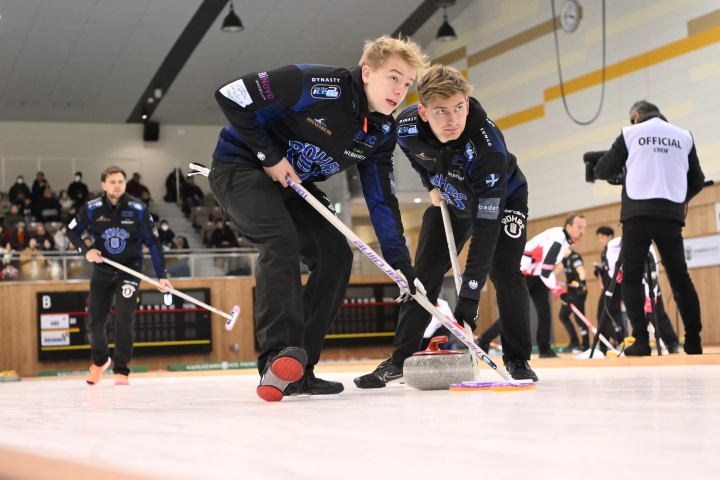
Sweeping is the operation of brushing the ice in front of the stone's path, slightly melting the surface of pebble (ice granules) to improve gliding. This extends distance, weakens curl, or keeps the stone on the intended line.
Instructions are given by the thrower or the Skip at the house end, and calls change if judgment changes mid-delivery. Signals are short and clear, with "Yep/Yes" meaning sweep, "Whoa" meaning stop, "Clean" meaning lightly, and "Hard" meaning strongly and quickly. Paying attention to voice changes reveals tactics and conveys the venue's tension.
How to Count "Points" That Determine Victory
©Karuizawa International
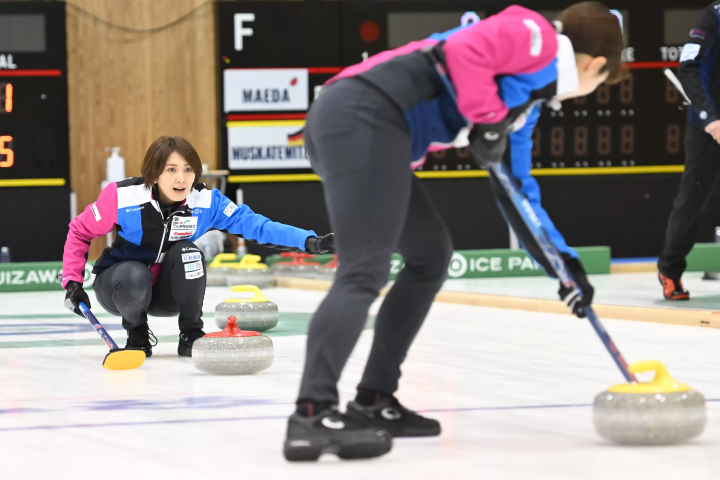
Curling scoring is determined by "how close to the house center (tee)". After one end finishes, both teams' stones are compared, and the team with the stone closest to center scores. The points are the number of that team's stones that are closer to center than the opposing team's closest stone.
For example, if your team has the 1st and 2nd closest stones, you score 2 points; if the opponent gets the 2nd closest, you score 1 point. Importantly, only one team can score in each end. The team that doesn't have the closest stone to center automatically scores 0 points for that end.
Spectator Etiquette and "Concede (Give Up)"
©Karuizawa International
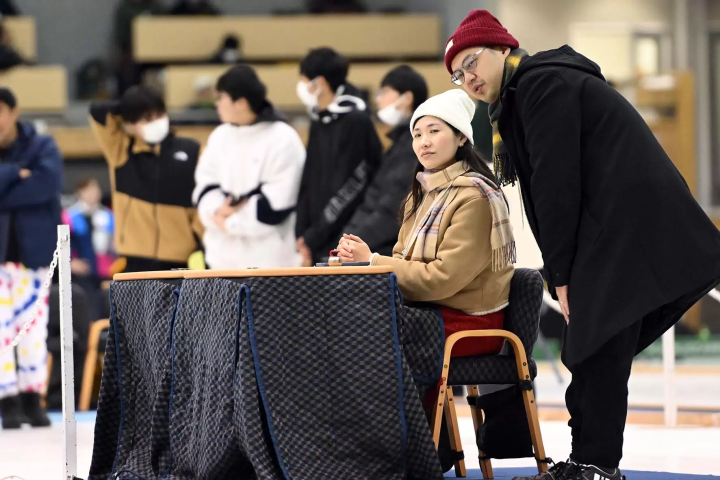
Curling is a sport that values fair play and respect for opponents. When spectating, avoid private conversations and moving seats during deliveries, maintaining concentration with quiet applause. Since some venues allow viewing very close to players, avoid flash photography and loud cheering.
Since players cooperate with each other to progress matches, including score confirmation, avoid reactions that celebrate opponents' mistakes. The second team (hammer team) that throws the final stone in each end can easily change the situation, and this advantage is called the "hammer". When victory becomes realistically difficult, the losing team's Skip requests a handshake to "concede", praising the opponent and ending the match.
Tickets in Japan X KARUIZAWA INTERNATIONAL (Curling)
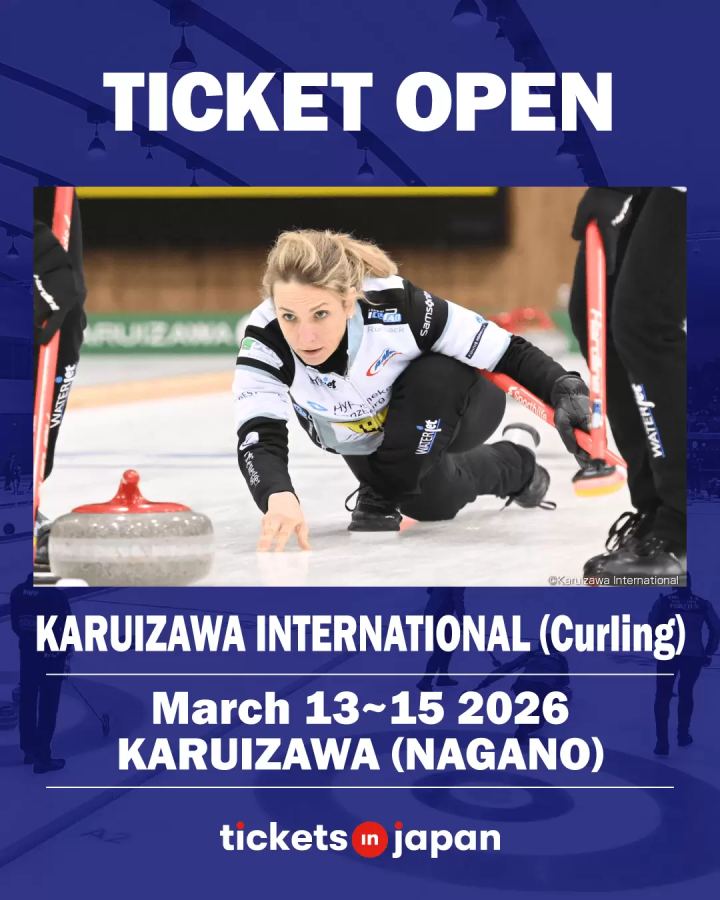
Tickets in Japan is currently selling tickets for the KARUIZAWA INTERNATIONAL (Curling) Championships. This is a rare opportunity to watch world-class competition up close in winter in Karuizawa. For details on match dates, venue information, ticket types, prices, and more, please click the link below.
Karuizawa Ice Park (Curling)
 1154-1 Hotchi, Karuizawa, Kitasaku District, Nagano 389-0113
This year-round curling hall, one of Japan's largest, hosts major domestic and international competitions.
It offers beginner-friendly trial classes, so even those with no experience can have fun.
The curling hall also features a "Fureai Hall" where you can take a break and eat and drink, as well as a conference room for meetings.
1154-1 Hotchi, Karuizawa, Kitasaku District, Nagano 389-0113
This year-round curling hall, one of Japan's largest, hosts major domestic and international competitions.
It offers beginner-friendly trial classes, so even those with no experience can have fun.
The curling hall also features a "Fureai Hall" where you can take a break and eat and drink, as well as a conference room for meetings.
"Tickets in Japan" is a ticket sales service that allows international tourists visiting Japan to purchase entertainment tickets for sports events, concerts, theater performances, and other shows held in Japan.
The contents on this page may partially contain automatic translation.
Special Features
More















![[Shinjuku Girls' Trip] 4 Recommended Shops for Women at Odakyu Ace!](https://resources.matcha-jp.com/resize/720x2000/2026/05/11-263877.webp)