
【Wakayama Guide】For a Moment of Healing — A Shukubō Experience in Wakayama
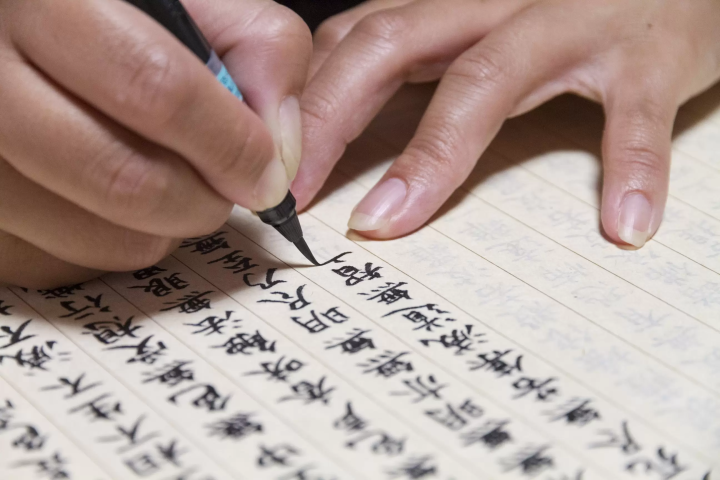
Originally, Shukubō were places where monks could stay while traveling. Over time, they opened to worshippers and travelers as lodging facilities. Today, they are popular as a way to refresh the mind and body in a calm temple environment while experiencing Japan’s spiritual culture.

Written by
[Where tradition meets modernity] We will spread the appeal of Wakayama and Osaka to the world. HP: https://www.japanrootsguide.com/jp Let's travel Japan together and create inspiring stories and unforgettable experiences. From the tranquil temples and shrines of Wakayama and the soothing green mountains to the vibrant city and delicious food of Osaka, We will deliver the charm of this place to you in full detail. Let's join us and enjoy the beauty of Japan. "This account is operated by Nankai Electric Railway Co., Ltd." [Photo description] 1. Rapi:t Express Train Connecting Kansai International Airport and Namba 2. Nachi Falls and the Mie Pagoda of Seiganto-ji Temple (Photo courtesy of the Wakayama Prefecture Tourism Federation)
This service includes sponsored advertisements.
-
Table of Contents
- What Is a Shukubō?
- Features of Shukubō
- Shōjin Ryōri (Buddhist Vegetarian Cuisine)
- Manners and Tips for Staying at a Shukubō
What Is a Shukubō?
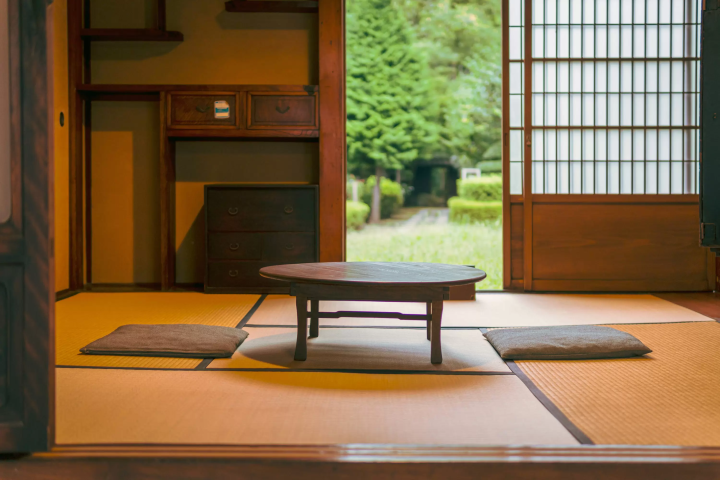
Photo credit: (Unsplash) Se.Tsuchiya (CC BY-SA 4.0: https://creativecommons.org/licenses/by-sa/4.0/deed.ja)
Shukubō (Temple Lodgings) developed as resting places essential for long pilgrimage journeys. They were later used by many worshippers and eventually became part of temple culture, opening to general travelers as well.Today, a shukubō is a lodging facility offered by Buddhist temples, available not only to pilgrims but also to regular travelers. Guests can stay in traditional Japanese‑style rooms and experience aspects of monastic life. Activities such as morning rituals and zazen meditation allow visitors to observe the daily lives of monks and gain a deeper understanding of Buddhist culture.
Although shukubō (temple lodgings) can be found throughout Japan, the most popular and accessible destination for first-time visitors is Koyasan in Wakayama. Koyasan is widely known as a UNESCO World Heritage Buddhist sacred site. Local temples are also accustomed to hosting international guests, and many accept reservations in English, making it a comfortable and reliable choice.
Features of Shukubō
Activities such as morning services and zazen allow guests to observe monastic routines and deepen their understanding of Buddhist culture.
Typical features of shukubō include:
● Tatami-mat Japanese rooms with futons
● Shared toilets and shared baths
● A quiet environment that values tranquility
● A stay that follows the rhythm of monastic life
Some shukubō offer modern facilities, but most preserve a traditional atmosphere, providing a calm and soothing space.
Spending Time at the Shukubō
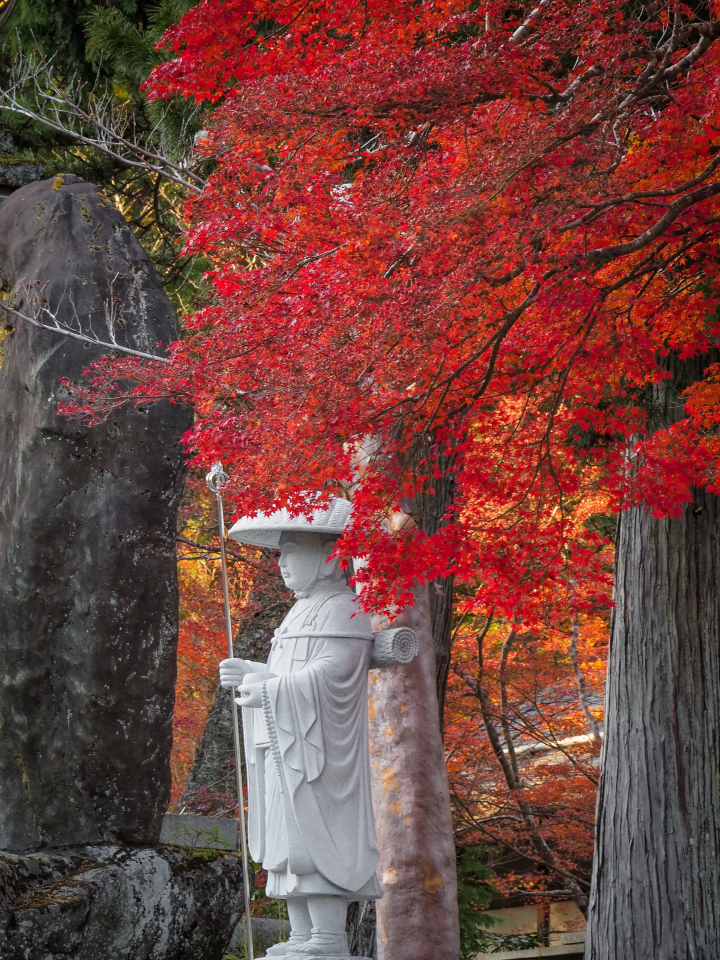
Photo courtesy of Wakayama Prefecture Tourism Federation
The typical experiences include:
● Morning service: Join monks in chanting sutras for a peaceful and reflective start to the day.
● Zazen meditation: A meditative practice focused on posture and breathing, promoting clarity and inner calm.
● Shakyō (sutra copying): Copying sutras with brush and ink, which helps improve concentration.
● Garden viewing: Enjoying the beauty and tranquility of carefully maintained temple gardens.
● Learning temple culture: Some temples offer opportunities to learn about history, architecture, and Buddhist traditions from monks or temple staff.
Shōjin Ryōri (Buddhist Vegetarian Cuisine)
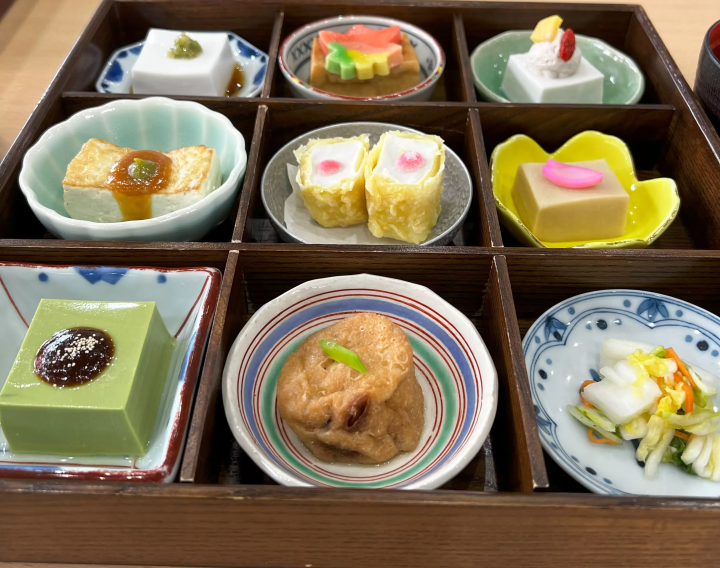
Shōjin ryōri (Buddhist vegetarian cuisine) is another highlight. It is prepared without meat or fish, using tofu, vegetables, konnyaku, and other plant-based ingredients. Its delicate flavors, crafted from seasonal produce, make it a unique dining experience found only at shukubō.
As one of the dishes in shōjin ryōri (Buddhist vegetarian cuisine), there is a famous Koyasan specialty called goma-dōfu (sesame tofu)!If you’d like to learn more about goma-dōfu, please check the article below! 👇

Manners and Tips for Staying at a Shukubō
When staying at a shukubō, please keep the following points in mind:
● Follow The Rules: Many lodgings have curfews and lights-out times, so be mindful not to disturb the monks’ training.
● Clothing & Etiquette: When participating in ceremonies, modest clothing is recommended, and you should follow the instructions provided.
● Use of Shared Facilities: In many shukubō, bathrooms and baths are shared, so please use them respectfully.
● Check Payment Methods: Some places accept only cash, so it’s important to confirm this in advance.
How to Make a Reservation
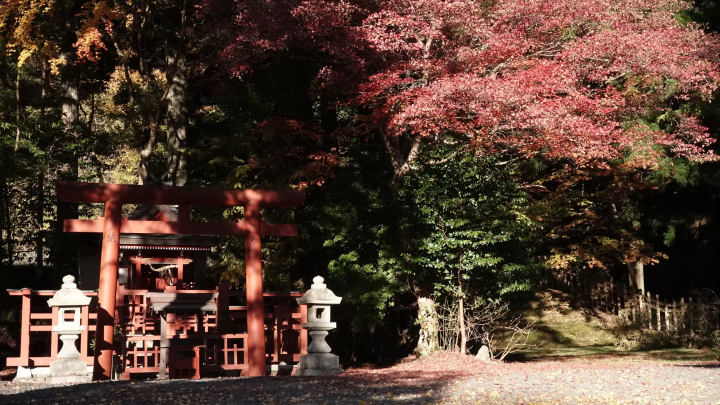
Many shukubō require reservations ahead of time. If you would like to book a stay at a shukubō in Koyasan, please refer to the link below.
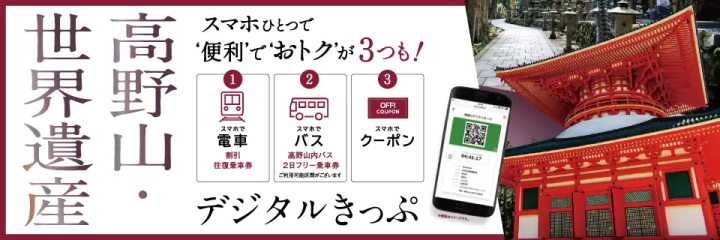
For access to and transport within Koyasan, there is also a value-packed ticket available. It includes:
● A round‑trip train ticket from selected stations,
● Unlimited bus rides within Koyasan for two days, and
● Coupons usable at nine different facilities.
For details, please check the website for digital tickets through the link below.
[Where tradition meets modernity] We will spread the appeal of Wakayama and Osaka to the world. HP: https://www.japanrootsguide.com/jp Let's travel Japan together and create inspiring stories and unforgettable experiences. From the tranquil temples and shrines of Wakayama and the soothing green mountains to the vibrant city and delicious food of Osaka, We will deliver the charm of this place to you in full detail. Let's join us and enjoy the beauty of Japan. "This account is operated by Nankai Electric Railway Co., Ltd." [Photo description] 1. Rapi:t Express Train Connecting Kansai International Airport and Namba 2. Nachi Falls and the Mie Pagoda of Seiganto-ji Temple (Photo courtesy of the Wakayama Prefecture Tourism Federation)
The contents on this page may partially contain automatic translation.
Special Features
More









![[Fukui Prefecture] Discover a side of Japan you never knew existed.](https://resources.matcha-jp.com/resize/720x2000/2026/03/04-260375.webp)


![[One-day bus trip] Take the express bus from Namba (OCAT)! ~Awaji Island, Naruto, Tokushima~](https://resources.matcha-jp.com/resize/720x2000/2026/01/29-257017.webp)