Nagano Weather Guide: What to Wear by Season and Travel Tips
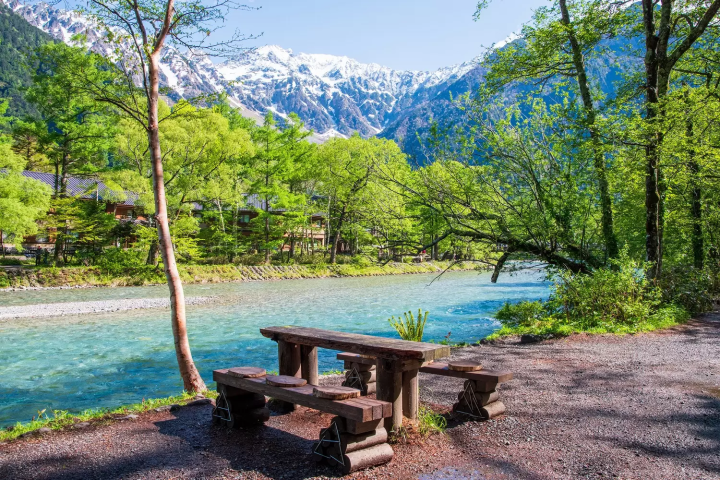
Check the weather features of Nagano for a perfect trip in any season - with tips on what to wear, temperatures, monthly rainfall, and winter snow conditions.

Written by
Gunma,Japan
Lives and works in Gunma Prefecture. Moved to Gunma Prefecture right after graduating from high school to train as a sports trainer. He trained athletes and other athletes in training, stretching, form coaching and checking, and dietary management. After moving to Shizuoka Prefecture, he opened a clinic in Maebashi City, Gunma Prefecture in 2013, and started working as a writer around 2022. I mainly write blog posts in the health and outdoor genres, as well as sports-related YouTube scenarios.
This service includes sponsored advertisements.
Weather Features in Nagano's Regions
Inland and high in altitude, Nagano Prefecture features a diverse climate with distinct seasonal shifts.
The cities of Nagano and Matsumoto are located in basins surrounded by mountains. So they trap summer heat but experience severe winter cold due to radiative cooling.
In contrast, elevated highland resorts like Karuizawa and Kamikochi stay cool, serving as popular summer getaways.
While the region generally enjoys low humidity and low precipitation year-round, it still sees occasional summer heatwaves and heavy winter snow from the Sea of Japan.
Nagano's distinct seasons offer unique characteristics:
- Spring: Large temperature swings between day and night.
- Summer: Intense daytime sun paired with cool evenings, which produces exceptionally vibrant autumn foliage.
- Winter: Hazardous conditions requiring caution due to snow accumulation and frozen roads.
-
Table of Contents
- Average Temperatures in Nagano and Climate Features
- Spring in Nagano: Weather in March - May and What to Wear
- Summer in Nagano: Weather in June - August and What to Wear
- Autumn in Nagano: Weather in September - November and What to Wear
- Winter in Nagano: Weather in December - February and What to Wear
Average Temperatures in Nagano and Climate Features
In Nagano, temperatures vary drastically by altitude and topography.
Urban basins like Nagano City average 11°C to 13°C annually; summers frequently exceed 30°C, while winters are harsh with sub-zero lows.
In contrast, highland resorts like Karuizawa and Kamikochi stay noticeably cooler. Their summer highs rarely top 25°C, but their elevation pushes winter temperatures down near -10°C.
Across the prefecture, low year-round precipitation often leads to dry air. However, summer nights remain comfortable, as tropical nights (where temperatures stay above 25°C) are rare.
While summers are pleasant, winter travelers and residents must stay alert for heavy snow accumulation and frozen roads.
Spring in Nagano: Weather in March - May and What to Wear
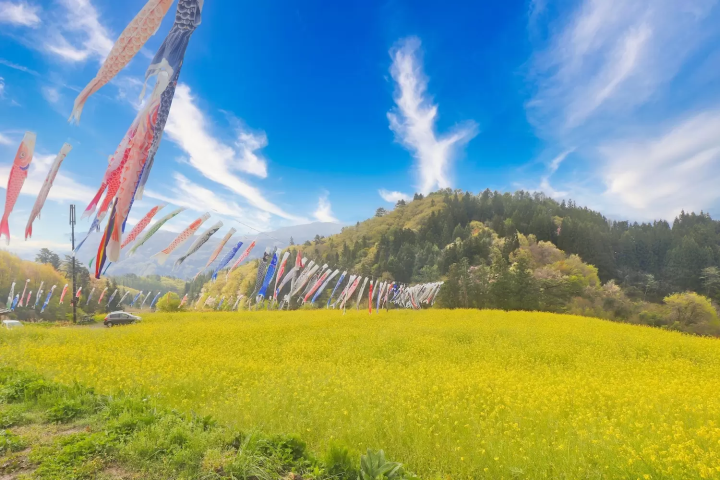
Nagano's Nakajo area in early May
From March to May, spring arrives in full force across Nagano. Cherry blossoms begin blooming in the lower altitudes, peaking across most of the prefecture between mid- and late April.
However, daily temperature swings during this season are dramatic, with mornings and evenings frequently dropping to around 5°C.
To help you prepare, here are the average spring temperatures:
- Average Maximum Temperature: 15°C to 20°C
- Average Minimum Temperature: 2°C to 7°C
What to Wear in Nagano in March - May
Because mornings and evenings can get chilly, it is best to pack a jacket, sweater, or light coat.
On warmer days, a shirt or light sweater is perfectly fine for the afternoon. However, early spring can bring strong winds, so keeping a wind-resistant jacket handy is highly recommended.
Summer in Nagano: Weather in June - August and What to Wear
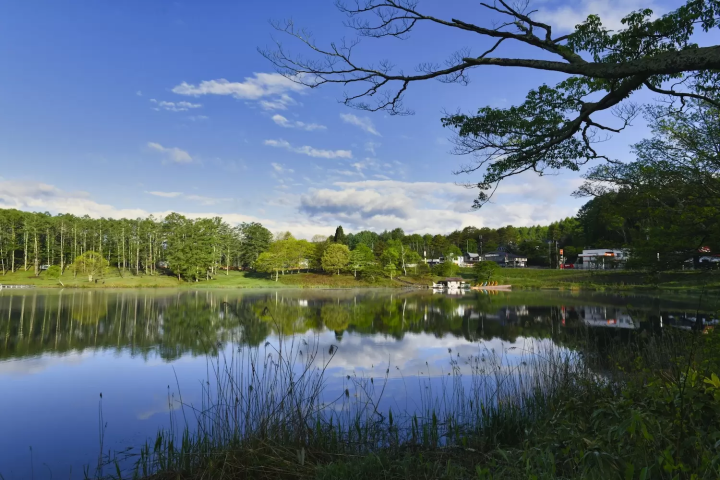
From June to August, urban Nagano can experience sweltering days similar to Tokyo. Daytime temperatures frequently exceed 30°C, and the trapped humidity characteristic of basin geography can feel uncomfortable.
Fortunately, due to the inland climate, temperatures drop quickly after sunset, making tropical nights virtually non-existent.
Here are the average summer temperatures:
- Average Maximum Temperature: 25°C to 30°C
- Average Minimum Temperature: 15°C to 20°C
What to Wear in Nagano in June - August
Short sleeves or light shirts are perfect for the day, but you will want a light outer layer for the cooler evenings.
If you plan to head into the highlands, it can feel chilly even in the afternoon, so bringing a lightweight cardigan or hoodie is highly recommended.
Autumn in Nagano: Weather in September - November and What to Wear
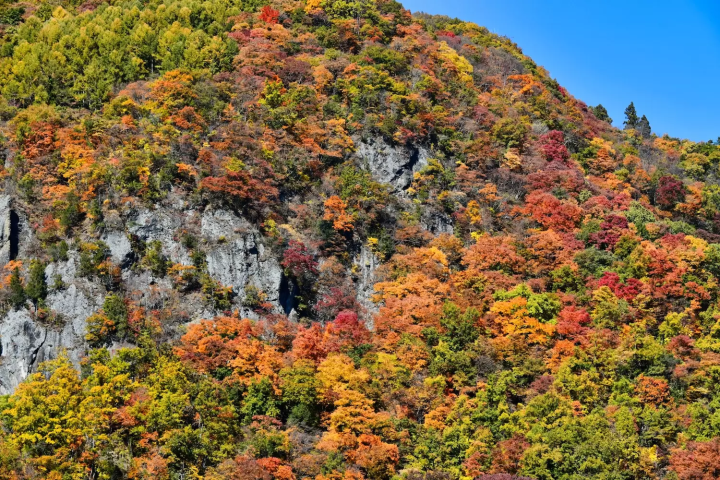
From September to November, Nagano transitions into a crisp, pleasant autumn. Vibrant foliage emerges in the high-altitude areas starting in late September, and by October, the beautiful fall colors reach the urban basins as well.
However, temperatures drop rapidly during this season, with mornings and evenings frequently falling below 10°C.
Here are the average autumn temperatures:
- Average Maximum Temperature: 15°C to 20°C
- Average Minimum Temperature: 5°C to 10°C
What to Wear in Nagano in September - November
To stay comfortable, it is best to pack layerable pieces like sweaters, cardigans, and jackets.
While daytime temperatures remain pleasant, evenings cool down significantly, making adjustable layers essential for the shifting weather.
Winter in Nagano: Weather in December - February and What to Wear
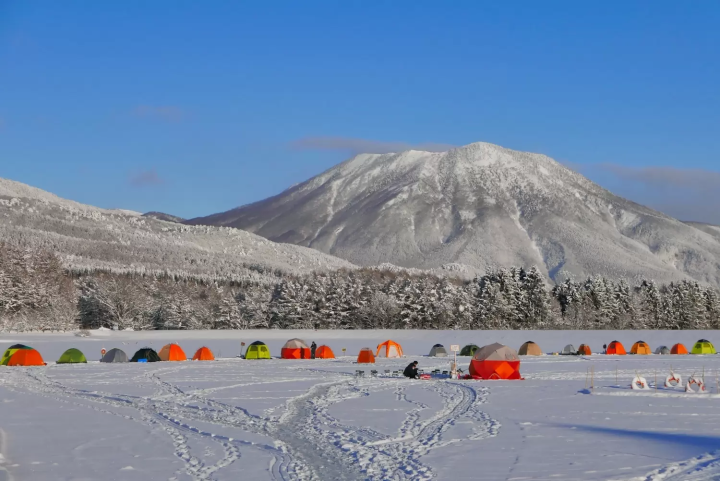
Lake Reisenji in winter
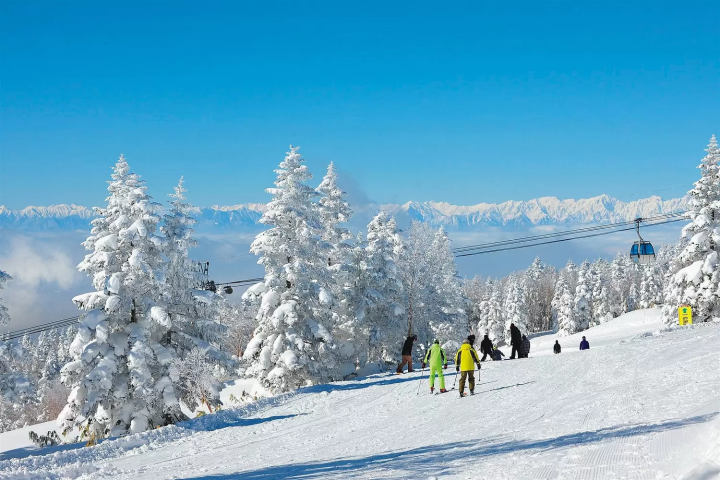
From December to February, winter arrives with a severity far exceeding that of neighboring prefectures. January is the coldest stretch, bringing average urban maximums of around 3°C and minimums dropping to -4°C.
In the highlands, conditions are even harsher, with temperatures frequently plunging near -10°C. Heavy snow accumulation and frozen roads are common across the region, requiring extra caution from travelers and residents alike.
Here are the average winter temperatures:
- Average Maximum Temperature: 0°C to 5°C
- Average Minimum Temperature: -5°C to 0°C
What to Wear in Nagano in December - February
Thorough cold-weather preparation is essential for this season. Along with a heavy coat or down jacket, you should pack winter accessories like scarves, gloves, and beanies.
If you encounter snow or ice, wearing waterproof footwear with anti-slip soles will ensure you stay safe and steady on your feet.
Enjoy Exploring Nagano
One of Nagano Prefecture’s greatest charms is the diversity of its natural scenery, featuring everything from the urban hubs to breathtaking highlands.
When visiting for travel or sightseeing, be sure to prepare your clothing and gear according to the season and the altitude of your destination.
Winter requires particular caution due to snow accumulation and frozen roads, so please check the latest weather forecasts frequently and take the necessary precautions to ensure a safe trip.
Read also


Main image by Pixta
Lives and works in Gunma Prefecture. Moved to Gunma Prefecture right after graduating from high school to train as a sports trainer. He trained athletes and other athletes in training, stretching, form coaching and checking, and dietary management. After moving to Shizuoka Prefecture, he opened a clinic in Maebashi City, Gunma Prefecture in 2013, and started working as a writer around 2022. I mainly write blog posts in the health and outdoor genres, as well as sports-related YouTube scenarios.





Special Features
More