Travel like you're living in a lovely old house in Nanto City, Toyama Prefecture
One of the hardest things about traveling is lugging heavy luggage... This time, we'll introduce a plan that lets you freely explore the area around Nanto City, Toyama Prefecture, using an old Japanese house as your home base! You'll use public transportation, so you don't need a car or a driver's license! Why not try a long-term stay in the Japanese countryside and explore all its attractions?

Written by
We are promoting the charm of Nanto City, Toyama Prefecture, both in Japan and overseas. Nanto City, located in the southwest of Toyama Prefecture, is blessed with abundant nature in all four seasons, and is a place where the original Japanese landscape and good old traditional Japanese culture remain strong to this day. Gokayama, known for its Gassho-style villages, is a "living World Heritage Site" where people live with their own unique culture. The scattered villages spread across the countryside are also one of the special landscapes unique to this region. Johana, which flourished in silk weaving from the Middle Ages to the early modern period, and Inami, known for woodcarving, are filled with fragrant history and culture. Fukumitsu, where Munakata Shiko lived, Fukuno, which flourished as a market town, Iguchi, the village of camellias, and Toga, a town of theater and urban exchange, are always full of travel attractions, and the people welcome you with warm smiles.
This service includes sponsored advertisements.
-
Table of Contents
- What kind of place is Nanto City?
- This time's accommodation: "Aramachian, Etchu Johana"
- Recommended itinerary: 4 nights, 5 days
- Day 1: Arrival in Johana and information gathering
- Day 2: Relaxing cycling in Johana, a town where faith lives on
- Day 3: Walk around Inami, a museum of wood carvings
- Day 4: Visit the World Heritage Site of Gokayama, a Gassho-style Village
- Day 5: Enjoy the sophisticated casting brand "Nousaku"
- (Reference) Other nearby sightseeing spots
- Fukumitsu, a town where the spirit of folk art lives on
- Tonami, the city of tulips
- The Venice of Japan: The Canal Town "Uchikawa Area"
- Himi, a fishing town on Toyama Bay
- Kanazawa, the home of the Kaga Maeda clan and a city of traditional culture and crafts
- Unazuki Onsen, a town of hot springs and trolley trains
What kind of place is Nanto City?
Located in the southwest of Toyama Prefecture, next door to Ishikawa Prefecture, the city was actually formed through a merger of municipalities in 2004. It's made up of seven areas with different histories and cultures, so each town has its own unique character, which makes it really interesting!
Nanto City is rich in nature, has a rich history and culture, offers great food and alcohol, and has festivals. It's a shame that it's not well known, but it's a city that condenses all the good things about Japan.
(Reference) Mr. Nyanto
For more details, check out Nyanto City's mascot character, Mr. Nyanto, who will be cosplaying as the characters of each area to introduce them to you!
This time's accommodation: "Aramachian, Etchu Johana"
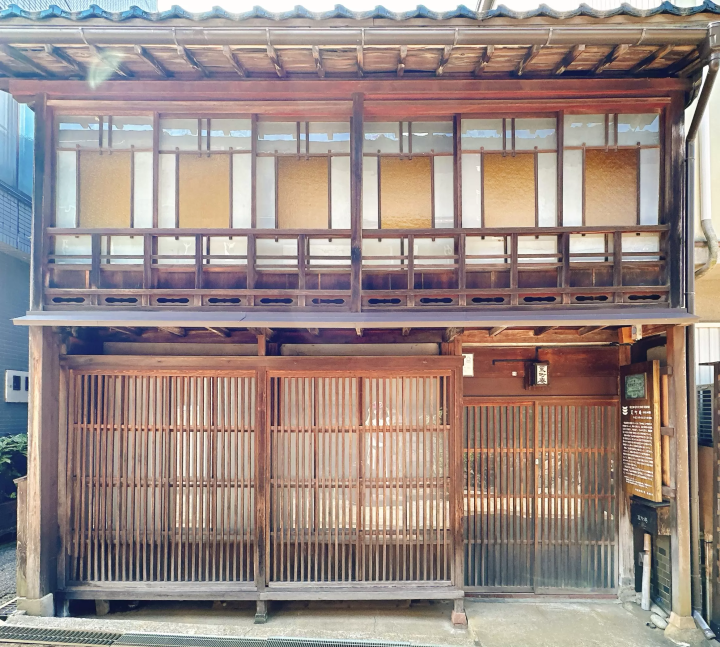
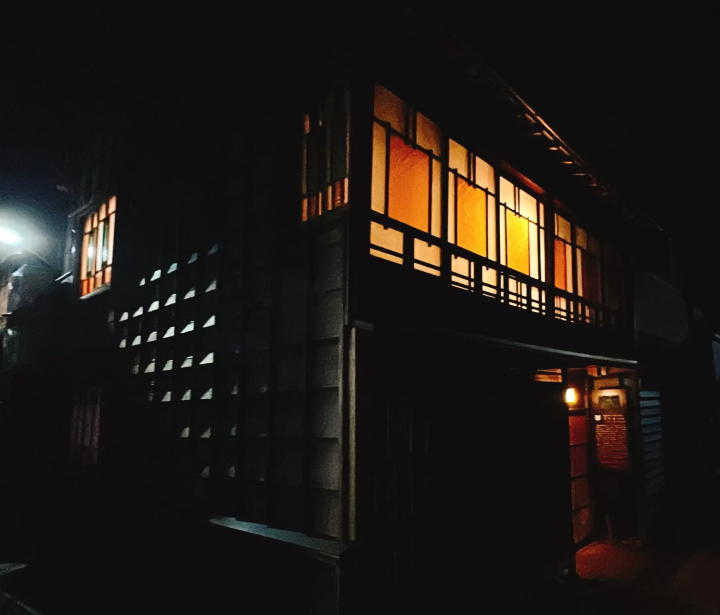
This old house, a former restaurant, has been renovated and is a registered tangible cultural property. It is a 12-minute walk from Johana Station.
Wi-Fi available. Two-story building. There are four Japanese-style rooms on the second floor as bedrooms. On the first floor there are two Japanese-style rooms and a living room with a dirt floor. It also has a spacious and easy-to-use kitchen, and is fully equipped with cooking utensils and tableware, making it perfect for long-term stays. It can accommodate from one person to up to 10 people with family or friends.
What's nearby
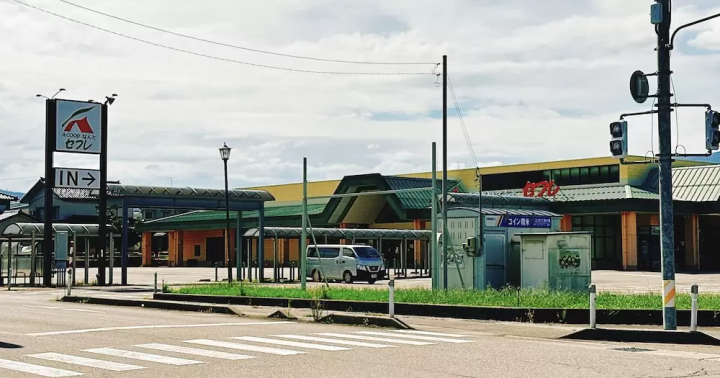
There are supermarkets, convenience stores, and drug stores located within a 7-minute walk from Aramachian, so you will never run out of food or daily necessities.
・supermarket "A Corp Nanto Sefre"
・Lawson
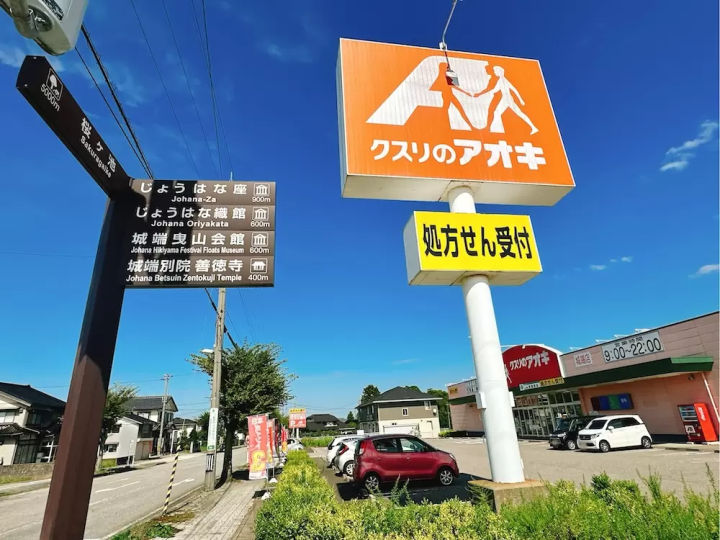
・Drug Aoki
public transport
The only station within walking distance of Aramachian is Johana Station. How to get to Johana Station by public transportation and how to get to the surrounding area from Johana Station is as follows:
◆From the city center to Johana Station
① From Tokyo to Jōhana Station: Tokyo Station ( Hokuriku Shinkansen ) ⇒ Shin-Takaoka Station (transfer to the Jōhana Line) ⇒ Jōhana Station / approximately 4 hours
②From Osaka to Johana Station: Osaka Station (Thunderbird Express) ⇒ Tsuruga Station (Hokuriku Shinkansen) ⇒ Shin-Takaoka Station (transfer to the Johana Line) ⇒ Johana Station / approximately 3 hours and 30 minutes
3. From Kanazawa to Johana Station: 60 minutes by World Heritage Bus (Kaetsuno Bus)
◆From Johana Station to the surrounding area
・JR Johana Line
This is a local line operated by JR West. It has 14 stations in total, stretching from Takaoka Station to Jōhana Station. It is a historic railway line that was the first to open in Toyama Prefecture, but due to a decision to transfer management, this retro train will disappear in a few years. Be sure to check it out now!
(Reference article) Will it disappear someday?! Take the "Johana Line" to Johana! We also took a stroll around the area around Johana Station.
*The times listed are current as of October 2025. Please check the latest information before heading out.
・World Heritage Bus (Kaetsuno Bus)
This is a route bus that connects Takaoka in Toyama Prefecture to Shirakawa-go in Gifu Prefecture. It is convenient for trips to Takaoka, Shin-Takaoka, Nosaku, Johana, Gokayama (Ainokuraguchi, Kaminashi, Suganuma), and Shirakawa-go. There are a limited number of buses per day, so be careful not to miss your ride.
・Nanto Kanazawa Line Bus (Kaetsuno Bus)
A local bus runs from Kanazawa Station to Inami via Fukumitsu and Johana. It takes about 60 minutes from Kanazawa to Johana. To go to Gokayama and Shirakawa-go, change to the World Heritage Bus at Johana.
・Nan Bus (Nanto City Bus)
This bus runs from Johana to Inami, Iguchi, Fukuno, Fukumitsu area, and Toga area. Compared to the two buses mentioned above, this bus travels around a closer area of Nanto city, making it a popular means of transportation for local residents. The timetable is also subject to revisions and the number of daily trips is limited, so be sure to check.
Recommended itinerary: 4 nights, 5 days
Feel free to rearrange it according to the weather and your own condition.
*The following is only a suggested itinerary. Please be sure to check in advance as the latest information such as transportation schedules and store opening hours may have changed depending on the day of the week and the season.
Day 1: Arrival in Johana and information gathering
Off to Nanto City
Route: ① Tokyo Station ⇒ ② Shin-Takaoka Station ⇒ ③ Johana Station ⇒ ④ Check in at Aramachian ⇒ ⑤ Stroll around Johana ⇒ ⑥ Shopping at the supermarket, etc. ⇒ ⑦ Return to Aramachian
11:24 Tokyo → 14:03 Shin-Takaoka (Hokuriku Shinkansen Hakutaka No. 561)
From Tokyo Station, take the Hakutaka to Shin-Takaoka Station
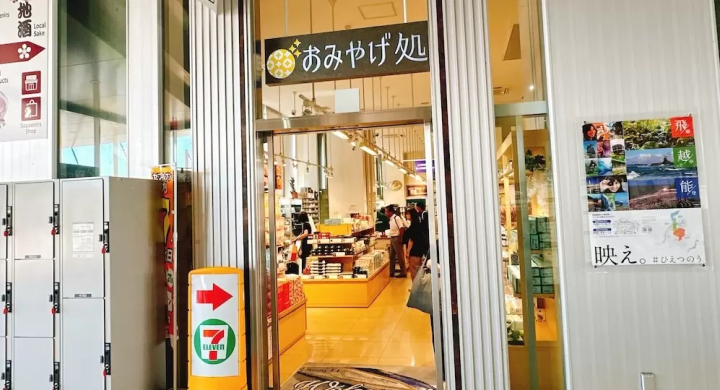
When I arrived at Shin-Takaoka Station, I went to the rest area as I had some time before my transfer.
The 7-Eleven across from the rest area has a wide selection of local specialties, including trout sushi and sake, as well as local sweets. You can buy lunch, souvenirs, or snacks to take along the way here.
14:34 Shintakaoka → 15:22 Johana (JR Johana Line)
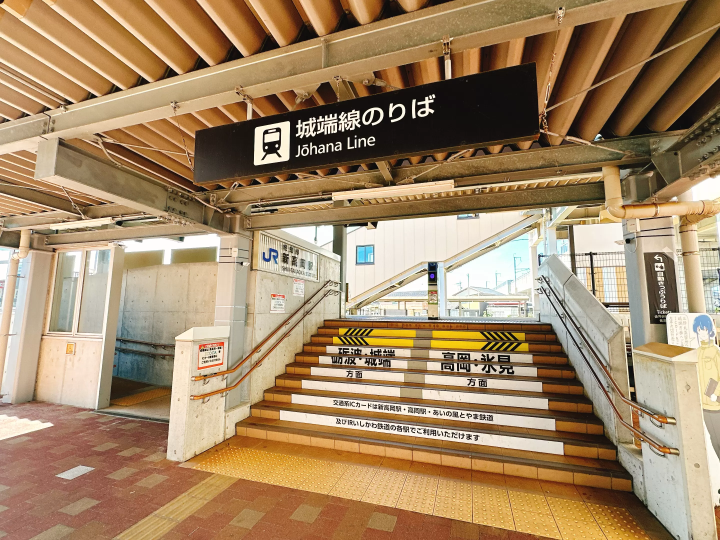
Change to the Jōhana Line at Shin-Takaoka Station.
Please note that IC cards such as SUICA and ICOCA cannot be used on the Jōhana Line (Shin-Takaoka to Jōhana). If you have only purchased a Shinkansen ticket to Shin-Takaoka Station, please purchase a ticket from the vending machine at the Jōhana Line platform.
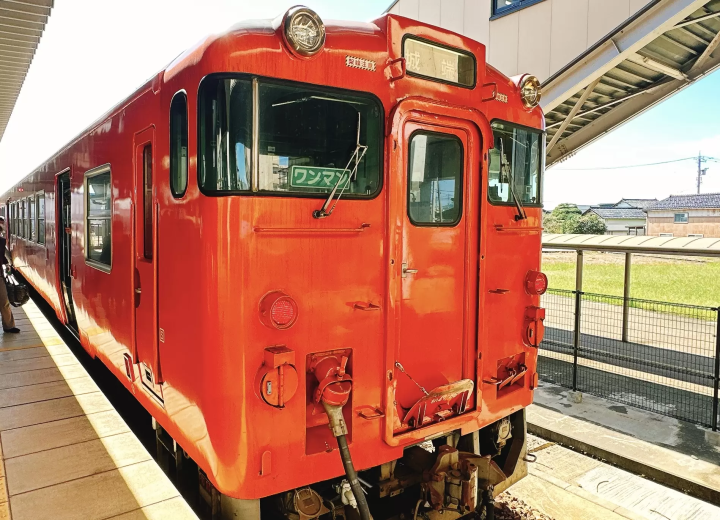
12 stations to the final stop, Johana Station. A local line with two carriages.
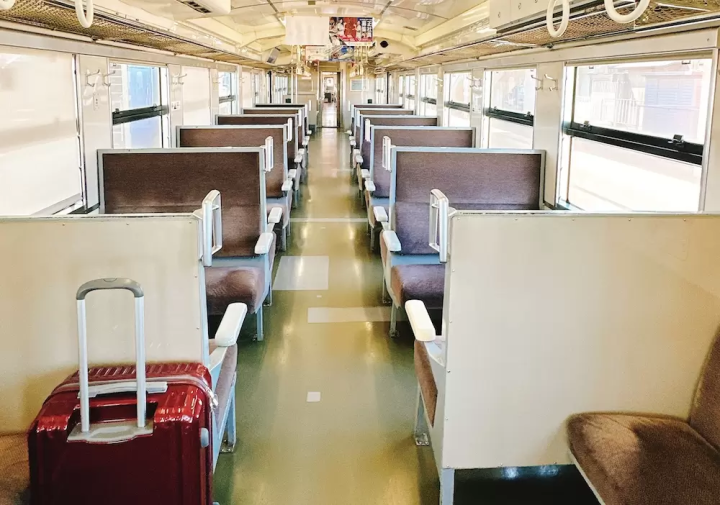
It's usually pretty empty, but during school commute times it gets packed with students.
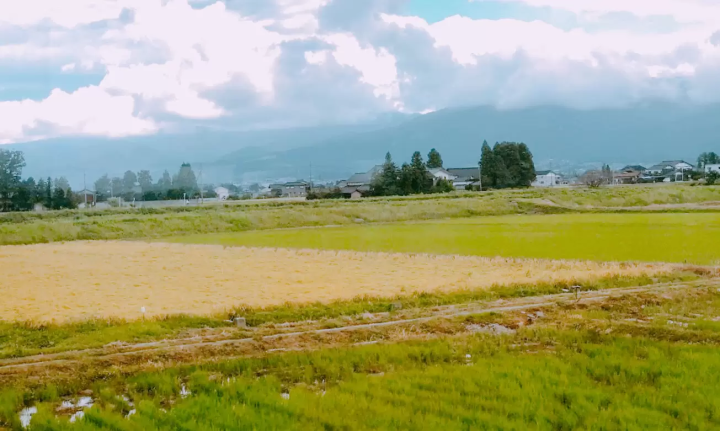
The scenery of scattered villages that can be seen from the train window is also amazing. A charm that can only be found on local trains!
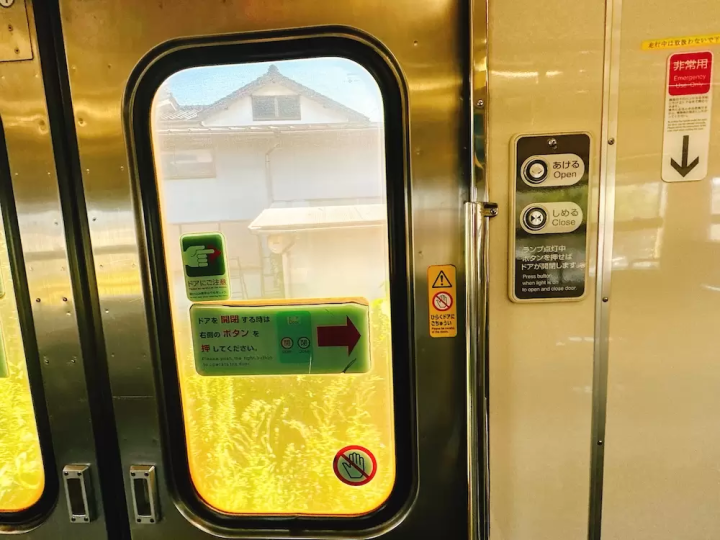
The door can be opened and closed by pressing the button next to the door. *Can only be operated while the lamp is on.
15:22 Arrive at Johana Station, gather information
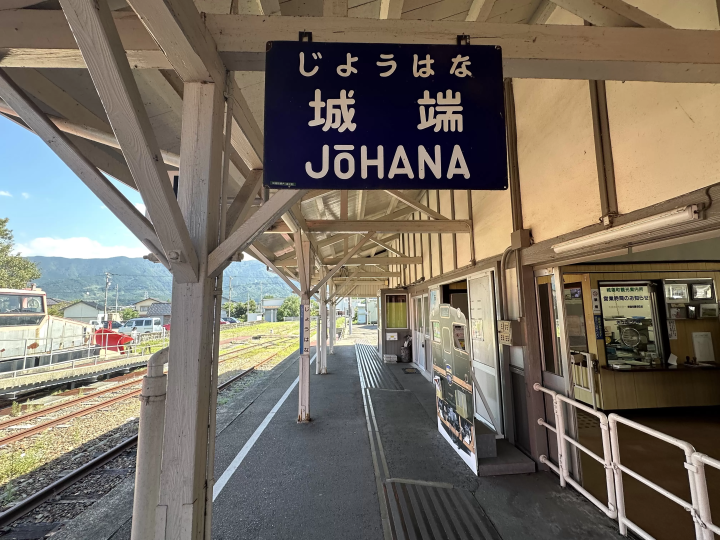
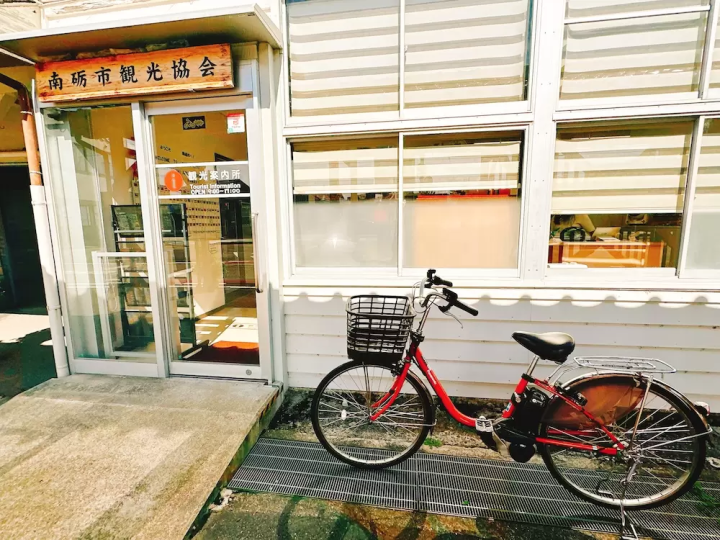
I stopped by the Nanto City Tourism Association, which is directly connected to the station, to gather information.
If you want to rent a Nanchari (bicycle) from tomorrow onwards, make a reservation now. Reservations can also be made online.
16:00 Check in at Aramachian, stroll around Johana
12 minutes walk from Johana Station. Check in at Aramachian. Leave your luggage and take a stroll around the town.
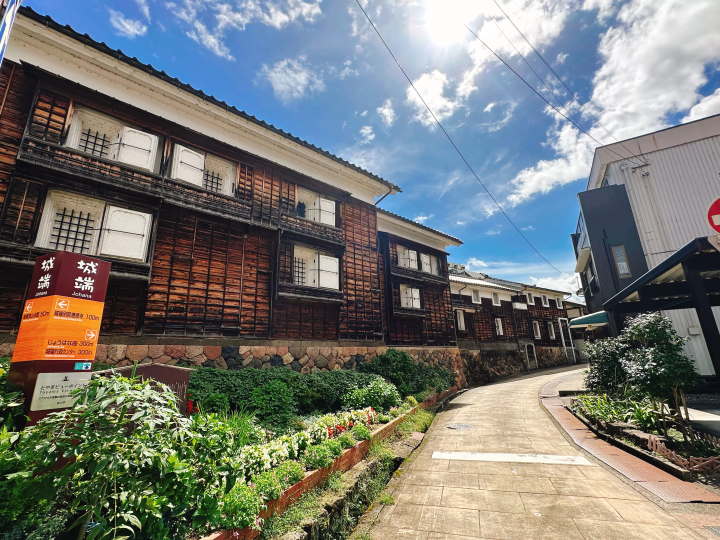
Storehouses along Imamachi Street
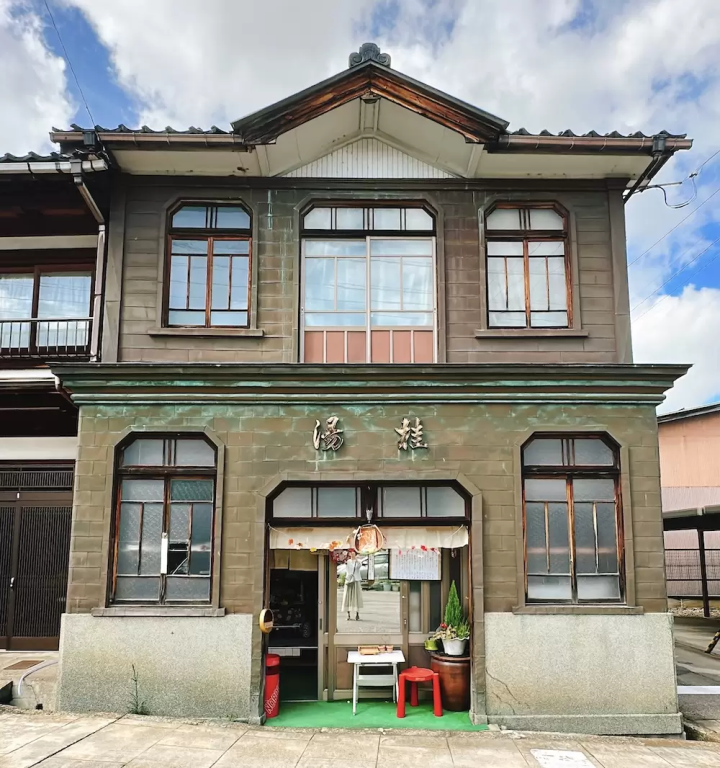
Katsura-yu (Registered Tangible Cultural Property)
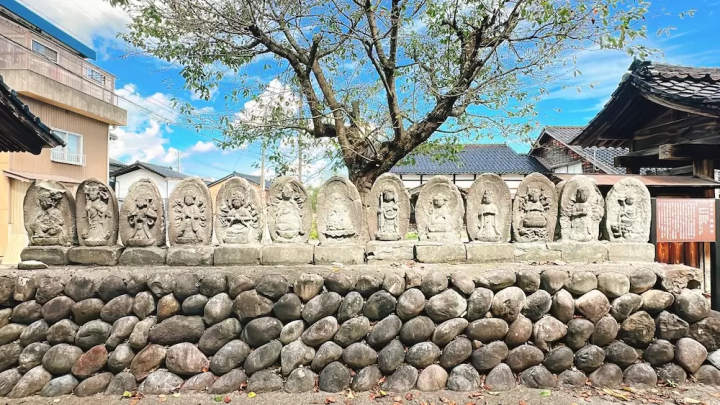
Jokokuji Temple and the Thirty-three Kannon Temples of the Western Provinces
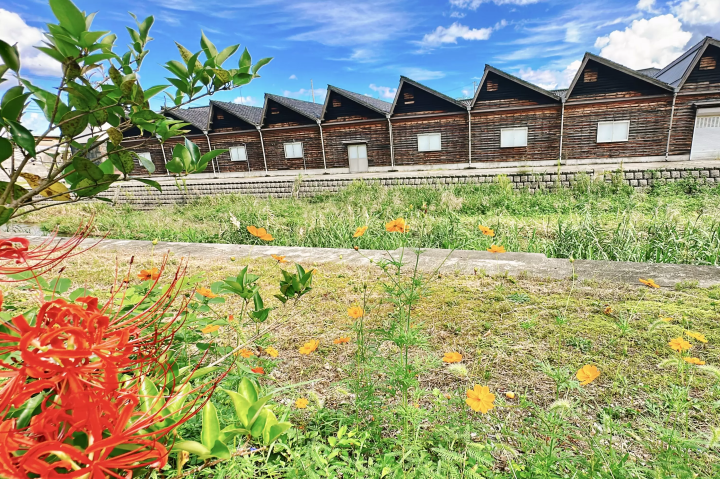
18:00 Return to Aramachian
On your way back, you can stop by Sefre (supermarket), Lawson (convenience store), and Kusuri no Aoki (drugstore) to stock up on food and daily necessities you'll need for your stay before heading back to your accommodation. At the accommodation, you can make plans for the following days. If possible, make reservations for experiences, restaurants, etc. on this day.
(Reference) Johana Hikiyama Festival (held on May 4th and 5th)
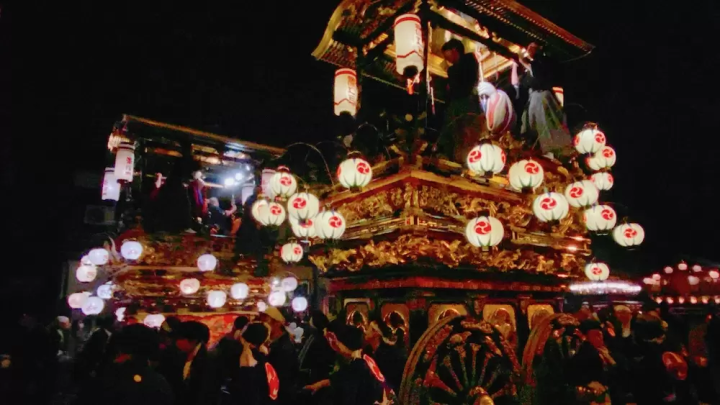
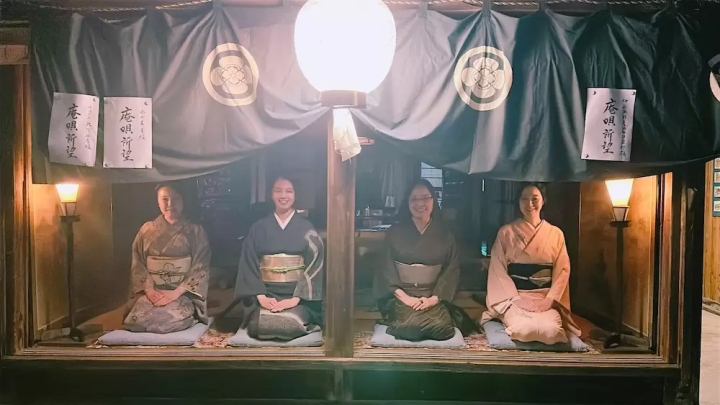
The Johana Hikiyama Festival is held every year on May 4th and 5th. Boasting a 300-year tradition, it is also registered as a UNESCO cultural heritage site. During this time, the entire town of Johana is in a festive mood. The highlight is not only the gorgeous floats carrying the sacred statues, but also the Iori floats, where men in haori and hakama parade around singing and playing flutes and shamisen. Each of the six town floats and Iori floats has its own unique character, so be sure to compare them. If you can make it at the right time, this is a festival that you should definitely see.
Day 2: Relaxing cycling in Johana, a town where faith lives on
Course: ① Morning service at Zentokuji Temple ⇒ ② Aramachian ⇒ ③ Sightseeing around Johana ⇒ ④ Lunch ⇒ ⑤ Aramachian ⇒ ⑥Rent a bicycle at Johana Station ⇒ ⑦Sakuragaike Kur Garden ⇒ ⑧ Aramachian
6:30-7:30 Morning service at Zentokuji Temple
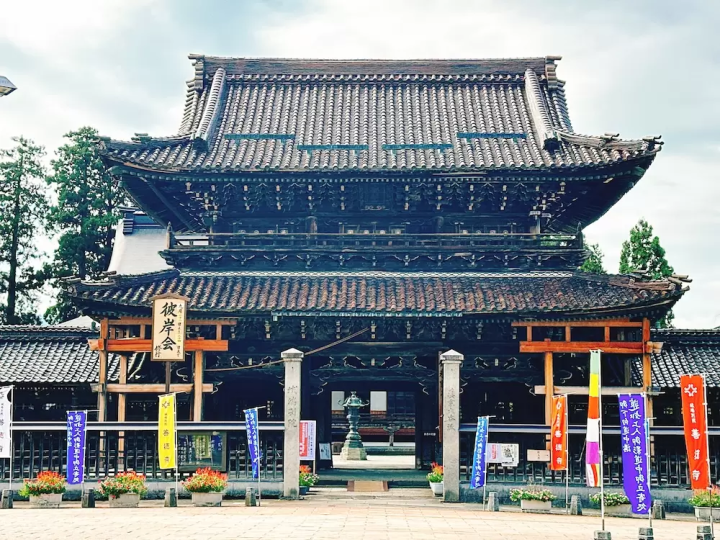
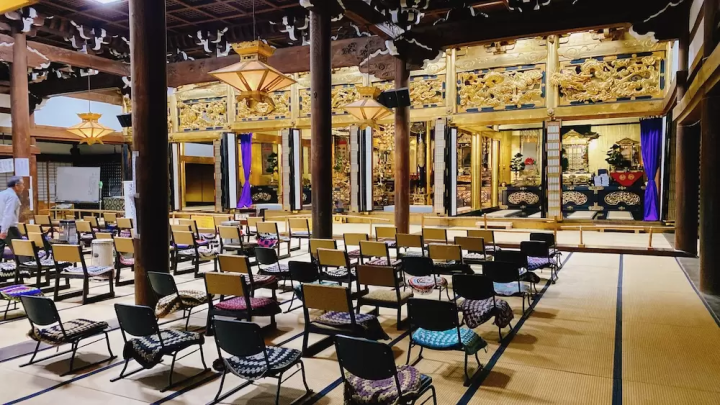
If you can get up early, you can participate in the morning service at Zentokuji Temple, located right in front of Aramachi-an. This service of sutra chanting and sermons has been going on 365 days a year for hundreds of years. Tourists are also welcome to participate.
7:35 Breakfast at Aramachian
Return to Aramachian for breakfast and a short rest.
9:00 Sightseeing around Johana
We will explore the surrounding area until lunch.
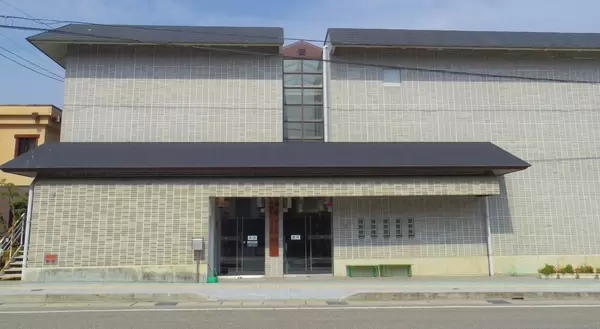
It's a 3-minute walk from Johana Hikiyama Hall Aramachian. Except for the Johana Hikiyama Festival on May 4th and 5th, the gorgeous floats are on permanent display here, allowing you to see them up close. Once you see them, you'll be captivated by their beauty.
◆Other tourist spots in Johana
・Visit Johana Betsuin Zentokuji Temple
・Matsui Weaving Factory Tour and Shop
12:00 Lunch
◆Johatsu lunch spot
・Morijinsha Cafe (closed Wednesdays and Thursdays)
・sino.a Bagel dining (closed Mondays and Tuesdays) SHARE Johanaorikan
・Kaneshima (eel) (closed on Tuesdays), etc.
13:30 Take a break at Aramachian
After lunch, we went back to Aramachian for a break. It's great to have a base where you can rest when you get tired.
14:30 Johana Station → 15:00 Sakuragaike Kurgarden (Nanchari)
I rented a Nanchari bike at Johana Station. I decided to ride it to Sakuragaike Kur Garden (or take the bus if it rains). It's a 30-minute bike ride.
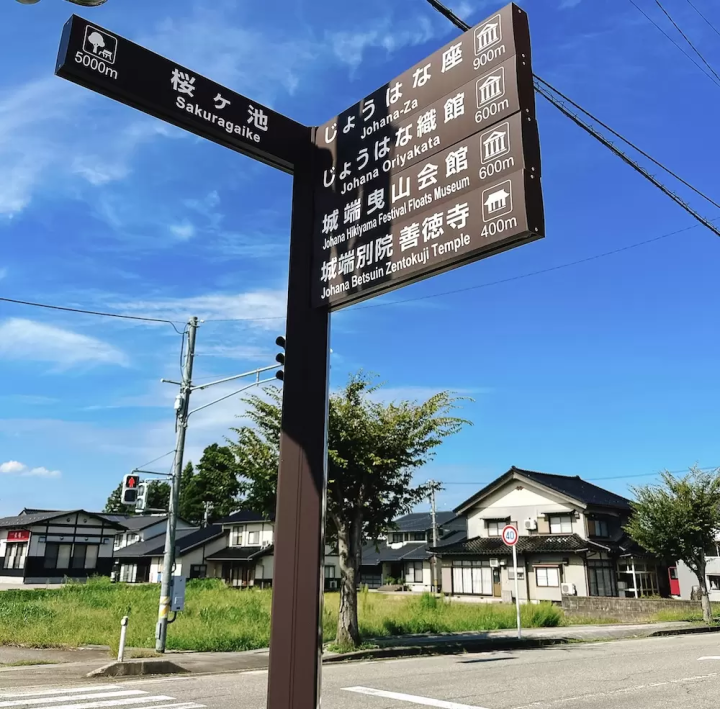
This is the intersection where A-Co-op Sex Friend and Aoki Drug Store are located. It says "5000m to Sakuragaike Pond." The sign is hidden, but on the other side of Sakuragaike Pond is Johana Station.
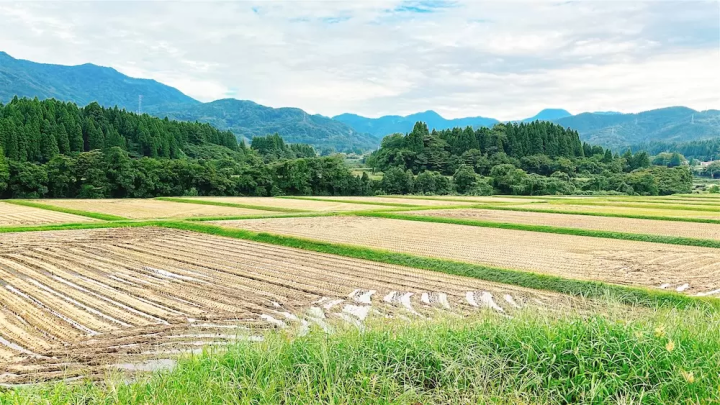
On the way there, you can enjoy the natural scenery of the countryside.
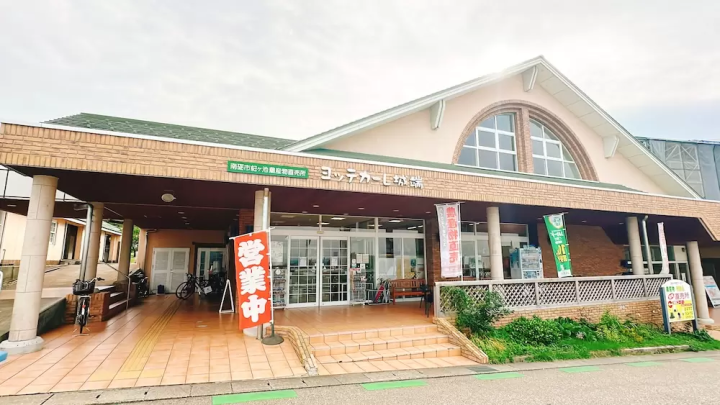
Arrived at Sakuragaike. Since the return time for the Nanchari rental bike was 5pm, I decided to return it at Yottekare Johana instead of going back to Johana Station.
15:10 Stroll around Sakuragaike Pond
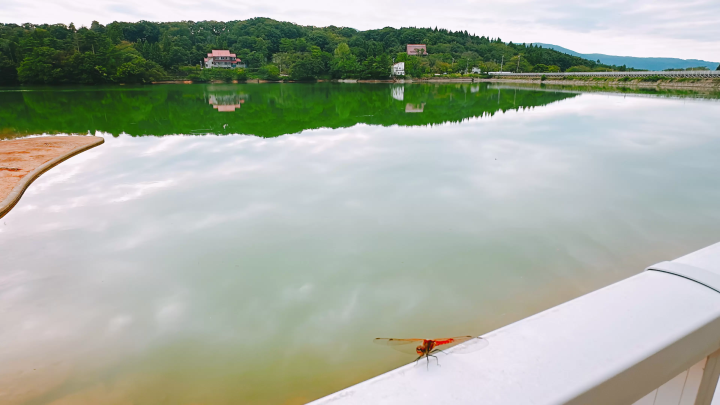
Walking around Sakuragaike Pond. I found a red dragonfly!
16:00 Sakuragaike Kur Garden
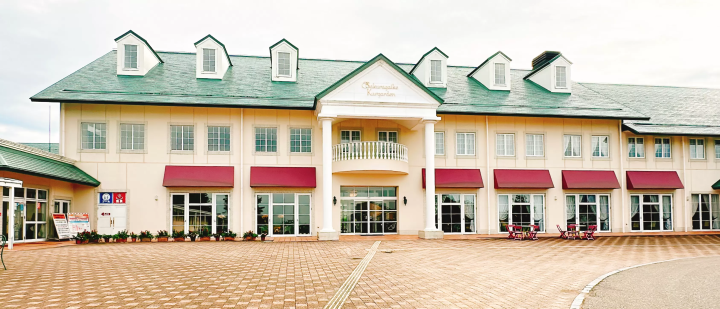
Sakuragaike Kur Garden . After a workout, I relaxed in the hot springs. There's also a pool area.
◆If you have extra time, check out these sightseeing spots
*Please refrain from drinking and driving. It is a 24-minute walk from Sakuragaike Kur Garden and a 34-minute walk from Aramachian.
17:30 Dinner at Johanare
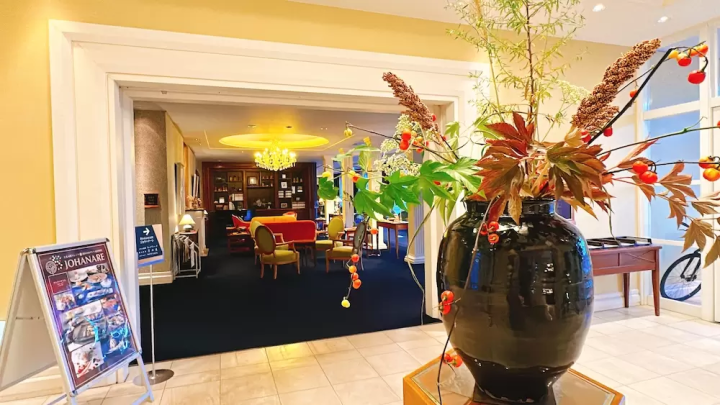
Enjoy dinner made with local ingredients at JOHANARE , a restaurant attached to Sakuragaike Kur Garden (advance reservations required).
19:33 Sakuragaike Kur Garden → 19:43 Johana Betsuin Zentokuji Temple (Nan Bus)
I returned to my lodgings on the Nan Bus (Nanto City Bus) Johana Sakura Line. The bus runs every 1-2 hours, with the last one around 8pm. Be careful not to miss it.
Day 3: Walk around Inami, a museum of wood carvings
Course: ① Johana Station ⇒ ② Inami ⇒ ③ Johana Station
10:21 Johana Station → 10:45 Inami (Nanto Kanazawa Line Bus (Kaetsuno Bus))
11:00 - 16:00 Inami Sightseeing
Inami is a free plan. Once you arrive in Inami by bus, you can freely combine the following and get around. The most convenient bus stop for Inami is Zuisenji-maeguchi Kotsu Hiroba.
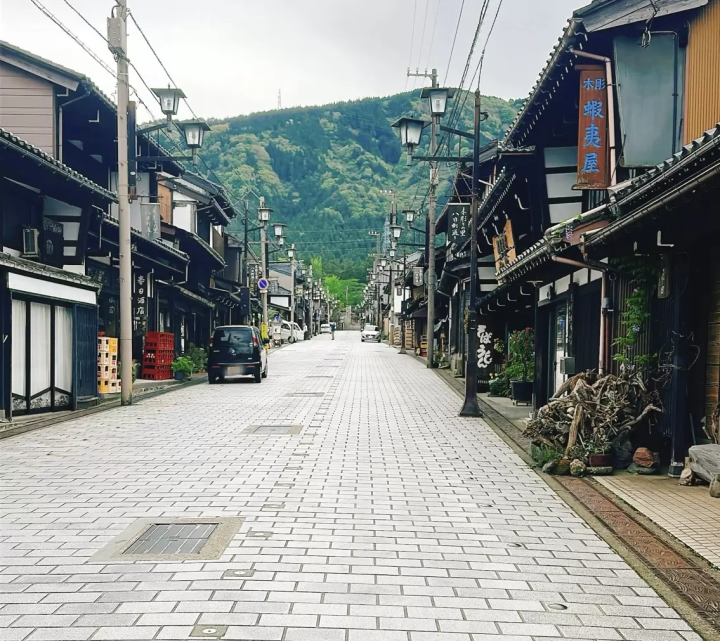
Yokamachi Street is the main street of Inami.
Inami was chosen as one of the " 50 Quiet Places in the World " by the major American travel magazine Condé Nast Traveler, and it is indeed very quiet.
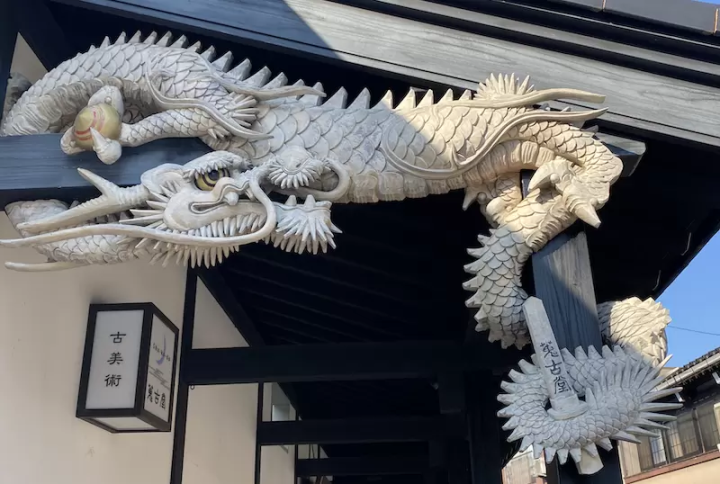

Unique wooden animal carvings can be seen everywhere.
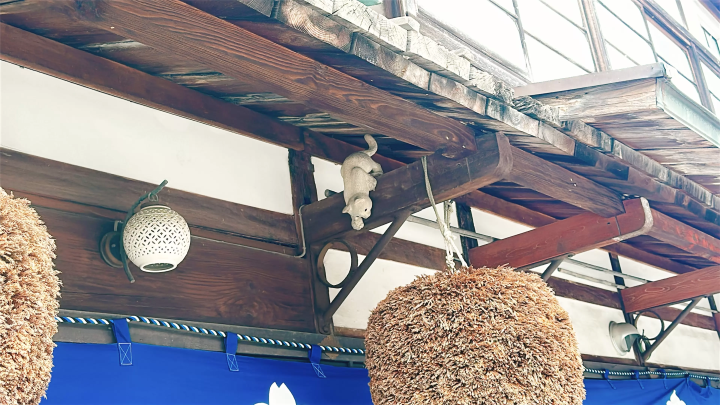
There are also about 30 wooden carved cats hiding! Try to find them (it's quite difficult).
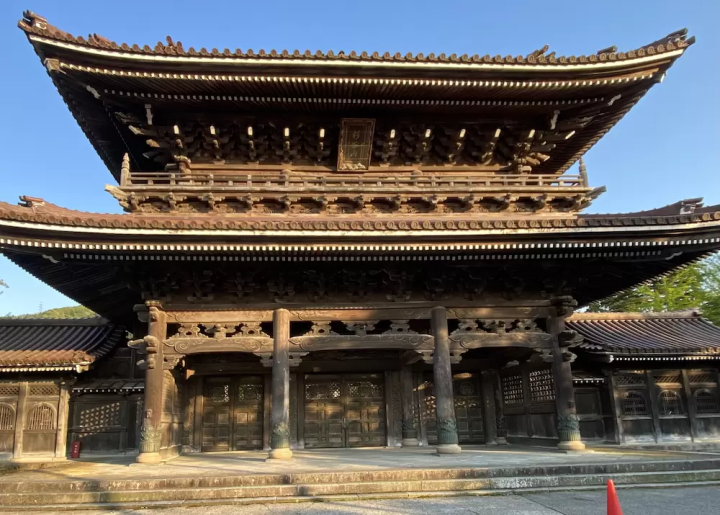
The Inami sculptures at Inami Betsuin Zuisenji Temple are truly magnificent, and it is clear that Inami is the leading city for woodcarving in the country.
At the Night Museum, the wooden sculptures are lit up, creating a fantastical atmosphere. This is a rare experience that can only be had here (advance reservations required).
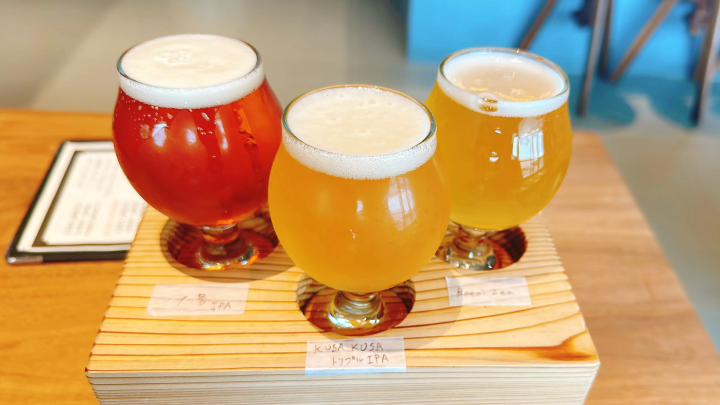
Inami craft beer " NAT.BREW "
They have some interesting beers made with Nanto ingredients like Kuromoji and dried persimmons. They sell canned beers in various places in Nanto, but you can also drink them on tap at the store.
◆Other Inami lunch spots and sightseeing spots
・Restaurant Kitsutsuki Club (inside Inami Roadside Station)
・Inami Woodcarving Village Soyukan
・Wood carving experience (advance reservation required)
・Ikenami Shotaro Community Center
・Etchu Ichinomiya Takase Shrine・37BASE (sauna)
16:20 Inami → 16:40 Johana Station (Nanto Kanazawa Line Bus (Kaetsuno Bus))
After a day of fun in Inami, we return to our usual lodging, Aramachian.
Day 4: Visit the World Heritage Site of Gokayama, a Gassho-style Village
Course: ① Johana Hikiyama Hall (bus stop) ⇒ ② Ainokuraguchi (bus stop) and World Heritage Village ⇒ ③ Kaminashi (bus stop) and Murakami House ⇒ ④ Suganuma (bus stop) and World Heritage Village ⇒ ⑤ Johana Hikiyama Hall (bus stop)
10:32 Johana Hikiyama Hall → 10:53 Ainokuraguchi (World Heritage Bus)
On the fourth day, we will tour Gokayama by World Heritage Bus. From Aramachian, it is closer to get on from the bus stop in front of the Johana Hikiyama Hall than from the bus stop in front of Johana Station.
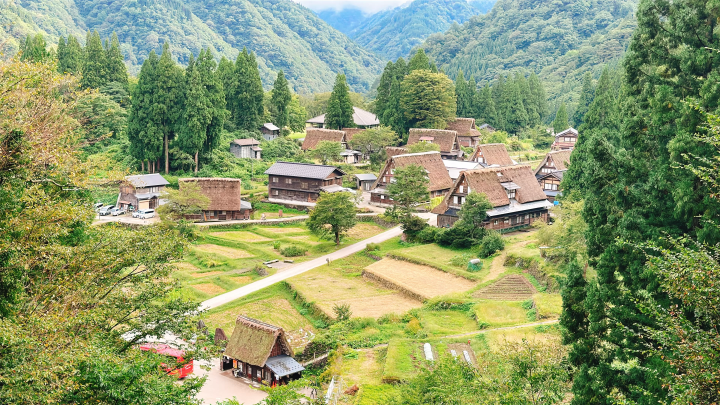
Arrived at Ainokuraguchi. This Gassho-style village, along with Shirakawa-go, is a UNESCO World Heritage Site. It retains the original Japanese landscape that seems like something out of a fairy tale.
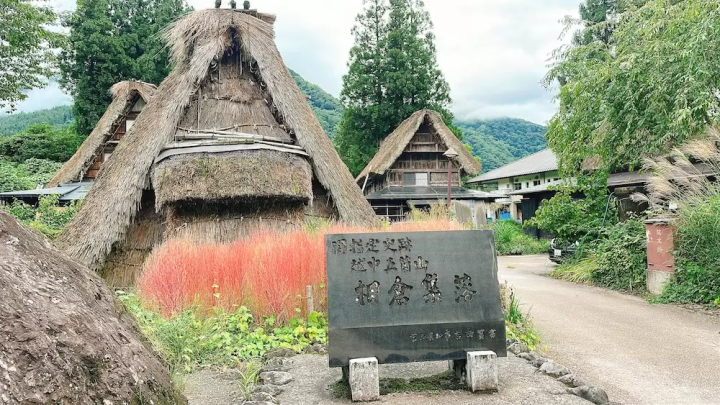
We walked around for about an hour.
12:13 Ainokuraguchi → 12:22 Kaminashi (World Heritage Bus)
We also travelled by World Heritage bus. There are only a few buses so it's important to manage your time well.
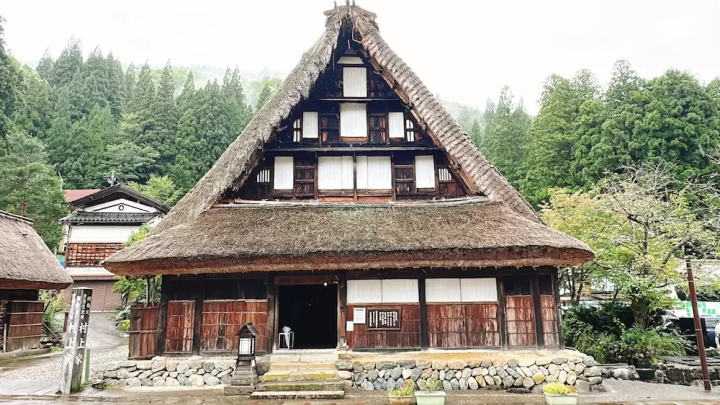
The Murakami Family Residence is a nationally designated tangible cultural property. It retains the appearance of the house when it was first built about 350 years ago.
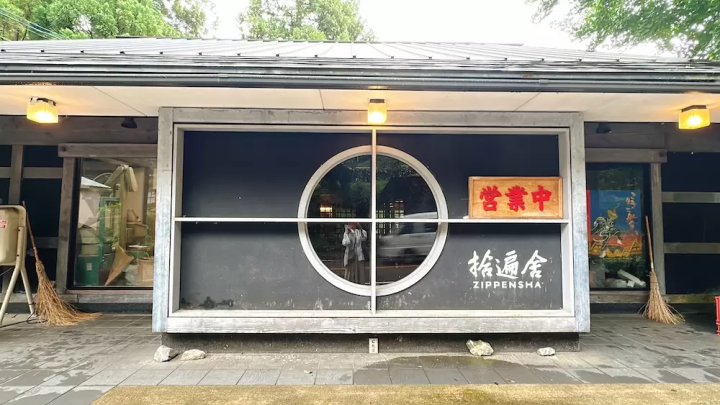
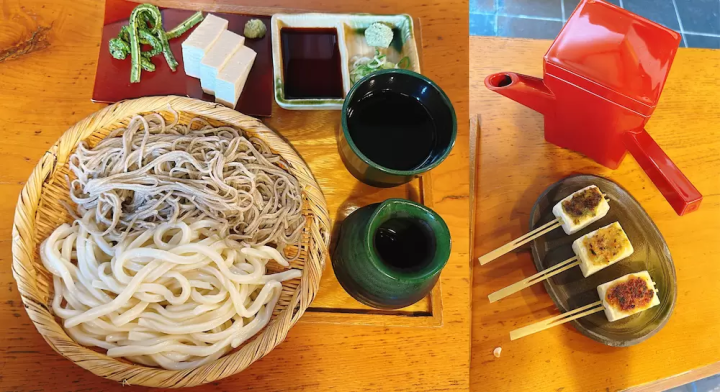
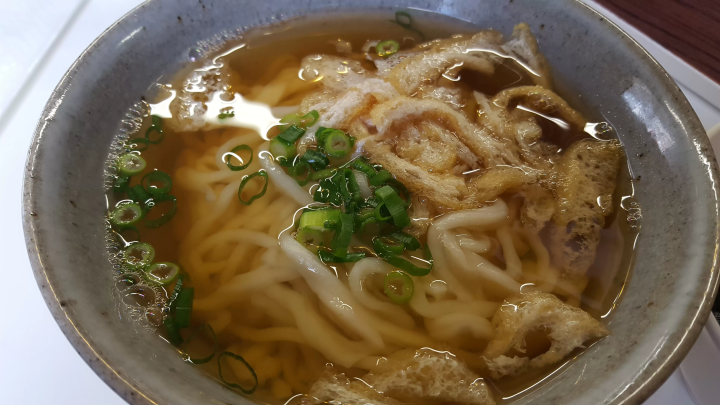
For lunch, I went to " Jihensha " and had a mixed platter of soba and udon noodles. It also came with Gokayama tofu sashimi and wild vegetables dressed with sesame. I also ordered tofu dengaku as an extra.
The restaurant is located along the Shogawa River and has a great view.
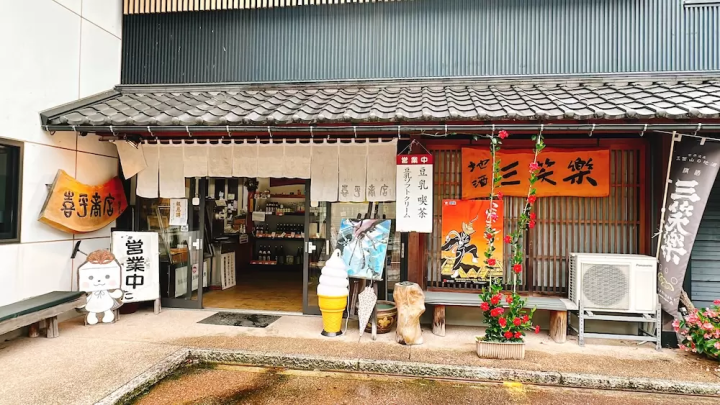
The Gokayama tofu that was served for lunch earlier is from Kihei Shoten . Gokayama tofu is famous for being "firm enough that it doesn't crumble even when tied with a rope." It's rich and satisfying to eat.
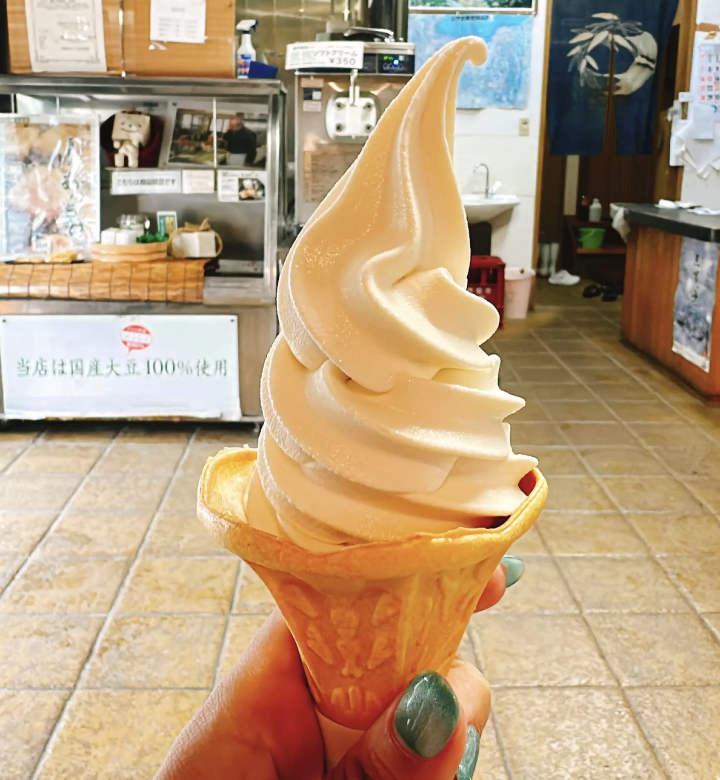
I had some soy milk soft serve ice cream at the store. It was slightly sweet.
14:47 Kaminashi → 14:53 Suganuma (World Heritage Bus)
If you have the energy and time, you can take a bus to Suganuma, another World Heritage village, and look around for about an hour.
16:31 Suganuma → 17:06 Johana Hikiyama Hall (World Heritage Bus)
We took the bus back to the inn. We were exhausted after a long day of walking.
(Reference) Kokiriko Festival (held on September 25th and 26th)
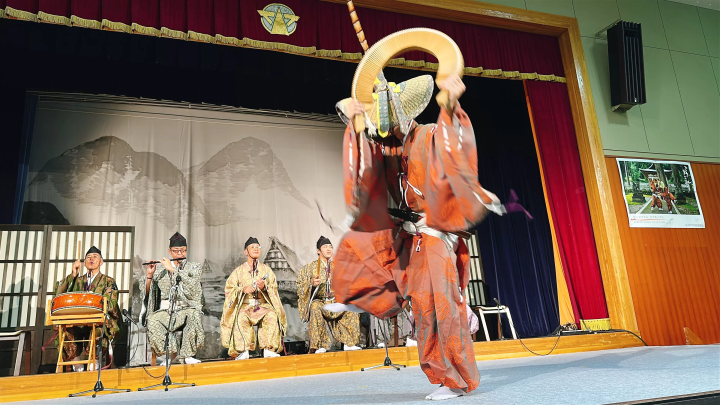
The Kokiriko Festival is held in Kaminashi every year on September 25th and 26th. Kokiriko is Japan's oldest folk song, passed down in the Gokayama region, and is characterized by the use of simple instruments called kokiriko and sasara. At the end of the festival, it's fun for the audience to join in, holding sasaras and dancing in a circle.
There are also tours where you can experience staying in a Gassho-style house.
Day 5: Enjoy the sophisticated casting brand "Nousaku"
Course: ① Check out of Aramachian ⇒ ② Lunch in Johana ⇒ ③ Johana Station ⇒ ④ Nousaku ⇒ ⑤Shintakaoka Station ⇒ ⑥Tokyo Station
11:00 Check out from Aramachian
Although I'm sad to leave, I leave the inn.
11:10 Lunch
Since there was still time before the bus, we had lunch in the town of Johana.
*See Day 2 for lunch spots
13:05 Johana Station (Departure) → 13:27 Nousaku (World Heritage Bus)
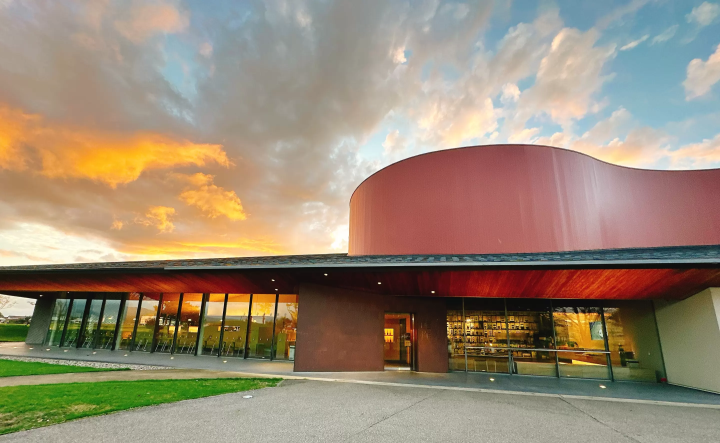
We arrived at Nousaku. "NOUSAKU" is the company name and brand name for casting products. The main factory building is also very cool.
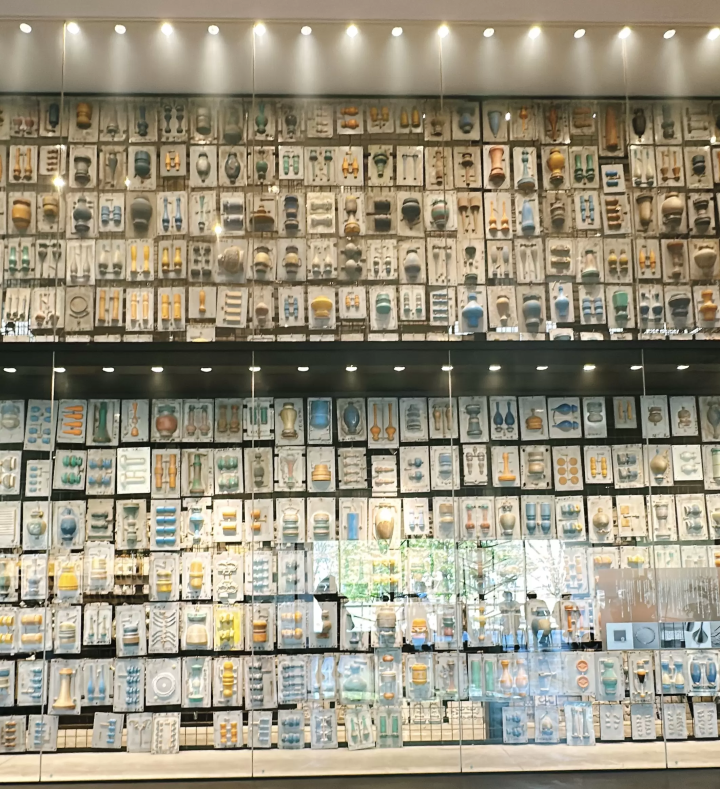
This is what catches your eye as soon as you enter, it looks like a piece of art, but what do you think it is?
In fact, they are "wooden molds" used in the production of castings. The ones currently in use are on display. The different colors are due to the differences in the wooden mold craftsmen.
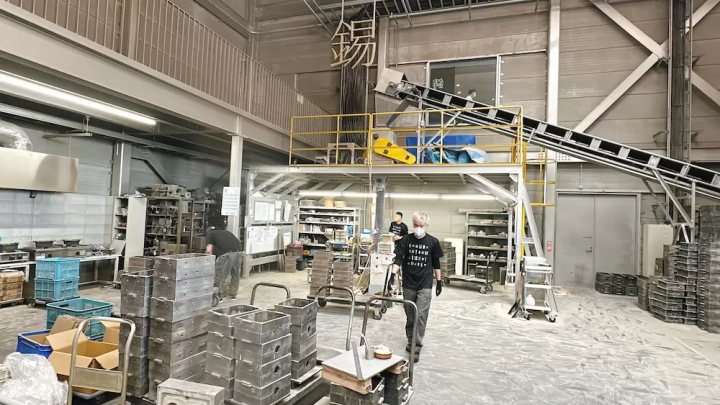
You can also take a tour of the factory and try your hand at casting (advance reservations required. Participation is possible on the day if there are openings).
The gallery shop sells tin and brass vases, tableware, accessories, etc., but there are so many things I want that it's hard to choose (lol)
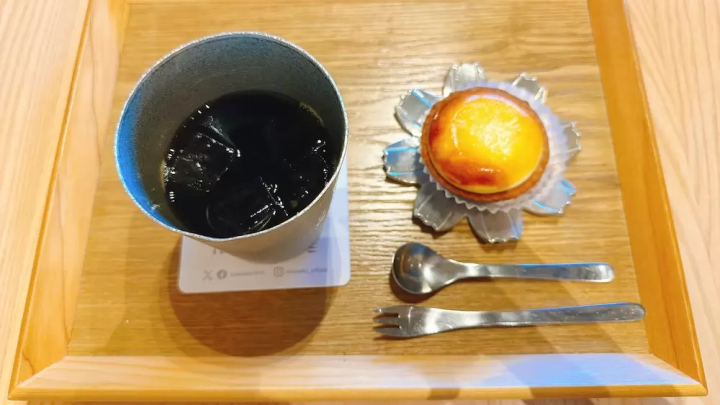
Relax at the cafe while waiting for the bus.
The tableware here is, of course, tin cups and plates. Not only does tin have a beautiful luster, it is also soft and flexible, allowing it to be transformed into interesting shapes such as plates and chopstick rests. It is antibacterial and has high thermal conductivity, so the dishes stay ice-cold when filled with cold iced coffee.
16:27 Nousaku-mae → 16:40 Shin-Takaoka Station (World Heritage Bus)
Take the World Heritage Bus to Shintakaoka Station.
17:07 Shin-Takaoka → 20:00 Tokyo (Hokuriku Shinkansen Hakutaka No. 572)
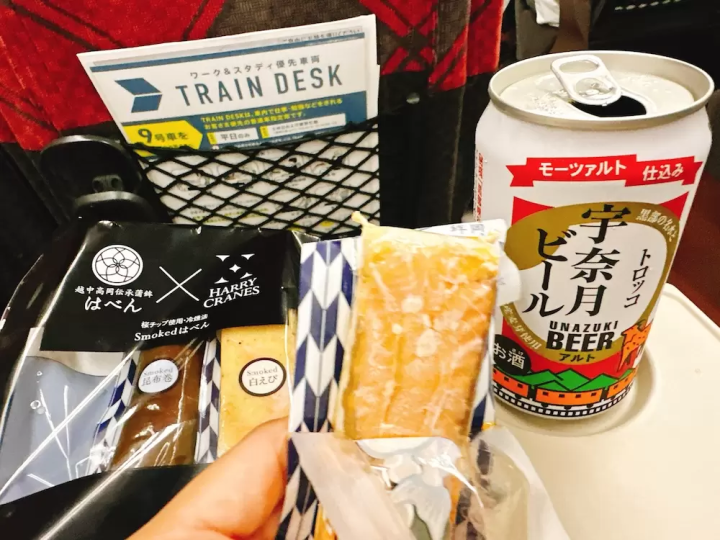
On the way back, I also stopped by the 7-Eleven at Shintakaoka Station (lol).
"Torocco Unazuki Beer" (Alto) and "Smoked Haben." "Haben" is a dialect word in Toyama and Ishikawa that means "kamaboko" or "hanpen." This is a collaboration with HARRY CRANES , a snack brand from Saburomaru Distillery, the only whiskey distillery in the Hokuriku region. It's a must-try snack for smoked food lovers.
(Reference) Other nearby sightseeing spots
What do you think of this plan to enjoy Nanto City at your leisure?
If you are staying longer or returning, we recommend you visit the following places. You can also rearrange the above model plan.
Fukumitsu, a town where the spirit of folk art lives on
Directions: JR Johana Line (bound for Takaoka) "Johana" → "Fukumitsu" 2 stations / 7 minutes
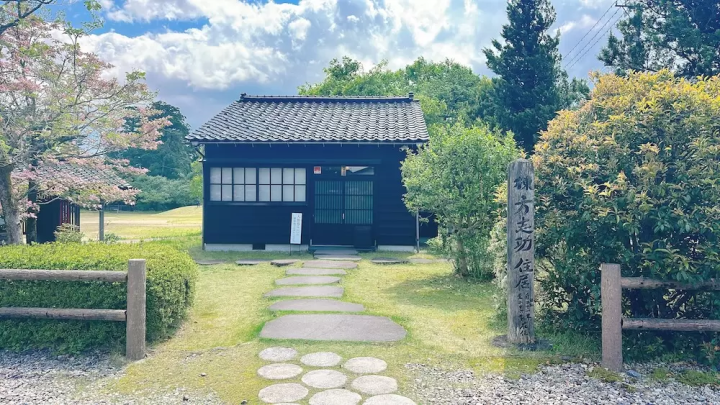
This is also in Nanto City. The internationally acclaimed printmaker Shiko Munakata, known as "Munakata of the World," stayed here during his evacuation and produced numerous works.
There are four facilities in total where you can encounter the world of Munakata Shiko: the Munakata Shiko Memorial Museum Aizenen, his studio and former residence Riugasai, the folk art museum Shogedo, and the Munakata Shiko Museum.
Tonami, the city of tulips
Directions: JR Johana Line (bound for Takaoka) from "Johana" to "Tonami" (7 stations) / 25-30 minutes
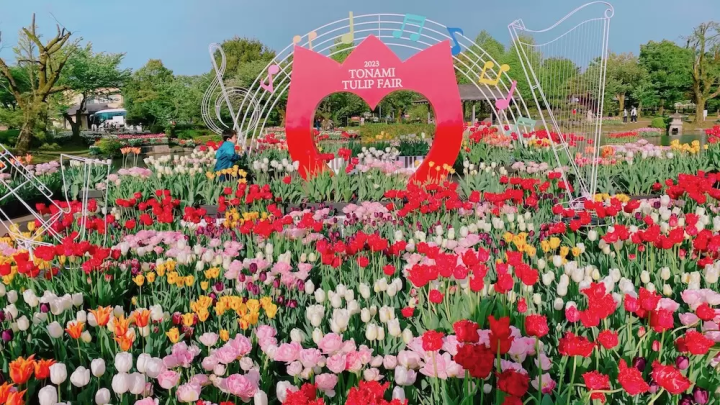
Tonami City is next to Nanto City and can be reached in one go on the Jōhana Line.
Tonami City is said to be number one in Japan in terms of the area of tulip bulb cultivation. At Tonami Tulip Park, the Tonami Tulip Fair is held every year from late April to Golden Week, when an astonishing 3 million tulips of 300 varieties bloom in brilliant colors. The best time to visit is in the spring when the tulips are in bloom, but the park can be enjoyed all year round.
The Venice of Japan: The Canal Town "Uchikawa Area"
Directions: Take the JR Johana Line bound for Takaoka from "Johana" to "Takaoka" (13 stations) / approx. 50 minutes. From "Takaoka" it is a 6-minute walk to "Takaoka Station" on the Manyo Line. Take the Manyo Line bound for Echigoyu from "Takaoka Station" to "Shinmachiguchi" (20 stations) / approx. 40 minutes. Total time is just under 2 hours.
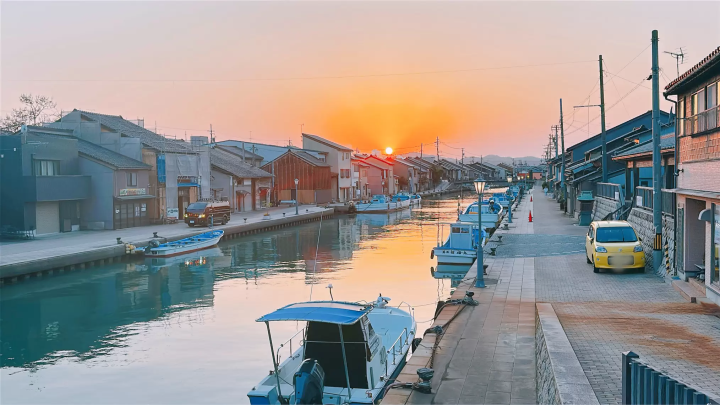
Located in Imizu City, Toyama Prefecture, this port town area is located around the canal that connects Toyama Bay and Toyama New Port. Known as the Venice of Japan, it's beautiful and tranquil, like a movie set. Enjoy strolling along the canal or taking a sightseeing boat tour. The fish is also delicious.
You can also enjoy the scenery on the way there on the Manyo Line tram.
Himi, a fishing town on Toyama Bay
Directions: JR Johana Line (bound for Takaoka) or JR Himi Line (bound for Himi) "Johana" → "Takaoka" → "Himi" 20 stations / Approx. 1 hour 30 minutes
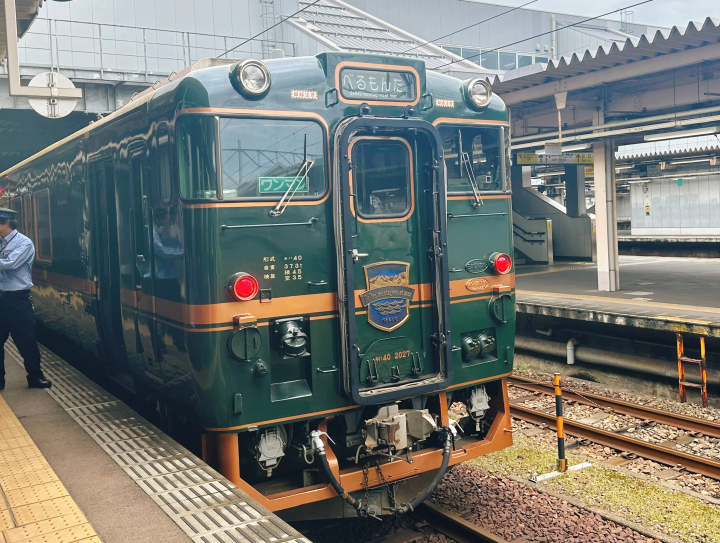
Although it only operates on Sundays (and on some holidays), if your schedule allows, we recommend taking the Himi Line sightseeing train "Belle Montagne et Mer," commonly known as "Belmont." You can enjoy the beautiful scenery of the coast and scattered villages from the train window, and get a taste of the journey.
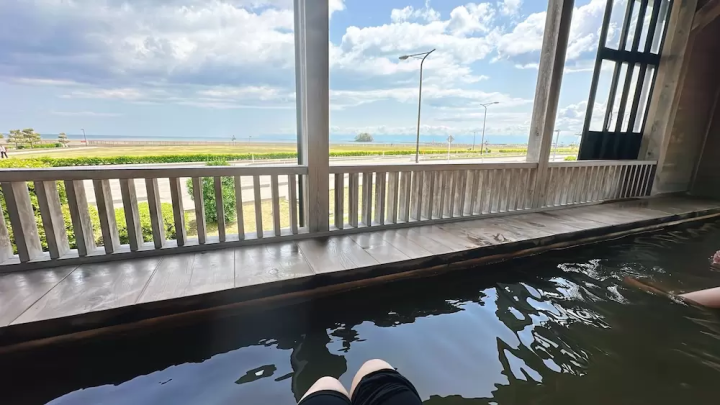
Take a break in the foot bath
Kanazawa, the home of the Kaga Maeda clan and a city of traditional culture and crafts
Directions: Take the Nanto Kanazawa Line bus ( Kaetsuno Bus ) bound for Kanazawa Station West Exit. From "Johana Station (bus stop)" to "Kanazawa Station West Exit (bus stop)" 9 stops / 65 minutes
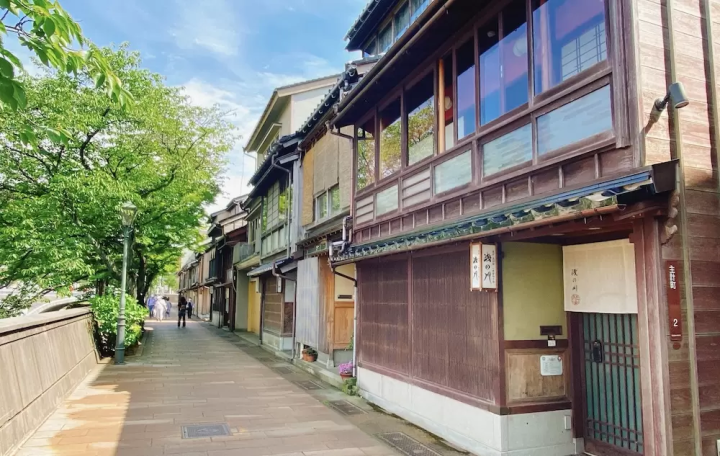
In fact, Kanazawa is only an hour's bus ride from Jōhana. It's about as close as Tokyo to Saitama. There are plenty of tourist spots to explore, so there's no need to introduce them in this article.
Unazuki Onsen, a town of hot springs and trolley trains
Directions: JR Hokuriku Shinkansen (Tokyo bound) "Shintakaoka" → "Kurobe Unazuki Onsen" 2 stations / 21 minutes
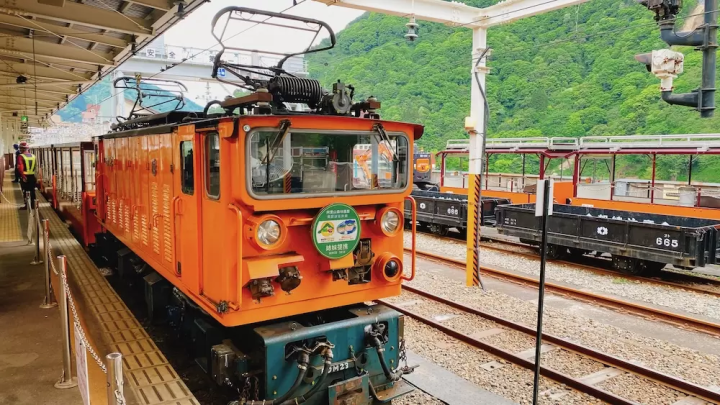
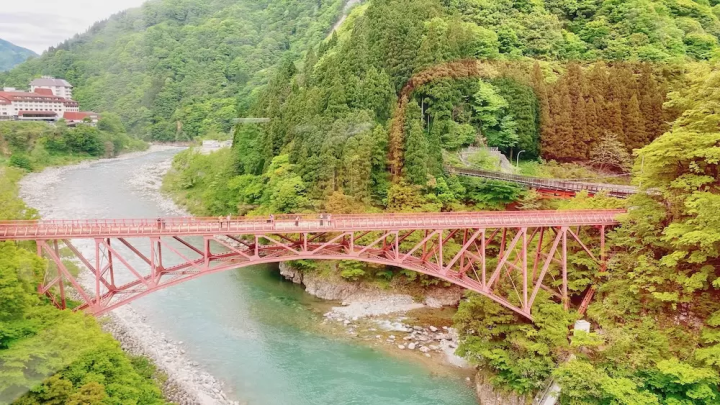
On your final day, you can also plan to stop off at Unazuki Onsen by Shinkansen. You can enjoy a day trip to the hot springs or take the Kurobe Gorge trolley train, both leisurely and active.
We are promoting the charm of Nanto City, Toyama Prefecture, both in Japan and overseas. Nanto City, located in the southwest of Toyama Prefecture, is blessed with abundant nature in all four seasons, and is a place where the original Japanese landscape and good old traditional Japanese culture remain strong to this day. Gokayama, known for its Gassho-style villages, is a "living World Heritage Site" where people live with their own unique culture. The scattered villages spread across the countryside are also one of the special landscapes unique to this region. Johana, which flourished in silk weaving from the Middle Ages to the early modern period, and Inami, known for woodcarving, are filled with fragrant history and culture. Fukumitsu, where Munakata Shiko lived, Fukuno, which flourished as a market town, Iguchi, the village of camellias, and Toga, a town of theater and urban exchange, are always full of travel attractions, and the people welcome you with warm smiles.
The contents on this page may partially contain automatic translation.


Special Features
More









![Enjoy popular spots in Okayama Prefecture with the great value digital travel ticket [Okayama Hare Tabi Passport]!](https://resources.matcha-jp.com/resize/720x2000/2025/04/28-232194.webp)