Bringing you the charm of Seaside Kyoto!! "Seaside Kyoto Market" is now open to the public!
This site introduces crafts made using Kurotani Washi paper, an intangible cultural property of Kyoto, as well as processed foods made with local ingredients.

Written by
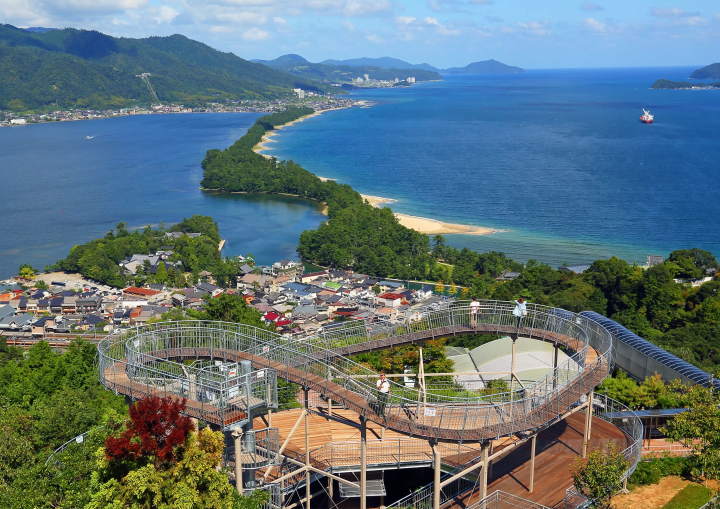
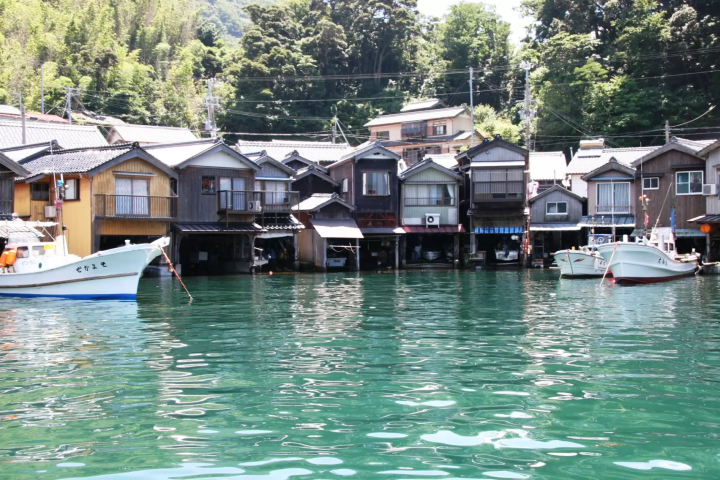
The Kyoto by the Sea area is about 99 km from Kyoto city, and can be reached in as little as 90 minutes by car or bus. It is close by and offers another side to Kyoto, with a different atmosphere from the city. Once upon a time, there was an ancient nation (Taniha no Kuni) with an advanced culture that was introduced from the continent, and it was also the secret stage of the creation of Japan. The Kyoto by the Sea area is filled with evidence of its origin, such as the legend of the descent of Toyouke-no-Okami, the oldest god of food, the demon legend of Mt. Oe, and the legend of the Dragon Palace. It is filled with the charms of Japan scattered throughout each era, such as Amanohashidate, which was the source of Kyoto culture that fascinates the world and was longed for by the people of the capital during the Heian and Muromachi periods, the Tango Chirimen Corridor woven with silk that has been spun for 300 years, the modern industrial heritage sites of Maizuru and Ayabe, the one-of-a-kind Ine Funaya landscape born from the work of fishermen, and Fukuchiyama Castle, which conveys the Warring States period to the present day. Furthermore, "Kyoto of the Sea" is a land of abundance, blessed with ingredients beloved by the god of food, such as seafood like Matsuba crab and Ine yellowtail, and rice and vegetables grown in pure water. Furthermore, its natural scenery, including the San'in Coast, a Global Geopark, and the mountains and rivers where gods, Buddhas and even demons reside, pique the curiosity of travelers, whose beauty will soothe their souls. It is a region where the culture of "valuing harmony" has lived on since ancient times, and where kind people are gracious and accommodating to travelers when they encounter it. Everything you taste and encounter here is connected to Japan's roots. This is Kyoto of the Sea, the source of Japan that lives in the heavens, earth, mountains and seas.
This service includes sponsored advertisements.
What is Kyoto by the Sea?
"Sea Kyoto" refers to the area of seven cities and towns in northern Kyoto Prefecture (Fukuchiyama City, Maizuru City, Ayabe City, Miyazu City, Kyotango City, Ine Town, and Yosano Town), surrounded by the Sea of Japan and the mountains of Tamba and Tango.
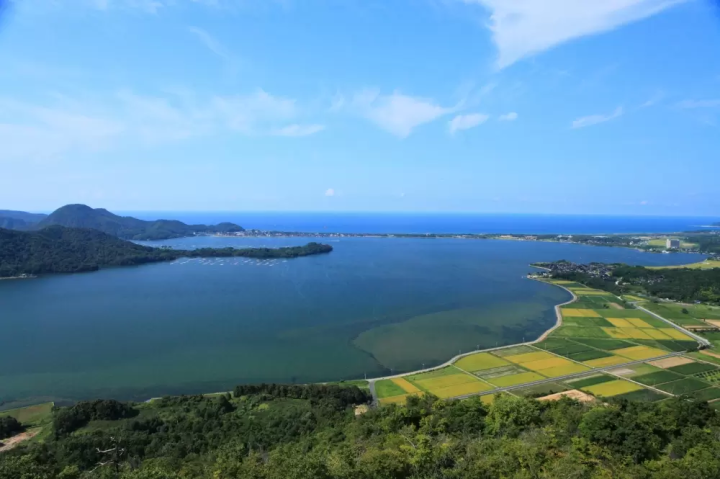
The area is made up of a wide variety of areas, including the sea, villages, mountains, water source villages, castle towns, port towns, rural forests, mountain villages, and cities, and while each region has developed its own unique culture, people and goods come and go, forming one large living area.
In recent years, the area has become a tourist destination not only for famous tourist spots such as Amanohashidate and Ine no Funaya, but also for many people from both Japan and overseas who visit the area for its delicious food, beautiful scenery, and diverse historical culture.
What is "Kyoto Market by the Sea"?
"Kyoto by the Sea Market" was originally an e-commerce site aimed at the domestic market, but now it has decided to spread the appeal of Kyoto by the Sea crafts and processed foods to customers all over the world!
The area in northern Kyoto Prefecture facing the Sea of Japan has long been a region where traditional crafts and food culture have taken root.
This site introduces a carefully selected range of crafts, including Kurotani Washi paper and Tango Chirimen, as well as processed foods made with local ingredients.
Each product is imbued with the craftsmanship and local stories of its creators, bringing beauty and flavor to the lives of people all over the world.
Miyazu curry fried noodles
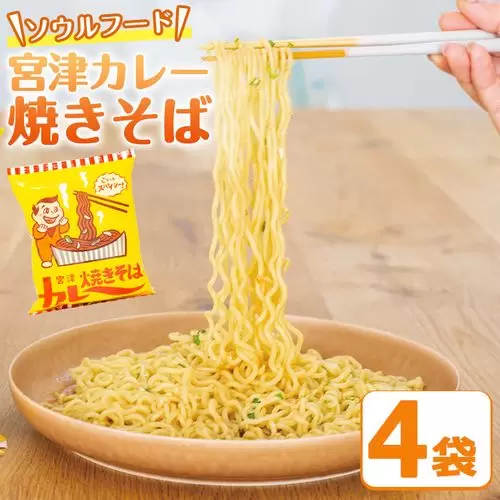
Miyazu Curry Yakisoba (Instant Noodles, 4 servings, boxed) - B-class gourmet food from Miyazu, Kyoto Prefecture. Roadside Station "Miyazu, Kyoto of the Sea" Magokoro
It's like yakisoba or ramen...it's a mysterious taste that you'll never forget once you've tried it.
Please try Miyazu Curry Yakisoba, a soul food long loved by the locals of Miyazu, located along the Sea of Japan in Kyoto. (Four servings are delivered in a gift box.) Bring 300ml of water to a boil in a pot, add the noodles, and simmer for 3 minutes. Once the noodles are cooked, turn off the heat, add the soup, and stir well.
*This yakisoba is served with plenty of soup. Add the soup while there is still some cooking water left. Serve in a bowl, sprinkle with garnish (green onions and sesame seeds), and enjoy.
*It is also recommended to add rice to the remaining soup.
・Total weight of packaged product: 700g ・Total of three dimensions (length, width, height): 54cm
Each Kamiko Zabuton (Shibori) is made using handmade Kyoto Kurotani washi paper!
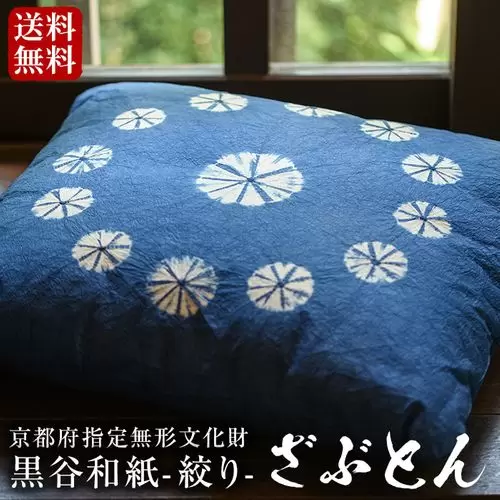
A cushion made using Kurotani Washi paper, an intangible cultural property of Kyoto
The more you use this washi paper cushion, the softer and gentler it becomes to the touch.
・Total weight of packaged product: 2000g ・Total of three dimensions (length, width, height): 120cm
Maizuru Brick Rusks (10 pieces)
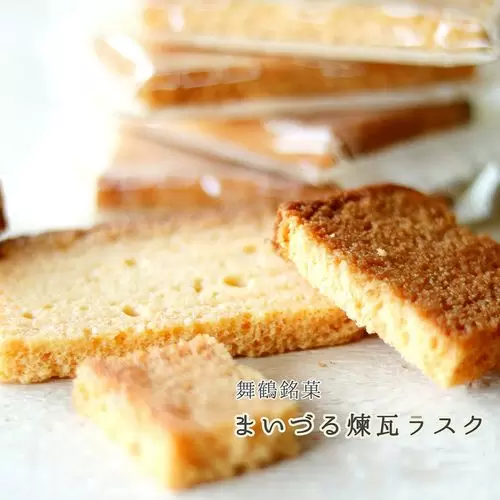
Each castella cake is cut into brick-like shapes, then dry-baked, thoroughly coated with our secret butter, and baked in the oven until golden brown! These rusks are not hard because they contain air.
・Total weight of packaged product: 400g ・Total of three dimensions (length, width, height): 53cm
lastly
In order to spread the charm of Seaside Kyoto beyond national borders, Seaside Kyoto Market has begun a new challenge.
Living, eating, creating, and traveling... we bring you the Japanese terroir, where these things blend seamlessly together, from "Kyoto by the Market - Kyoto by the Market."
The Kyoto by the Sea area is about 99 km from Kyoto city, and can be reached in as little as 90 minutes by car or bus. It is close by and offers another side to Kyoto, with a different atmosphere from the city. Once upon a time, there was an ancient nation (Taniha no Kuni) with an advanced culture that was introduced from the continent, and it was also the secret stage of the creation of Japan. The Kyoto by the Sea area is filled with evidence of its origin, such as the legend of the descent of Toyouke-no-Okami, the oldest god of food, the demon legend of Mt. Oe, and the legend of the Dragon Palace. It is filled with the charms of Japan scattered throughout each era, such as Amanohashidate, which was the source of Kyoto culture that fascinates the world and was longed for by the people of the capital during the Heian and Muromachi periods, the Tango Chirimen Corridor woven with silk that has been spun for 300 years, the modern industrial heritage sites of Maizuru and Ayabe, the one-of-a-kind Ine Funaya landscape born from the work of fishermen, and Fukuchiyama Castle, which conveys the Warring States period to the present day. Furthermore, "Kyoto of the Sea" is a land of abundance, blessed with ingredients beloved by the god of food, such as seafood like Matsuba crab and Ine yellowtail, and rice and vegetables grown in pure water. Furthermore, its natural scenery, including the San'in Coast, a Global Geopark, and the mountains and rivers where gods, Buddhas and even demons reside, pique the curiosity of travelers, whose beauty will soothe their souls. It is a region where the culture of "valuing harmony" has lived on since ancient times, and where kind people are gracious and accommodating to travelers when they encounter it. Everything you taste and encounter here is connected to Japan's roots. This is Kyoto of the Sea, the source of Japan that lives in the heavens, earth, mountains and seas.
The contents on this page may partially contain automatic translation.



Special Features
More





![[Cancelled for 2026] Kawaguchiko Herb Festival, which adorns the shores of Lake Kawaguchi at the Mount Fuji with a purple carpet.](https://resources.matcha-jp.com/resize/720x2000/2025/05/27-234666.webp)