
Vist Noto now Vol. 2 - A journey of hope and rebirth to rediscover Noto-
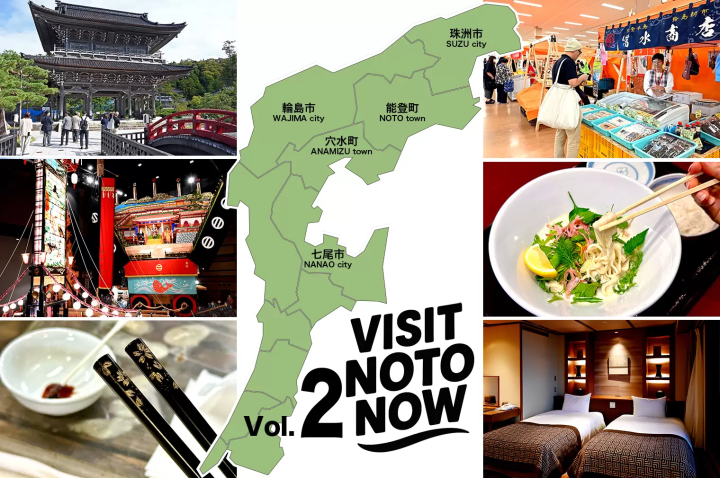
It has been one year and ten months since the Noto Peninsula earthquake on New Year's Day 2024. The beautiful Satoyama and Satoumi areas are registered as Globally Important Agricultural Heritage Sites, and there are rich festivals, food culture, and the daily lives of the people. Although the area is still in the process of recovery, why not take a trip to experience Noto, which remains beautiful and charming even after the disaster?

This service includes sponsored advertisements.
Some people may think, "I can't go because of the damage caused by the earthquake," but currently, there are almost no areas in Noto that cannot be visited. Although some accommodation facilities are closed, restaurants, shopping, and experience spots are reopening one after another. People working together in temporary stores, chefs developing new menus, and traditional craft artisans getting back on their feet - why not experience Noto on your trip as a place that is not "returning to the state before the earthquake," but "moving forward into the future"?
This Feature Articles will introduce 14 recommended spots in Noto that you can visit now in two parts.
Part 1 Vol.1 https://matcha-jp.com/jp/26173
Part 2 Vol.2 https://matcha-jp.com/jp/26174
-
Table of Contents
- The journey begins at Noto Airport
- 8. Wakura Festival Hall [Nanao City] — Passing the festival spirit on to the future
- 9. Notoraku Japanese Inn [Nanao City] — A relaxing inn overlooking Nanao Bay
- 10. Pop-Up Wajima Morning Market [Wajima City] — A story of revitalization that began with a “business trip”
- 11. Wajima Kobo Nagaya [Wajima City] — The warmth of lacquerware passed down through the generations
- 12. Mebuki [Wajima City] — A new flavor born from soup kitchens
- 13. Zen no Sato Community Center and Monzen-dori Street [Wajima City] — A walk through a town where prayer lives on
- 14. Sojiji Soin, the Former Head Monastery of Soto Zen Buddhism [Wajima City] — Continuing Prayers After Two Major Earthquakes
- Noto - Travel Summary
The journey begins at Noto Airport
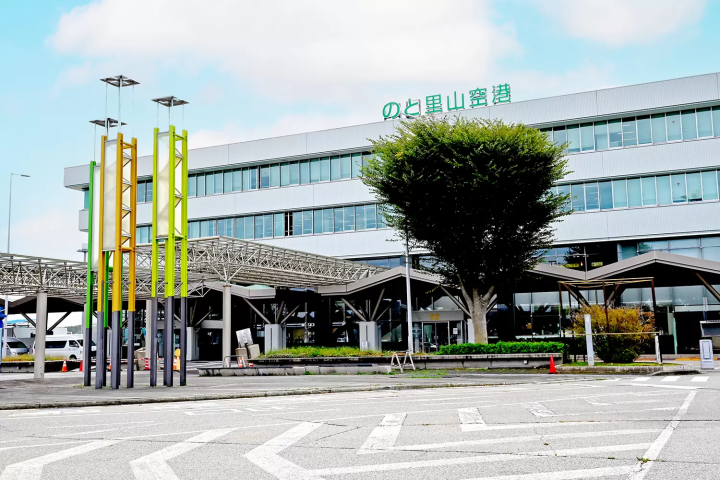
The trip to Noto we'll be introducing today starts at Noto Satoyama Airport, the gateway to Noto's skies. If you fly, it takes about an hour to get to Noto Satoyama Airport from Tokyo (Haneda). If you take the Shinkansen, it takes two and a half hours to get to the airport from Kanazawa Station in Kanazawa City , Ishikawa Prefecture , by rental car or bus. Noto operates two round trips a day between Noto and Haneda, carrying reconstruction supporters and tourists.
Noto Satoyama Airport is introduced in detail in the first part.
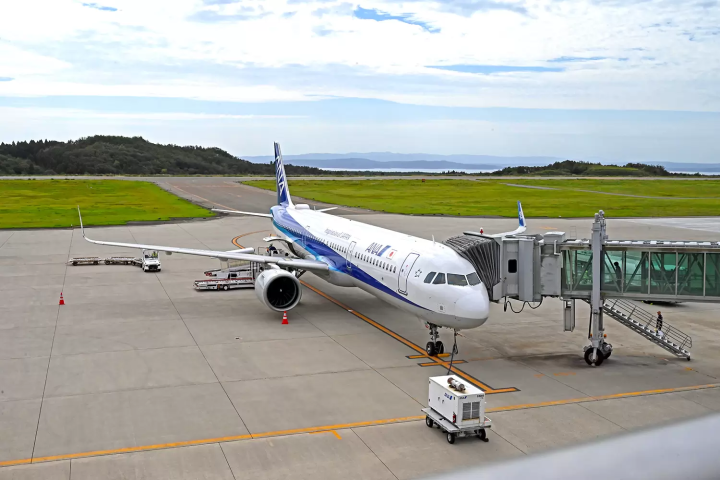
Noto Satoyama Airport
[Address] 10-11-1 Suei , Wajima City, Ishikawa Ishikawa Prefecture
TEL 0768-26-2000
[Business hours] 7:45-17:30
Restaurant Annon 9:00-17:00 (last orders 16:30)
Shop Serendipity 9:00-17:00
Tsukushi Shop 9:00-17:00
[Closed] Open all year round
8. Wakura Festival Hall [Nanao City] — Passing the festival spirit on to the future
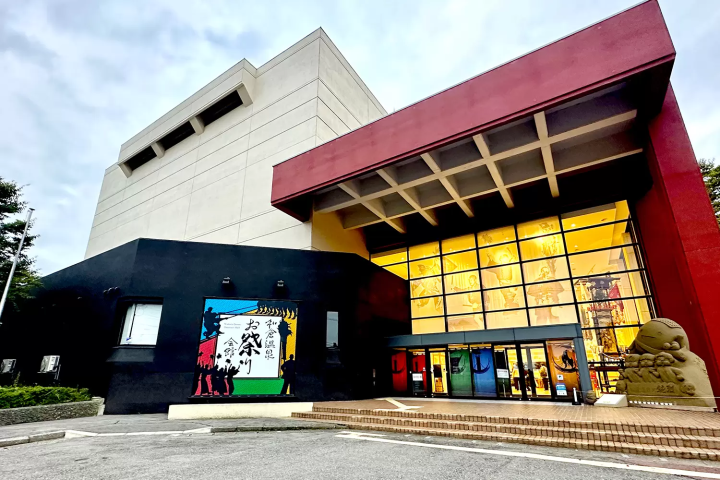
Located in Wakura in Nanao City , the Festival Hall is a facility that conveys the power of Nanao 's four major festivals, which represent Noto . Following the registration of the floats of the Kashiwa Festival as a UNESCO Intangible Cultural Heritage, the facility was opened as a tourist hub to create a new flow of people through festival culture.
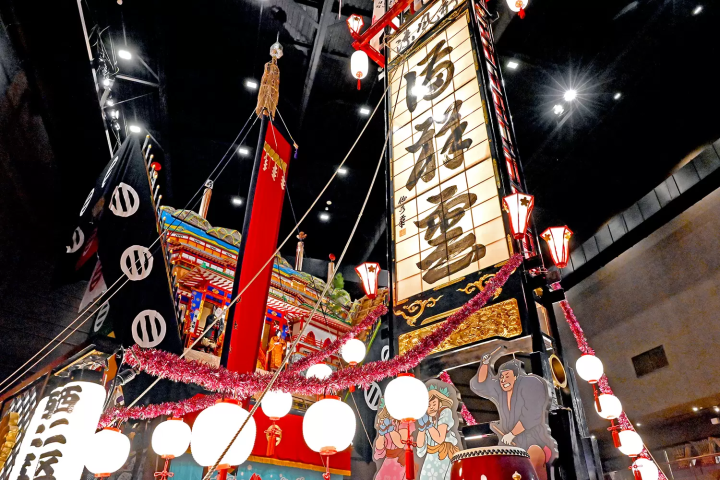
Many festivals are held throughout the year in Noto, and festivals hold a special place in the hearts of the people. Each region and village has its own unique characteristics, which the people take pride in and have cherished for generations to come.
The museum was closed after the 2024 earthquake, but will resume normal business hours on Fridays, Saturdays, Sundays, and public holidays from the summer of 2025. The exhibition room features actual exhibits of Nanao City's four major festivals: the Seihakusai Festival, the Issaki Kashiwa Festival, the Notojima Koda Fire Festival, and the Okumakabuto Festival, with impressive 12.3m-tall floats and lanterns. The immersive images on the giant screen are also worth seeing, conveying the history, culture, and passion of the festivals that have been passed down from generation to generation.
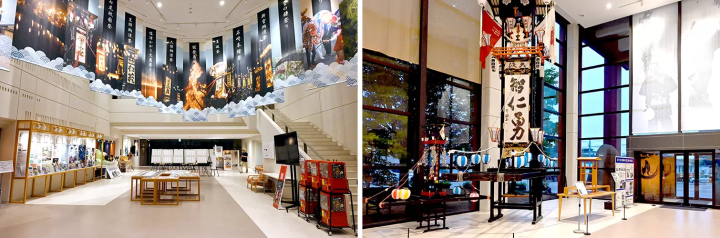
At the entrance, there are a row of banners introducing Nanao City's festivals throughout the year, and kiriko (hotsukan) lanterns are also on display.
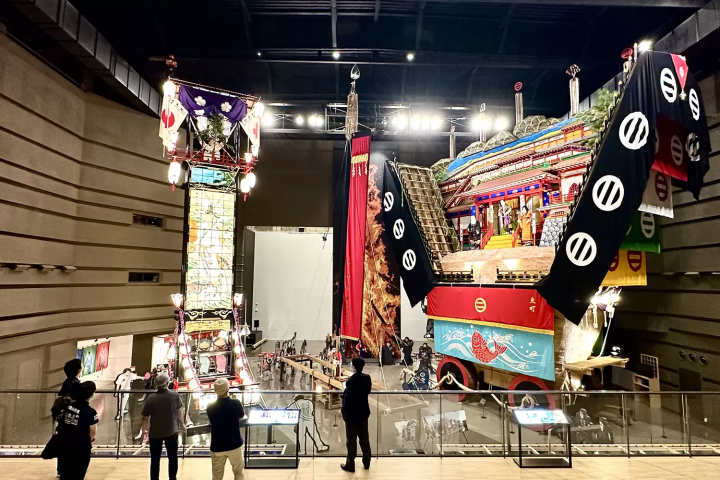
The impressive exhibition hall has a ceiling height of 17 meters. After learning about the charm and power of the festival at this facility, you can enjoy it even more by attending the actual festival.
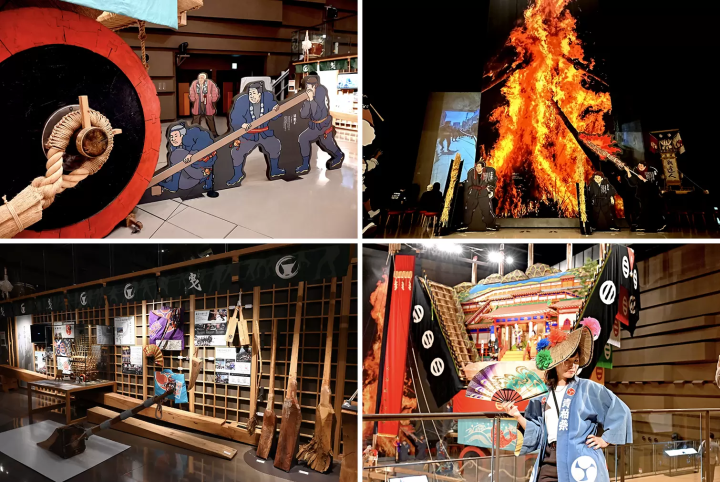
Lanterns, flags, and tools that were actually used in the festival are on display, and life-size panels of people recreate the movements, creating a truly impressive sight.
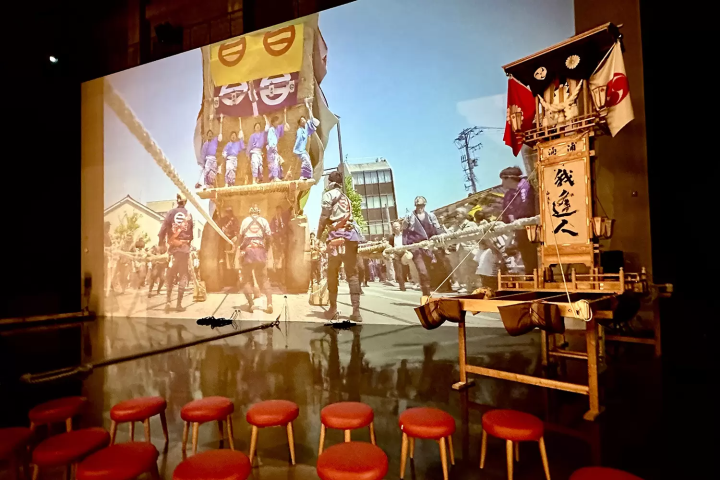
The images projected onto the giant screen are worth seeing!
Wakura Festival Hall
[Address] 2-13-1 Wakura , Nanao City, Ishikawa Prefecture
TEL 0767-62-4332
Hours: Friday to Sunday, public holidays 9:00-17:00 (last entry 16:30)
[Closed] Monday to Thursday (open on public holidays) *Separate arrangements are made for groups with advance reservations
[Admission Fee] Adults: 800 yen, Elementary and Junior High School Students: 400 yen
9. Notoraku Japanese Inn [Nanao City] — A relaxing inn overlooking Nanao Bay
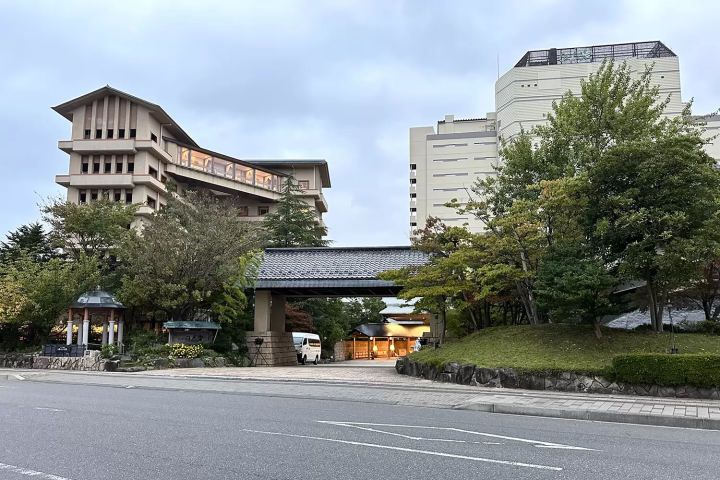
Wakura Onsen, facing Nanao Bay , is a famous hot spring with a history of 1,200 years. The hot springs gush out at a high temperature of about 90°C, and the mineral springs, Toyotomi in salt, have long been healing people as "sea hot springs." The area suffered extensive damage in the 2024 Noto Peninsula earthquake, and 13 of the 20 inns are currently closed (as of October 2025), but they are making steady progress toward recovery.
Among them, Notoraku, a Japanese inn, has reopened and is a large inn that represents Wakura. There is the main building, Notoraku, and two hotels on the premises, Hotel Noto Club and Garden Noto, where you can enjoy hot springs and gourmet food while you stay in a variety of room types and grades. We recommend the Notojima Terrace Club rooms on the fourth floor. These ocean view rooms offer a panoramic view of Nanao Bay and Notojima, and with their calming interiors, jacuzzi, and open-air bath, you can soothe your mind and body in a private setting. Each room has a bathroom, but we recommend you take the time to relax and enjoy the high-quality waters of Wakura in the large public bath.
There are several restaurants within the hotel, allowing you to choose your preferred dining style and menu, including a casual buffet, private rooms for groups or families, and an authentic Kappo restaurant where you can fully enjoy the essence of Japanese cuisine.Breakfast is buffet-style, with a variety of Japanese and Western dishes to choose from.
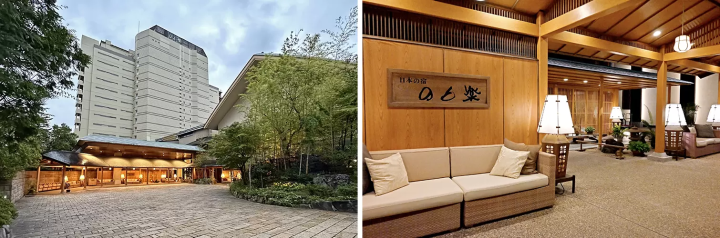
Check-in is at the front desk in the main building.
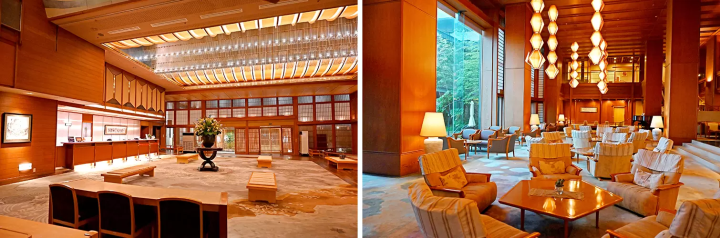
You will be greeted by an open entrance and lobby. Drinks are also served.
Roomshttps ://www.notoraku.co.jp/rooms
Accommodation plans https://www.notoraku.co.jp/plan
Restaurant https://www.notoraku.co.jp/dish
Hot springshttps ://www.notoraku.co.jp/hotspa
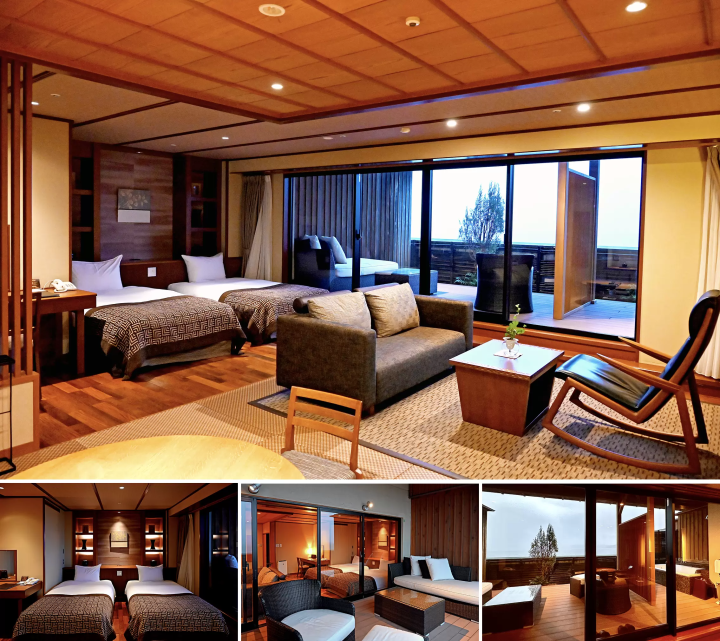
A room at Notojima Terrace Club with a luxurious atmosphere.
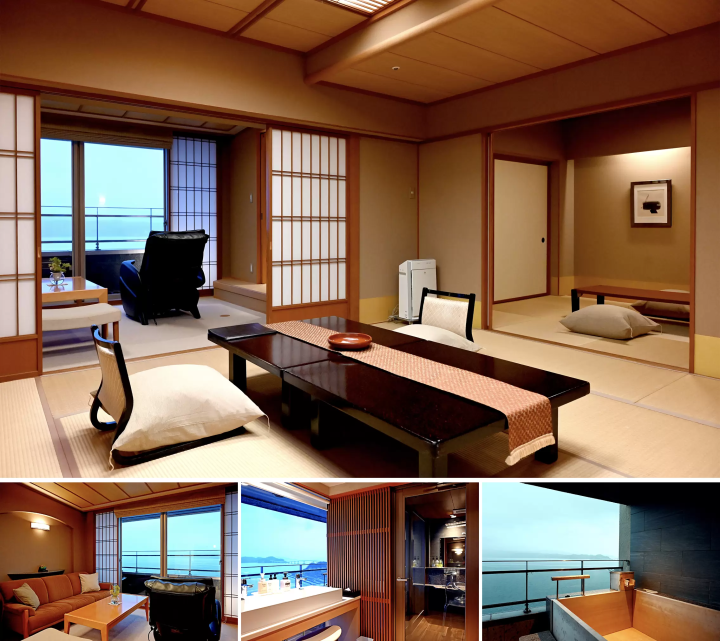
The standard Japanese-style room and bathroom also have ocean views. This room is on the 13th floor.
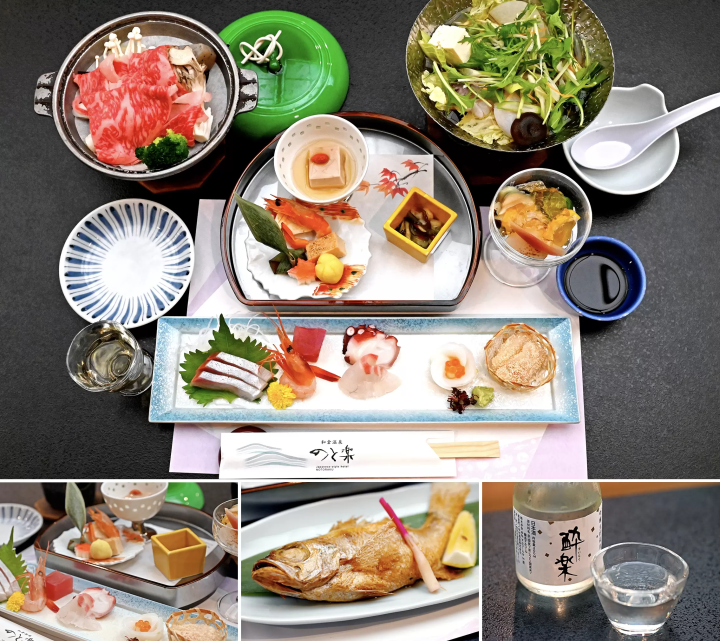
Enjoy dishes made with the bounty of Noto 's sea and land, including Kano crab, blackthroat seaperch, and Noto beef.
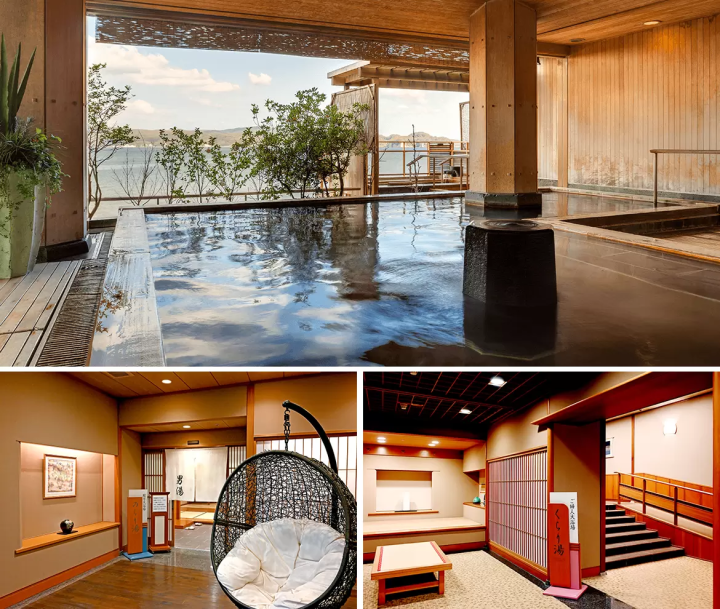
The waters of Wakura are a beauty bath with a high skin-beautifying effect that you can enjoy at your own pace. In the evening and morning, the open-air bath offers a wonderful view of Nanao Bay, creating a sense of openness.
Wakura Onsen Japanese Inn Notoraku
[Address] 1-14 Ishikawa Prefecture, Nanao City Prefecture
TEL 0767-62-3131
Check-in 15:00-18:00
Check-out 10:00
10. Pop-Up Wajima Morning Market [Wajima City] — A story of revitalization that began with a “business trip”
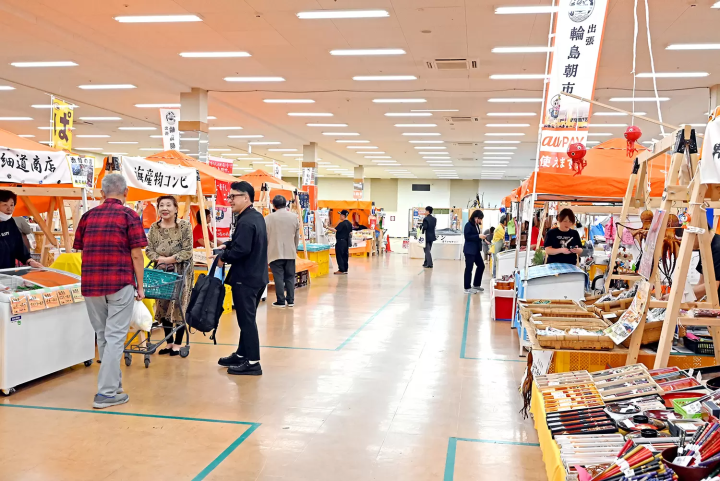
Wajima Morning Market is one of Japan’s three largest morning markets, with a history spanning over 1,000 years. Rows of tents lined the Asaichi Street in Wajima City, Wajima City, bustling with fresh seafood, agricultural products, and folk crafts like Wajima lacquerware. However, the area was dramatically transformed by the 2024 earthquake and devastating fire. Though the Wajima Morning Market stall owners lost their business, they joined forces to continue the market as a "mobile morning market." In March 2024, with the cooperation of Kanazawa City's Kanaishi Port, the market resumed sales as a "Pop-Up Wajima Morning Market," and in the summer of the same year, it began operating inside the Power City Wajima Y-Plaza in Wajima City . While the market was still undergoing reconstruction, it was hit by heavy rains in September, but as more and more vendors reopen, efforts are underway to restore Kawai-town Asaichi Street.
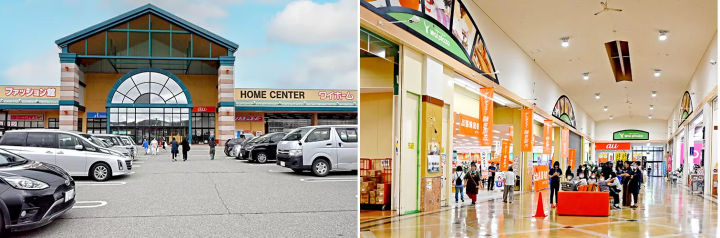
Currently, the morning market is operated as a traveling event at the Power City Wajima Y Plaza in Wajima City .
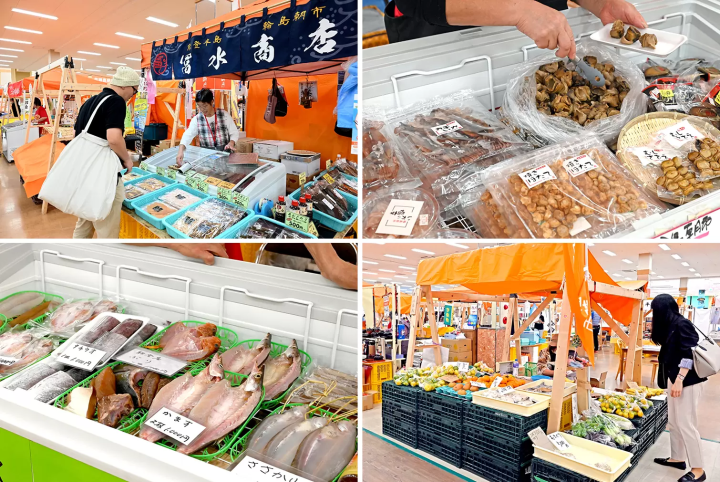
The rows of orange tents and conversations with the stall owners bring back memories of the vibrant Wajima Morning Market of the past. Each tent is lined with dried fish, pickles, vegetables, homemade side dishes, bread, Wajima lacquerware, and more.
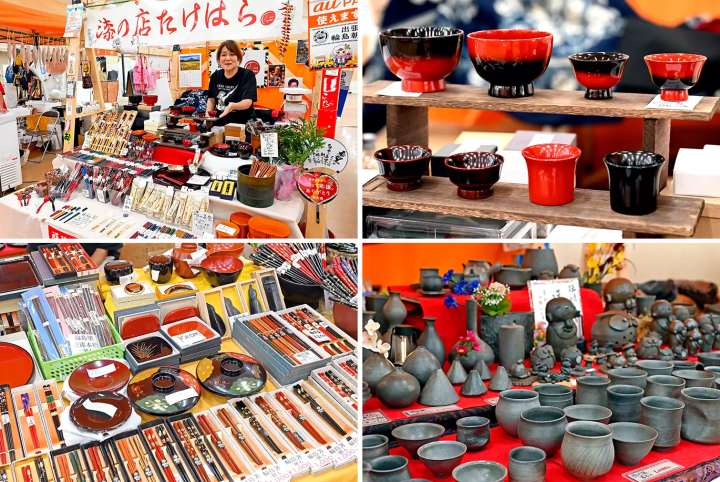
There are also many shops selling Wajima's famous Wajima lacquerware bowls, chopsticks, accessories, and more.
Traveling Wajima Morning Market Pop-Up
[Location] Power Wajima Wajima City Plaza, 41 Takada-cho, Wajima City, Ishikawa Prefecture Prefecture
TEL 0768-22-8733 (Y Wajima Wajima store)
[Business hours] 9:00-13:00
*Y Wajima Wajima store hours are 9:00-19:00
[Closed] Wednesdays
11. Wajima Kobo Nagaya [Wajima City] — The warmth of lacquerware passed down through the generations
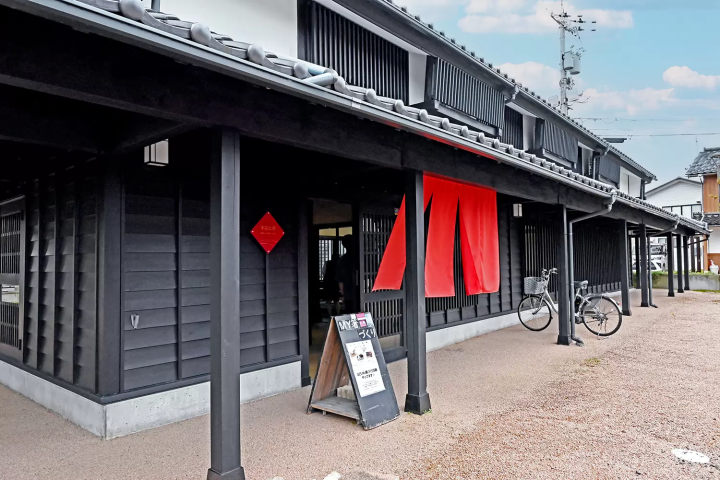
Wajima Kobo Nagaya is a facility that promotes the charm of Wajima and lacquerware, where Wajima City can tour the Wajima lacquerware workshop, experience making lacquerware, and purchase lacquerware. Although it is located in an area that was severely damaged by the earthquake, it has resumed workshop tours and some of its experience programs since June 2024. Here, you can try out the lacquerware decoration techniques of "chinkin" and "maki-e," and create your own original work by painting your favorite picture on lacquered chopsticks.
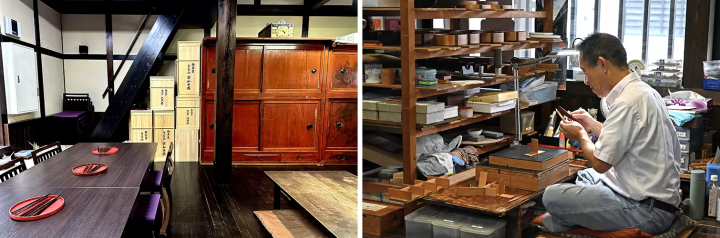
You can observe Wajima lacquerware craftsmen at work up close.
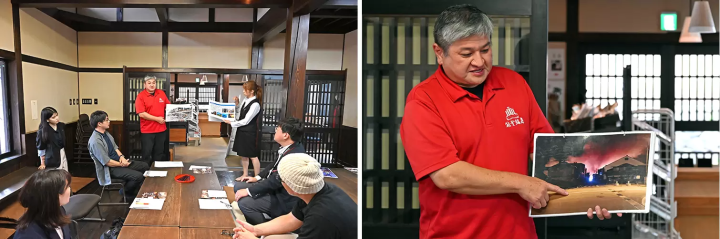
We also recommend the "Wajima Tour Plan," which combines a chopstick-making workshop with a guided tour of the area around Asaichi Street and the coast where you can see the coastal uplift.
The "My Chopsticks Making Experience" is easy even for beginners, and the appeal is that you can take your creation home with you on the same day. The recommended technique is "Chinkin," a traditional technique in which a pattern is carved into lacquered chopsticks, which are then coated with lacquer to fix gold powder. You can choose from simple and beautiful gold powder types, as well as types with a vibrant metallic powder finish. Every time you eat with the chopsticks you made, they will become special items that will bring back memories of your visit to Wajima.
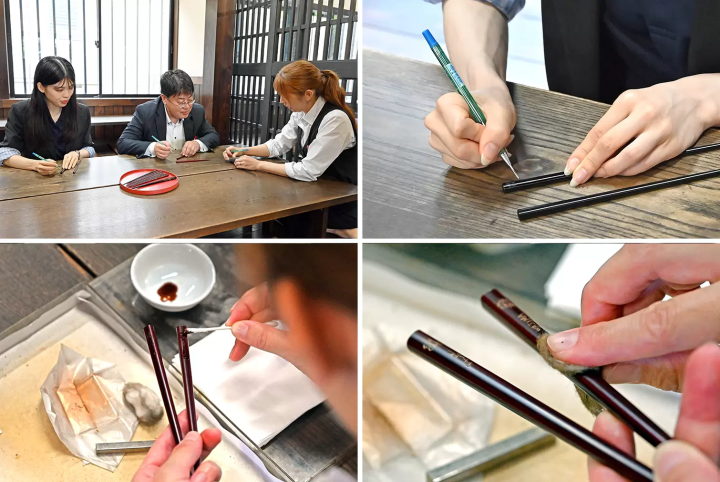
After listening to the lecture, you can choose your favorite color of chopsticks and carve a pattern into them with a metal pen. Because real lacquer is used, the workshop staff will be in charge of applying the lacquer and gold powder.
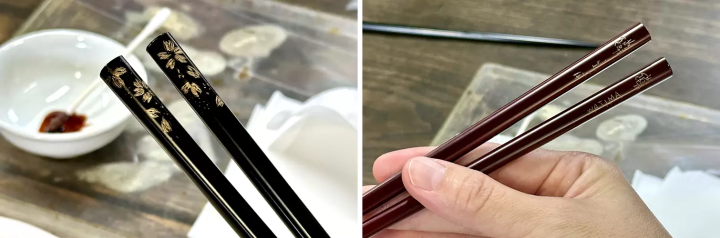
Finally, it is polished to reveal the gold powder pattern. It is then placed in a plastic bag and taken home, where it is left for three days until the lacquer has dried and it is ready to use.
Wajima Workshop Row House
4-66-1 Wajima City, Ishikawa Prefecture
TEL 0768-23-0011
[Business hours] 9:00-17:00
[Closed] Wednesdays
[Fee] Make your own chopsticks: 2,000 yen per pair
Wajima Tour & My Chopsticks Making: 3,000 yen per person (10 or more people, 2 hours 30 minutes)
12. Mebuki [Wajima City] — A new flavor born from soup kitchens
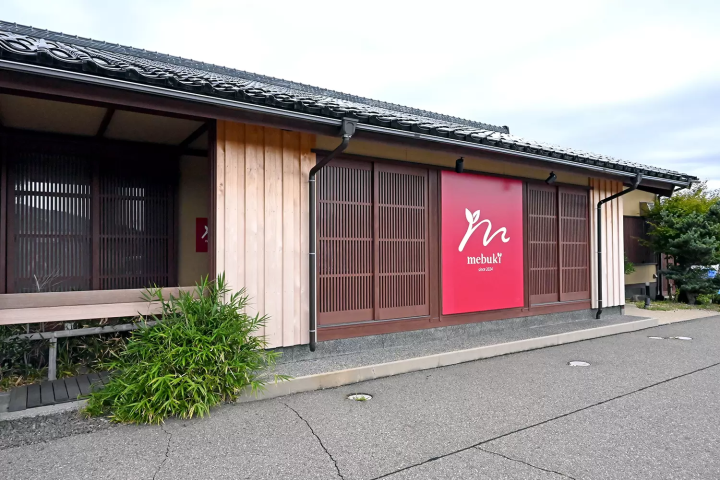
Mebuki is an izakaya-style restaurant established as a symbol of rebirth in Wajima , an area affected by the Noto Peninsula earthquake. Led by Chef Junya Ikebata of L'Atelier de Noto, which received a Michelin star in 2021, the restaurant was founded by a group of chefs who lost their own restaurants in the disaster but continued to provide meals to disaster victims for approximately six months immediately following the disaster. Chefs from various industries, including French, Japanese, ramen, and bar cuisine, join forces to offer a diverse menu through sharing techniques and collaboration. The restaurant offers a wide variety of dishes made with fresh Noto ingredients, including sashimi platters and turkey ramen, as well as a Toyotomi of daily specials. Even lunch features a daily special created by the chefs, who refuse to compromise. The conversations over the counter are warm and engaging, allowing you to experience the current state of Wajima.
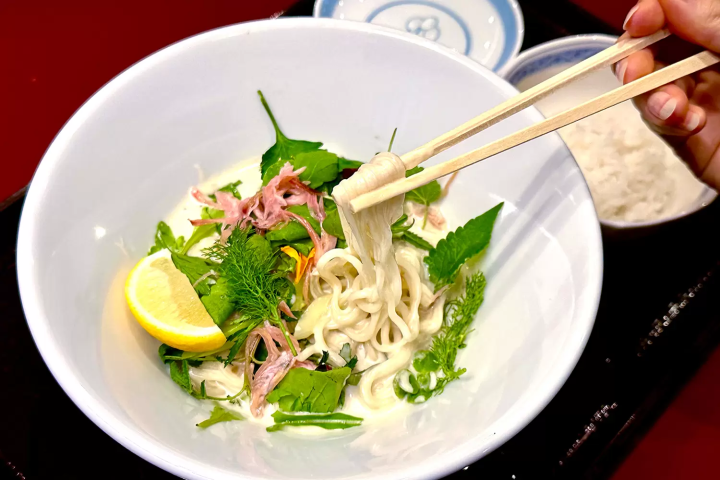
The "Oyster Mazesoba" is a masterpiece made with a creamy sauce made from the oil used to confit the local specialty oysters and minced turkey, garnished with refreshing herbs.
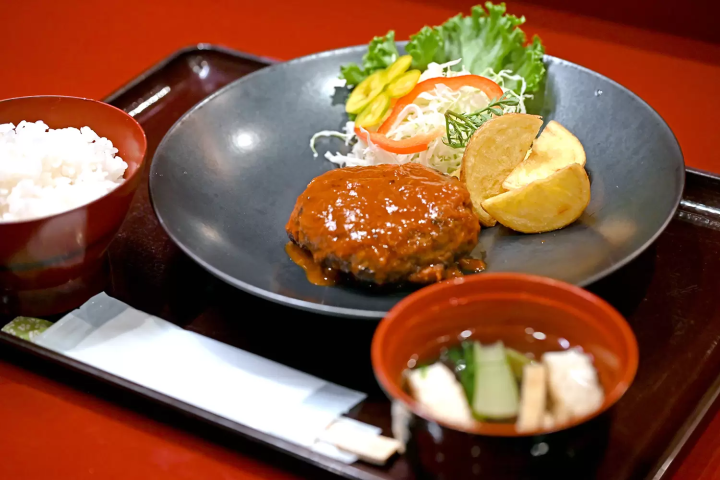
A juicy and delicious hamburger steak made with Jersey beef from Noto.
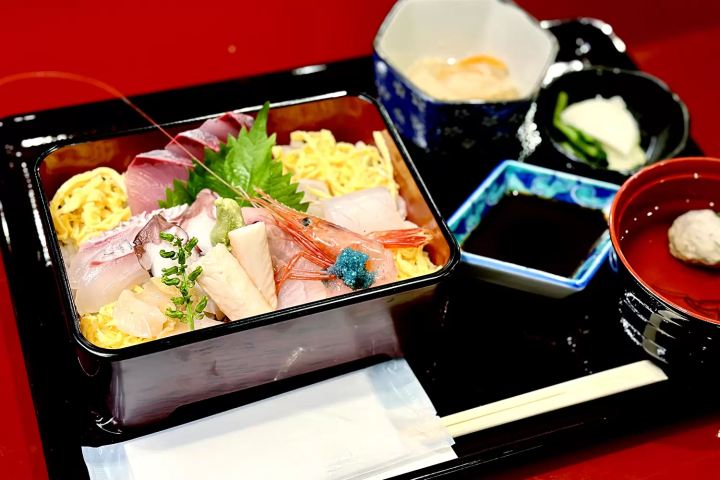
Wajima is known for its fresh seafood, and sashimi and seafood bowls are popular menu items at Mebuki.
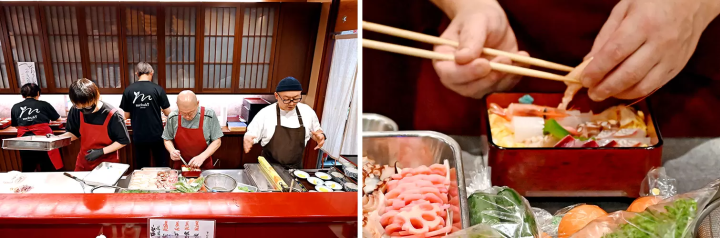
There are counter seats, private rooms, and booth seats where you can have a conversation with the chef while you dine.
Mebuki
[Address] 6-1 Wajima City, Ishikawa Prefecture
TEL 0768-23-4567
[Business hours] 11:30-14:30 / 18:00-22:00
[Closed] Sundays
https://www.instagram.com/mebuki_wajima
13. Zen no Sato Community Center and Monzen-dori Street [Wajima City] — A walk through a town where prayer lives on
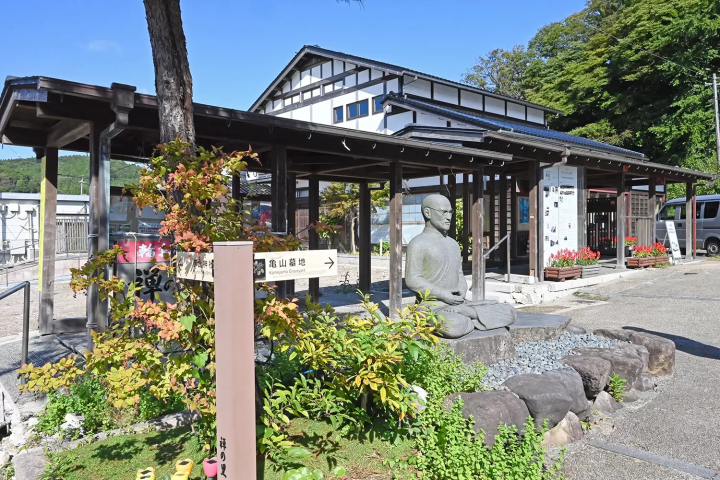
At the Motoyama no Sato Communication Center, located in front of the gate of Sojiji Soin, the head temple of the Soto Zen sect, panels and videos introduce Sojiji, the history of the temple town's formation in this area, and the training practices. Sojiji Soin suffered extensive damage in the 2024 Noto Peninsula earthquake, and the Zen no Sato Communication Center was also affected, but it is now open to tourists. A guided walk from the Zen no Sato Communication Center along the shopping street in front of the temple to Sojiji Soin will give you a deeper insight into its history and culture. Many of the shops that lined the street in front of the temple were damaged, but reconstruction plans are underway while temporary stores remain open. Locals warmly welcome visitors, and prayers for recovery permeate the town.
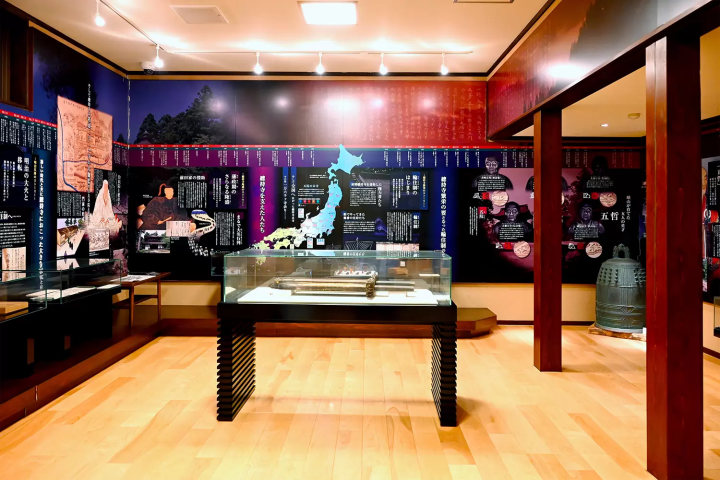
It introduces the origins of the Sojiji Temple and how monks from all over the country traveled by Kitamae ship and took turns serving as the head priest.
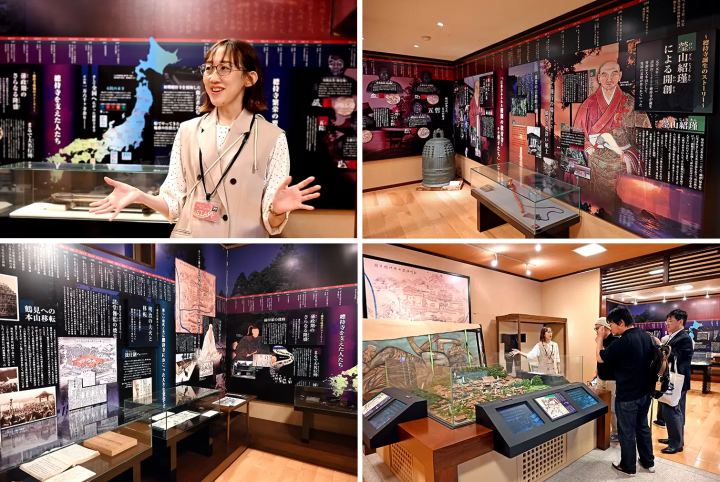
We visited the exhibits at the Zen no Sato Exchange Center with commentary by Miyashita Anri.
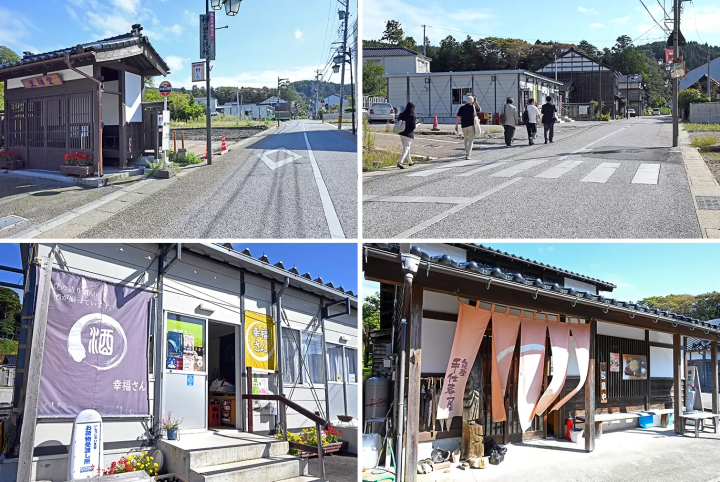
Buildings in the shopping district in front of Sojiji Temple's Soin Temple are being demolished, and a temporary shopping district has been set up with liquor stores, sweet shops, restaurants, barber shops and more operating.
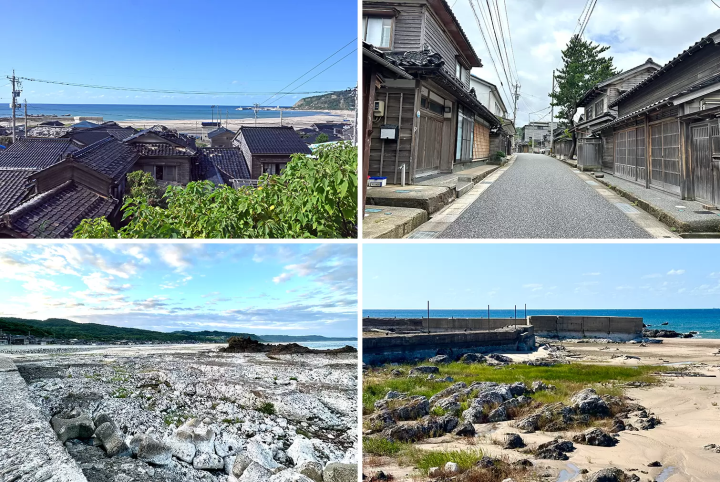
We also recommend visiting the Kuroshima Island district, which is just a 10-minute drive away. This town has a strong connection with Sojiji Temple, and is home to a unique architectural style that has been designated an Important Preservation District for Groups of Traditional Buildings, as well as a coastline that rose 4 meters in the quake.
Wajima City Kushinosho Zen Village Community Center
[Address] 6-10 Hashide, Monzencho , Wajima City, Ishikawa Prefecture
TEL 0768-42-3550
Opening hours: 9:00-17:00 (last entry 16:30)
Closed: Mondays (or the following day if Monday is a public holiday)
[Admission Fee] Adults: 320 yen, elementary, junior high and high school students: 150 yen
https://www.city.wajima.ishikawa.jp/docs/2013030600032
14. Sojiji Soin, the Former Head Monastery of Soto Zen Buddhism [Wajima City] — Continuing Prayers After Two Major Earthquakes
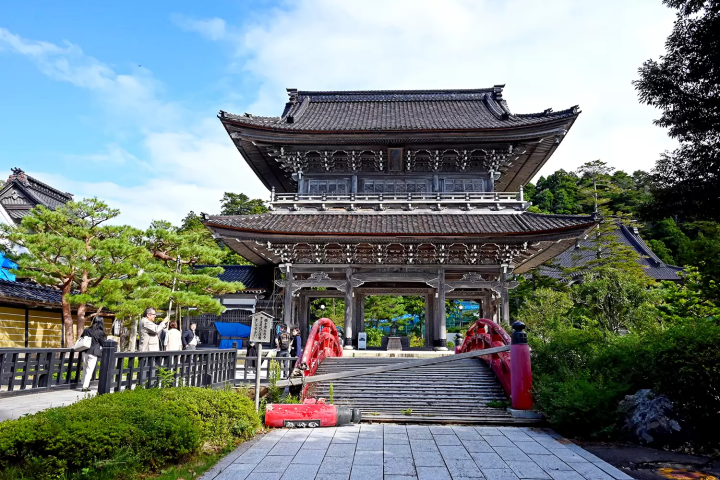
Sojiji Soin is the original site of Motoyama , the head temple of the Soto Zen sect, which has a history of around 700 years and is located in Monzen, Wajima City , Ishikawa Prefecture . After many of the temple buildings were destroyed in a major fire in 1898 (Meiji 31), the Motoyama functions were moved to Kanagawa Prefecture and the site was rebuilt as Sojiji Soin. Even today, it retains the appearance of being the Motoyama of the Soto sect, and the vast grounds include the rebuilt seven halls and a sutra repository associated with the Kaga Maeda clan.
However, the Noto Peninsula earthquake of 2007 caused great damage, including the complete destruction of the Zen meditation hall. Restoration work took 14 years and a total cost of approximately 4 billion yen, and the temple was fully restored in 2021, the 700th anniversary of its founding. Three years later, on New Year's Day 2024, the Noto Peninsula earthquake struck, causing extensive damage, but earthquake-resistance repairs were successful in preventing the main buildings from collapsing. After the earthquake, 16 of the stately and tasteful buildings were designated as Important Cultural Properties of Japan, and preparations for restoration are underway. Currently, the temple is open to the public, with the exception of certain areas, and guided tours (by advance reservation) allow you to feel even more deeply the weight of history, culture, the progress of reconstruction, and the prayers that have been poured into them.
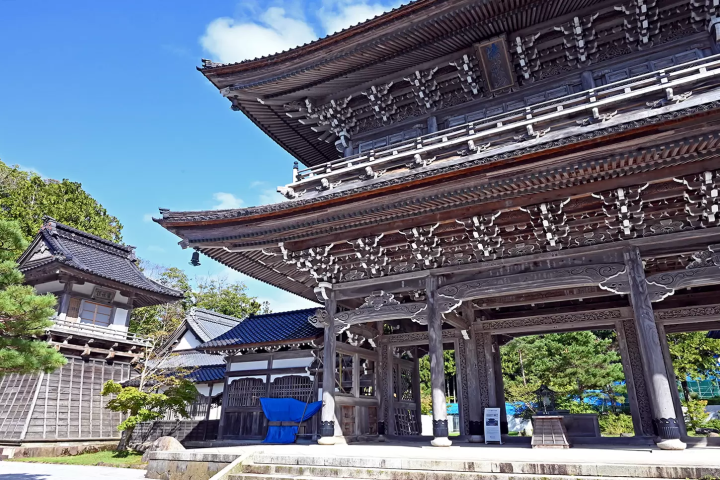
The Sanmon Gate, which can be said to be the face of Sojiji Temple's ancestral temple, has been restored and earthquake-resistant since the 2007 earthquake, and the damage has been kept to a minimum, so it still looks beautiful.
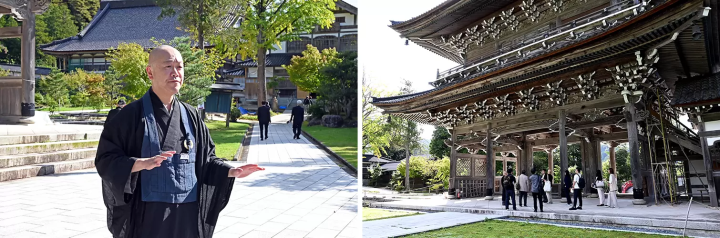
Deputy Superintendent Hironari Takashima will guide you through the temple grounds, where you will learn in detail about the history and changes of Sojiji Temple, as well as the impact of earthquakes.
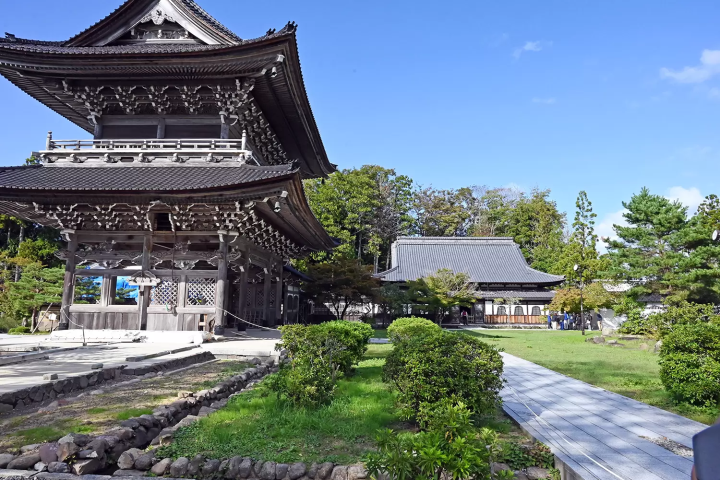
The collapsed corridors have already been demolished and are awaiting reconstruction.
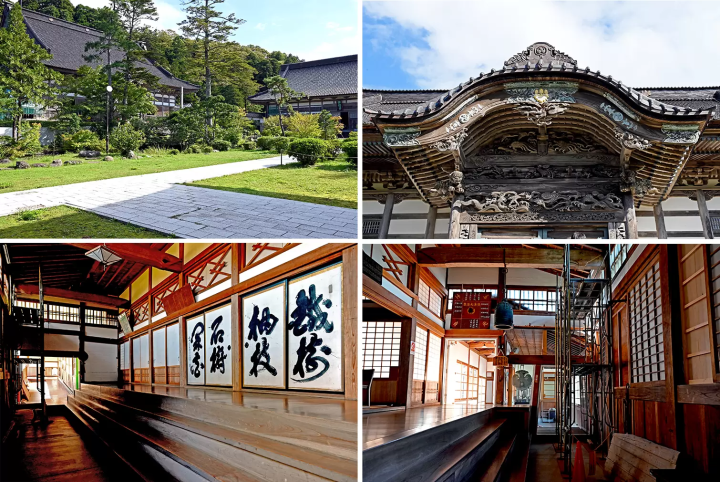
You can tour the interior of the Dharma Hall (Daiso Hall) and the Buddha Hall, but the monks' hall (Zazen Hall), where the monks live and train together, suffered extensive damage, and the monks are still said to have left the area.
Sojiji Motoyama, the head temple of the Soto sect
[Address] 1-18-A, Monzencho, Monzen, Wajima Wajima City , Ishikawa Prefecture
TEL 0768-42-0005
[Open] 9:00-15:00 (currently shortened / normal hours: 8:00-17:00)
[Closed] None
[Fee] Admission fee: Adults 500 yen, Junior and senior high school students 400 yen, Elementary school students 200 yen
Separate guide fee: 3,000 yen per guide (advance reservation required)
*Please inquire about Zen meditation experiences (Shojin cuisine and temple lodgings are currently suspended)
*Reception for stamps, amulets, etc. is the same as during visiting hours.
* Only limited areas can be visited
Noto - Travel Summary
A trip to Noto is more than a sightseeing trip; it's a journey to meet people. It is precisely because we are in the midst of rebuilding that we are able to encounter smiling faces. It's not just "support" but "walking together" - this step will illuminate the future of the region. Please experience "Noto today" with your own eyes.
Please also see the first part : https://matcha-jp.com/jp/26173
1. Noto Satoyama Airport [Wajima City]
2. NOTOMORI [Wajima City]
3. Mitsuke Mitsuke[Suzu City]
4. Suzunari Shokudo [Suzu City]
5. Suzunari Roadside Station [Suzu City]
6. Squid Station Mall [Noto Town]
7. Noto Wine [Anamizu Town]
We are working to enliven the entire Hokuriku area.
The contents on this page may partially contain automatic translation.
Special Features
More










![[Izu, Shuzenji Onsen] Shuzenji hydrangeas adorn the garden of the inn "SORA Togetsuso Kinryu"](https://resources.matcha-jp.com/resize/720x2000/2024/06/25-185079.webp)