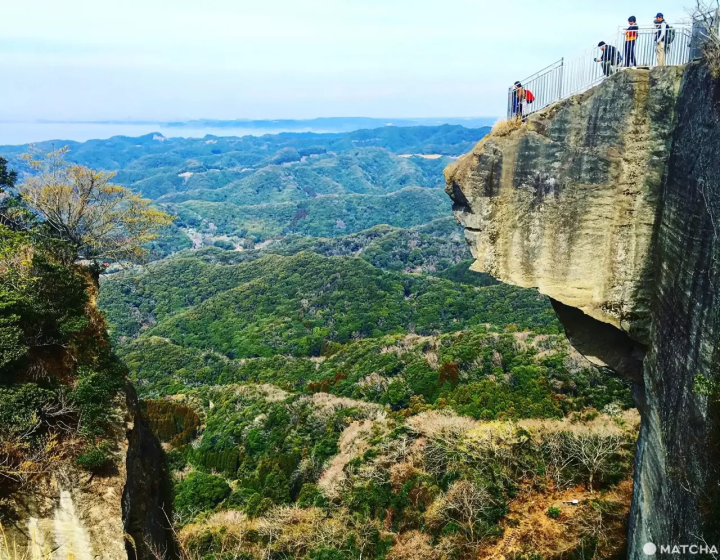
Cherry Blossoms near Narita Airport: 5 Beautiful Locations
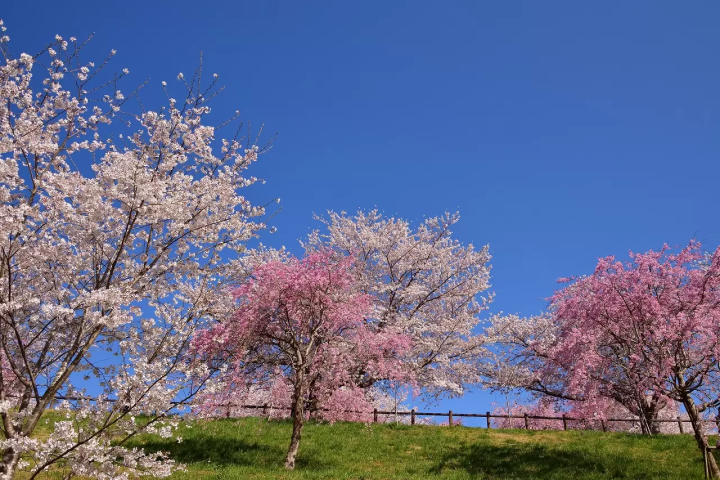
Looking for cherry blossom locations near Tokyo’s Narita Airport? Skip the city crowds and visit these 5 splendid parks in Narita and Sakura City.

Written by
Tokyo
English content editor at MATCHA since 2016. Ramona arrived in Japan in 2012 as a graduate student to research Japanese literature and performing arts. As a travel editor and writer, she has visited and documented 40 of Japan's prefectures with a focus on art, history, and traditional Japanese crafts. She has been practicing ikebana flower arrangement (Ikenobo School) and tea ceremony (Omote Senke) since 2012.
This service includes sponsored advertisements.
Crowdfree Cherry Blossom Spots in Narita and Sakura
The Chiba cities of Narita and Sakura, located near Narita Airport, are home to magnificent cherry blossom locations. While beloved by locals, these spots rarely attract large tourist crowds, making them ideal for a peaceful viewing experience.
The blossoms in this area typically bloom from late March to early April, coinciding with the season in Tokyo.
If you are traveling through Narita Airport, consider spending a day there upon arrival or just before departure to enjoy the flowers away from the city's hustle.
-
Table of Contents
- 1. Sakuranoyama Park in Narita: Cherry Blossoms and Airplanes
- 2. Naritasan Park: Shinshoji Temple Buildings and Cherry Blossoms
- 3. Boso Village Open-Air Museum: Historic Streetscapes
- 4. Sogo Reido Sanctuary: Serene Temple Grounds with a Garden
- 5. Sakura Castle Ruins Park: Historic Moats and Cherry Blossoms
1. Sakuranoyama Park in Narita: Cherry Blossoms and Airplanes
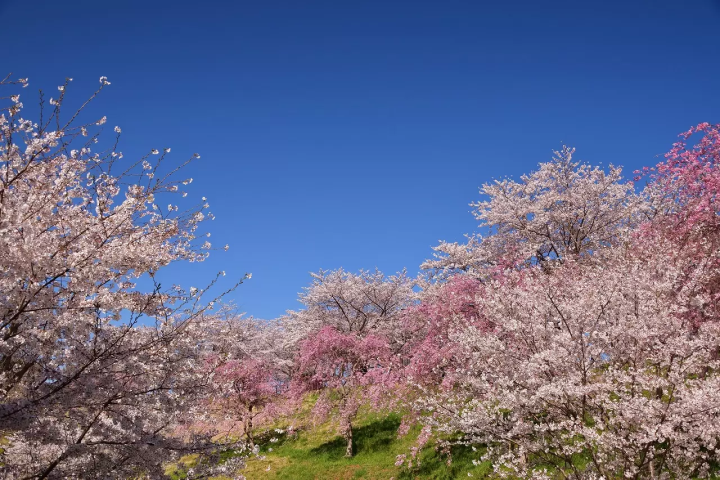
Photo by Pixta
Narita City Sakuranoyama Park is situated north of Narita Airport's Runway A, just a short distance from the Marroad International Hotel Narita.
During peak season, the hillsides erupt in color as nearly 500 cherry trees create a canopy of soft pink petals. The scenery is made even more breathtaking by vibrant yellow rapeseed (nanohana) blooming at the base, offering a stunning contrast to the blossoms above.
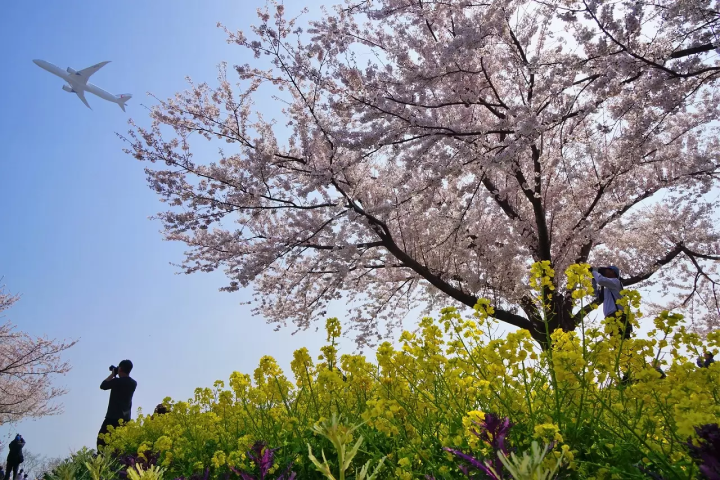
Photo by Pixta
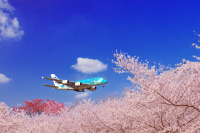
Sakuranoyama Park is a premier destination for photographers looking to capture the dramatic sight of airplanes taking off and landing framed by cherry blossoms.
For a taste of the region, visit the park’s Sora no Eki Sakurakan, a local hub where you can pick up fresh fruits, vegetables, and regional treats—perfect for a quick refreshment.
Please keep in mind that this is the most popular cherry blossom spot in the area; it is a favorite for residents who gather here for lively cherry blossom picnics.
How to Get to Sakuranoyama Park
Access from Narita Airport
- From Narita Airport Terminal 2 (1F), take the Keisei Bus Chiba East (Sakuranoyama Line or Soramaru Line) from Bus Stop No. 2.
- Get off at the Sakura-no-yama"bus stop (the park is immediately adjacent).
Travel Time: Approximately 15 minutes.
Fare: Adults 210 yen, Children 110 yen
Access via Keisei Narita Station
- Depart from the Keisei Narita Station East Exit. The Narita City Community Bus (Tsutsumiura Route) departs from the stop located in front of the Lawson inside the APA Hotel.
- Get off at the Sakura-no-yama bus stop (the park is just a few steps away).
Travel Time: Approximately 15 minutes.
Fare: Adults 200 yen, Children 100 yen
Sakuranoyama Park
Location: Google Map
Official website: https://www.visitchiba.jp/spot/sakura-no-yama-park/
2. Naritasan Park: Shinshoji Temple Buildings and Cherry Blossoms
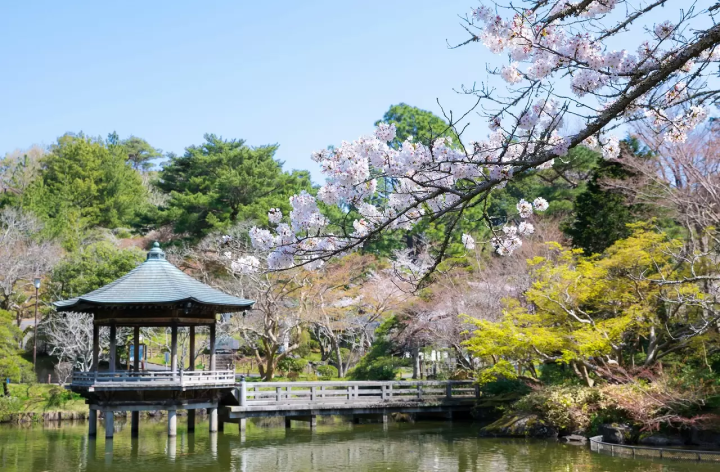
Photo by Pixta
Founded in 940, Naritasan Shinshoji Temple is one of the most prominent Buddhist sacred sites in eastern Japan. It attracts over ten million visitors annually, who come to seek blessings for business prosperity and traffic safety.
Beyond its spiritual importance, the site is famous for the sprawling beauty of Naritasan Park, a vast green space designed around the Buddhist principle of reverence for all living things.
Each season, the park offers a stunning natural display, from plum and cherry blossoms in the spring to wisteria and vibrant autumn foliage. Late March to mid-April is the best time to view cherry blossoms in the park.
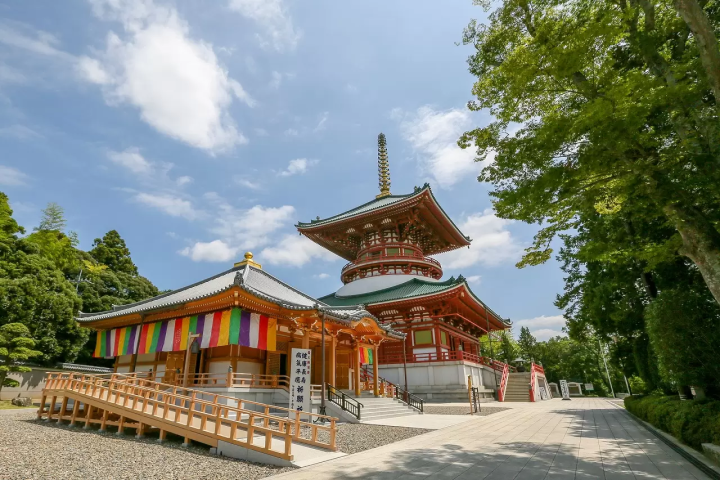
The tall structure is the Tower of Peace. Photo by Pixta
Naritasan Park's highlights include its Western-style Garden, which is located directly below the Tower of Peace (Heiwa no To), the Yuhi Waterfall, located near Komyodo Hall, and the Floating Hall (Ukimido) on Ryuchi Pond.
A local tradition suggests that if you clap your hands from the Ukimido Hall, the resident koi fish will swim toward you in greeting.
How to Get to Naritasan Park
Naritasan Shinshoji Temple can be easily reached on foot in about 15 minutes from JR Narita Station. Do stop by for a stroll in the park if you visit during the cherry blossom season.
Naritasan Park
Location: Google Map
Official website of Naritasan Shinshoji Temple: https://www.naritasan.or.jp/
3. Boso Village Open-Air Museum: Historic Streetscapes
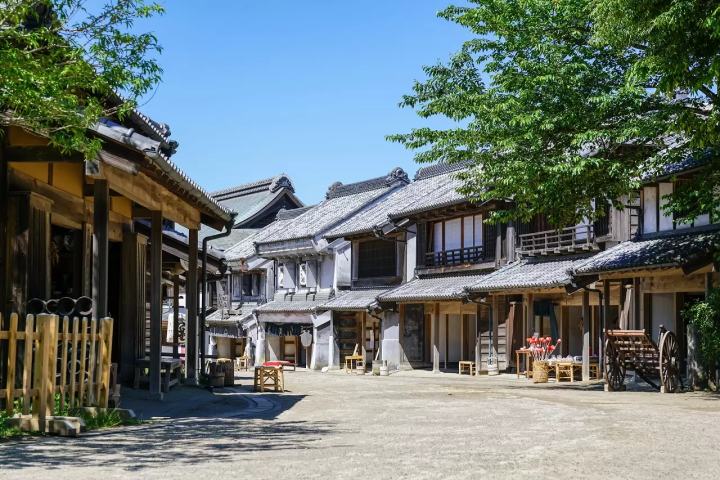
Photo by Pixta
Boso no Mura, or the Boso Village, is an open-air museum where history comes to life. Unlike traditional galleries, it allows visitors to immerse themselves in the traditional lifestyles and techniques of the Boso region of Chiba through authentic reconstructions of samurai residences, merchant shops, and farmhouse dwellings.
The museum is designed to engage all five senses—seeing, listening, smelling, tasting, and touching. By participating in hands-on activities, visitors can deepen their connection to the region's long-standing culture.
Key features include meticulously rebuilt homes from the Edo period and beyond, archaeological exhibits, and craft demonstrations and folk art performances.
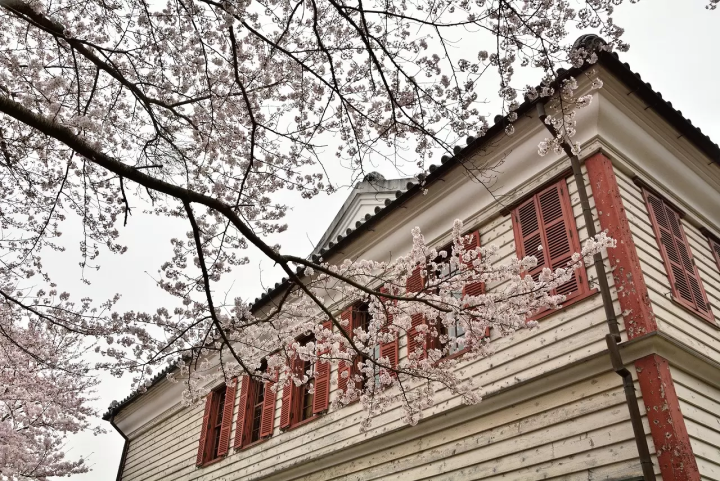
Photo by Pixta
The Boso Village serves as a vibrant cultural hub, hosting a variety of immersive events throughout the year.
A major highlight is the Cherry Blossom Festival (Sakura Matsuri), held from March 20 to 25. During this time, visitors can enjoy seasonal treats while exploring the grounds. The traditional buildings lining the streets provide a stunning backdrop, making it one of the most picturesque locations for photography in the region.
Even beyond major festivals, the museum's charm is constantly renewed through rotating seasonal demonstrations and carefully curated special exhibitions. Whether it is your first time or a return visit, there is always something new and fascinating awaiting you!
How to Get to the Boso Village
The Boso Village is located in Sakae Town, conveniently close to both Narita International Airport and Naritasan Shinshoji Temple.
From JR Narita Station, take a bus (Keisei Bus Chiba East) on the Misatodai Line and get off at the Ryukakujidai bus stop (the ride takes approx. 20 minutes). The Boso Village can be reached in about 7 minutes on foot from here.
From JR Ajiki Station (the nearest station), it is a short 10-minute bus or taxi ride.
Boso Village Open-Air Museum
Location: Google Map
Official website: https://www.chiba-muse.or.jp/MURA/
Read also

4. Sogo Reido Sanctuary: Serene Temple Grounds with a Garden
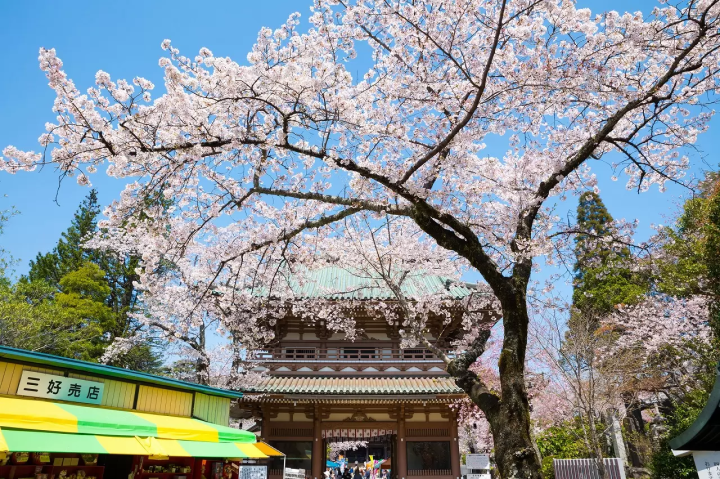
Cherry blossoms near the hall's Niomon Gate. Photo by Pixta
The Sogo Reido Sanctuary, formally known as Toshoji Temple, is a Shingon Buddhist temple in Narita City.
This temple enshrines the spirit of Sakura Sogo (born Kiuchi Sogoro), a courageous Edo-period headman who was executed for appealing directly to Shogun Tokugawa Ietsuna (1641-1680) to lower heavy taxes on local villagers.
Today, the temple is a popular site for warding off misfortune and a beloved destination for nature lovers—particularly in June, when over 7,000 hydrangeas bloom around the main hall.
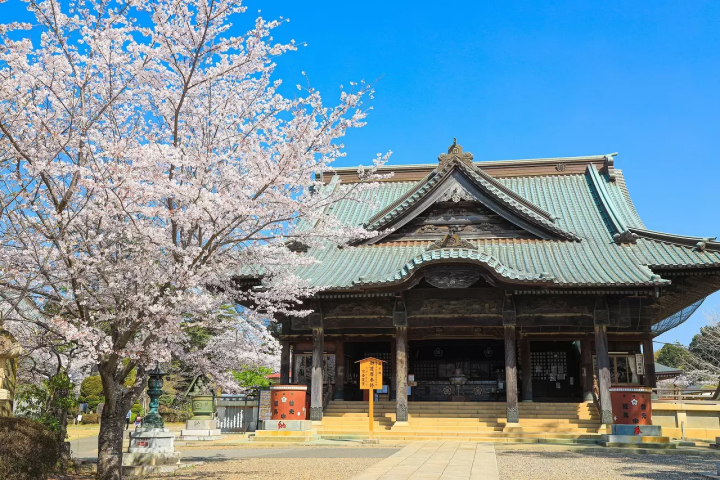
Photo by Pixta
At Sogo Reido, you can enjoy cherry blossoms from late March to mid-April. The most striking views are found along the main approach leading to the Niomon Gate.
You’ll also find additional trees tucked behind the main hall, which fill the serene temple grounds with soft spring colors.
How to Get to the Sogo Reido Sanctuary
The Sogo Reido Sanctuary is a 15-minute walk from Sogo Sando Station (Keisei Electric Railway).
Sogo Reido Sanctuary
Location: Google Map
Official website: https://www.nrtk.jp/enjoy/attraction/sougoreidou.html
5. Sakura Castle Ruins Park: Historic Moats and Cherry Blossoms
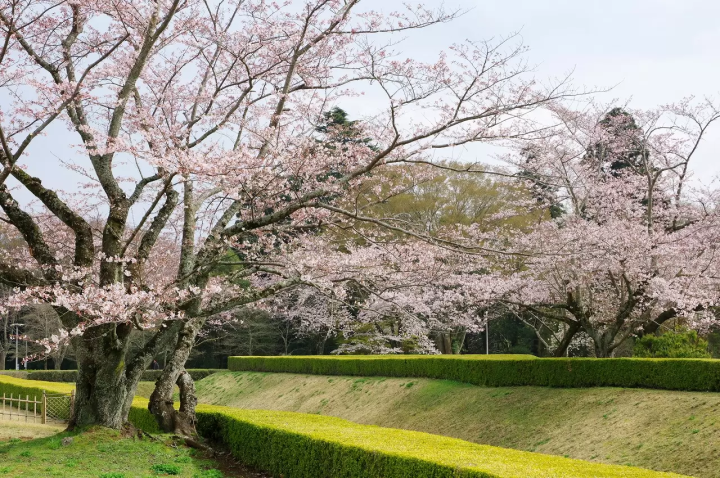
Photo by Pixta
Sakura Castle Site Park is set within the historic ruins of Sakura Castle. Visitors can explore preserved fortifications, including the original keep site, dry moats, outer embankments, and the water-moated south and west baileys.
For a deeper look into the past, the Sakura Castle Site Park Center at the eastern end of the grounds displays castle models, old photographs, and excavated artifacts.
The park offers seasonal beauty year-round. While famous for its early spring cherry blossoms, the grounds also feature vibrant peonies, irises, and maple trees, making it a favorite spot for families to picnic across all four seasons. A traditional tea house on-site offers a quiet space for reflection.
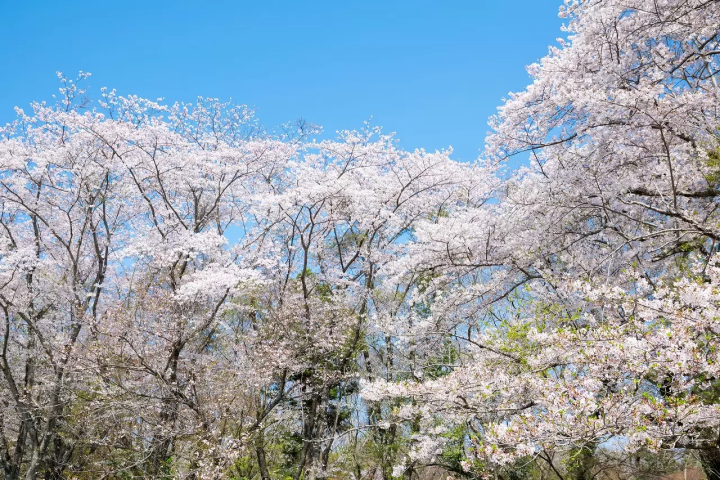
Photo by Pixta
The park is adjacent to the National Museum of Japanese History, a premier facility showcasing Japan’s evolution from ancient times to the modern era. It is a must-visit for anyone seeking a deeper understanding of Japanese culture. Together, the park and museum make for a perfect spring day trip from Tokyo.
How to Get to the Sakura Castle Site Park
From Keisei-Sakura Station
On Foot: Approximately a 20-minute walk.
By Bus: From the South Exit, take the Chiba Green Bus (bound for Tamachi Garage) and get off at the Kokuritsu Hakubutsukan Iriguchi bus stop. From here, you can reach the park in about 5 minutes.
From JR Sakura Station
On Foot: Approximately a 25-minute walk.
By Bus: From the North Exit, take the Chiba Green Bus (bound for Tamachi Garage) and get off at Miyakojimachi (about a 10-minute walk toward the Botanical Garden) or at Kokuritsu Hakubutsukan Iriguchi (about a 5-minute walk).
Sakura Castle Ruins Park
Location: Google Map
Official website: https://www.city.sakura.lg.jp/soshiki/koenryokuchika/3/13/4609.html (Japanese)
Enjoy Cherry Blossoms near Narita Airport
The locations featured above are perfect for travelers looking to escape the crowds and enjoy serene cherry blossom viewing immediately upon arrival at Narita Airport.
They also offer a peaceful retreat for those wishing to unwind at a leisurely pace before their flight home.
Whether you are starting or ending your journey, these spots guarantee spectacular opportunities for photography and film.
Read also


Main image by Pixta
English content editor at MATCHA since 2016. Ramona arrived in Japan in 2012 as a graduate student to research Japanese literature and performing arts. As a travel editor and writer, she has visited and documented 40 of Japan's prefectures with a focus on art, history, and traditional Japanese crafts. She has been practicing ikebana flower arrangement (Ikenobo School) and tea ceremony (Omote Senke) since 2012.




Special Features
More