Asakusa Shrine Edo Event: Lanterns, Noren and Workshops
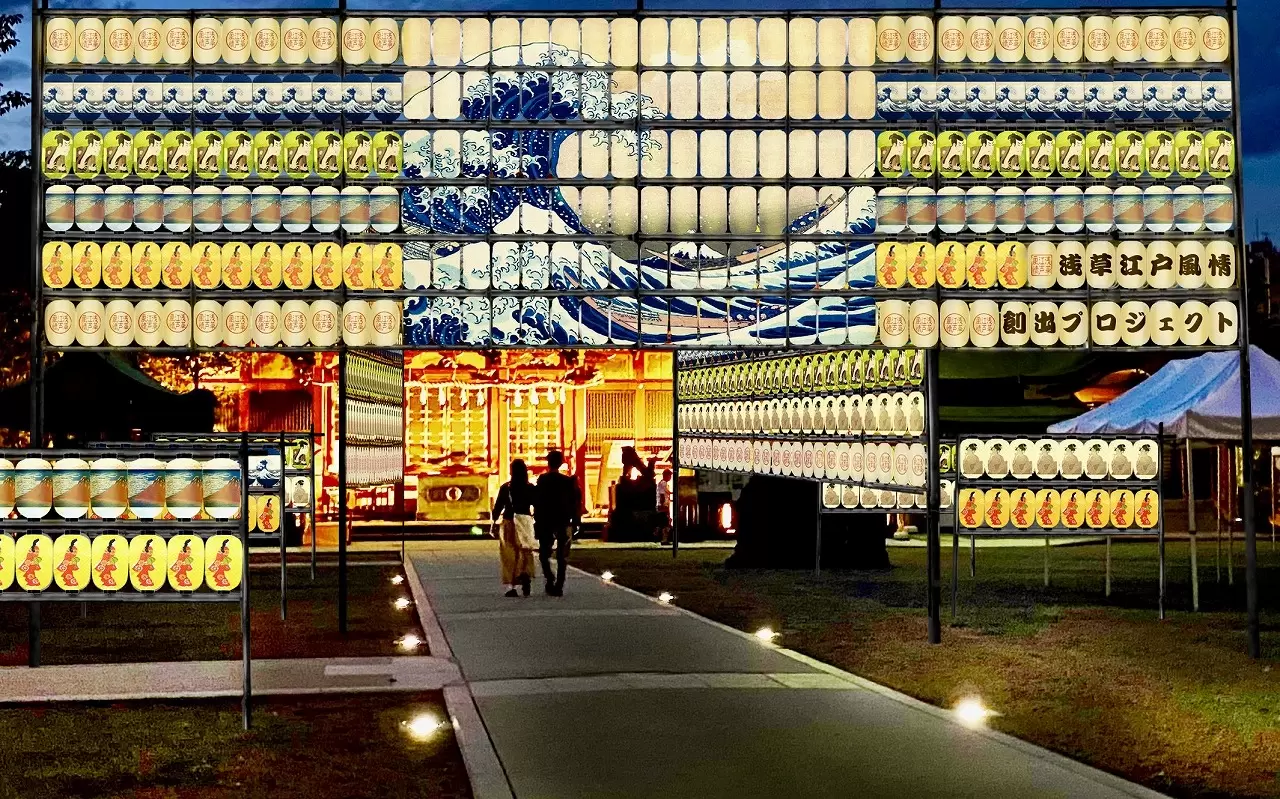
Enjoy Asakusa Shrine and its surroundings as they transform with Edo‑era lanterns, noren, ukiyo‑e banners, performances and workshops from February to March.

Written by
Let MATCHA share with you the latest information on Japan travel, tourist attractions, food, and entertainment.
more
This service includes sponsored advertisements.
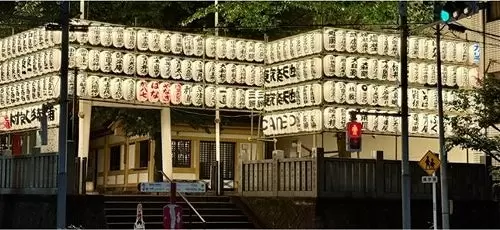
Asakusa’s quieter streets behind Senso‑ji are set to be transformed into a living showcase of Edo‑period culture this winter. The Asakusa Edo Atmosphere Creation Project, spearheaded by the Asakusa Edo Atmosphere Creation Council with support from Tokyo’s tourism authorities, will roll out a series of large‑scale illuminations, traditional decorations, live performances and hands‑on workshops across the Kannon‑ura neighborhood from early February through mid‑March.
The program both aims to attract more domestic and international visitors and to celebrate and sustain the area’s unique cultural fabric, where geisha traditions, timeworn eateries, artisan workshops and machiya‑style streetscapes still survive amid Tokyo’s modern bustle.
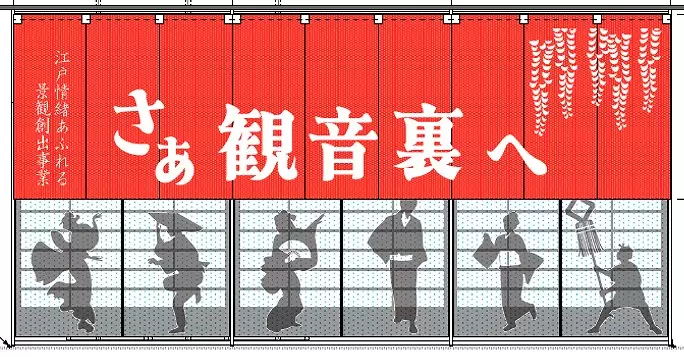
The initiative recreates the visual and sensory cues of Edo‑era Asakusa, lantern‑lit approaches, vermilion shop curtains, ukiyo‑e banners and festival‑style lighting, while offering experiences that let visitors engage directly with traditional crafts and performing arts.
Highlights
Lantern illuminations
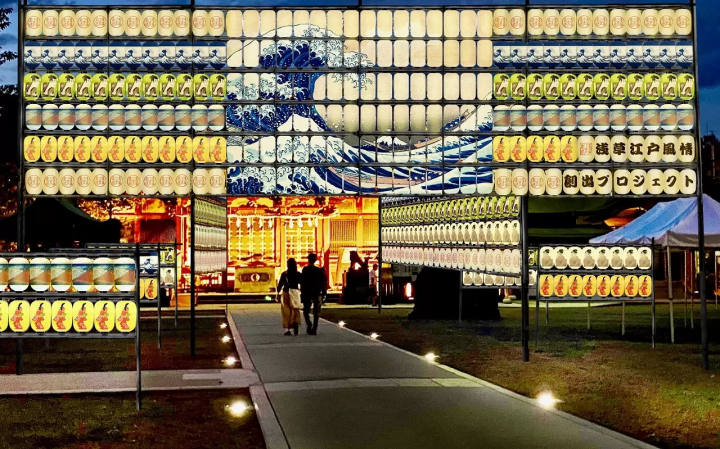
Asakusa Shrine and the nearby Fuji Sengen Shrine will be lit with hundreds of traditional lanterns. Asakusa Shrine will suspend 576 lanterns decorated with ukiyo‑e motifs and historical shop names across its approach from February 1 to March 10.
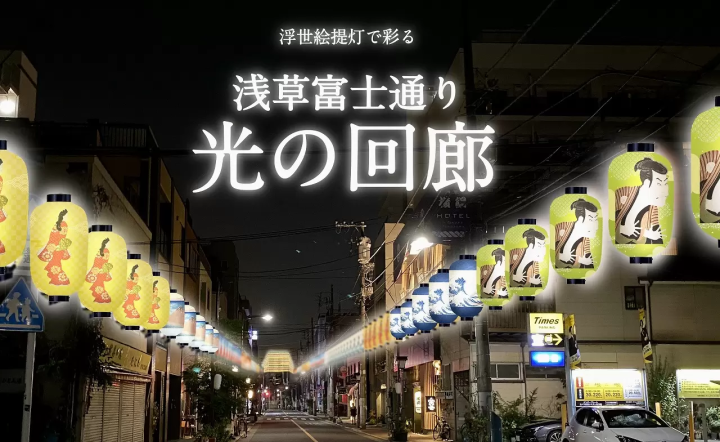
Meanwhile, roughly 1,660 lanterns will line Fuji Street for about 350 meters toward Asakusa Fuji Sengen Shrine, with an additional 300 lantern lights around the shrine through March 14. Reminiscent of Edo festival scenes.
Noren shop curtains
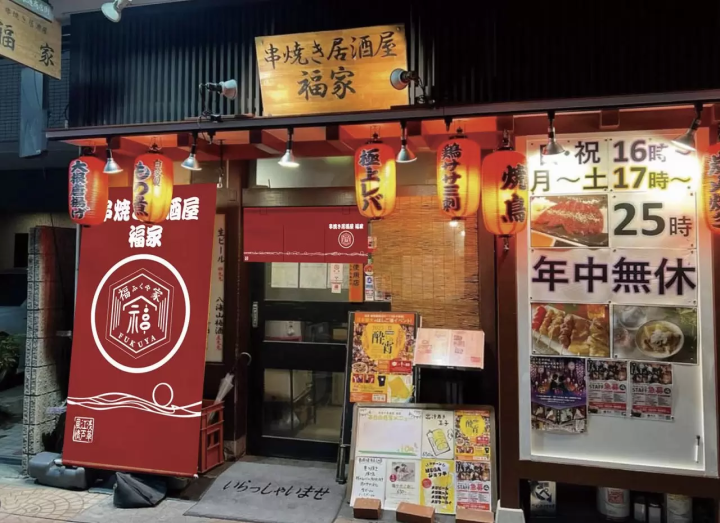
About 150 businesses, mainly eateries in the Kannon‑ura area, will display coordinated noren (shop curtains) from February 1 to March 14.
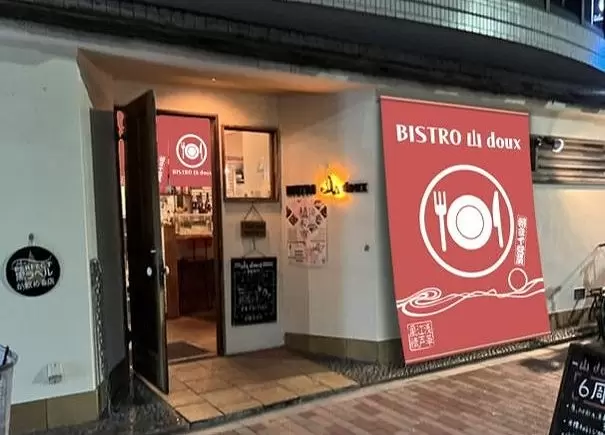
The curtains use a vermilion base and stylized lettering to signal each shop’s type or name, aiming to recreate the visual rhythm of Edo‑period storefronts.
Ukiyo‑e banners
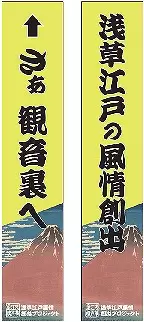
Twenty‑two large nobori banners featuring ukiyo‑e motifs will be installed along Asakusa Rokku to visually link the commercial street to the festival atmosphere of the project.
Events and public programming
The program’s opening ceremony takes place February 1 at Asakusa Shrine and Tokiwa Hall, starting at 15:30. The event features the lantern lighting and a range of traditional performances, including Japanese instrumental music, dances by Asakusa geisha, kiyari labor songs, ladder acrobatics, and matoi (torch‑spinning). Local entertainer Takihiro Azuma (known as Higashi MAX) will serve as host; the comedy duo U-ji Kouji and members of the Asakusa image group Asakusagenic will also appear. Main stage events are open to the public without advance reservation.
On February 14, 11:00–18:00 at Asakusa Shrine, visitors can join a range of hands‑on cultural programs. Scheduled offerings include lectures and cardboard Ariake lantern workshops, a recreated Edo‑style cherry‑blossom viewing with demonstrations of period hanami attire, and candlelit ukiyo‑e viewings using traditional Japanese wax candles. There will also be open ukiyo‑e displays and simple woodblock‑printing experiences available on a walk‑in basis.
Please note: the lantern workshops, hanami demonstration, and candlelit ukiyo‑e viewings require advance reservation.
A specialist talk on the ukiyo‑e designs used for the project’s lanterns is set for February 22 at the Asakusa View Hotel Annex; that session requires advance reservation. Full program details and reservation information are available on the project website.
Asakusa Edo Atmosphere Creation Project 2026
Period: February 1 – March 14, 2026 (main installations; some displays run to March 10)
Opening ceremony: February 1, 2026 — 15:30 (Asakusa Shrine / Tokiwa Hall)
Key event day hours: February 14, 2026 — 11:00–18:00 (Asakusa Shrine)
Ukiyo‑e talk: February 22, 2026 — 16:00–17:00 (Asakusa View Hotel Annex, Rokku)
Location: Asakusa Kannon‑ura (Oku‑Asakusa) — Asakusa 3–7 chome and surrounding areas, including Asakusa Shrine, Fuji Street / Asakusa Fuji Sengen Shrine, and Asakusa Rokku
Highlights: Lantern illuminations at Asakusa Shrine and Fuji Sengen Shrine; coordinated noren at ~150 local shops; 22 ukiyo‑e nobori banners on Asakusa Rokku; traditional performances and hands‑on workshops (woodblock printing, Ariake lantern workshops, candlelit ukiyo‑e viewing, hanami re‑enactment)
Reservations: Some workshops and lectures require advance reservation; check the project website for details and sign‑ups
Information and picture source: PR TIMES
Read also


Let MATCHA share with you the latest information on Japan travel, tourist attractions, food, and entertainment.
more


Special Features
More