
Stay at KOGEI craft-Focused Lodgings to Experience Echizen Paper, Inami Wood Carving, & Kutani Ware in Hokuriku
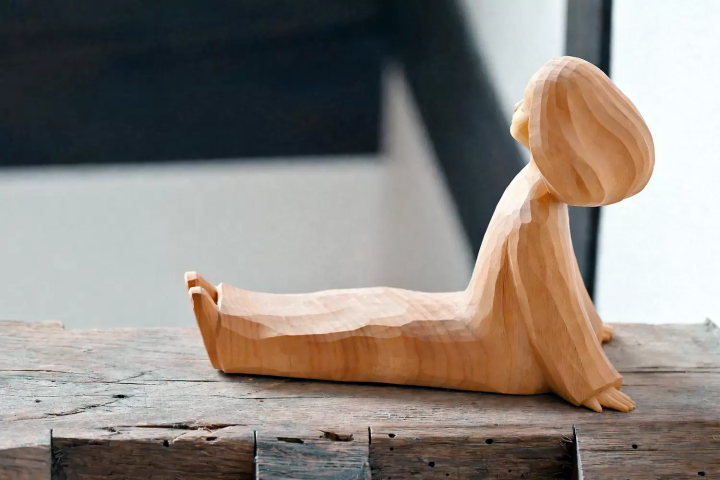
The Hokuriku region features numerous accommodations that not only display traditional crafts but also integrate craft philosophies and techniques into their spaces and guest experiences.This time, we will introduce three accommodations in the three Hokuriku prefectures where you can experience the background of crafts and the culture of the region by staying there.

This service includes sponsored advertisements.
An increasing number of tourists are visiting Japan from overseas to experience Japanese crafts. In addition to touring production areas, touring workshops and purchasing pottery and other works, a new style of travel that has been gaining attention in recent years is one that incorporates accommodation into the craft experience.
the three prefectures of Hokuriku — Toyama, Ishikawa, and Fukui, are dotted with accommodations that incorporate the ideas and techniques of crafts into the space and experience of the accommodation itself. Here we will introduce three accommodations in the three Hokuriku prefectures where you can experience the background of crafts and the culture of the region.
-
Table of Contents
- [Fukui] SUKU
- [Toyama] Bed and Craft
- [Ishikawa] Wellness House SARAI
- Next, let's go on a craft trip and stay overnight
[Fukui] SUKU
A craft inn offering an immersive local experience in the Echizen washi paper-producing region
Tsutomu Ogino (TOMART: PhotoWorks)
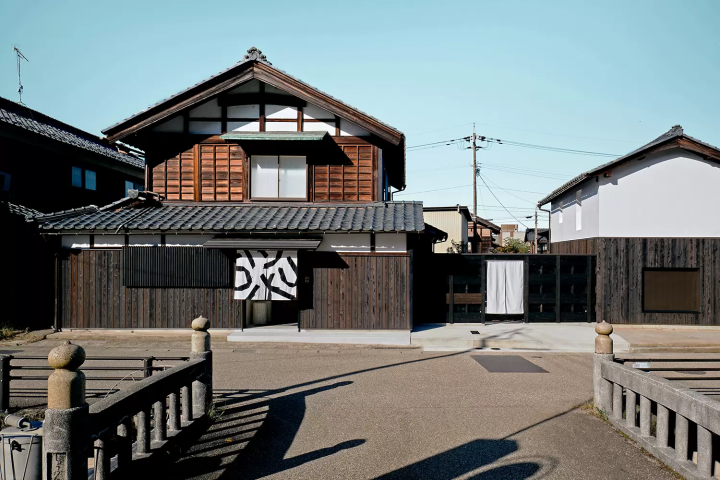
Imadate, Echizen City , Fukui Prefecture , is the birthplace of Echizen washi paper. Located in the Goka district, SUKU is a craft accommodation that opened in 2025. What's unique about SUKU is that the experience doesn't end within the accommodation. Just step outside and you'll find the scenery of a town where the practice of Echizen washi paper making, which has continued for over 1,500 years, is still alive and well as part of everyday life.
Imadate is not a developed tourist destination. It is a place where artisans make paper near the pure flow of the Okamoto River, and where life and craftsmanship have continued side by side. Those who travel with a passion for crafts will surely be captivated by this sense of distance and atmosphere.
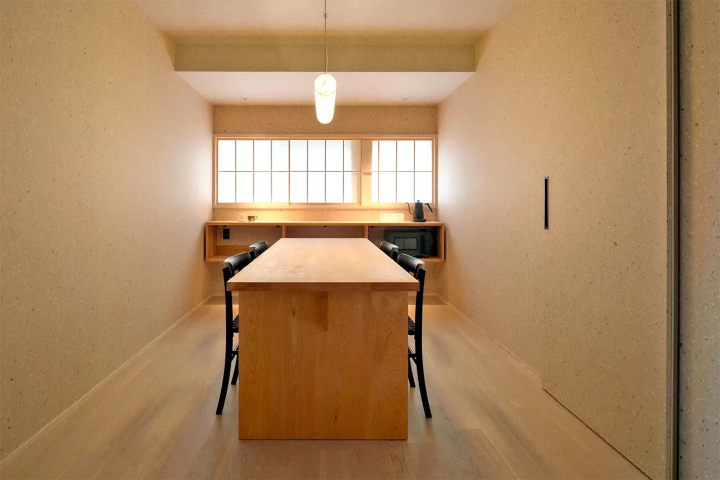
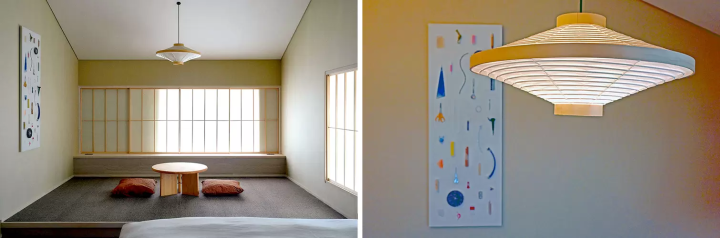
SUKU is an inn renovated from a sake shop built approximately 130 years ago, with three guest rooms housed in the renovated main building and storehouse. The guest rooms are named "KOZO," "MITSUMATA," and "GAMPI," after the raw materials used in Echizen washi paper, and Echizen washi paper is used on the walls, ceilings, and even the furnishings. The soft texture of the washi paper, the way light shines through it, and the tranquility that permeates the space. Here, you can experience firsthand that Echizen paper is not just an "art to be exhibited," but a "material that is close to everyday life."
KOZO
This two-story guest room, named KOZO , can accommodate up to four people, but is recommended for two people. The large second-floor windows offer views of the temple and its approach, and the room is decorated with artwork by Echizen paper craftsman Hideaki Taki (Taki Paper Mill), who used papermaking tools to create the room.
Tsutomu Ogino (TOMART: PhotoWorks)
GAMPI
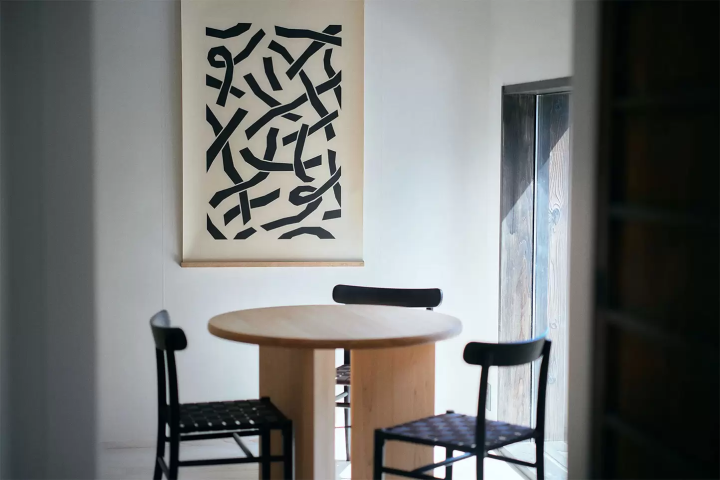
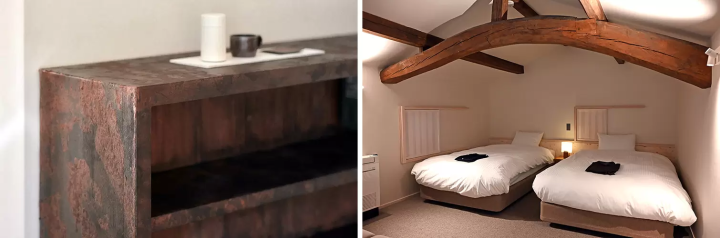
GAMPI , a renovated storehouse that can be rented as a whole, is a private space that can accommodate up to three people. It is separated from the other guest rooms, so you can spend quiet time there. The high ceiling creates a sense of openness, and artwork featuring graphic designs on rare ganpishi paper adds color to the space.
Tsutomu Ogino (TOMART: PhotoWorks)
MITSUMATA
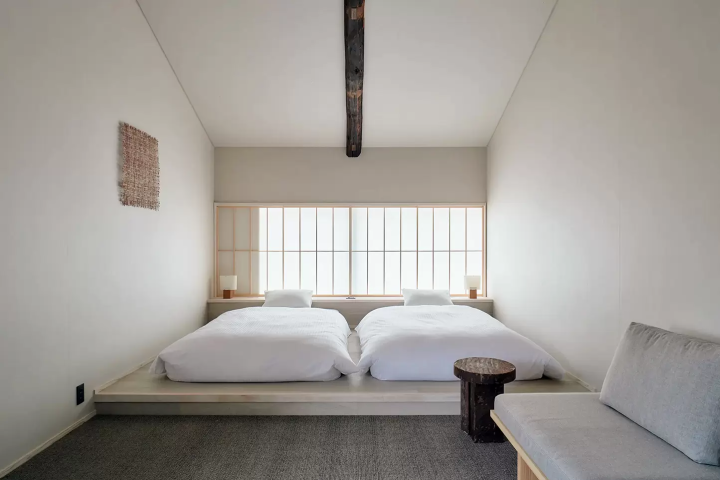
MITSUMATA is a two-story guest room that can accommodate up to five people. The walls of the alcove on the first floor are decorated with original Japanese paper created by designer Shuhei Shibayama and Echizen paper craftsman Hideaki Taki. The art, made using mitsumata wood, embodies the power of nature and the breath of handcrafted craftsmanship.
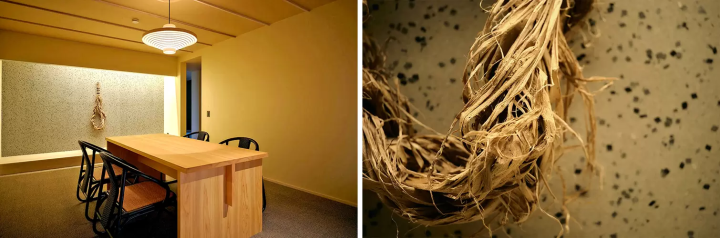
Tsutomu Ogino (TOMART: PhotoWorks)
Other highlights include artwork by Echizen washi artisans and designers placed in each space, as well as furniture and building materials that combine paper, lacquer, persimmon tannins, and more. The space is like a showroom where you can stay overnight, fusing traditional techniques with modern design.
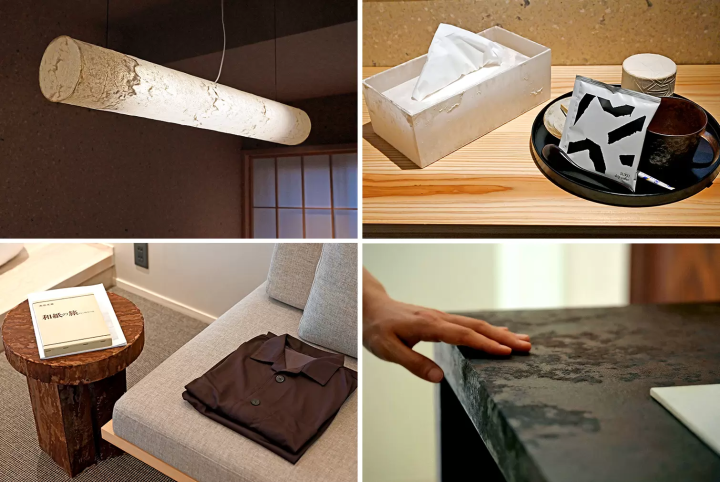
A base for exploring the production area
Guests at SUKU can choose between a room-only or breakfast-included plan. Breakfast is prepared under the supervision of the chef from MarPe restaurant in Suenotani, Echizen Town, Fukui Prefecture , a restaurant in Suenotani , Echizen Town, Fukui Prefecture , and features meals made with local ingredients. Served on tableware made by Shitsurindo, an Echizenlacquerware manufacturer, guests can enjoy the charm of local flavors and crafts at the same time.
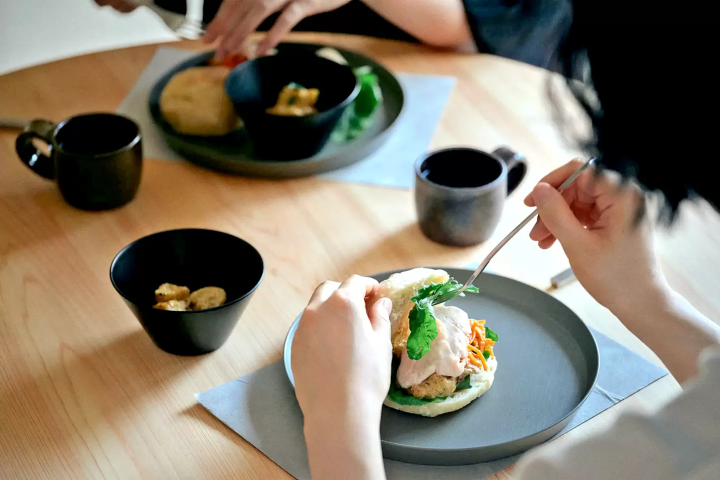
Tsutomu Ogino (TOMART: PhotoWorks)
Guests are also offered the option of taking part in workshop tours and hands-on workshops, allowing them to travel Oku into the production area from the inn. SOE, the general incorporated association that runs SUKU, also plans and runs the annual open factory event " RENEW ," which showcases Echizen craftsmanship. The very system that links accommodation with production experiences is born from a deep understanding of the land.
Tour of the Echizen manufacturing region, visiting the traditional crafts of Echizen washi paper
Tour of the Echizen manufacturing region, visiting the traditional crafts of Echizen washi paper
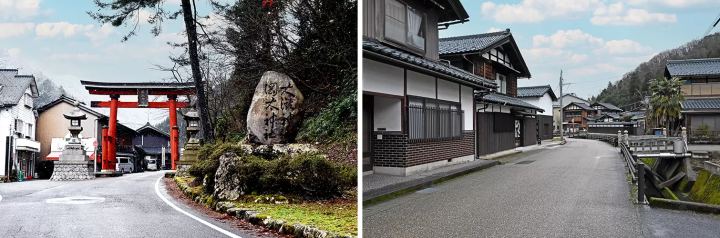
Visit Okamoto Shrine and Otaki Shrine, the only shrines in Japan dedicated to the god of washi paper, and two washi paper-making workshops. Through a guided tour of the workshops by artisans, you will gain a deeper understanding of the diverse forms of Echizen paper that are produced. The scent of washi paper can be felt as you walk through the town, and the shrine buildings of Okamoto Shrine and Otaki Shrine, with their intricate four-layered cypress bark roofs, are architecturally impressive.
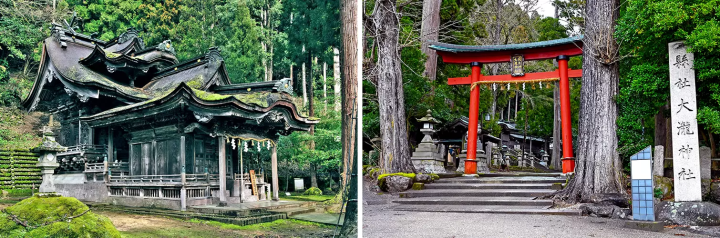
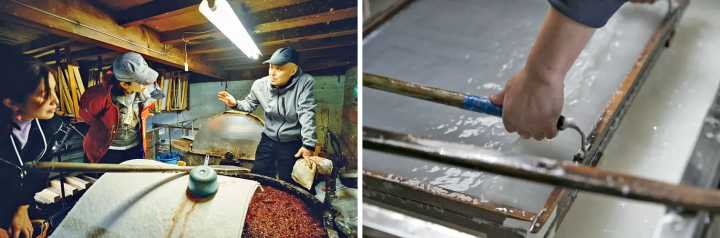
Tsutomu Ogino (TOMART: PhotoWorks)
Echizen lacquerware and Echizen washi paper craft tour with 1500 years of history
This tour takes you around the Kawada district, the birthplace of Echizen lacquerware with a history of 1,500 years, and the Imadate district, the birthplace of Echizen paper. You will visit the Urushi Shrine, dedicated to the god of lacquerware, and the Okamoto Shrine and Otaki Shrine, dedicated to the gods of paper, and enjoy a tour of the workshop and hands-on experience with a craftsman. For lunch, you will enjoy a traditional meal of the Kawada district, and you will also have the opportunity to paint a bowl and try calligraphy using washi paper.
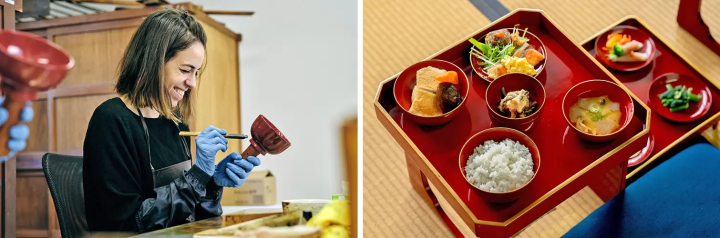
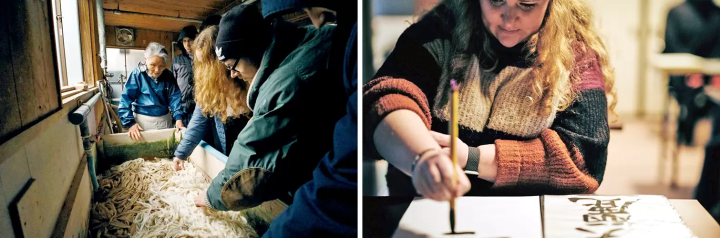
Tsutomu Ogino (TOMART: PhotoWorks)
SUKU
13-4-1 Iwamotocho , Echizen City, Fukui Prefecture
Check-in: 15:00-18:00
Check-out 11:00
https://craftinvitation.jp/suku
access
◼️Train and bus
・Approximately 10 minutes by car from Echizen Takefu Station on the Hokuriku Shinkansen
・25 minutes by bus from Takefu Station on the Hapi Line
◼️Automobiles
・Approximately 10 minutes by car from Takefu Interchange on the Hokuriku Expressway
・Parking for 10 cars
[Toyama] Bed and Craft
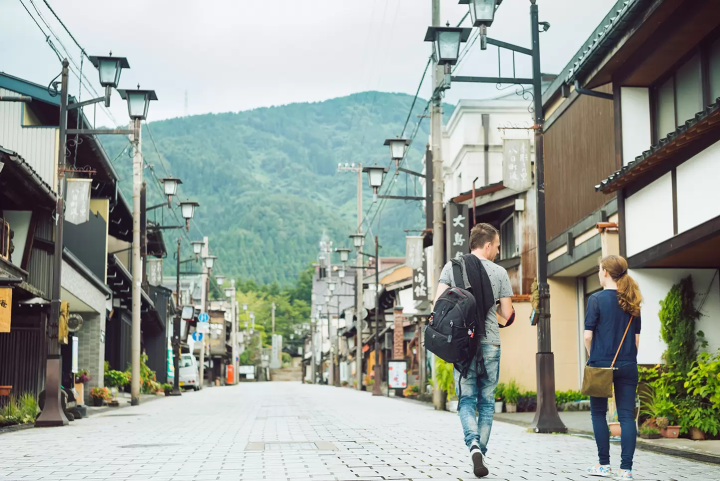
Stay in Inami, a town where architecture and crafts intersect
Nanto City, Toyama Prefecture , is one of Japan's leading woodcarving towns. Inami carving, which developed following the reconstruction of Zuisenji, a large Jodo Shinshu temple, is one of Japan's largest woodcarving production areas, with many artisans still active today. Bed and Craft, located in Inami, is a lodging facility renovated from vacant houses scattered around the town. As of January 2026, there are six lodgings, with one more planned for summer, bringing the total to seven.
All Bed and Craft accommodations are rented out as a whole. Scattered throughout the town, each accommodation was created in collaboration with the owner and architect, Tomotsugu Yamakawa, and artisans and craftspeople who live or have ties to Inami. Each accommodation has a different theme and spatial composition, such as woodwork, lacquerware, pottery, or stone, so your trip begins with choosing which accommodation to stay in.
TATEGU-YA
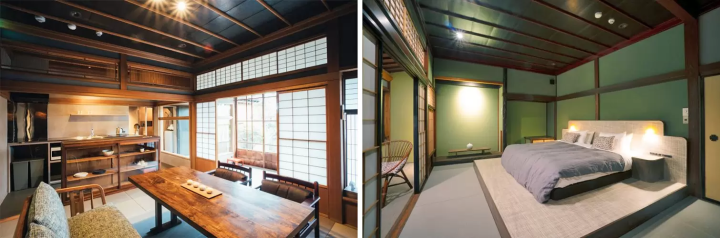
TATEGU-YA is Bed and Craft's first building. It was renovated from a 50-year-old former joinery shop in a town of artisans, and features a design that combines retro charm with modernity. The essence of the joinery shop is scattered throughout, and in collaboration with sculptor Takaaki Tanaka, it has been created as a space where you can feel the warmth of wood and the handiwork of artisans.
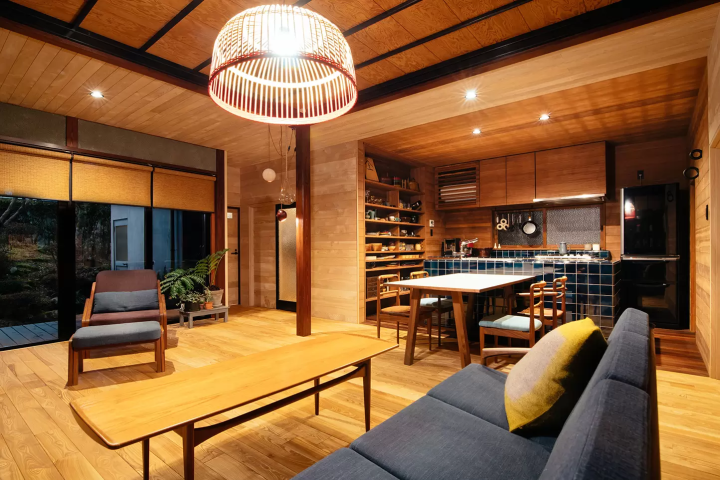
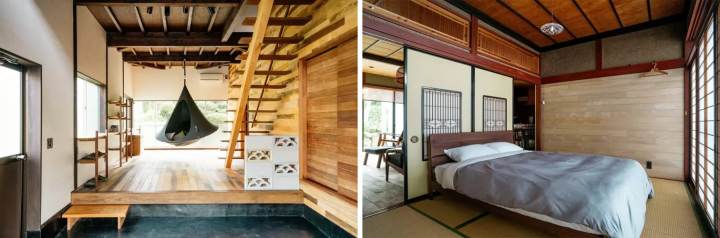
The two-story house has five bedrooms and can accommodate up to nine people. It is equipped with a spacious living room, dining kitchen, bathroom, and laundry, making it ideal for groups and medium- to long-term stays. As a cyclist-friendly inn, the entrance has a large earthen floor space and equipment for storing bicycles, so it is recommended to rent a bicycle or bring your own and explore the town.
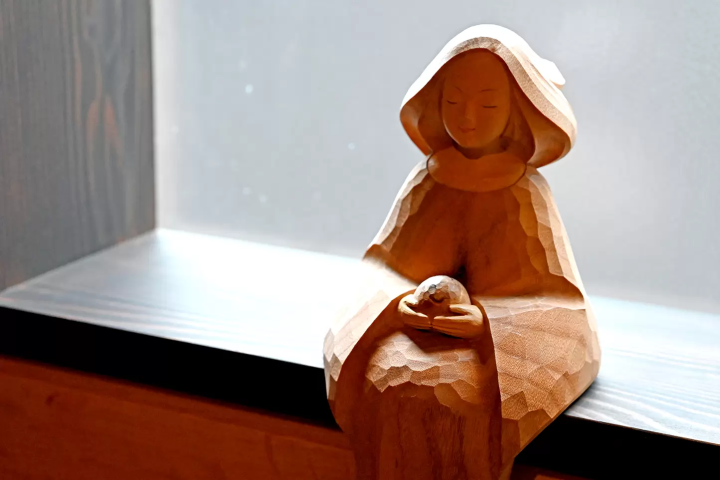
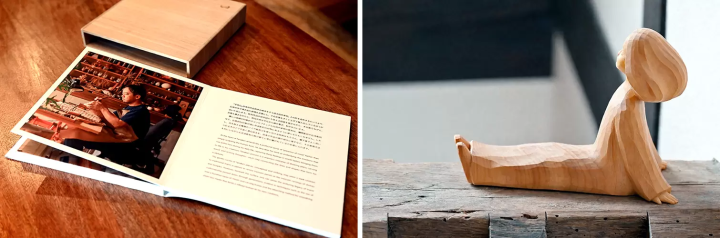
Three wooden sculptures by Takaaki Tanaka sit quietly on the windowsill and beams, welcoming visitors. In the living room there is a photo book that describes the inn's concept, the characteristics of each building, and the artists and craftsmen, so by looking through it you can learn more about the inn and Inami, the town of woodcarving.
MITU
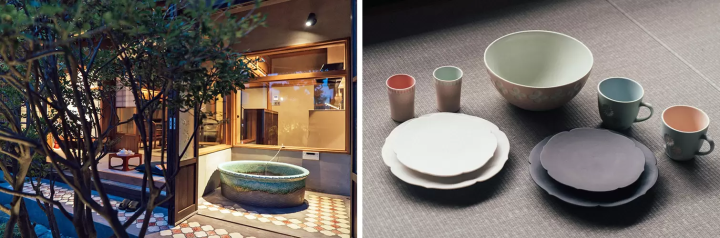
MITU is an inn that was renovated from the special space of a former Japanese restaurant. The rooms, made from straight-grained cypress wood, retain the appearance of being the finest guest rooms. This building is two stories tall and has one bedroom. The works and colors of ceramic artist Maekawa Wato echo the seasonal scenery that can be seen from the large windows. The bath facing the garden has a ceramic bathtub and tiles, and when you open the door, it becomes a semi-open-air bath.
KIN-NAKA
KIN-NAKA was renovated from a former Japanese restaurant. In collaboration with wood sculptor Daichi Maekawa, the building is dotted with features that allow you to experience the beauty of modern crafts while also feeling the scent of history.
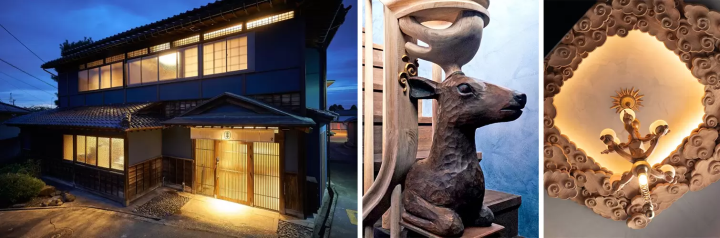
Experience the entire town as "one hotel"
Another feature of Bed and Craft is that it does not have any restaurants or shops concentrated within the inn.Within walking distance of the inn, there are restaurants, bakeries, craft beer shops, specialty coffee shops, and shops where you can find souvenirs and items unique to Inami.The inn proposes a stay style that encourages travelers to explore the town, experiencing daily life in Inami while touring the workshops, restaurants, and shops.
Since the opening of Bed and Craft in 2016, Inami has seen a succession of attractive establishments, including bakeries, cafes, and shops, renovating old vacant houses. The spark that started this trend was the owner and architect, Tomotsugu Yamakawa. Yamakawa has now designed around 30 stores, cultivating new appeal while harmonizing with the atmosphere of this traditional artisan town.
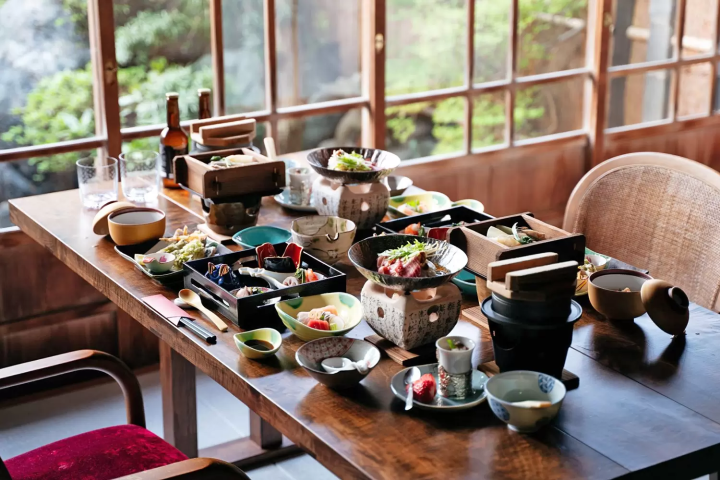
Meal plans in partnership with local restaurants
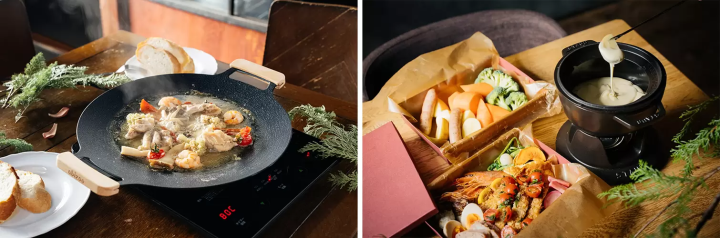
Each building has a kitchen so you can bring your own ingredients to cook during your stay, but you can also choose a plan that includes dinner and breakfast . When making a reservation, you can choose and discuss whether you want to have dinner at an affiliated restaurant or have it catered in the privacy of the inn.
Experience options to deepen your craft journey
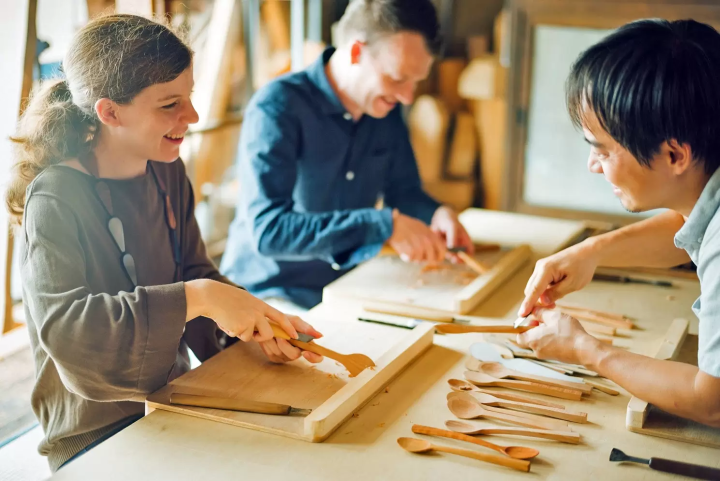
As an option to your stay, you can also participate in paid workshops that are exclusive to guests. The experience workshop allows you to become an apprentice to a craftsman in one of five workshops, use the same tools as the craftsman, and learn authentic craftsmanship such as wood carving and lacquerware. The workshop takes about three hours, so you can take your time and enjoy creating your own unique piece of work.
Apprenticeship experience workshop
・Wood carving printmaking
・Making lacquered chopsticks
・Making small wooden plates
・Make a wooden spoon
・Fragrance making
Bed and Craft
3-41 Honmachi , Nanto City Toyama Prefecture (BnC LOUNGE)
TEL 0763-77-4138 (10:00-21:00)
Check-in: 16:00-21:00
Check-out 11:00
access
◼️Train and bus
・From Shin- Takaoka Station on the Hokuriku Shinkansen
Take the Kaetsuno Bus bound for "Sho River" or "Komaki" and get off at "Inami Elementary School Exit".
・From Kanazawa Station on the Hokuriku Shinkansen
Take the Kaetsuno Bus " Nanto- Kanazawa Line" from the west exit of Kanazawa Station and get off at "Kotsu Hiroba".
◼️Automobiles
・Approximately 10 minutes from Tonami IC on the Hokuriku Expressway
[Ishikawa] Wellness House SARAI
A stay surrounded by Kutani ware to revitalize your mind and body
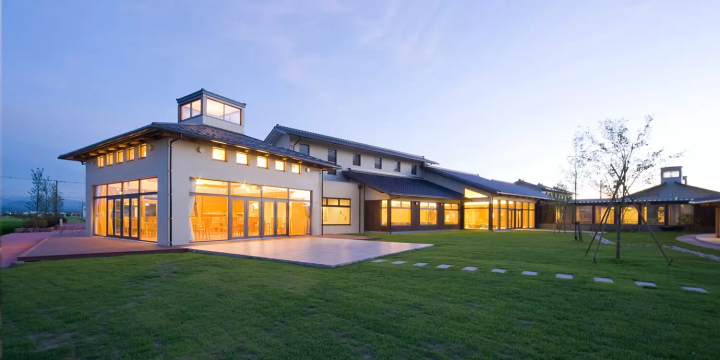
Wellness House SARAI, located in Nomi City , Ishikawa Prefecture , is a hotel where you can experience the aesthetic sense of Kutani ware not through an exhibition, but as part of the atmosphere of your stay, adding a time to relax both body and mind to your crafts trip.
SARAI was opened in 2022 after renovating a city training facility. The guest rooms and common spaces were designed by Kutani ware artists. In addition to accommodation, the hotel also features a restaurant and spa (bathing facilities), proposing a crafts trip that will soothe the body and mind.
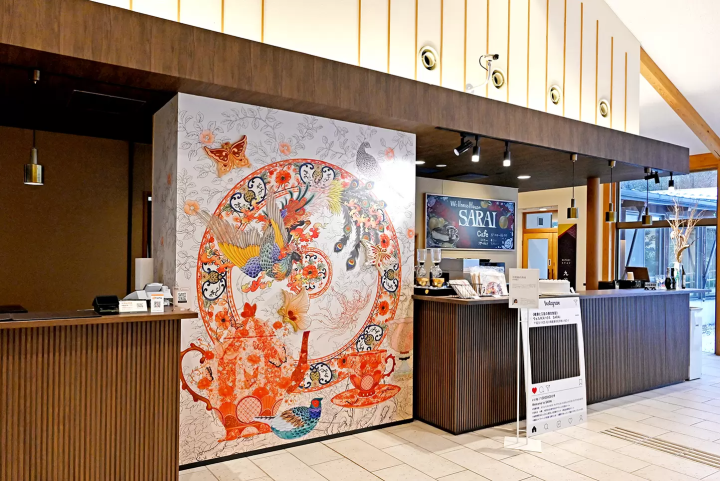
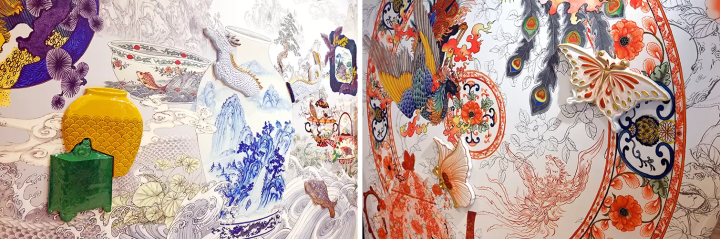
The entrance to the facility is decorated with a mural by popular artist Muta Yoko, who lives in Nomi City.
The guest rooms at SARAI have been designed by eight Kutani ware artists with ties to Nomi City, and each room has a completely different look, reflecting the artists' unique worldview in the murals, ceramic panels, lighting, and interior design. Spending quiet time experiencing the sensibilities of these young artists is an experience you won't find anywhere else.
The Western-style rooms can accommodate one to three people, while the Japanese-style rooms can accommodate one to a maximum of six people. Reasonably priced, the hotel is also an attractive choice as a base for touring Nomi City and the surrounding craft production areas. Using this Nomi City, Kaga City, Komatsu City, and other areas, and take your time to see the craft production areas of Kutani ware and Yamanaka lacquerware.
"Sleep Island" by Muta Yoka
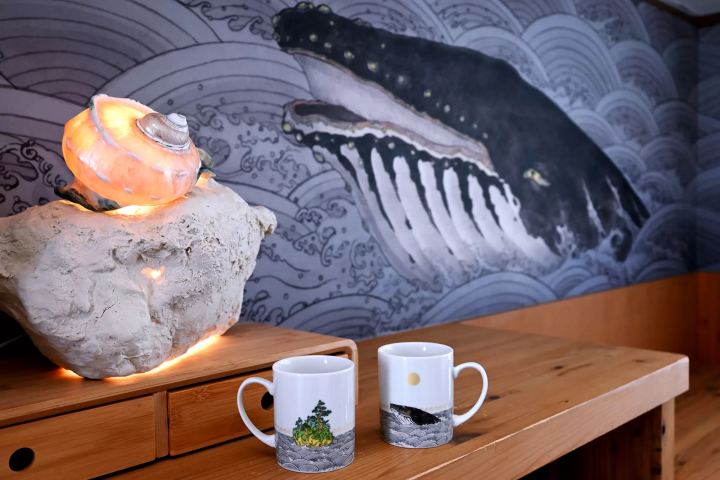
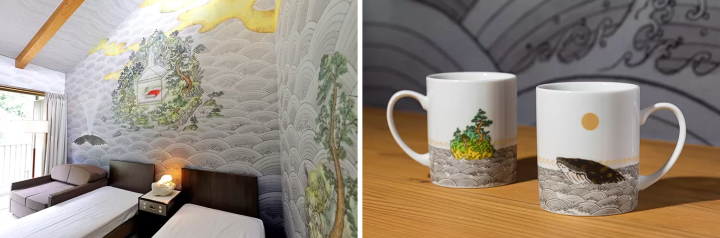
The guest room, designed by Haruhi Muta, who also produced the lounge's walls, is named " Sleeping Island ." Muta is an internationally acclaimed artist whose works are inspired by images and stories from all over the world, past and present, from mythical creatures to flora and fauna of the natural world, and his series featuring whales and waves is one of his signature works. The wallpaper in the room is a wallpapered finish based on the original artwork and processed using the latest technology, depicting a large whale peeking out from the ocean waves, a whale spewing water, and an isolated island that seems to be inhabited by a hermit. The base of the turban lamp is made of rugged Kutani ware porcelain, and the mugs featuring the whale and island provided in the room are also available for purchase.
"Five-Color Animal'z" by Yasushi Yamachika
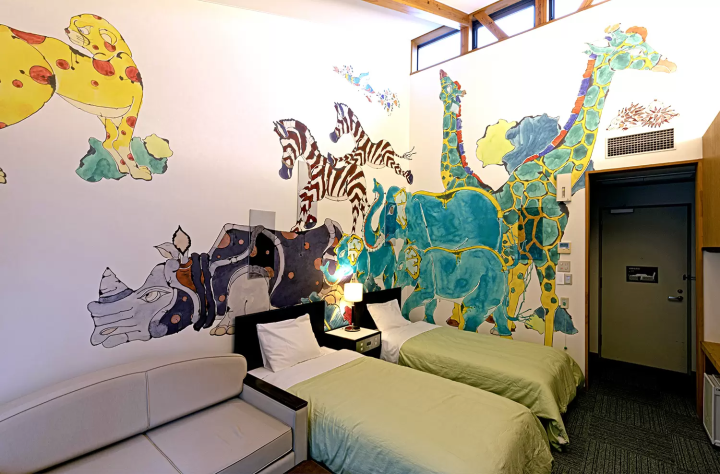
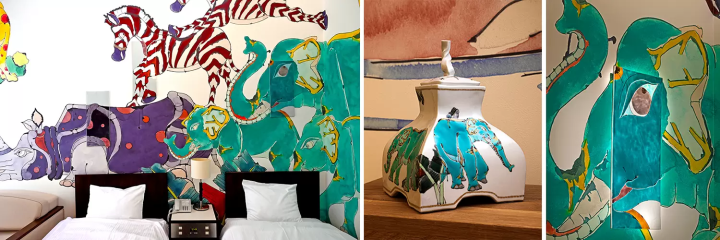
The motif of the guest room " Gosai Animal 'z, " produced by Yasushi Yamachika, is the animals of Ishikawa Zoo in Nomi City. The animals painted on the entire wall are full of dynamism, as if they could jump out at any moment. The animals are based on the five Kutani colors of deep blue, Aka, purple, green, and yellow, and elephants, rhinos, zebras, and other animals, which are symbols of family love, are painted with unique expressions and designs. Kutani ware ceramic panels are layered over parts of the paintings, and the contrast in texture between the wallpaper and the glossy pottery is also a highlight.
"Arc of the Village Mountains" by Yoko Hasatani
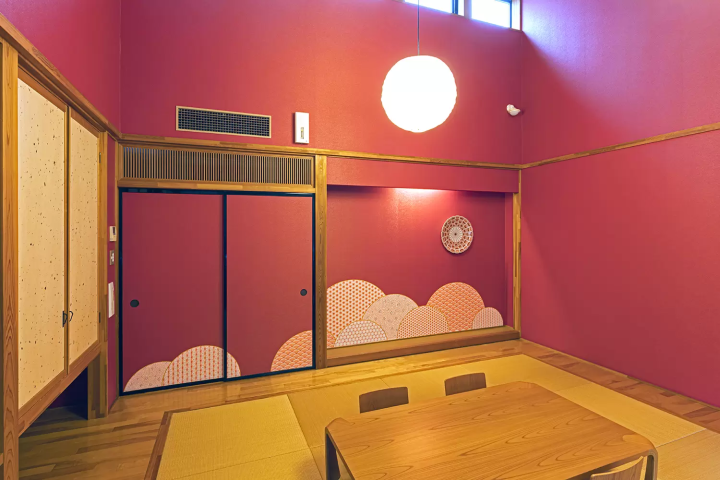
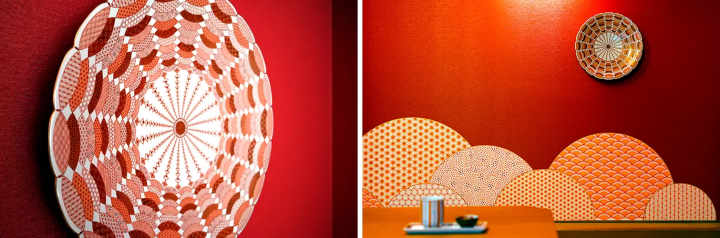
The Japanese-style room " Arc of Satoyama, " with its fantastical and nostalgic Aka theme, was produced by young akae artist Kaya Yoko, who studied under master akae detail painter Fukushima Mount Take. "SARAI" is located in a satoyama area where ancient tombs are spread out, and in the summer, fireflies can be seen dancing outside the windows. Inspired by such scenes, the artist has depicted the mountains in akae detail paint. The relief resembles the sun rising between the mountains, and can be seen as both an abstract pattern and a satoyama landscape.
"Phase of the Moon" by Hayasuke Chiharu
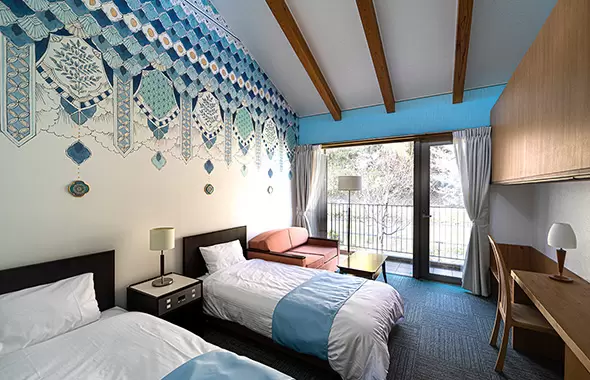
The guest rooms feature wallpaper featuring blue-based patterns and paintings depicting the phases of the moon, which are the motifs used in the Kutani ware works of Hayasuke Chiharu, a young and acclaimed Kutani ware artist. As the name " Moon Phase " suggests, the room also depicts the phases of the moon. In addition, some rooms are fitted with intricately painted porcelain reliefs. This is a space where you can relax and enjoy a sense of extraordinary peace and tranquility.
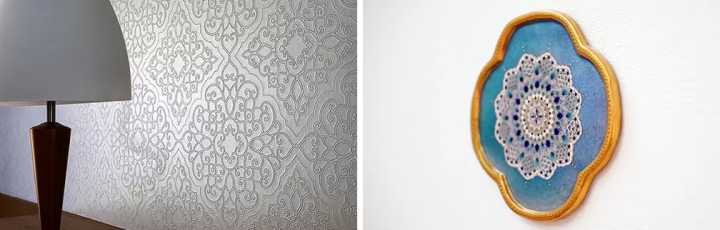
Kutani Stay Rooms and Artists
01: "Dragon" by Masako Inoue
02: "Wadayama Hills" by Kamide Keigo
03: "Arc of the Village Mountains" by Yoko Hasatani
04: "Five-Color Animal 'z" by Yasushi Yamachika
05: "Quiet Melody" by Seiya Yamagishi
06: "light, Lines and Shadows" by Masaru Nakada
07: "Phase of the Moon" by Hayasuke Chiharu
08: "Sleep Island" by Muta Yoka
Bath and restaurant
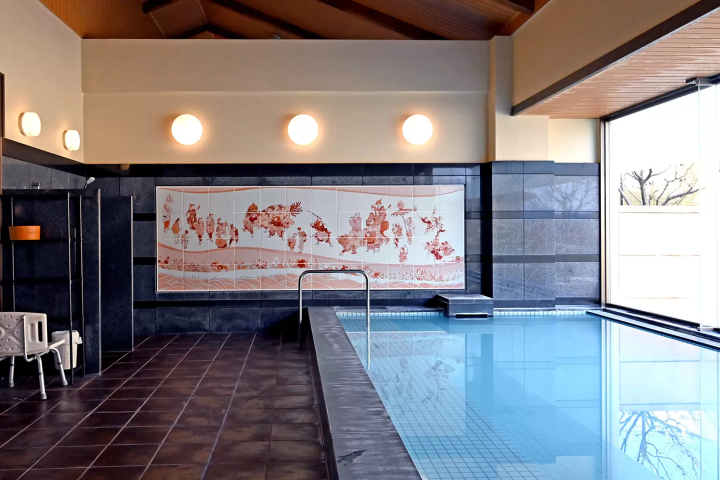
Guests can use the spa (bathing facility) within the facility, and the Kutani ware adorning the walls of this bath is also a must-see. The guest rooms at Kutani Stay are filled with the worldview of young artists, and in the spa you can enjoy up close the traditional techniques and styles of Kutani ware made by experienced artists. For meals, you can choose to have breakfast or dinner included in the restaurant for an additional fee.
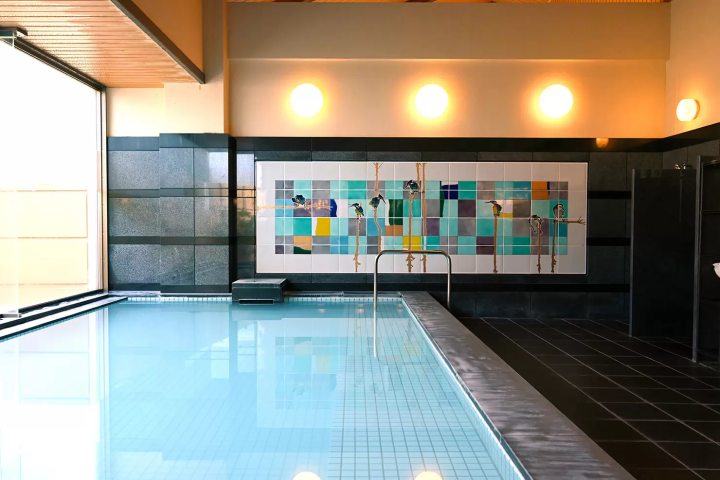
The women's bath, "Iroe no Yu," is decorated with a ceramic tile with "Birds and Kawabe Landscape" by Takekoshi Jun, a leading expert in colored porcelain, while the men's bath, "Akae no Yu," is decorated with a ceramic tile with "Festival Text" by Fukushima Mount Take, a leading expert in detailed red porcelain painting.
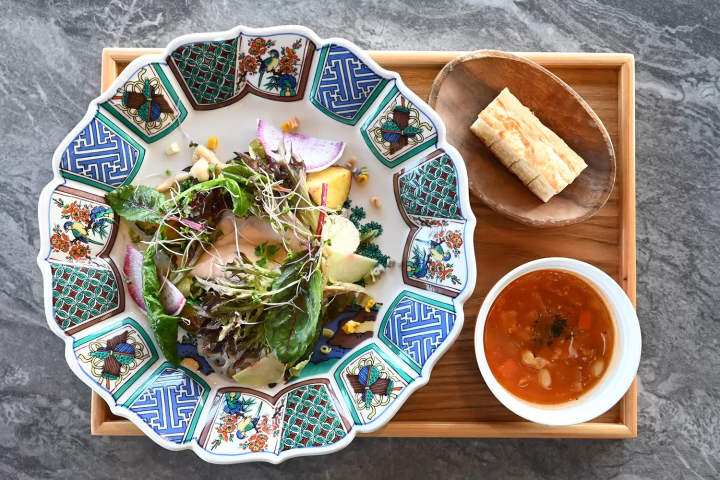
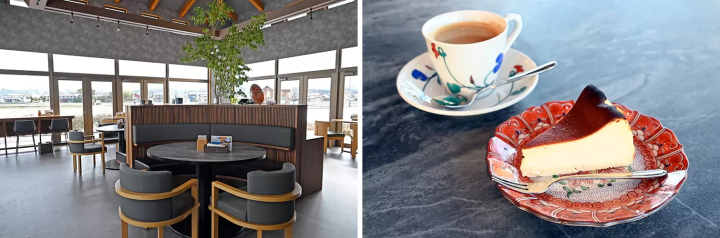
The restaurant is an open space with a panoramic view of the Satoyama landscape and the Mine of Hakusan . The dishes are served on Kutani ware, so they look gorgeous when they are brought to the table, and it's fun to see what kind of tableware is used for each menu item. Make a reservation for dinner as well, and enjoy dishes made with seasonal ingredients, such as fresh local seafood and vegetables grown by farmers in Nomi City.
Wellness House SARAI
Ishikawa Prefecture Nomi City, Ishikomachi Ha 147-1
TEL 0761-57-1212
Check-in: 16:00-20:00
Check-out 10:00
access
◼️Train and bus
・From Nomi-Negami Station, take the Nomi Bus (towards Advanced University) and get off at Furusato Exchange Center Sarai, approximately 16 minutes
■ Airplane
・Approximately 20 minutes by taxi or rental car from Komatsu Airport
◼️Automobiles
・Approx. 15 minutes from Nomi Smart IC on the Hokuriku Expressway
Next, let's go on a craft trip and stay overnight
Hokuriku's craft accommodations are not just places to view artworks. They are places where you can experience craft culture woven into daily life, along with the history of the land and the activities of the people. On your next trip to Japan, why not consider staying overnight and experience the depth of crafts?
We are working to enliven the entire Hokuriku area.
The contents on this page may partially contain automatic translation.
Special Features
More











![[Shinjuku Girls' Trip] 4 Recommended Shops for Women at Odakyu Ace!](https://resources.matcha-jp.com/resize/720x2000/2026/05/11-263877.webp)
![[Close to Chubu Centrair International Airport] Tokoname's beloved "town milk"](https://resources.matcha-jp.com/resize/720x2000/2026/01/30-257067.webp)