
Why 2026 Is the Perfect Time to Visit Ise-jingu — A Sacred Renewal Is About to Begin
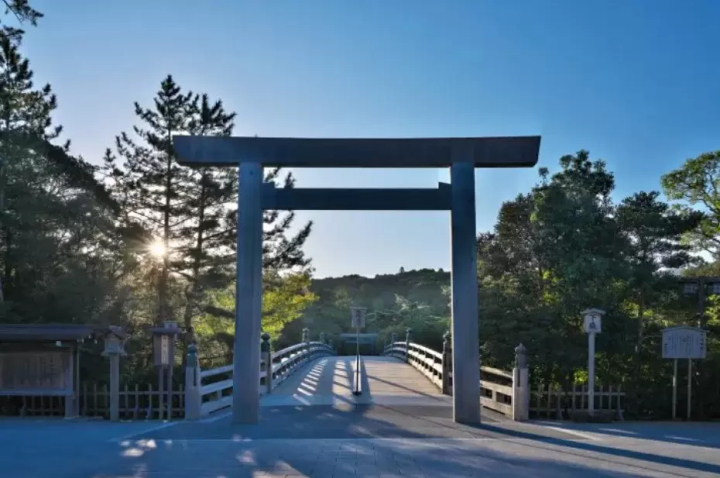
© Mie Prefecture Tourism Federation The Shikinen Sengu (the periodic rebuilding of the shrine and the ritual relocation of its deity) of Ise is an eight-year process. Beginning in 2025, the changes are gradually becoming noticeable throughout the town as we enter 2026. Visit Ise during this special period and experience its unique atmosphere firsthand.

Written by
Kintetsu Railway connects Osaka, Kyoto, Nara, Mie, and Aichi, linking a wide range of destinations where travelers can experience Japan’s rich history, beautiful natural landscapes, and distinctive food culture. This content features highlights along the Kintetsu lines, including must‑see sightseeing spots, recommended restaurants and hotels, as well as useful tips to make your journey more comfortable and enjoyable. The cover photo shows Ago Bay in Mie Prefecture. Known as the birthplace of cultured pearls, the bay is famous for its calm waters and scenic islands, and a leisurely cruise is a wonderful way to take in its tranquil beauty.
This service includes sponsored advertisements.
-
Table of Contents
- What is Ise-jingu?
- What is the "Shikinen Sengu" (periodic rebuilding of the shrine) that takes place once every 20 years?
- Experience "Ise as it is now, looking towards the next 20 years."
- After Your Visit: Discover the Town on Foot
- For a trip to Ise, we recommend the convenient Kintetsu Railway.
- From Ise, take a slightly longer trip to Shima, a seaside resort.
- Enjoy Ise Shima with Kintetsu's great value pass!
- FAQ
What is Ise-jingu?
Ise-jingu is one of the most important shrines in Japan. Officially called "Jingu," it enshrines Amaterasu Omikami, a deity who appears in Japanese mythology.
● "The spiritual home of the Japanese people" Ise Grand Shrine has long been considered a special place, so much so that it has been said that "everyone should visit Ise at least once in their lifetime."
●The Inner Shrine and the Outer Shrine are the main focus, and visiting both is the basic requirement. The Inner Shrine enshrines Amaterasu Omikami, while the Outer Shrine enshrines the gods of clothing, food, and shelter.
● Jingu Shrine is a sacred place that is one with nature. Surrounded by Mori and rivers, the shrine buildings are very simple. There is nothing flashy about it, but a quiet and pure atmosphere permeates the place. In particular, early in the morning you can avoid the crowds and visit the shrine in a dignified and peaceful atmosphere.
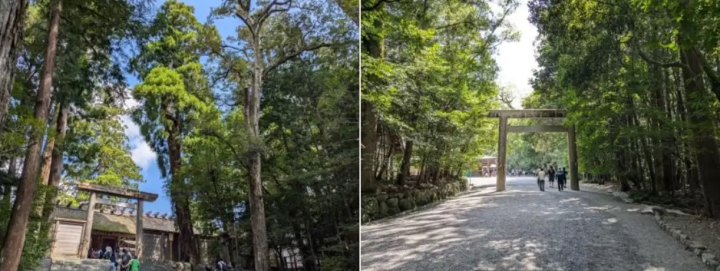
What is the "Shikinen Sengu" (periodic rebuilding of the shrine) that takes place once every 20 years?
At Ise-jingu, the Shikinen Sengu is a sacred ritual in which the shrine is periodically rebuilt, and its deity is ceremonially transferred to a new structure.
This centuries-old practice represents renewal, continuity, and the transmission of spiritual and cultural heritage.The Shikinen Sengu unfolds gradually over eight years, offering visitors many opportunities to experience its significance through rituals and exhibitions on the path toward 2033.
Experience "Ise as it is now, looking towards the next 20 years."
The Shikinen Sengu (periodic rebuilding of the shrine) ceremony takes place over approximately eight years. In the years in between, many events are held, and a special atmosphere permeates the shrine and the surrounding town. Being immersed in the time leading up to "the next 20 years" is an experience that can only be had now. At the Sengu Museum near the Outer Shrine, the Shikinen Sengu is explained in an easy-to-understand way using models and tools. Visiting here before your visit may change how you see the shrine. Just knowing this beforehand will deepen your pilgrimage.
After Your Visit: Discover the Town on Foot
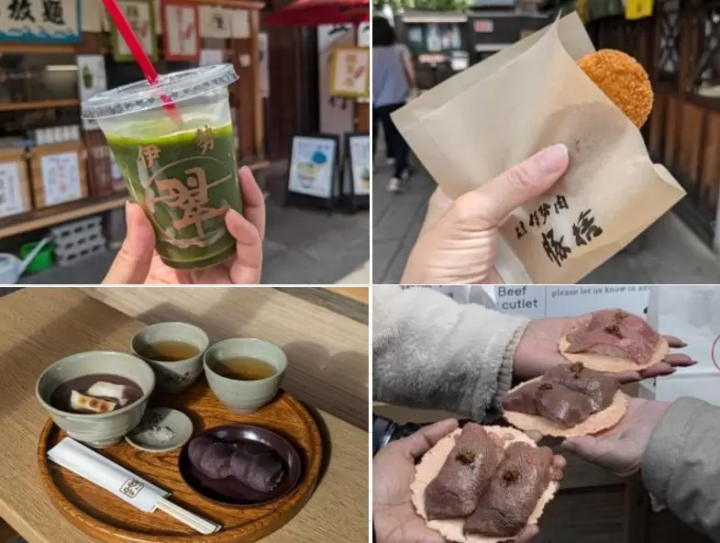
Oharaimachi, located in front of the gates of Ise's Inner Shrine, is a great place to stroll before or after visiting the shrine. Along the cobblestone streets, you'll find souvenir shops and restaurants where you can enjoy the unique flavors and atmosphere of Ise. At its heart is Okage Yokocho, a section that recreates the townscape from the Edo to Meiji periods, offering a wide variety of local cuisine and street food, including Ise udon and Aka. It's an essential stop on any trip to Ise, perfect for a break after visiting the shrine or simply for a pleasant stroll.
For a trip to Ise, we recommend the convenient Kintetsu Railway.
For a trip to Ise, the Kintetsu Railway offers quick and convenient direct connections from Osaka, Kyoto, and Nagoya. In particular, The Sightseeing Limited Express"SHIMAKAZE," which operates one round trip per day from each direction, offers spacious and comfortable seats and high-quality service, making the journey itself an enjoyable experience. You can savor a special moment right from the start of your journey to Ise.
![[SHIMAKAZE: A Train You Should Ride at Least Once] The Most Comfortable Direct Ride to Ise-Shima from Nagoya, Osaka, and Kyoto](https://resources.matcha-jp.com/resize/200x2000/2025/06/09-235798.webp)
From Ise, take a slightly longer trip to Shima, a seaside resort.
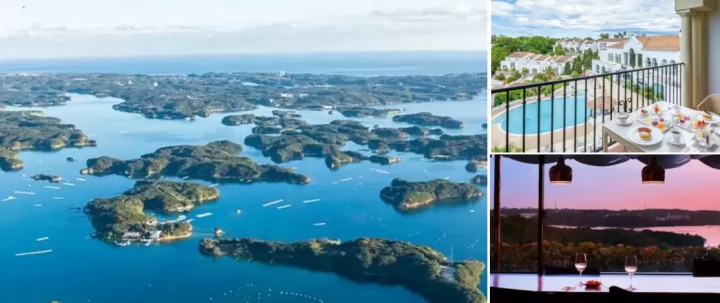
After visiting Ise, the Mie area of Shima Prefecture is a must-visit destination. Beautiful seas and tranquil inlets abound, with resort hotels, hot springs, and numerous spots to enjoy the ocean views. Easily accessible by train from Ise, it's perfect for those seeking tranquility or a unique escape. A trip that combines the sacredness of Ise with the tranquility of Shima is a dream come true.

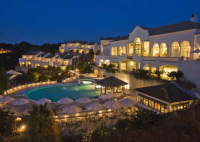
Enjoy Ise Shima with Kintetsu's great value pass!
Kintetsu Rail Pass (unlimited rides on Kintetsu trains, limited to tourists from outside Japan)
For sightseeing in Ise Shima , the Kintetsu Rail Pass is convenient and economical. The Kintetsu Rail Pass 5 Days allows unlimited rides on Kintetsu trains for 5 days. It's a convenient pass for sightseeing, allowing you to freely travel around Ise Shima and Nara from Osaka, Kyoto, and Nagoya .
"Mawaryanse" - A free pass to fully enjoy Ise Shima.
The "Mawaryanse" pass is a great value free pass recommended for those who want to fully enjoy the Ise Shima area. It offers unlimited rides on designated sections of the Kintetsu Railway, as well as access to tourist facilities around Ise and the Shima area, and includes boat and bus services. Since transportation and sightseeing are combined, there's no need to buy tickets or admission tickets each time, making your trip very smooth. It's perfect for a trip where you want to fully enjoy Ise Shima , from visiting Ise to exploring the beaches, resorts, and tourist spots of Shima .
FAQ
Q. How do I get to Ise?
A. To get to the Outer Ise, get off at Kintetsu "Ise City Station" and it's a 5-minute walk. It's close to the station, so you won't get lost even if it's your first time. To get to the Inner Shrine of Ise Grand Shrine, take a Mie bus from Kintetsu " Ise City Station" or "Uji Station" and get off at "Naiku-mae" (approximately 15-20 minutes). The entrance to the Inner Shrine is a short walk from the bus stop. Buses run frequently and are easy to use.
Q. Are there coin lockers around Ise?
A. There are coin lockers around Ise's Inner Shrine, but the number is limited and they may not be large enough for large luggage. There are lockers at Ise City Station or Uji Station that can accommodate suitcases and other large luggage, so it is recommended to leave your luggage at the station after arriving and then visit the shrine.
Q. What are the opening and closing times for Ise?
A. Ise(Naiku and Geku) opens at 5:00 AM year-round. Closing times vary by season: 5:00 PM from October to December, 6:00 PM from January to April and in September, and 7:00 PM from May to August.
Kintetsu Railway connects Osaka, Kyoto, Nara, Mie, and Aichi, linking a wide range of destinations where travelers can experience Japan’s rich history, beautiful natural landscapes, and distinctive food culture. This content features highlights along the Kintetsu lines, including must‑see sightseeing spots, recommended restaurants and hotels, as well as useful tips to make your journey more comfortable and enjoyable. The cover photo shows Ago Bay in Mie Prefecture. Known as the birthplace of cultured pearls, the bay is famous for its calm waters and scenic islands, and a leisurely cruise is a wonderful way to take in its tranquil beauty.
The contents on this page may partially contain automatic translation.
Special Features
More







![[Izu, Shuzenji Onsen] Shuzenji hydrangeas adorn the garden of the inn "SORA Togetsuso Kinryu"](https://resources.matcha-jp.com/resize/720x2000/2024/06/25-185079.webp)

![[2026] Climbing Mount Fuji: The Complete Guide to a Safe Experience](https://resources.matcha-jp.com/resize/720x2000/2023/06/01-138820.webp)