Okinawa's Artsy Side: Tsuboya Pottery Street in Naha
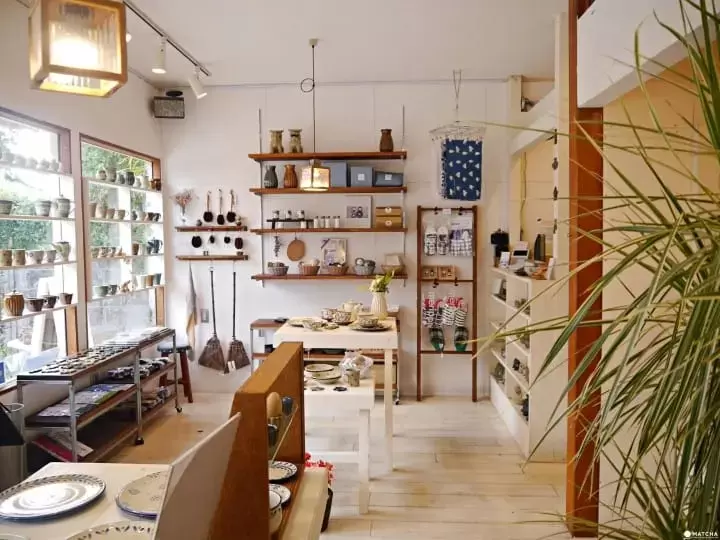
Discover Tsuboya Yachimun Street, Naha’s historic pottery lane. Find the best shops for traditional and modern Okinawan ceramics, travel tips, and more.

Written by
東京
Born in Taiwan. Currently living in Tokyo.
Currently editor in chief of MATCHA's Taiwanese website. In the past, I worked as an editor for a Japanese fashion magazine, as a Japanese language teacher at a private high school in Taipei, as an interpreter for Shiseido and other Japanese and Taiwanese companies. I've also had experience as an inbound tourism copywriter.
My Facebook page 'Tokyo beyond studying abroad' 東京、不只是留學(留学だけじゃなくて)boasts 120,000 followers.
Blogger with readers from Taiwan, Hong Kong, and Japan, of which 70% are female readers. I have covered over 300 locations and stores in my articles.
Writing about the latest trends, places off the beaten path, and traditional culture. Published six books on Japan in Taiwan and Asia.
Facebook → https://www.facebook.com/filmmiho/
Instagram → @mihowang47
more
This service includes sponsored advertisements.
Tsuboya Yachimun Street: Charming Pottery Shops in Naha
Kokusai Dori is Naha's main hub for Okinawan cuisine and souvenir shopping. However, tucked away in the narrow alleys just off this bustling street lies Tsuboya Yachimun Street—a hidden gem for pottery lovers.
Here, you'll find everything from traditional ceramics to modern, designer-style pieces. Every shop boasts its own unique flair, offering a beautiful variety of cups, plates, vases, and spoons.
How to Get to Tsuboya Yachimun Street in Naha

Tsuboya Yachimun Street is just a five-minute walk from the Makishi Public Market inside Kokusai Dori, or a ten-minute walk if you are starting from Kokusai Dori's main entrance.
You'll know you've arrived when you see the Tsuboya Pottery Museum at the street's entrance—an unmistakable building featuring distinct Okinawan red-brick architecture.
About Tsuboya Pottery

The history of Tsuboya-yaki (Tsuboya ware) began around 330 years ago when the Ryukyu Kingdom consolidated potters and kilns from across the region into this area, drawing them to its high-quality clay, abundant water resources, and proximity to the port.
While most kilns have since relocated to Yomitan Village in central Okinawa, Tsuboya miraculously escaped air raids during World War II. Because of this, its historic stone-paved paths and traditional red-brick buildings remain beautifully preserved.
Today, while fewer traditional storefronts remain, the area has seen a vibrant revival, constantly drawing a new generation of young artisans who are opening shops and keeping the craft alive.
Tsuboya ware is broadly divided into two styles: Arayachi (unglazed pottery) and Joyachi (glazed pottery). Arayachi is crafted using clay from the southern part of Okinawa’s main island and is fired unglazed at around 1120°C.
In contrast, Joyachi uses clay from central and northern Okinawa and is fired at a higher temperature of around 1200°C. This process makes the pieces exceptionally durable, while the vibrant glazes allow for brilliant colors.
Traditional Joyachi patterns frequently feature fish, shrimp, arabesque (karakusa), chrysanthemums, plums, and peonies.
Pictured here is the only remaining kiln in Tsuboya that still uses the traditional Arayachi technique, which has been designated as an important cultural asset of Okinawa Prefecture.
Stylish Pottery Shops on Tsuboya Street
UTSUWA Chatarou

Located right at the entrance of Tsuboya Street, UTSUWA Chatarou welcomes visitors with the cozy, inviting atmosphere of a local café. The shop showcases a wide array of pottery crafted by Okinawa’s most popular active artisans.

Alongside these guest pieces, they display stunning original creations, such as ceramic plates inspired by local coral reefs. The vibrant colors create a dazzling display, leaving you beautifully overwhelmed by choice.

The shop’s most popular item is the bitter melon chopstick rest. Shaped like a sliced wheel of Okinawa's famous goya (bitter melon), it is a charming keepsake that will bring back fond memories of your island vacation every time you sit down for a meal.

But who says pottery belongs only in the kitchen? These button-shaped ceramic hair ties are absolutely adorable and make for a perfect wearable souvenir.
guma guma

guma guma specializes in simple, aesthetically beautiful pottery crafted by young creators trained at Ikutouen, one of Tsuboya’s most historic kilns. The shop's interior is thoughtfully styled to resemble a cozy kitchen and a compact living room.

Driven by the concept of "adding color to daily life," these exquisite tableware pieces are designed to bring a touch of joy to your routine from the moment you wake up.

There is a magical charm to guma guma’s collections of kitchenware, cups, and bowls; they effortlessly transform any home into a cozy, café-like setting.
They make it easy to picture yourself on a day off, completely at ease, flipping through a favorite book while sipping a hot cup of tea.
Craft and Gift Yacchi Moon

Housed in a beautifully renovated traditional home, Craft and Gift Yacchi Moon is a favorite select shop for both locals and tourists alike.

The interior feels like a charming log cabin, complete with cozy, low-ceilinged transitions that require a slight duck to step into the next room.
On the left, a fully set dining table showcases a natural, effortless display that will instantly make you wish your own home looked just as stylish.

Because the shop is a popular stop for families, many of the ceramic pieces feature playful animal motifs. The true hallmark of Yacchi Moon is this ability to blend traditional Okinawan color palettes with delightfully modern, whimsical designs.
Enjoy Exploring the Tsuboya Yachimun Street
If you find that the standard souvenirs and bustling shops of Kokusai Dori don't quite catch your eye, take a turn into the back alleys.
Come soak in the nostalgic, historic atmosphere of Tsuboya Yachimun Street and find a beautiful, handcrafted companion piece for your daily life.


Born in Taiwan. Currently living in Tokyo.
Currently editor in chief of MATCHA's Taiwanese website. In the past, I worked as an editor for a Japanese fashion magazine, as a Japanese language teacher at a private high school in Taipei, as an interpreter for Shiseido and other Japanese and Taiwanese companies. I've also had experience as an inbound tourism copywriter.
My Facebook page 'Tokyo beyond studying abroad' 東京、不只是留學(留学だけじゃなくて)boasts 120,000 followers.
Blogger with readers from Taiwan, Hong Kong, and Japan, of which 70% are female readers. I have covered over 300 locations and stores in my articles.
Writing about the latest trends, places off the beaten path, and traditional culture. Published six books on Japan in Taiwan and Asia.
Facebook → https://www.facebook.com/filmmiho/
Instagram → @mihowang47
more



Special Features
More