Chiba Weather: Monthly Temperatures and What to Wear
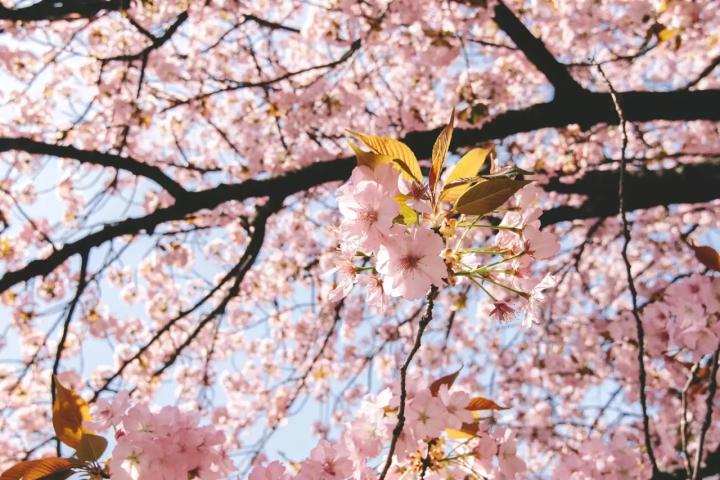
Chiba weather guide! Check monthly temperatures, seasonal climate, and what to wear in spring, summer, autumn, and winter when planning your trip.

Written by
After graduating from high school, I enrolled in a scriptwriting course for three and a half years with the aim of becoming a screenwriter. After that, I started working as a writer to utilize my writing skills. At MATCHA, I mainly write articles introducing places to go out, but so far I have been involved in creating articles related to beauty, rental cars, and MVNO.
This service includes sponsored advertisements.
Chiba Weather: Monthly Temperatures and Climate
Chiba Prefecture has a mild coastal climate, with relatively moderate temperatures throughout the year. Average annual low temperatures are around 50°F (10°C), while average highs are approximately 68°F (20°C).
Rain falls throughout the year, with wetter conditions during Japan’s rainy season in June and July.
Chiba’s coastal location also brings regular sea breezes, which can make summer temperatures feel more comfortable than in inland areas. Below, you can check Chiba’s average monthly high and low temperatures to help plan your trip.
-
Table of Contents
- Chiba Spring Weather(March to May)
- Chiba Summer Weather (June to August)
- Chiba Autumn Weather (September to November)
- Chiba Winter Weather (December to February)
- Frequently Asked Questions About Climate and Clothing
- Chiba Weather Throughout the Year
Chiba Spring Weather(March to May)
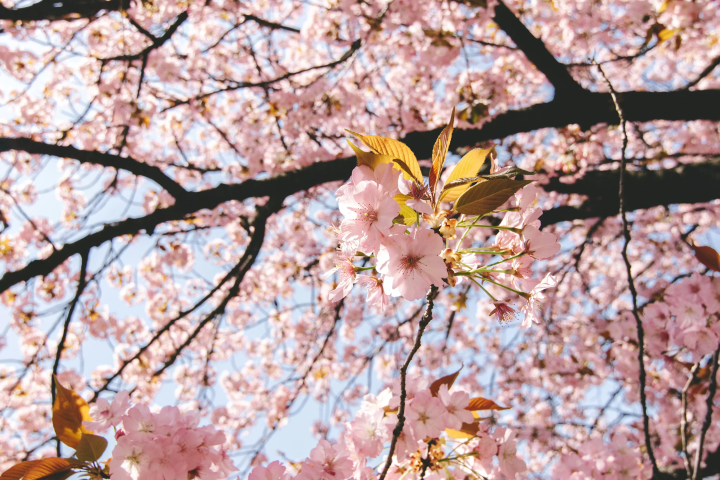
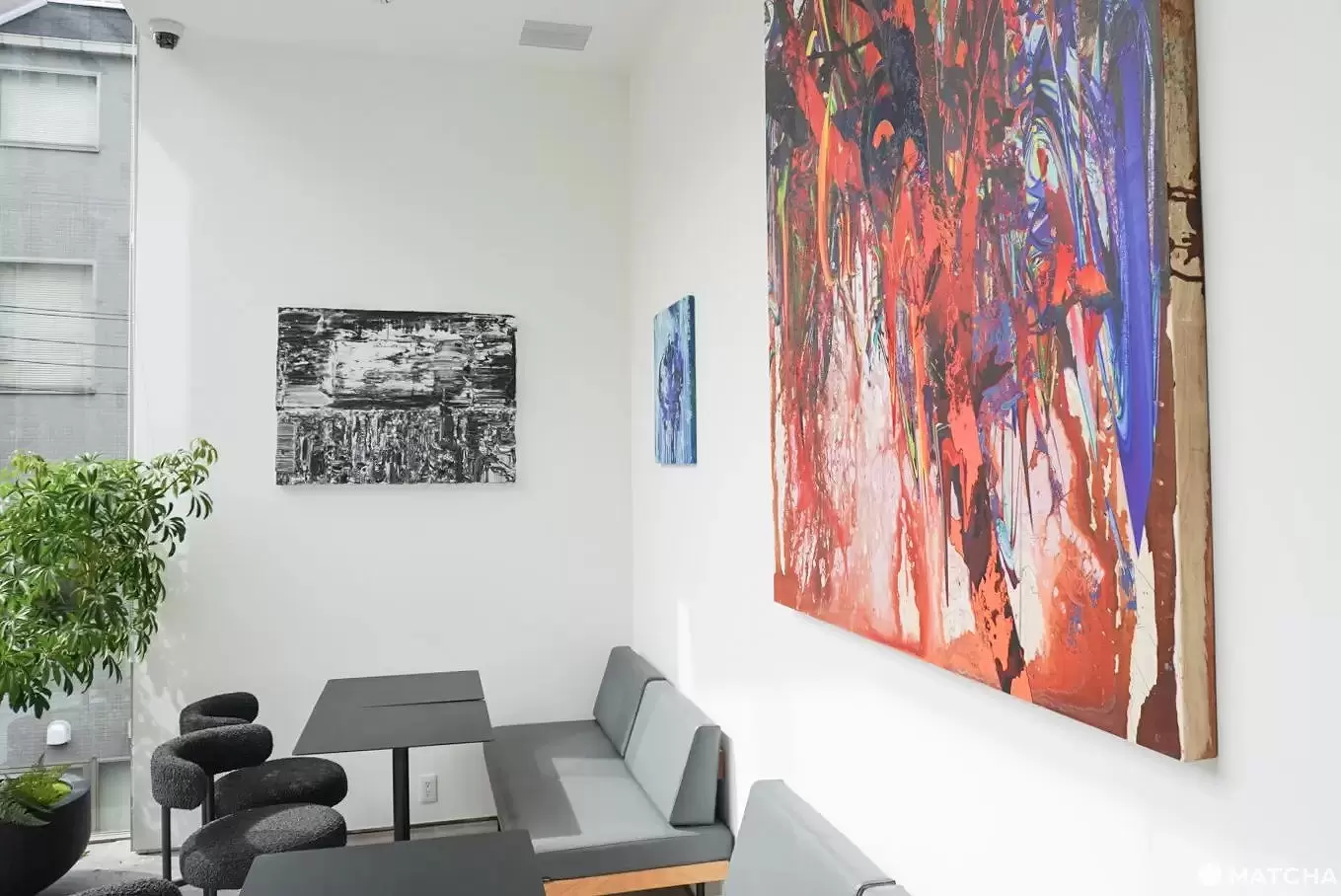
Picture courtesy of Unsplash
Here are the temperature trends and recommended outfits for spring, from March through May.
Average Highs and Lows (Spring)
From March to May, the average low temperature is 50°F (10°C) and the average high is 64°F (18°C).
The breakdown of monthly low, average, and high temperatures is as follows:
- High
- Average
- Low
|
|
March | April | May |
|
|
57°F (13.8°C) | 66°F (18.7°C) | 73°F (23.0°C) |
|
|
49°F (9.6°C) | 58°F (14.5°C) | 66°F (18.9°C) |
|
|
42°F (5.7°C) | 51°F (10.6°C) | 60°F (15.4°C) |
Mornings and evenings remain chilly during these months, but daytime temperatures are pleasantly warm.
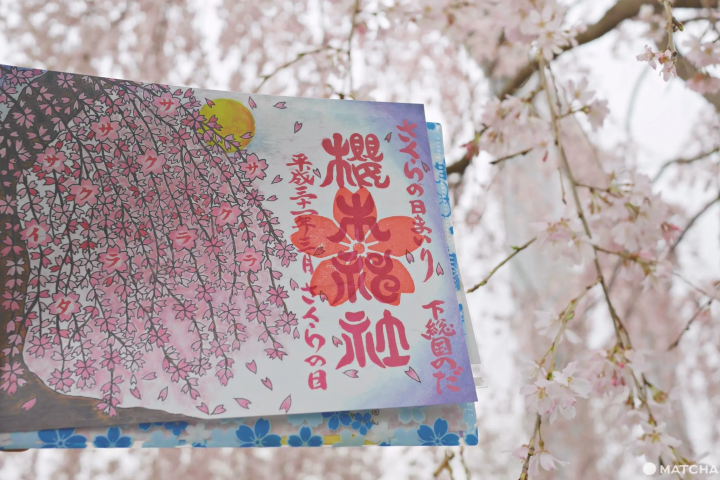
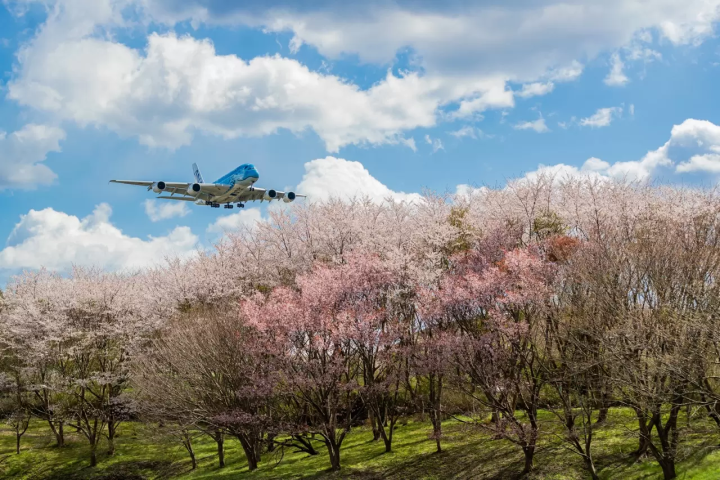
When visiting during this season, taking a trip to local floral spots is a great idea. From late March to April, the cherry blossoms at Shimizu Park reach full bloom, creating breathtaking views of pink flowers everywhere.
In May, the Boso Flower Line comes alive with colorful blossoms, making it a fantastic destination for scenic drives and outdoor picnics.
What to Wear (Spring)
Because spring mornings and evenings can be chilly, it is best to carry a trench coat or light jacket.
Since daytime temperatures often warm up nicely, wearing layered clothing that is easy to put on and take off is key.
If you plan to visit coastal destinations like the Boso Peninsula where strong sea winds blow, bringing a windproof outer layer or a scarf is highly recommended.
Chiba Summer Weather (June to August)

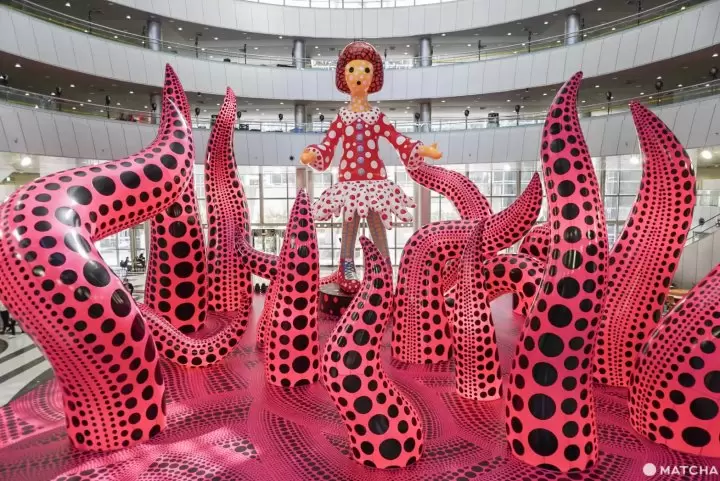
Picture courtesy of Unsplash
Next, here are the temperature details and clothing recommendations for summer, from June through August.
Average Highs and Lows (Summer)
From June to August, the average low temperature is 72°F (22°C) and the average high is 82°F (28°C).
The breakdown of monthly low, average, and high temperatures is as follows:
- High
- Average
- Low
|
|
June | July | August |
|
|
78°F (25.6°C) | 85°F (29.4°C) | 88°F (31.0°C) |
|
|
71°F (21.9°C) | 78°F (25.7°C) | 81°F (27.1°C) |
|
|
69°F (20.3°C) | 79°F (25.9°C) | 81°F (27.4°C) |
When visiting during this time, take full advantage of classic summer activities like swimming at local beaches!
However, summer brings high humidity and strong sunlight, making heatstroke prevention essential. Drink water frequently throughout the day and consider carrying a portable fan or traditional folding fan.
What to Wear (Summer)
For visits between June and August, focus on light, comfortable clothing. Outfits made from breathable materials like linen or cotton are ideal.
If you plan to head to the coast, remember to bring a hat, sunglasses, and sunscreen. Indoor spaces often have strong air conditioning, so carrying a light cardigan or scarf will come in handy.
Chiba Autumn Weather (September to November)
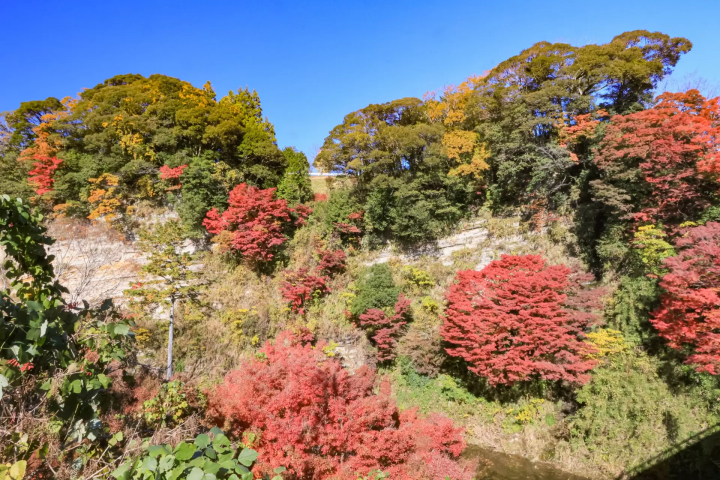
Picture courtesy of Photo AC
Next, here are the temperature trends and clothing recommendations for autumn, from September through November.
Average Highs and Lows (Autumn)
From September to November, the average low temperature is 59°F (15°C) and the average high is 72°F (22°C).
The breakdown of monthly low, average, and high temperatures is as follows:
- Low
- Average
- High
|
|
September | October | November |
|
|
73°F (22.7°C) | 60°F (15.7°C) | 51°F (10.4°C) |
|
|
75°F (23.8°C) | 65°F (18.6°C) | 56°F (13.4°C) |
|
|
82°F (27.5°C) | 72°F (22.3°C) | 63°F (17.3°C) |
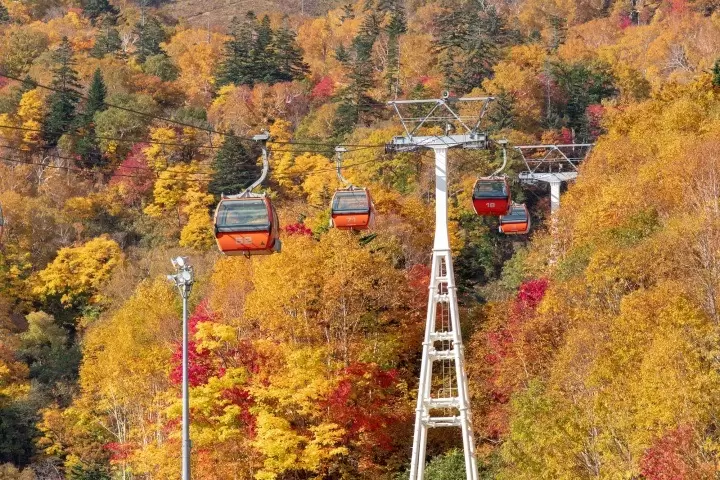
From September to November, visiting top autumn foliage destinations like Yoro Valley or Momiji Road is highly recommended.
Mornings and evenings get noticeably cold during this period. Carrying hot drinks or heat packs will help keep you comfortable.
What to Wear (Autumn)
When visiting between September and November, plan your wardrobe around temperature fluctuations throughout the day.
September still retains summer heat, making short-sleeve T-shirts or light shirts comfortable during the day. However, carrying a cardigan or light jacket will ensure you stay prepared for cooler moments.
By October, fall wardrobe staples like long-sleeve shirts, light knits, and trench coats become ideal.
In November, temperatures drop below 50°F (10°C) more frequently, so bringing a sturdy jacket or coat is recommended.
Chiba Winter Weather (December to February)

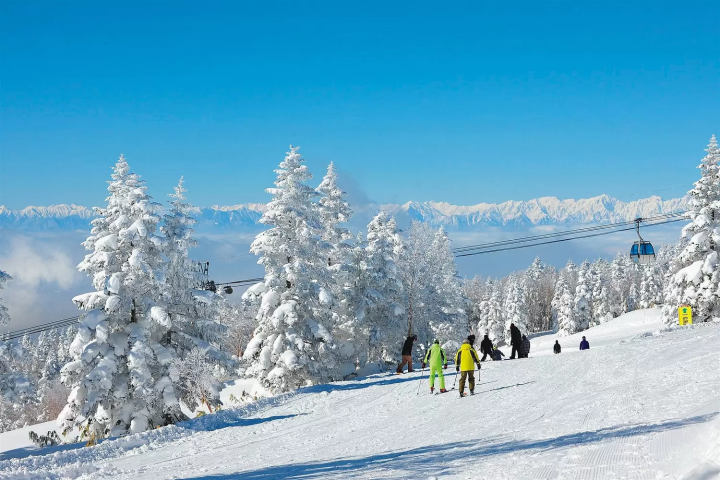
Photo by Pixta
Finally, here are the temperature trends and clothing recommendations for winter, from December through February.
Average Highs and Lows (Winter)
From December to February, the average low temperature is 37°F (3°C) and the average high is 52°F (11°C).
The breakdown of monthly low, average, and high temperatures is as follows:
- Low
- Average
- High
|
|
December | January | February |
|
|
41°F (4.9°C) | 36°F (2.4°C) | 37°F (2.8°C) |
|
|
47°F (8.6°C) | 43°F (6.1°C) | 44°F (6.6°C) |
|
|
55°F (12.5°C) | 50°F (10.1°C) | 51°F (10.7°C) |
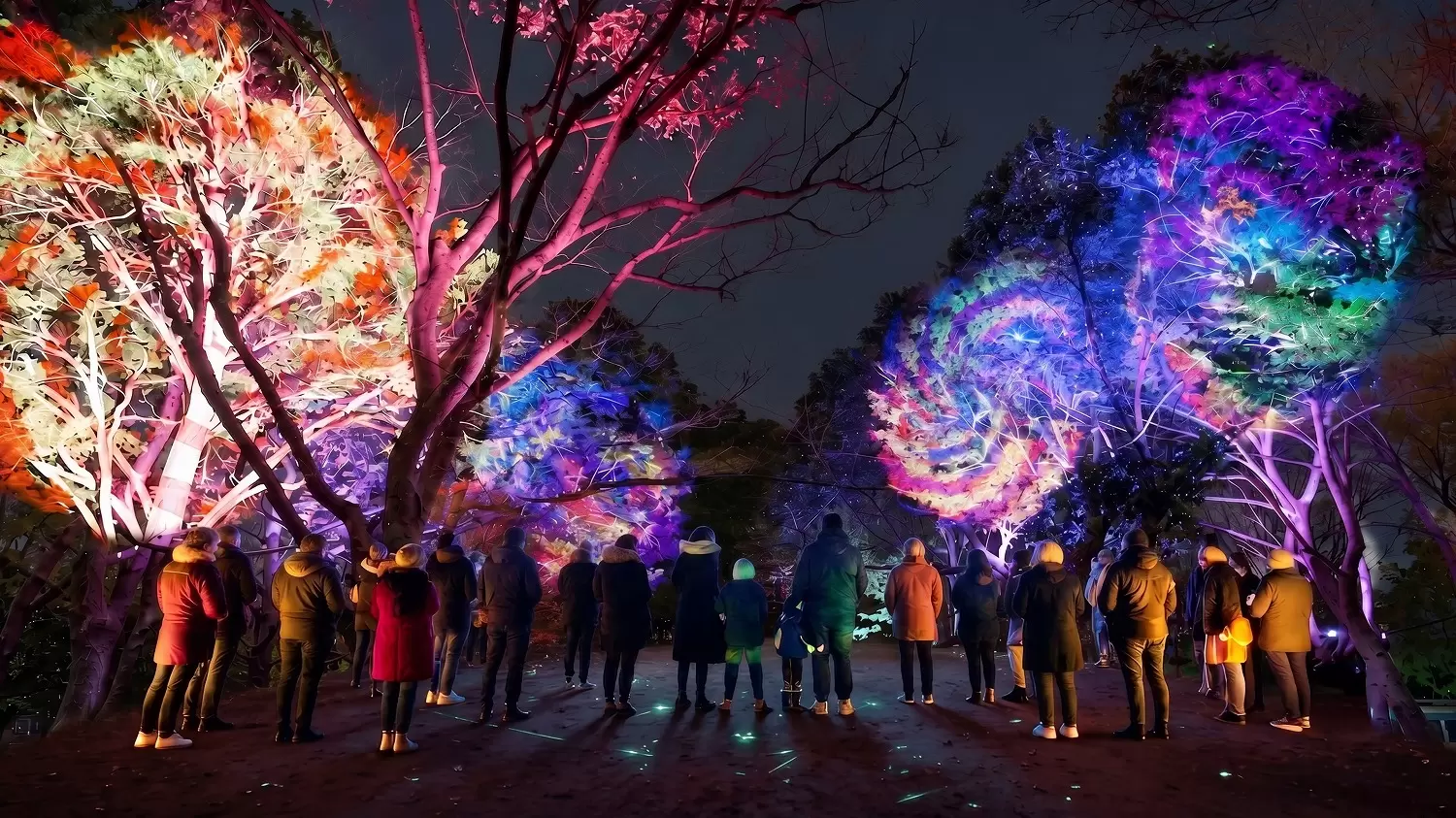
When visiting between December and February, enjoying winter illumination light displays at places like Mother Farm or Tokyo German Village is highly recommended.
Winter air tends to be dry, so pack skincare essentials like lip balm and hand cream to protect your skin.
Carrying hot drinks with you is another great way to stay comfortable while exploring outdoors.
What to Wear (Winter)
For winter visits between December and February, heavy outerwear like down jackets or wool coats is essential. Mornings and evenings get particularly cold, so wearing layers is key to managing temperature changes.
Adding winter accessories like scarves, gloves, and earmuffs will make your trip much more comfortable.
On sunny winter days, daytime sunlight can feel surprisingly warm, so wearing a lighter inner layer will help you move around comfortably.
Frequently Asked Questions About Climate and Clothing
Frequently Asked Questions
Why is the climate so mild?
The mild climate comes down to geography and coastal conditions. Bordered by the Pacific Ocean, the region is strongly influenced by the Kuroshio Current, a warm ocean current that keeps winter temperatures relatively moderate. Thanks to this maritime climate, summer heat stays relatively mild as well, creating comfortable conditions year-round. This climate makes the area a wonderful destination for sightseeing and outdoor recreation.
When does the weather start getting cold?
Temperatures begin dropping around November. Mornings and evenings turn noticeably cold toward late November, with low temperatures dropping below 50°F (10°C) more frequently. True winter weather sets in by December, with January and February being the coldest months. However, because the area sits along the Pacific coast, winter cold remains relatively mild compared to neighboring inland regions.
Which areas get the hottest in summer?
Inland cities such as Noda and Narita tend to experience the highest temperatures. Because these areas receive less benefit from ocean breezes, summer temperatures rise easily. Conversely, coastal areas often feel a bit cooler due to refreshing sea winds.
Chiba Weather Throughout the Year
Chiba features a mild oceanic climate with average annual low temperatures around 50°F (10°C) and average highs around 68°F (20°C), making it a comfortable destination to visit throughout the year.
When planning your trip, use these seasonal outfit and packing recommendations to make the most of your travels!
Read also


MATCHA shares the latest travel and event information from across Japan on X (formerly Twitter). Be sure to follow us there too!
After graduating from high school, I enrolled in a scriptwriting course for three and a half years with the aim of becoming a screenwriter. After that, I started working as a writer to utilize my writing skills. At MATCHA, I mainly write articles introducing places to go out, but so far I have been involved in creating articles related to beauty, rental cars, and MVNO.



Special Features
More