Have you heard of Echigo-Tsumari Art Triennale? Introducing the art festival that has been held in the Satoyama area of Niigata for over 20 years
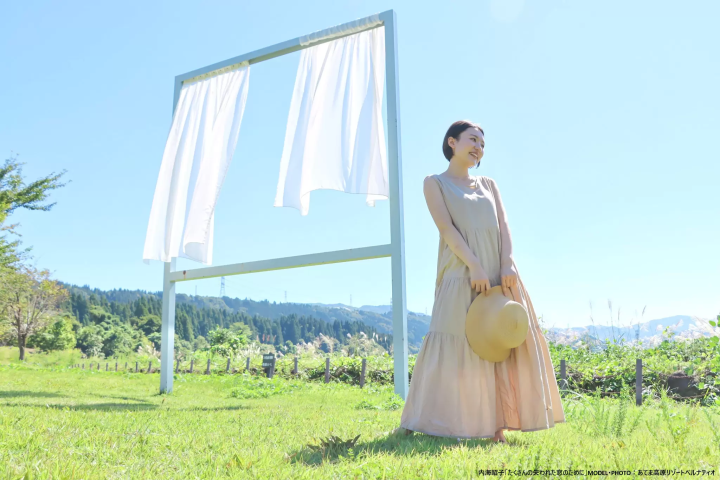
The Echigo-Tsumari Art Triennale is one of the world's largest international art festivals, held in the Echigo-Tsumari region of Niigata Prefecture(Tokamachi City and Tsunan Town). Its greatest feature is that many of the artworks are exhibited outside of the museum, in the local countryside, abandoned houses, abandoned schools, and other locations. This article will introduce the appeal of this festival.

Written by
The Echigo-Tsumari Art Triennale is one of the world's largest international art festivals and a pioneer of regional art festivals held throughout Japan. This new journey through the Satoyama countryside, guided by art, is attracting attention both from within Japan and overseas as a pioneering example of community development through art.
This service includes sponsored advertisements.
-
Table of Contents
- About the Echigo-Tsumari region
- What is a Regional Arts Festival?
- Artworks from the Echigo-Tsumari Art Triennale
- How to tour Echigo-Tsumari
- Access to Echigo-Tsumari
- Visit the Echigo-Tsumari Art Triennale Village
About the Echigo-Tsumari region
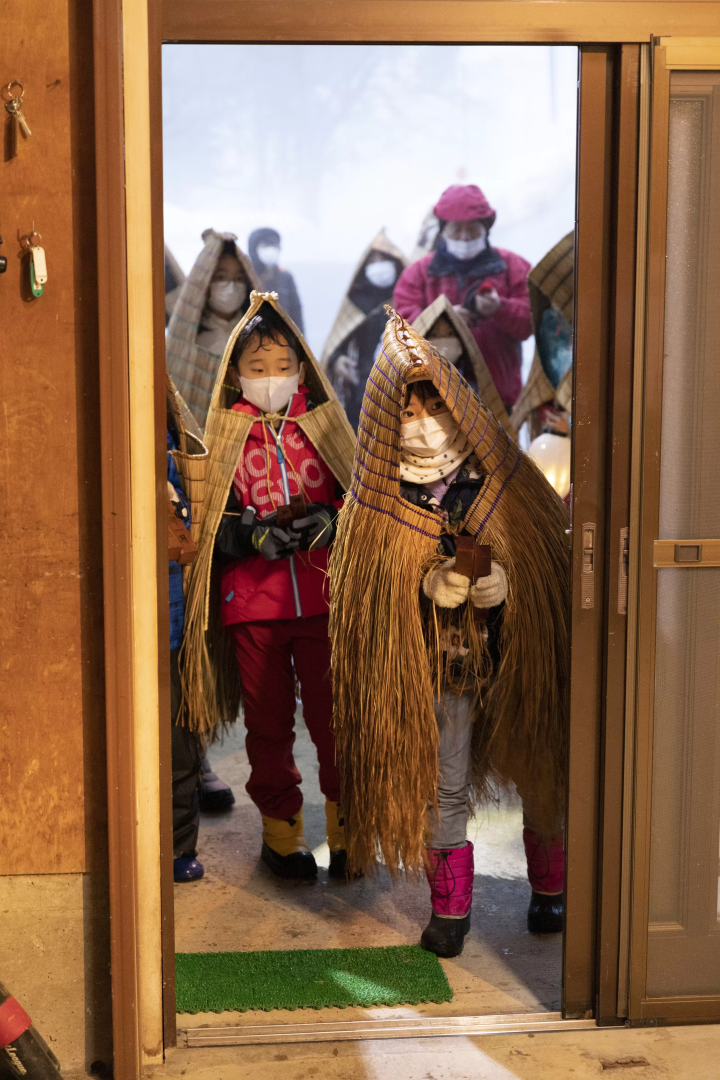
Photo by Nakamura Osamu
The Echigo-Tsumari region refers to the area surrounding Tokamachi City and Tsunan Town , located in the south of Niigata Prefecture on the border with Nagano Prefecture .
This region is one of Japan's snowiest areas, and the Satoyama lifestyle, where people have lived in close contact with the land while being exposed to the blessings and harshness of snow, still lives on today.
The Echigo- Echigo-Tsumari Art Triennale was started as a regional arts festival to provide a new perspective on this history and culture through art and to rediscover its appeal.
What is a Regional Arts Festival?
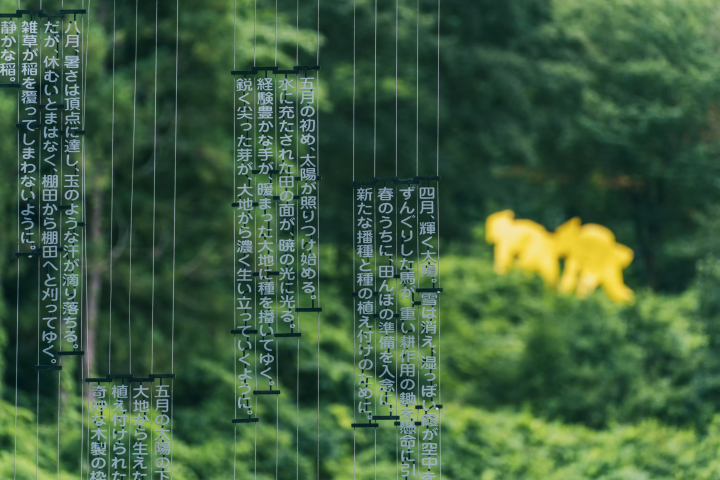
Ilya & Emilia Kabakov "Rice Terraces" photo by Kanemoto Rintaro
In a regional arts festival, there is an inseparable relationship between the artworks and the communities where they are exhibited and appreciated. The artworks at a regional arts festival cannot exist unless they are placed in that community, in that place. This is because the artworks are born from an encounter between the artists and the community.
Artists come from various places, have various roots, and use their five senses to discover something new in the local area.
That is why regional art festivals can be a way for locals to discover the charms of their region that they were not aware of, and art can serve as a guidepost for touring the region.
The Echigo-Tsumari Art Triennale is a pioneer of such regional art festivals, and has been held every three years since 2000.
Nowadays, "urban revitalization through art" is a trend that is being promoted all over the country, but Echigo-Tsumari has been a pioneer in this field, continuing to hold a community-wide art festival through trial and error.
Artworks from the Echigo-Tsumari Art Triennale
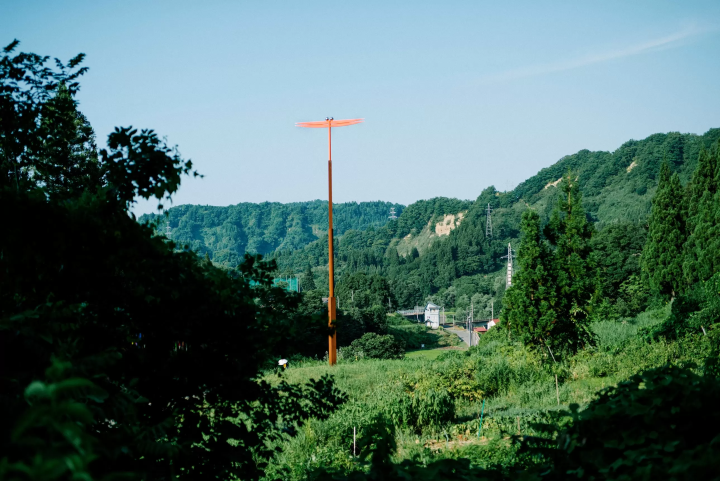
Shintaro Tanaka "The Tower of Circles and Dragonflies" photo by Nogawa Kasane
Approximately 200 works are on display at the Echigo-Tsumari Art Triennale Triennale every year, and approximately 300 works, including new works, are exhibited in the Triennale held every three years.
Here we will explain the main genres of works.
outdoor works
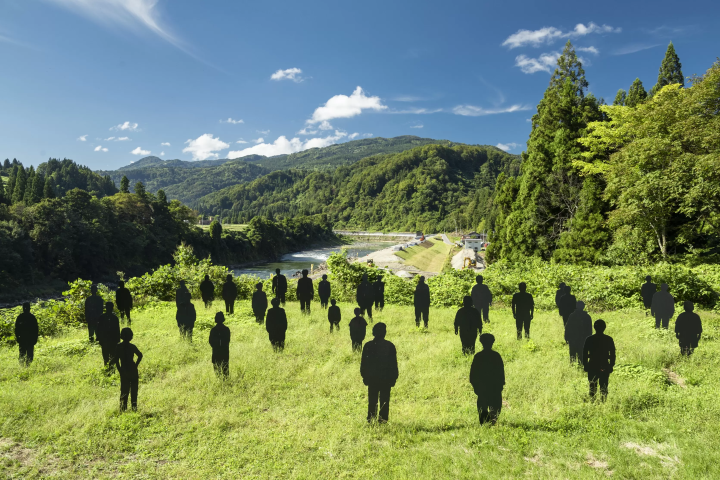
Kenji Shimotori "Memory-Record: The People of Ashitaki" Photo by Nakamura Osamu
Approximately half of the artworks at the Echigo-Tsumari Art Triennale are exhibited outdoors.
The artworks are scattered throughout the Echigo-Tsumari region, such as along roads, in parks, on riverside hills, and in corners of the forest. In other words, the entire region, approximately 760 square kilometers, is a large art museum, so to speak.
The scenery surrounding these outdoor artworks changes color with each season, so if you visit repeatedly to view the artworks, you will be able to experience the scenery of all four seasons at the same time.
However, many films will be suspended during the winter, so please check the official website for details.
Vacant House Works
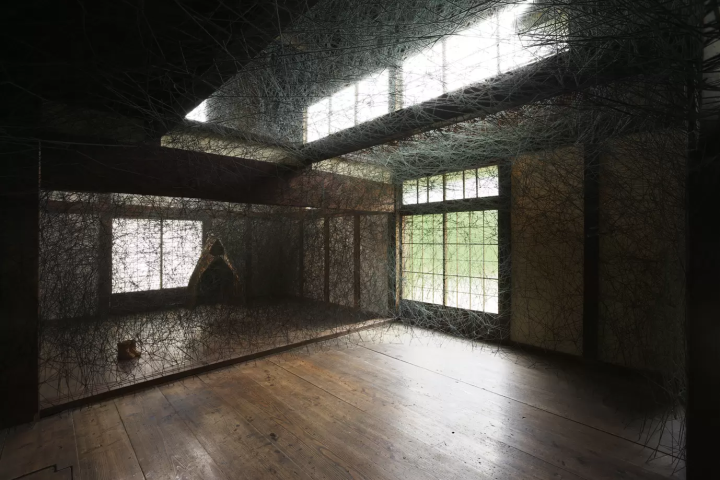
Chiharu Shiota "Memories of Home" Photo by Miyamoto Takenori + Seno Hiromi
The Echigo-Tsumari region is experiencing depopulation and an aging population, and there are many vacant buildings.
The exteriors of the abandoned house works all look like ordinary houses in the area. However, once you step inside, a world of works created by the artists unfolds before your eyes. Each one is unique, a piece that could only exist in this place, in this building.
There are over ten vacant house artworks at the Echigo-Tsumari Art Triennale, but some of them are not open in years other than the Triennale.
The works are set in abandoned houses that no one has left, and the presence of the former residents remains throughout the buildings, conveying this feeling to the present day.
Why not come and see these irreplaceable works?
Abandoned School Works
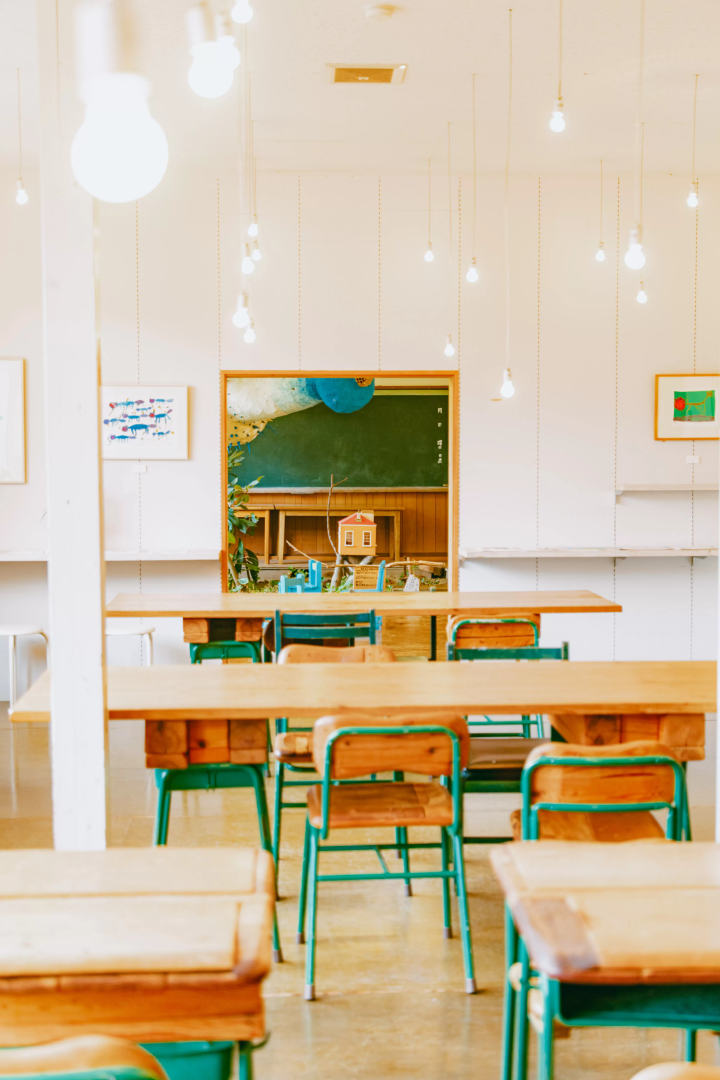
Seizo Tajima "Hachi & Seizo Tajima Picture Book and Nut Museum" Photo by Kanemoto Rintaro
In recent years, the area has seen a series of school closures due to declining birth rates.
At the Echigo-Tsumari Art Triennale, you can enjoy abandoned schools that have been transformed into various new forms by artists.
One school has become a lodging facility where students can also take part in art retreats.
One school has also been turned into an art museum where students can see, experience, and learn about local culture.
Another school has been turned into a spatial picture book full of memories, with a real graduate as the main character.
Although these school buildings were once closed and had outlived their usefulness, they have been reborn as artworks and continue to watch over the local area as a source of comfort for the people.
How to tour Echigo-Tsumari
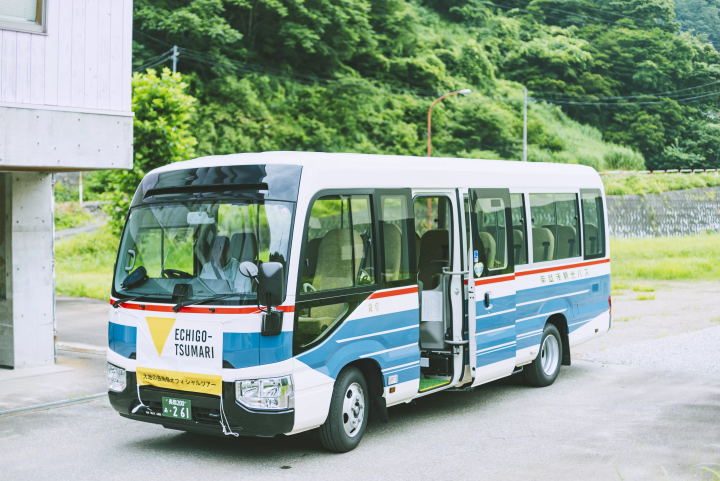
Photo by Kanemoto Rintaro
To fully enjoy the Echigo-Tsumari Art Triennale, where artworks are scattered across a vast area, we recommend touring by car.
But if you're not used to driving a car, don't worry!
The Echigo-Tsumari Art Triennale operates official tours on weekends and holidays during the event. The meeting point for the official tour is Yuzawa Station, just over an hour by Shinkansen from Tokyo , making it a perfect day trip from Tokyo.
If you just want to stop by and take in the atmosphere, you can also browse the artworks within walking distance of the station.
Rest assured that you can enjoy your trip in a way that suits your travel style.
Access to Echigo-Tsumari
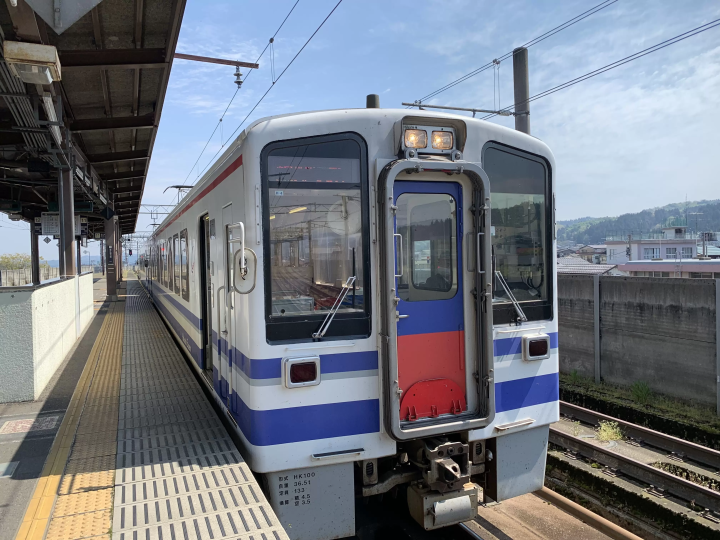
Here we will introduce how to get to Echigo-Tsumari.
If you are heading to Echigo-Tsumari from Tokyo or other areas, first head to Tokamachi Station (JR/Hokuetsu Kyuko Line).
The Tokamachi City General Tourist Information Center is located inside the station, where you can get tourist information about the city, including the Echigo-Tsumari Art Triennale.
If you are worried about driving long distances, we also recommend taking public transportation to Yuzawa Station or Tokamachi Station and renting a car near the station.
Please note that travel times and fares are current as of November 2025. Please check the latest information before traveling.
From Tokyo Station by public transportation
1. Take the Joetsu from Tokyo Station to Echigo Yuzawa Station (approximately 1 hour 20 minutes, 6,260 yen)
2. Transfer to the Hokuetsu Kyuko Hokuhoku Line from Yuzawa Station and head to Tokamachi Station (approximately 40 minutes, 730 yen)
*It may be quicker to take the JR Joetsu from Yuzawa Station to Muikamachi Station and then transfer to the Hokuhoku Line.
Including transfer time, it takes about two and a half hours to get there from Tokyo.
From Niigata Station by public transportation
1. Take the Joetsu from Niigata Station to Echigo- Yuzawa Station (approximately 45 minutes, 4,950 yen)
2. Transfer to the Hokuetsu Kyuko Hokuhoku Line from Yuzawa Station and head to Tokamachi Station (approximately 40 minutes, 730 yen)
*It may be quicker to take the JR Joetsu from Yuzawa Station to Muikamachi Station and then transfer to the Hokuhoku Line.
Including transfer time, it takes about an hour and a half to get there from Niigata Station.
There are direct buses from Niigata Airport to Niigata Station, so you don't have to worry if you're traveling by plane.
By car
The nearest interchange from Tokyo is Muikamachi Interchange on the Kanetsu Expressway, and from Niigata City, the nearest interchange is Kawaguchi Interchange on the Kanetsu Expressway.
It is about three hours from Tokyo and about one and a half hours from Niigata City.
Visit the Echigo-Tsumari Art Triennale Village
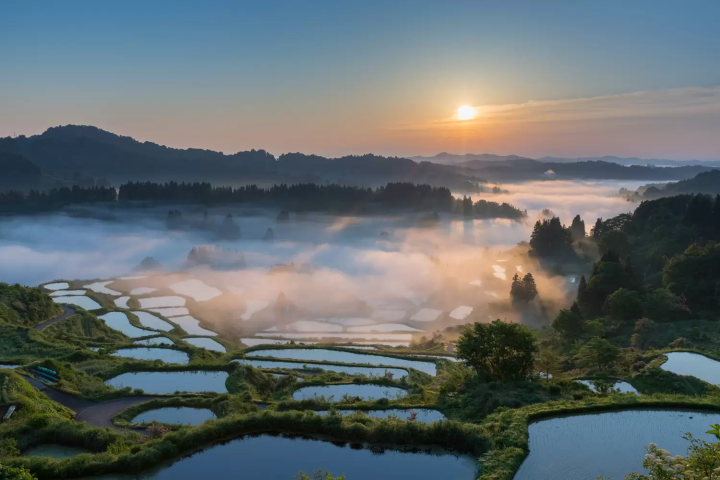
"Echigo Matsushiro Rice Terraces, Hoshitoge Rice Terraces" provided by Tokamachi City Tourism Association
Echigo-Tsumari, the site of the Echigo-Tsumari Art Triennale, is also known as the "Home of the Echigo-Tsumari Art Triennale."
Why not embark on a new journey through the Satoyama countryside, using art as your guide?
The Echigo-Tsumari Art Triennale is one of the world's largest international art festivals and a pioneer of regional art festivals held throughout Japan. This new journey through the Satoyama countryside, guided by art, is attracting attention both from within Japan and overseas as a pioneering example of community development through art.
The contents on this page may partially contain automatic translation.






Special Features
More







![[Cancelled for 2026] Kawaguchiko Herb Festival, which adorns the shores of Lake Kawaguchi at the Mount Fuji with a purple carpet.](https://resources.matcha-jp.com/resize/720x2000/2025/05/27-234666.webp)