
Awaji Island Travel Guide: Pottery Workshops, Awabiware Ceramics, and Local Food
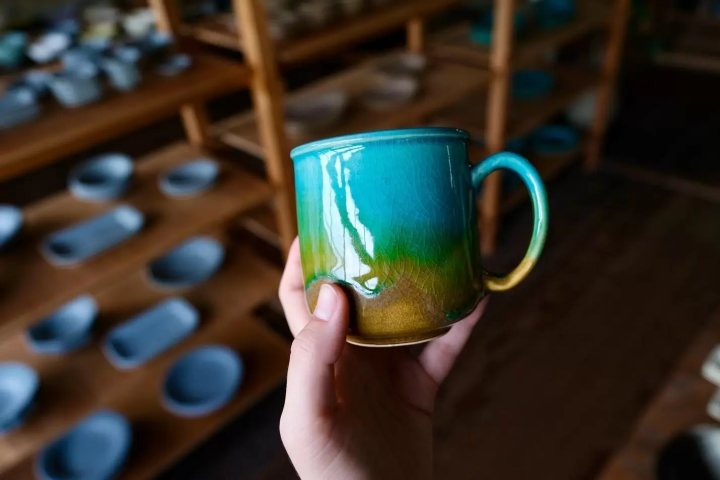
Awaji Island offers more than just beaches and gourmet food. Visit Kakuraigama for traditional Ko-Iga pottery, the popular Awabiware studio, and KAIRI, a folk-house-style restaurant where cuisine and ceramics merge. Discover the island’s rich culture of pottery and craftsmanship—a memorable new way to experience Awaji.

Written by
Sharing the allure of Awaji with the world, the Tourism Association highlights everything from breathtaking seasonal blooms to a culinary heritage so exquisite it was once known as 'Miketsu-kuni,' or the Land of Imperial Provisions.
This service includes sponsored advertisements.
If you want to know more about the charms of Awaji Island, please check out this article.
-
Table of Contents
- The Samurai’s Aesthetic: Recreating “Ko-Iga” Pottery
- From Historic Kilns to Modern Crafts: Awabiware
- Dining on Awaji: Island Food Meets Island Ceramics
- Experiencing Awaji — Where Craft, Food, and Life Converge
- How to Explore Awaji and Its Crafts
- Pottery and Craft Workshops:
If you’ve heard of Awaji Island, it’s probably for its food and nature: tender Awaji beef, sweet onions, sandy shores, and the swirling Naruto Whirlpools. Yet, this island between Kobe and Tokushima, just a short drive from Osaka, also holds a deep connection to Japan’s craft heritage.
Unlike major pottery centers such as Bizen, Shigaraki, or Kutani, Awaji’s ceramic traditions have remained small-scale and personal, rooted in slow, careful craftsmanship.
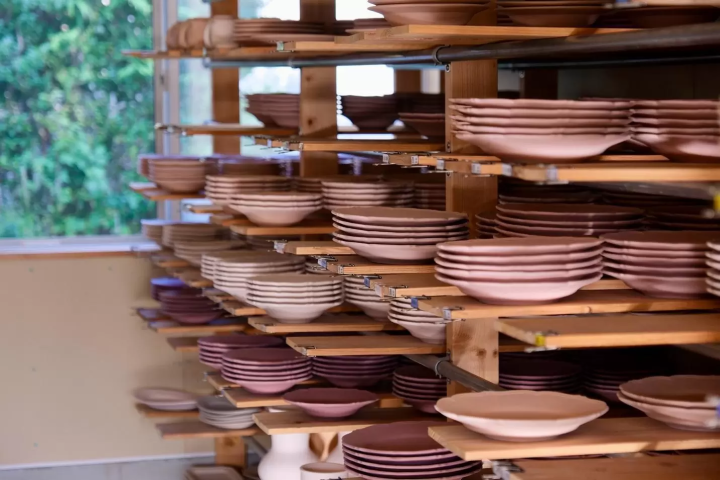
Awaji pottery at Awabiware laboratory – ceramic pieces drying on shelves before glazing
The island’s climbing kiln (noborigama), used for Ko-Iga pottery, is fired only once a year, a striking contrast with the continuous production in established ceramics centers such as Seto or Arita. This yearly ritual reflects the potter's devotion to patience and process rather than productivity.
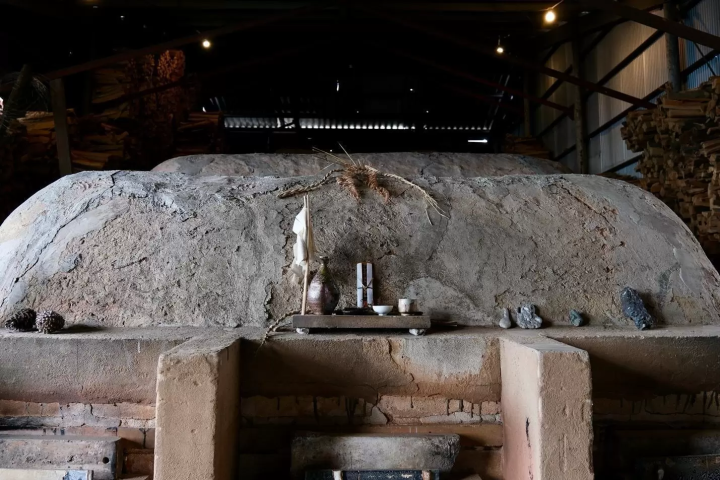
Kakuraigama – six-chamber climbing kiln with a small altar dedicated to the gods
From the spirit of warrior-era kilns to modern ceramics and farm-to-table cuisine, Awaji weaves together tradition and innovation in quiet harmony. It is in small batches, gentle hands, and slowly shaped clay that Awaji island’s craft comes alive. For travelers searching for activities on Awaji Island, the pottery workshops and the food culture are unmissable.
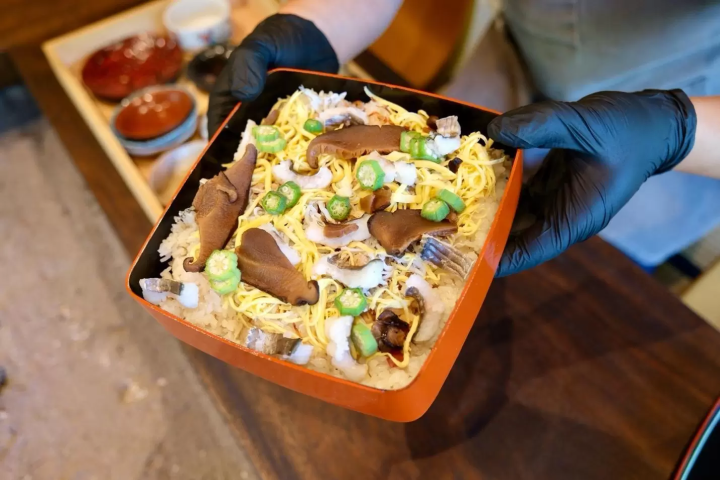
Inaka-zushi – traditional Japanese sushi made with local, seasonal ingredients
The Samurai’s Aesthetic: Recreating “Ko-Iga” Pottery
In the late 16th century, during Japan’s era of samurai wars, the tea ceremony became an important part of political and cultural life. Tea masters and warlords such as Sen no Rikyu, Oda Nobunaga, and Toyotomi Hideyoshi found beauty not in perfection but in imperfection — a philosophy reflected in Ko-Iga, the rustic pottery of early Iga.
Typically made as vases and jars, Ko-Iga embodies the spirit of wabi-sabi: quiet simplicity and the beauty of natural flaws. Its rough clay texture, scorched marks from fire, and soft green glaze — created when wood ash melts in the kiln — express a raw, spontaneous energy that feels deeply connected to nature.
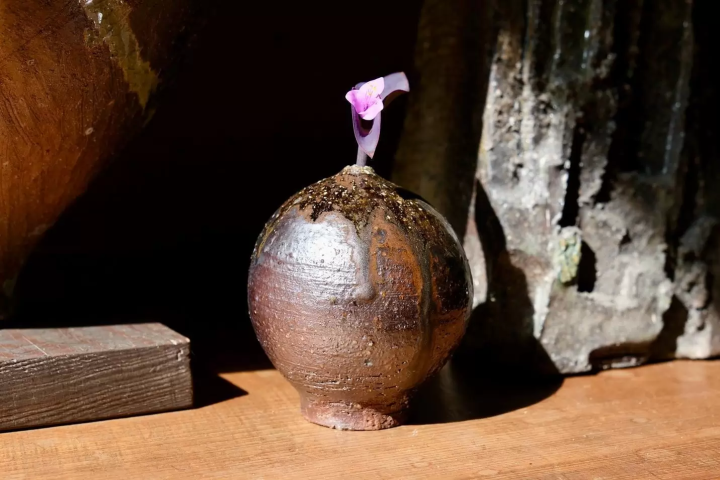
Awaji-Iga ware vase – unique texture and natural imperfections created by high-temperature firing in a traditional kiln
Centuries later, that same spirit still burns at Kakuraigama kiln on Awaji Island. Founded by Koichi Maeda, it keeps the Ko-Iga tradition alive — a must-visit for anyone who loves Japanese pottery.
Born on Awaji in 1971, Maeda studied archaeology and ceramics under several masters, including Professor Tetsuhiko Sugihara. In his twenties, he returned home and built a kiln on his family farmland, so large that locals first mistook it for a warehouse.
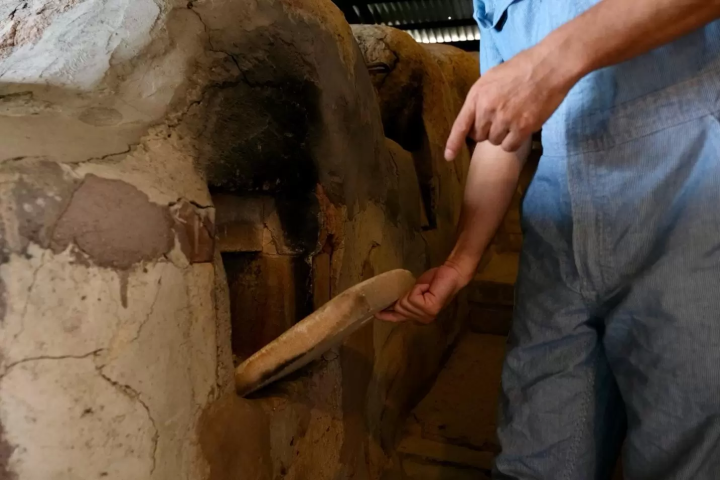
Maeda-san explaining the construction and operation of traditional Japanese kilns
By 1996, he had constructed a large six-chamber climbing kiln, rokudan noborigama. Since 1998, it has been fired only once a year. Each February, for four days and nights, the kiln is continuously fed with hand-split red pine wood (akamatsu) chosen for its heat-producing resin. Temperatures reach 1,400°C, creating unpredictable patterns of melted ash and flame marks.
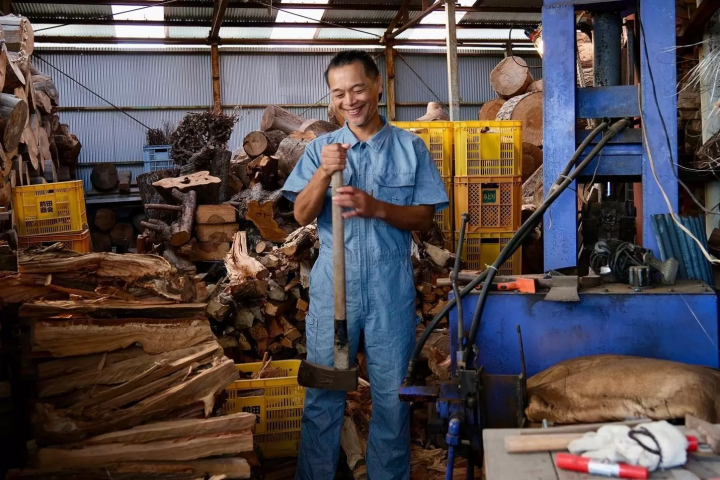
Maeda-san preparing hand-split red pine wood for firing the traditional Japanese kiln
Patience begins long before firing: clay from the mountains is mixed by hand with stone and minerals, then left outdoors for years, sometimes for a decade, to mature in rain, sun, and frost. No glaze is added; the kiln’s fire dictates the outcome.
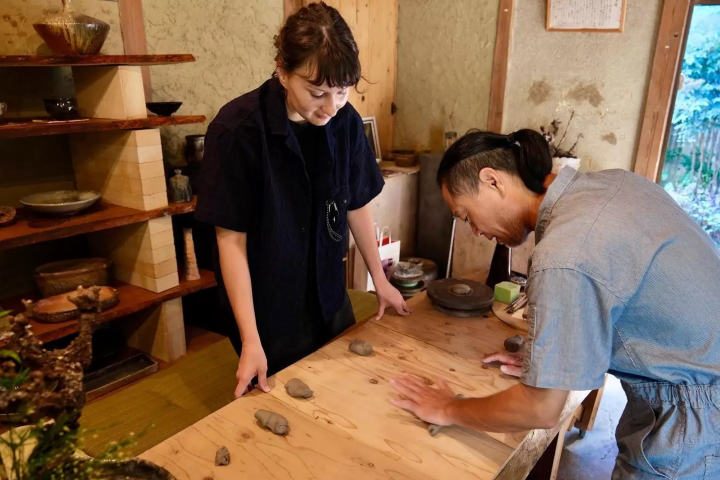
Kristina guided by Maeda-san in a hands-on workshop creating Awaji-Iga ware
At Kakuraigama, it is possible to join hands-on Awaji pottery workshops, under Maeda-san’s guidance. Kristina, for example, crafted a large coffee cup, pressing her thumb into the wet clay to leave a unique mark. Maeda-san explained, “The fire does all the work. You never know how it will turn out — that’s the beauty and the fun of it.”
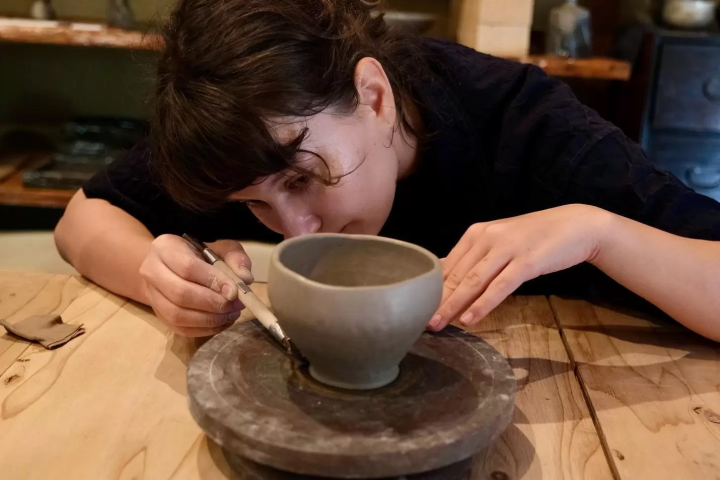
Kristina is crafting her large coffee cup during a hands-on Awaji-Iga ware workshop with Maeda-san
But unlike ordinary pottery workshops, pieces aren’t ready immediately. They await the February firing and are shipped in April once cooled. The price is ¥15,000, though it may vary for larger pieces depending on the clay used. As spots are limited, booking in advance is recommended.
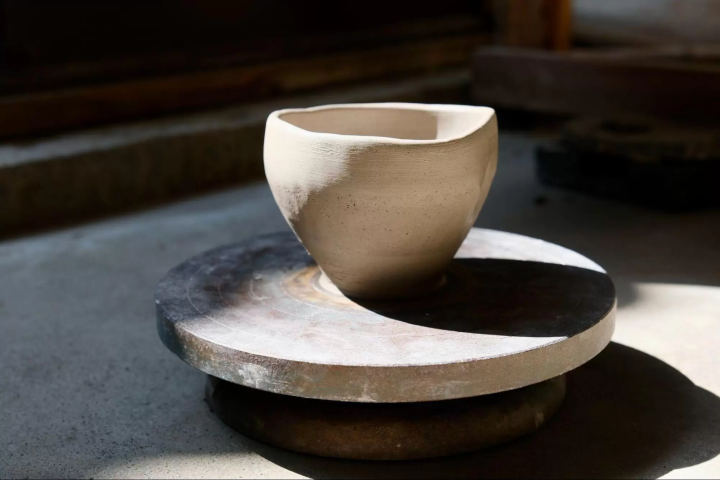
Kristina’s large coffee cup crafted during a hands-on Awaji-Iga ware workshop with Maeda-san
This unique experience teaches the beauty of imperfection and patience in the process. The final outcome depends on nature, clay, fire, and chance.
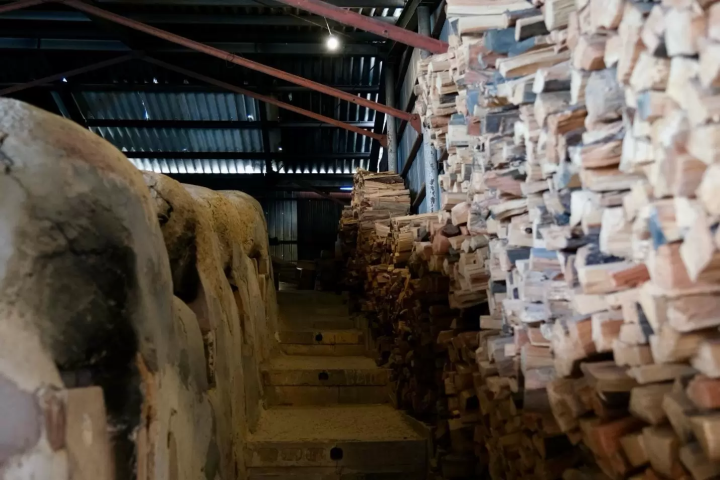
Kakuraigama – six-chamber climbing kiln, ready to be fired with hand-split red pine wood
Kakuraigama offers a quiet pause from the fast pace of everyday life. In a world that values speed, this place reminds you to slow down. Each piece takes months to finish — a gentle reminder that both art and life take time to grow.
From Historic Kilns to Modern Crafts: Awabiware
Away from the dramatic fire of the once-a-year Ko-Iga, another form of pottery quietly thrives: Awabiware, born under the hands of Junichi Okamoto, a potter who returned to Awaji after working in Tokyo. His work blends traditional Awaji's craftsmanship with modern simplicity.The name Awabiware combines “Awabi,” inspired by the beauty of Awaji Island, and “ware,” meaning the vessels he creates.
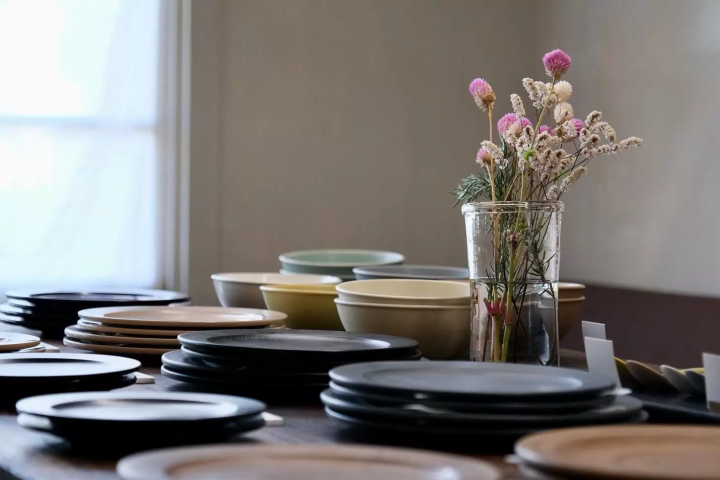
Awabiware ceramic plates on display at the shop in Omachi – traditional Japanese pottery
His studio, a renovated clinic in Omachi, sits among rice fields and rivers. Sunlight glides over shelves of bowls, plates, and mugs, each piece softly textured and soothing in tone. Awabiware ceramics are practical and contemplative, a companion to daily life rather than a ceremonial artifact.
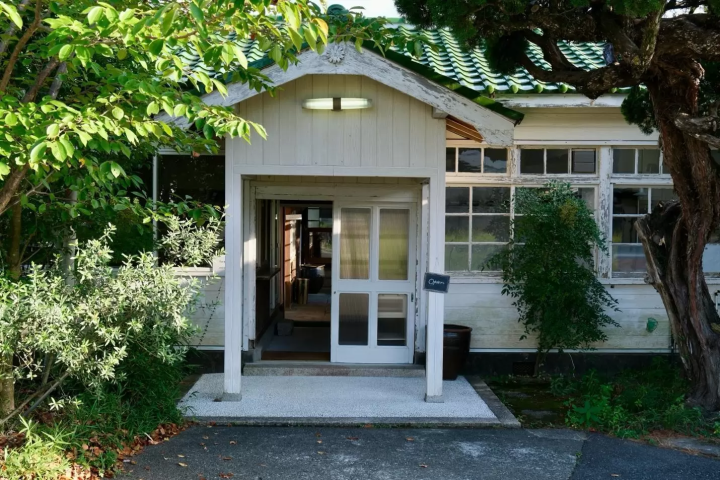
Entrance of Awabiware ceramic shop – a beautifully renovated old clinic in Omachi
Easily reachable by car or local guided tours with English-speaking guides, visitors can explore the gallery-shop (open 10:00 to 17:00) and see how tradition meets modern design.
Okamoto’s work is rooted in the spirit of uketsugu utsuwa — vessels meant to be passed down through generations. He believes pottery should last, age beautifully, and hold people’s memories.
Inspired by Minpei-yaki, Awaji Island’s 19th-century pottery tradition, Okamoto and his team create pieces that feel both timeless and new. Clay, water, and fire connect their hands to the island’s land and history.
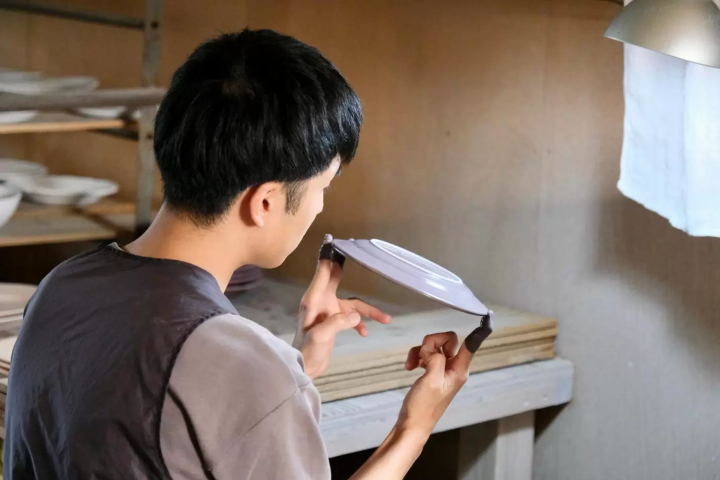
Team member of Awabiware, glazing a ceramic plate – traditional Japanese pottery
Awabiware’s aesthetic is calm and refined: stable but light, with soft colors, clean lines, and matte finishes. Everyday items like tea cups, curry bowls, and flower-shaped plates embody the same mindful craftsmanship found in Ko-Iga but reimagined for modern living.
Experiencing both Ko-Iga and Awabiware is like hearing two voices of the same island: one traditional and earthy, the other refined and contemporary. Together, they reveal how Awaji Island’s craft culture continues to evolve while staying deeply connected to its land and heritage.
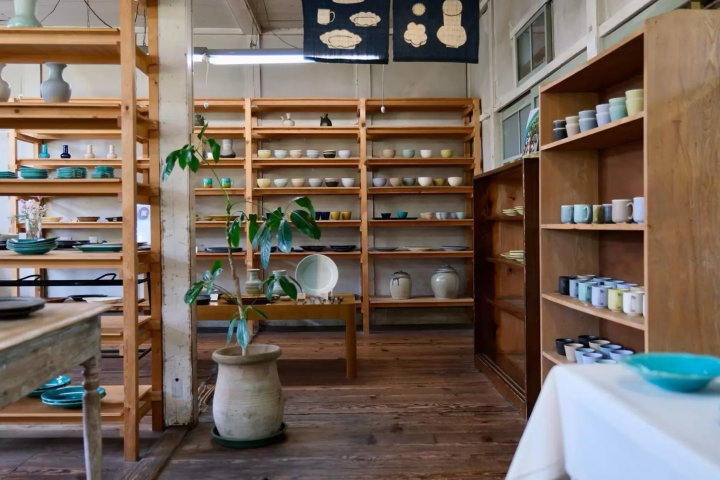
Awabiware gallery-shop – showcasing the newest ceramics
Dining on Awaji: Island Food Meets Island Ceramics
In Awaji, pottery extends beyond workshops, it’s part of daily life, especially on the table.
KAIRI, a folk-house-style inn and restaurant on the island’s west coast, perfectly blends craft and cuisine. Reopened in April 2024, it is intimate and reservation-only, often hosting just one group per seating. Guests can also stay overnight, enjoying two meals where ingredients, pottery, and story converge.
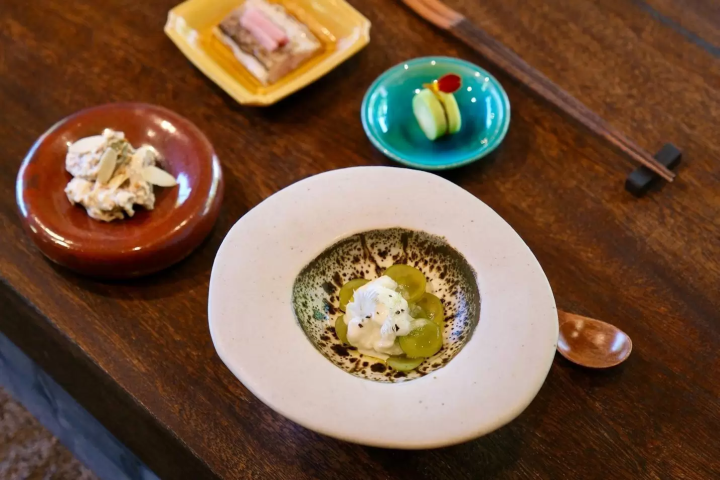
Part of the meal at KAIRI – prepared with local ingredients and served on Awaji pottery
Owner-chef Michiru Okano, trained in high-end kitchens, returned to Awaji with a simple yet profound vision: to celebrate Awaji Island ingredients. KAIRI offer only an "Omakase" (chef's choice) course. The menu changes depending on the season and availability of ingredients. Every dish at KAIRI reflects the island’s seasons: freshly caught amberjack, venison innards sauce fermented with koji, and bright garnishes like marigold or garlic chive flowers. Organic rice and traditional inaka-zushi or bara-zushi anchor each meal, often served on Awabiware plates or roof tiles.
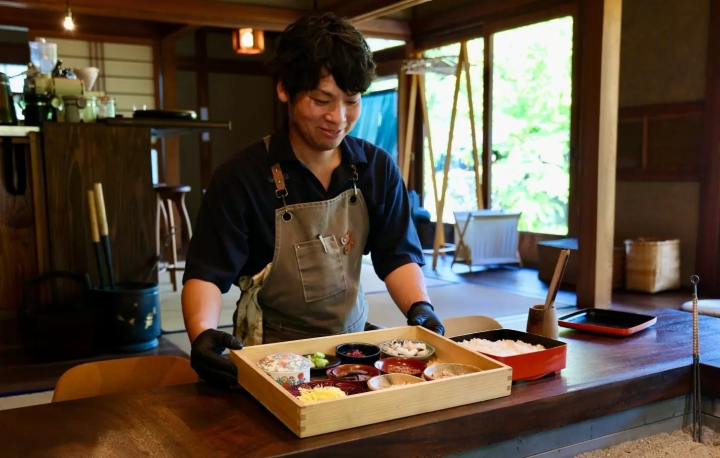
Michiru Okano, owner-chef of KAIRI, serving a meal made with local seasonal ingredients on Awaji pottery
Meals are served around a charcoal-fired irori — a traditional Japanese sunken hearth — inside a restored kominka (farmhouse), where time seems to slow on its own.
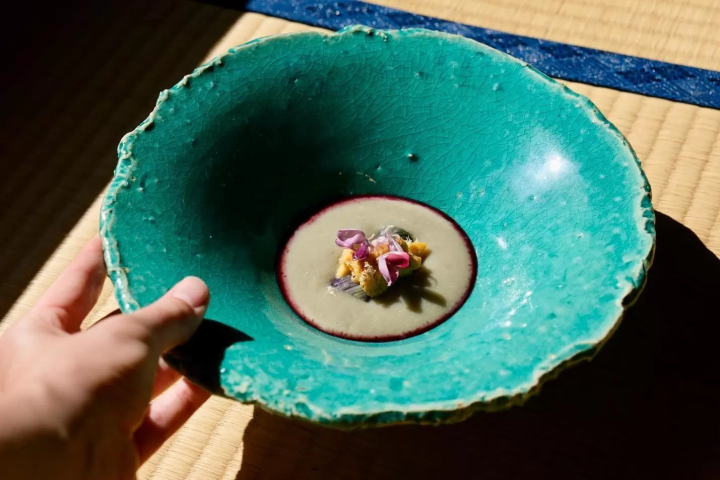
Farm-to-table eggplant dish served on Awaji pottery – showcasing local ingredients and traditional Japanese ceramics
Every dish, vessel, and gentle gesture connects diners to Awaji’s soil and craft traditions. The owner speaks both English and French, welcoming guests from Japan and abroad with genuine warmth.
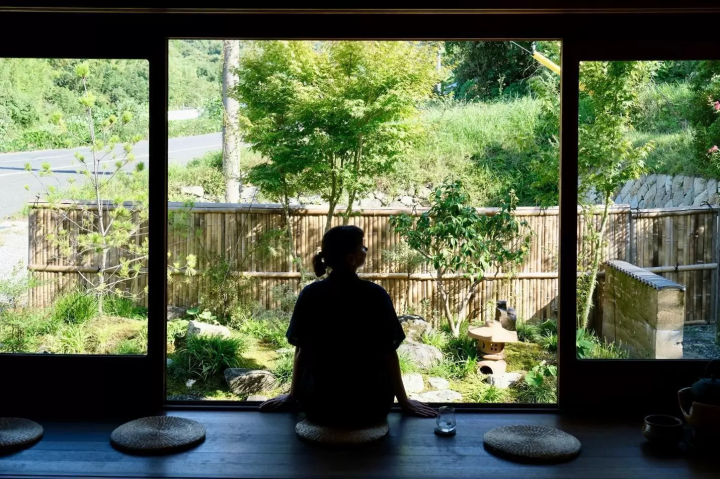
Kristina sitting at KAIRI, enjoying the warm light in the garden
Surrounded by green hills and soft light, KAIRI is more than a place to eat — it’s a place to feel the warmth of Awajishima itself. The kindness of its people, the calm of the garden, and the care in every detail leave you with a sense of belonging, long after the meal ends.
Experiencing Awaji — Where Craft, Food, and Life Converge
Awaji Island is more than its beaches, whirlpools, and seafood. It’s a place where pottery, everyday life, and food come together as one. From the powerful once-a-year firing of the Ko-Iga kiln to the simple beauty of Awabiware, and from mountain-aged clay to farm-to-table meals at KAIRI, the island shares its story slowly and sincerely.
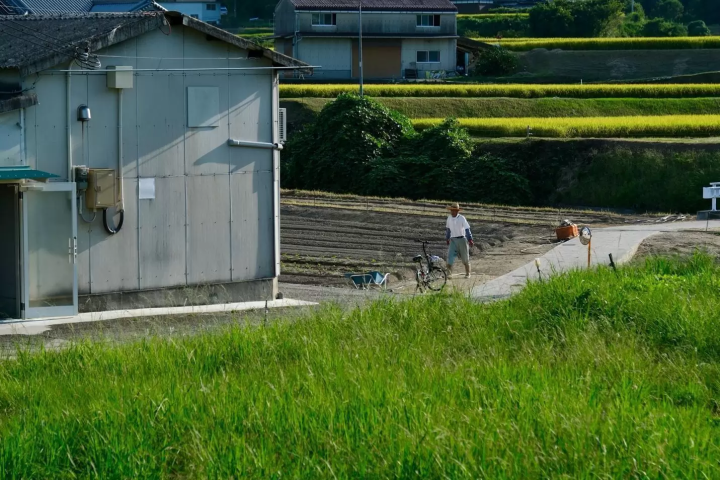
View from Awabiware laboratory – a worker tending rice fields at sunset in Omachi, Awaji Island
How to Explore Awaji and Its Crafts
Awaji Island is easy to reach from both Osaka and Kobe. Express buses from Shin-Kobe or Sannomiya Stations take about 1.5 hours to reach Sumoto, the island’s main town. If you’re driving, the route across the Akashi Kaikyo Bridge offers breathtaking views of the Seto Inland Sea — a scenic start to your Awaji journey.
Once on the island, Sumoto Bus Center connects visitors to local destinations. However, for best flexibility, especially to reach rural areas, pottery workshops, and craft studios, renting a car is highly recommended.
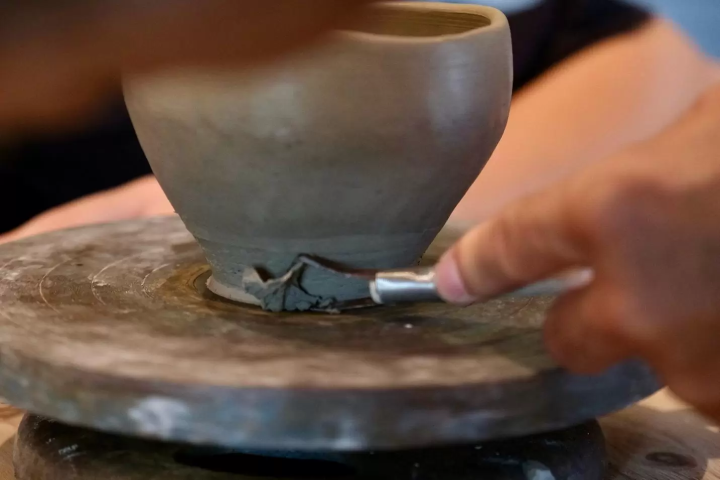
Creating a coffee cup at the Awaji pottery workshop at Kakuraigama – hands-on Japanese ceramics experience
Pottery and Craft Workshops:
Kakuraigama
Located in Minami-Awaji, about 30–40 minutes by car from Sumoto. Public transport is limited, so a car or taxi is recommended.
Awabiware
Located in Omachi, roughly 20 minutes by car from Sumoto. Access by public transport is limited, so a car or taxi is recommended.
Awabiware website The official website is available in Japanese only, but you can use Google Translate to navigate it.
KAIRI
Located on the west coast of the island, it's a 30-40 minute drive from Sumoto. Reservations via TableCheck are required.
KAIRI Website
Sharing the allure of Awaji with the world, the Tourism Association highlights everything from breathtaking seasonal blooms to a culinary heritage so exquisite it was once known as 'Miketsu-kuni,' or the Land of Imperial Provisions.
The contents on this page may partially contain automatic translation.






Special Features
More










![[Introducing our English Program] Experience English-language activities at KidZania Tokyo!](https://resources.matcha-jp.com/resize/720x2000/2026/05/19-264204.webp)


![Enjoy popular spots in Okayama Prefecture with the great value digital travel ticket [Okayama Hare Tabi Passport]!](https://resources.matcha-jp.com/resize/720x2000/2025/04/28-232194.webp)