
One Day in Sumoto: Awaji Island Travel Guide to a Nostalgic Port Town
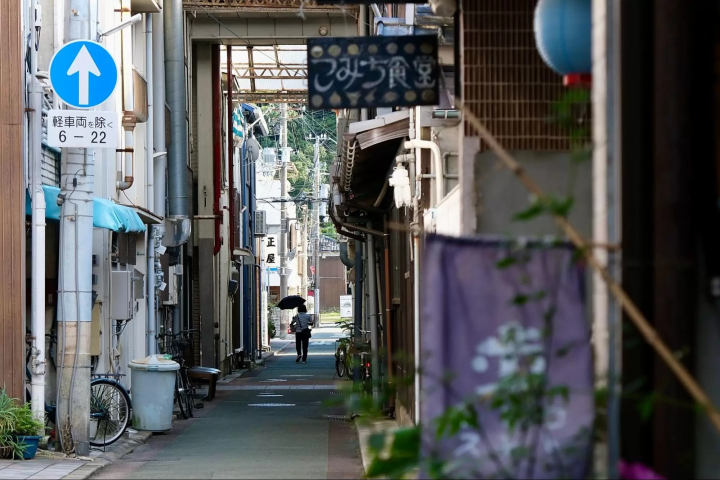
Located just a short trip from Osaka and Kobe, Sumoto in Awaji Island preserves the nostalgic charm of the Showa era. From retro cafes and local bathhouses to backstreet tours with a local guide, discover the warmth of authentic Japanese life in this complete one-day guide.

Written by
Sharing the allure of Awaji with the world, the Tourism Association highlights everything from breathtaking seasonal blooms to a culinary heritage so exquisite it was once known as 'Miketsu-kuni,' or the Land of Imperial Provisions.
This service includes sponsored advertisements.
Awaji Island has a lot to offer! Check out this article too.

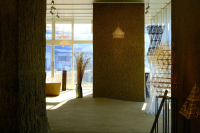
Located in the heart of Awaji Island and just a short ride from Osaka and Kobe, Sumoto City is a small port town with a timeless charm that transports you back in time. Once a bustling harbour for traders and fishermen, today its quiet streets, retro cafes, and welcoming izakaya preserve a nostalgic warmth. From seaside strolls to local dining, Sumoto invites you to slow down and discover the understated beauty of everyday life on Awaji Island.
A rare window into authentic local life, this destination is a perfect stop on an Awaji Island trip for those who value history, culture, and character off the beaten path.
-
Table of Contents
- Sumoto Access, Best Seasons, and Tips for First-Time Visitors
- A Walk Through Sumoto: History, Charm, and Local Life
- Retro Awaji Cafe: Begin Your Morning at Maruume
- Sumoto Retro Alleys: Local Food, Craft Shops, and Charming Stories
- Unwind Like a Local: Sumoto’s Local Sento on Awaji Island
- Evening Encounters: Izakaya Hopping with a Local Guide
- Why Sumoto Deserves a Spot on Your Japan Itinerary
Sumoto Access, Best Seasons, and Tips for First-Time Visitors
Sumoto is easy to reach, yet feels removed from the rush of major cities. Getting there is straightforward: express Awaji Island bus services from Osaka, and Kobe bring you to the Sumoto Bus Center, the main getaway.
From Osaka Station, the Japan Expressway Bus Net runs directly to Sumoto in about two and a half hours, though departures are limited to a few times a day. Travellers looking for more flexibility can first take a train to Kobe and then board a highway bus from there. From Kobe’s Sannomiya station, the highway buses, including Shinki Highway Bus, reaches Sumoto Bus Center in roughly an hour and a half, with frequent departures that make both day trips and overnight stays easy to plan.
Once at the Sumoto Bus Center, it’s easy to walk or rent a bicycle to wander the waterfront and quiet alleys. Most attractions, from the seaside promenade to the castle ruins, are within walking distance and bicycles are available for rent for scenic exploration.
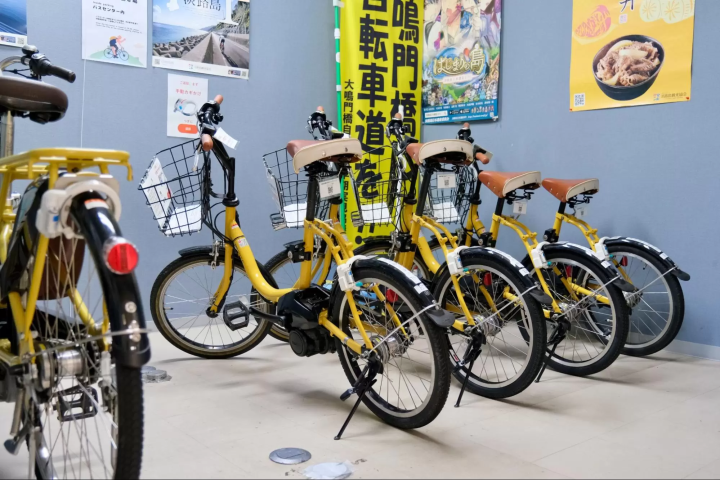
Explore Sumoto by bike – perfect for discovering the scenic coast and charming backstreets
Sumoto has a mild climate that makes it enjoyable year-round: spring and autumn are pleasant for exploring on foot, summer brings a lively coastal atmosphere, and winter highlights the town’s relaxing side with comforting hot pots and seasonal pufferfish.
A day trip is easy thanks to frequent bus connections, but staying overnight lets you experience Sumoto’s sento culture, cafés, and izakaya and truly sink into the town’s slower rhythm.
A Walk Through Sumoto: History, Charm, and Local Life
Sumoto City is a compact town port facing Osaka Bay, where everything is within easy walking distance. Once a bustling castle town, Sumoto thrived during the Showa Era (1926-1989) with factories, traders, and ferries. In its heyday, ferries carried crowds back and forth from Osaka, so packed that locals still joke that the boats looked ready to sink!
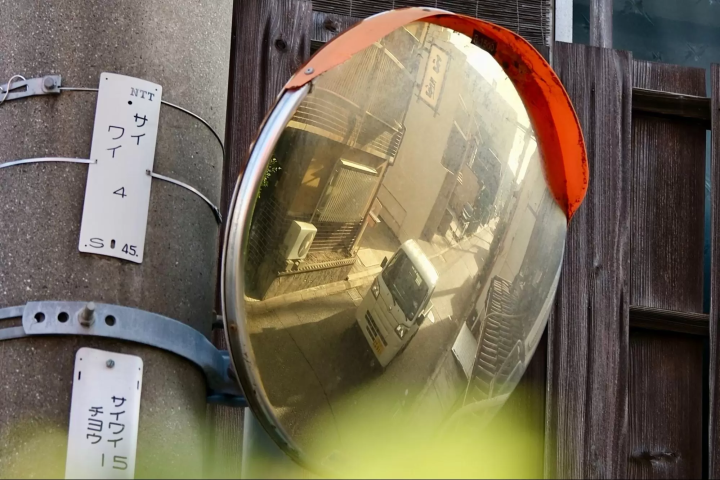
Reflection of a Japanese car in a street mirror in Sumoto, Awaji Island – a town full of retro charm
Sumoto was more than just a port, it was a lifeline, one of the Awaji Island’s most important hubs of commerce and culture. That history still echoes in its streets, lending the town a timeless charm. Today, Sumoto blends its past with fresh energy. Young entrepreneurs are opening cafés, boutiques, and creative shops, giving contemporary flair to the town’s nostalgic streets.
Retro Awaji Cafe: Begin Your Morning at Maruume
If you want a genuine taste of Sumoto Japan’s retro charm, the place for you is Kissaten Maruume. Just a short stroll from Sumoto Bus Center, this cozy kissaten, where history, aroma and nostalgia blend seamlessly, is the perfect spot for a relaxing break, especially after a bus ride. For those unfamiliar, a kissaten is a traditional Japanese cafe, and they have been social hubs since the 1950s, where locals once gathered for everything: from casual chats, business meetings, or even omiai, arranged marriage meetings.
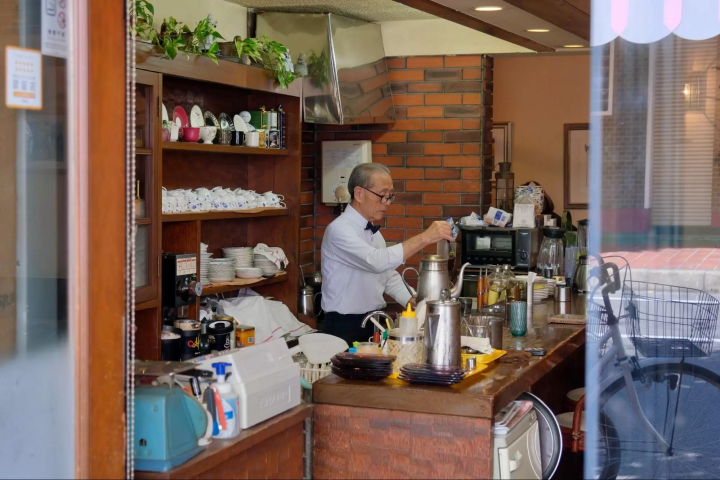
Inside Maruume Kissaten and the friendly owner focused on preparing coffee
Maruume has been family-run for generations. Today, the 81-year-old second-generation master still greets guests warmly, while his daughter plans to continue the legacy. Over the decades, the cafe has grown into more than just a coffee place — aspiring cafe owners come here for shugyo, a traditional apprenticeship to learn the true art of running a classic kissaten.
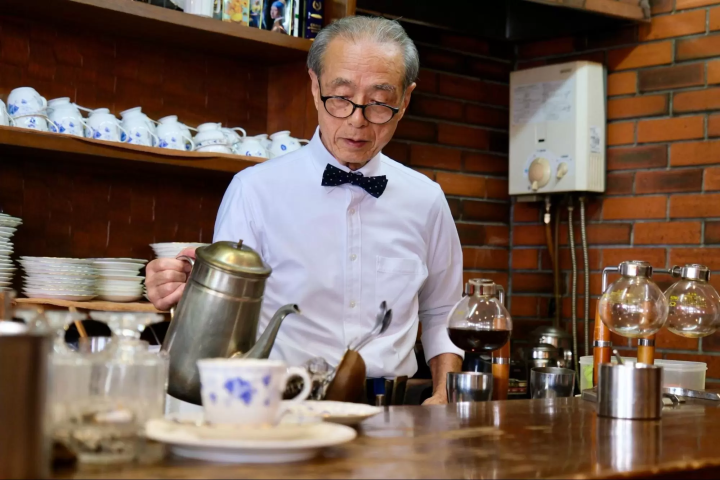
The 81-year-old second-generation master of Maruume Kissaten in Sumoto
The menu is simple but unforgettable. Maruume serves siphon coffee, brewed with beans from Kobe Coffee Company, a place in Sumoto to enjoy this delicate method. This pays homage to Kobe’s history as one of Japan’s first coffee ports. Pair it with the egg sandwich — soft, fluffy, and melt-in-your-mouth good, the perfect start to the day.
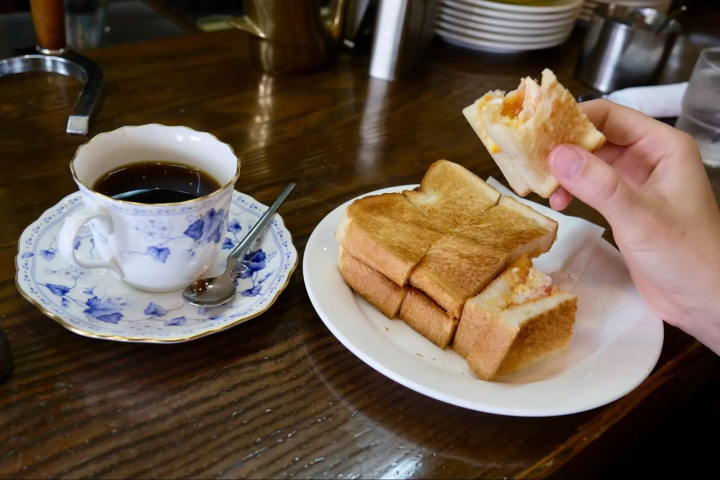
Siphon-brewed coffee and a fluffy, melt-in-your-mouth egg sandwich at Maruume Kissaten
Inside, the retro interior feels warm and welcoming, and even if you don’t speak Japanese, the master’s friendly presence makes you feel at home.
Sumoto Retro Alleys: Local Food, Craft Shops, and Charming Stories
After a cozy morning at Kissaten Maruume, continue by wandering Sumoto’s backstreets and discovering Retro Komichi. The main street and surrounding lanes form a retro shopping arcade, where city initiatives support new businesses while preserving the town’s nostalgic character.
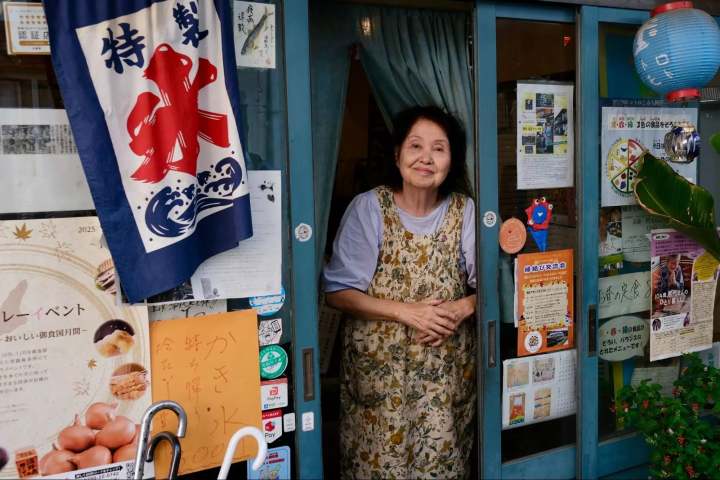
A friendly local greets visitors from her entrance in Retro Komichi, reflecting the warm hospitality of Awaji Island
Retro Komichi is a narrow alley lined with vintage shops, local eateries and artisan crafts, a hidden gem that feels like stepping back in time. Our guide, Masae Tokushige (Shige-san), knows Sumoto inside out. Having studied in New York and being fluent in English, she tailors the itinerary on the spot, to your mood, interests, or even the weather.
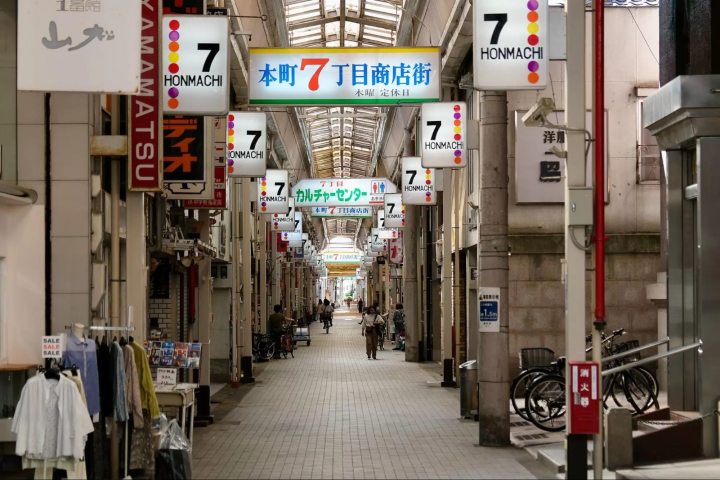
A charming side street in Sumoto, Awaji Island, lined with vintage shops and local eateries
When we mentioned a love for local food, she led us straight into a tiny local fish shop, requested fresh squid, and soon we were enjoying sashimi with soy sauce she had prepared. It was the kind of place you might hesitate to enter alone, no English menu, barely any room to move, but Shige-san’s introduction made it instantly approachable.
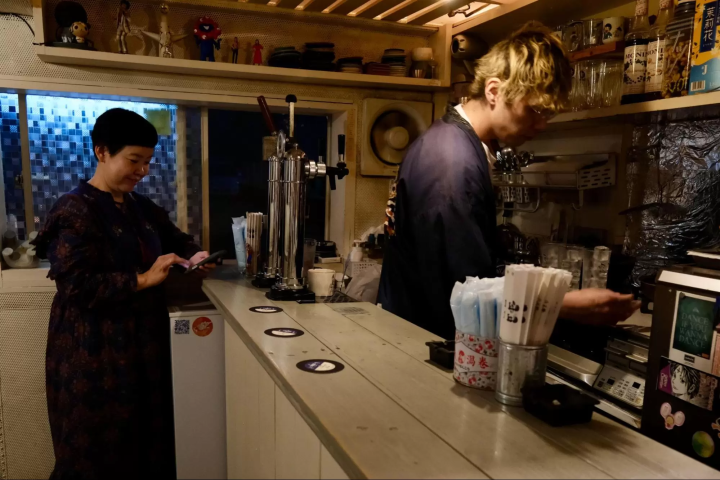
Shige-san, our guide, introduced us to charming local eateries in Sumoto
With her guidance, bars and shops that might seem intimidating at first instantly felt welcoming.
Following Shige-san through the backstreets was like exploring local Japan with a lifelong friend, uncovering charm and stories at every turn.
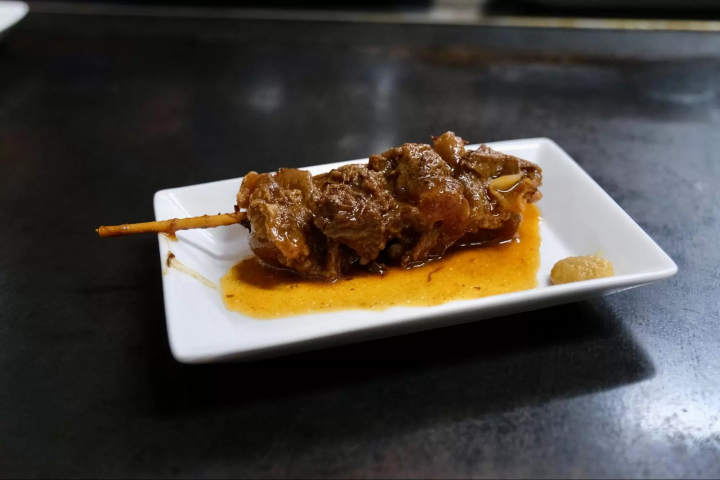
Enjoying a savory beef tendon skewer at Café and Okonomiyaki Tanigawa
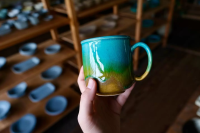
Next, we stopped at Nabehide Pottery Shop, which felt like stepping into a miniature museum, with shelves filled with Japanese and international tableware. The attached GARŌ gallery hosts exhibitions, from France-themed shows to local displays. The shop also stocks incense, reflecting Awahjisima’s centuries-old reputation as Japan’s fragrance island.
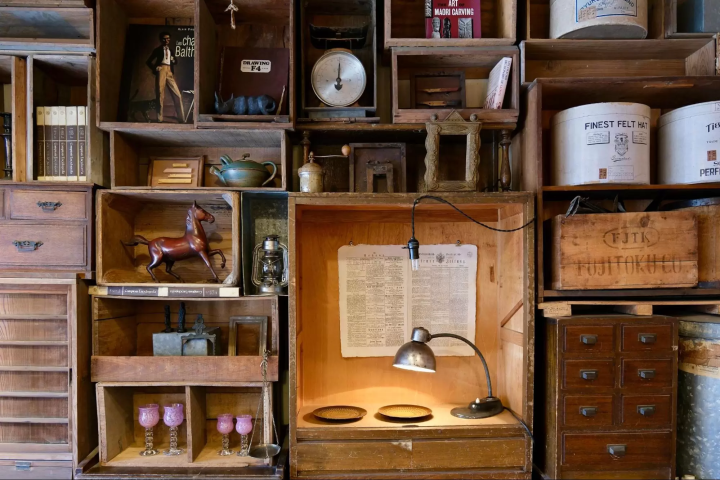
The charming shelves at GARŌ gallery, showcasing Japanese and international tableware
Even if shops feel intimidating at first, locals are friendly and welcoming. With Shige-san as a guide, exploring Sumoto felt relaxing, engaging, and unforgettable.
Unwind Like a Local: Sumoto’s Local Sento on Awaji Island
After a full morning exploring cafés and alleys, slow down at Toko-yu, a local sento (public bath). Unlike an onsen (hot spring), a sento is a community bathhouse, where neighbors gather daily. Stepping inside feels almost like entering the town’s living room: simple, warm, and unmistakably local.
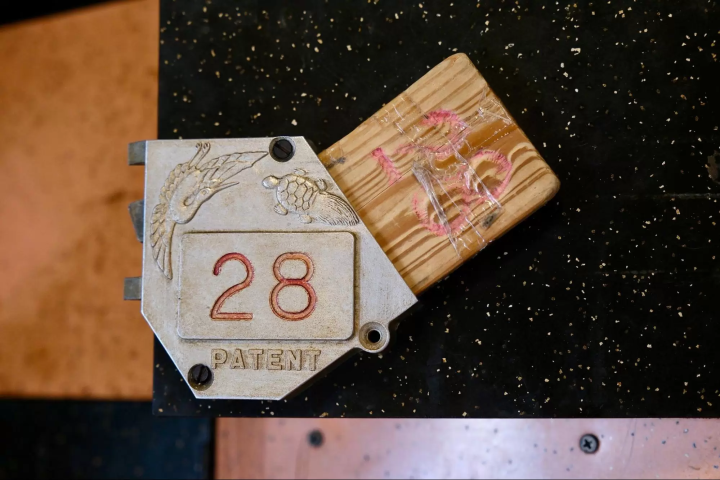
Locker 28 at Toko-yu sento, beautifully adorned with traditional Japanese symbols
Newcomers are welcomed kindly, making Toko-yu the perfect introduction to Japanese sento culture, and with towels and amenities available for purchase on-site, it’s easy to step in and relax without worrying about what to bring.
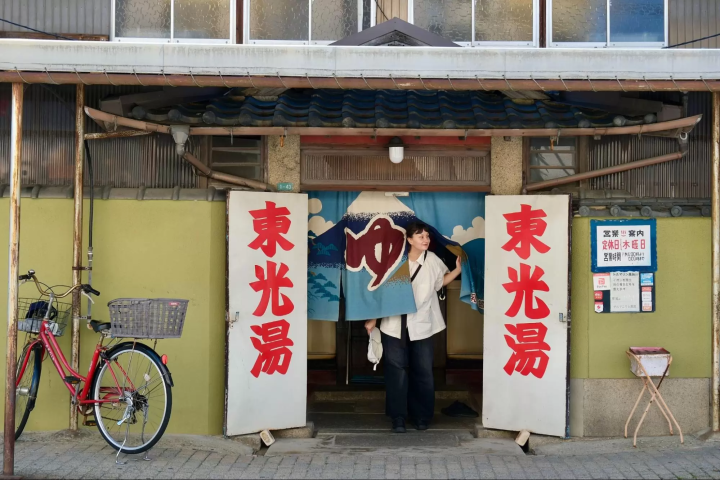
The facade of Toko-yu sento, a beloved local bathhouse
If it’s your first time, just remember a few basics:
- Wash thoroughly before entering the bath.
- Keep towels and other items outside the tub.
- Don’t swim or splash.
Inside, time slows. Steam drifts as locals soak and chat. The bathhouse isn’t fancy, but that’s its charm: a genuine, local experience, where relaxation comes naturally and the atmosphere feels timeless.
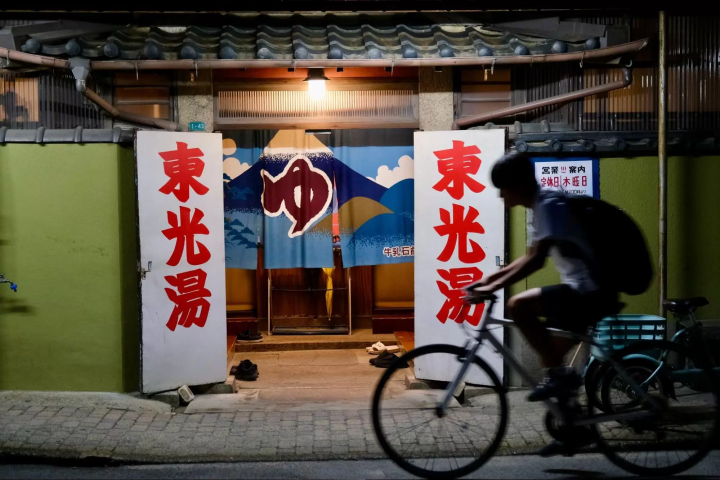
The entrance of Toko-yu sento at evening
Evening Encounters: Izakaya Hopping with a Local Guide
As the sun sets, Sumoto reveals a new rhythm. Lanterns glow, laughter spills into narrow alleys, and the scent of grilled seafood drifts through the air.
Hashigo-zake, or bar hopping, captures the spirit of an evening in Sumoto. For a town of its size, it boasts a high concentration of bars and snack pubs, a legacy of its days as a bustling castle and port town. Sailors, traders, and factory workers once crowded these streets after work, today, the lively nightlife remains.
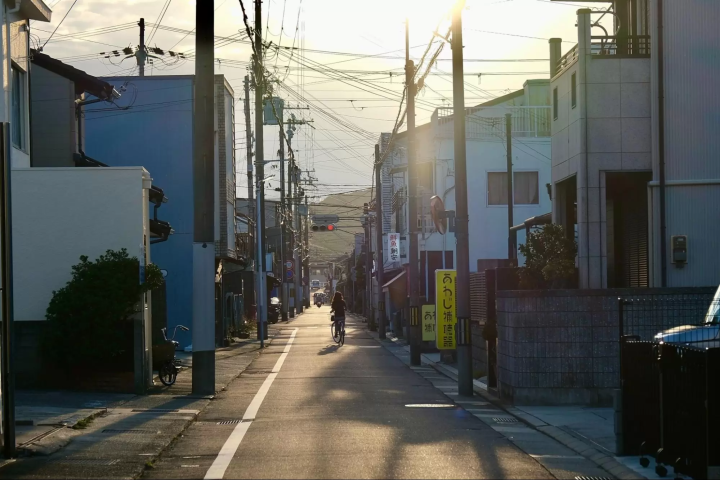
Sunset casts a golden glow over back street in Sumoto
Walking through backstreets, you’ll pass dozens of glowing lanterns, each marking a tiny izakaya or a karaoke bar. With a guide like Shige-san, menus and customs become instantly accessible. You don’t need to worry about what to order, just enjoy and follow her lead.
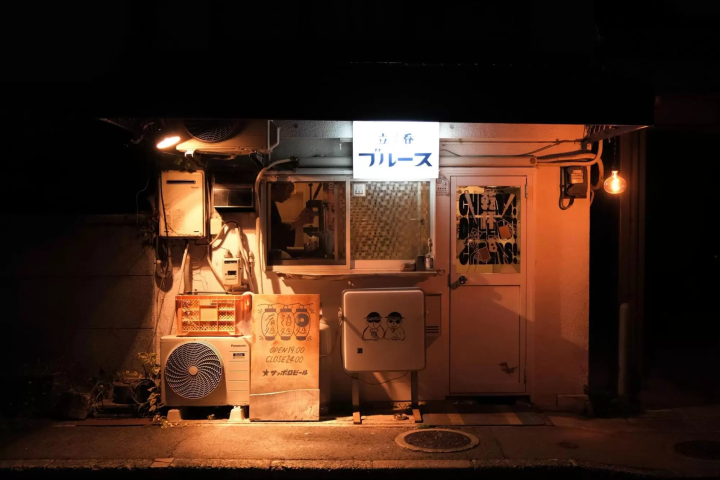
Night view of Awajishima Blues entrance, glowing warmly
The first stop was Awajishima Blues, a tiny standing bar that's become something of a local landmark. Bills rarely exceed ¥2,000, and the atmosphere is priceless: vinyl records spin behind the counter and the warm hum of conversation fills the air.
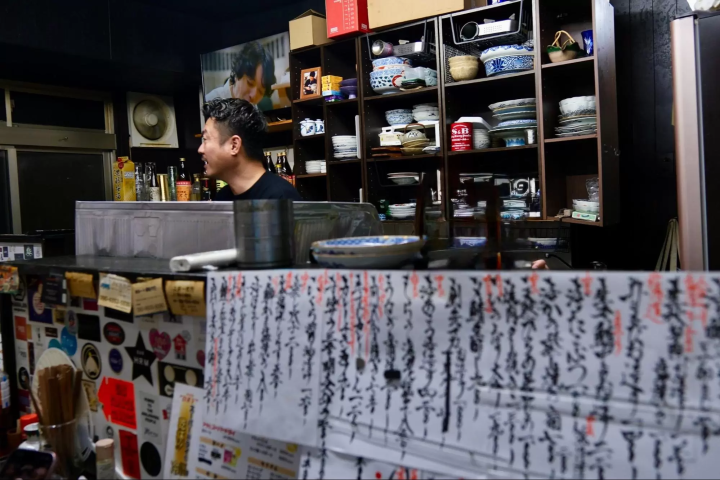
Looking across the counter at Izakaya Daizuke, with its owner behind it, welcoming guests
A few steps away, Izakaya Daizuke serves fresh seafood sourced daily from Yura and across Awaji Island. Slightly tucked away from the main streets, it’s a favorite among locals, offering an authentic taste of Japan.
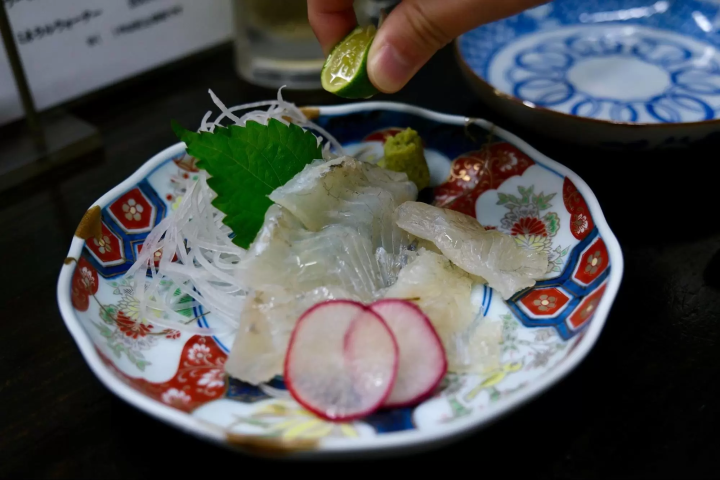
Enjoying fresh seafood sashimi from Awaji Island at Izakaya Daizuke in Sumoto
Sumoto also has a handful of modern bars and cozy eateries, some serving international food. Karaoke snack bars complete the evening: small, friendly places where locals gather to sing, celebrate, and share stories late into the night.
By night’s end, Sumoto’s nightlife isn’t about bars alone, it’s about community and connection, making you feel less like a visitor and more like part of the town.
Why Sumoto Deserves a Spot on Your Japan Itinerary
Sumoto feels like a quiet corner of Japan, far from the usual tourist routes. Each street feels special, and every interaction comes with a genuine smile that needs no translation. It made us want to explore the streets, sit down for coffee and a fluffy egg sandwich, take a long soak, and just watch the town at its own pace.
Sumoto isn’t about checking sights off a list, it’s about slipping into everyday Japan. It is fascinating to imagine Sumoto in its vibrant past, bustling with energy and people, yet today, Sumoto’s calm makes it feel alive in a different, more intimate way. It’s the kind of place that reminds us why it is worth exploring Japan beyond the usual spots: for the small details, the stories, and the unexpected warmth that stays with you long after you leave.
There are many other ways to enjoy Awaji Island. Check out this article for more details.
Sharing the allure of Awaji with the world, the Tourism Association highlights everything from breathtaking seasonal blooms to a culinary heritage so exquisite it was once known as 'Miketsu-kuni,' or the Land of Imperial Provisions.
The contents on this page may partially contain automatic translation.




Special Features
More









![[Osaka Sightseeing Bus Tour] Enjoy 360° views of Osaka from an open-top bus!](https://resources.matcha-jp.com/resize/720x2000/2026/05/25-264541.webp)
![[Autumn 2026] Private Night Tour to See the World Heritage Site Toji Temple Illuminated in a Fantastical Light-Up Effect](https://resources.matcha-jp.com/resize/720x2000/2026/04/28-263309.webp)