Taste Tokyo's Best Sushi in Akasaka: Top 10 Restaurants
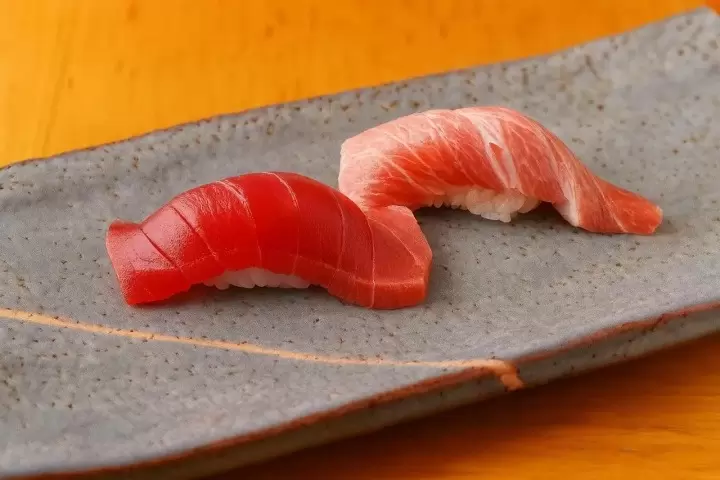
Experience the best sushi in Akasaka, Tokyo. From premium omakase at Sushi Shino to the lively Itamae Sushi, discover the area's top-rated dining spots.

Written by
Tokyo,Japan
Assistant editor at MATCHA since 2023, Kate is a photographer who enjoys traveling Japan's hidden gems and adventuring off the beaten path. Living in Japan since 2018, she has traveled across different areas of Japan. From indulging in Aomori’s apple pies and fiery festivals to exploring the quaint charm of Nagasaki’s cat-filled streets she is always searching for new areas full of atmospheric beauty, festivals, and seasonal events to capture on camera.
This service includes sponsored advertisements.
Sushi Restaurants in Akasaka
Home to many hotels and cultural facilities, Tokyo's Akasaka district boasts a multitude of exceptional sushi restaurants.
Its compact streets hide an unusually rich sushi scene: from tiny, single‑chef counters where ritual and seasoning are everything to polished hotel restaurants that pair flawless technique with skyline views.
Read on to discover 10 of the best sushi restaurants in Akasaka.
-
Table of Contents
- 1. Sushi Miura: Omakase Courses with Sake Pairings
- 2. Edomae Sushi Hanabusa: With Seafood from Tokyo Bay
- 3. Sushi Haru: Subtle Flavors for Sushi Connoisseurs
- 4. Itamae Sushi Hanare Akasaka: Multi-Course Sushi Menu
- 5. Akasaka Sushi Shino: With Seafood from Toyosu Market
- 6. Sushidokoro Suzu: Dining in a Traditional Japanese Interior
- 7. The Okura Tokyo Yamazato Sushi Kanesaka: Top-Tier Sushi at a Luxury Hotel
- 8. the SUSHI: Ideal for Celebrations
- 9. Nagatacho Sushi Kanesaka: A Sophisticated Dining Experience
- 10. Ichibancho Teruya: Hospitality-First Sushi Dining
1. Sushi Miura: Omakase Courses with Sake Pairings
Picture courtesy of OMAKASE JapanEatinerary
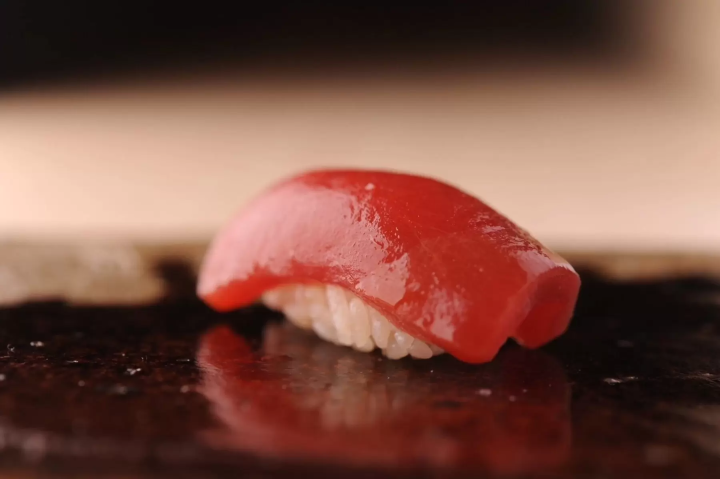
Sushi Miura (Akasaka) — a Michelin One Star recipient in 2026 and a Selected Restaurant in 2024–2025, presents a restrained, masterful omakase course under Chef Miura, who trained at Kikunoi and Sushi Namba in Osaka.
The service unfolds at a natural-wood counter where each nigiri is built to showcase ingredient integrity: rice warmed and seasoned precisely, fish sliced to reveal texture and nuance, with occasional broths and grilled vegetable plates to add depth between pieces.
Picture courtesy of OMAKASE JapanEatinerary
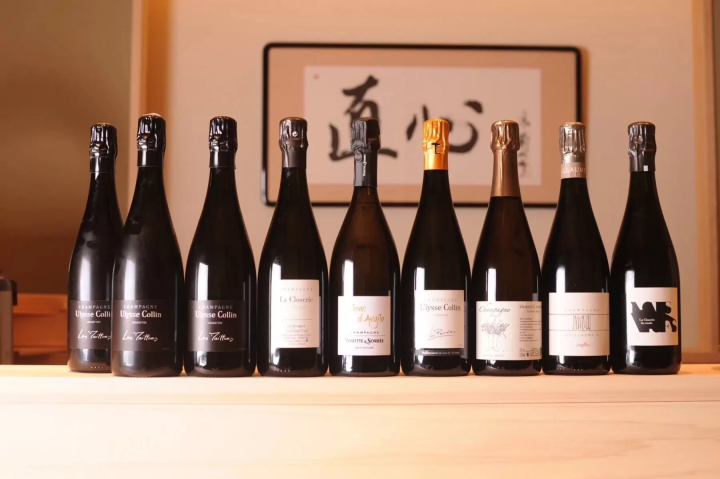
The sake and shochu (distilled liquor) offerings are carefully curated to follow the meal’s arc, with staff suggesting pairings to balance aroma, acidity, and umami.
2. Edomae Sushi Hanabusa: Using Seafood from Tokyo Bay
Picture courtesy of OMAKASE JapanEatinerary
Edomae Sushi Hanabusa, a Michelin One Star recipient from 2024–2026, is the fruit of Chef Hideki Nakajima’s long apprenticeship and his decision to open his own counter.
After more than two decades refining the Edomae sushi technique in an established kitchen with a history exceeding 200 years, Nakajima launched Hanabusa to distill those traditions into a personal expression.
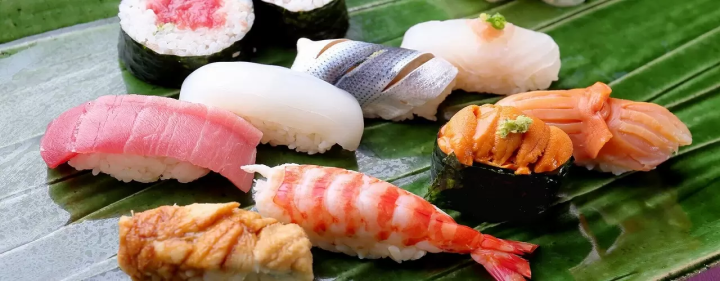
Hanabusa privileges seafood from Tokyo Bay and the Boso coast (Chiba), and the rice is seasoned with red vinegar and salt to bring out a subtle, refined sweetness; each piece is finished with the chef’s own soy sauce mix, obviating the need to dip.
A signature dish is the tekka-maki served at the close of service, rolled without a mat to preserve an airy, generous shari that enfolds marinated tuna belly and dissolves on the palate.
The omakase course is carefully paced, commonly offered as roughly ten nigiri with seasonal interludes (the exact sequence varies with market supply), and advances through texture, aroma, and measured umami.
For those who esteem historical technique and meticulous sourcing, Hanabusa delivers a composed and exacting Edomae experience.
3. Sushi Haru: Subtle Flavors for Sushi Connoisseurs
Picture courtesy of OMAKASE JapanEatinerary
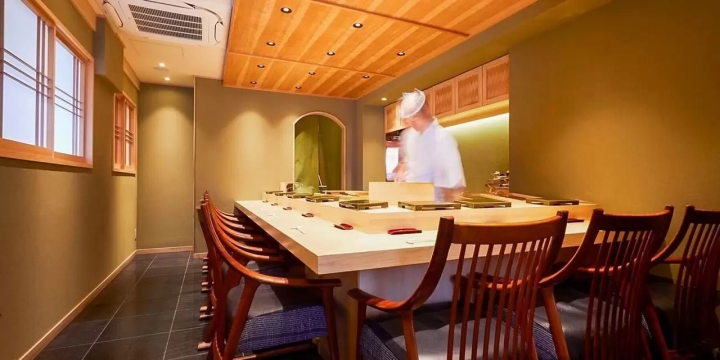
Sushi Haru delivers a calm, texture-forward Edomae sushi course in a modest, softly lit setting.
The small U-shaped counter of pale timber sits beneath a slatted ceiling; with the chef working within arm’s reach, the service becomes a quiet performance of technique and rhythm.
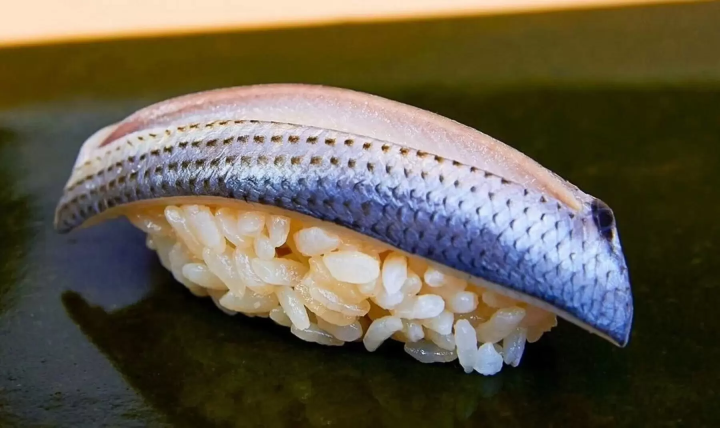
Rice is cooked in a hagama (broad-brimmed pot) to yield a weight and bite that pairs particularly well with texture-forward toppings.
Picture courtesy of OMAKASE JapanEatinerary
The menu is deliberately focused rather than sprawling, inviting diners to notice the interplay of mouthfeel, temperature, and seasoning rather than flashy garnishes.
A concise sake list is curated to follow the progression, offering modest, thoughtful pairings rather than theatrical pairings.
Sushi Haru’s unpretentious atmosphere and disciplined technique make it well-suited to diners who prefer an intimate counter where subtle distinctions in texture and precision are the primary pleasures.
4. Itamae Sushi Hanare Akasaka: Multi-Course Sushi Menu
Picture courtesy of OMAKASE JapanEatinerary
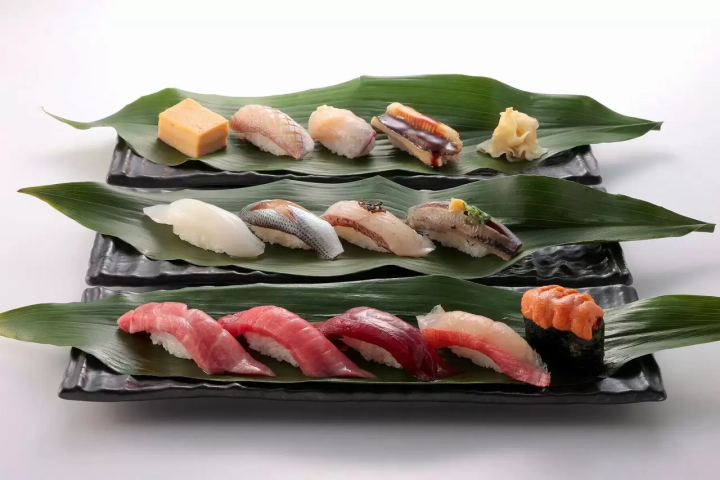
Itamae Sushi Hanare Akasaka, conveniently situated between Akasaka Mitsuke and Akasaka stations, offers a polished, accessible sushi course in a softly modern setting.
The kitchen highlights seasonal catches from Tokyo Bay, presenting a structured multi-course menu that typically moves from several composed appetizers and chawanmushi (savory steamed egg pudding) through a focused sequence of nigiri (commonly 11–13 pieces in the standard and premium courses).
Premium packages add items and an optional all‑you‑can‑drink beverage plan. Prices and course length vary across offerings such as the IKI and KIWAMI menus, which pair the sushi progression with small seasonal interludes and a comforting soup.
Picture courtesy of OMAKASE JapanEatinerary
The exterior is softened by a white noren and a display case, while the interior favors pale woods and clean lines that direct attention to the counter; for larger or more private gatherings, the restaurant also provides private rooms that can accommodate up to sixteen guests.
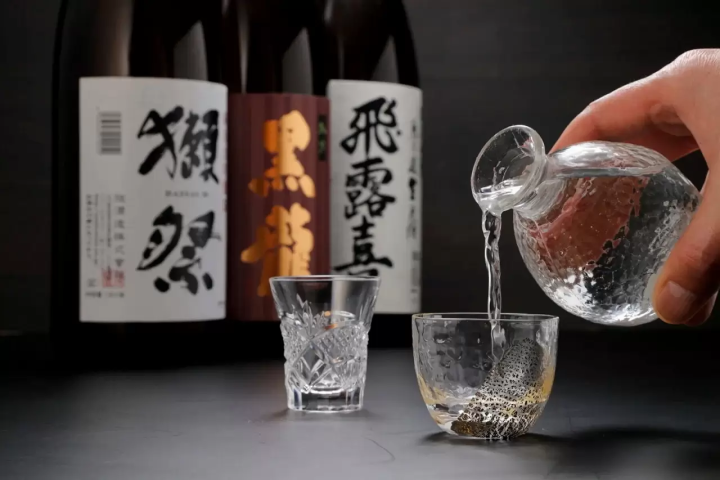
A compact sake selection and a range of wines and spirits are available à la carte or as part of the beverage packages.
Itamae Sushi balances tradition and approachability, suitable for both relaxed diners and groups seeking a tidy, reliable Edomae experience.
5. Akasaka Sushi Shino: With Seafood from Toyosu Market
Picture courtesy of OMAKASE JapanEatinerary
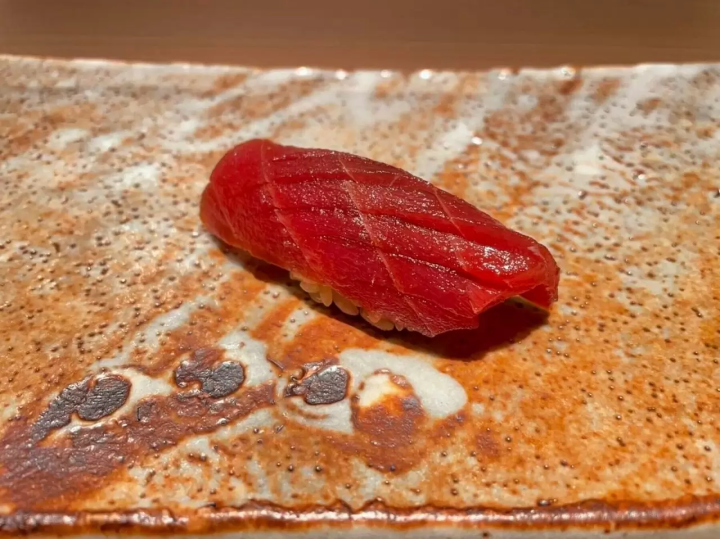
Akasaka Sushi Shino, opened by Koichi Shinohara in 2022, is an intimate counter that highlights seasonal Toyosu Market finds through concise, carefully paced omakase.
The chef’s approach is quietly exacting: rice is made from large-grain aged rice and seasoned with long-aged red vinegar for a profile that is sharp yet rounded, allowing each topping’s character to emerge cleanly.
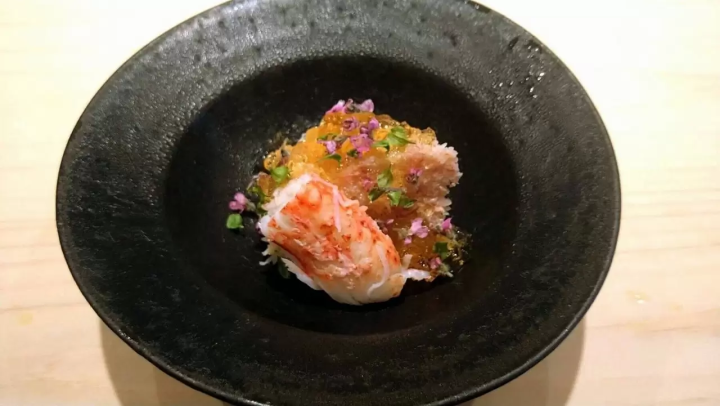
The meal moves deliberately from composed starters to a series of nigiri sushi; premium options add extra pieces and drink-inclusive pairings.
Picture courtesy of OMAKASE JapanEatinerary
The room’s honeyed lighting and simple ceramicware frame the pale wooden counter so the chef’s hands and the color of the seafood stand out, creating a focused theatricality.
Shino is best for diners seeking a compact, quietly formal setting where seasonal nuance and precise technique are the main attractions.
6. Sushidokoro Suzu: Dining in a Traditional Japanese Interior
Picture courtesy of OMAKASE JapanEatinerary
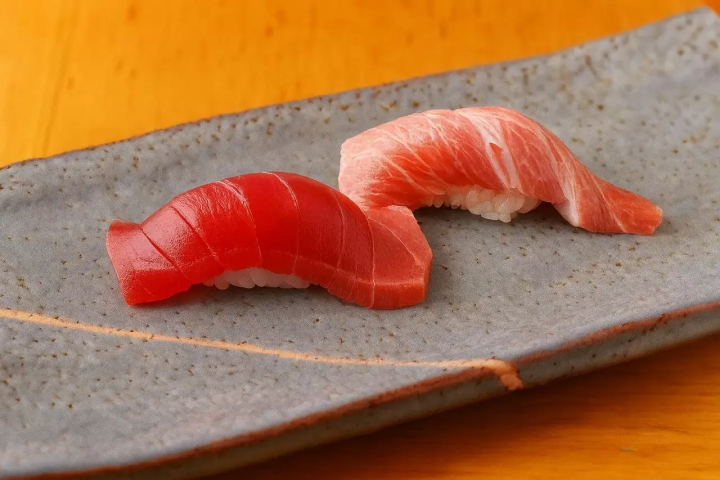
Sushidokoro Suzu, led by Yoichiro Fujii, offers a ceremonial take on sushi technique where seasoning decisions are as important as the catch itself.
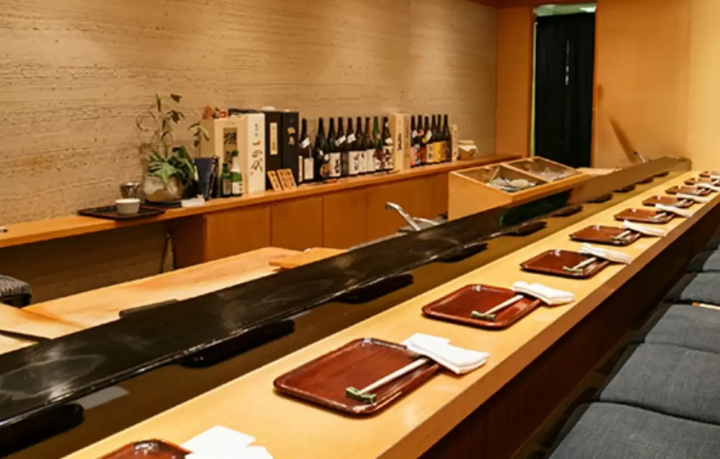
Guests remove their shoes and settle at a counter with a sunken heater (horigotatsu), a ritual that sets the tone for the measured service.
Chef Fujii sources market-fresh seafood each morning and chooses finishing treatments to coax out subtle savoriness and texture. The menu ranges from concise lunches to fuller evening services that showcase delicate white-fleshed fish, pristine shrimps, and generous tuna cuts.
Picture courtesy of OMAKASE JapanEatinerary
Ceramic plates and lacquered trays are deliberately simple, so color and texture command attention. Suzu’s work has been acknowledged in the Japan Restaurant Awards (Bronze, 2020; Best 100, 2021, and 2022).
7. The Okura Tokyo Yamazato Sushi Kanesaka: Top-Tier Sushi at a Luxury Hotel
Picture courtesy of OMAKASE JapanEatinerary
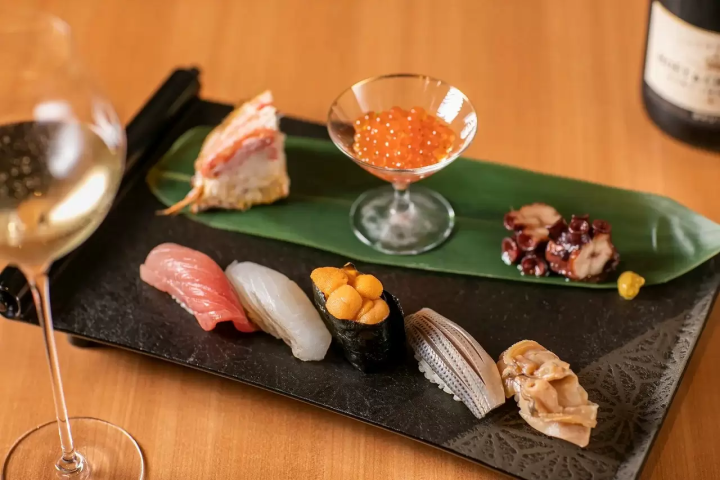
Yamazato Sushi Kanesaka inside The Okura Tokyo blends the hotel’s gracious service standards with the disciplined technique of Edo-style sushi.
Courses showcase carefully timed seasonal catches, from textbook-cut nigiri to more composed starters, often including prized regional specialties such as hairy crab and salmon roe, each prepared to highlight texture and natural sweetness.
Seating choices include the chef’s counter for direct theatre or table seating for a more private meal; the room’s warm, uncluttered décor and soft lighting keep attention on the food.
Kanesaka’s strength lies in delivering a measured, classical omakase with hotel-level consistency: it’s an excellent option for diners who want top-tier sushi without the single-chef intensity of a tiny counter.
8. the SUSHI: Ideal for Celebrations
Picture courtesy of OMAKASE JapanEatinerary
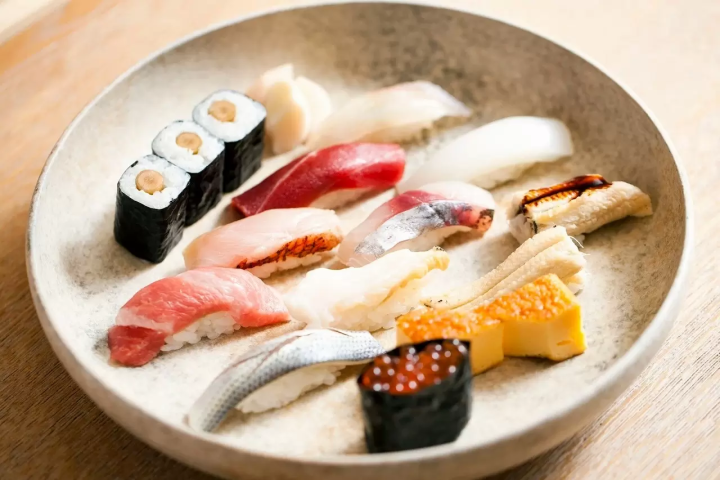
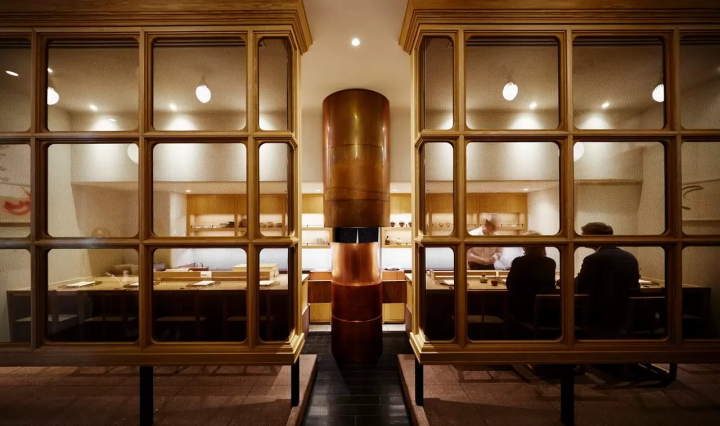
Perched on Andaz Tokyo’s top floor, the SUSHI pairs classical Edomae sushi techniques with a modern, elevated atmosphere and panoramic city views.
The fixed tasting menu generally begins with seasonal appetizers before moving into around ten pieces of nigiri and a rolled sushi; finishing touches include light torching, delicate dressings, and vinegared ikura roe that enhance texture without overwhelming the fish.
Picture courtesy of OMAKASE JapanEatinerary
Counter seating offers unobstructed sightlines to the chef’s work while the beverage program — a thoughtful sake list alongside wine, champagne, and seasonal cocktails — provides versatile pairing options.
The SUSHI is a good choice for celebratory meals where both atmosphere and reliable technique matter.
9. Nagatacho Sushi Kanesaka: A Sophisticated Dining Experience
Picture courtesy of OMAKASE JapanEatinerary
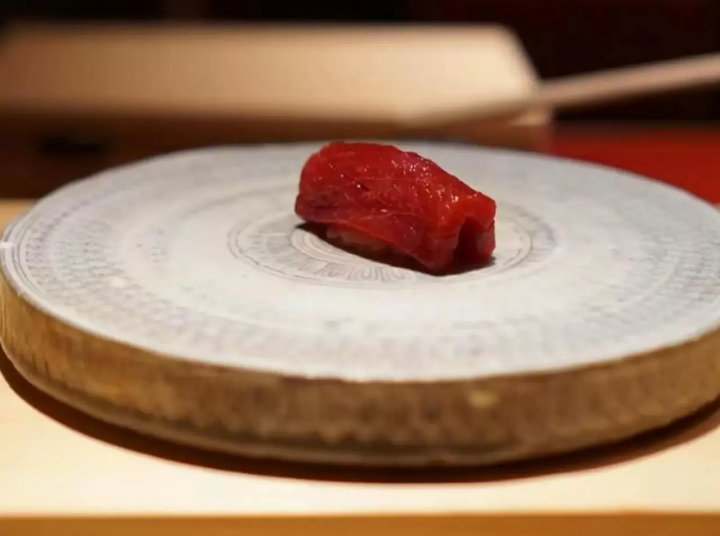
Nagatacho Sushi Kanesaka, the Nagatacho outpost of the two‑Michelin‑starred Ginza Kanesaka lineage, offers a sushi course focused on precision and presentation.
The kitchen treats neta (toppings) and shari (vinegared rice) with a trace of wasabi, as an integrated trio: fish are aged, seasoned, and warmed or chilled as required, so each nigiri arrives at the exact moment of tasting and looks as good as it tastes.
Menus move from seasonal small plates into a carefully ordered sushi sequence (lunch can reach up to 15 pieces; dinner includes interludes and dessert).
Picture courtesy of OMAKASE JapanEatinerary
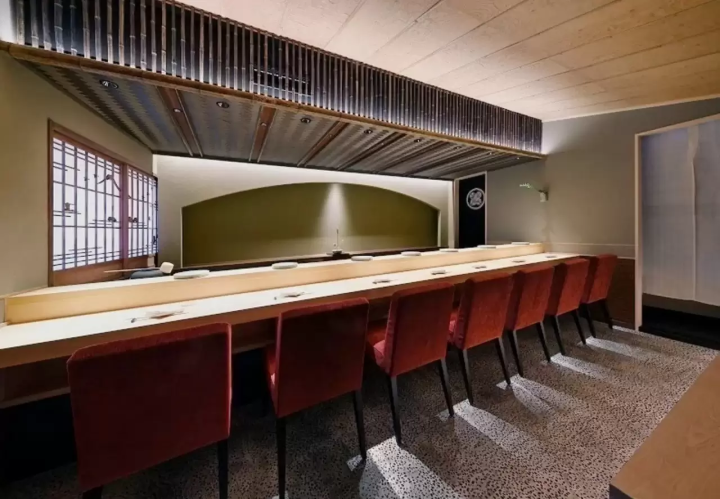
The exterior reads like an old Japanese house, while inside, the counter is sophisticated and contemporary: warm timber, a sleek sushi bar with red chairs, a carved wooden fish as decor, and other Japanese motifs on the shoji.
The chef’s choreography is visible and deliberate. With its two‑star pedigree, fastidious technique, and a quietly ceremonious atmosphere, Kanesaka is a destination for diners seeking a refined, authentic sushi experience.
10. Ichibancho Teruya: Hospitality-First Sushi Dining
Picture courtesy of OMAKASE JapanEatinerary
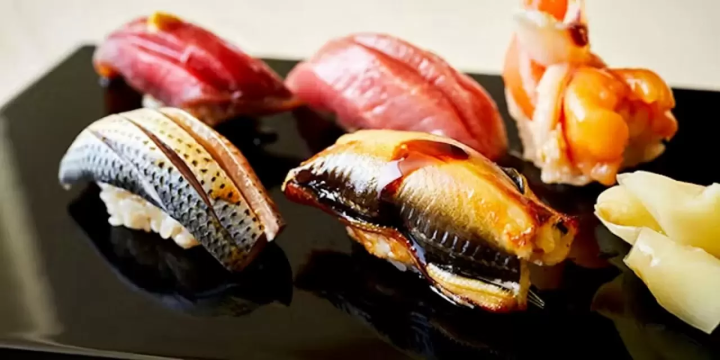
Just a few minutes’ walk from Kojimachi Station, Ichibancho Teruya sits quietly on a residential lane. Guests step down past a noren into a semi-basement room where an L-shaped plain-wood counter seats eight, and a single private room offers added privacy; the space feels domestic and intentionally unpretentious.
Teruya openly embraces the legacy of the esteemed Sushi Sho in Yotsuya; its service follows the same restrained, hospitality-first blueprint, moving from carefully paced tsumami (small seasonal dishes) into a tightly ordered nigiri sushi sequence.
That influence shows in the measured timing, subtle finishing, and the warm, personal rapport the single-chef counter fosters.
The result is an unflashy, attentive experience that highlights texture and the quiet pleasure of slow discovery — ideal for small celebrations, important dinners, or anyone who prefers sincere hospitality over spectacle.
Enjoy Sushi in Akasaka
Akasaka’s sushi scene rewards both first-time visitors and seasoned enthusiasts: whether you prefer the focused ritual of a single-chef counter, the measured precision of Michelin‑level omakase, or a polished hotel setting with skyline views, this neighborhood delivers.
The ten restaurants profiled here each offer a distinct approach to Edomae sushi techniques, carefully seasoned rice, purposeful aging of fish, ceremonial finishing touches, or thoughtful beverage pairings—so you can choose an experience that fits the occasion, mood, and appetite.
Reservations are recommended at most counters (many require prepayment), and English assistance is commonly available, making these spots accessible to international diners.
Check our feature on Top-Rated Restaurants in Japan to discover award-winning establishments in other cities and regions.
Read also



Main image courtesy of OMAKASE JapanEatinerary
Assistant editor at MATCHA since 2023, Kate is a photographer who enjoys traveling Japan's hidden gems and adventuring off the beaten path. Living in Japan since 2018, she has traveled across different areas of Japan. From indulging in Aomori’s apple pies and fiery festivals to exploring the quaint charm of Nagasaki’s cat-filled streets she is always searching for new areas full of atmospheric beauty, festivals, and seasonal events to capture on camera.


Special Features
More