Okinawa's Shuri Castle: History, Features, Access Tips 2026
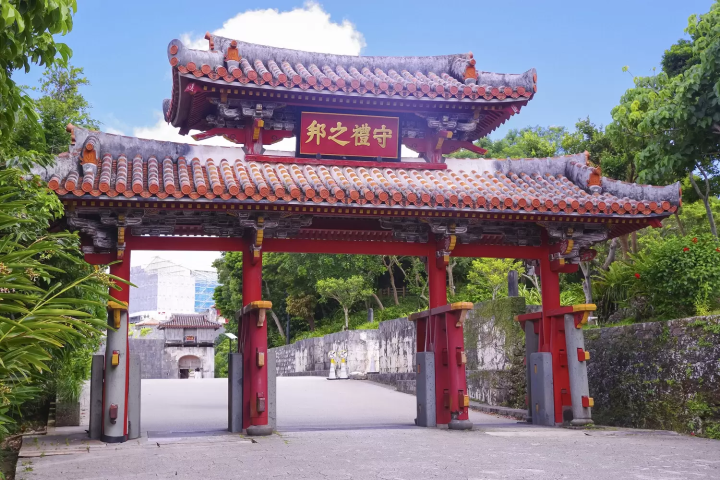
Explore Shuri Castle, Okinawa’s most famous World Heritage Site. Get essential travel access tips, architectural highlights, and 2026 reconstruction updates.

Written by
This is the official account of MATCHA's editorial department. Our articles feature useful travel information for visitors to Japan, from how-to guides to recommended places to visit.
This service includes sponsored advertisements.
Shuri Castle: The Historical Center of Okinawa's Politics and Culture
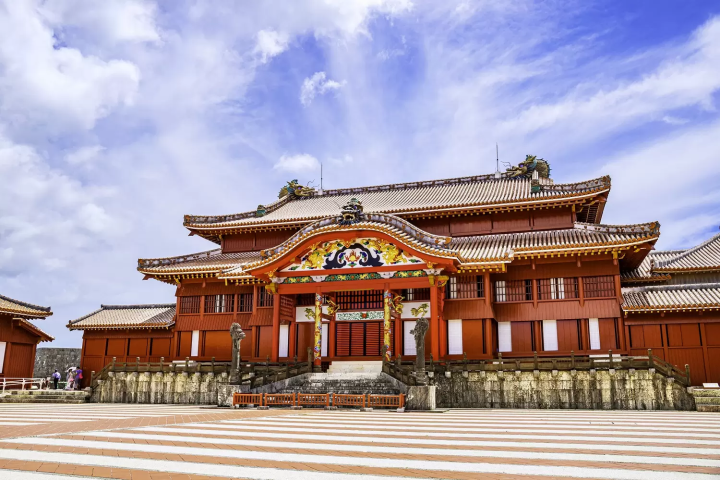
Main Hall of Shuri Castle. Photo by Pixta
Shurijo Castle is the largest castle in Okinawa, located in the Shuri district of Naha. Although most of it was destroyed during World War II and other conflicts, it was restored by 1992.
In 2000, the Shuri Castle Site (excluding the reconstructed parts) was registered as a World Heritage Site as part of the "Gusuku Sites and Related Properties of the Kingdom of Ryukyu," becoming Japan's 11th World Heritage Site.
-
Table of Contents
- Brief History of Shuri Castle
- Architectural Features and Highlights of Shuri Castle
- Basic Information on Shuri Castle
- How to Get to Shuri Castle
- Seasonal Events at Shurijo Castle
- Latest Update on the Reconstruction of Shurijo Castle
Brief History of Shuri Castle
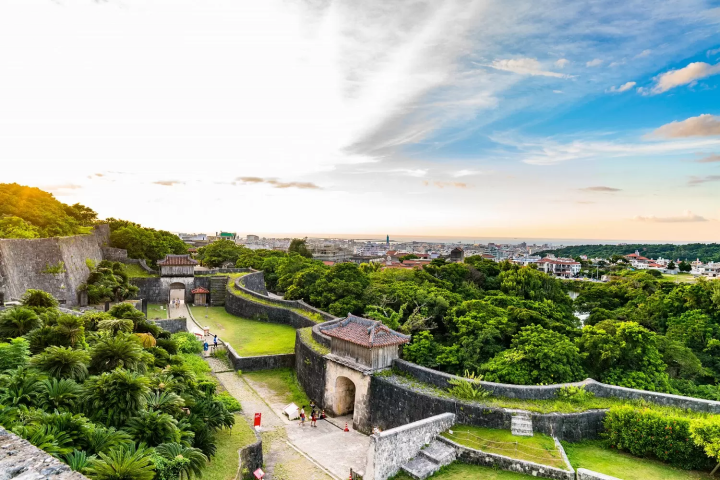
View over Naha from Shuri Castle. Photo by Pixta
Shuri Castle was the palace of the Ryukyu Kingdom, which ruled the Okinawa region for approximately 450 years from 1429 to 1879.
Because the Ryukyu Kingdom operated under a system where politics and religion were integrated, Shuri Castle served not only as the residence for the royal family and the administrative center, but also as an important site for religious rituals.
As the core of Okinawan politics and culture at the time, this castle bore witness to historical development and the preservation of cultural heritage.
However, a fire that broke out on October 31, 2019, destroyed nine major buildings, including the Seiden (Main Hall), Nanden (South Hall), and Hokuden (North Hall).
Reconstruction work is currently underway to complete the restoration of the Main Hall in November 2026; the process is open to the public under the theme of "showcasing recovery."
In this article, we introduce basic information on Shuri Castle, from highlights to admission fees, access tips, areas currently open for touring, event information, and more.
Architectural Features and Highlights of Shuri Castle
The castle's defining feature is its architectural style, which was influenced by Chinese and Japanese castle-building techniques. It is said to have blended Chinese and Japanese architecture to perfectly suit Okinawa's cultural climate.
The structure also features unique materials and decorations not found in other Japanese castles, such as red walls and roof tiles, as well as dragon motifs carved into the pillars.
There is no tenshu (main tower), a feature that sets it apart from Japan's medieval castles, which were mainly built as military fortresses.
With its vivid red contrasting beautifully against Okinawa's blue sky, Shuri Castle offers scenery that you will definitely want to capture in a photograph.
Shureimon Gate: Ryukyu Era Architecture at Its Finest
Shureimon Gate. Photo by Pixta
Reflecting the Ryukyu Kingdom's deep commitment to etiquette and respect, the main gate is named "Shurei," which means to maintain propriety.
This title is drawn from the plaque hanging at its peak, inscribed with the words "Shurei no Kuni"—A Nation that Honors Propriety.
Seiden (Main Hall): The Core of Shuri Castle

The central building of the Shuri Castle is the Seiden (Main Hall). Its defining characteristic is a "two-tier, three-story" structure, which looks like a two-story building from the outside but actually consists of three floors inside.
To prevent the building from deteriorating under Okinawa's strong sunlight, the walls were coated with "tung oil" (kiri-abura) and a red pigment called "bengala," giving the entire structure its distinctive red hue.
Inside the Seiden, the king's throne—known as the Usasuka—and the queen's chamber—known as the Ufugui—have been reconstructed.
The plaza visible in the foreground of the photo is called Una, and various rituals and ceremonies were held here. *The Seiden is currently undergoing restoration work, with completion aimed for November 2026.
Ukejo: The Ceremony of Opening the Gates, Held Every Morning
Every morning from 8:25 AM to 8:45 AM, the Shurijo Castle opening ceremony takes place. A percussion instrument made of bronze or similar materials, called a dora (gong), is struck, and the gates open following the ceremonial call of "Ukejo!".
For about 15 minutes after the gates open, background music featuring classical Ryukyuan music plays, allowing you to immerse yourself in the atmosphere of the Ryukyu era.
There are also staff members dressed in the traditional attire of Ryukyuan officials, so asking them for a photo is a great way to make lasting memories.
Basic Information on Shuri Castle
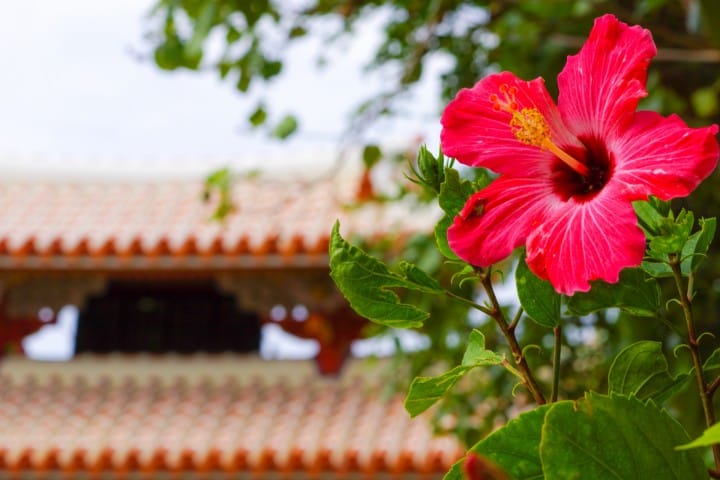
Shuri Castle is built on top of a small hill, and the entire hill has been developed as Shuri Castle Park. The park contains both free-admission and paid-admission areas.
While several gates located at the base of the hill can be viewed for free, an admission fee is required to tour the area containing the castle's most important structures currently open to the public.
Shuri Castle Location: Google Maps
Opening Hours for the Paid Area
The paid area opens at 8:30 AM year-round, but closing times vary by season. Ticket sales close 30 minutes before the park's closing time.
Closing Times
April – June 7:00 PM
July – September 8:00 PM
October – November 7:00 PM
December – March 6:00 PM
Additionally, the free area opens at 8:00 AM year-round and closes 30 minutes after the paid area. Shuri Castle Park is closed on the first Wednesday of July and the following day.
Shuri Castle Admission Fees
Tickets for the paid area are 400 yen for adults, 300 yen for high school students, 160 yen for elementary and junior high school students, and free for children under 6 years old.
If you present a 1-Day or 2-Day Pass for the Okinawa Urban Monorail "Yui Rail," discounted rates will apply (320 yen for adults, 240 yen for high school students, and 120 yen for elementary and junior high school students).
Shuri Castle Official Website: https://oki-park.jp/shurijo/en/
How to Get to Shuri Castle
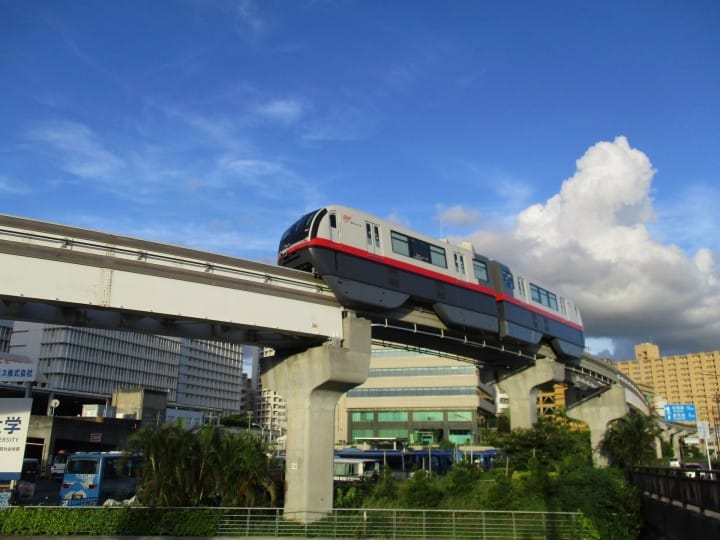
To reach Shuri Castle from Naha Airport, take the Yui Rail bound for Shuri from Naha Airport Station and get off at Shuri Station.
The monorail ride takes about 30 minutes and costs 360 yen. From there, the castle is just a 15-minute walk.
Seasonal Events at Shurijo Castle
Various festivals and events are held at Shurijo Castle throughout the year, allowing you to experience Ryukyuan culture on a deeper level.
January: New Year's Banquet (Shinshun no Utage)
This event reenacts the New Year's rituals that were performed by the Ryukyu Kingdom. Traditional court dances and other performances are showcased.
October – November: Shuri Castle Festival (Shurijo Matsuri)
The Shuri Castle Festival is an annual grand festival held from late October to early November.
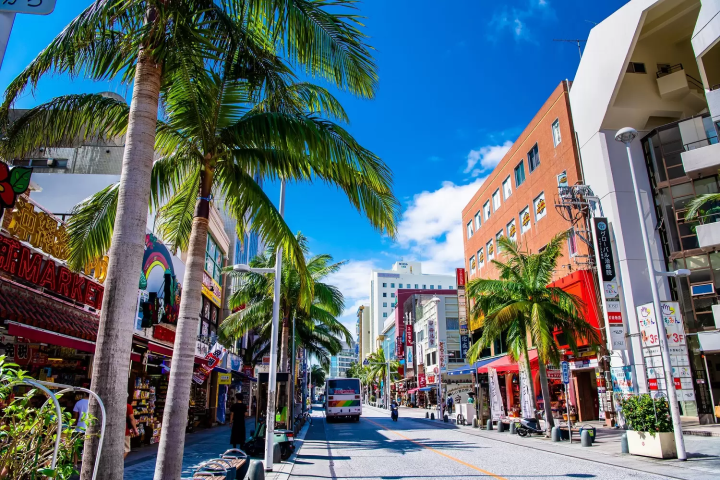
It features two major processions: the Ryukyu Kingdom Historical Pageant, where participants dressed in Ryukyu-era costumes parade down Kokusai Dori in Naha, and the Traditional Procession, which reenacts the rituals of the Ryukyu Kingdom within the castle grounds.
This event offers a perfect opportunity to experience Okinawan culture.
Ryukyu Kingdom Historical Pageant
Location: Kokusai Dori, Naha City
Koshiki Gyoretsu (Traditional Procession)
Location: Within Shuri Castle (Hoshinmon Gate, Shureimon Gate, Ryutan Dori)
November: Momoso Omonomairi
This ceremony is held to pray for the longevity of the king, the prosperity of descendants, national safety, and a bountiful harvest.
During this ritual, priestesses dressed in traditional white robes visit Shuri Castle and its surrounding areas while offering prayers.
Latest Update on the Reconstruction of Shurijo Castle
Due to a fire late at night on October 31, 2019, nine buildings, including the Seiden (Main Hall), were destroyed. Reconstruction efforts have been steadily progressing since the disaster, with the Main Hall being scheduled to reopen to the public in November 2026.
Currently, castle gates such as the Shureimon and other structures remain open to visitors. Touring the reconstruction exhibition hall and being part of the restoration process will surely make for a precious and memorable experience.
For updates on the progress of the reconstruction, please visit the official Shuri Castle Restoration website.
Showcasing the Recovery of Shuri Castle
Under the special theme of "showcasing recovery," Shuri Castle visitors can observe the restoration process up close. Highly educational initiatives are in place, including panel displays that introduce the finer details of the construction.
An observation deck has been installed within the grounds, allowing visitors to check on the progress of the work, and materials damaged during the fire are also on display.
Passing through the Hoshinmon Gate, which leads to the construction site, you will see a conceptual illustration of the restored castle painted on the wall of a timber storehouse. It depicts the Seiden, Hokuden, Nanden, and Una plaza as they are scheduled to be restored in 2026, making it a popular photo spot that builds anticipation for the completion.
Enjoy Exploring the Shurijo Castle Park
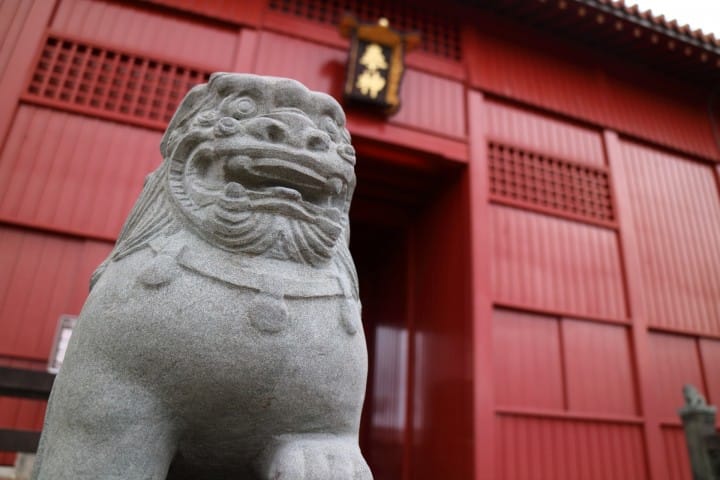
Shuri Castle has remained the center of Okinawan politics, culture, and faith since the era of the Ryukyu Kingdom. Overcoming destruction caused by war and fire, its path toward recovery continues to this day.
Following the completion of the reconstruction, let us all look forward to the day when Shuri Castle regains its former brilliance once again.
Shurijo Castle Park
 1-2 Shuri Kinjocho, Naha City, Okinawa Prefecture 903-0815
Shuri Castle Park is a castle ruins park in Naha City, Okinawa Prefecture.
Shuri Castle once stood on a hill overlooking Naha Port, which was a base for international trade, and is now an urban park.
The main hall was destroyed by fire in 2019, but restoration work is underway with the aim of completion in 2026.
Photo by AC
1-2 Shuri Kinjocho, Naha City, Okinawa Prefecture 903-0815
Shuri Castle Park is a castle ruins park in Naha City, Okinawa Prefecture.
Shuri Castle once stood on a hill overlooking Naha Port, which was a base for international trade, and is now an urban park.
The main hall was destroyed by fire in 2019, but restoration work is underway with the aim of completion in 2026.
Photo by AC
Read also





This is the official account of MATCHA's editorial department. Our articles feature useful travel information for visitors to Japan, from how-to guides to recommended places to visit.



Related Article




Special Features
More