Suwa Taisha Grand Shrine: A Spiritual Landmark in Nagano

Suwa Taisha, one of Japan’s oldest shrines, is located near Lake Suwa in Nagano. Explore its four unique shrines and the historic streets around them.

This service includes sponsored advertisements.
Exploring the Suwa Taisha Grand Shrine Complex
Suwa Taisha, one of Japan's oldest shrines, dating back 1,500 to 2,000 years, is located near Lake Suwa in Nagano Prefecture. This sanctuary primarily enshrines the gods of water and wind, who frequently appear as serpents and dragons in Japanese folklore.
The main highlight of Suwa Taisha is its Four Shrines (Yosha), each boasting its own distinct appearance and unique characteristics.
-
Table of Contents
- The Four Shrines of Suwa Taisha
- Shimosha Akimiya: Witness Shrine Rituals
- Shimosha Harumiya: Explore the Sacred Grounds
- Kamisha Honmiya: See Historic Structures
- Kamisha Maemiya: The Origins of the Suwa Deities
- How to Get to Suwa Taisha Grand Shrine

The Four Shrines of Suwa Taisha
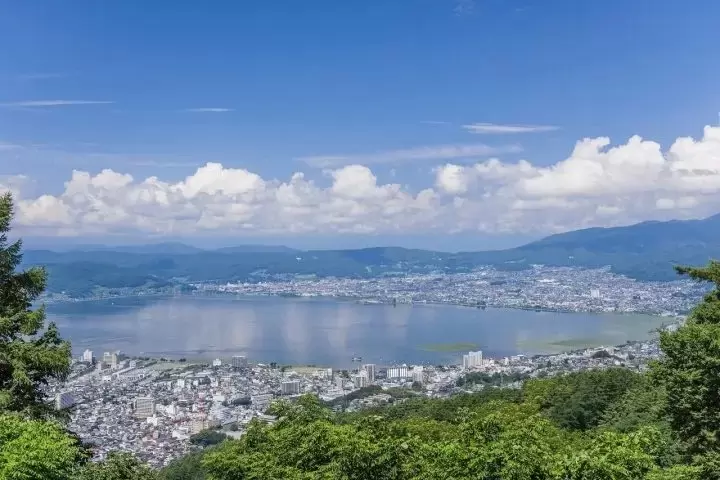
Lake Suwa. Photo by Pixta
The four shrines of Suwa Taisha are all located near Lake Suwa in Nagano. Each one of them has a unique architectural style and color.
Visitors can also discover unique elements that set them apart from other shrines across Japan, including rare, naturally warm hot spring hand-washing pavilions (chozuya) and one of the country's largest bronze Komainu (guardian lion-dogs).
While traveling between the four shrines, you can also enjoy the surrounding traditional Japanese streetscapes. Because each shrine offers a distinct Goshuin (shrine stamp), many visitors are inspired to collect all four (*1).
Suwa Taisha is divided into the Kamisha (Upper Shrine) and the Shimosha (Lower Shrine) complexes, which are located a fair distance apart. Each complex consists of two separate shrines.
Because the Shimosha complex offers a few more distinct features, this article will introduce them in the following order: Shimosha Akimiya → Harumiya → Kamisha Honmiya → Maemiya.
You can travel between the Upper and Lower shrines by bus, taxi, or train. Detailed transportation options and routes are provided at the end of this article.
*1: Goshuin can be obtained at the Shamusho (shrine office) of each shrine. The fee is 500 yen per shrine.
Shimosha Akimiya: Witness Shrine Rituals
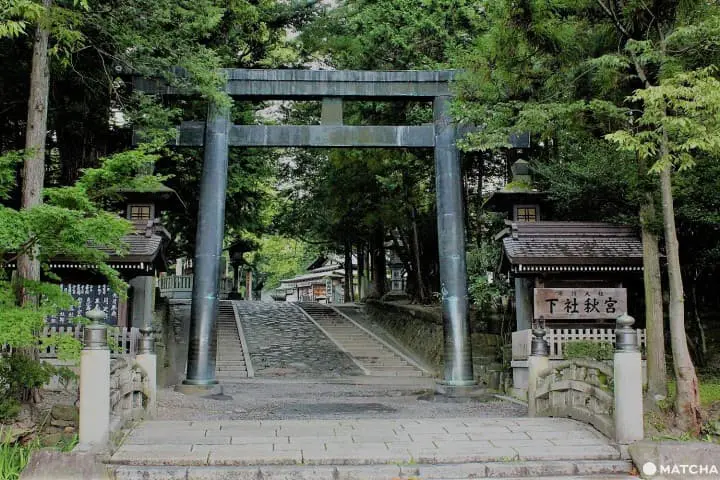
Surrounded by lush, towering trees, the Shimosha Akimiya torii gate exudes a remarkably tranquil and dignified atmosphere.
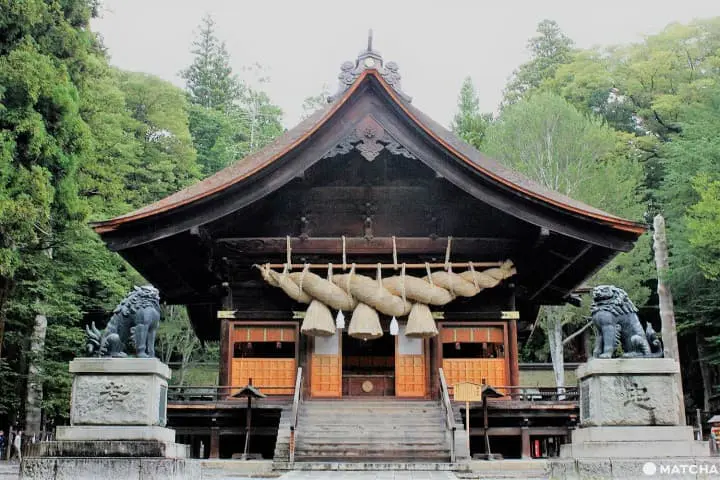
Upon stepping through the gate, the Kaguraden (sacred music and dance hall) comes into view.
This sacred space is where ritual dances are dedicated to the deities and prayers are offered. Guarding its left and right sides are two massive, 1.7-meter bronze Komainu (guardian lion-dogs), renowned as the largest of their kind in Japan.
Hanging prominently at the front of the hall is a thick Oshimenawa (sacred straw rope), measuring an impressive 7.5 meters long and weighing 900 kilograms. Because of its exceptional craftsmanship and history, the Kaguraden is designated as one of Japan's Important Cultural Properties.
Continuing further into the grounds, you will find the hall of worship (Haiden), where visitors pray and Shinto priests perform sacred rituals. Like the Kaguraden, this beautiful structure is also designated as an Important Cultural Property of Japan.
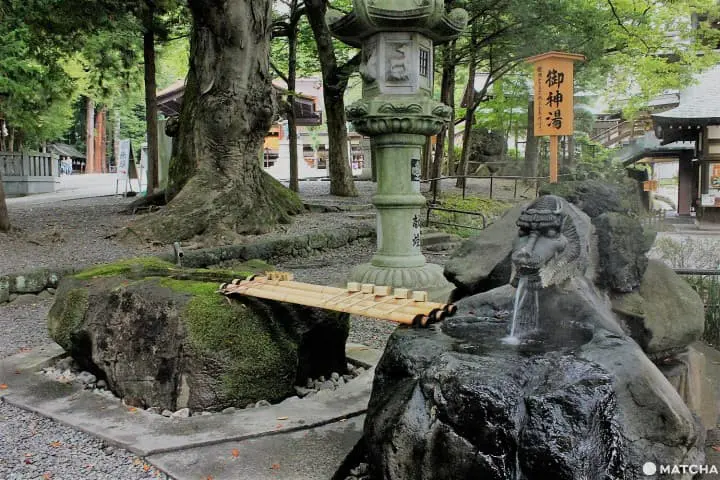
Within the shrine grounds, you will also find a hot spring hand-washing pavilion (chozuya)—a remarkably rare sight in Japan. Its water spout is intricately carved into the shape of a dragon with an open mouth, releasing piping hot, natural hot spring water known as the Longevity Spring (Choju-no-yu).
When the steam rises gently around the pavilion, it creates a solemn and mystical atmosphere that visitors should absolutely experience firsthand.
Suwa Taisha Shimosha Akimiya
Location: Google Maps
Walking from Shimosha Akimiya to the Shimosha Harumiya
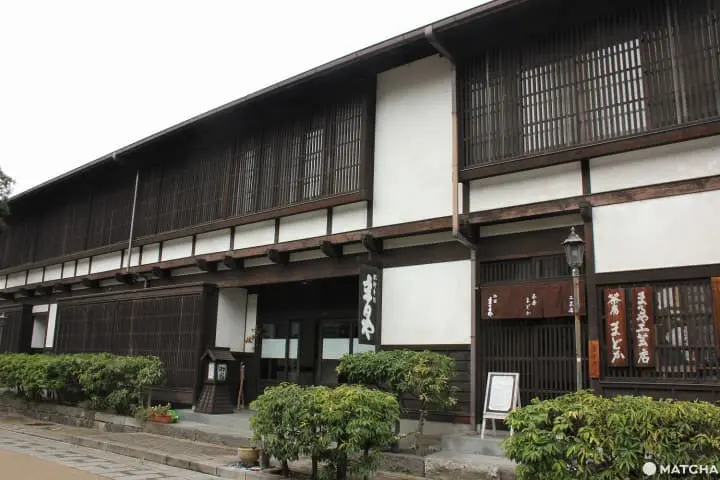
The path leading from Shimosha Akimiya to Shimosha Harumiya is lined with beautifully preserved, historic Japanese streetscapes. To help you navigate, a local map (available in Japanese only) is provided here for your reference.
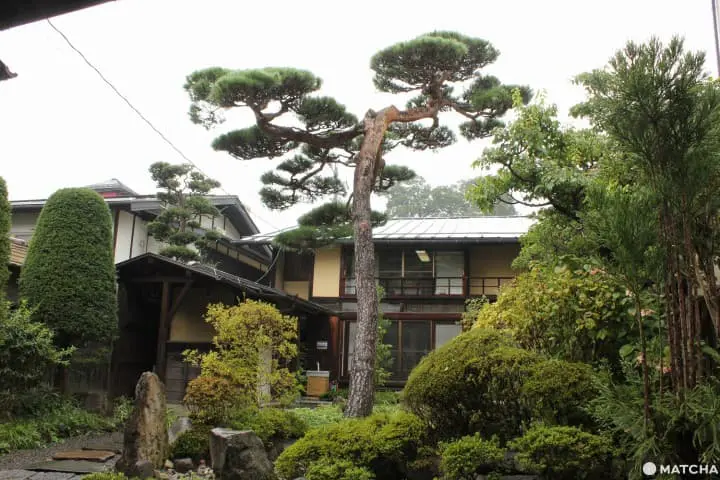
This area is known as Shimosuwa. A must-visit destination here is the Shukuba Kaido Museum (Post Town Street Museum), which is easily recognized by the prominent, upright pine tree standing right in front of its entrance.
Shimosuwa thrived during the Edo period (1603-1868) as a vital shukuba-machi (post town), serving as a crucial hub for travelers with its numerous inns and local security checkpoints.
Inside the museum, you can explore vibrant illustrations and detailed replicas that showcase daily life from that era. Thanks to these highly visual exhibits, the museum is fully enjoyable even for visitors who do not understand Japanese.
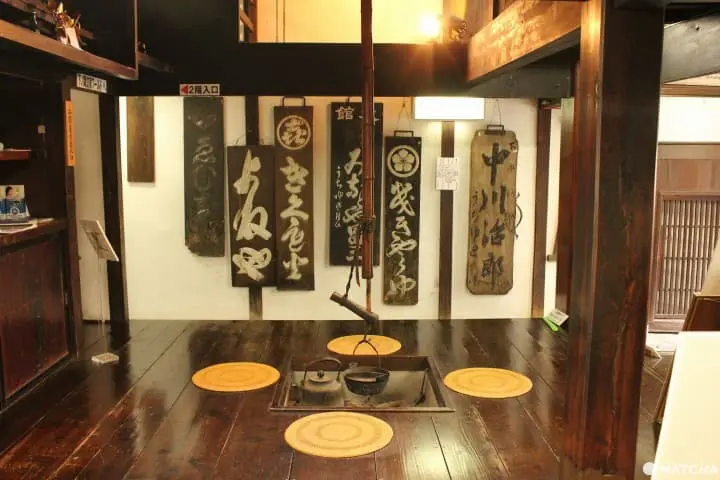
The museum's entrance offers a glimpse into the past, serving a role that was essentially the historical equivalent of a modern-day hotel lobby.
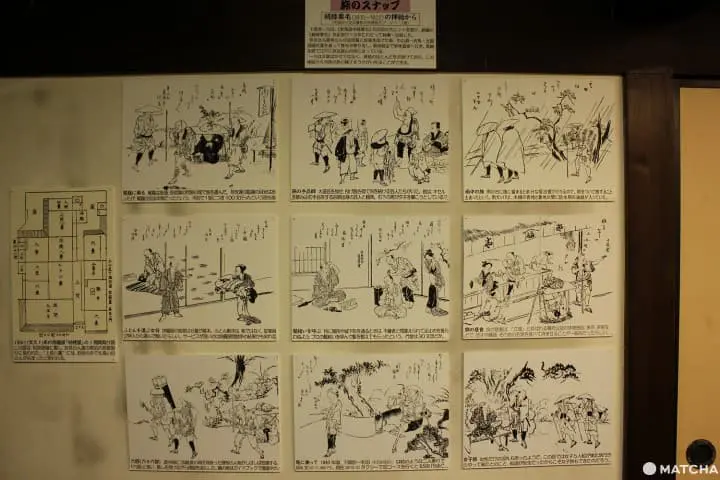
A replica of an artwork by Utagawa Hiroshige (1797–1858)—one of Japan's most iconic Ukiyo-e artists—vividly brings the daily scenes and vibrant energy of that period to life.
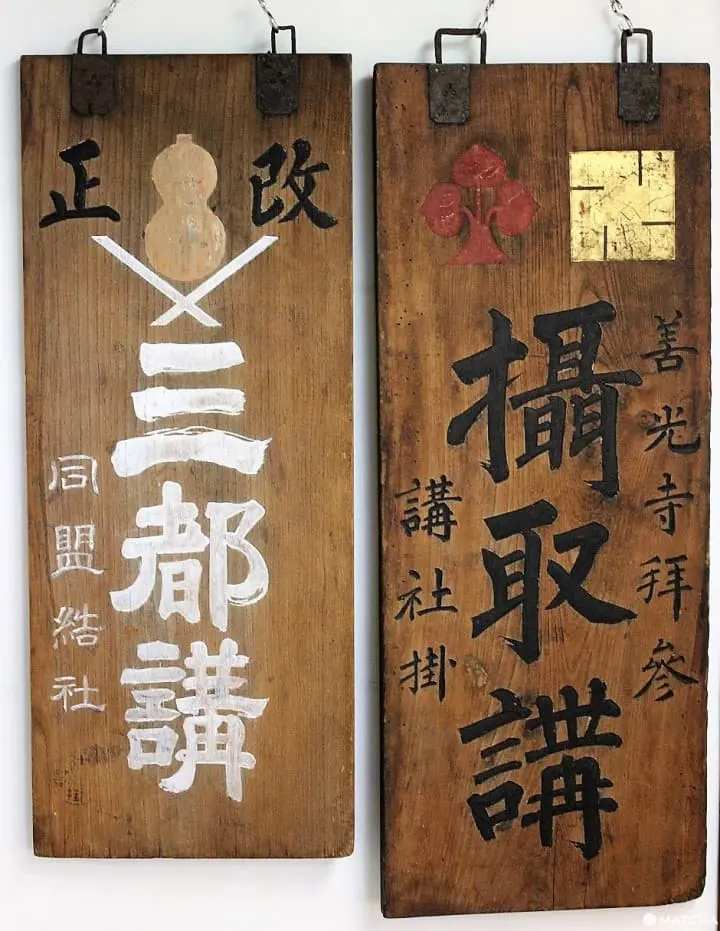
During the Edo period, the town's innkeepers formed a regulatory guild.
If an inn met the guild's strict quality and safety standards, it was awarded a large wooden signboard as a seal of approval. Displayed here are those authentic, original signboards from centuries ago.
Shimosha Harumiya: Explore the Sacred Grounds
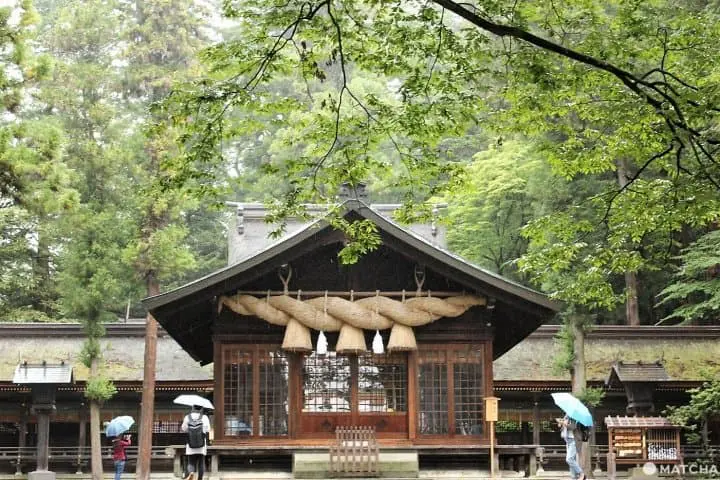
The walk from Shimosha Akimiya to Shimosha Harumiya takes about 20 minutes.
The scenic To-gawa River flows along the west side of Harumiya. Strolling just five minutes further along the river, you will encounter a mysterious stone monument known as the Manji Stone Buddha.
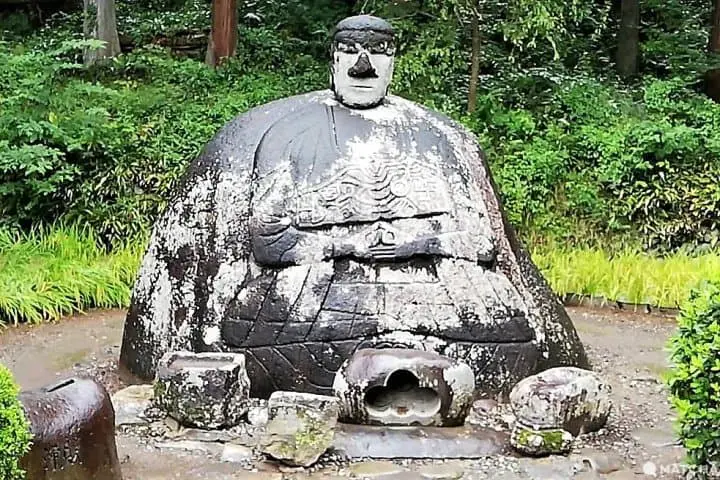
The Manji Stone Buddha is beloved for its ability to grant personal wishes and bring peaceful resolutions to challenging matters.
Local tradition dictates that if you walk clockwise around the stone monument three times while focusing quietly on your wish, it will come true.
Suwa Taisha Shimosha Harumiya
Location: Google Maps
Kamisha Honmiya: See Historic Structures
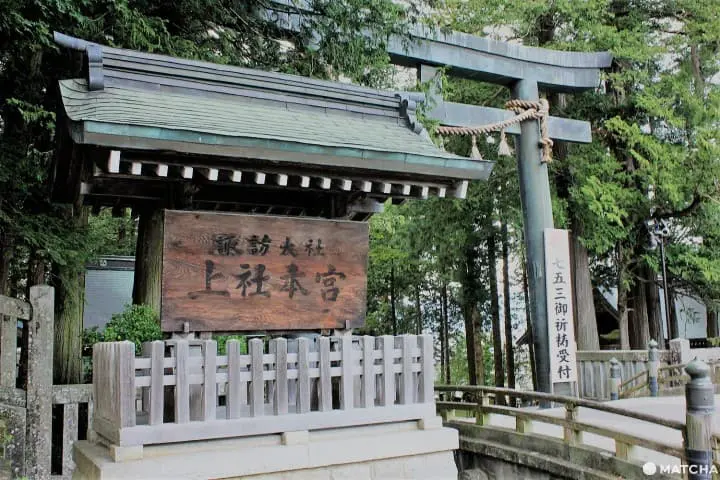
Kamisha Honmiya preserves the largest number of historic structures among the four shrines. It stands as a prime example of Suwa-zukuri, a highly distinct architectural style renowned for its grand and intricately detailed wood carvings.
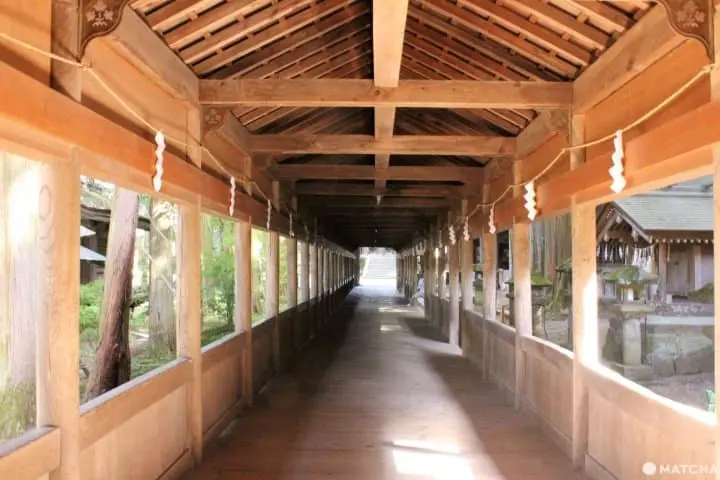
At Kamisha Honmiya, you will find the Nunobashi Bridge, a beautiful roofed corridor. Walking through this historic pathway leads you directly toward the O-shaden (main shrine buildings).
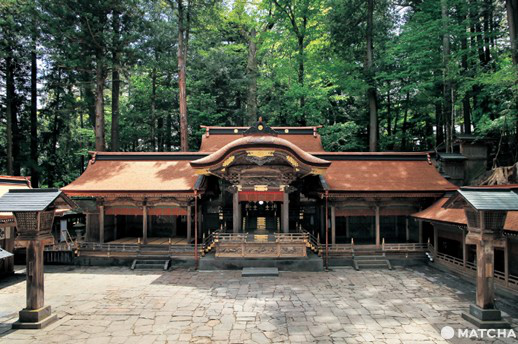
In the heart of the grounds stand two thatched-roof structures known as the Higashi-hoden (East Treasure Hall) and the Nishi-hoden (West Treasure Hall).
These historic halls sit directly behind the Heibaiden (hall of worship) of Kamisha Honmiya, serving as the sacred core of the shrine complex.
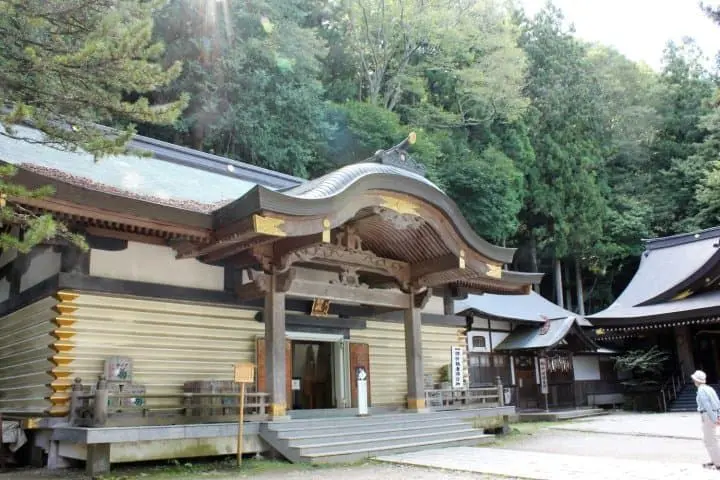
Inside the Treasure Hall (Homotsuden) of Kamisha Honmiya, an array of sacred treasures handed down through generations of the Suwa Taisha lineage is on display.
Among these artifacts is the Sanagi-no-sazu, a set of six massive iron bells. Historically used to bridge the connection between humanity and the deities, these sacred bells were rung exclusively during highly specific rituals.
Visitors can also marvel at a massive 32-meter-long picture scroll depicting the Onbashira Festival (*2) as it was celebrated during the Edo period. Simply observing these detailed illustrations brings the grand, centuries-old history of Suwa Taisha vividly to life.
*2: Onbashira Festival... A traditional ritual in which Japanese fir trees over 150 years old are logged and transported down from the mountains to be erected at the shrine grounds.
Suwa Taisha Kamisha Honmiya
Location: Google Maps
Kamisha Maemiya: The Origins of the Suwa Deities
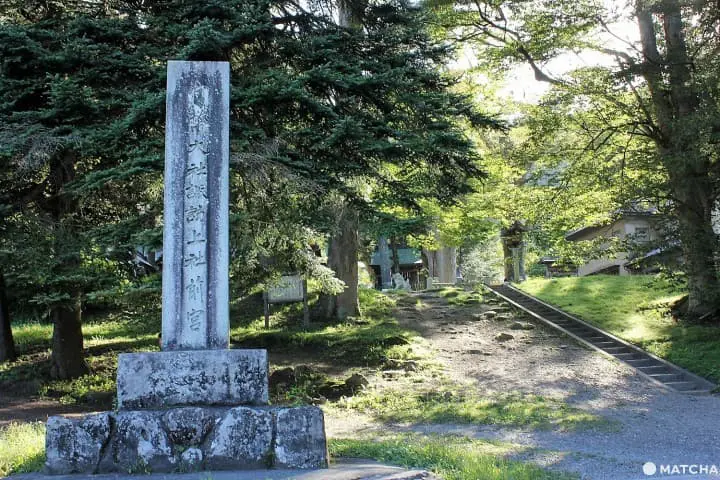
Kamisha Maemiya is revered as the very birthplace of the worship of the Suwa deities. In ancient times, the surrounding area was home to the Moriya family—the only lineage among the Suwa Shinto priests permitted to hunt.
Offering freshly hunted deer and wild boar to the deities was a vital ritual, as meat obtained from hunting was an incredibly precious food source for the people of that era.
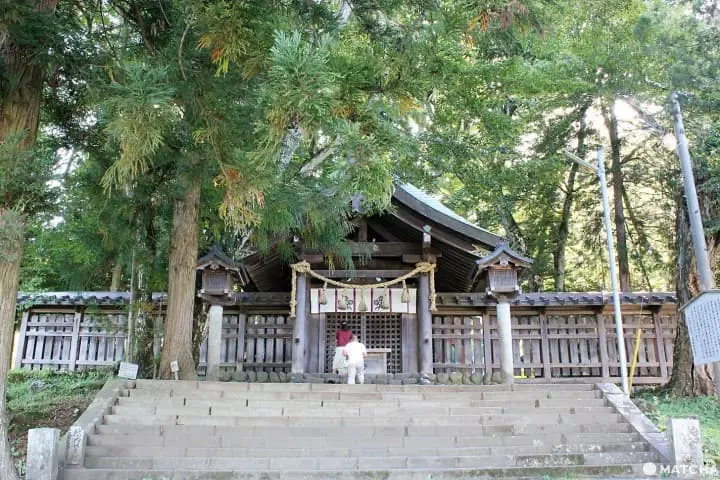
Although Maemiya is the smallest in scale among the four shrines, praying here allows you to experience an exceptionally deep, spiritual atmosphere shaped by its profound history.
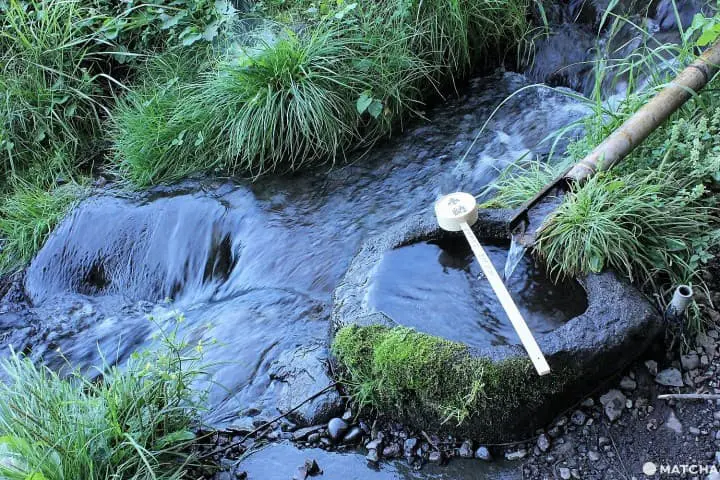
The shrine is situated on an elevated plateau blessed with abundant sunlight and flowing water. On a clear day, the grounds are incredibly pleasant to explore.
The Chozuya (hand-washing pavilion) here integrates seamlessly with a natural, rushing stream, creating an exceptionally beautiful and serene sight.
Suwa Taisha Kamisha Maemiya
Location: Google Maps
Hours: 9:00 - 16:30
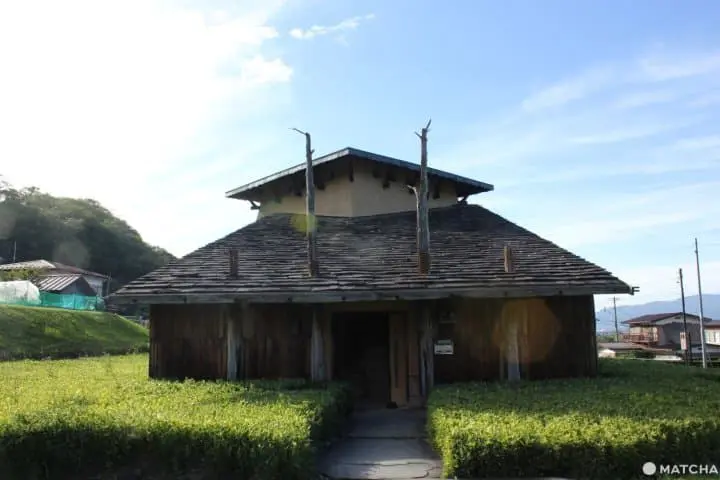
If you are intrigued by the history of the Moriya family, consider visiting the Jinchakan Moriya Historical Museum, located just a 10-minute walk from Kamisha Maemiya.
Inside, the museum features fascinating exhibits that detail how the family hunted and conducted their ancient, sacred rituals.
Jinchakan Moriya Historical Museum
Address: 389-1 Miyagawa, Chino City, Nagano Prefecture, 391-0013
Opening Hours: 9:00-16:30
How to Get to Suwa Taisha Grand Shrine
The easiest way to travel to Suwa Taisha is by taking a limited express train from Tokyo's JR Shinjuku Station to JR Shimosuwa Station, which takes about 2 hours and 10 minutes (approx. 6,000 yen).
From there, it is just a 10-minute walk to Shimosha Akimiya. To reach Shimosha Harumiya, you can take a quick taxi ride or enjoy a scenic 25-minute walk, which is highly recommended for taking in the local atmosphere.
Traveling from the Lower Shrine complex over to Kamisha Honmiya by public transit requires returning to JR Shimosuwa Station and taking a 12-minute train ride to JR Chino Station (250 yen); alternatively, a direct bus or taxi ride between the two areas takes about 30 minutes.
From Kamisha Honmiya, Kamisha Maemiya is an easy 25-minute walk away, and you can finish your loop by walking 40 minutes from Maemiya back to JR Chino Station. For a completely flexible and customizable itinerary, you might also consider renting a car.
Detailed precinct maps for visitors can be found on the Suwa Taisha Official Website (available in Japanese only). Suwa Taisha holds a profoundly sacred place in the hearts of the Japanese people—be sure to experience its timeless atmosphere if you get the chance!
Read also


In cooperation with Suwa Taisha


Special Features
More