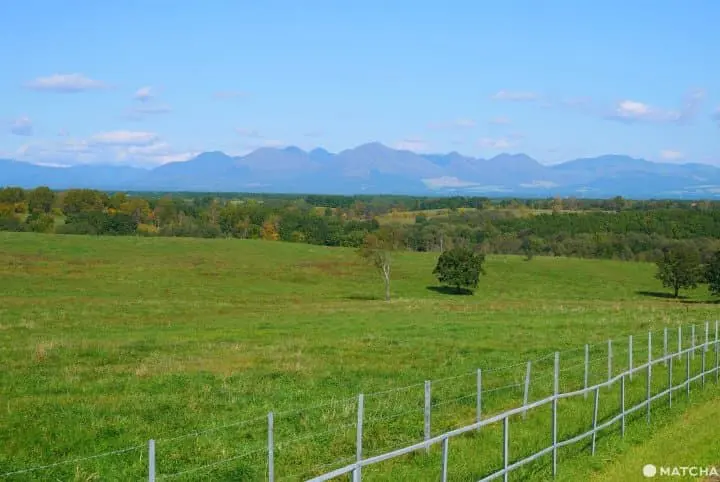
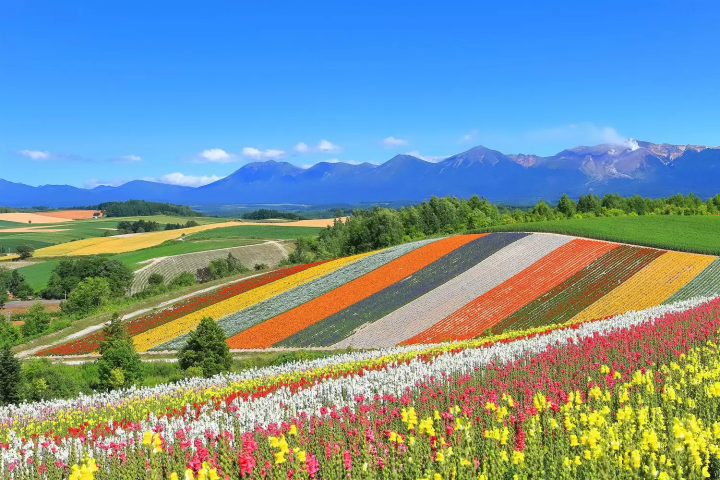
Hokkaido is one of Japan's most captivating destinations, offering a blend of dramatic seasonal scenery, vibrant cities, and world-class outdoor adventures. In winter, it transforms into a powder snow sanctuary featuring premier ski resorts like Niseko and iconic events like the Sapporo Snow Festival. By summer, the landscape shifts to vibrant lavender fields and cool, low-humidity retreats.
Beyond its natural beauty, Hokkaido is a culinary destination offering Japan's finest seafood, rich dairy, and signature miso ramen. For those seeking relaxation or adventure, the region's rugged national parks provide the perfect backdrop for scenic hiking and soul-soothing natural hot springs.
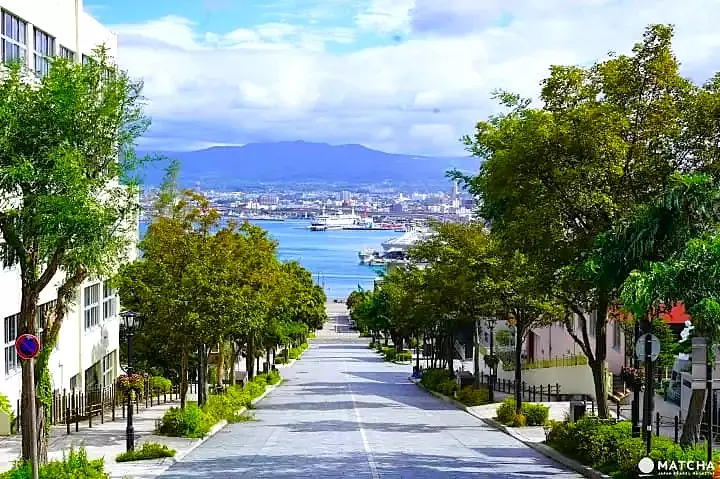
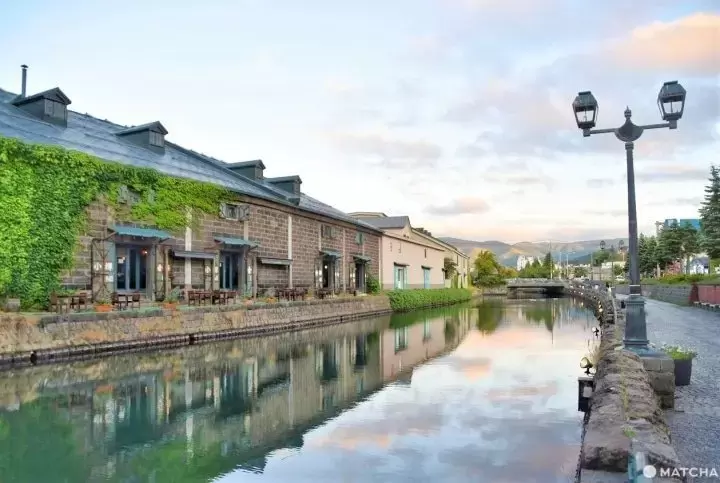
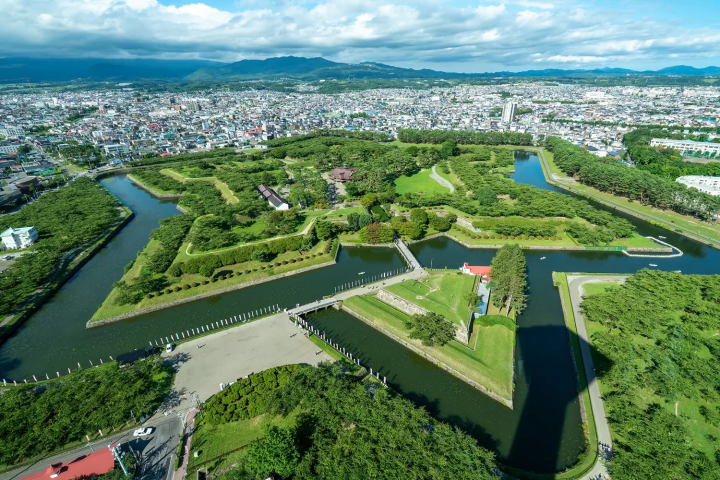
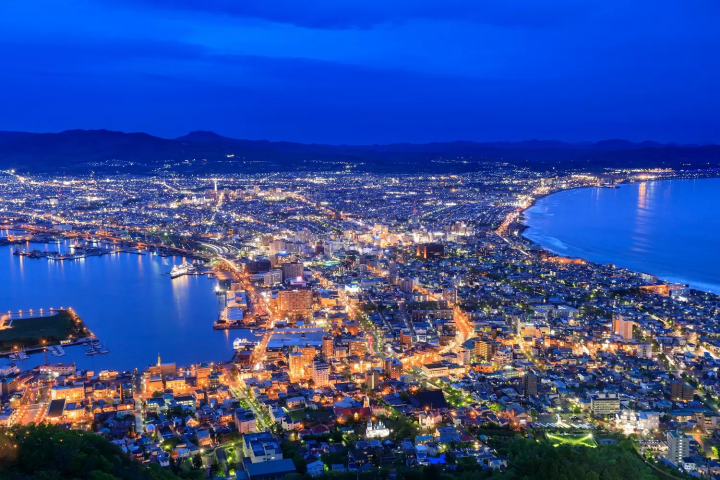
As Hokkaido's vibrant capital, Sapporo serves as an ideal hub for day trips to Otaru, Niseko, and Jozankei Onsen. To the south, Hakodate offers a historic, cosmopolitan port atmosphere where Eastern and Western cultures converge.
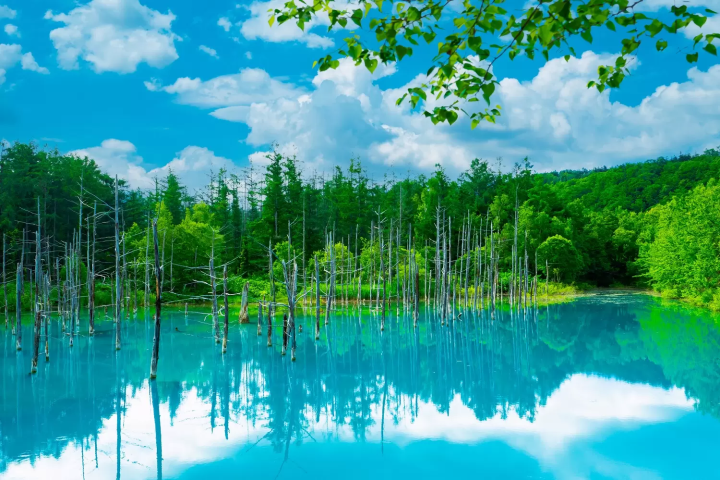
Central Hokkaido's Asahikawa provides a gateway to the lavender fields of Furano, the Blue Pond in Biei, and the rugged Daisetsuzan National Park. For nature enthusiasts, Eastern Hokkaido—home to Akan-Mashu and the Shiretoko Peninsula—features rare geological wonders and pristine wilderness.



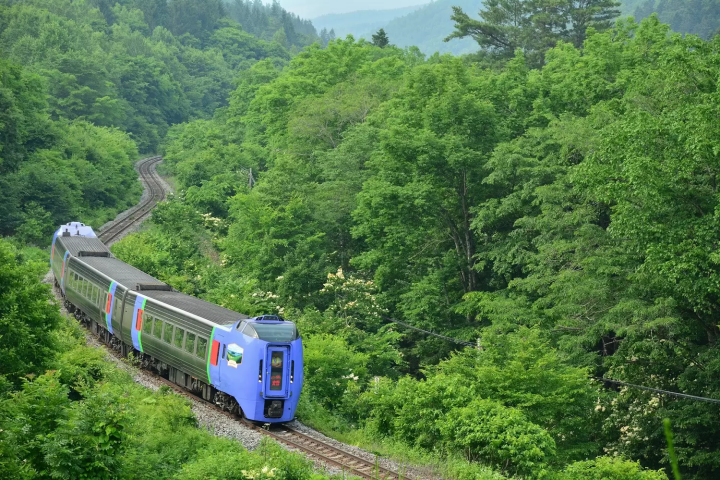
The most efficient way to reach Hokkaido is by air; the region has 13 airports, with New Chitose Airport serving as the primary gateway to Sapporo, while Hakodate, Asahikawa, and Kushiro provide easy access to other key areas. Once there, renting a car offers the most flexibility for exploring scenic, remote spots like Furano and Biei. Alternatively, Hokkaido's extensive rail and highway bus networks make the region highly accessible via public transport; travelers can maximize their budget by using a JR Hokkaido Rail Pass.
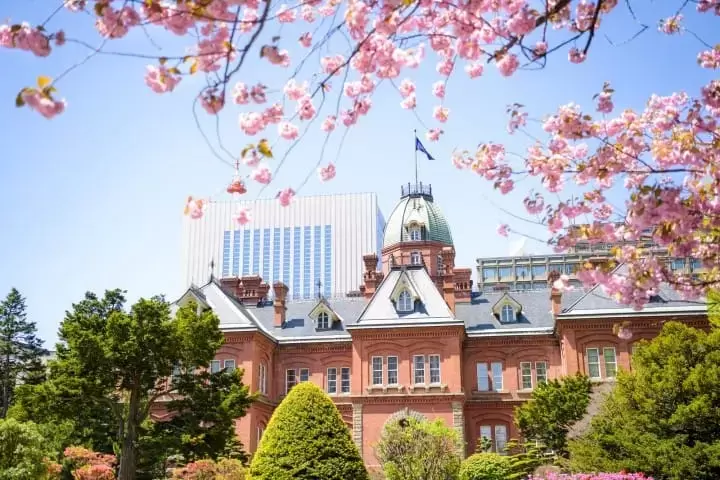
Hokkaido experiences dramatic seasonal shifts, with temperatures ranging from 22–26°C in the summer to sub-zero winters between -10°C and 2°C. Spring temperatures lie between 5–15°C with the cherry blossoms blooming later than the rest of the country, between late April and mid-May. Summer remains dry and comfortable, skipping Japan's typical June rainy season. By autumn, temperatures cool to 8–18°C, sparking brilliant foliage from the peaks of Daisetsuzan to the valleys of Noboribetsu, before winter finally transforms the landscape into a world-class powder snow sanctuary.
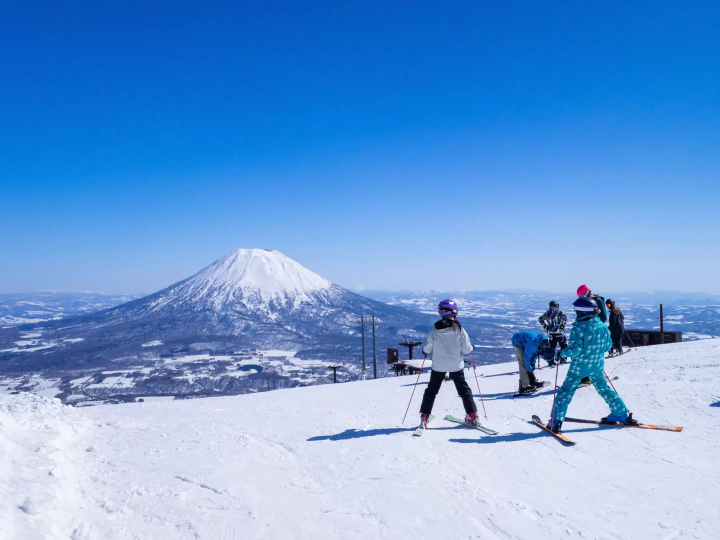
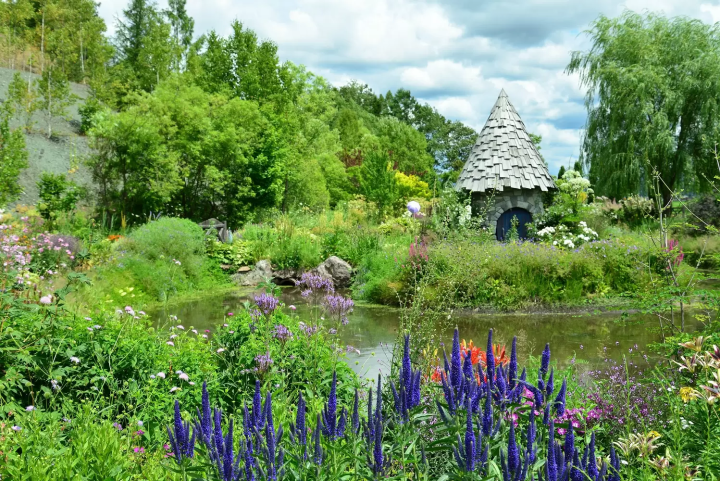
Hokkaido offers a completely different landscape every season. Visit in the summer to enjoy Furano's famous lavender fields and Biei's Blue Pond. The autumn foliage starts here earlier than anywhere in Japan, painting the Daisetsuzan mountains in fiery reds as early as mid-September.
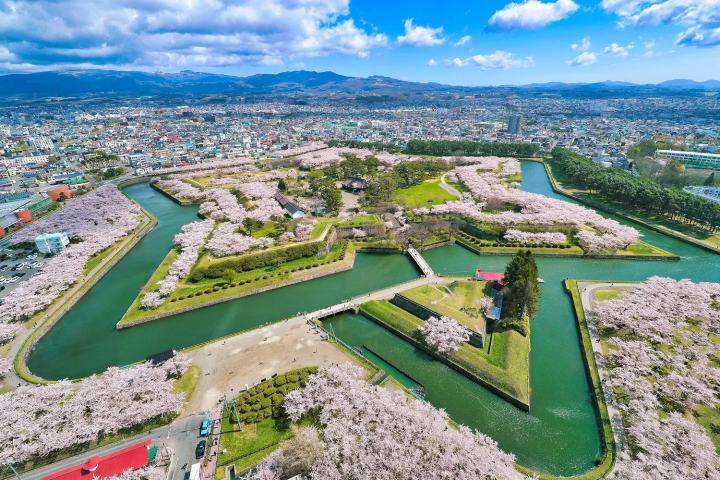
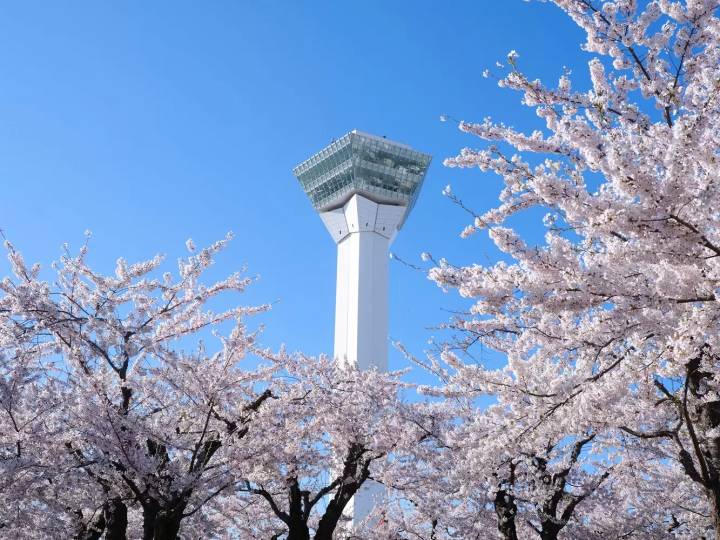
In winter, Hokkaido offers world-class powder snow for skiers and the iconic Sapporo Snow Festival in February. Spring brings cherry blossoms in late April - May, followed by colorful pink moss festivals.


Originally known as Ezo, Hokkaido was the home of the Ainu people, whose roots trace back to the Jomon period. Much like early populations across the rest of Japan, Jomon-Ainu culture was defined by a sophisticated hunter-gatherer lifestyle centered on fishing and foraging rather than organized farming. The Japanese Matsumae clan established a foothold in the south of Hokkaido during the Edo period (1603-1868), but most of the island remained outside central control.
The turning point came in 1869, when the Meiji government officially renamed the island Hokkaido and established the Development Commission (Kaitakushi). Fearing Russian expansion, Japan aggressively colonized the region, introducing Western farming, ranching, and urban planning—most notably in the grid-patterned capital of Sapporo. This rapid industrialization led to the displacement and forced assimilation of the Ainu. Today, Hokkaido is a vital agricultural and tourism hub that increasingly seeks to honor and revive its indigenous Ainu heritage.
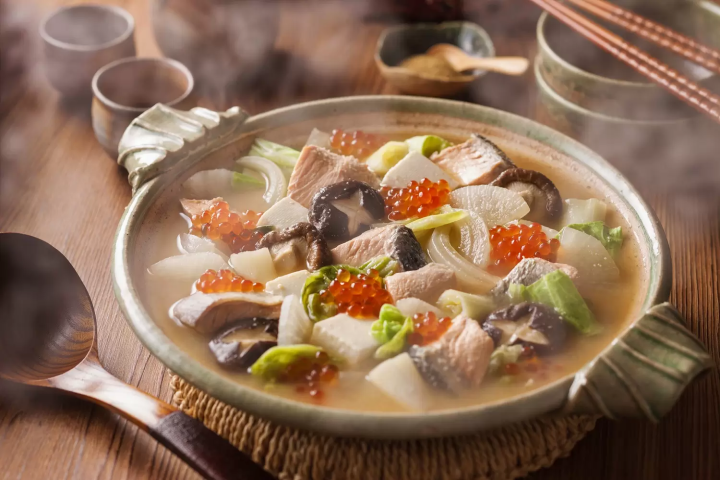
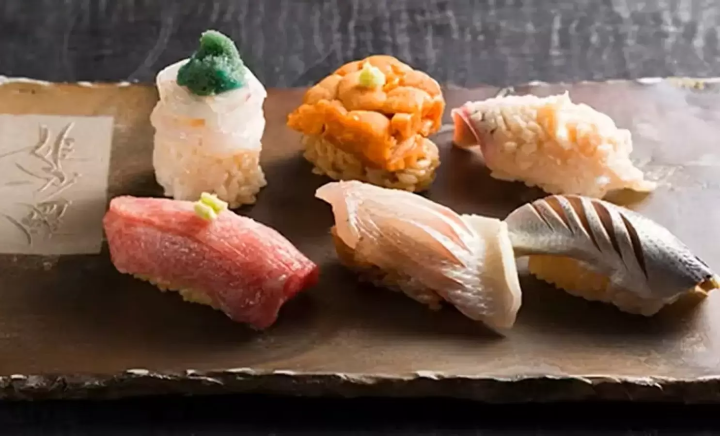
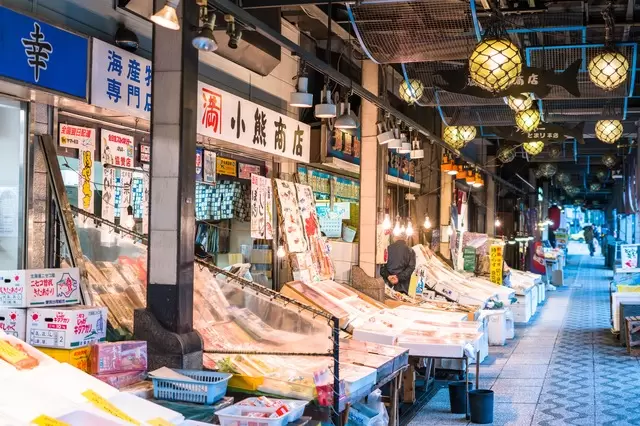
Surrounded by cold ocean waters, Hokkaido is a premier seafood paradise famous for its fresh crab and savory salmon roe. The region's vast pastoral lands also make its dairy products, fruits, and vegetables renowned for their exceptional quality. Beyond the farm, visitors can explore a sophisticated local craft scene featuring celebrated wineries and sake breweries.
For a true taste of the island, don't miss its iconic soul foods: Sapporo ramen, known for its rich, cloudy miso broth; Asahikawa ramen, featuring a deep soy-sauce base; Ishikari Nabe, a hearty miso-based hot pot with salmon roe and butter, and Jingisukan, a signature grilled mutton dish named after Genghis Khan.
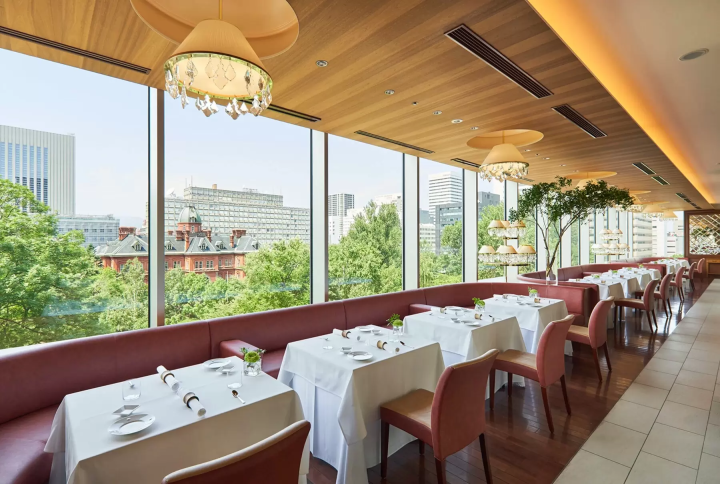









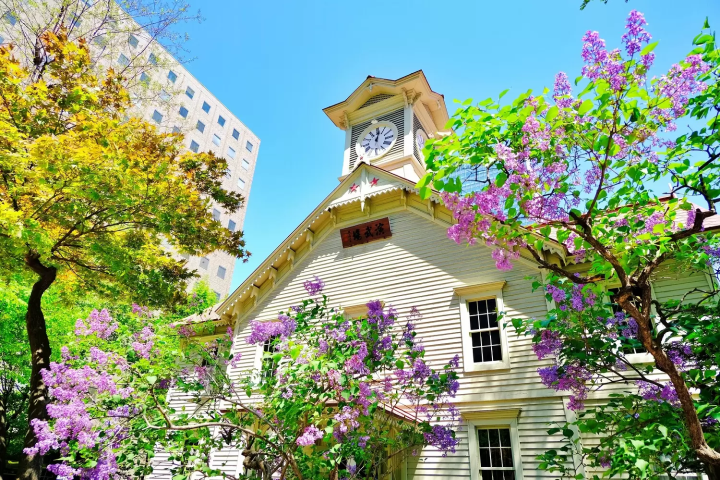


The best month to visit Hokkaido depends on your interests, as the island's appeal shifts dramatically with the seasons. February is the peak for winter lovers, offering world-class powder snow and the spectacular Sapporo Snow Festival. July is ideal for viewing the iconic lavender fields in Furano and enjoying the island's cool summer weather. For those chasing autumn colors, October provides Japan's earliest and most stunning fall foliage. In other words, July and February are the most popular months, balancing scenic beauty with unique seasonal activities.
Hokkaido is renowned for its unspoiled wilderness and world-class powder snow, making it a global hub for skiing and snowboarding in resorts like Niseko. Beyond the slopes, the island is Japan's "breadbasket," famous for high-quality dairy, melons, and exceptionally fresh seafood, including crab and sea urchin. In summer, the landscape transforms into a vibrant patchwork of lavender fields in Furano. Visitors are also drawn to the unique Ainu indigenous culture, the dramatic volcanic scenery of Noboribetsu's Hell Valley, and the iconic Sapporo Snow Festival, which features massive, intricate ice sculptures.
For a first-time visitor, 7 to 10 days is generally considered the ideal duration to experience Hokkaido's highlights without feeling rushed. A week allows you to explore the "Golden Triangle" of Sapporo, Otaru, and Furano-Biei, with a side trip to the hot springs of Noboribetsu. If you have 10 days or more, you can venture further to the dramatic coastal scenery of Hakodate or the rugged wilderness of Shiretoko. While 3 to 5 days is doable for a quick city break, the island's vast size makes longer stays more rewarding.
Generally, yes, Hokkaido is cheaper than Tokyo, particularly regarding accommodation and local produce. While Tokyo's central hotels and dining can be expensive, Hokkaido offers more spacious and affordable lodging, with Sapporo's rent and hotel rates often being 20–50% lower than Tokyo's. You'll also find incredible value in fresh seafood and dairy. However, transportation can be costlier due to the island's vast distances, and winter visits may see a spike in heating and resort prices. Overall, your daily budget will likely stretch further in Hokkaido for a comparable level of comfort.
Hokkaido is Japan's premier culinary destination, celebrated for its fresh seafood, including king crab, sea urchin (uni), and salmon roe. The island's vast pastures produce over half of Japan's milk, making rich dairy products like soft-serve ice cream and cheese world-famous. Signature dishes include Soup Curry, a spicy broth packed with fried vegetables; Jingisukan, a grilled mutton BBQ named after Genghis Khan; and Miso Ramen, which originated in Sapporo. Don't miss local specialties like Yubari melons, Zangi fried chicken, and the comforting Ishikari Nabe salmon hot pot.