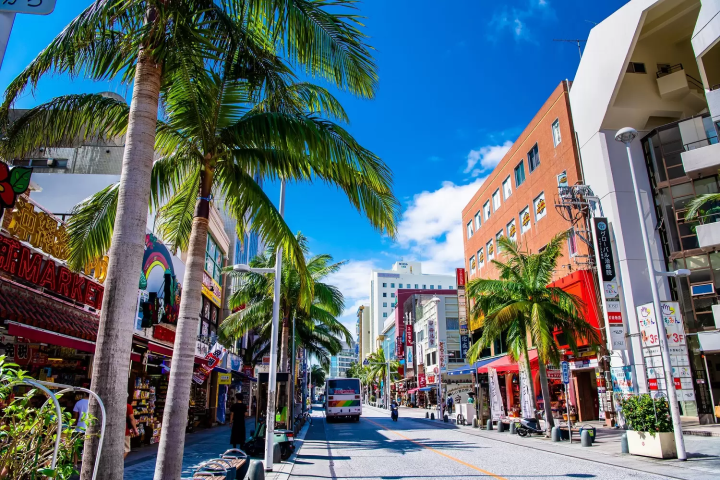
Okinawa, the southernmost prefecture in Japan, is a subtropical destination with breathtaking ocean views and a rich history. In Naha, you can explore the historic Shuri Castle, a World Heritage site, or dive into the Kokusai Shopping Street—a bustling, day-to-night hub.
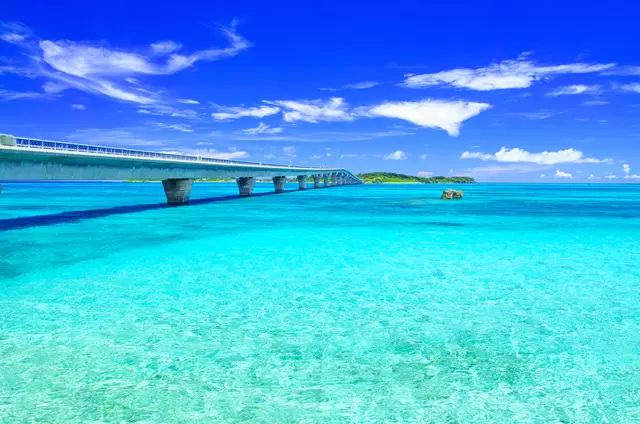
Beyond the main island lies a treasure trove of outlying islands, each with its own unique charm: Miyakojima - famous for its white-sand beaches, Ishigaki - a paradise for divers, and Taketomi, where you'll find a traditional Ryukyu village, are just some of them.
Whether you are drawn to its diverse nature, vibrant culture, delicious cuisine, or unique traditions, Okinawa is a fascinating part of Japan, waiting to be discovered.
Okinawa is a tropical paradise blending vibrant culture with breathtaking scenery. On the main island, explore the historic Shuri Castle in Naha, enjoy the excitement of JUNGLIA OKINAWA, or marvel at the colossal whale sharks at the Okinawa Churaumi Aquarium.
Nature lovers can soak in the coastal views at Cape Manzamo or dive into the pristine waters of the Kerama Islands.
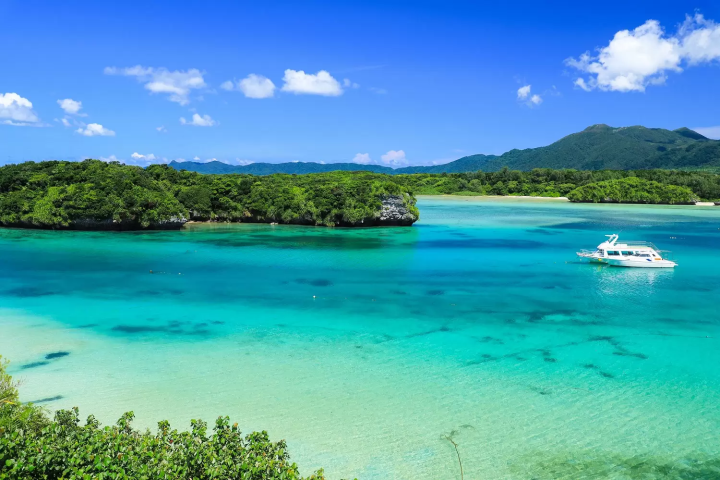
For a more secluded escape, the white-sand beaches of Miyako Island and the emerald waters of Kabira Bay on Ishigaki Island offer world-class snorkeling and diving, making Okinawa an unforgettable island-hopping destination.




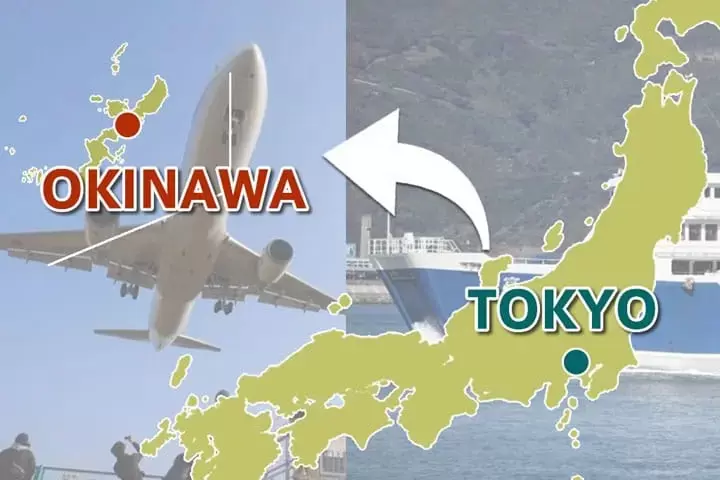
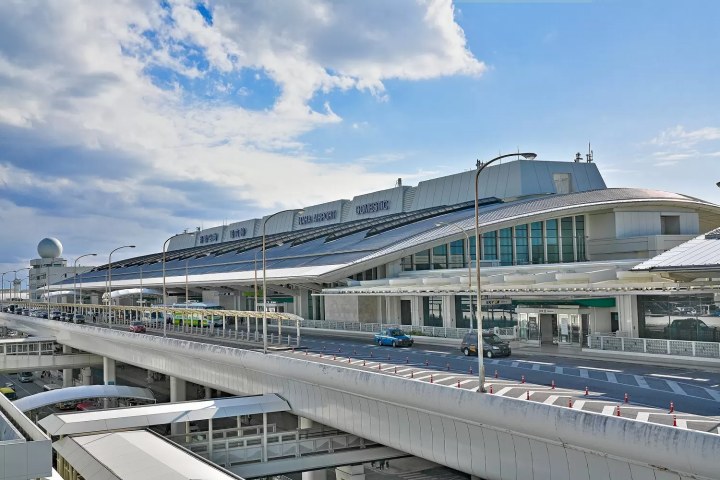
Located 1,500 kilometers southwest of Tokyo, Okinawa is best reached by flying into Naha Airport (OKA). Depending on your budget, you can choose between full-service and budget airlines.
Once there, renting a car at the airport is the most practical way to explore the main island. To visit outer islands like Ishigaki and Miyako, you will need to take a domestic flight, while local ferries connect smaller neighboring islands like Iriomote.
Okinawa has a warm, subtropical climate, though ocean winds and shifting humidity affect how the temperature feels each season. Spring (March–May, 20–25°C) brings pleasant days with occasional brief showers, while summer (June–September, 30°C+) is hot, humid, and prone to typhoons and afternoon storms.
Autumn (October–November, ~25°C) offers a breezy, lower-humidity golden peak for travel, whereas winter (December–February, 15–20°C) brings cooler winds and overcast skies, with occasional cold snaps dipping near 10°C.
In general, light clothing paired with a light jacket is all you need for an Okinawa trip—read on for our detailed packing guide!
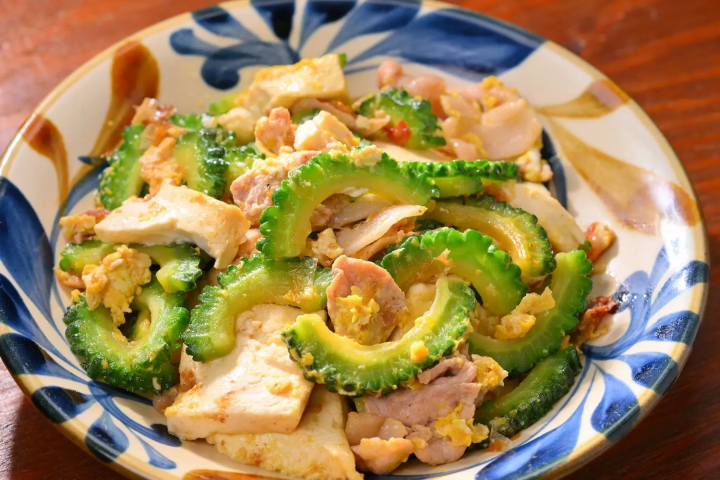
Okinawan cuisine reflects a unique cultural heritage centered on longevity. Goya Champuru, a classic stir-fry dish, combines bitter melon, tofu, and pork.
We also recommend the flavorful Okinawa Soba, with thick wheat noodles and tender pork belly in a savory broth. Taco Rice, a beloved fusion dish of seasoned beef, cheese, and salsa over rice, is also a must-try!
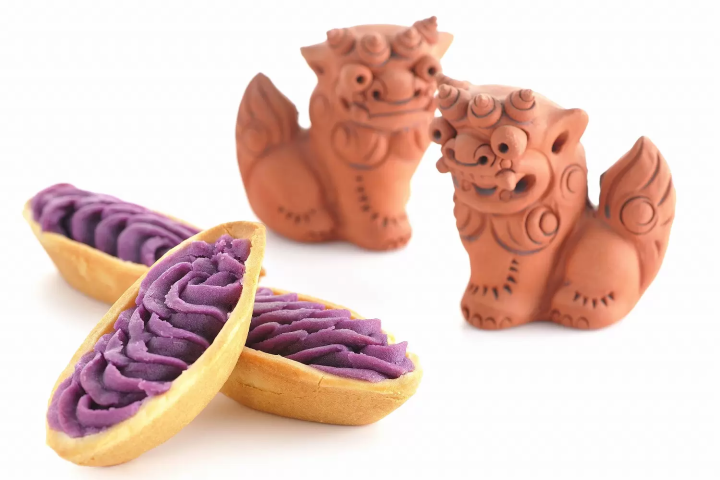
In terms of sweets, try the Beni-imo (purple sweet potato) tarts and crunchy Sata Andagi (Okinawan doughnuts). Remember to pair your meal with a glass of Awamori, Okinawa's signature distilled liquor, for an authentic taste of the islands.




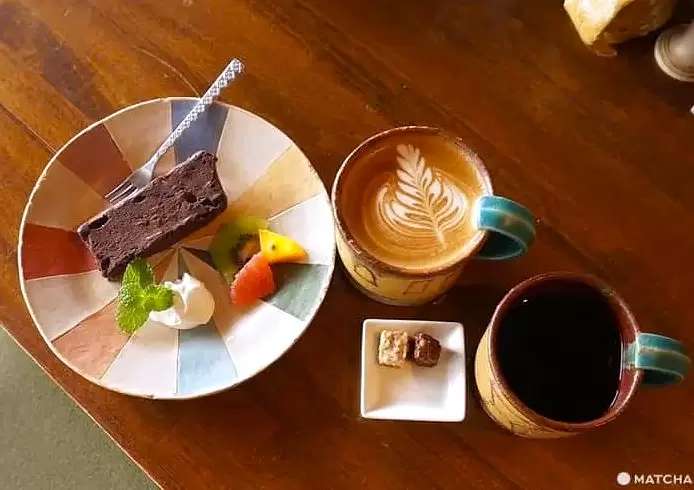
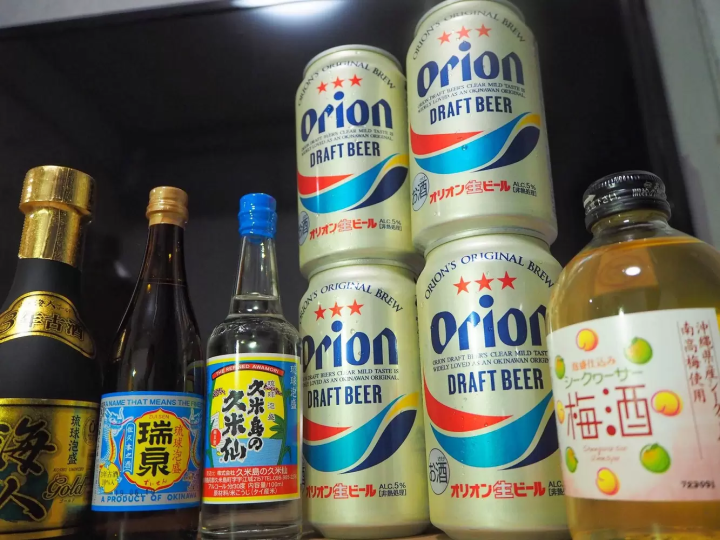
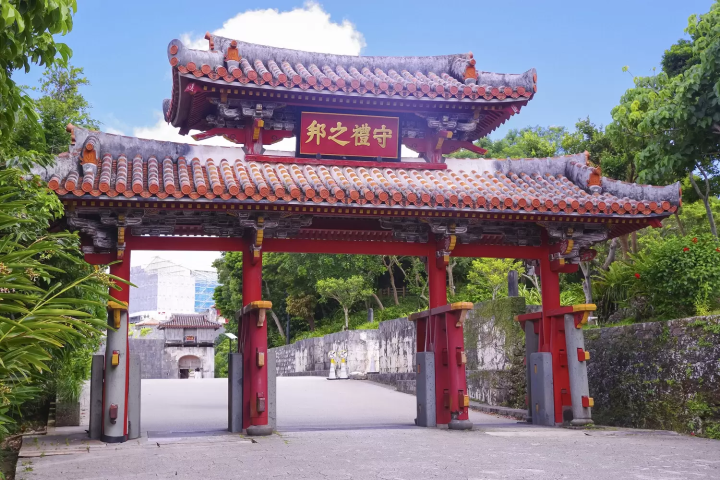
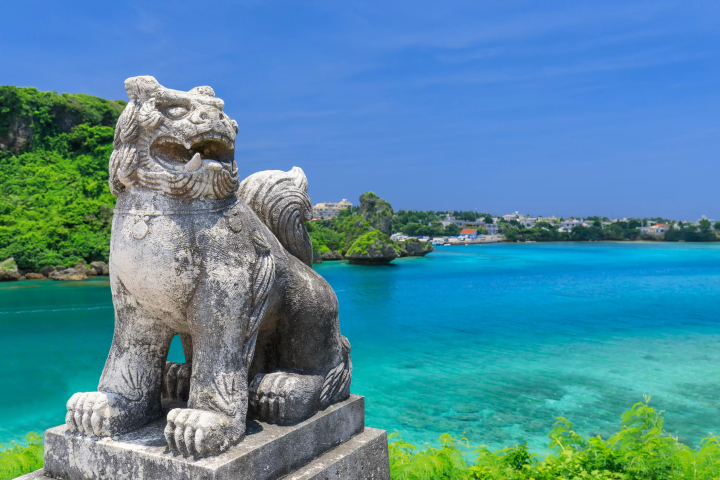
Okinawa thrived through international trade from the 15th to the 19th centuries as an independent state known as the Ryukyu Kingdom, blending cultures from China, Japan, and Southeast Asia. The islands were annexed by Japan in 1879.
During World War II, Okinawa became the site of one of the Pacific's bloodiest ground battles, resulting in the loss of over a quarter of its civilian population. Post-war, the region was administered by the United States until it was reverted to Japanese sovereignty in 1972.
Today, Okinawa retains a distinct cultural identity. With its red-tiled houses, limestone castle ruins, the UNESCO-listed Shuri Castle, and stunning ocean views, it offers a diverse island culture where travelers can enjoy both rich tradition and foreign charm.


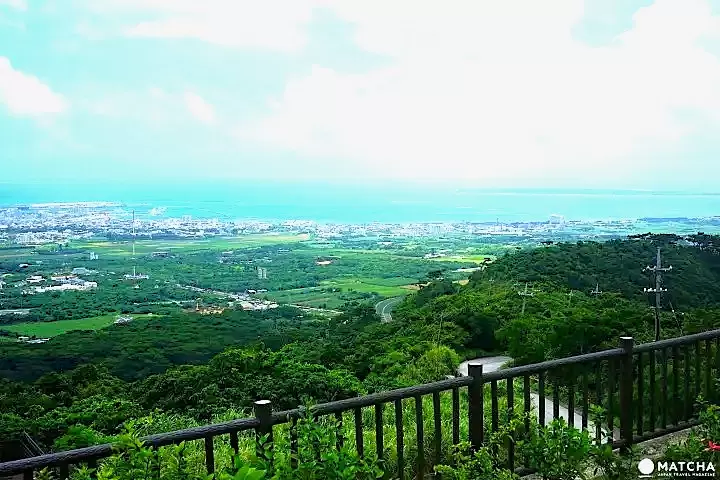




3 to 5 days is generally best for a first-time trip to Okinawa. Choose to stay 3 days if you are adding Okinawa as a side trip to a broader Japan itinerary. It gives you enough time to explore Naha, visit the Churaumi Aquarium, and relax on a main-island beach.
On the other hand, 5 days are perfect for renting a car, exploring the scenic northern Cape Manzamo, shopping at the American Village, and taking a day-trip ferry to nearby paradise islands like the Kerama Islands for world-class snorkeling.
Okinawa is famous for its vibrant beach culture, crystal-clear turquoise waters, and world-class scuba diving. As the birthplace of karate, it holds a deep martial arts legacy.
Unlike mainland Japan, its unique identity is rooted in the historic Ryukyu Kingdom, reflected in its distinct music, textiles, and castle ruins. Okinawa is also globally recognized as a Blue Zone, celebrated for the longevity of its residents, which is often credited to a healthy local diet featuring goya (bitter melon), purple sweet potatoes, and a relaxed lifestyle.
Generally, no—Okinawa is highly affordable compared to Tokyo or Kyoto, though it depends on your travel style. In terms of accommodation and food, budget options and local izakayas are incredibly reasonable. You can enjoy a hearty bowl of Okinawa Soba noodles for under 7 USD.
However, renting a car is almost essential for exploring, which adds to the cost, and high-end luxury resorts can be pricey. If you avoid peak domestic holiday seasons (like Golden Week or mid-August), Okinawa offers fantastic value for a tropical vacation.
The best times to visit Okinawa are spring (late March to April) and autumn (October to November). During these shoulder seasons, you will enjoy gorgeous, balmy weather with lower humidity, fewer crowds, and lower prices.
If your primary goal is a tropical beach holiday, July and August offer the best swimming conditions, but they come with intense heat, high prices, and the peak of typhoon season. To balance beach weather while avoiding the worst of the storms and rain, late June and October are fantastic sweet spots.
Yes, English is widely understood in Okinawa compared to many parts of mainland Japan.
Because of the large U.S. military presence and a thriving international tourism industry, many signs, menus, and announcements are bilingual. You will find that staff at major hotels, car rental agencies, and popular tourist spots like the American Village speak English.
While locals at smaller, rural shops or traditional eateries might only speak Japanese, they are very welcoming and accustomed to foreigners. Using translation apps and a few basic Japanese phrases will make your trip seamless.