KAMENOYA Annex: A Beautiful Historic Cafe in Matsumoto

Enjoy retro vibes at a historic cafe in Matsumoto, Nagano! KAMENOYA Annex is located in a 100-year-old storehouse by Satoyama Villa Honjin.

This service includes sponsored advertisements.
Teatime in a Historic Cafe in Matsumoto: KAMENOYA Annex
Matsumoto offers a wealth of charming coffee spots, many set inside beautifully renovated traditional buildings.
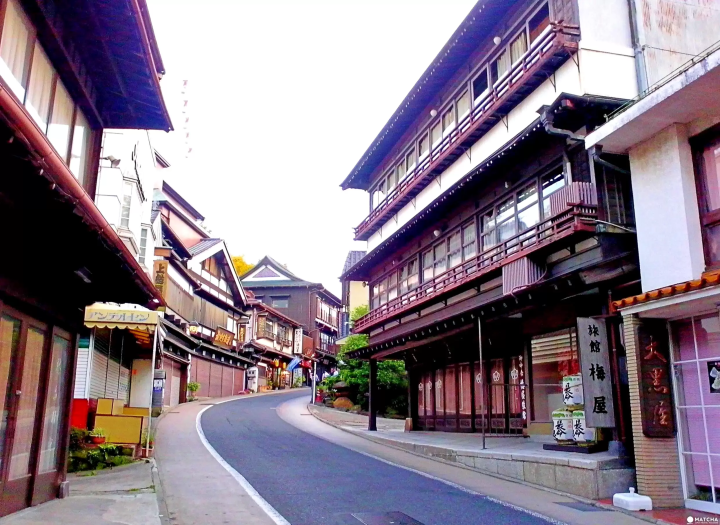
Among the most stunning is KAMENOYA Annex, located in the historic mountain post town of Hofukujimachi.
This cafe is adjacent to the Satoyama Villa Honjin inn. While Hofukujimachi is a bit outside central Matsumoto, the trip is well worth it for an immersive journey into Japan's past.
Hofukujimachi: A Historic Post Town During the Edo Period
During the Edo period (1603-1868), Hofukujimachi developed as a shukuba (post town) along a major transport route used for sankin-kotai—the system of alternate attendance established by Tokugawa Iemitsu, the third Tokugawa shogun.
Under this policy, feudal lords (daimyo) were required to travel to Edo to serve the shogun before returning to govern their home territories. Because so many lords passed through on these mandatory journeys, Hofukujimachi naturally flourished into a key stopping point.
*Sankin-kotai was a policy designed to prevent rebellions by forcing daimyo to make costly biannual trips to Edo, effectively weakening their financial power.
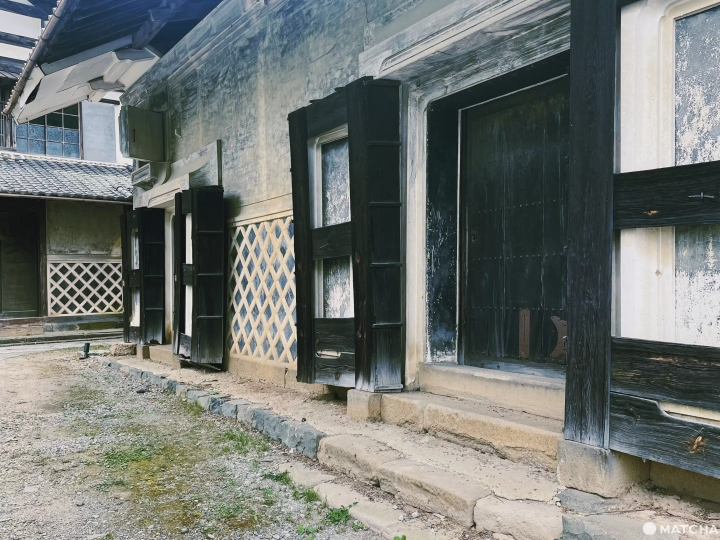
Inns designated for feudal lords and shogunate officials were known as honjin—exclusive, high-status accommodations reserved strictly for high-ranking travelers.
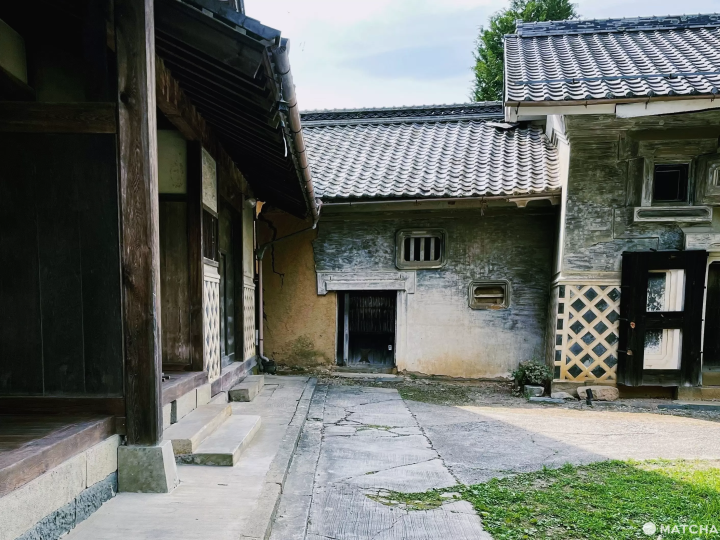
Satoyama Villa Honjin was originally created by converting the private residence of the prominent Ozawa family into a grand lodging.
Over time, it became the primary rest stop for the lords of the Matsumoto Domain on their frequent journeys to and from Edo.
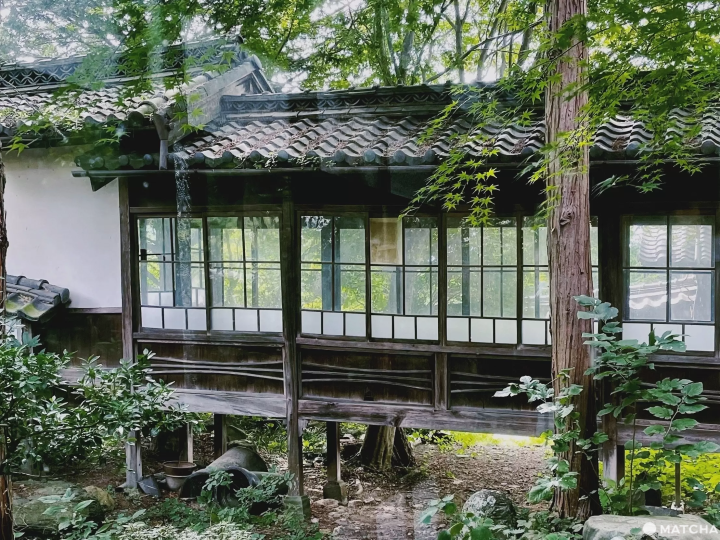
In addition to hosting domain lords, the Ozawa family home served as a major center for transporting tribute rice within the Matsumoto Domain.
With extensive landholdings and numerous rice storehouses, the Ozawa family commanded significant wealth and influence in the region.
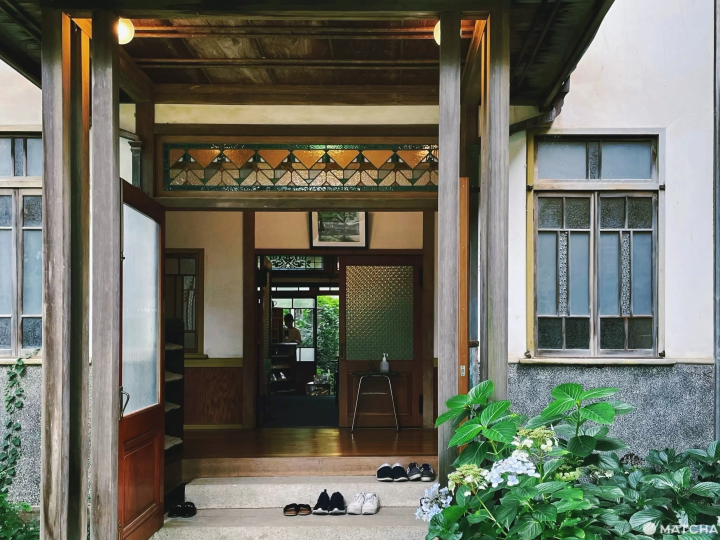
After serving as the honjin, the Ozawa family residence was destroyed by fire in 1908. Restoration work began in 1913, rebuilding the structure into the form seen today. However, the property was later left neglected for a decade.
To preserve its historical legacy for future generations, the property owner partnered with local entrepreneur Tadamasa Saito—known for renovating the ryokan Myojinkan and the restaurant Hikariya—to launch the revitalized Satoyama Villa Honjin.
KAMENOYA Annex: A Storehouse Turned Coffee Shop
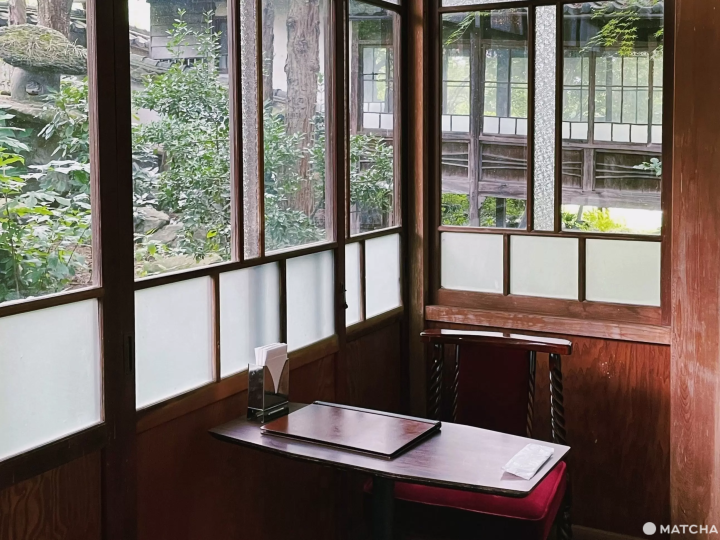
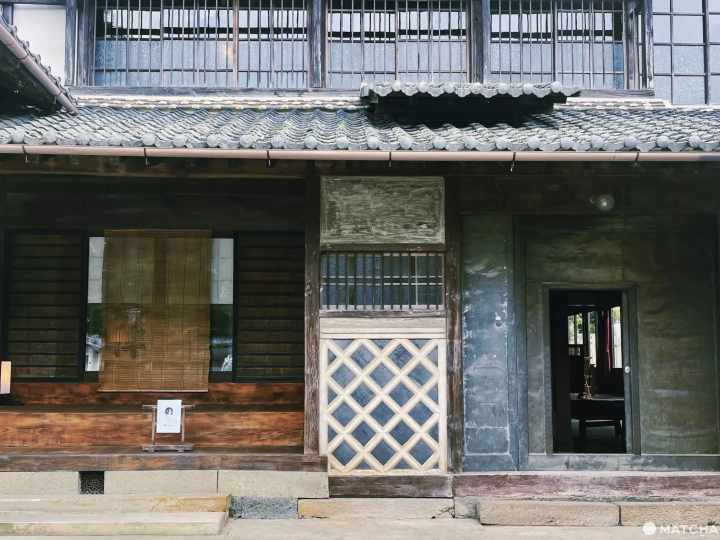
In addition to the premium lodging provided by Satoyama Villa Honjin, the adjacent storehouse was converted in 2021 into a coffee shop named KAMENOYA Annex, or KAMENOYA Bekkan. It offers a warm space where non-staying guests can also drop by to rest and chat.
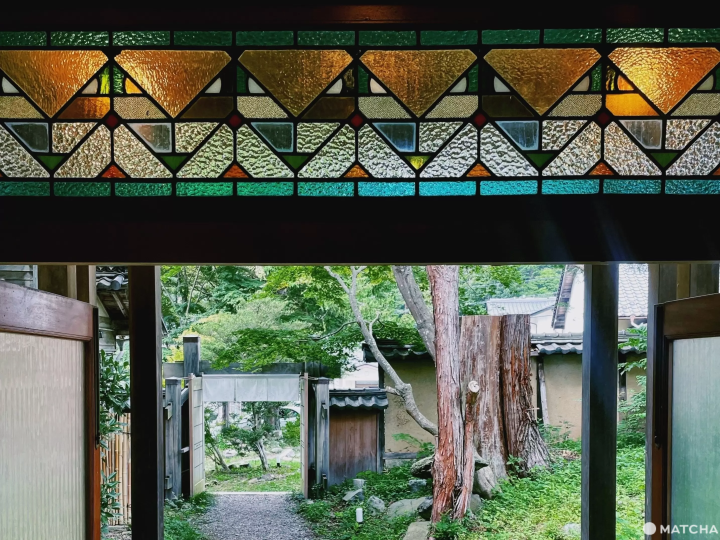
Step through the traditional Japanese facade of KAMENOYA Annex, and you enter an entirely different era.
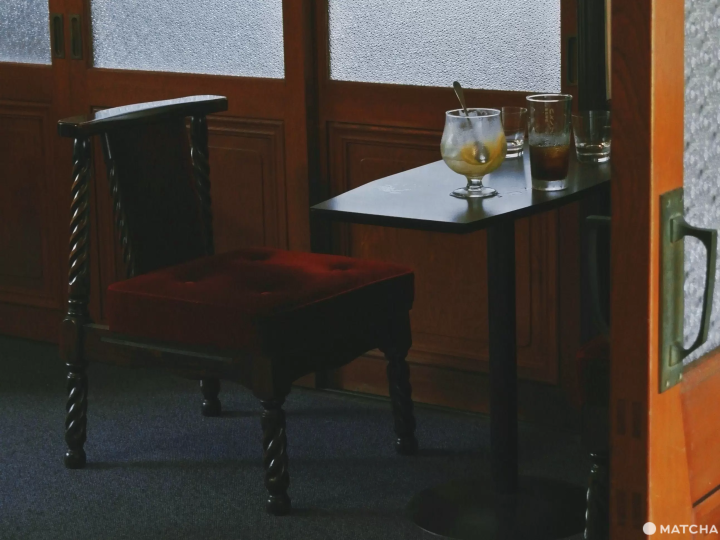
Inside, stained-glass accents, ornate Western-style carved ceilings, and antique furnishings evoke the captivating charm of Taisho-era (1912-1926) aesthetics in every corner.
Napolitan Spaghetti, Colorful Sodas, and Showa Pudding: The Must-Try Cafe Menu

When visiting a classic kissaten like KAMENOYA Annex, ordering the iconic Napolitan spaghetti is a must.
The ketchup-based sauce and hearty ingredients are tossed and stir-fried vigorously to coat every strand of pasta, delivering a rich, satisfying burst of savory tomato flavor in every bite.
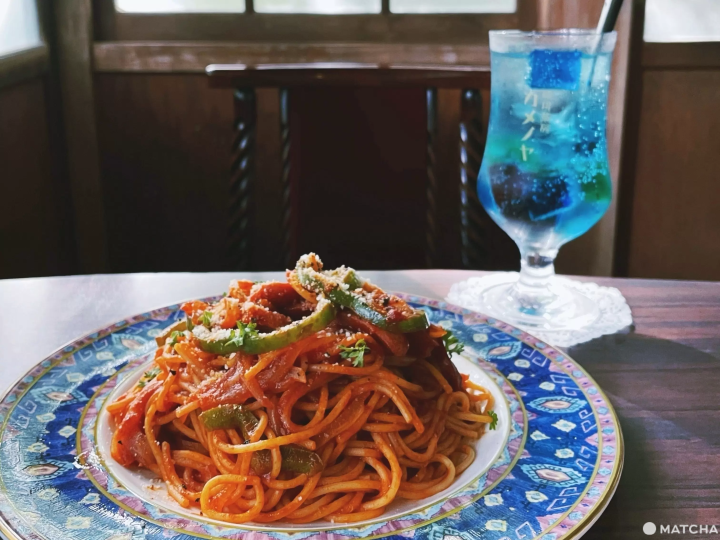
Pair your meal with an ice-cold, colorful jelly soda for the ultimate refreshment. As light filters through the glass, the soda's translucent jelly glows with a brilliant brilliance, mirroring the cafe's stained-glass windows.

Save room for dessert with a retro Showa-style pudding. Crafted with locally sourced eggs from Nagano's Shiga region, the pudding at KAMENOYA Annex boasts a firm texture and a rich, custardy aroma full of nostalgic charm.
Crowned with a fluffy dollop of whipped cream and a bright red cherry, it looks almost too picture-perfect to eat.
Enjoy the Tranquility of Matsumoto's Mountainside
Across Japan's countryside, countless historical sites and architectural treasures are waiting to be explored. Thanks to local revitalization initiatives and online sharing, these timeless places are finally getting the recognition they deserve.
For city dwellers, taking a journey into the quiet countryside offers a wonderfully refreshing escape into an extraordinary slice of Japanese life.
Kamenoya Annex
 246 Hofukujicho, Matsumoto City, Nagano Prefecture 399-7412
Read also





Special Features
More