[Nakano] Recommended spots in the western area along the Seibu Shinjuku Line
![[Nakano] Recommended spots in the western area along the Seibu Shinjuku Line](https://resources.matcha-jp.com/resize/720x2000/2025/03/21-228856.webp)
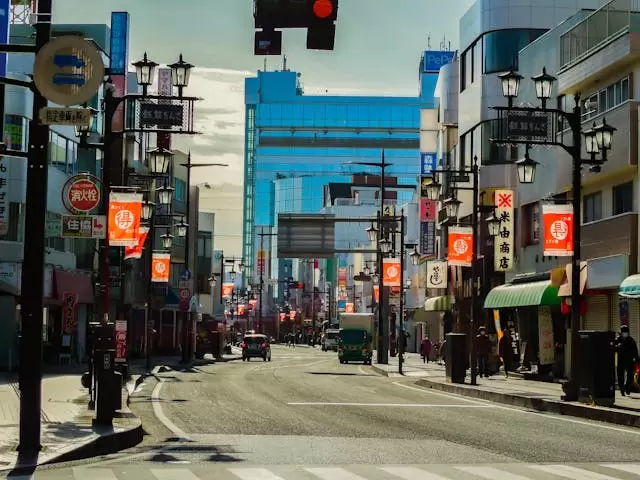
This area has many shrines and temples, and a lively shopping street in front of the station. The Toritsu Kasei Shopping Street is home to the beloved character "Kasei-chan" designed by manga artist Tetsuya Chiba. Pray for good luck with a map in hand! It's also recommended for a stroll.

Written by
Nakano city is located in the western part of Tokyo's 23 wards. It is especially famous for Nakano Broadway, known as the "holy land" of subculture, but it also has many other tourist attractions such as historic shrines and temples and gourmet food. While the area around Nakano Station is undergoing a "once in a century" redevelopment, the town is undergoing change, and the town is bustling with old-fashioned, friendly shopping streets, making Nakano a very diverse city. This diversity is also what makes it a city with a population of about 17,000 people from about 120 countries.
This service includes sponsored advertisements.
Fukuzoin Temple Olive Bridge Kasei Chan Monument Yamatocho Hachiman Shrine Saginomiya Hachiman Shrine
 1-31-5 Shirasagi, Nakano-ku, Tokyo 165-0035
This is a Shingon Buddhism Tozan sect temple located in Shirasagi, Nakano-ku, Tokyo. Its mountain name is Shirasagiyama, its temple name is Fukuzo-in, and its temple name is Shohan-ji. It was founded in the Bunki and Eisho eras (1501-1521) by the monk Raichin. During the Edo period, it also served as the head temple of Saginomiya Hachiman Shrine, and is the 14th temple of the 88 sacred places in the capital. The principal image is Acala, said to have been made by Unkei. There are also stone statues of thirteen Buddhas, which are valuable cultural assets that show the faith of the common people in the late Edo period. The Jizo and Koshin towers are registered tangible cultural properties of Nakano Ward, and the standing statue of the Eleven-Headed Kannon Bodhisattva, the standing statue of Nanda Ryuo, and the standing statue of Uho Doji are registered tangible cultural properties designated by Nakano Ward.
1-31-5 Shirasagi, Nakano-ku, Tokyo 165-0035
This is a Shingon Buddhism Tozan sect temple located in Shirasagi, Nakano-ku, Tokyo. Its mountain name is Shirasagiyama, its temple name is Fukuzo-in, and its temple name is Shohan-ji. It was founded in the Bunki and Eisho eras (1501-1521) by the monk Raichin. During the Edo period, it also served as the head temple of Saginomiya Hachiman Shrine, and is the 14th temple of the 88 sacred places in the capital. The principal image is Acala, said to have been made by Unkei. There are also stone statues of thirteen Buddhas, which are valuable cultural assets that show the faith of the common people in the late Edo period. The Jizo and Koshin towers are registered tangible cultural properties of Nakano Ward, and the standing statue of the Eleven-Headed Kannon Bodhisattva, the standing statue of Nanda Ryuo, and the standing statue of Uho Doji are registered tangible cultural properties designated by Nakano Ward.
 165-0033 3-57 Wakamiya, Nakano-ku, Tokyo
Olive Bridge is a beautiful bridge located in Wakamiya, Nakano-ku, Tokyo, that spans the Myoshoji River. The bridge is named after the famous novelist Tsuboi Sakae's novel "Twenty-Four Eyes." Tsuboi Sakae used to live in the area, and the bridge was named after olives, a specialty of Shodoshima. Near the bridge, you can also enjoy nature at Wakamiya Olive Park. The park has playground equipment and benches, making it a popular spot for families. Enjoy the view from the bridge, take a walk along the river, and explore the surrounding tourist attractions.
165-0033 3-57 Wakamiya, Nakano-ku, Tokyo
Olive Bridge is a beautiful bridge located in Wakamiya, Nakano-ku, Tokyo, that spans the Myoshoji River. The bridge is named after the famous novelist Tsuboi Sakae's novel "Twenty-Four Eyes." Tsuboi Sakae used to live in the area, and the bridge was named after olives, a specialty of Shodoshima. Near the bridge, you can also enjoy nature at Wakamiya Olive Park. The park has playground equipment and benches, making it a popular spot for families. Enjoy the view from the bridge, take a walk along the river, and explore the surrounding tourist attractions.
 165-0033 3-16-11 Wakamiya, Nakano-ku, Tokyo
The Toritsu Kasei Shopping District Promotion Association commissioned cartoonist Chiba Tetsuya to create this monument in 2002 to commemorate the completion of new street lights and road paving in the shopping district. The monument was created in July 2011 to commemorate the 10th anniversary of the birth of "Kasei-chan." The character is beloved by the local community and wears costumes to suit various events.
165-0033 3-16-11 Wakamiya, Nakano-ku, Tokyo
The Toritsu Kasei Shopping District Promotion Association commissioned cartoonist Chiba Tetsuya to create this monument in 2002 to commemorate the completion of new street lights and road paving in the shopping district. The monument was created in July 2011 to commemorate the 10th anniversary of the birth of "Kasei-chan." The character is beloved by the local community and wears costumes to suit various events.
 165-0034 2-30-3 Yamatocho, Nakano-ku, Tokyo
It is said that the shrine was founded in 1056 (Tenki 4) by villagers who admired Minamoto no Yoshiie on the site where Yoshiie had held a ceremony to pray for victory in battle. The deity worshipped is Emperor Ojin. Inside the shrine are a pair of lion-dog statues with topknots, a memorial monument to the Russo-Japanese War, and a monument to the loyal souls of the deceased (written by General Nogi Maresuke). The Koshin tower is a registered tangible cultural property, and the hand washing bowl is a Nakano Ward designated tangible cultural property. The annual summer festival features a portable shrine procession and a large Bon dance festival.
165-0034 2-30-3 Yamatocho, Nakano-ku, Tokyo
It is said that the shrine was founded in 1056 (Tenki 4) by villagers who admired Minamoto no Yoshiie on the site where Yoshiie had held a ceremony to pray for victory in battle. The deity worshipped is Emperor Ojin. Inside the shrine are a pair of lion-dog statues with topknots, a memorial monument to the Russo-Japanese War, and a monument to the loyal souls of the deceased (written by General Nogi Maresuke). The Koshin tower is a registered tangible cultural property, and the hand washing bowl is a Nakano Ward designated tangible cultural property. The annual summer festival features a portable shrine procession and a large Bon dance festival.
 1-31-10 Shirasagi, Nakano-ku, Tokyo 165-0035
This shrine is located in Shirasagi, Nakano Ward, Tokyo. It is said that the shrine was founded in the Kōhei era, when, following the imperial decree of Minamoto no Yoriyoshi, the eastern provinces were pacified, and a shrine building was built here facing the Kamakura Kaido road to enshrine the divine spirit of Hachiman, and to pray for the prosperity of the Minamoto clan, as well as for thanksgiving for the victory, national peace, and the peace of the nation. The shrine was named Saginomiya Daimyojin after the old trees and herons that lived within the grounds. The torii gates within the grounds are registered tangible cultural properties of Nakano Ward, and the 13 chikara stones are designated tangible cultural properties of Nakano Ward.
1-31-10 Shirasagi, Nakano-ku, Tokyo 165-0035
This shrine is located in Shirasagi, Nakano Ward, Tokyo. It is said that the shrine was founded in the Kōhei era, when, following the imperial decree of Minamoto no Yoriyoshi, the eastern provinces were pacified, and a shrine building was built here facing the Kamakura Kaido road to enshrine the divine spirit of Hachiman, and to pray for the prosperity of the Minamoto clan, as well as for thanksgiving for the victory, national peace, and the peace of the nation. The shrine was named Saginomiya Daimyojin after the old trees and herons that lived within the grounds. The torii gates within the grounds are registered tangible cultural properties of Nakano Ward, and the 13 chikara stones are designated tangible cultural properties of Nakano Ward.
Nakano city is located in the western part of Tokyo's 23 wards. It is especially famous for Nakano Broadway, known as the "holy land" of subculture, but it also has many other tourist attractions such as historic shrines and temples and gourmet food. While the area around Nakano Station is undergoing a "once in a century" redevelopment, the town is undergoing change, and the town is bustling with old-fashioned, friendly shopping streets, making Nakano a very diverse city. This diversity is also what makes it a city with a population of about 17,000 people from about 120 countries.
The contents on this page may partially contain automatic translation.



Special Features
More







![[80 minutes by train from Kyoto ] Experience the countryside in Fukuchiyama City , Kyoto Prefecture , a special place only locals know about](https://resources.matcha-jp.com/resize/720x2000/2025/12/19-253414.webp)