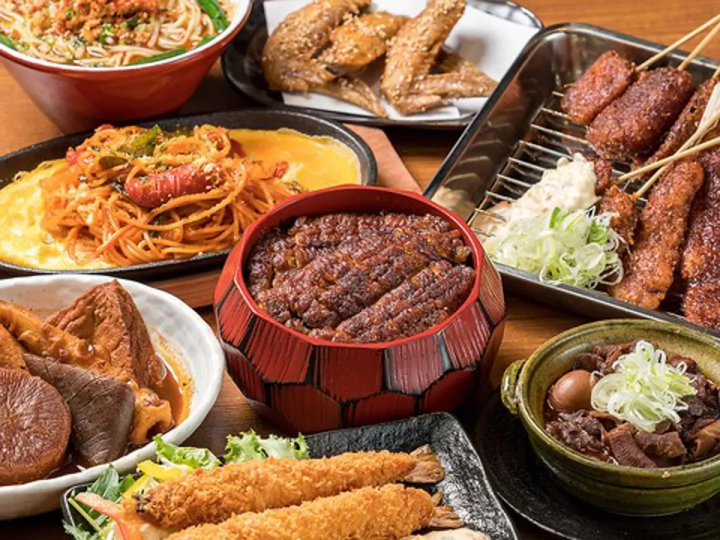
Konnyaku, a Japanese food that is gaining attention worldwide. Let's take a deep look at its roots!
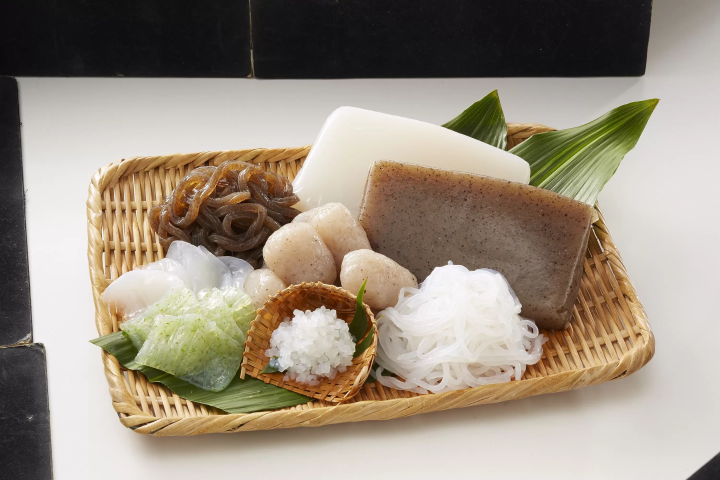
Konjac is currently attracting attention around the world as a healthy food. What are its origins?

Written by
The Japan Konjac Association is working to increase consumption of konjac by providing information on the health functionality and delicious ways to eat it.
This service includes sponsored advertisements.
Konjac, a globally popular food
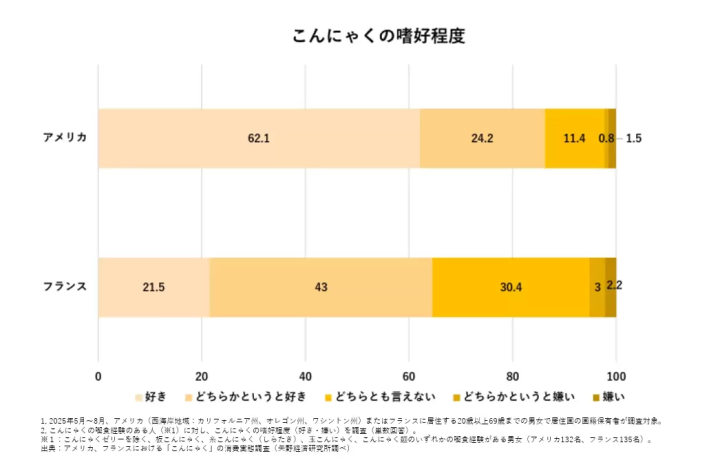
According to a survey by the Japan Konjac Association,
Among those who have eaten konjac, the percentage of people who feel they "like konjac" is
80% in the US and over 60% in France.
In both the US and France, the top reasons for purchasing or eating it were:
・Low calorie
・Rich in dietary fiber
・Expectations for beauty and health benefits
It is also highly regarded overseas as a "healthy ingredient" and is especially popular among dieters and health-conscious people.
Recently, shirataki noodles have been gaining attention from overseas users seeking a low-carb diet, and have become increasingly popular as a healthy pasta substitute.
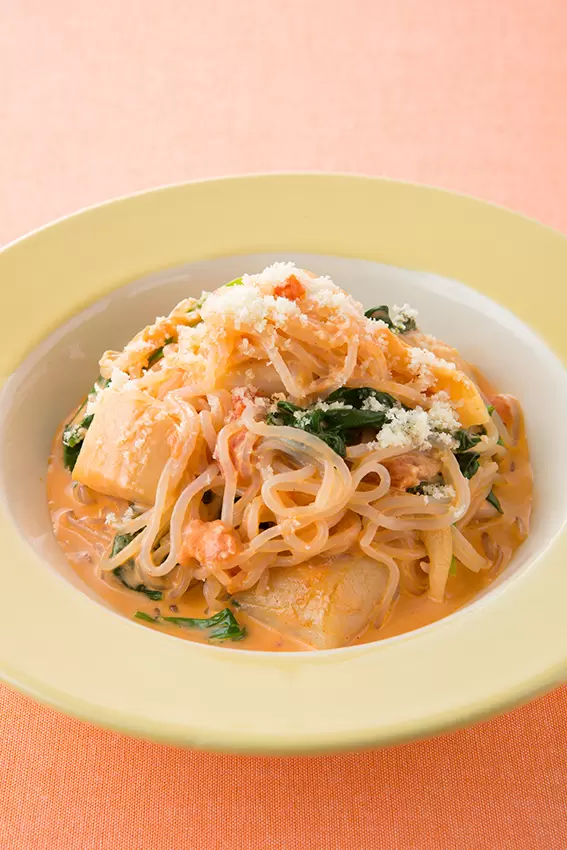
It is quickly becoming a trendy food ingredient that is spreading from Japan to the world.
However, konjac is actually a very deep and fascinating ingredient with a history spanning over 1,000 years!
Konjac ingredients and origins
The raw material for konjac is a processed food made from the corm of a plant in the Araceae family called konjac potato.
Konjac potatoes are said to have originated in the Indochina Peninsula, where they are nicknamed "elephant's foot" due to their shape.
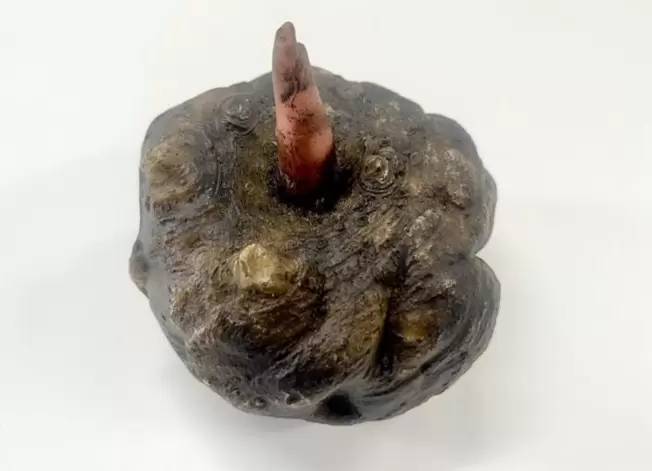
The history of konjac in Japan
It is believed that konjac was introduced to Japan from China around the 6th century as a medicine along with Buddhism.
It was originally prized as a vegetarian dish or snack among monks and aristocrats, but it wasn't until the Kamakura period, when Buddhism became a popular religion, that it began to be eaten regularly by the general public.
Furthermore, it was only after the Edo period that konjac cultivation spread throughout the country and it became a common food for the common people.
In the late Edo period, a method for producing konjac flour was invented, and the book "Konnyaku Hyakuchin" was published, which compiled various recipes that are still in use today.
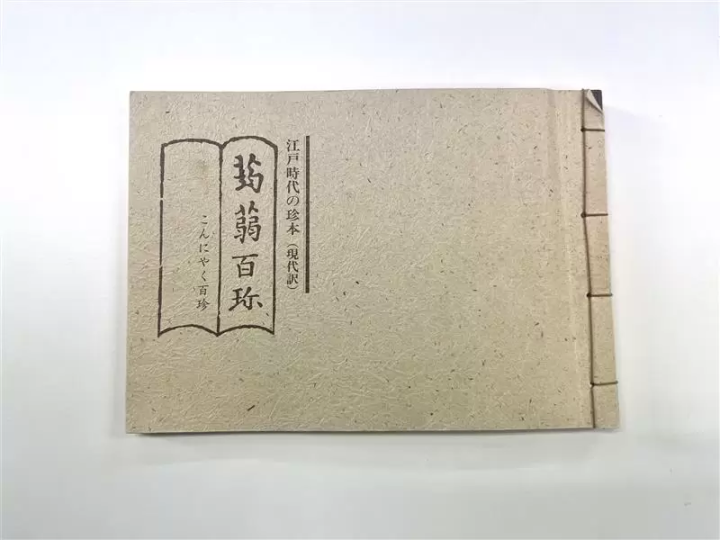
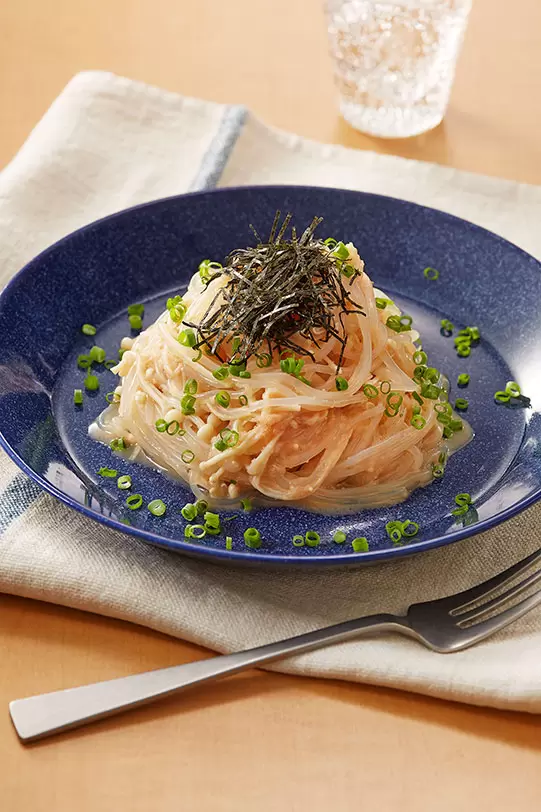
Recipes using "konjac," popular in Japan and around the world
Konjac can be used in a variety of dishes.
For more information, please check out the Japan Konjac Association's Instagram and website!


The Japan Konjac Association is working to increase consumption of konjac by providing information on the health functionality and delicious ways to eat it.
The contents on this page may partially contain automatic translation.



Special Features
More












![[Cancelled for 2026] Kawaguchiko Herb Festival, which adorns the shores of Lake Kawaguchi at the Mount Fuji with a purple carpet.](https://resources.matcha-jp.com/resize/720x2000/2025/05/27-234666.webp)