Taste 100% Pure Uji Matcha in Asakusa at Uji no Kura
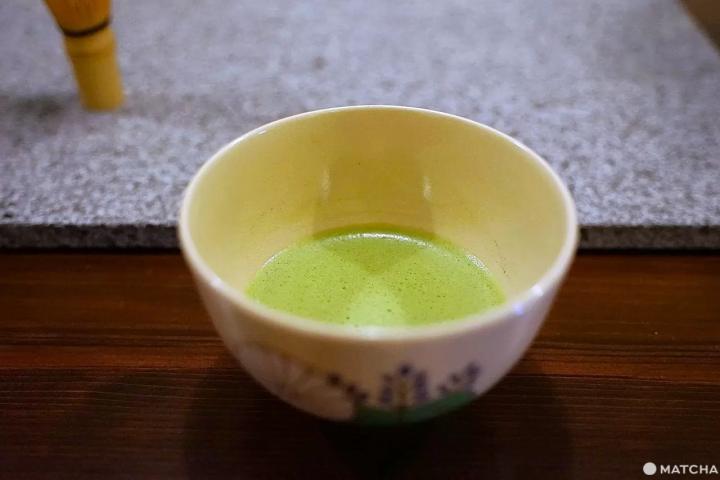
Seeking authentic matcha? Head to Uji no Kura, the specialty shop in Asakusa offering certified Uji matcha from Kyoto. Experience the quality firsthand by tasting a bowl prepared on the spot!

Written by
Tokyo
English content editor at MATCHA since 2016. Ramona arrived in Japan in 2012 as a graduate student to research Japanese literature and performing arts. As a travel editor and writer, she has visited and documented 40 of Japan's prefectures with a focus on art, history, and traditional Japanese crafts. She has been practicing ikebana flower arrangement (Ikenobo School) and tea ceremony (Omote Senke) since 2012.
This service includes sponsored advertisements.
-
Table of Contents
- Uji no Kura: Japan's First Uji Matcha Tea Specialty Shop
- Inspired by a Delicious Bowl of Tea Enjoyed at Koyasan
- How Matcha Tea Is Made
- Matcha Products on Offer at Uji no Kura
- How to Enjoy Pure Matcha Tea in Everyday Life
Uji no Kura: Japan's First Uji Matcha Tea Specialty Shop
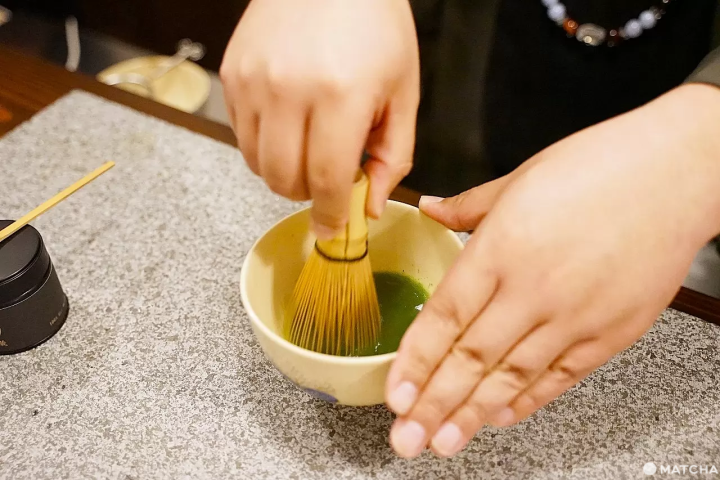
Matcha is officially a global phenomenon. Valued for its deep aroma and superior nutritional profile, the green tea is a healthier alternative to typical stimulants, winning fans worldwide.
Nowhere is this trend more visible than in Asakusa, Tokyo's vibrant traditional heart. Here, you'll find matcha everywhere: in lattes, ice cream, dessert toppings, and a multitude of other treats.
Authentic matcha experiences in Asakusa—and a chance to connect with the roots of Japan's tea ceremony—used to be scarce. That is, until the recent opening of Uji no Kura. Tucked away in the backstreets of Asakusa, this is Japan's first shop specializing exclusively in 100% Uji matcha.
Upon entering, the owner will prepare a bowl of Uji matcha, and you will instantly taste the difference from typical "matcha-flavored" products.
We visited Uji no Kura to understand what sets Uji matcha apart and the motivation behind opening a shop dedicated only to this prestigious tea.
Inspired by a Delicious Bowl of Tea Enjoyed at Koyasan
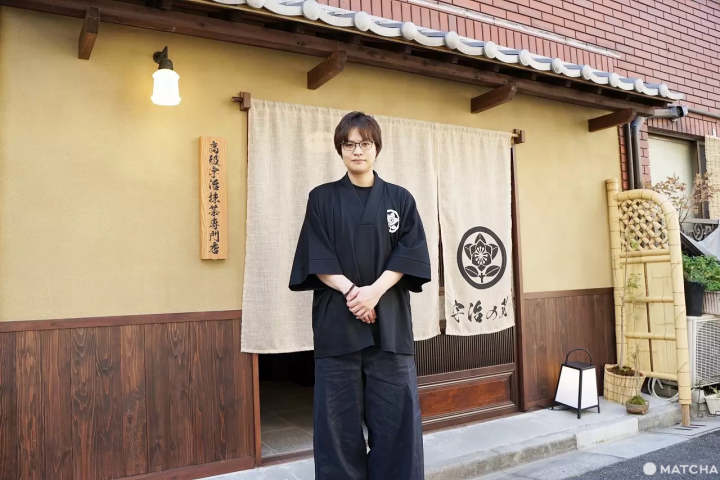
Seiji Misaki, the owner of Uji no Kura, had his transformative first encounter with authentic matcha during a trip to Koyasan, the sacred monastic complex and UNESCO World Heritage site in Wakayama.
Before this trip, he only thought of matcha as a bitter drink and paid it little attention.
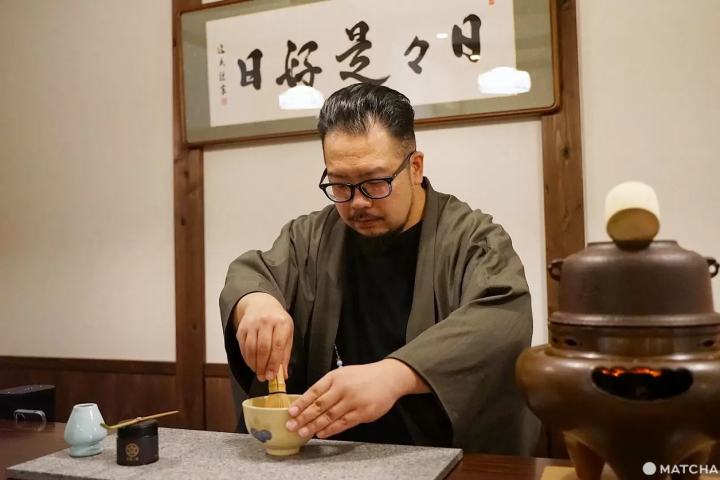
While there, he had a chance to enjoy a bowl of the tea prepared by Umehara Eigen, a tea grandmaster of the Bukechado School based in Koyasan.
Taking a sip, Seiji-san was completely surprised: the matcha was not bitter at all. In fact, the flavor seemed to transform in his mouth, leaving behind a wonderfully smooth aftertaste. It was then that he realized that pure, unblended matcha is truly delicious on its own.
This profound encounter determined his next step: to begin the study of the tea ceremony under the guidance of Umehara-sensei. As he trained, he grew increasingly knowledgeable about how matcha is made, the characteristics of high-quality tea, and how to bring out the best flavor during preparation.
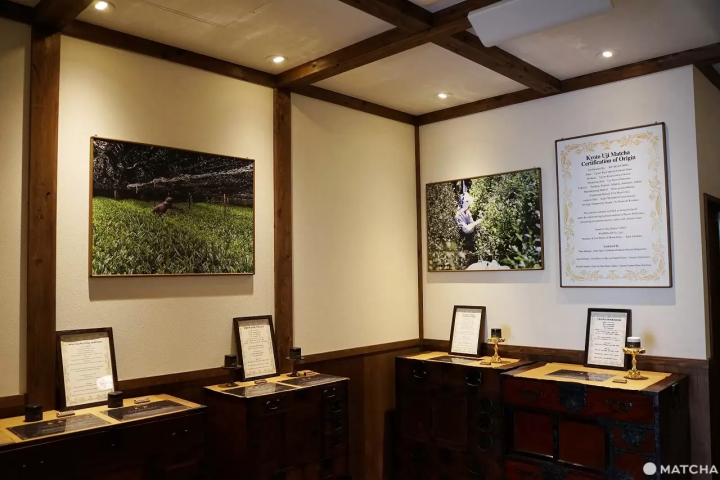
Motivated by this profound experience, Seiji Misaki was determined to open a pure Uji matcha specialty shop in Asakusa.
His goal: to give international visitors a chance to taste authentic, high-grade matcha right here in Tokyo.
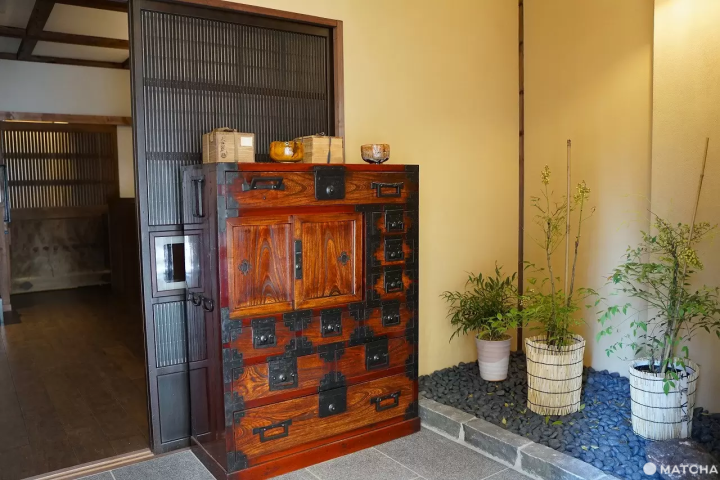
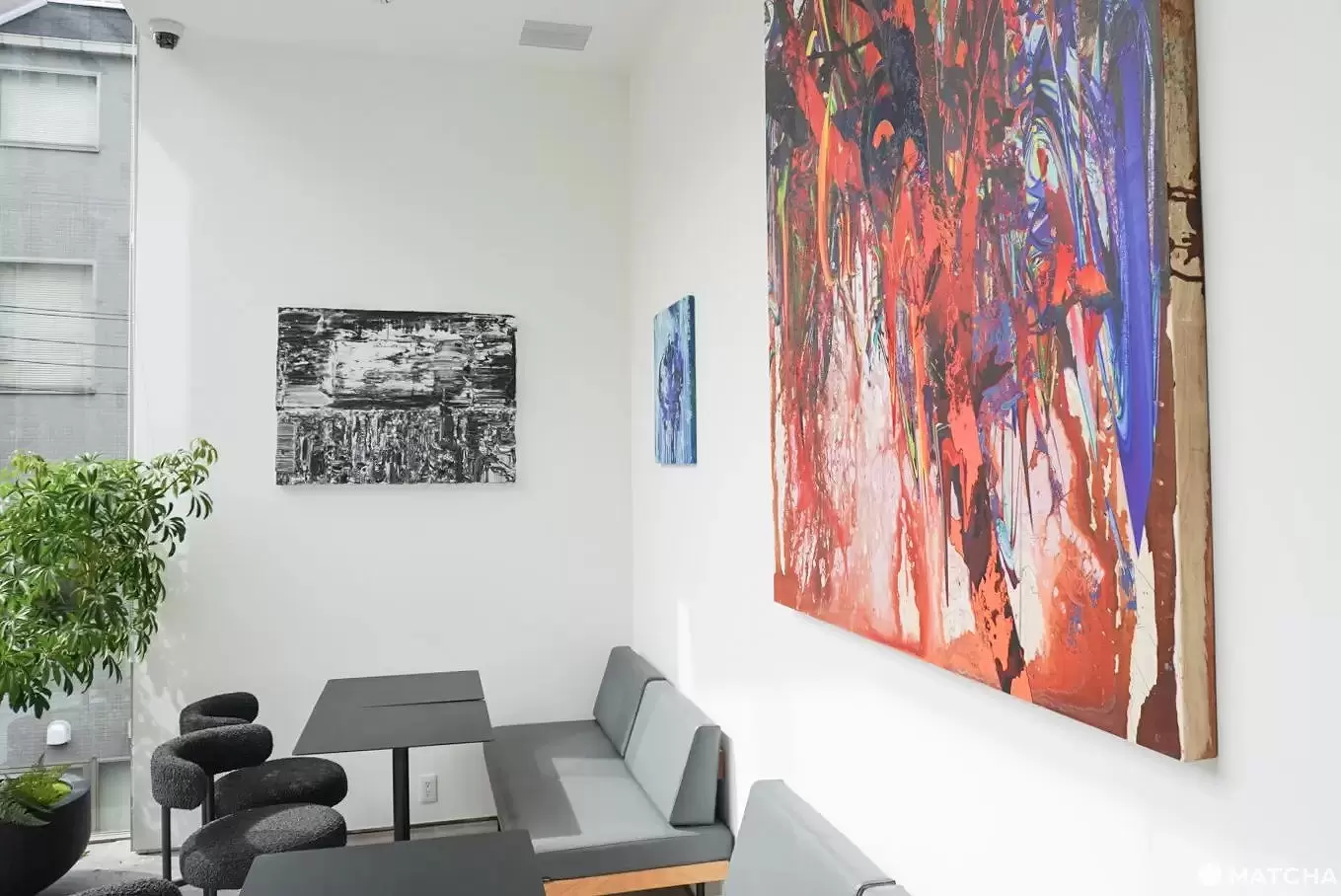
Following meticulous preparations, Uji no Kura opened in October 2025. Seiji-san took on the renovation himself, converting a former izakaya into an elegant space furnished with beautiful retro pieces.
The shop maintains its commitment to quality as Umehara Sochoku oversees the matcha products, acting as the official supervisor to ensure their purity and excellence.
How Matcha Tea Is Made
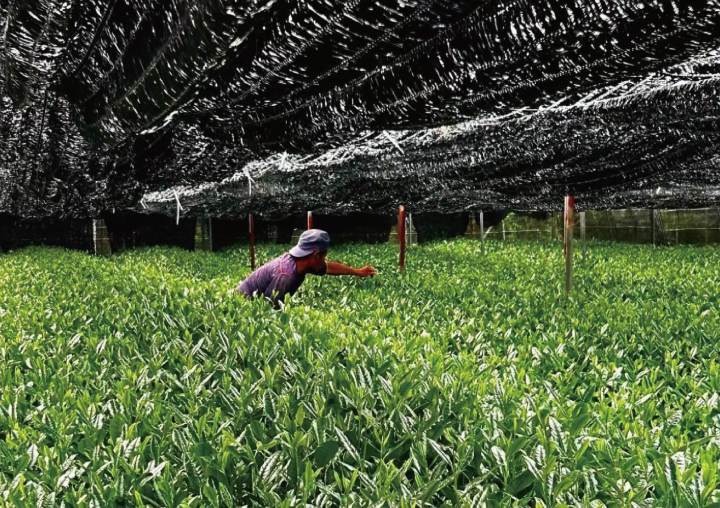
While matcha comes from the same tea plant, Camellia sinensis, as other daily-consumption green teas in Japan, the difference lies in the method of cultivation, harvesting, and processing.
To achieve a vibrant flavor and minimal astringency, the tea bushes are shaded for approximately two weeks before the leaves are picked. This crucial shading step minimizes the sunlight reaching the leaves, a process that actively inhibits the development of compounds that create bitterness.

While machine harvesting is permitted for regular teas, matcha requires a strictly manual process. Farmers meticulously handpick only the freshest leaf buds from the very top of the plant to guarantee the highest quality matcha.
Immediately after picking, the leaves are steamed and dried to prevent oxidation, which preserves their vibrant color and fresh flavor.
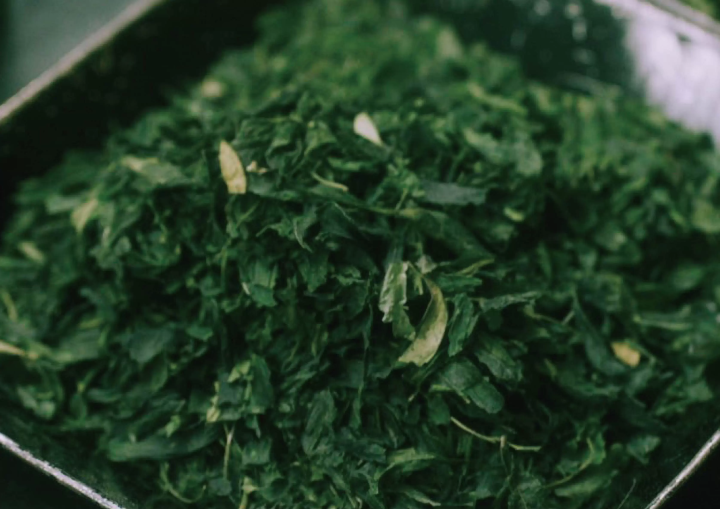
The next painstaking step involves hand-removing all leaf veins and stems. Once this is complete, the resulting leaf material, called tencha, is finally ready to be ground into the fine powder using a traditional stone mill.
It is this meticulous, labor-intensive process that makes high-grade matcha so precious and uniquely delicious.

High-Quality Matcha and Legal Loopholes
Matcha is produced across all major tea regions in Japan, including Shizuoka and Kagoshima.
However, Uji matcha from Kyoto is widely considered the highest quality and is preferred by most tea ceremony experts.
The challenge lies in the marketing: not all tea sold as "Uji matcha" is 100% pure. Under Japanese law, a blend can be labeled as Uji matcha if it contains just 51% matcha from Uji, allowing for the inclusion of tea from other regions.
Many producers opt to sell these blends at lower costs, often resulting in significant concessions to product quality.
Discerning tea masters can immediately spot the difference. This is why Seiji Misaki partnered with Umehara Sochoku sensei and a quality-focused Uji tea farm—to guarantee and provide genuinely 100% pure Uji matcha.
Matcha Products on Offer at Uji no Kura
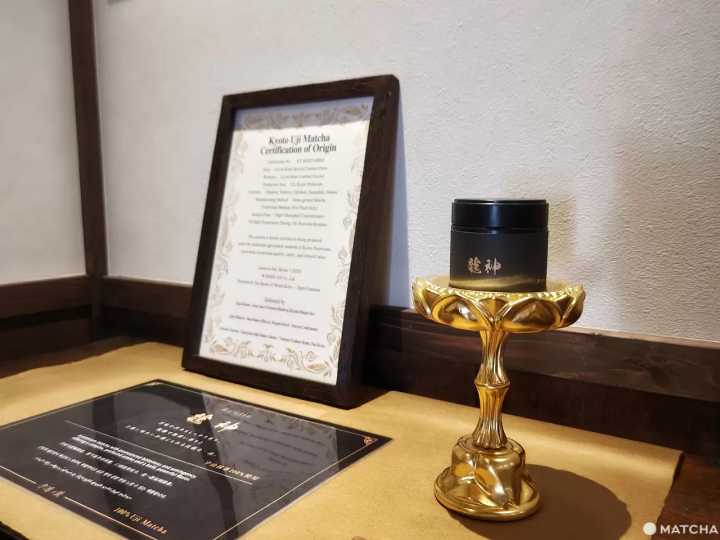
Every matcha product at Uji no Kura is guaranteed by the official Kyoto Uji Matcha Certification of Origin.
Wazen and Eigen are two excellent entry-level matchas, crafted by contracted Uji farmers and ideal for casual daily use.
For a more complex experience, Sanbo, Nyorai, and Koku offer a highly refined aroma. They are differentiated by their unique balance of umami, natural sweetness, and elegance. These matchas are best saved for thoughtful moments when you seek a truly delicious and refreshing, authentic Japanese tea.
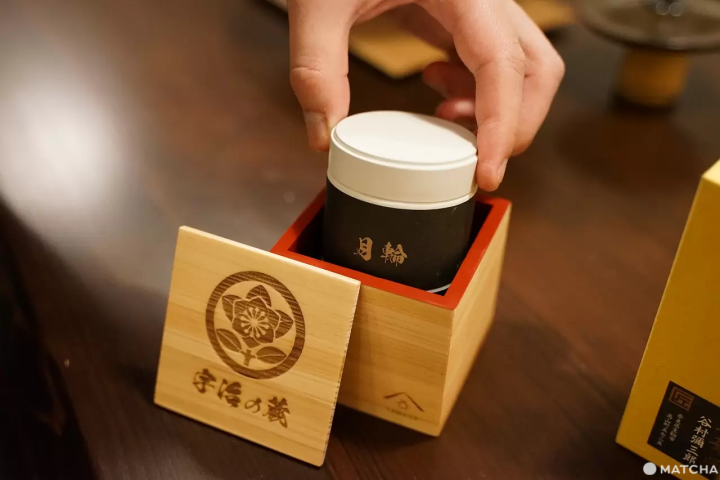
Ryujin and Gachirin represent the pinnacle of quality at Uji no Kura.
Ryujin delivers a powerful, concentrated flavor. In contrast, Gachirin is distinguished by its gentle, refined aroma, harvested from tea trees that have matured for over a century. Their superior grade is validated by their use as offerings in Japanese shrines and temples.
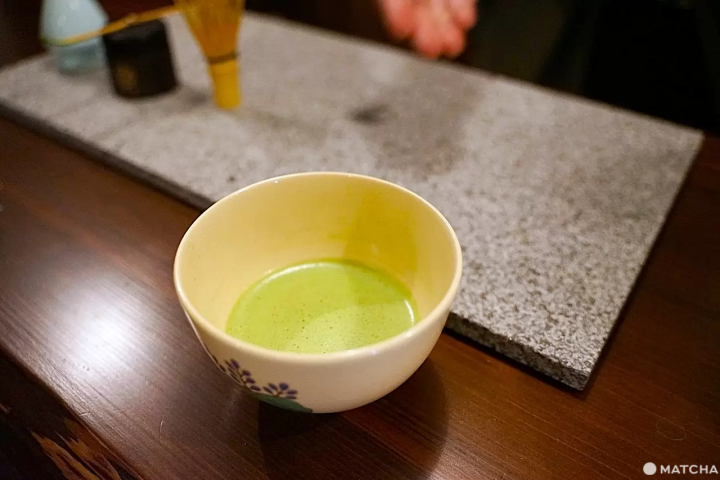
We encourage you to savor a bowl of Gachirin or Ryujin for moments of deep calm, allowing you to connect intimately with Japan's rich cultural heritage.
While the price of a 30g tin of pure matcha might initially seem high, anyone familiar with the Japanese tea ceremony will confirm that these are standard prices for genuine matcha.
Matcha powder has always been precious due to the intense manual labor required for its production. Historically, it was an exclusive treat reserved only for the elite. Only modern consumerist trends made it "affordable" by permitting low-quality tea to be blended with superior grades.
Tasting pure matcha remains a truly rare opportunity. Uji no Kura has therefore embarked on a courageous endeavor: to present the authentic charm of genuine Uji matcha to the world at a time when we have become accustomed to settling for fakes.
How to Enjoy Pure Matcha Tea in Everyday Life
While the pure matcha powder is excellent for culinary uses—sprinkling on desserts or mixing into hot milk for a latte—it is best appreciated in its pure form.
To fully savor the exquisite flavor of pure Uji matcha, why not establish a mindful ritual? This practice is a wonderful way to pause and relax during your busy day. The essential tools—a tea bowl, a chasen (whisk), and a chashaku (bamboo scoop)—are readily available from the many shops in the Asakusa area.
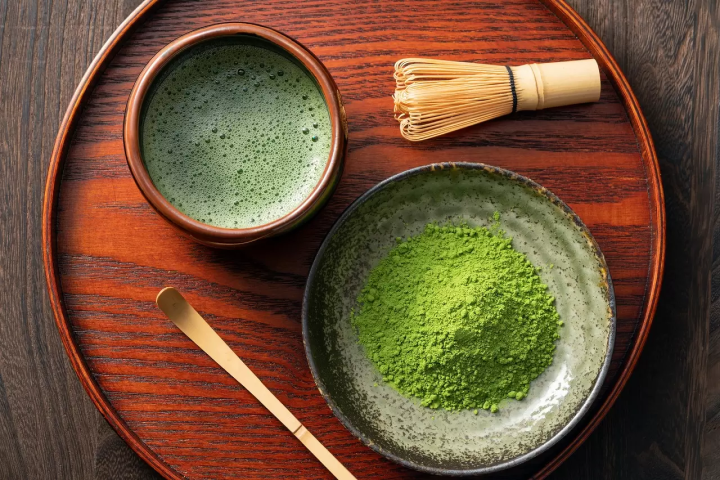
Photo by Pixta
When you seek relaxation at home, prepare your own bowl of matcha. Savor the calming process of whisking, then take a sip immediately after enjoying a cookie or a sweet confection.
You will feel the matcha flavor gracefully transform on your palate, evoking vivid images of Japan's serene nature: lush green tea fields under a clear sky. This simple act connects you directly to the millennial culture and deep traditions of Uji and Kyoto.
One valuable tip you can learn at a specialty shop like Uji no Kura is about preserving freshness: Once opened, matcha powder must be sealed tightly and stored in the refrigerator. To ensure the matcha retains its fresh taste for the longest possible time, it needs to be stored at a temperature near or below freezing and protected from daylight.
Uji no Kura
Address: Tokyo, Taito ward, Senzoku 3-16-9 MAP
Access: 10-minute walk from exit 3 of Iriya Station, 23-minute walk from Asakusa Station
Business hours: 10:00 - 16:00 (*Closed on Mondays and Tuesdays)
Official website: https://www.ujinokura.com/en/index.html
Instagram: https://www.instagram.com/uji_no_kura/
Umehara Eigen-sensei: https://www.instagram.com/eigen_a.k.a_matcha_man
Read also


In cooperation with Uji no Kura
English content editor at MATCHA since 2016. Ramona arrived in Japan in 2012 as a graduate student to research Japanese literature and performing arts. As a travel editor and writer, she has visited and documented 40 of Japan's prefectures with a focus on art, history, and traditional Japanese crafts. She has been practicing ikebana flower arrangement (Ikenobo School) and tea ceremony (Omote Senke) since 2012.


Special Features
More