Tsukimi (Jugoya): Japan's Moon Festival 2026

Discover Otsukimi, Japan’s autumn moon festival. Learn the history behind this cultural tradition, find local events, and explore classic Tsukimi food.

Written by
This is the official account of MATCHA's editorial department. Our articles feature useful travel information for visitors to Japan, from how-to guides to recommended places to visit.
This service includes sponsored advertisements.
The Harvest Moon Festival in Japan
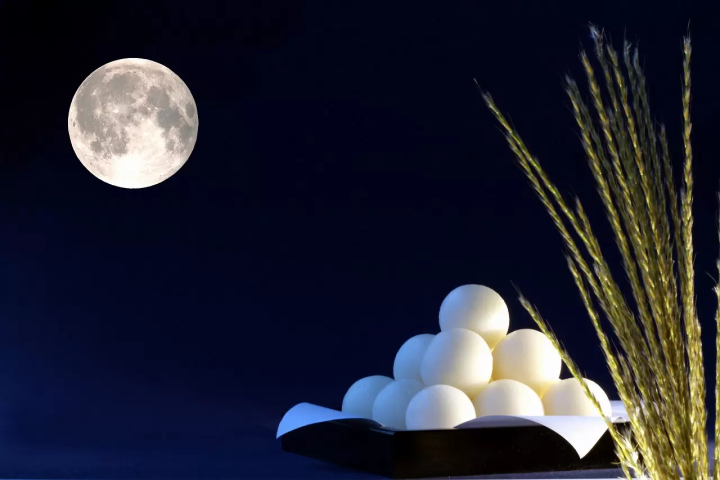
Photo by Pixta
After the end of the summer, when temperatures begin to drop, you will hear people mentioning the words Tsukimi or Jugoya. These words refer to "the night of the Harvest Full Moon," the traditional custom of celebrating the autumn harvest.
In 2026, Tsukimi, Japan's Moon Festival, is on September 25. Read on to learn what people do on this day in Japan and the special food enjoyed for Tsukimi.
-
Table of Contents
- Tsukimi: An Annual Festival Celebrating the Autumn Harvest
- Why Offer Dango Rice Cakes and Silver Grass?
- Rabbits on the Moon? The Way the World Sees the Moon
- How to Enjoy the Moon Festival in Japan
- Moon-Related September Events in Japan
Tsukimi: An Annual Festival Celebrating the Autumn Harvest

In the past, the Japanese used the lunar calendar, which is different from the calendar we use today. The ways to count the months are different, and according to the lunar calendar, autumn arrived in the eighth month of the year.
The fifteenth of the eighth month happened to be in the middle of autumn and people referred to the "night of the 15th" as the day to celebrate and appreciate the year's harvest. That is why the night of the September Full Moon used to be called Jugoya (the 15th night).
The word Tsukimi literally means "viewing the moon" but it has come to refer to the entire celebration related to the Harvest Moon in Japan.
Why Offer Dango Rice Cakes and Silver Grass?
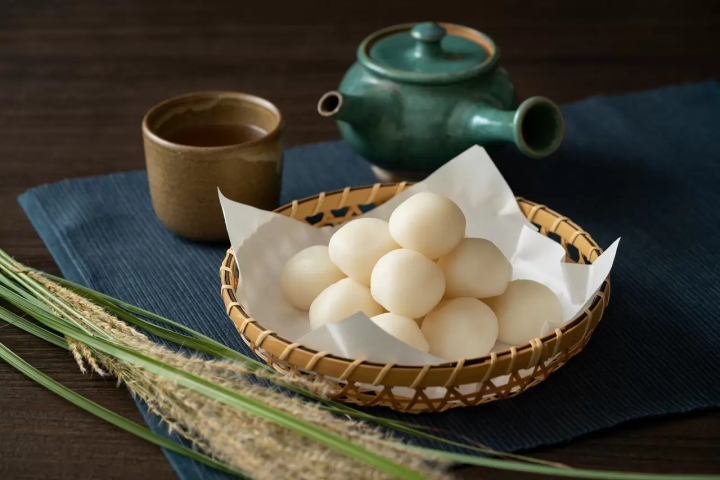
Photo by Pixta
In Japan, dango (round glutinous rice cakes) and silver grass are displayed in homes during the Tsukimi celebration.
The reason behind this custom comes from the festival celebrating the crops.
The silver grass represents the rice grains and wishes for good crops for the year. The silver grass is also said to ward away evil.
The round rice cakes represent the full moon and have been used as an offering to pray for the good health of children and their descendants.
Rabbits on the Moon? The Way the World Sees the Moon
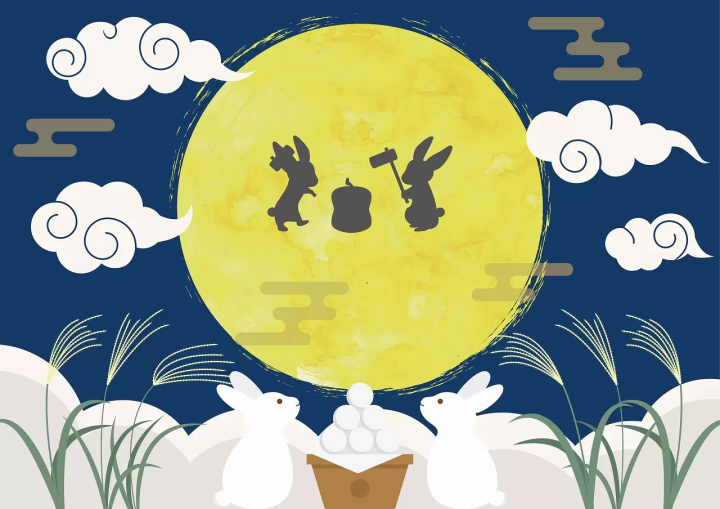
Illustration by Pixta
In Japan, it is said that there are rabbits on the moon. The belief has derived from the shapes of the craters on the moon, which are said to look like rabbits. Therefore, many songs about the tsukimi commonly feature rabbits.
What about the rest of the world? In Europe, there are various perspectives depending on the area. In Eastern Europe, they believe that the moon looks like the portrait of a lady, while in Southern Europe they see a crab, and in Northern Europe, they see an old lady reading a book.
Meanwhile, in Arabic countries, they see a lion, which is the complete opposite of rabbits.
How to Enjoy the Moon Festival in Japan
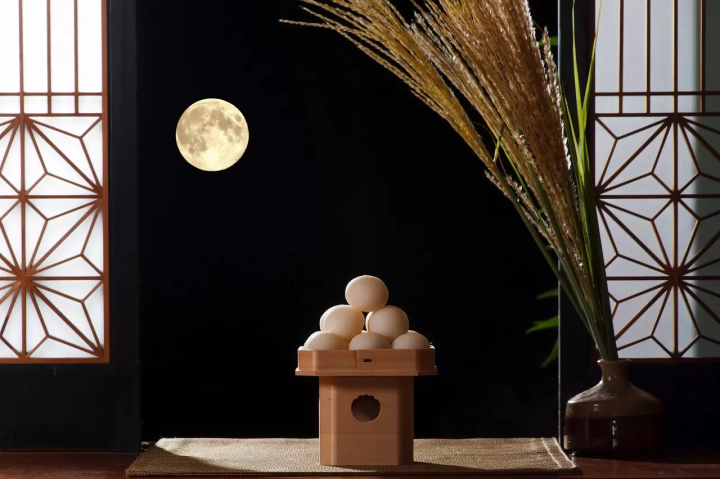
Photo by Pixta
Most people in Japan enjoy a relaxing tsukimi celebration at home gazing up at the moon while sipping sake under the moonlight.
The silver grass and dango decorations make one feel like they've slipped back to the Heian period (794-1185) while sitting back and savoring some sake or a meal under the moonlight. It's fun to exchange stories about the moon in the world.
Moon-Related September Events in Japan
Every year, a variety of Moon-inspired items fill the stores and special events take place all around Japan. We introduce some of these events below.
1. Moon Art Night Shimokitazawa
Picture courtesy of PR Times
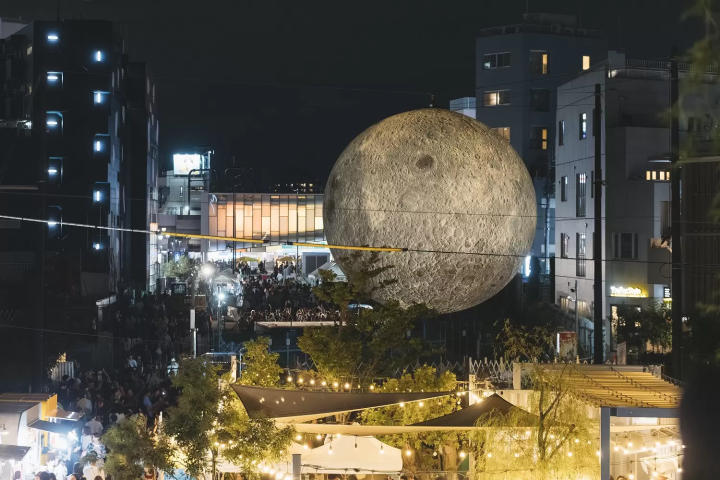
Moon Art Night Shimokitazawa has been held every year since 2022 in Shimokitazawa, Tokyo's vibrant district of artists and creators.
In 2026, Moon Art Night Shimokitazawa will be held from September 18 to October 4.
The event features "Museum of the Moon," an impressive lunar installation measuring 7 meters in diameter by the internationally acclaimed artist Luke Jerram, along with other art displays around Shimokitazawa.
The main venue is the Shimokita Senrogai Open Space area near the east exit of Shimokitazawa Station.
2. Moon Viewing Event at Mukojima Hyakkaen Garden
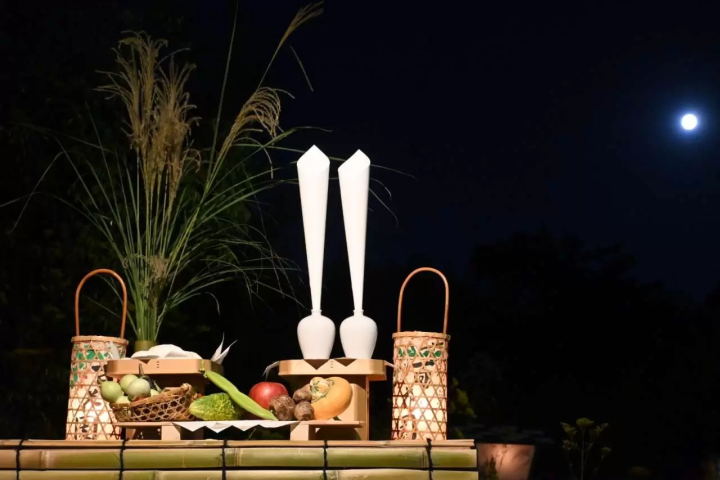
Photo from the official website of Mukojima Hyakkaen Garden
Mukojima Hyakkaen Garden, located in Tokyo's Sumida Ward, is hosting Tsukimi no Kai (Moon Viewing Gathering), a traditional celebration dating back to the Edo period (1603–1868).
This year, the event will take place from September 24 to 26. On the opening night starting at 5:00 PM, visitors can watch the traditional ceremony of arranging Tsukimi offerings, featuring seasonal dango (rice dumplings) and susuki (pampas grass) in the garden.
Throughout the three-day festival, guests can enjoy these beautiful ceremonial displays alongside elegant live harp performances.
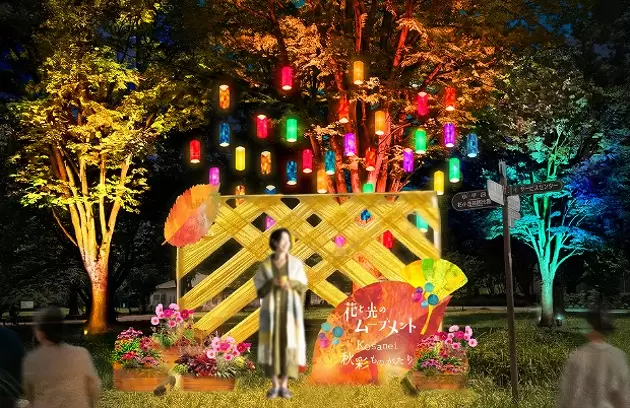
To fully experience the autumn atmosphere, the garden will extend its hours until 9:00 PM, allowing visitors to stroll through the grounds illuminated by the mystical glow of traditional paper lanterns.
3. Limited Menus Inspired by Moon Viewing

Picture courtesy of PR Times
Aside from the traditional festivities, during this season in Japan, there are many sweets and fast food delicacies related to the moon viewing celebration offered for a limited time.
The "Tsukimi Moon Burger" offered at McDonald's, KFC, and other chain eateries is a classic. It is a hamburger with a large egg inside representing the moon. This seasonal menu is only available during this time, so it is worth a try!


This is the official account of MATCHA's editorial department. Our articles feature useful travel information for visitors to Japan, from how-to guides to recommended places to visit.
Top Articles
There are no articles in this section.
Related Article


Special Features
More