Bonsai Experiences in Japan: Learn the Craft from Professionals
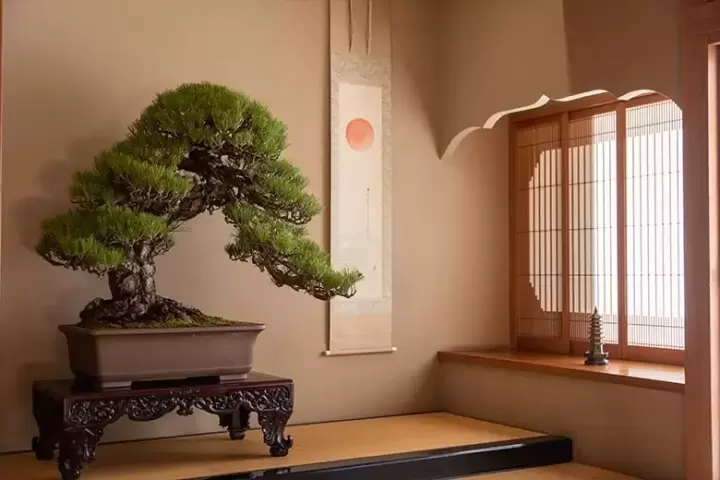
These bonsai experiences in Tokyo, Nagoya, Takamatsu, and Himeji provide an opportunity to meet professional bonsai artists and gain insights into the art and appreciation of bonsai.

Written by
Tokyo
English content editor at MATCHA since 2016. Ramona arrived in Japan in 2012 as a graduate student to research Japanese literature and performing arts. As a travel editor and writer, she has visited and documented 40 of Japan's prefectures with a focus on art, history, and traditional Japanese crafts. She has been practicing ikebana flower arrangement (Ikenobo School) and tea ceremony (Omote Senke) since 2012.
This service includes sponsored advertisements.
Experience the Art of Bonsai in Japan
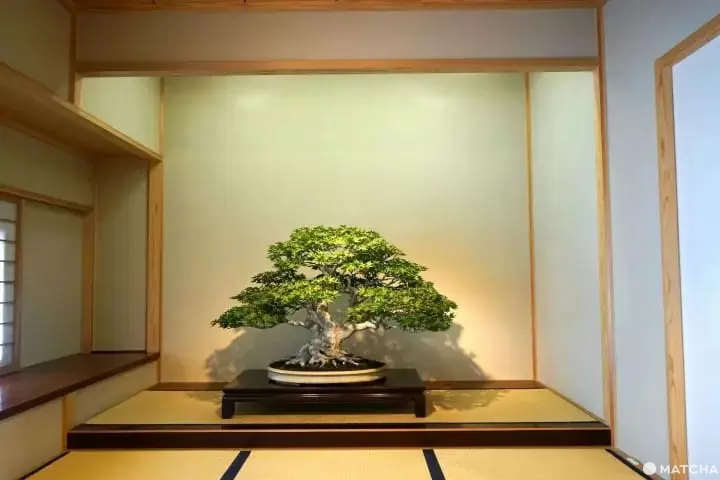
Bonsai is a Japanese art form that involves growing miniature trees in containers, carefully trimmed and shaped to resemble full-sized trees in nature. The term "bonsai" (盆栽) translates roughly to "planted in a tray" or "planting in a shallow container."
Bonsai trees are cultivated to be small but proportionally similar to their full-sized counterparts. To achieve this, techniques such as wiring, trimming, and root pruning are used to shape the tree and control its growth.
The goal in bonsai art is to create a harmonious, natural appearance that reflects the beauty and style of mature trees in nature. Growing bonsai requires ongoing attention, patience, and a good understanding of horticultural practices.
Where to Find Bonsai in Japan
Omiya, a city north of Tokyo, is renowned for the Omiya Bonsai Art Museum and its Bonsai Village. The village is a collection of bonsai farms that were established here after the Great Kanto Earthquake of 1923, when many bonsai growers moved to Omiya to protect their trees from the fires in Tokyo. At the Omiya Bonsai Art Museum, you can see bonsai that are several centuries old.
Takamatsu, the capital city of Kagawa Prefecture, is also renowned for bonsai art. Thanks to its mild climate, the city is home to approximately 60 bonsai farms.
Below, we introduce facilities in Japan that offer bonsai experiences in English. Here, you can learn the basics of bonsai art and engage with dedicated professionals.
Bonsai Experiences in Japan
1. Tokyo: Shunkaen Bonsai Museum - Workshop and Tea Ceremony
2. Nagoya: Bonsai Making and Moss Planting Experience
3. Takamatsu: Bonsai Experience at Nakanishi Chinshoen
4. Himeji: Introductory Bonsai Experience with a Professional
5. Nagoya: Enjoy Siphon-Brewed Tea and Admire Bonsai at a Specialty Shop
Read also


1. Shunkaen Bonsai Museum: Workshop and Tea Ceremony
Picture courtesy of Wabunka
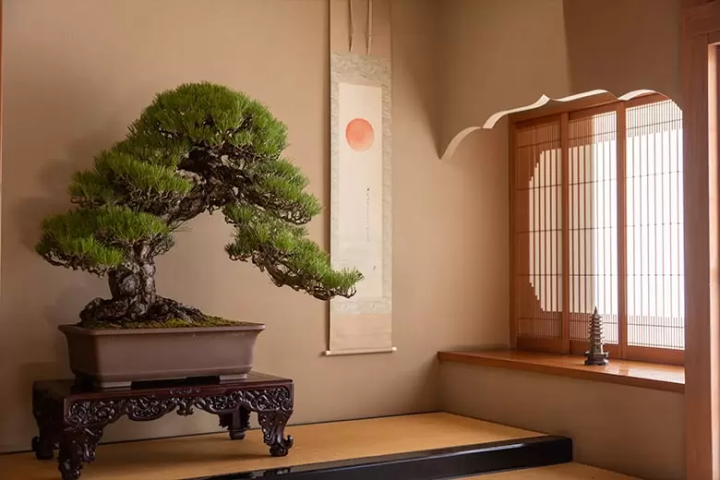
Shunkaen Bonsai Museum was founded by master Kunio Kobayashi in Tokyo’s Edogawa Ward.
This Wabunka-exclusive includes a guided tour of over 1,000 bonsai masterpieces, followed by a hands-on lesson in wiring and pruning your own tree.
Picture courtesy of Wabunka
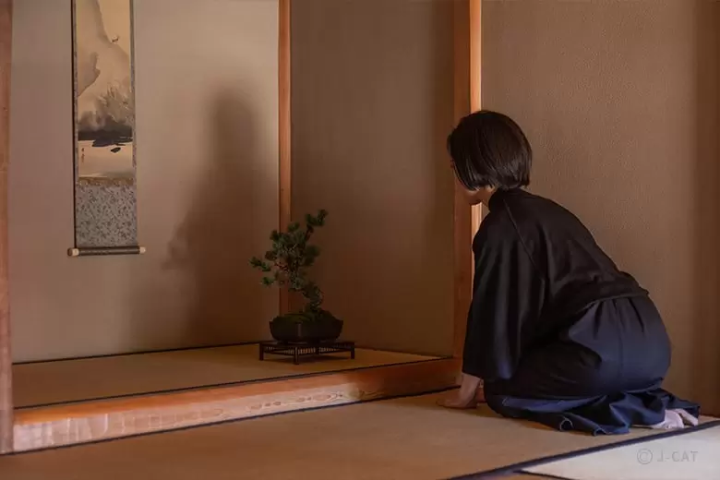
After crafting your bonsai, enjoy a serene tea ceremony in a traditional tearoom, where your creation becomes the centerpiece of the alcove. This immersive experience offers a deep appreciation for Japan’s refined aesthetic through two timeless arts—bonsai and tea.
2. Nagoya: Bonsai Making and Moss Planting Experience
Picture courtesy of Wabunka
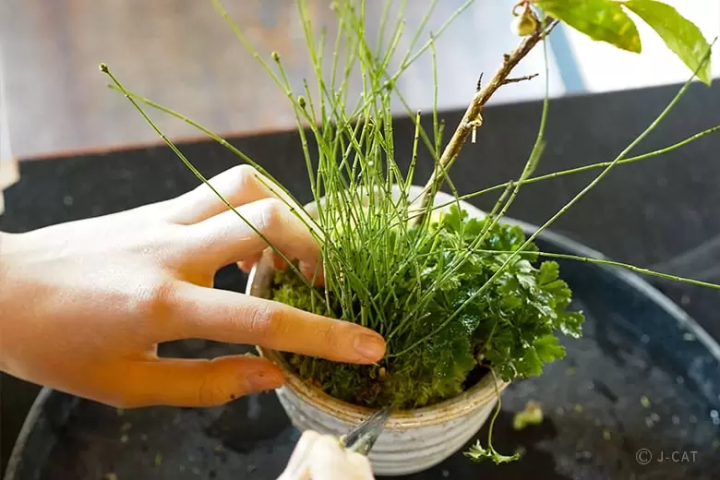
Create your own bonsai display at Nagoya’s Cultural Path Shumoku Museum in a historic tea room reserved exclusively for your group. Guided by an expert who has designed bonsai for top restaurants and exhibitions, you’ll learn traditional techniques and gain hands-on experience.
Picture courtesy of Wabunka
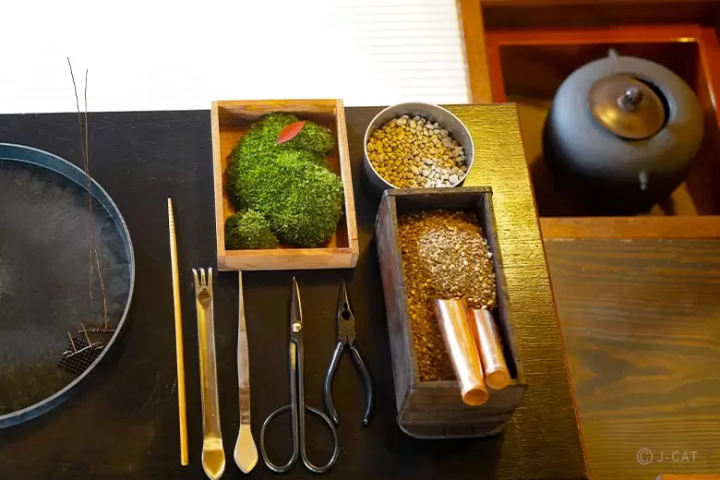
Afterward, explore the garden's moss, try moss planting, and return to the tea room for tea and sweets in a tranquil setting. You’ll also receive an English manual written by the instructor, allowing you to continue practicing bonsai at home.
This Wabunka-exclusive experience held in a Designated Cultural Property offers participants a hands-on introduction to Japan's refined aesthetic traditions.
3. Takamatsu: Bonsai Experience at Nakanishi Chinshoen
Picture courtesy of Wabunka
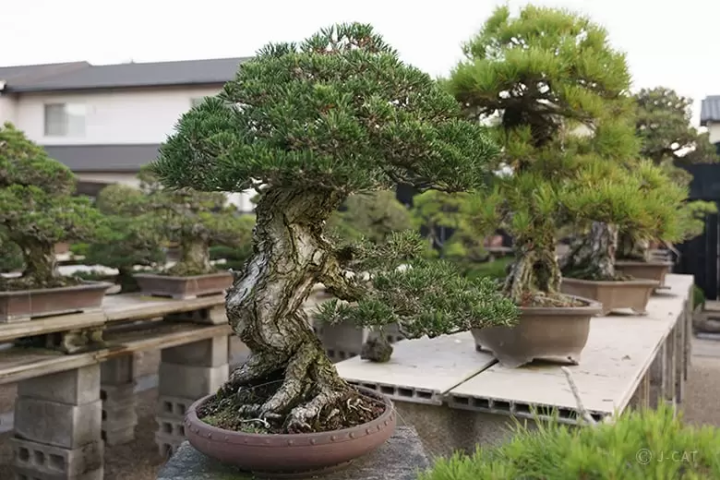
Discover Takamatsu’s Kinashi area—nicknamed Japan’s "Bonsai Holy Land"—where 80% of the nation's pine bonsai are grown. First, tour the 130-year-old Nakanishi Chinsho-en orchard while learning about the history and artistry of bonsai from experts.
Picture courtesy of Wabunka
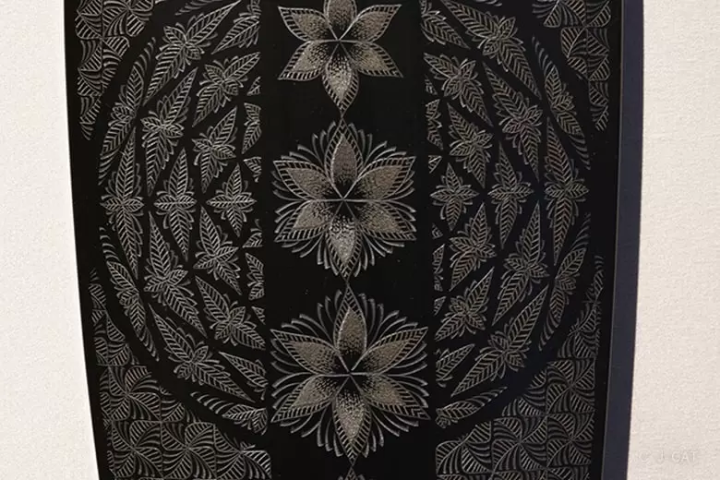
Then, try your hand at choshitsu, a traditional carved lacquer art developed locally during the Edo period. Participants will create relief designs on a plate with guidance from a local artist using exclusive Wabunka patterns.
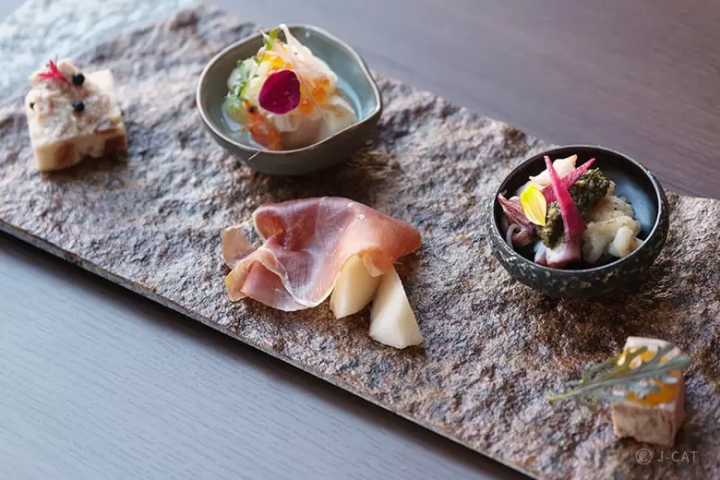
For an optional upgrade, you can enjoy an Italian-style meal made with local ingredients served on artisan-crafted tableware.
Picture courtesy of Wabunka
This immersive experience blends horticulture, craftsmanship, and cuisine in one of Japan’s most culturally rich regions.
*Kagawa is hosting the Setouchi Triennale this year from April 11 until November 9, 2025! Moreover, Takamatsu serves as a gateway to the Triennale venues with a port and ferries to each island hosting art exhibitions. Takamatsu is also home to Ritsurin Garden and is famous for its bonsai culture.
↑ Return to the top of article.
4. Himeji: Introductory Bonsai Experience with a Professional
Picture courtesy of Wabunka
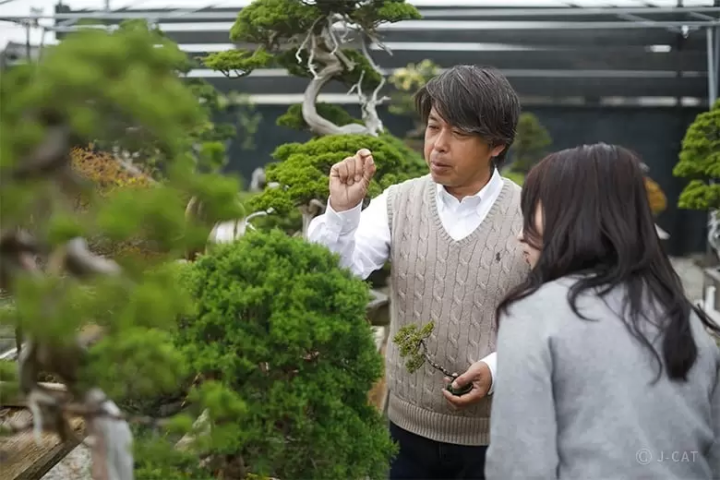
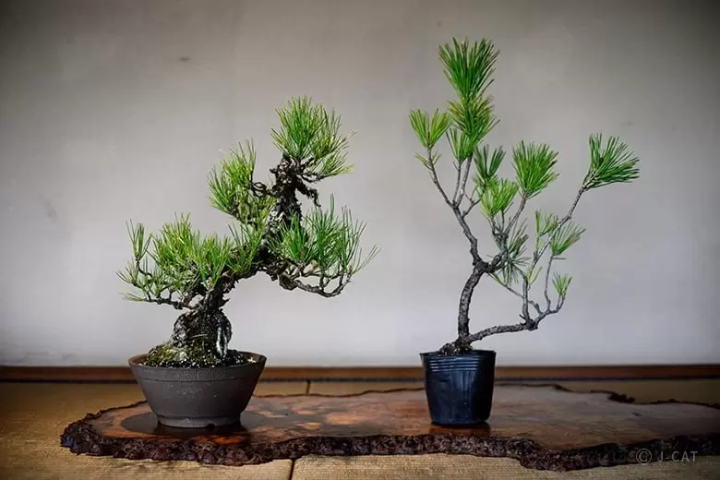
Suishoen is a bonsai farm located near Himeji. This experience is a chance to meet its owner, Koji Matsusue, a bonsai professional, who will teach you the basics of bonsai appreciation and pruning.
Starting with a stroll through the garden and a demonstration of Matsusue’s masterful work, you'll have the opportunity to get hands-on with a 10-year-old bonsai tree. Under his personalized guidance, you'll practice pruning branches with shears and wiring them to shape their growth, discovering the intricate details that make bonsai artistry so captivating.
Picture courtesy of Wabunka
This experience is ideal for beginners, offering a comprehensive introduction to the fundamentals of bonsai—from viewing and appreciation to active creation—taught by a professional with extensive international teaching experience. Immerse yourself in the craft and gain a solid foundation as you create your own miniature masterpiece under expert supervision.
5. Nagoya: Enjoy Siphon-Brewed Tea and Admire Bonsai at a Siphon Specialty Shop
Picture courtesy of Wabunka
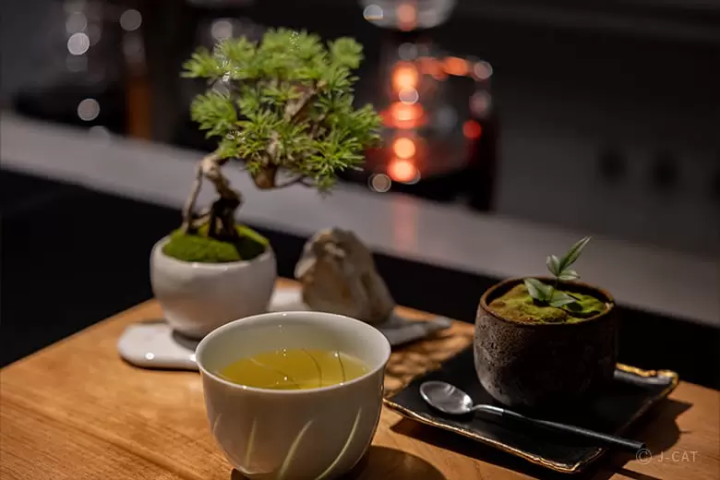
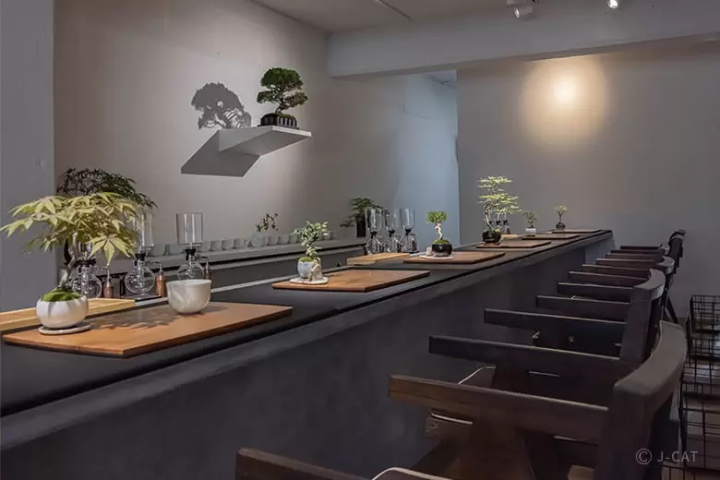
Saihon no Ma, a shop in Nagoya, specializes in siphon-brewed coffee and tea, offering a unique opportunity to learn how to brew tea using a siphon—a device invented in Europe. While this method has become relatively obscure in many countries, it remains popular in Japan, leading to the development of distinct Japanese brewing techniques.
Visitors can enjoy the fragrant, flavorful Japanese tea while admiring the exquisite bonsai displays that decorate the shop.
Picture courtesy of Wabunka
This creative, multi-sensory experience allows you to indulge in the rich aroma of siphon-brewed tea and appreciate the delicate beauty of bonsai, creating a memorable moment of relaxation and cultural immersion.
Enjoy the Beauty of Bonsai Artistry in Japan
Bonsai art professionals often speak of their trees as if they were their children. The workshops mentioned above offer an opportunity to meet these passionate individuals and explore the depths of their craft, which has fascinated people around the world for generations.
Read also

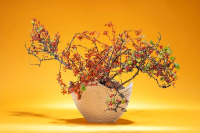
Main image courtesy of Wabunka
English content editor at MATCHA since 2016. Ramona arrived in Japan in 2012 as a graduate student to research Japanese literature and performing arts. As a travel editor and writer, she has visited and documented 40 of Japan's prefectures with a focus on art, history, and traditional Japanese crafts. She has been practicing ikebana flower arrangement (Ikenobo School) and tea ceremony (Omote Senke) since 2012.
Top Articles
There are no articles in this section.
Special Features
More