Tokugawa Art Museum in Nagoya: Treasures of Japanese Art
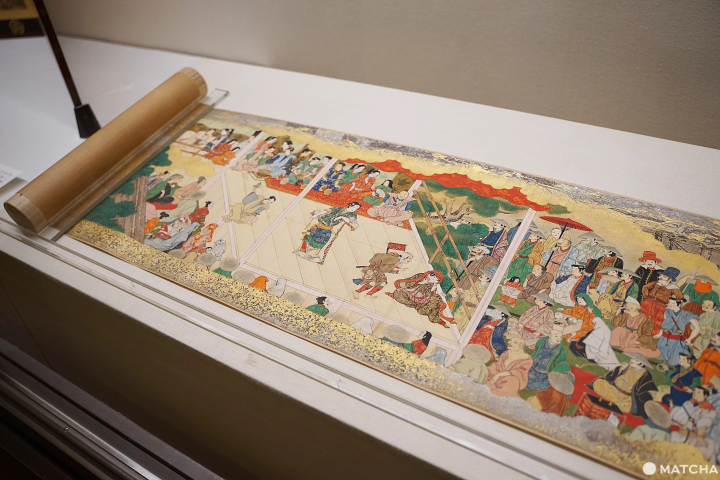
The Tokugawa Art Museum in Nagoya showcases exquisite artwork and historical items from the collection of the Owari Tokugawa clan. From samurai swords to picture scrolls and ceremonial tea utensils, discover art objects that profoundly shaped Japanese aesthetics during the Edo period.

Written by
Tokyo
English content editor at MATCHA since 2016. Ramona arrived in Japan in 2012 as a graduate student to research Japanese literature and performing arts. As a travel editor and writer, she has visited and documented 40 of Japan's prefectures with a focus on art, history, and traditional Japanese crafts. She has been practicing ikebana flower arrangement (Ikenobo School) and tea ceremony (Omote Senke) since 2012.
This service includes sponsored advertisements.
Discover the Legacy of the Great Shogun in Nagoya
For history lovers and fans of the hit TV series "SHOGUN," Nagoya is an essential destination for anyone interested in Tokugawa Ieyasu (1542 - 1616), the illustrious shogun whose victory unified a fractured Japan and ushered in a new era of peace.
Nagoya offers several sites related to his legacy, including Nagoya Castle, which was built for his ninth son, Tokugawa Yoshinao (1600 - 1650), the founder of the Owari Tokugawa clan.
Another crucial stop is the Tokugawa Art Museum in eastern Nagoya. It offers deep insights into Ieyasu's world and the elegant culture that flourished under his rule.
Read on to discover why this museum is a must-visit for anyone interested in Japanese culture and history.
-
Table of Contents
- The Tokugawa Art Museum: An Impressive Japanese Art Collection with Historic Roots
- Highlights of the Tokugawa Art Museum
- Museum Cafe and Souvenir Shop
- Tokugawaen Garden: Enjoy the Beauty of Japan's Seasons
- How to Get to the Tokugawa Art Museum
The Tokugawa Art Museum: An Impressive Japanese Art Collection with Historic Roots
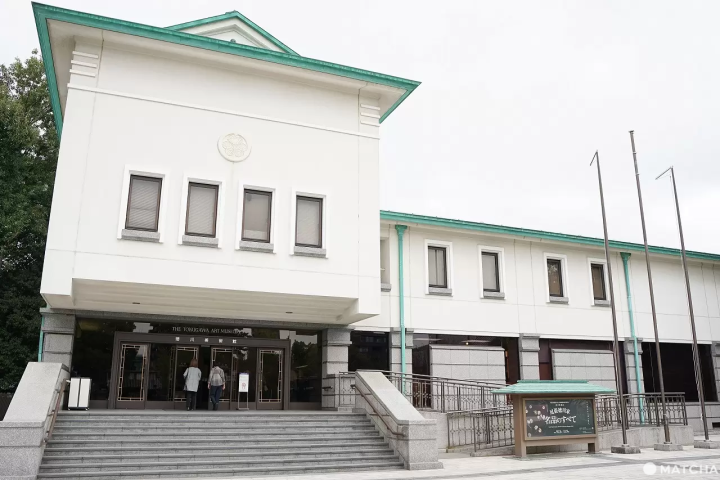
The Tokugawa Art Museum opened in 1935, initiated by a generous donation from Marquis Tokugawa Yoshichika, the 19th-generation head of the Owari Tokugawa clan.
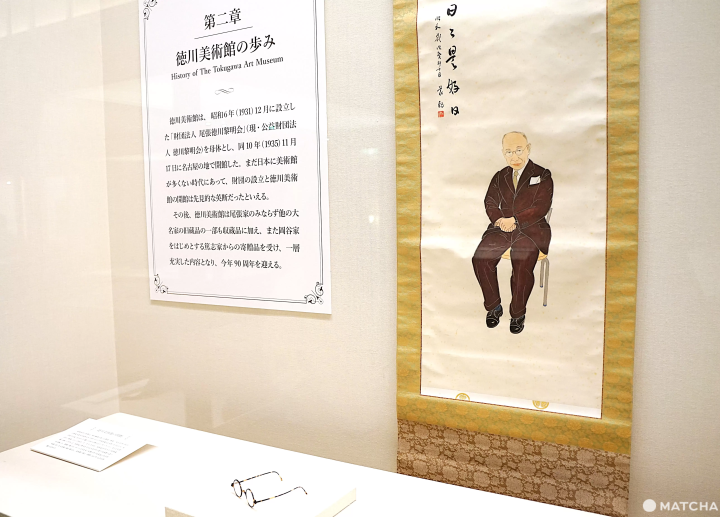
Portrait of Marquis Tokugawa Yoshichika on display at the Tokugawa Art Museum
At the heart of the museum lies a vast, historic collection inherited by the clan's founder, Tokugawa Yoshinao, from his father, Shogun Tokugawa Ieyasu. A priceless collection of art, artisanal objects, and classic books was originally gifted by Ieyasu and enriched by Yoshinao's successors throughout the Edo period (1603-1868).
Today, the Tokugawa Art Museum exhibits these masterpieces through themed exhibitions that change every one or two months. These carefully curated displays offer invaluable insights into the lifestyles of feudal lords (daimyo) and their patronage of the arts, which defined Japan's elegant culture.
*Please be aware that items directly related to Tokugawa Ieyasu may not always be on display.
Highlights of the Tokugawa Art Museum
The items on display at the Tokugawa Art Museum rotate with every exhibition, meaning visitors may only see a specific masterpiece once a year or even once every few years. Every exhibition room showcases a different category of items.
Symbols of the Warrior: Arms and Armor
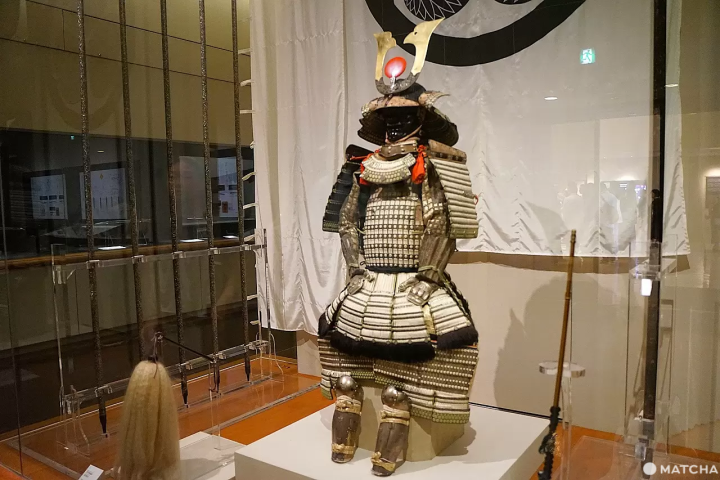
The first exhibition room often features official items that belonged to the feudal lords, including magnificent armor and various types of swords.
For instance, the recent "Conserving the Legacy: Treasures of the Owari Tokugawa Family" exhibition, celebrating the museum's 90th anniversary, showcased extraordinary items, including a ceremonial armor that the head of the clan would display in his residence soon after New Year's.
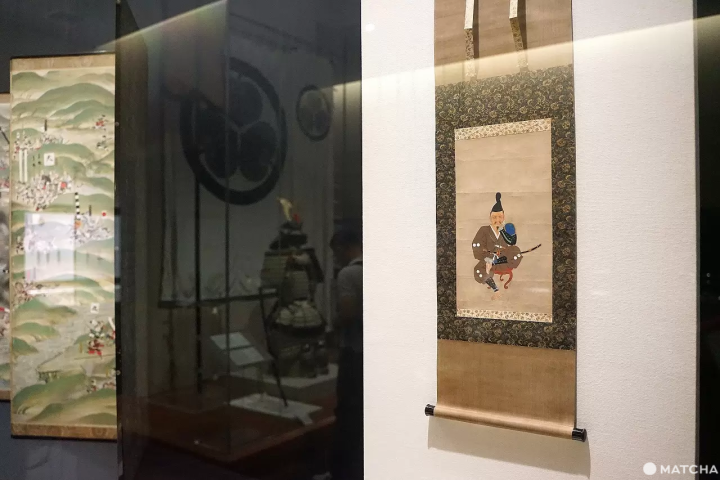
One memorable piece from this room was the portrait of Shogun Tokugawa Ieyasu titled "Frowning." Legend has it that this portrait was commissioned following a humiliating defeat in battle, and that the future shogun allowed himself to be depicted frowning as a reminder never to forget the sting of failure.
While this remains an engaging anecdote inspired by the portrait's unusual style, the piece is nevertheless a precious and powerful artifact related to the great shogun.
The Pursuit of Tea - a Daimyo's Tea Room
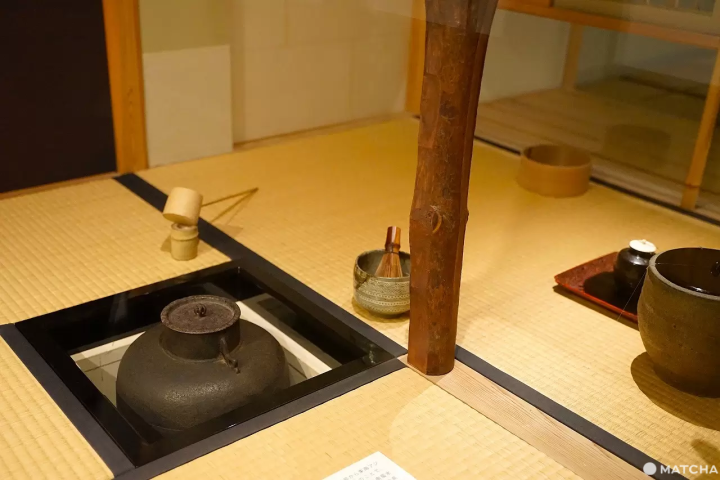
The next exhibition room exhibits utensils used in the tea ceremony, which many feudal lords greatly admired.
Here, you'll find a faithful recreation of the Sarumen teahouse, a structure that once stood within the Ninomaru Palace on the grounds of Nagoya Castle.
To honor the deep seasonality central to the spirit of the tea ceremony, the tea utensils displayed in this space are meticulously changed every month, ensuring the setting always reflects the current season.
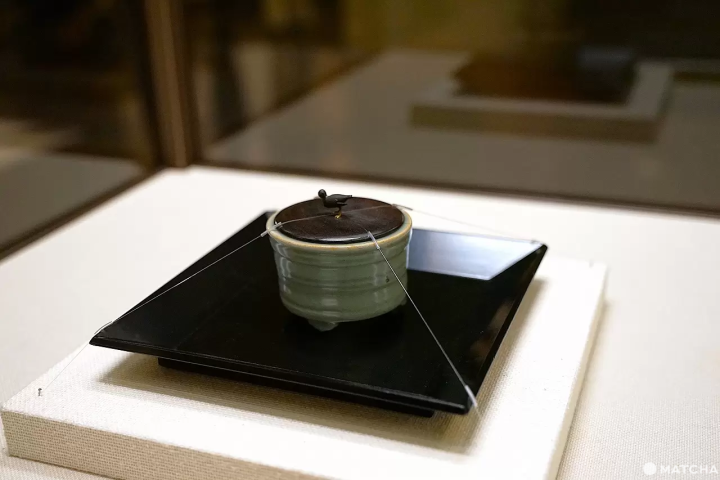
Every exhibition also features incredibly valuable items, often originally gifts from the shogun to his loyal daimyo (feudal lords) in appreciation for their service and achievements.
The worth of some of these pieces was comparable to the revenue of an entire domain.
The Formal Chamber of a Daimyo's Residence
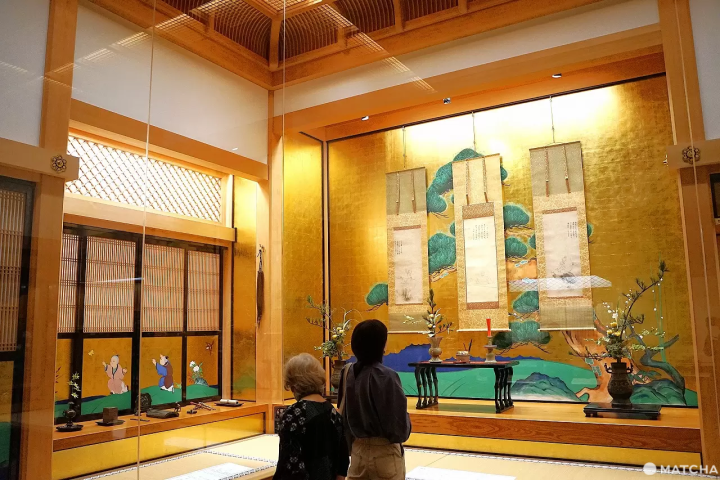
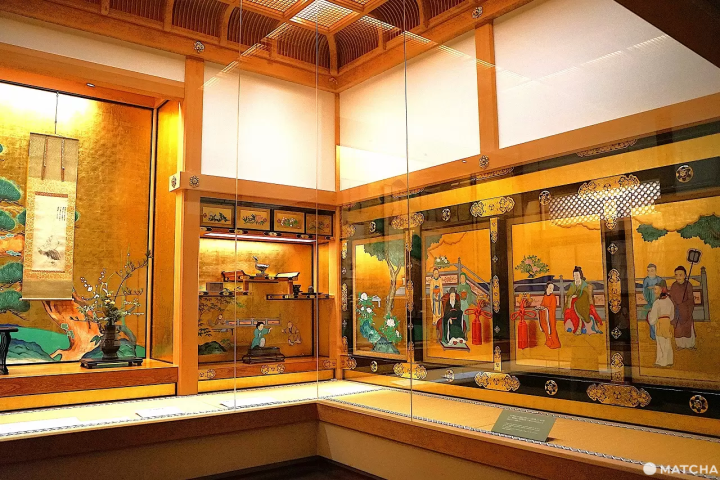
Moving on, prepare to be awestruck by the gorgeous recreation of a feudal lord's official reception room!
This is the Hiroma, or grand audience chamber, that once resided in the Ninomaru Palace of Nagoya Castle. Although the original was destroyed during the Meiji Restoration (1868), the museum faithfully rebuilt it based on detailed surviving sketches.
The architectural and decorative details are lavish and impressive. Within the tokonoma alcove, you'll see ikebana (flower arrangements) displayed in the most formal style, complemented by a Buddhist incense burner and three hanging scrolls in the background.
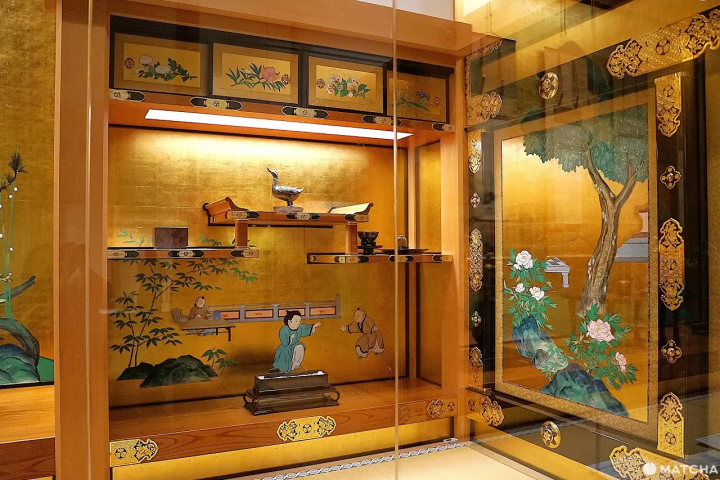
The room also prominently features precious objects from foreign countries, which served as a powerful symbol of status and authority during both the Muromachi (1336-1573) and Edo (1603 - 1868) periods.
Daimyo Patronage of the Noh Theater
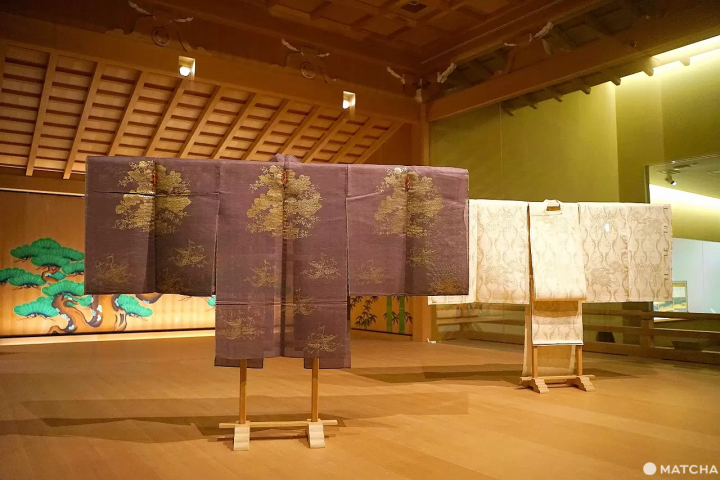
Noh theater was the official, dignified entertainment of the shogunate and feudal lords throughout the Edo period.
With its restrained movements and narratives celebrating the valor and elegance of historical heroes, Noh deeply captivated the ruling class. Many lords regularly practiced the chanting and dancing themselves, and even hosted private performances for high-ranking officials and close acquaintances.
The Tokugawa Art Museum honors this tradition with an entire room dedicated to Noh, complete with a stunning full-size Noh stage. Here, you can examine beautiful costumes, kimonos, authentic Noh masks, musical instruments, and a host of other related objects.
Objects and Furnishings of Elegant Living
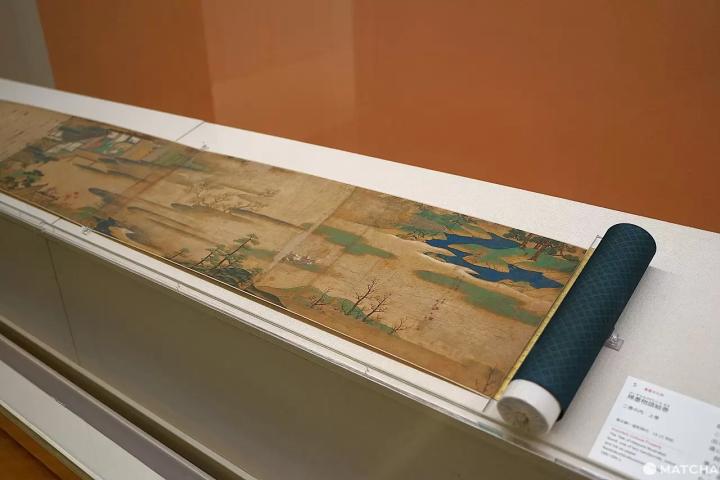
Another exhibition room is dedicated to "oku-dougu," or objects used by the lords and ladies.
This collection offers a glimpse into their personal lives, featuring items such as books and emaki (picture scrolls) enjoyed by the ladies, alongside art pieces and furnishings.
All of these items were crafted using the country's most sophisticated techniques by the best artisans, reflecting the refined taste of the ruling elite.
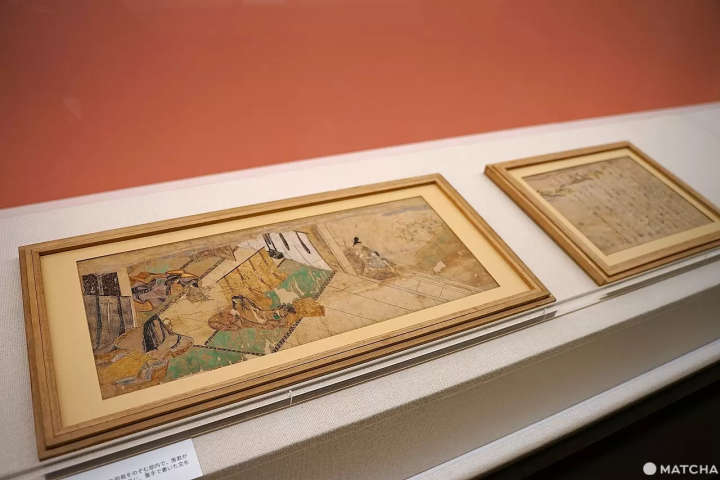
One of the most remarkable items we encountered was a fragment from Hazuki Monogatari Emaki, a picture scroll recognized as a precious literary heritage item. This collection of anecdotes details the love relationships among the aristocrats of the Heian Court, instantly transporting the viewer back to the elegant court culture of a thousand years ago.
The Original Wing Gallery
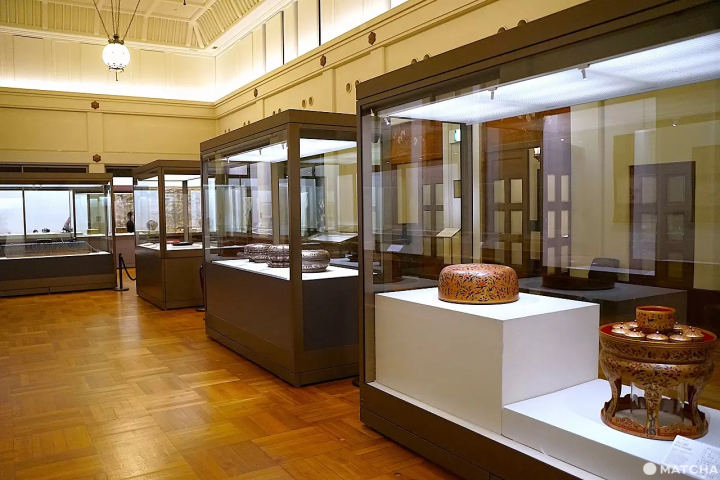
The museum's original structure, now a spacious gallery, is an architectural feature deserving attention in its own right, as it preserves the style from when the facility first opened 90 years ago.
During our visit, the gallery was showcasing a remarkable cross-section of the collection: from art pieces featured in the museum's earliest exhibitions, to kimonos that belonged to Shogun Tokugawa Ieyasu, and precious Okinawa lacquerware sets—a great rarity for feudal lords in the 17th century.
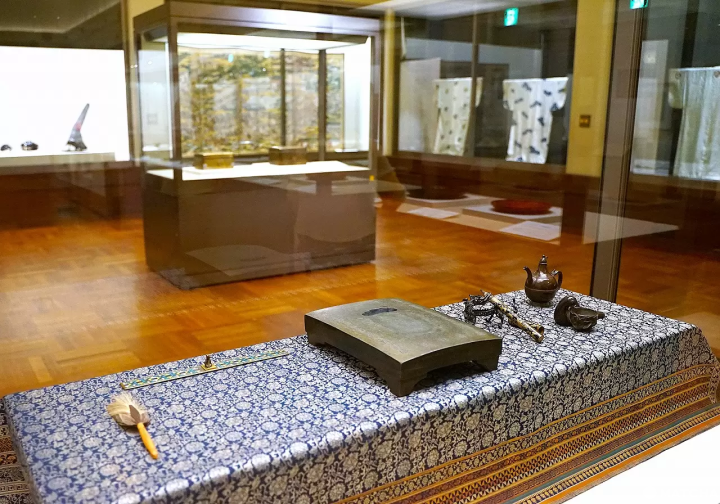
Remember that the exhibits rotate with every event, so you can always expect to see other precious items from the museum's exquisite collection.
Museum Cafe and Souvenir Shop
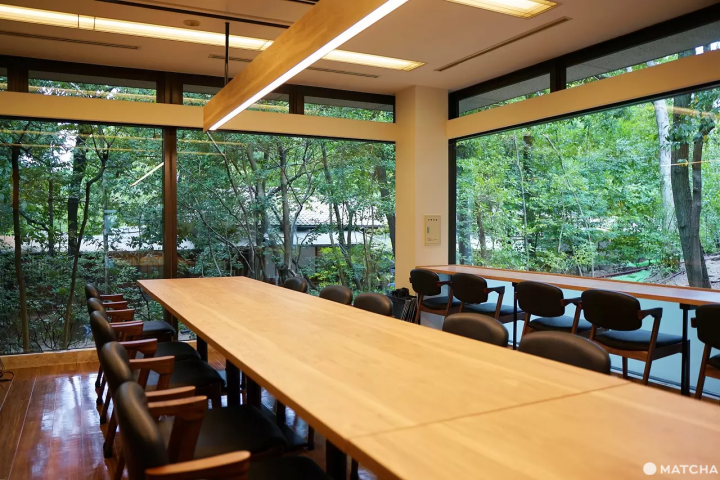
For a perfect break between viewing the exhibits, visit the museum's elegant cafe.
With charming garden views, the cafe offers a peaceful spot to relax while enjoying light meals, tempting desserts, and a selection of refreshing drinks.
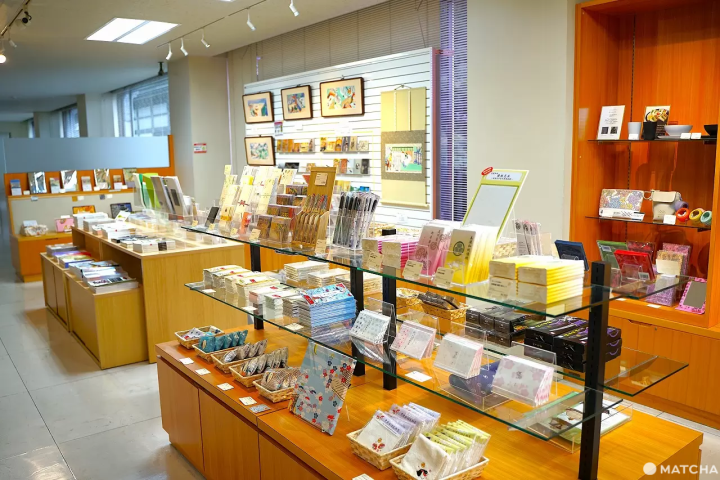
At the end of your visit, stop by the museum's souvenir shop to pick up mementos and gifts. The items on sale here are inspired by the artwork and precious objects from the museum collection.
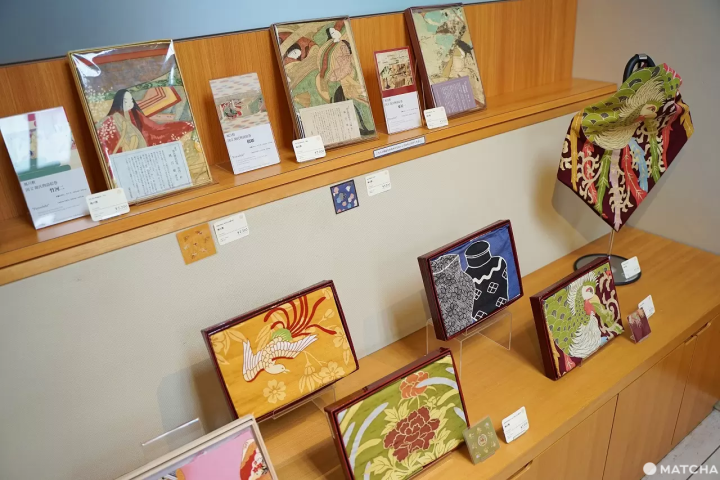
Popular souvenir choices include artistic furoshiki (traditional wrapping cloths), which feature beautiful Japanese art designs.
For something lighter and more accessible, great choices include stationery items with designs inspired by exhibition highlights, beautifully packaged Nagoya sweets, or elegantly designed tea cans.
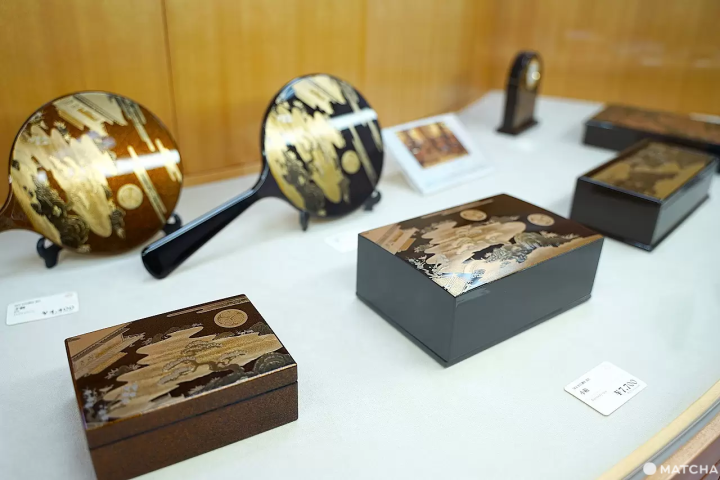
If you are seeking truly valuable Japanese items, we highly recommend the exquisite lacquerware boxes and mirrors decorated with the triple hollyhock crest of the Tokugawa clan. These authentic and precious pieces are perfect for daily use or as decorative elements.
Tokugawaen Garden: Enjoy the Beauty of Japan's Seasons
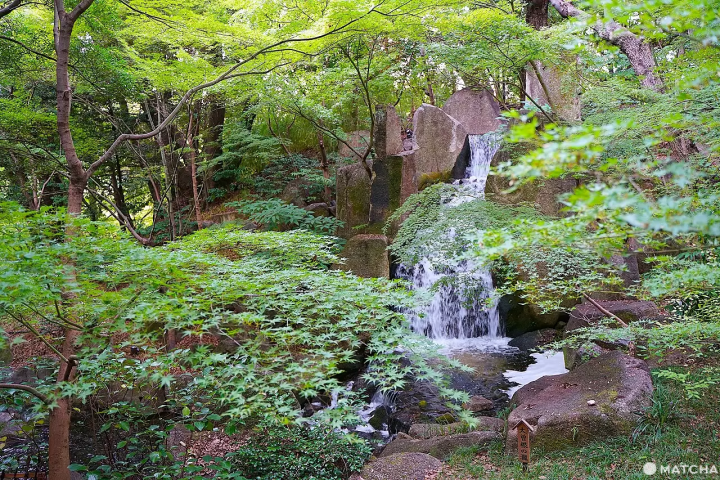
While the Tokugawa Art Museum offers exquisite Japanese art and historical objects, the adjacent Tokugawaen Garden provides a beautiful sanctuary to appreciate nature and the changing seasons.
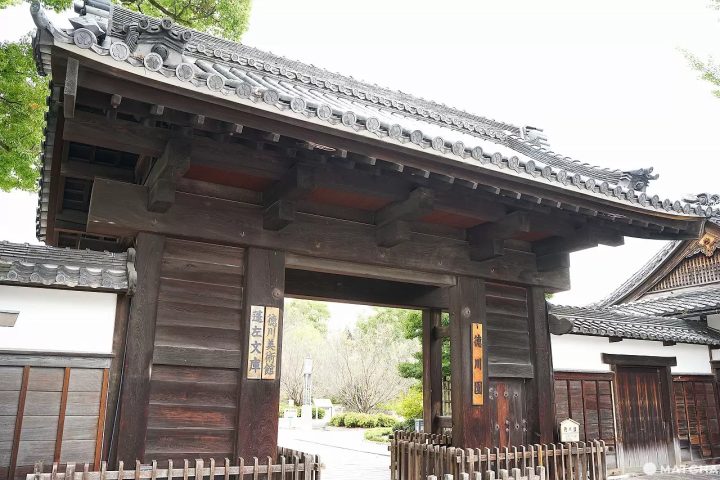
Built on the site of the former Osone Residence owned by the Owari Tokugawa clan, the garden itself is a historical treasure, home to several registered tangible cultural assets, notably the Kuromon Gate (Black Gate), which served as the entrance to the Owari Tokugawa estate.
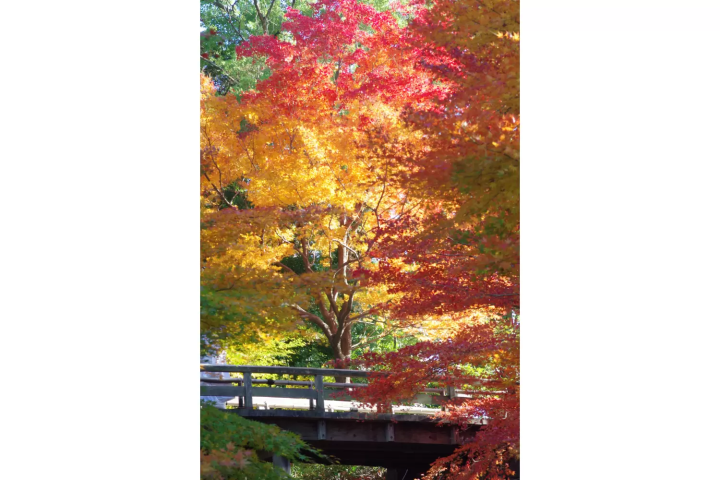
Autumn foliage in late November. Picture courtesy of Tokugawaen Garden
The classical Japanese landscape, featuring two dynamic waterfalls, a large pond inhabited by lively koi fish, arched bridges, and a vast variety of flora, creates stunning, photogenic scenery at every turn.
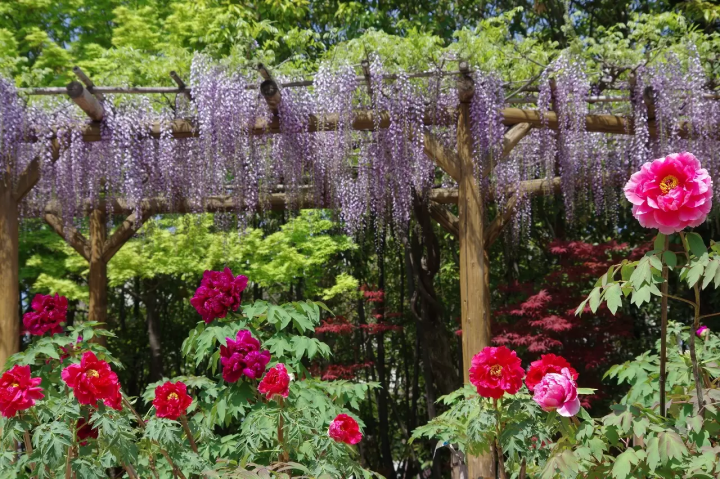
Peonies and wisteria in late April. Picture courtesy of Tokugawaen Garden
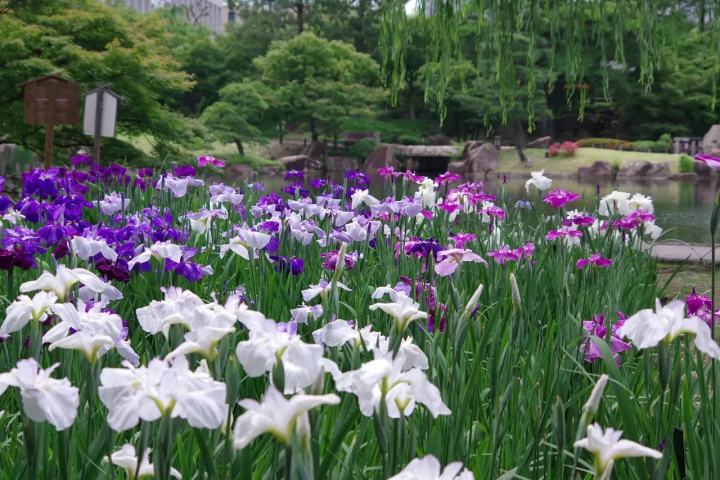
Japanese irises in June. Picture courtesy of Tokugawaen Garden
Every season brings different colors and charms to Tokugawaen, making it a wonderful destination year-round.
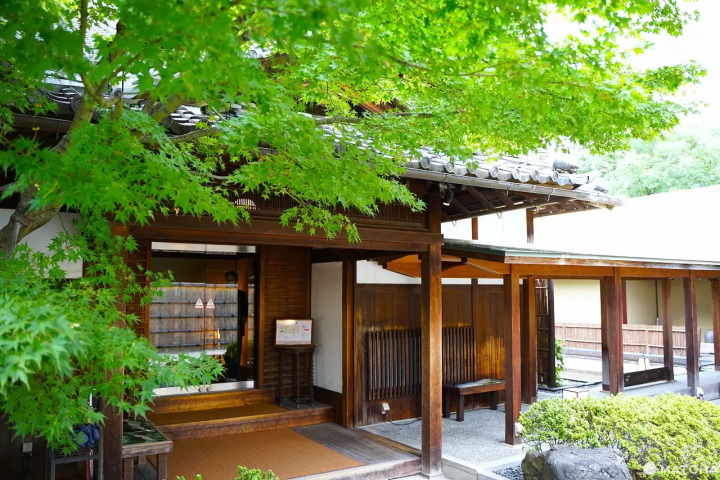
There are several restaurants within the garden precincts, as well as a shop offering souvenir items inspired by Nagoya's history.
This serene oasis in the heart of Nagoya perfectly complements the historical insights offered by the Tokugawa Art Museum, providing a complete and rounded experience of Japanese culture.
How to Get to the Tokugawa Art Museum
The Tokugawa Art Museum and Tokugawaen Garden are easily accessible from Nagoya Station. Take the JR Chuo Line (look for trains bound for Tajimi) for about 20 minutes and alight at Ōsone Station. From the South Exit, the museum and garden are just a convenient 10-minute walk away.
Enjoy Japanese Art and History in Nagoya
We hope this introduction inspires you to visit the Tokugawa Art Museum for deeper insights into Japanese culture.
If you are planning a trip between mid-November and December 7, 2025, be sure to catch the special exhibition, "National Treasure: The Tale of Genji Illustrated Scrolls." This remarkable work is arguably one of the most famous picture scrolls in Japan, and it is being exhibited in its entirety in Nagoya for the first time in 10 years.
Don't miss this rare opportunity to see this masterpiece with your own eyes and appreciate the fascination it has provoked throughout the centuries.
The Tokugawa Art Museum
Address: Aichi, Nagoya, Higashi Ward, Tokugawacho 1017 (Google Map)
Nearest station: Osone Station (JR Chuo Line)
Hours: 10:00 - 17:00 *closed on Monday, or Tuesday if Monday is a public holiday.
Official website: https://www.tokugawa-art-museum.jp/

In cooperation with The Tokugawa Art Museum and Tokugawaen Garden
English content editor at MATCHA since 2016. Ramona arrived in Japan in 2012 as a graduate student to research Japanese literature and performing arts. As a travel editor and writer, she has visited and documented 40 of Japan's prefectures with a focus on art, history, and traditional Japanese crafts. She has been practicing ikebana flower arrangement (Ikenobo School) and tea ceremony (Omote Senke) since 2012.


Special Features
More