Ginzan Onsen Ryokan Inns: Where to Stay, Booking Tips, Rates
Choosing a stay in Ginzan Onsen? Compare 13 top ryokan—including Notoya, Fujiya, and Ginzanso—on bath styles, pricing, booking strategies, and access.

Written by
I am currently working as the Taiwan version editor for MATCHA. I am from Changhua County and during my time in Taiwan, I worked as a domestic Japanese tour guide and in interview PR for a Japanese television station. I am skilled at arranging travel itineraries, particularly for food and hot spring-related attractions. My interests include photography, especially food and portrait photography. Due to my age and my fondness for places like bars and izakayas, I call myself 'Matcha Uncle'.
This service includes sponsored advertisements.
Stay at a Ryokan in Ginzan Onsen
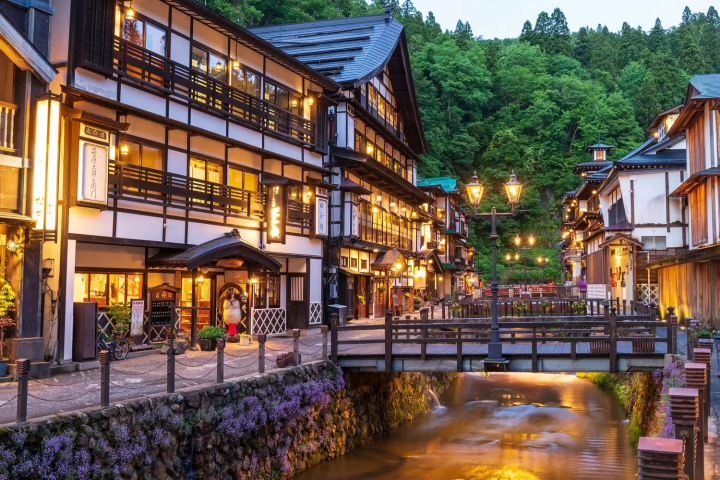
Famous for its wooden inns, stone bridges, and gas-lit streets, Ginzan Onsen in Yamagata is best experienced overnight.
However, choosing the right stay can be overwhelming for first-time visitors due to limited accommodations that vary widely in architecture, hot spring facilities, room views, dining, and overall style.
This guide breaks down all 13 official accommodations in Ginzan Onsen—ranging from historic wooden ryokan and modern design hotels to open-air hot spring resorts and intimate guesthouses.
It also covers essential details like pricing, booking strategies, transportation, and winter travel tips to help you pick your ideal stay.
-
Table of Contents
- How to Choose Your Ginzan Onsen Stay: Overview of All 13 Official Inns
- 1. Notoya Ryokan: For First-Time Stays at Ginzan Onsen
- 2. Kosekiya Bekkan: Wooden Inn with Historic Architecture
- 3. Honkan Kosekiya: A Blend of Vintage and Modern
- 4. Kozankaku: Historic Wooden Architecture
- 5. Showakan: Experience a Traditional Japanese Ryokan
- 6. Nagasawa Heihachi: Stay in a Quiet, Small Wooden Inn
- 7. Fujiya: Stay in a Designer Hotel
- 8. Senkyo no Yado Ginzanso: Deeply Relax in Open-Air Hot Springs
- 9. Takimikan: Serene Natural Scenery, Away From the Busy Street
- 10. CLANUOVA: Modern Western-style Inn
- 11. Hatago Itoya: Private Hot Springs and Intimate Atmosphere
- 12. Onyado Yanadaya: Exceptional Local Dining
- 13. Ryokan Matsumoto: For Families or Small Group Travel
- Ginzan Onsen Rates: Understanding Half-Board Pricing
- How to Book a Stay at Ginzan Onsen: Insider Tips and Reservation Strategies
- Why Stay Overnight in Ginzan Onsen? 3 Exclusive Guest Experiences
- Getting to Ginzan Onsen: Access from Oishida Station
- Ginzan Onsen in Winter: Important Information for Visitors
- Frequently Asked Questions About Staying in Ginzan Onsen
How to Choose Your Ginzan Onsen Stay: Overview of All 13 Official Inns
Ginzan Onsen’s accommodations generally fall into four categories: historic central ryokan, facility-focused hot spring resorts, intimate boutique guesthouses, and modern design inns.
When choosing a stay, prioritize what matters most to your travel style—whether that is room view, hot spring facilities, gourmet dining, architecture, or room size—rather than focusing solely on price.
| Accommodation | Key Features | Best for | Why Choose It |
| Notoya Ryokan | Historic wooden architecture, iconic view of the hot spring street | First-time guests, couples, photography enthusiasts | Classic Ginzan Onsen experience |
| Kosekiya Bekkan | Center of the hot spring street, retro wooden architecture | First-time visitors, architecture lovers | Streetscape views and traditional ryokan charm |
| Honkan Kosekiya | Retro architecture and modern hospitality | Travelers prioritizing stay quality and dining options | Retro-modern style, in-house amenities |
| Kozankaku | Wooden architecture, classic Ginzan Onsen atmosphere | Vintage architecture enthusiasts | Historic ambiance |
| Showakan | Traditional Japanese-style rooms, free-flowing hot spring | Lovers of traditional Japanese ryokans | Authentic Japanese ryokan experience |
| Nagasawa Heihachi | Small wooden ryokan, private reservable baths | Couples, guests seeking a quiet stay | Wooden architecture and private hot spring bathing |
| Fujiya | Striking design, 5 private reservable baths | Couples, married partners, design hotel enthusiasts | Privacy and architectural aesthetics |
| Senkyo no Yado Ginzanso | Spacious open-air bath, larger-scale property | Hot spring enthusiasts, family travelers | Onsen facilities and spacious environment |
| Takimikan | Elevated location, open-air baths, famous for buckwheat noodles (soba) | Travelers seeking tranquility, scenery enthusiasts | Natural surroundings, hot springs, gourmet food |
| CLANUOVA | Western-style rooms, modern spaces, Italian cuisine | Younger travelers, guests who prefer regular beds | Modern accommodations and Western dining |
| Hatago Itoya | Strictly limited daily guests, private indoor and open-air baths | Couples, guests prioritizing quiet atmosphere and cuisine | Small, refined boutique inn |
| Oyado Yanadaya | Small guest capacity per day, focus on freshly prepared cuisine | Gourmet travelers, married couples | Cuisine and cozy inn atmosphere |
| Ryokan Matsumoto | Family-run inn, flexible room layout options | Families, small groups | Traditional lodging and convenience for groups |
1. Notoya Ryokan: For First-Time Stays at Ginzan Onsen
Picture courtesy of Rakuten Travel
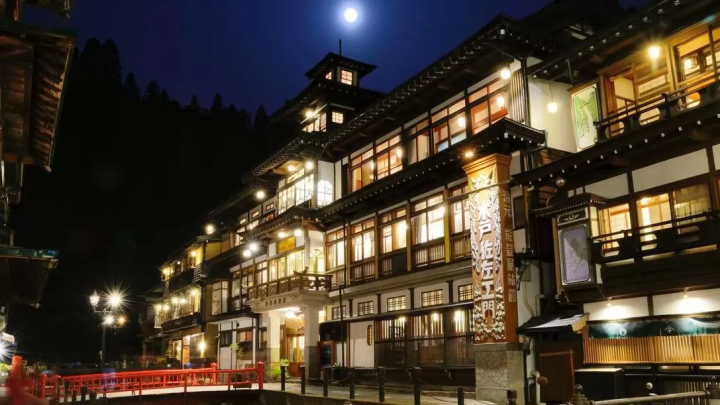
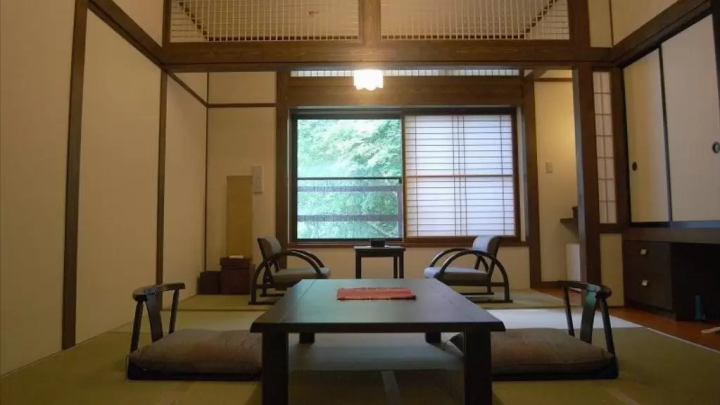
For a first-time visitor wanting an authentic experience, Notoya Ryokan is an iconic choice. Founded in the Meiji era, this historic wooden inn sits right in the heart of Ginzan Onsen.
Guests can soak in natural hot springs, enjoy regional Yamagata cuisine, and immerse themselves in the town's classic, historic atmosphere.
Picture courtesy of Rakuten Travel
The main highlight of a stay at Notoya is immediate access to Ginzan Onsen’s quintessential streetscape the moment you step outside.
Ideal for first-timers, photographers, couples, or anyone aiming to check a classic wooden ryokan off their bucket list, Notoya is a top choice.
2. Kosekiya Bekkan: Wooden Inn with Historic Architecture
Picture courtesy of Rakuten Travel
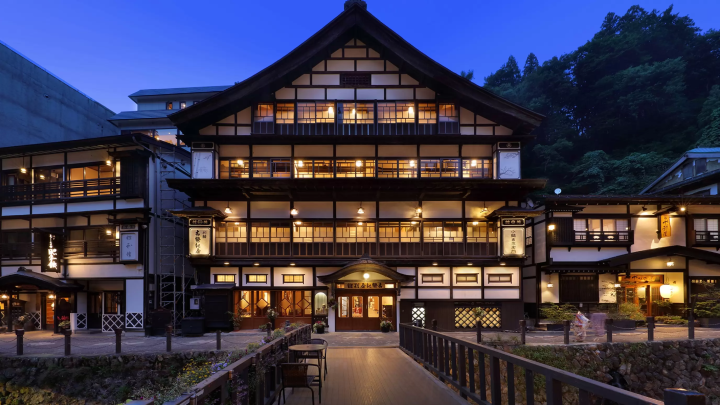
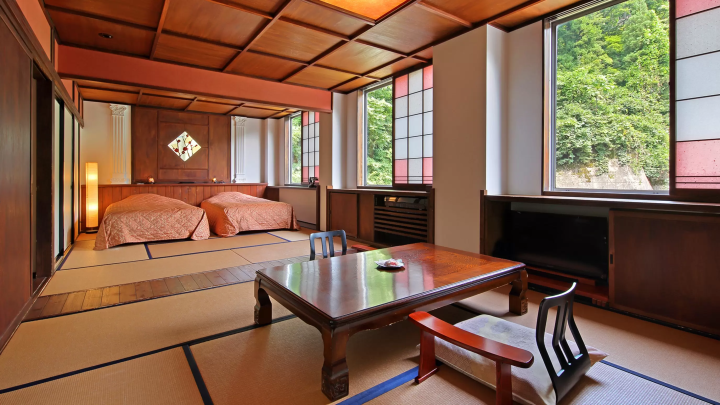
Kosekiya Bekkan is situated in the heart of Ginzan Onsen and features classic vintage wooden architecture. Guests can choose between vibrant, river-facing rooms overlooking the main street or quieter, mountain-side options.
Picture courtesy of Rakuten Travel
Featuring free-flowing indoor hot springs (gensen kakenagashi) and seasonal Yamagata cuisine, Kosekiya Bekkan offers a quintessentially traditional ryokan experience. It is a fantastic alternative to Notoya Ryokan for anyone wanting the postcard-worthy view right outside their window.
3. Honkan Kosekiya: A Blend of Vintage and Modern
Picture courtesy of Rakuten Travel
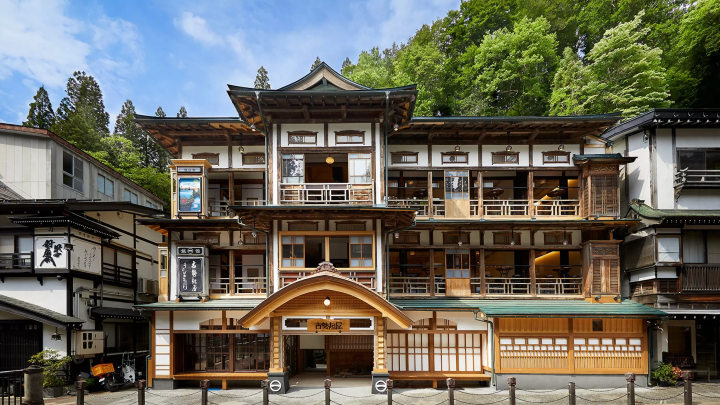
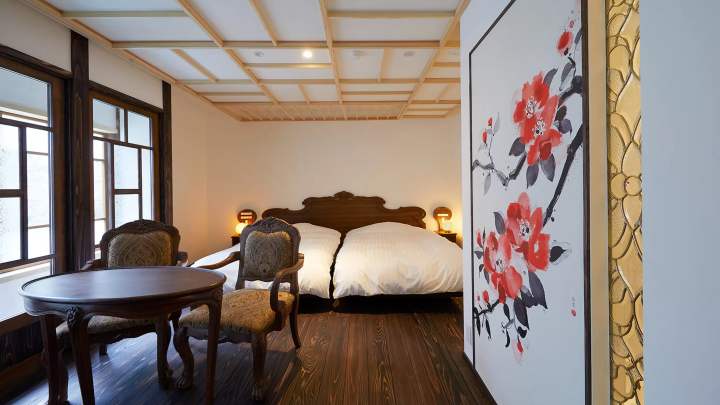
Honkan Kosekiya combines historical charm with modern comfort, blending restored period architecture with updated spaces.
The property features two distinct indoor hot spring baths and offers packages with select in-house food and beverage options included.
Picture courtesy of Rakuten Travel
Compared to Kosekiya Bekkan, Honkan Kosekiya is ideal for travelers seeking a retro-modern experience rather than a strictly traditional ryokan setup.
4. Kozankaku: Historic Wooden Architecture
Picture courtesy of Rakuten Travel
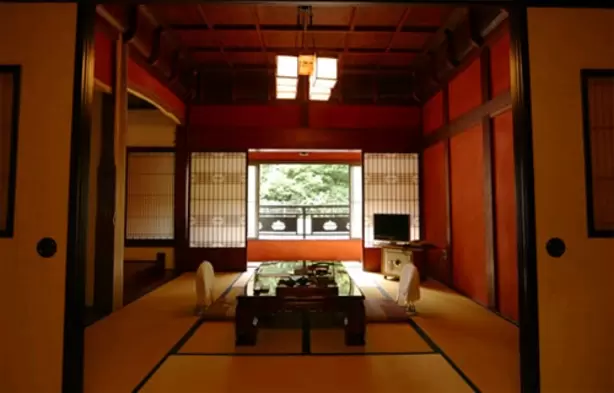
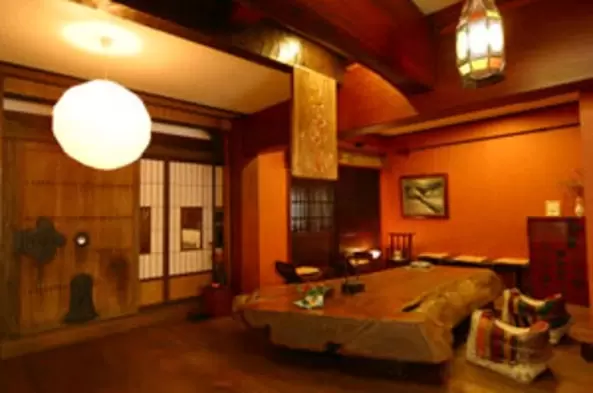
Kozankaku is a wooden ryokan that preserves the classic atmosphere of traditional Ginzan Onsen. Rooms face either the hot spring street or the mountain, and the inn features free-flowing hot spring baths (gensen kakenagashi).
Picture courtesy of Rakuten Travel
If your main goal is to step back in time rather than seek out modern amenities or sprawling resort facilities, Kozankaku is an ideal choice.
5. Showakan: Experience a Traditional Japanese Ryokan
Picture courtesy of Jalan
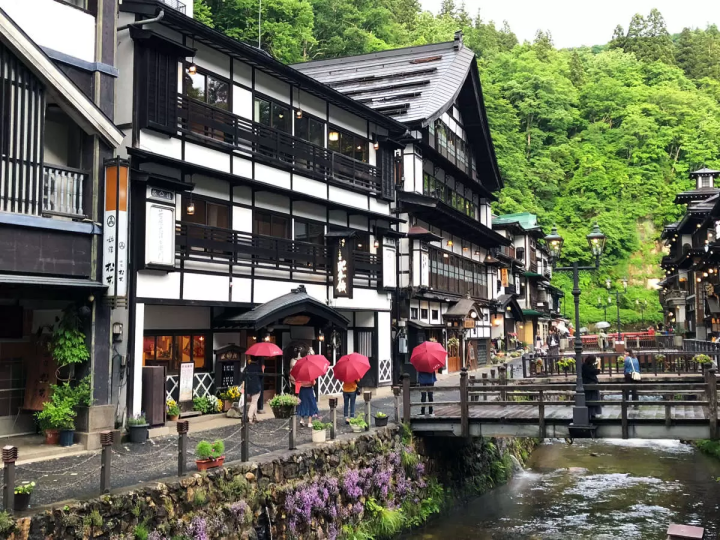
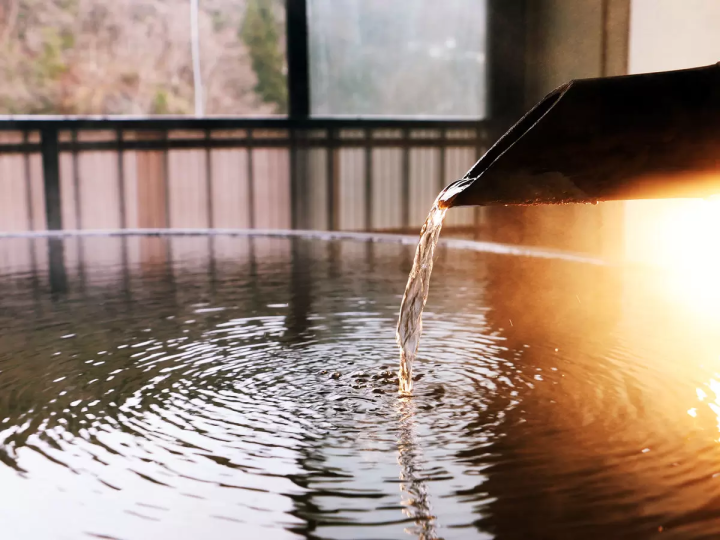
Showakan boasts traditional Japanese-style rooms and a classic ryokan atmosphere, equipped with free-flowing hot springs and scenic open-air baths.
Picture courtesy of Jalan
For travelers seeking traditional tatami-mat rooms, authentic ryokan hospitality, and classic hot spring baths, Showakan is a solid, direct choice for a quintessential Japanese onsen experience.
6. Nagasawa Heihachi: Stay in a Quiet, Small Wooden Inn
Picture courtesy of Jalan
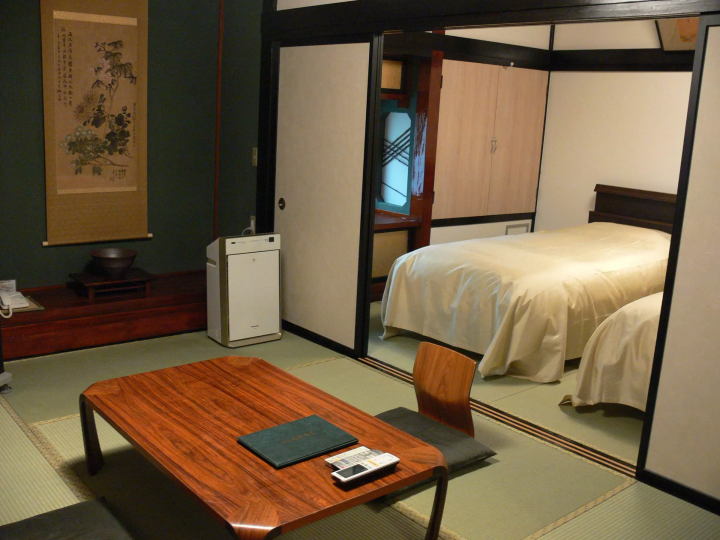
Nagasawa Heihachi has only seven guest rooms, with its wooden structure preserving the rich, traditional atmosphere of Ginzan Onsen. Compared to larger properties, the overall ambience here is quiet and intimate, typical of a small boutique inn.
Picture courtesy of Jalan
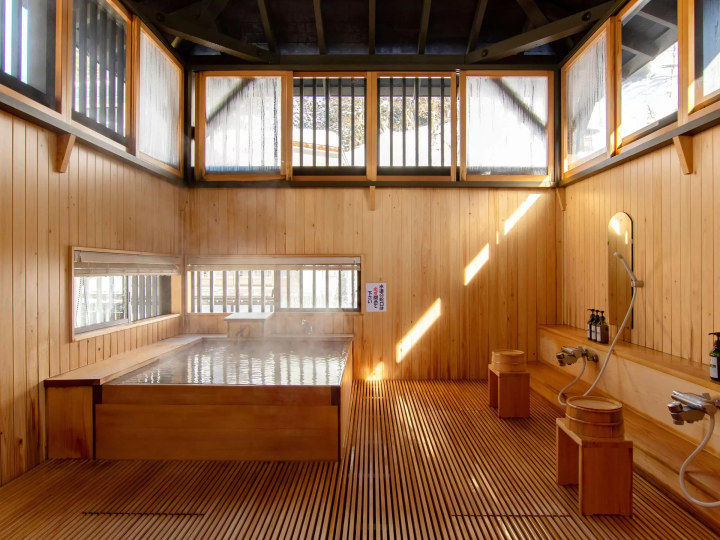
With private reservable baths (kashikiri-buro), this inn is ideal for couples, families, or travelers wanting a quiet, unhurried hot spring experience away from crowds.
7. Fujiya: Stay in a Designer Hotel
Picture courtesy of Rakuten Travel
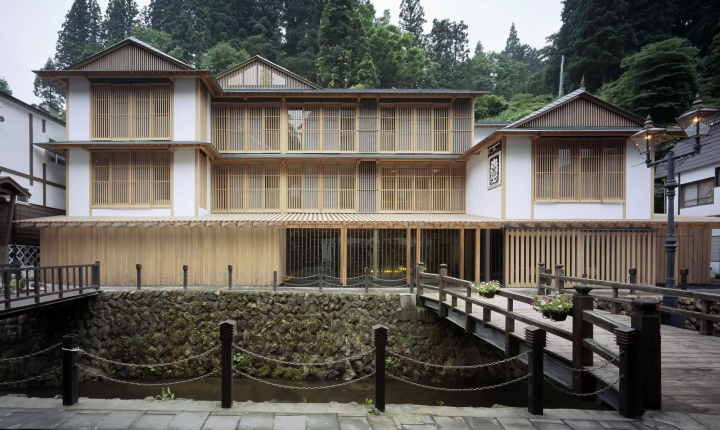
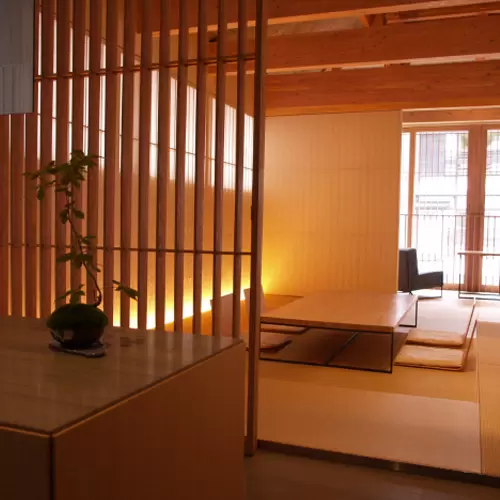
Designed by master architect Kengo Kuma, Fujiya blends historic Ginzan Onsen charm with modern design and exceptional privacy. Its eight river-facing guest rooms feature delicate bamboo screens, washi paper, and custom stained glass.
Guests can also enjoy five unique private bathhouses for an intimate hot spring experience.
Picture courtesy of Rakuten Travel
Unlike Notoya's classic wooden charm, Fujiya seamlessly blends Ginzan Onsen's heritage with modern architecture. It is perfect for couples, honeymooners, and design enthusiasts seeking a boutique hotel experience.
8. Senkyo no Yado Ginzanso: Deeply Relax in Open-Air Hot Springs
Picture courtesy of Rakuten Travel
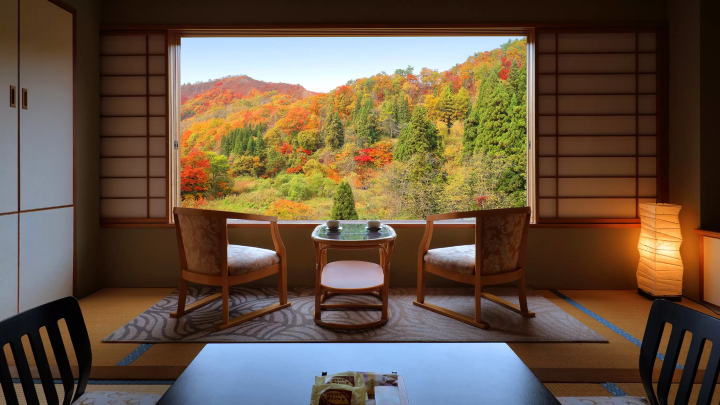
For travelers prioritizing spacious facilities over traditional wooden ryokan, Ginzanso is a standout choice.
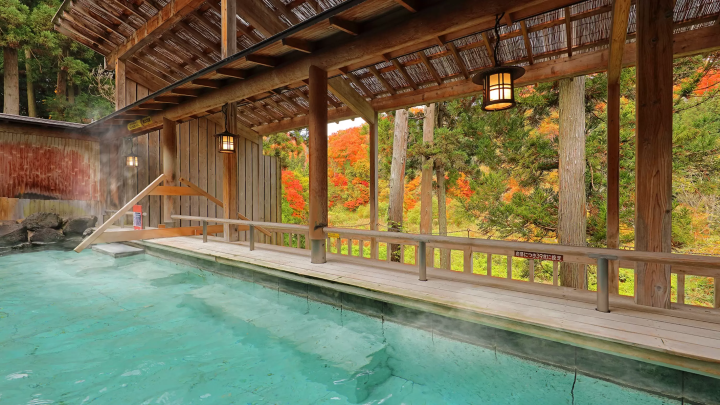
As one of Ginzan Onsen’s larger properties with 40 guest rooms, Ginzanso is best known for its expansive open-air baths (rotenburo) and picturesque seasonal landscape views.
Picture courtesy of Rakuten Travel
Although located slightly outside the central strip of historic wooden ryokan, Ginzanso provides larger, more open interior spaces. It is ideal for families and travelers whose main goal is hot spring relaxation with modern hotel comforts.
9. Takimikan: Serene Natural Scenery, Away From the Busy Street
Picture courtesy of Rakuten Travel
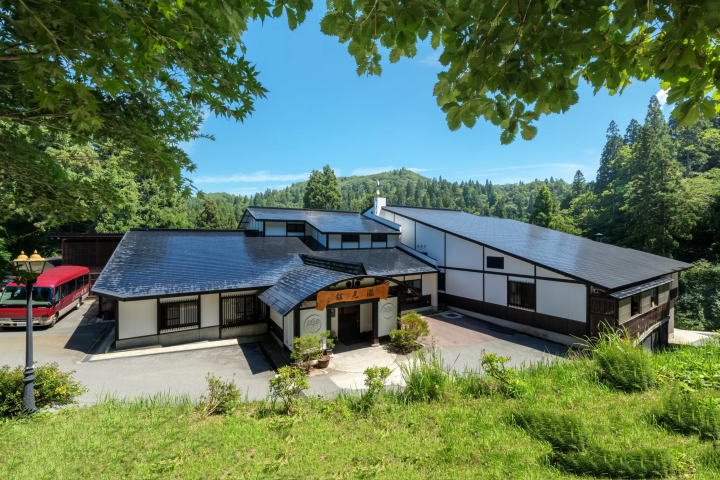
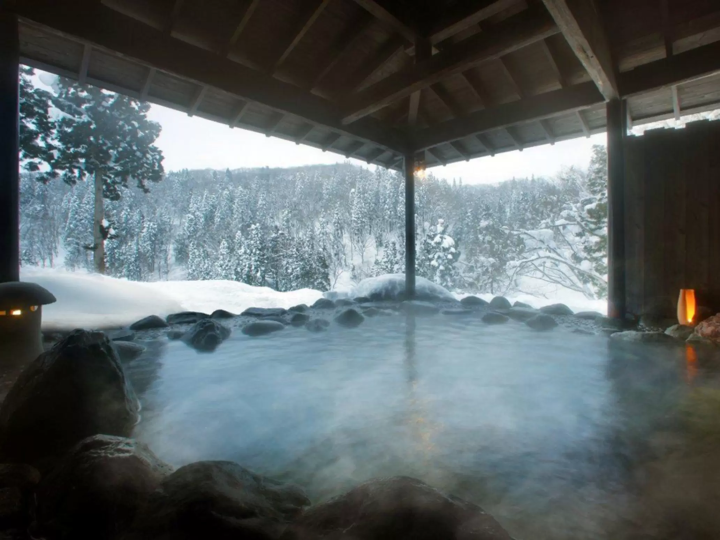
Perched on higher ground, Takimikan offers guest rooms and open-air baths with panoramic views of the surrounding scenery.
Originally a buckwheat noodle shop, the inn still serves its signature local Obanazawa soba as a highlight of the dining experience.
Picture courtesy of Rakuten Travel
If riverfront views along the main canal are not a priority, Takimikan is an excellent choice for mountain scenery, scenic open-air hot springs, and outstanding cuisine. It offers a quieter, more peaceful atmosphere just steps above the central street.
10. CLANUOVA: Modern Western-style Inn
Picture courtesy of Rakuten Travel
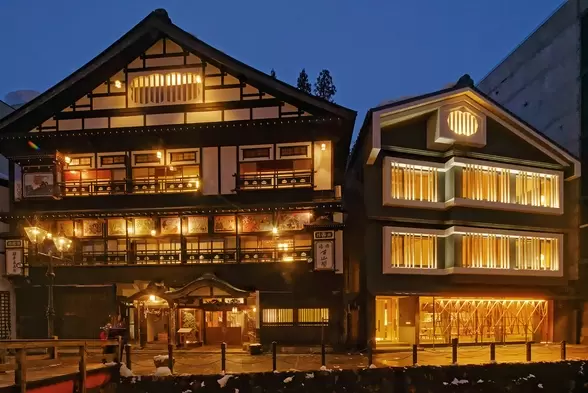
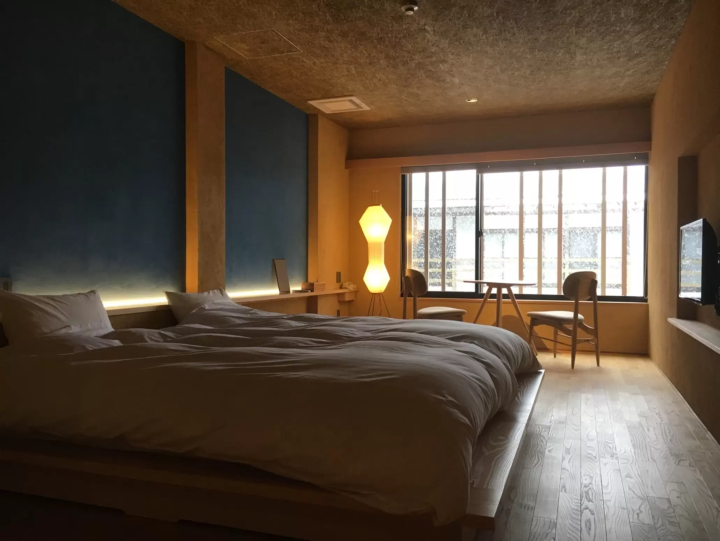
CLANUOVA, Kozankaku’s new annex, departs from traditional wooden ryokan design to offer sleek, Western-style rooms.
The dining experience centers on refined Italian cuisine crafted with local Yamagata ingredients and paired with fine wine.
Picture courtesy of Rakuten Travel
If you prefer proper beds over traditional futons, or want a modern stay within a historic hot spring town, CLANUOVA is one of the most distinctive choices among all 13 accommodations.
11. Hatago Itoya: Private Hot Springs and Intimate Atmosphere
Picture courtesy of Rakuten Travel
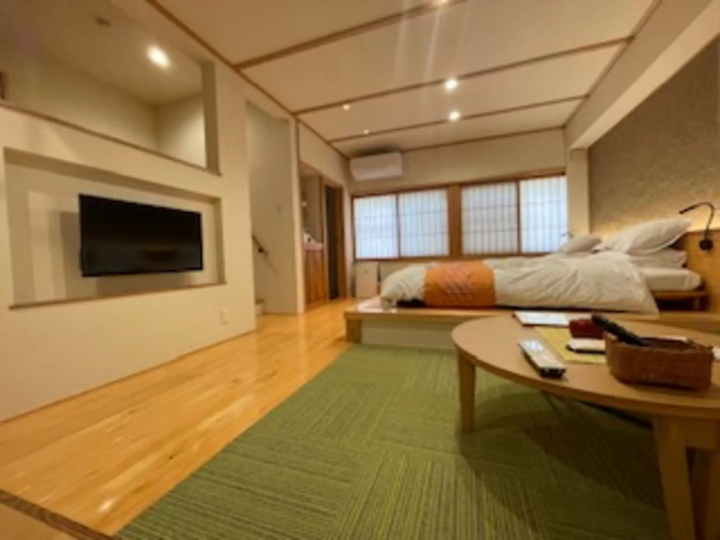
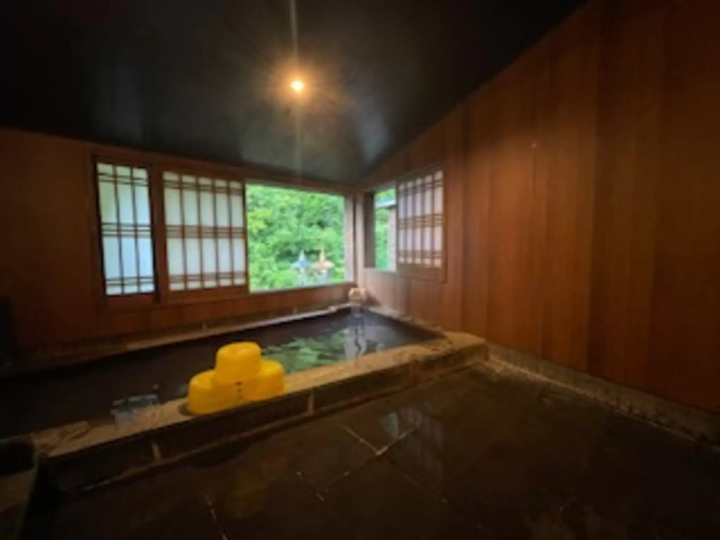
With just four guest rooms, Hatago Itoya offers an exceptionally quiet and private atmosphere. Guests can enjoy private indoor and open-air hot spring baths alongside exquisite dining featuring regional Yamagata ingredients.
Picture courtesy of Rakuten Travel
If you prefer an intimate, unhurried stay with fine dining and private hot spring time—away from larger crowds—Hatago Itoya is an outstanding choice for couples and small groups.
12. Onyado Yanadaya: Exceptional Local Dining
Picture courtesy of Rakuten Travel
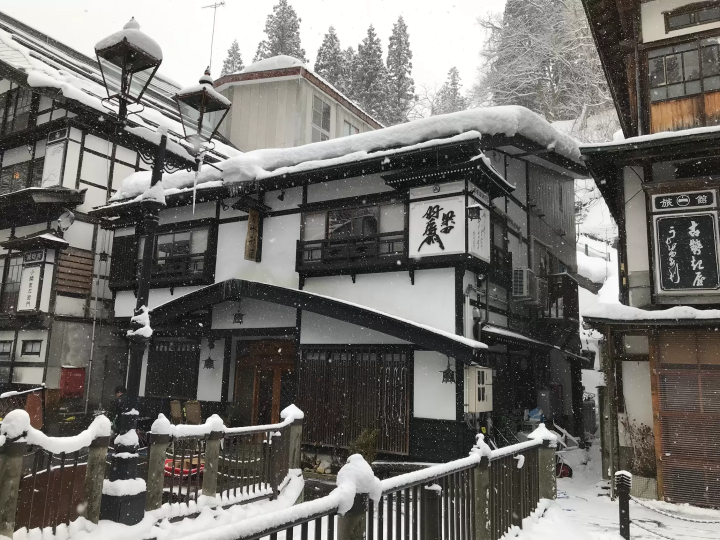
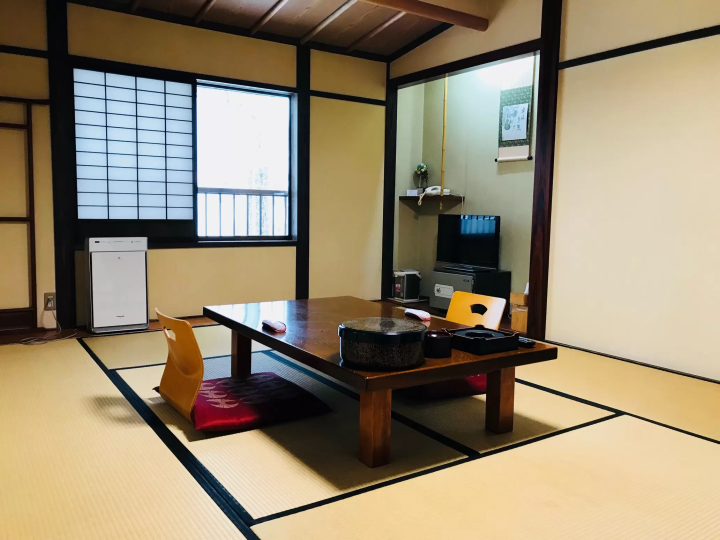
Located in the heart of the hot spring street, Onyado Yanadaya is a small-scale ryokan that hosts a limited number of guests each day.
Picture courtesy of Rakuten Travel
A key highlight of staying here is freshly prepared cuisine using local Yamagata ingredients and Obanazawa beef. If you value fine meals, intimate service, and a quiet stay over large public facilities, Onyado Yanadaya is well worth adding to your shortlist.
13. Ryokan Matsumoto: For Families or Small Group Travel
Picture courtesy of Rakuten Travel
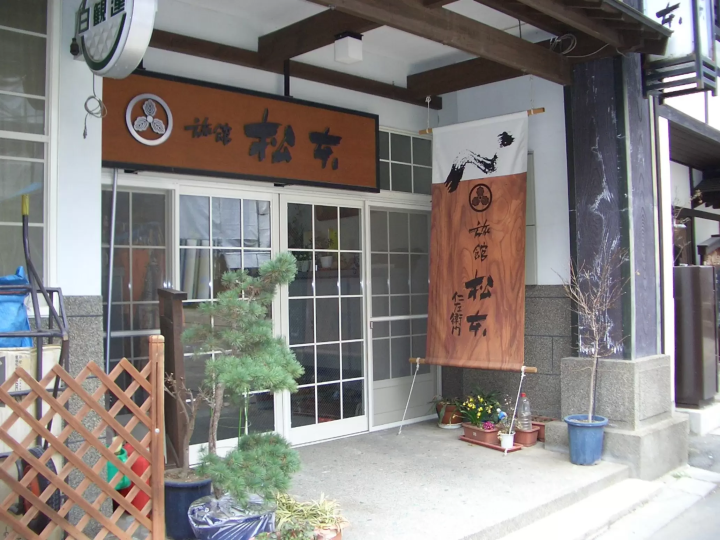
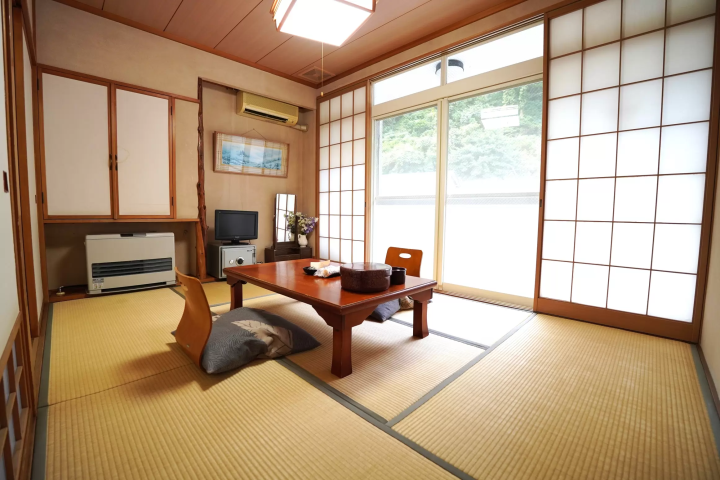
Ryokan Matsumoto has 10 guest rooms that are ideal for couples and larger groups, complete with an elevator for easy accessibility.
Guests can enjoy seasonal local cuisine served either in-room or in a private dining space.
Picture courtesy of Rakuten Travel
If you are traveling with a larger group or elderly companions, Ryokan Matsumoto is a practical choice—offering flexible room layouts and an elevator for easy mobility.
Ginzan Onsen Rates: Understanding Half-Board Pricing
Picture courtesy of Rakuten Travel
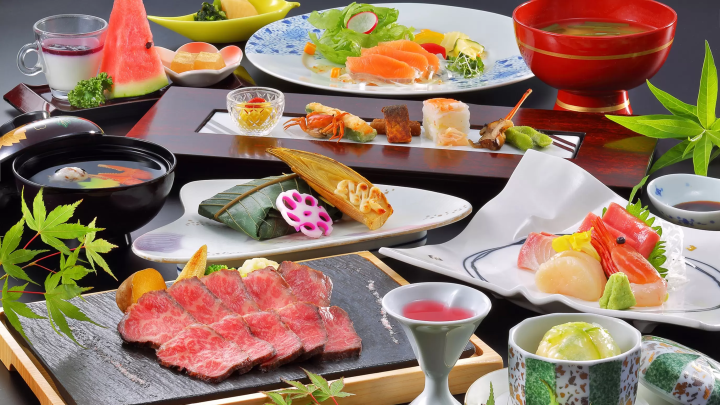
When searching for accommodations in Ginzan Onsen, you will notice prices vary significantly. Most Japanese ryokans price their stays per person under half-board plans, which include a one-night stay, dinner, and breakfast.
Rates fluctuate based on season, day of the week, guest count per room, room view, and dining menu. Peak demand occurs during the winter snow season (December–March), weekends, national holidays, and New Year holidays.
To save on costs, consider booking a weekday stay outside peak winter months, or selecting a standard mountain-side room instead of a riverfront suite.
Key Price Factors to Check Before Booking
- Per Person vs. Per Room: Rates in Japan are almost always quoted per person, not per room.
- Meal Inclusion: Ensure both dinner and breakfast are included in your chosen plan.
- Taxes and Bath Fees: Check if consumption tax and the local hot spring tax (bath tax, usually 150 yen/person) are included in the final quote.
How to Book a Stay at Ginzan Onsen: Insider Tips and Reservation Strategies
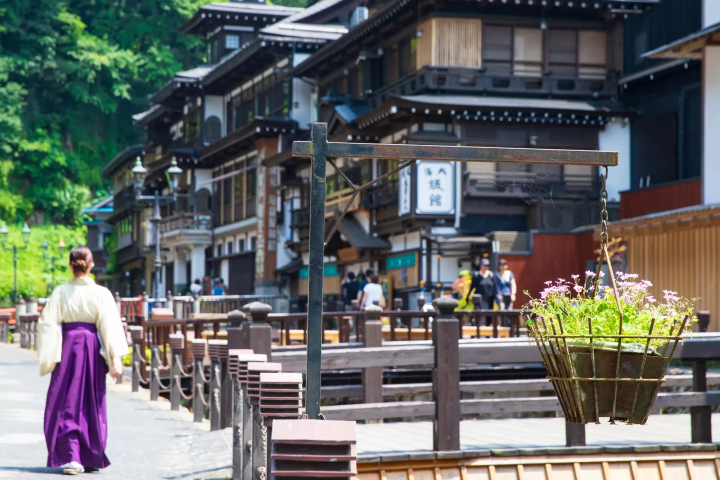
Photo by Pixta
Securing a room in Ginzan Onsen is notoriously difficult for a simple reason: total supply is extremely small. Most properties operate as intimate, family-run ryokan with only a handful of guest rooms.
For instance, Fujiya offers just eight rooms, Nagasawa Heihachi has seven, and both Hatago Itoya and Onyado Yanadaya have only four. During peak times—especially the winter snow season, weekends, and national holidays—demand drastically outstrips available capacity.
1. Once Dates Are Fixed, Check Official Websites First
For a specific ryokan, start by checking its official website for booking policies and release dates.
Many properties open inventory on their own sites first—typically 3 to 6 months in advance—meaning room availability and specialty plans may not show up on third-party booking platforms right away.
2. Do Not Rely On a Single Booking Platform
Room availability can vary between international channels like Booking.com, Japanese booking sites (Rakuten Travel, Ikyu.com, etc.), and official websites. If your target date shows fully booked on one site, cross-check other platforms.
3. Keep Checking for Cancellation Openings on Popular Dates
Cancellations frequently happen as penalty-free deadlines approach, usually 7 to 14 days before the check-in date, as travelers finalize their travel plans.
If your preferred ryokan is sold out, don't give up—checking official sites regularly during this window often reveals last-minute availability.
4. Don't Limit Yourself to a Single Ryokan
If your main goal is simply to stay overnight in Ginzan Onsen, keep your options open by choosing 3 to 5 candidate ryokan.
If popular landmarks like Notoya or Fujiya are sold out, properties like Kosekiya, Kozankaku, Showakan, or Nagasawa Heihachi still deliver the full magic of the town at dusk and early morning.
Why Stay Overnight in Ginzan Onsen? 3 Exclusive Guest Experiences
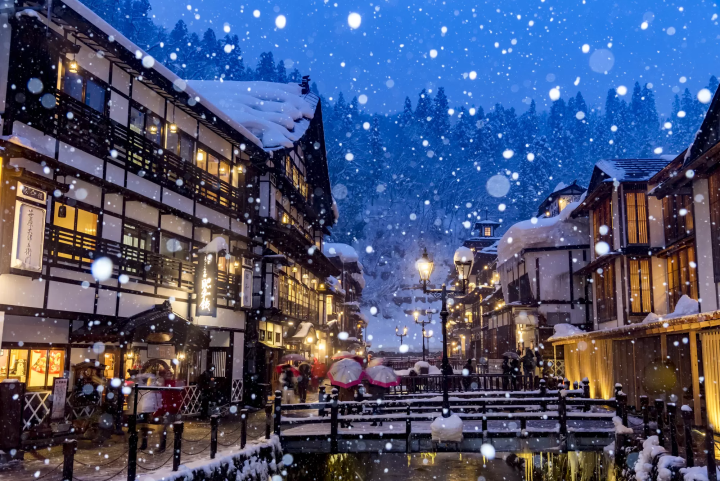
Photo by Pixta
1. Soak in the Magic of Dusk at Ginzan Onsen Without Rushing
The most magical moment in Ginzan Onsen arrives at dusk as the gas streetlamps flicker to life. The multi-story wooden ryokan cast a warm glow over the river, transforming the town into a scene far removed from daytime sightseeing.
Staying overnight means you don't have to rush for the last bus or train, leaving you free to stroll the quiet streets at your own pace before and after dinner.
2. Quiet Early Mornings along the Hot Spring Street
During peak daylight hours, Ginzan Onsen fills with day-trippers. By staying overnight, you can step out early the next morning to experience the town in pristine, serene quiet before the crowds arrive.
3. Immersing Yourself in Hot Spring Culture and Dining
The charm of Ginzan Onsen extends far beyond its postcard views. Slipping into a yukata, savoring multi-course ryokan cuisine, soaking in hot springs, and taking evening strolls along the river together define the quintessential Japanese onsen experience.
If your schedule and budget allow, staying overnight offers a far richer appreciation of why Ginzan Onsen remains one of Japan’s most celebrated hot spring destinations.
Getting to Ginzan Onsen: Access from Oishida Station
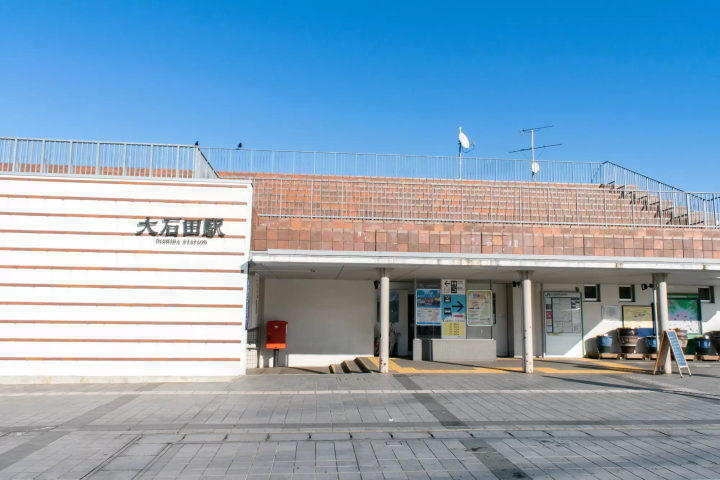
Picture courtesy of pixta
To reach Ginzan Onsen by public transit, most travelers take the Yamagata Shinkansen from Tokyo to JR Oishida Station, then transfer to a local bus or an official ryokan shuttle.
Key Transit Tips Before You Go
- Check Seasonal Timetables: Local bus frequencies and Shinkansen connections change seasonally—always reconfirm schedules closer to your check-in date.
- Verify Shuttle Details: Many ryokans offer complimentary shuttles from JR Oishida Station, but meeting points, departure times, and advance reservation requirements vary by property. Never assume a shuttle is included—confirm availability and reserve your seat directly with your ryokan upon booking.
Official Access Information for Ginzan Onsen
Ginzan Onsen in Winter: Important Information for Visitors
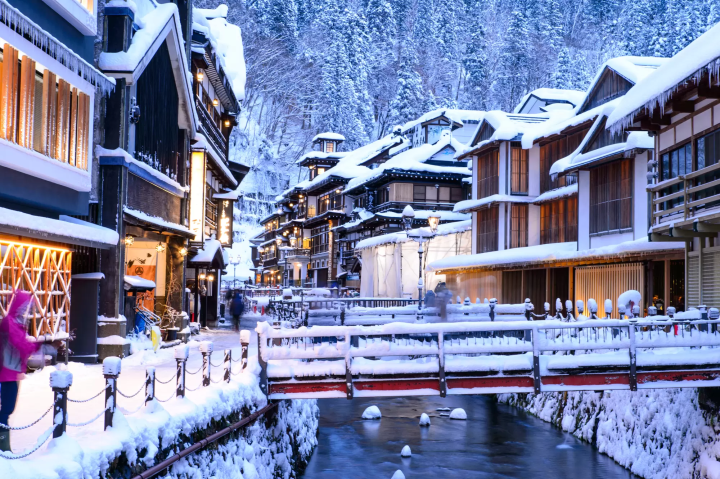
Although Ginzan Onsen’s snow-covered streetscapes are iconic, winter travel requires extra preparation.
To manage heavy winter crowds and ensure road safety, local authorities enforce strict vehicle restrictions and park-and-ride shuttle systems during the snow season (typically December through March). Entry rules during peak evening hours differ significantly for overnight guests compared to day-trippers.
Because these winter transport regulations are updated annually, always check the latest official announcements from the Ginzan Onsen Association before your trip—avoid relying on outdated guidelines from previous years' social media posts.
In particular, be sure to reconfirm the following details before your departure:
- Whether private vehicles can drive directly into Ginzan Onsen during winter
- Whether overnight guests need to present proof of booking
- Whether a park-and-ride shuttle scheme* is in effect
- Operating hours for shuttle buses
- Hotel parking availability and transfer arrangements
- Transit delay or service suspension notices due to heavy snowfall
*Park-and-ride shuttle scheme: Visitors driving themselves cannot park directly on the hot spring street; instead, cars must be parked at a designated outer lot, with passengers taking a shuttle bus into Ginzan Onsen.
Frequently Asked Questions About Staying in Ginzan Onsen
Q1. What is the best accommodation in Ginzan Onsen?
If it's your first visit and you value the classic wooden ryokan atmosphere, Notoya is a top choice. If you prefer a design-focused hotel with private hot spring facilities, consider Fujiya.
For those who want large open-air baths and comprehensive hotel facilities, Ginzanso is ideal. Rather than searching for an absolute "number one," choose based on location, bath options, room styles, and who you are traveling with.
Q2. How far in advance should I book my stay in Ginzan Onsen?
There is no single answer, as booking release dates and rules vary by property. Demand is extremely high for winter, weekends, and Japanese national holidays, so check the official booking pages of your preferred ryokans as soon as your travel dates are fixed.
Q3. Is it worth staying overnight in Ginzan Onsen?
Yes, highly recommended if you want to experience the atmospheric streetscape lit up by gas lamps at night, the serene early morning hours before day-trippers arrive, and a complete Japanese ryokan experience with half-board dining and hot springs.
Q4. Are private hot springs available in Ginzan Onsen?
Yes, several properties offer private-use baths. For instance, Fujiya has five private baths, Hatago Itoya provides private indoor and open-air baths, and Nagasawa Heihachi also offers private bath facilities. Usage policies, time limits, and reservation procedures vary, so check with each ryokan for current details.
Q5. What should I do if Notoya or Fujiya are fully booked?
Ginzan Onsen offers several other excellent options with distinct charms, such as Kosekiya Bekkan, Honkan Kosekiya, Showakan, Kozankaku, and Nagasawa Heihachi.
If your primary goal is to experience the magical evening and early morning ambiance of Ginzan Onsen, you don't need to limit yourself strictly to the two most famous inns.
Q6. Do I need an entry reservation to visit or stay at Ginzan Onsen in winter?
Traffic and vehicle access controls are often implemented during winter, and rules may differ between overnight guests and day-trip visitors. Because these regulations are updated annually, you should always check the latest official Ginzan Onsen announcements for your travel year and keep your booking confirmation handy.
Enjoy Your Ginzan Onsen Stay
With so few properties in town, choosing the right ryokan comes down to your priorities—whether that's river views, fine dining, architecture, or hot springs. Look beyond price to find the experience that fits your travel style.
By spending the night, Ginzan Onsen transforms from a quick photo stop into an unforgettable Tohoku journey—from twilight glow to pristine morning quiet. Just remember to verify room availability, shuttle rules, and winter transport regulations on official websites before you book!
Read also


Main image by Pixta
I am currently working as the Taiwan version editor for MATCHA. I am from Changhua County and during my time in Taiwan, I worked as a domestic Japanese tour guide and in interview PR for a Japanese television station. I am skilled at arranging travel itineraries, particularly for food and hot spring-related attractions. My interests include photography, especially food and portrait photography. Due to my age and my fondness for places like bars and izakayas, I call myself 'Matcha Uncle'.




Special Features
More