Rokka no Mori: Hokkaido’s Beautiful Floral Art Garden

Explore Rokka no Mori in Hokkaido, a beautiful Rokkatei garden filled with seasonal flowers, art, scenic views, sweets, and a charming café.

Written by
北海道
My interest is in developing off-the-beaten-path attractions and discovering small shops that tourists may not know about. My expertise lies in tourist interpretation and travel Japanese. If you'd like to visit Hokkaido and have any questions, please contact me at z2359351@gmail.com.
more
This service includes sponsored advertisements.
About Rokka no Mori
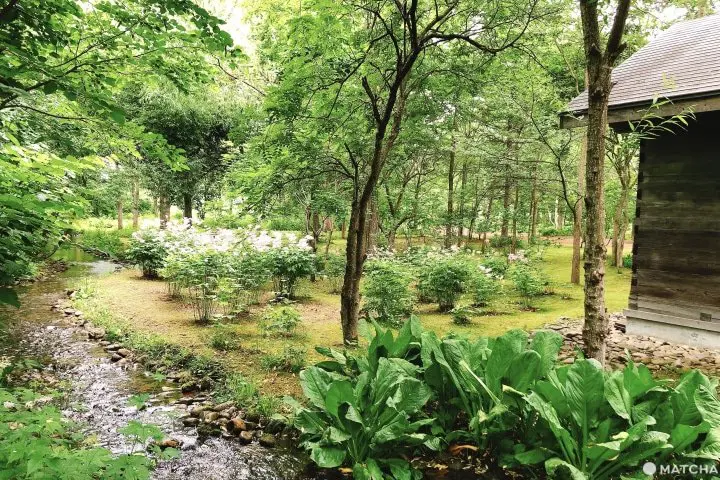
Rokka no Mori, a garden operated by Rokkatei, opened in 2007. Located in Nakasatsunai Village in Hokkaido's Tokachi region, it is about a 40-minute drive from central Obihiro. The garden covers approximately 100,000 square meters. In summer, it is filled with lush greenery and flowing streams, with the magnificent Hidaka Mountains forming a picturesque backdrop.
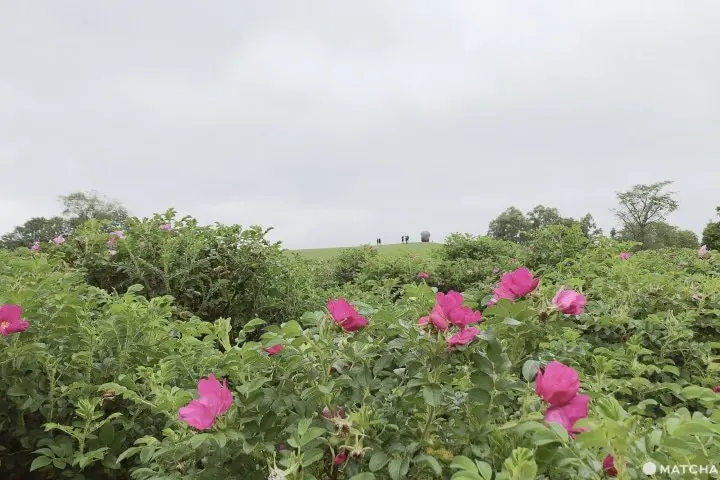
Open annually from late April to early October, the garden features a constantly changing display of seasonal blooms. Early spring brings dogtooth violets and Asian skunk cabbages, followed by Hokkaido’s iconic rugosa roses in early summer.
Because many of these cold-climate species are native to Hokkaido and rarely seen elsewhere, visiting offers a unique visual treat.

The flowers and plants featured on Rokkatei's packaging were illustrated by artist Naoyuki Sakamoto. Known for depicting Hokkaido's mountain scenery and flora, his work is characterized by vivid colors and simple, clean lines. Adding to his legacy, Sakamoto is a descendant of the famous historical samurai, Ryoma Sakamoto.
Exploring Rokka no Mori

The garden houses a museum displaying Sakamoto's artwork, various sculptures, and a Rokkatei café. Upon entry, visitors receive a map outlining a suggested walking route. The first stop along the path is the Naoyuki Sakamoto Memorial Museum, which features his final, unfinished landscape painting—a scene depicting an oak grove against the backdrop of the Hidaka Mountains.

Next, you'll arrive at a vast, open meadow. On a gently rising hill stands a sculpture called The Thinking Man, a work by sculptor Masaru Bando.

From there, the route leads into a forest trail. Near the entrance is a wooden cabin called Kashiwabayashi, where you can use the restroom or take a short break.

As you venture deeper along the forest trail, the first stop is the Naoyuki Design Museum, which displays Sakamoto's sketchbooks filled with casual drawings of scenes from his everyday life and the landscapes around him.
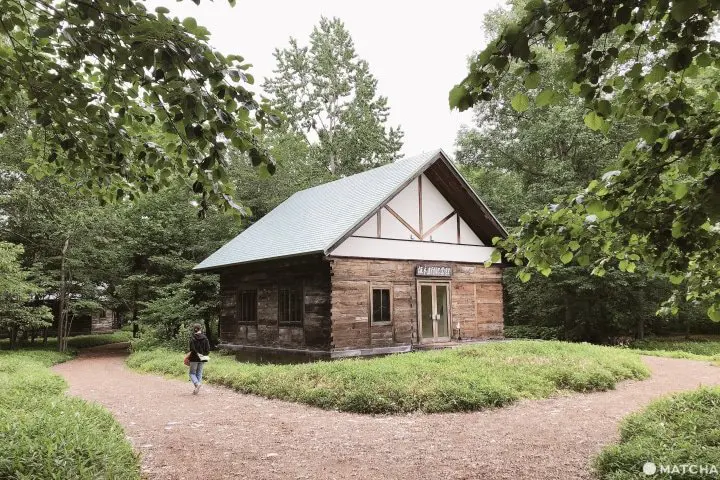
In the same area, the Naoyuki Sakamoto Memorial Museum displays many of Sakamoto's paintings depicting Hokkaido's mountains, forests, and wildflowers.

The Naoyuki Mountain Museum features Sakamoto's oil paintings and watercolors of magnificent mountain landscapes.
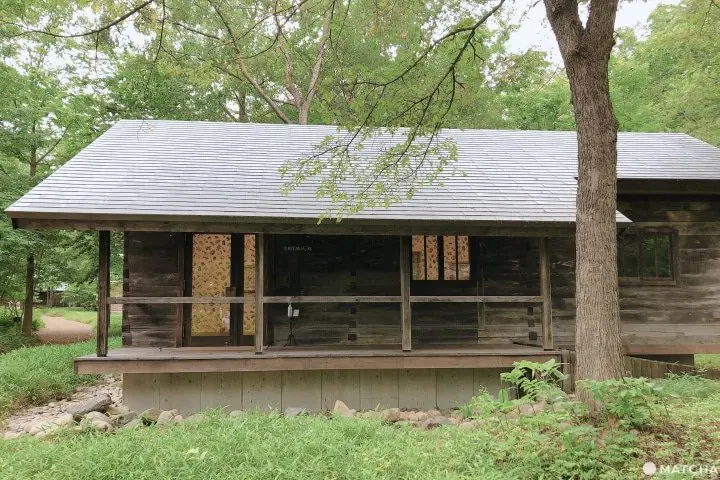
Step inside the Floral Wrapping Paper Museum and you'll find the entire space covered in Rokkatei's signature floral pattern on a white background. The flowers and plants featured in the design are all species found in Hokkaido's mountains and fields. Despite the simple lines, each plant is beautifully and accurately depicted, giving the illustrations a delightful charm.
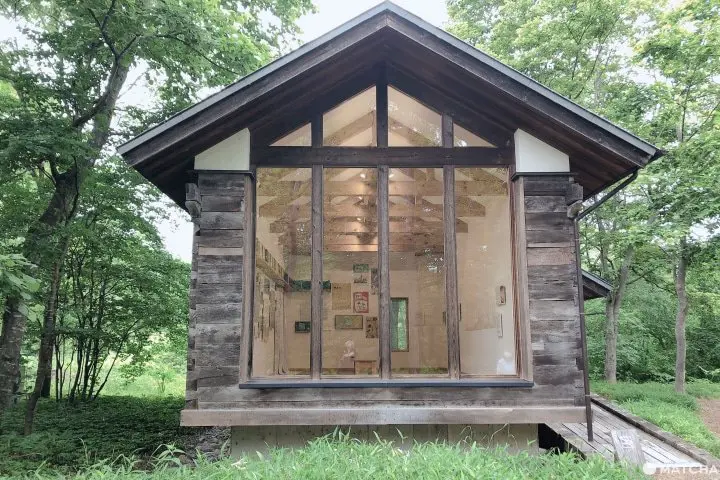
Continue along the path and you'll reach the Silo History Museum, which introduces the 60-year history of the children's poetry magazine Silo. Farther uphill is the Silo Cover Art Museum, where works by artist Masami Mano are displayed. Following Sakamoto, Mano created cover illustrations for Silo. He specializes in nostalgic scenes of rural Japan during the Showa era, using bright, vivid colors to create warm works that evoke childhood innocence and a gentle sense of nostalgia.
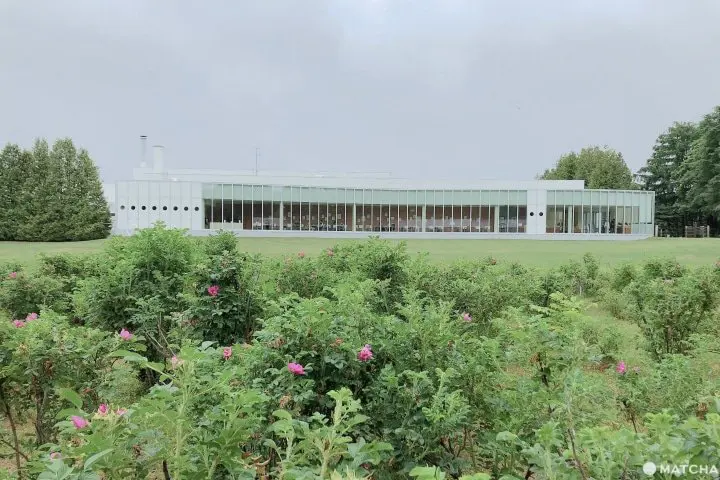
Follow the route on the map to the end and you'll arrive at Rokka Café, a café operated directly by Rokkatei. In addition to Rokkatei souvenirs, you can enjoy lunch, cakes, afternoon tea, and more. The café is located outside the paid garden area, so you can visit even without purchasing an admission ticket!

Besides Rokkatei's famous sweets and souvenirs, you'll also find a wide variety of merchandise featuring the brand's iconic floral wrapping paper design. Rokkatei fans definitely won't want to miss it!
A Serene Escape into Nature and Art
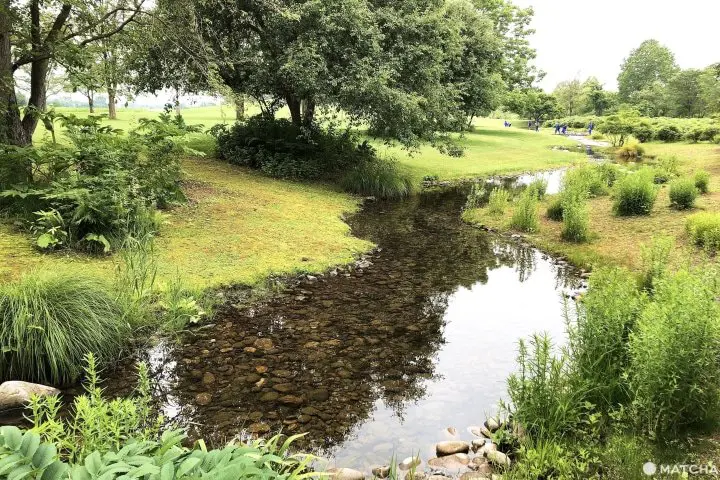
Photography is prohibited inside all of the garden's exhibition buildings except for the Floral Wrapping Paper Museum. Rokka no Mori is a wonderfully peaceful place to explore, without large crowds or excessive noise. It's an ideal spot to slow down, relax, and enjoy a leisurely stroll surrounded by nature and art.
My interest is in developing off-the-beaten-path attractions and discovering small shops that tourists may not know about. My expertise lies in tourist interpretation and travel Japanese. If you'd like to visit Hokkaido and have any questions, please contact me at z2359351@gmail.com.
more



Special Features
More