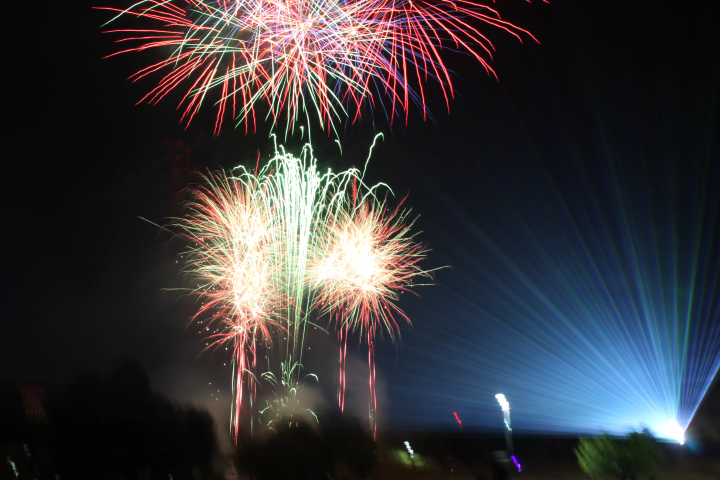
90 minutes from Shinjuku! Winter fireworks that light up the winter night sky of Lake Kawaguchiko and the ice festival "Saiko Ice Festival"

Although Lake Kawaguchiko is very cold in winter, the high rate of sunny days and clear air make it an ideal place to see Mt. Fuji and fireworks. There is a high chance of seeing Mt. Fuji covered in snow. This time, we will introduce two winter-only events: the Kawaguchiko Winter Fireworks and the Lake Saiko Festival.

Written by
We will be sharing fascinating information about the northern foothills of Mt. Fuji in Yamanashi Prefecture, including Mt. Fuji itself — a symbol of Japan recognized and admired around the world — as well as the World Heritage sites associated with it. The Fuji Five Lakes region, located on the northern side of Mt. Fuji in Yamanashi Prefecture, is an area rich in natural beauty. It includes Lake Motosuko, Lake Shojiko, Lake Saiko, Lake Kawaguchiko, and Lake Yamanakako. The UNESCO World Cultural Heritage site "Fujisan, Sacred Place and Source of Artistic Inspiration" consists of various cultural assets, including historic shrines such as Kitaguchi Hongu Fuji Sengen-jinja Shrine, Kawaguchi Asama-jinja Shrine, and Fuji Omuro Sengen-jinja Shrine, as well as the natural monument Oshino Hakkai and other component sites extending into Shizuoka Prefecture. The foothills of Mt. Fuji, a popular tourist destination, offer attractions throughout all four seasons. In spring, visitors can enjoy breathtaking views of Mt. Fuji, cherry blossoms, and the five-story Chureito Pagoda at Arakurayama Sengen Park. During summer, Oishi Park serves as the main venue for the Kawaguchiko Herb Festival. In autumn, the Lake Kawaguchiko Momiji Corridor offers beautiful scenery featuring Mt. Fuji and vibrant autumn leaves. During winter, Fujiten Snow Resort provides skiing and snowboarding with spectacular views of Mt. Fuji. In recent years, activities such as trekking, cycling, and camping in the magnificent natural surroundings of Mt. Fuji have also become increasingly popular. Based around the Lake Kawaguchiko area in the northern foothills of Mt. Fuji, our company operates several attractions and facilities, including Fuji Subaru Land, a theme park surrounded by the natural beauty of Mt. Fuji; Fujizakura Heights Beer, an award-winning craft beer brewed using natural spring water from Mt. Fuji; Fuji Chobo no Yu Yurari Onsen, a natural hot spring sourced from 1,000 meters underground at the foot of Mt. Fuji; and Fujiten Snow Resort, where visitors can enjoy winter activities such as skiing and snowboarding with magnificent views of the mountain. From the Lake Kawaguchiko area at the northern foothills of Mt. Fuji, we will continue sharing the ever-changing beauty of Mt. Fuji throughout the seasons.
This service includes sponsored advertisements.
-
Table of Contents
- Winter temperature at Lake Kawaguchiko
- What are the Kawaguchiko Winter Fireworks?
- What is the Saiko Ice Festival?
- Recommended spots to visit together: 1. Fujiten Snow Resort
- Recommended spot to visit together 2. "Fuji Chobo no Yu Yurari Onsen"

Winter temperature at Lake Kawaguchiko

◆Average temperature in January: Maximum 5.3℃, minimum -6.2℃, average -0.6℃
◆Average temperature in February: Maximum 6.1℃ Minimum -5.2℃ Average 0.2℃
During this season, nighttime temperatures can drop into the single digits or even below zero. Be sure to dress warmly when going out. Down coats, scarves, gloves, and hats are essential. Other cold weather precautions include wearing thick underwear, socks, and heating pads.
What are the Kawaguchiko Winter Fireworks?

This fireworks festival is held at Lake Kawaguchiko at the foot of Mt. Fuji for about a month from mid-January to February every year, and will mark its 26th year in 2025 since its first event in 1998.
In winter, Lake Kawaguchiko is covered by the Pacific high pressure system, which makes the air dry and reduces the amount of water vapor and dust in the atmosphere. For this reason, it is said that you can see more beautiful fireworks in winter than in summer.
The fireworks will be launched from 8pm for about 20 minutes. Approximately 1,800 fireworks will be launched from three locations: Oike Park, Tatamiiwa, and Yagisaki Park, lighting up the winter night sky. In winter, the snow on Mt. Fuji reflects the moonlight, making it possible to see the mountain even at night. Please enjoy the fantastic night view created by the fireworks and Mt. Fuji.
Tips Recommended viewing spots
Lake Kawaguchi Oike Park (main venue), Tatami Rock, Lake Kawaguchiko Walking Trail, Ubuyagasaki, etc.
If you are walking from Kawaguchiko Sta., we recommend "Tatamaiwa." Tamaiwa is a 10-minute walk from the Kawaguchiko Sta. .
If you want to see the collaboration of Mt. Fuji and the fireworks, we recommend the Lake Kawaguchiko Walking Trail and Ubuyagasaki, but you will need to travel by car or taxi at night.
Kawaguchiko Winter Fireworks Date
2025
January 25th(Sat), 26th(Sun)
February 1st (Sat), 2nd (Sun), 8th (Sat), 9th (Sun), 15th (Sat), 16th (Sun), 22nd (Sat), 23rd (Sun)
What is the Saiko Ice Festival?

This ice festival is held every year from early to mid-February at Wild Bird Forest Park on Lake Saiko.
The frost-covered trees, which can reach a height of 5 meters, are very impressive. After sunset, you can enjoy the fantastic atmosphere created by the illuminated frost-covered trees and Mt. Fuji.
In addition, on weekends and holidays, there will be special booths set up within the venue selling local products, and on some days there will be Japanese drum performances and concerts by local students (please check the website for the dates of these events).
Tips: Visit the nearby hot spring facilities!
Please be careful as the ground may be slippery. Also, it is very cold so please take proper measures to protect yourself from the cold. After the Saiko Ice Festival, it is good to warm up your cold body in a hot spring, head to the hot spring facility " Fuji Chobo no Yu Yurari Onsen ", which is the closest from the venue !

If you take the sightseeing bus, get off at the Green-Line "No. 49 Saiko Wild Bird Forest". To go from Wild Bird Forest Park to Yurari, take the Green-Line and get off at "Fugaku Fu-ketsu". Transfer to the Blue-Line and get off at "No. 77 Roadside Station Narusawa". Fuji Chobo no Yu Yurari Onsen is a 2-minute walk from Roadside Station Narusawa.
Saiko Ice Festival Date
Term:January 21st - February 10th, 2025
Venue : Lake Saiko Wild Bird Forest Park
Recommended spots to visit together: 1. Fujiten Snow Resort

Fujiten Snow Resort is a ski resort on Mount Fuji where you can enjoy skiing, snowboarding, sledding and other snow activities with the majestic Mount Fuji in the background.

Even if you don't want to play in the snow, you can take a lift to the observation deck at the top of the hill on weekdays to enjoy a spectacular view of Mt. Fuji. Inside Fujiten, there is also a restaurant where you can enjoy hot ramen and Fujiten's specialty "Mt. Fuji curry."
Tips: Must-see winter spots
If you are touring the foot of Mt. Fuji in winter, this is a recommended spot that you definitely cannot miss! The aerial walk on the lift is amazing! The impressive snow-capped Mt. Fuji from the Mt. Fuji observation deck is an impressive sight.
Please note that the Mt. Fuji observation lift only operates on weekdays.

![[2025 Edition] How to Access Fujiten Snow Resort, Where You Can Enjoy Snow Play at Mount Fuji](https://resources.matcha-jp.com/resize/200x2000/2023/12/15-157255.webp)

Recommended spot to visit together 2. "Fuji Chobo no Yu Yurari Onsen"

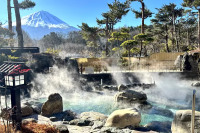
Fuji Chobo no Yu Yurari Onsen is a day-trip hot spring facility where you can soak in the hot springs while gazing at Mt. Fuji. In addition to two types of open-air baths, there are a total of 16 types of baths, including carbonated springs and cave baths. In addition to the baths, there are also restaurants where you can taste local ingredients and massages.
Tips Combine with Fujiten!
Located just a 5-minute drive from Fujitenya Lake Lake Saiko Wild Bird Forest Park, this is a recommended spot to soothe your cold body after sightseeing around the foot of Mt. Fuji in winter. If you visit on a weekday, you can get a good deal by taking advantage of the "Weekday-only Recommended Plan." In addition, the "Guest Bath," which comes with a 20-tatami Japanese-style room and an indoor bath, allows you to relax and enjoy the hot springs in a private space.
We will be sharing fascinating information about the northern foothills of Mt. Fuji in Yamanashi Prefecture, including Mt. Fuji itself — a symbol of Japan recognized and admired around the world — as well as the World Heritage sites associated with it. The Fuji Five Lakes region, located on the northern side of Mt. Fuji in Yamanashi Prefecture, is an area rich in natural beauty. It includes Lake Motosuko, Lake Shojiko, Lake Saiko, Lake Kawaguchiko, and Lake Yamanakako. The UNESCO World Cultural Heritage site "Fujisan, Sacred Place and Source of Artistic Inspiration" consists of various cultural assets, including historic shrines such as Kitaguchi Hongu Fuji Sengen-jinja Shrine, Kawaguchi Asama-jinja Shrine, and Fuji Omuro Sengen-jinja Shrine, as well as the natural monument Oshino Hakkai and other component sites extending into Shizuoka Prefecture. The foothills of Mt. Fuji, a popular tourist destination, offer attractions throughout all four seasons. In spring, visitors can enjoy breathtaking views of Mt. Fuji, cherry blossoms, and the five-story Chureito Pagoda at Arakurayama Sengen Park. During summer, Oishi Park serves as the main venue for the Kawaguchiko Herb Festival. In autumn, the Lake Kawaguchiko Momiji Corridor offers beautiful scenery featuring Mt. Fuji and vibrant autumn leaves. During winter, Fujiten Snow Resort provides skiing and snowboarding with spectacular views of Mt. Fuji. In recent years, activities such as trekking, cycling, and camping in the magnificent natural surroundings of Mt. Fuji have also become increasingly popular. Based around the Lake Kawaguchiko area in the northern foothills of Mt. Fuji, our company operates several attractions and facilities, including Fuji Subaru Land, a theme park surrounded by the natural beauty of Mt. Fuji; Fujizakura Heights Beer, an award-winning craft beer brewed using natural spring water from Mt. Fuji; Fuji Chobo no Yu Yurari Onsen, a natural hot spring sourced from 1,000 meters underground at the foot of Mt. Fuji; and Fujiten Snow Resort, where visitors can enjoy winter activities such as skiing and snowboarding with magnificent views of the mountain. From the Lake Kawaguchiko area at the northern foothills of Mt. Fuji, we will continue sharing the ever-changing beauty of Mt. Fuji throughout the seasons.
The contents on this page may partially contain automatic translation.
Special Features
More







![[Osaka Sightseeing Bus Tour] Enjoy 360° views of Osaka from an open-top bus!](https://resources.matcha-jp.com/resize/720x2000/2026/05/25-264541.webp)
![[Autumn 2026] Private Night Tour to See the World Heritage Site Toji Temple Illuminated in a Fantastical Light-Up Effect](https://resources.matcha-jp.com/resize/720x2000/2026/04/28-263309.webp)