10 October Events and Festivals in Osaka, Kyoto, and Nara
Discover 10 exciting October events in Kansai: Kyoto’s Festival of the Ages and Seiryu-e Blue Dragon, Osaka fireworks, the Deer Antler Cutting Ceremony in Nara, and more!

Written by
Travel writer at MATCHA with extensive travel around the Osaka, Kyoto, and Wakayama areas. A Kansai insider who knows their Akashiyaki from their Takoyaki, Iain enjoys getting authentic stories from traditional craftspeople and interesting creators. Particularly fond of temples and shrines, Iain delves deep into the crossroads of tradition and modernity in his eight-plus years living and writing about Japan.
This service includes sponsored advertisements.
October in Western Japan
With its mild weather, October is an excellent time to explore the Kansai region—home to Osaka, Kyoto, Nara, and beyond.
Besides the year-round sights and heritage, attending one of October’s annual festivals or events will make your trip truly unforgettable.
-
Table of Contents
- 1. Sakai Festival (October 17-18)
- 2. Osaka Tenmangu Shrine Yabusame Shinji (October 25)
- 3. Kishiwada Danjiri Festival (October Event)
- 4. Naniwa Yodogawa Fireworks Festival (October 17)
- 5. Jidai Matsuri: Kyoto's Festival of the Ages (October 22)
- 6. Seiryu-e Blue Dragon Festival at Kiyomizudera Temple (October 15)
- 7. Saigu Gyoretsu Procession at Nonomiya Shrine, Kyoto (October 18)
- 8. KYOTO EXPERIMENT (October 3 - 25)
- 9. Shika no Tsunokiri: Deer Antler Cutting Ceremony in Nara (Mid-October)
- 10. Annual Exhibition of Shosoin Treasures in Nara (Oct. 24 - Nov. 9)
1. Sakai Festival (October 17-18)
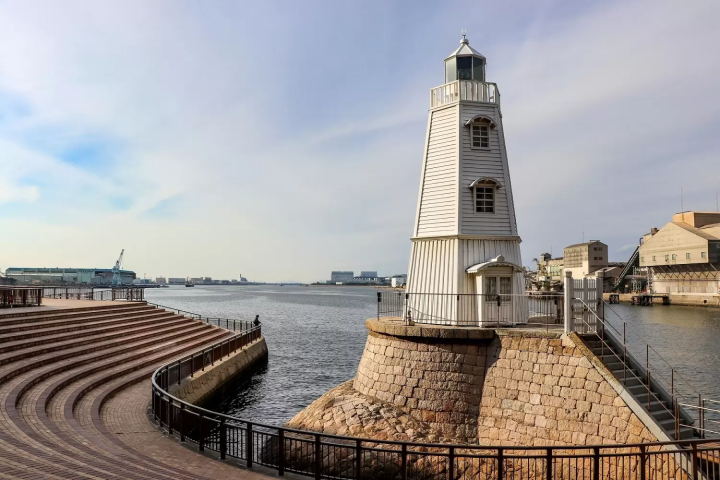
The Old Sakai Lighthouse
The Sakai Festival, held every October since 1974, is the largest event in Osaka’s historic port city of Sakai, which flourished as a trade center during the 15th and 16th centuries.
Sakai is famous as the birthplace of Sen no Rikyu (1522–1591), the grand tea master who refined the tea ceremony using imported goods available in the port city. It is also famous for its centuries-old smithing tradition, which once supplied samurai warlords like Oda Nobunaga (1534-1582) with swords and matchlock guns. Today, Sakai is globally celebrated for its handcrafted kitchen knives.
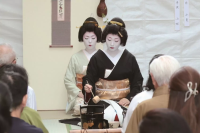
The festival honors this legacy with lively parades, stage performances, local markets, and the Sakai Grand Tea Ceremony, where guests can enjoy tea outdoors or in a traditional tatami room.
Spanning locations from the city center to historic sites like Nanshuji Temple, the festival offers an unforgettable way to experience Sakai's enduring culture.
Sakai Festival
Dates: October 17-18, 2026
Location: Several venues in central Sakai, including the city hall plaza, shopping streets, and Nanshuji Temple
Official website: https://sakai-tcb.or.jp/sakaimatsuri2026/
2. Osaka Tenmangu Shrine Yabusame Shinji (October 25)
What could be more thrilling than watching feats of horseback archery? Seeing them performed in the heart of Osaka!
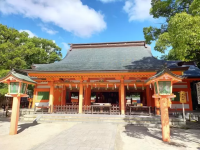
Osaka Tenmangu Shrine, located just a few train stops from the Umeda transport hub, hosts the Yabusame Shinji–a spectacular display of martial skill presented as an offering to the gods–every October.
Yabusame is the traditional Japanese art of mounted archery. Archery riders at a full gallop demonstrate extraordinary grace and precision as they thunder past targets and hit the bullseye.
While yabusame is usually performed at tranquil forest or mountain shrines, watching this dramatic tradition against Osaka's modern cityscape offers a truly unique experience.
Osaka Tenmangu Yabusame Festival
Date: October 25, from 15:00
Location: Osaka Tenmangu Shrine, Osaka (Google Maps)
Official website (Japanese): Osaka Tenmangu Yabusame Festival
3. Kishiwada Danjiri Festival (October Event)
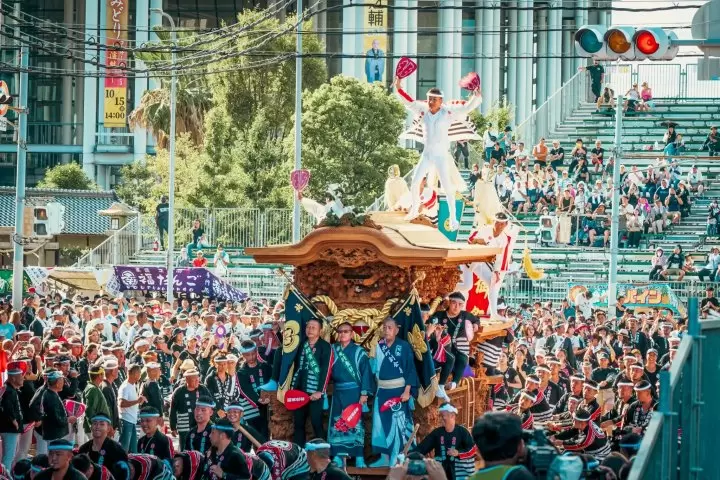
Photo from PR Times
While you may have seen striking photos of it on social media, nothing compares to witnessing the incredible coordination of a Danjiri festival in person.
Dating back over 300 years, the Kishiwada Danjiri Festival features four-ton wooden floats navigating narrow city streets with the precision of rally cars. It is a pulse-pounding sight as teams maneuver these massive structures through sharp, sudden turns at breakneck speeds.
By nightfall, the atmosphere shifts as hundreds of paper lanterns illuminate the intricate floats. Held two times a year, in September and October, the festival lets visitors experience thrilling speed and rich tradition during cooler, less humid weather.
Kishiwada Danjiri Festival
Date: October 10 - 11
Location: Kishiwada City (Google Maps)
Official website (Japanese): Kishiwada Danjiri Festival
4. Naniwa Yodogawa Fireworks Festival (October 17)
Fireworks are the ultimate grand finale to any festival, and few displays compare to Osaka’s Naniwa Yodogawa Fireworks Festival.
Held along the banks of the Yodo River, the event lights up the night sky with massive colorful bursts, music-synchronized pyrotechnics, and waterborne fireworks launched directly from the riverbed.
As one of the region's vital waterways, the river acts as a giant mirror, reflecting the dazzling display below. Drawing hundreds of thousands of spectators each year, this beloved summer tradition brings the city together for an unforgettable hour of pyrotechnics set against the Osaka skyline.
Naniwa Yodogawa Fireworks Festival
Date and Time: October 17, 19:00–20:00 (Held rain or shine; canceled in severe weather with no postponement)
Location: Yodo Riverbed (stretching from Juso to the Shin-Kita/Tsukamoto area), Osaka City (Google Maps)
Admission:
- Free: Designated public viewing areas on the Juso side
- Paid Reserved Seating: 5,000 yen (Panorama tiers) to 28,000 yen (moored Noryosen boat seats)
*Advance purchase required; same-day tickets will not be sold.
Official Website: Naniwa Yodogawa Fireworks Festival
5. Jidai Matsuri: Kyoto's Festival of the Ages (October 22)
Every October, Kyoto brings a living tapestry of Japanese history to its storied streets. During the Jidai Matsuri (Festival of the Ages), around 2,000 participants wearing meticulously crafted, period-accurate costumes parade through the city, spanning over a millennium of history.
The procession moves chronologically backward through time—from the 19th-century Meiji Restoration back to the founding of Heian-kyo (ancient Kyoto) in 794.
From shoguns and warriors to imperial courtiers and noblewomen, the festival offers a breathtaking look at the people who shaped the nation, bringing Kyoto’s rich past to life against the vibrant backdrop of the modern city.
Jidai Matsuri: Kyoto's Festival of the Ages
Date: October 22
Location: Procession starts at Kyoto Imperial Palace and finishes at Heian Jingu Shrine (Google Maps)
Official website: Jidai Matsuri in Kyoto
6. Seiryu-e Blue Dragon Festival at Kiyomizudera Temple (October 15)
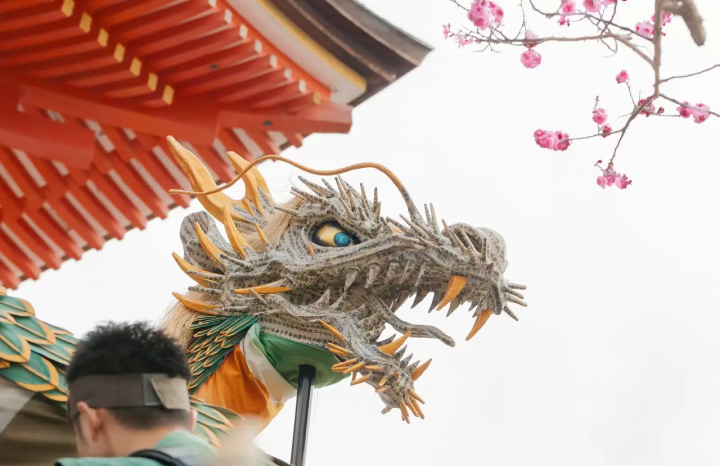
Photo by Pixta
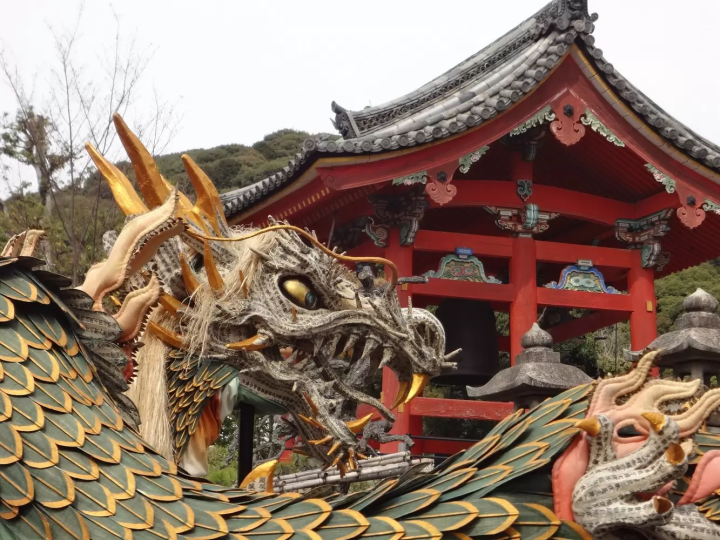
The Seiryu-e Blue Dragon Festival transforms the historic grounds of Kiyomizudera Temple into the setting for one of Kyoto's most striking religious processions. Held three times a year, the event is centered around a spectacular 18-meter Blue Dragon that twists and turns along the temple's stone paths before continuing through the surrounding neighborhood.
Performers wearing colorful ceremonial clothing accompany the dragon, while the sounds of conch-shell horns add to the dramatic atmosphere.
The festival draws inspiration from an old Kiyomizudera legend in which Seiryu, the sacred Blue Dragon, is believed to be an incarnation of Kannon, the Buddhist deity of compassion. According to the story, the dragon visits the temple's waterfall each night to drink its sacred water.
During the procession, participants and spectators chant Namu Kannon as the dragon passes, offering prayers for good fortune, protection from misfortune, and peace throughout the community.
Seiryu-e Blue Dragon Festival at Kiyomizudera Temple
Date: October 15, procession to begin at the Okuno-in Hall at 14:00
Location: Kiyomizudera Temple (Google Maps)
Official website: Kyomizudera Temple Events
7. Saigu Gyoretsu Procession at Nonomiya Shrine, Kyoto (October 18)
Set against the scenic mountains of Arashiyama in western Kyoto, the Saigu Gyoretsu is a stunning reenactment of an Imperial Princess’s pilgrimage to serve as high priestess at the Ise Grand Shrine.
This event is a festival of Nonomiya Shrine, which enshrines Nonomiya Daikokuten, the deity of matchmaking, and is also known for its connection to the Ise Grand Shrine.
The procession sets off from the shrine at 12:00 PM, heading past JR Saga-Arashiyama Station and Tenryuji Temple, across Togetsukyo Bridge. Upon reaching the northern pier at Arashiyama Park (Nakanoshima Park), a purification ceremony (misogi) takes place.
Looking straight out of a period drama or fairy tale, participants process in vibrant Heian-period attire—including exquisite junihitoe (twelve-layered robes).
Though lesser known on Kansai's festival calendar, this rare event offers a captivating glimpse into ancient imperial rites that have almost faded into legend.
Saigu Gyoretsu Procession
Date: October 18 from 12:00 PM
Location: From Nonomiya Shrine to Togetsukyo Bridge, Arashiyama (Google Maps)
Official website: Saigu Gyoretsu
8. KYOTO EXPERIMENT (October 3 - 25)

Image from the Kyoto Experiment official website
Kyoto may be famous for its ancient temples, traditional festivals, and centuries-old performing arts, but the city also thrives as a hub for contemporary art.
Each autumn, KYOTO EXPERIMENT gathers artists from Japan and across the globe for a boundary-pushing program of theater, dance, music, and visual performance.
Far from passive entertainment, the festival invites audiences to engage with experimental ideas that blur the lines between stage, gallery, and everyday life.
With performances and installations taking place at venues across Kyoto, it offers a refreshing counterpoint to the city’s classical traditions—and a glimpse into where its artistic future is heading.
KYOTO EXPERIMENT 2026
Date: October 3 - 25, 2026
Location: Several venues in Kyoto (Google Maps)
Official website: KYOTO EXPERIMENT
9. Shika no Tsunokiri: Deer Antler Cutting Ceremony in Nara (Mid-October)
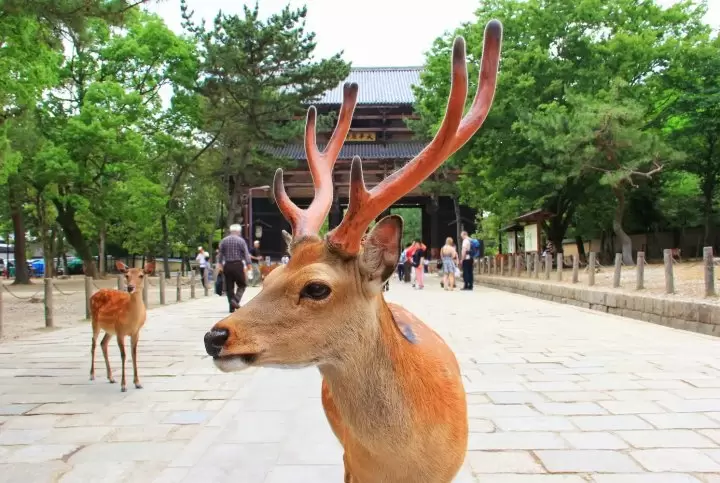
Photo by Pixta
Even the sacred messengers of the gods need a little care to keep them from hurting one another—or damaging centuries-old national heritage. The annual Deer Antler Cutting Ceremony at Nara Park is a unique ritual that highlights Japan’s harmonious coexistence with nature.
Held every autumn to prevent aggressive bucks from injuring people, other deer, or historic temples, trained handlers carefully corral and restrain the males to trim their antlers safely and painlessly.
Ticket proceeds directly support the conservation and protection of these iconic animals. Afterwards, if you offer them a shika senbei (deer cracker), one might even bow to say thank you!
Deer Antler Cutting Ceremony, Nara
Date: Held annually in autumn (traditionally over a weekend in mid-October, though dates can adjust based on rutting behavior).
Admission: Usually around 1,000 yen for adults and 500 yen for young children; same-day tickets available.
Location: Kasuga Taisha Shrine / Nara Deer Park (Google Maps)
Official website: Deer Antler Cutting Ceremony in Nara Park
10. Annual Exhibition of Shosoin Treasures in Nara (Oct. 24 - Nov. 9)
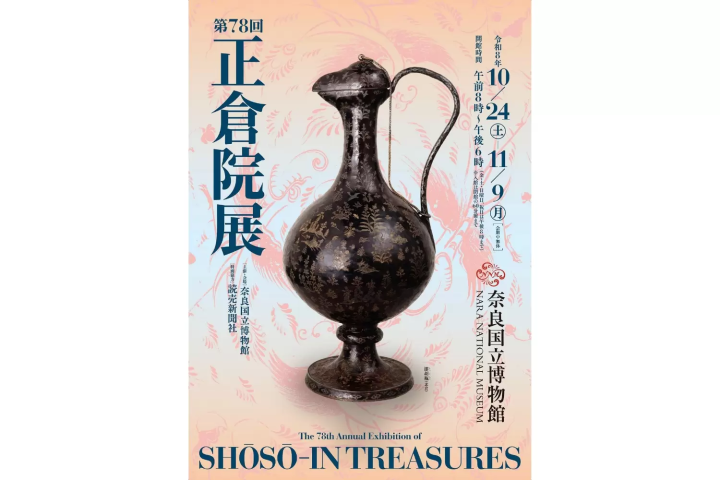
2026 Exhibition poster image from the official website of Nara National Museum
The Shosoin is an 8th-century imperial treasure house on the grounds of Todaiji Temple in Nara. It was established in 756 when Empress Komyo dedicated the personal belongings of her late husband, Emperor Shomu, to Todaiji’s Great Buddha.
Today, the collection houses approximately 9,000 ancient objects—including textiles, musical instruments, glassware, and metalwork—alongside more than 10,000 historical manuscripts.
Once a year, the Nara National Museum exhibits a selection of these artifacts, offering a rare glimpse into exquisite 8th-century craftsmanship and early Japanese Buddhist heritage.
Closely linked to the iconic Great Buddha, the carefully curated display is an unforgettable highlight for visitors traveling to Nara during the exhibition.
Annual Exhibition of Shosoin Teasures
Date: October 24 - November 9, 2026
Location: Nara National Museum (East and West Wings), Nara (Google Maps)
Official website: Annual Exhibition of Shosoin Teasures
Admission: Adults 2,000 yen, University and High School students 1,500 yen, Children 500 yen
Experience Japan’s Cultural Heart Through October Festivals
Many of Japan’s most cherished myths and legends have their roots in the Kansai region. As the cradle of the country’s ancient traditions, Kansai boasts a festival calendar second to none.
Visitors can join lively shrine celebrations or reserve tickets for exclusive exhibitions of Japan’s cultural treasures. October is the perfect time to experience the vibrant heart of Japanese heritage firsthand.

Travel writer at MATCHA with extensive travel around the Osaka, Kyoto, and Wakayama areas. A Kansai insider who knows their Akashiyaki from their Takoyaki, Iain enjoys getting authentic stories from traditional craftspeople and interesting creators. Particularly fond of temples and shrines, Iain delves deep into the crossroads of tradition and modernity in his eight-plus years living and writing about Japan.




Special Features
More