Narai-juku: Explore a Historic Post Town in Nagano
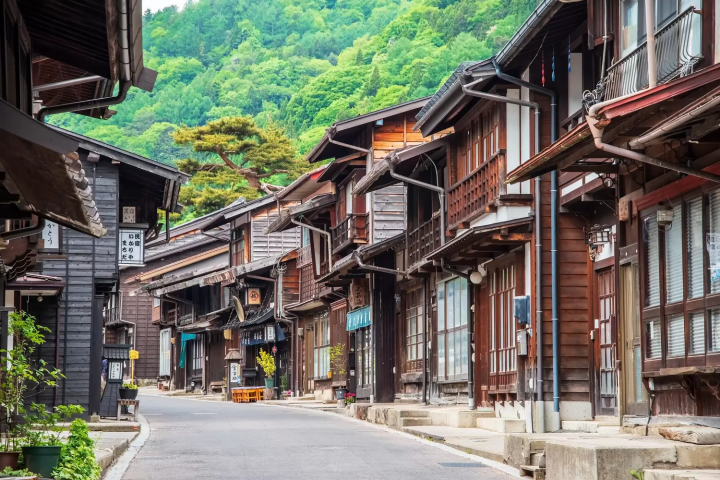
Step back in time at Narai-juku, Nagano’s beautifully preserved Edo-period post town. Stroll the peaceful main street filled with rustic charm and crafts.

Written by
This account is managed by MATCHA. We aim to provide useful information to our readers in an enjoyable manner.
This service includes sponsored advertisements.
Narai-juku: Nagano's Edo-Period Post Town
Narai-juku, located in the Kiso Valley of Shiojiri, Nagano Prefecture, is one of Japan's most beautifully preserved Edo-period (1603–1868) post towns.
The scenic town can be reached by train via JR Narai Station, located just a 20-to-25-minute local ride from either Shiojiri or Kiso-Fukushima.
A great place to visit in Nagano, Narai-juku appeals perfectly to history and nature lovers. Visitors can immerse themselves in Edo-period history and discover local crafts, such as traditional lacquerware.
-
Table of Contents
- Brief History of Narai-juku
- A Stroll Around Narai-juku: Places to Visit
- Restaurants and Craft Shops in Narai-juku
Brief History of Narai-juku
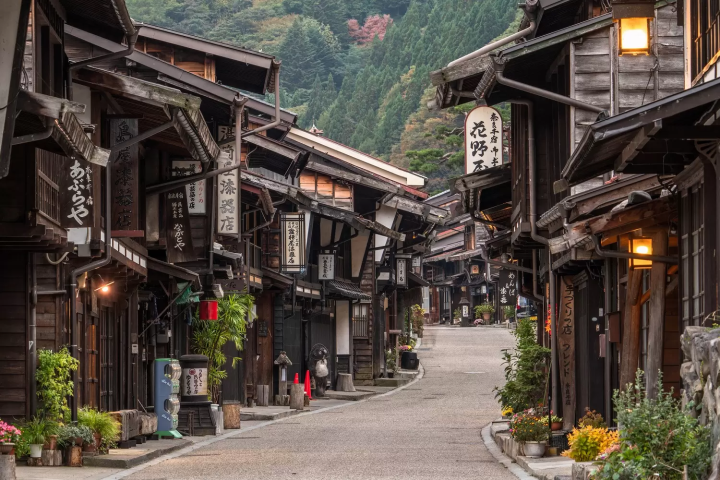
Narai-juku. Photo by Pixta
Narai-juku developed as a key post town along the Nakasendo, one of the two main highways connecting Edo (modern-day Tokyo) with Kyoto. While the coastal Tokaido highway traced Honshu’s southern shore through Kanagawa and Shizuoka, the Nakasendo took a scenic inland route through the mountains of Nagano and Gifu.
Situated right at the base of the Torii Pass—the steepest stretch of the entire trail—Narai-juku became a bustling haven where weary travelers, merchants, samurai, and monks gathered to rest before or after their climb.
Narai-juku was one of the 69 stations along the Nakasendo, alongside other famous post towns like Magome and Tsumago.
Historically, these stations—known as shukuba (post towns)—served as vital rest stops for merchants, travelers, and messengers journeying long distances. With the rise of modern highways and advanced transportation, the traditional function of these towns gradually faded away.
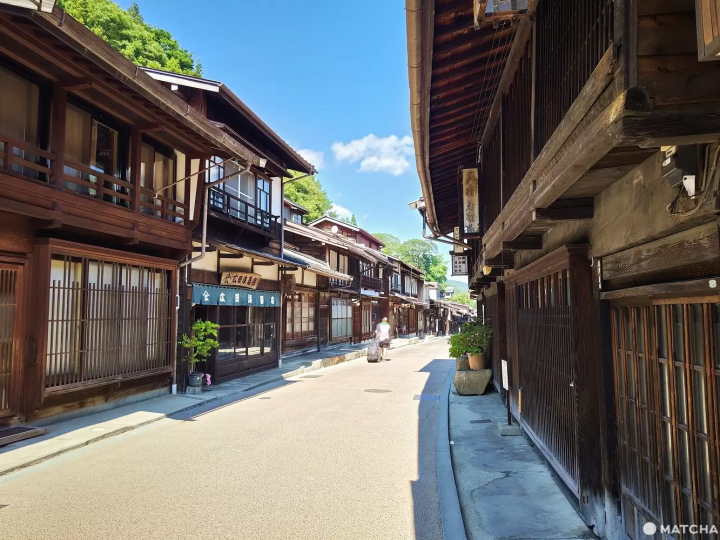
Located in a mountain valley upstream of the Narai River in Shiojiri City, Narai-juku is designated as one of Japan's Important Preservation Districts for Groups of Traditional Buildings.
The historic district stretches for about one kilometer, where the Edo-period streetscape has been authentically preserved. Walking through it today, visitors can still vividly experience the rich atmosphere of feudal Japan.

A Stroll Around Narai-juku: Places to Visit
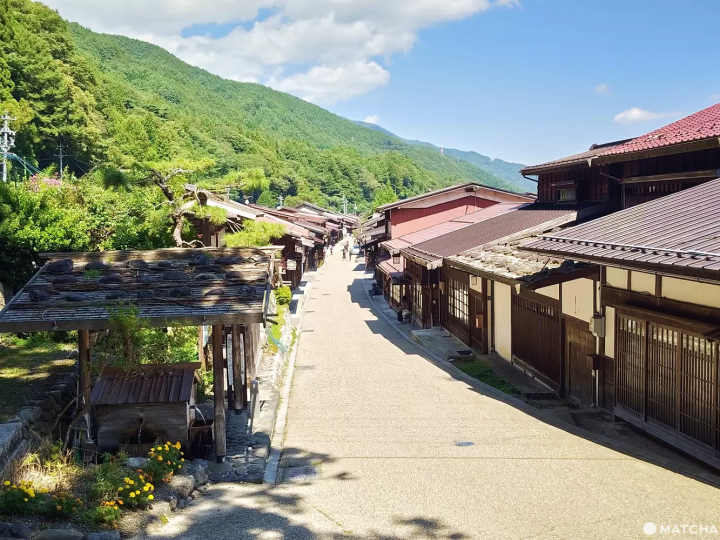
View of Narai-juku from Shizume Jinja Shrine
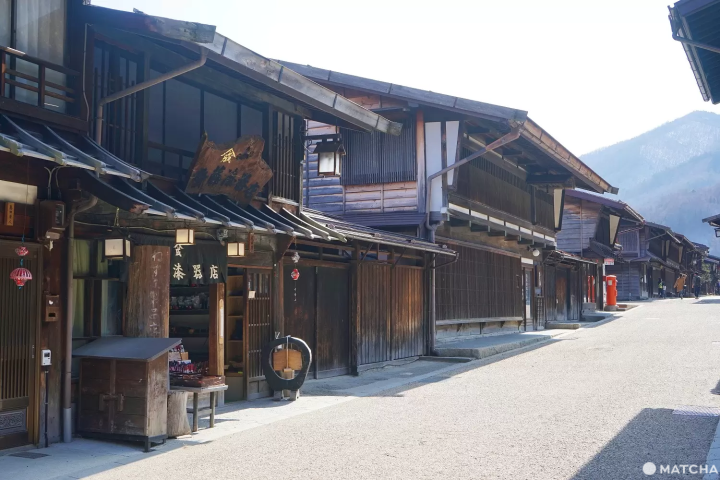
Narai-juku's charm lies in its two-story wooden machiya (merchant houses), complete with traditional overhanging second floors, dark wood lattices, and glowing paper lanterns.
Today, many of these beautiful buildings serve as cozy cafes, restaurants, and souvenir shops—perfect for stepping inside to grab a bite or pick up a unique local keepsake.
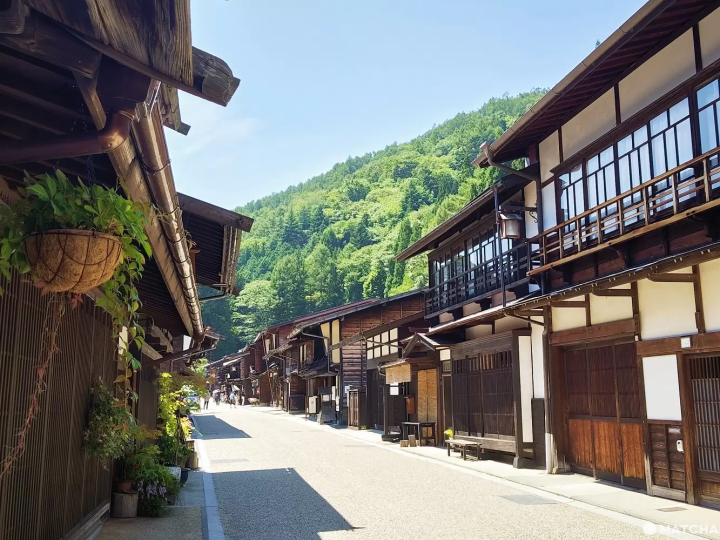
To maintain the historic streetscape, all external modifications—from remodeling to shop signs—require official permits and must strictly match the traditional architectural style.
The resulting uniformity of the deep brown wooden buildings gives the town a nostalgic, cinematic atmosphere where passing visitors in kimonos blend in perfectly.
These efforts earned Narai-juku a spot among the 100 Most Beautiful Landscapes of Japan in 2007, and a Japan Heritage designation for the Kisoji route in 2016.
Today, passionate residents actively participate in preservation activities to protect these government-recognized historic homes.
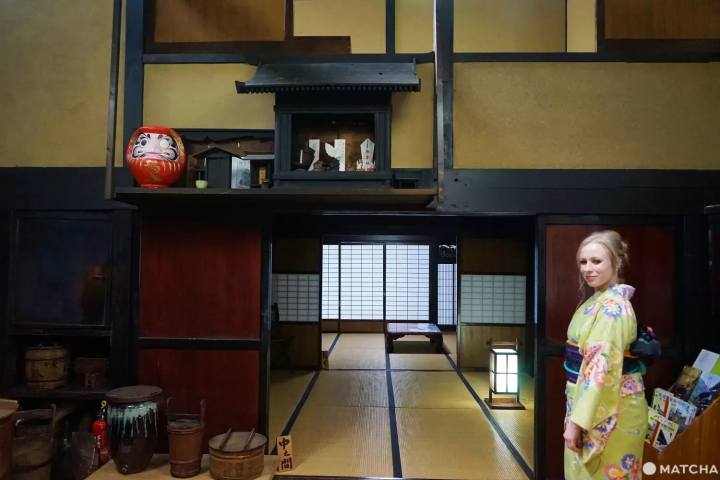
For a deeper glimpse into local history, we highly recommend visiting preserved buildings like the Nakamuratei Residence (the 19th-century home of a wealthy comb merchant) and the Kamitoiya Museum (a former wholesaler’s estate).
Admission is only around 400 yen, and the traditional interior layouts paired with impressive historical artifact displays make you feel as though you've stepped back in time.
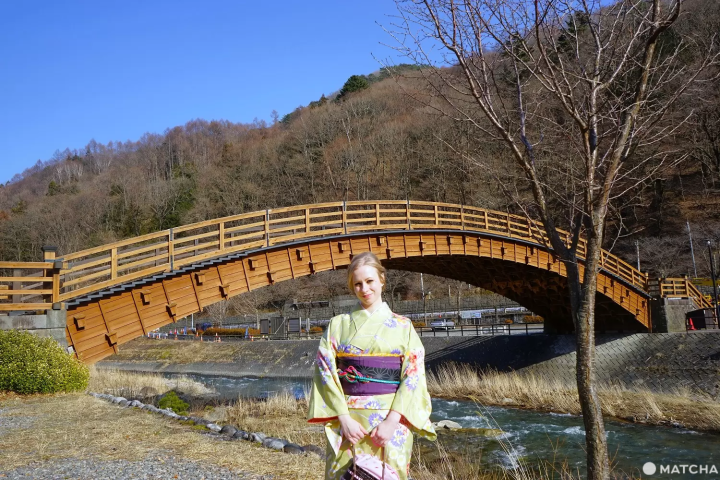
Also located near Narai Station is the Kiso Ohashi Bridge, a 30-meter arched structure spanning the Narai River. Built entirely of local Hinoki cypress, it stands as one of the longest wooden arch bridges in Japan.
Restaurants and Craft Shops in Narai-juku
Several restaurants line the main street of Narai-juku, many specializing in the region's refreshing local soba (buckwheat) noodles.
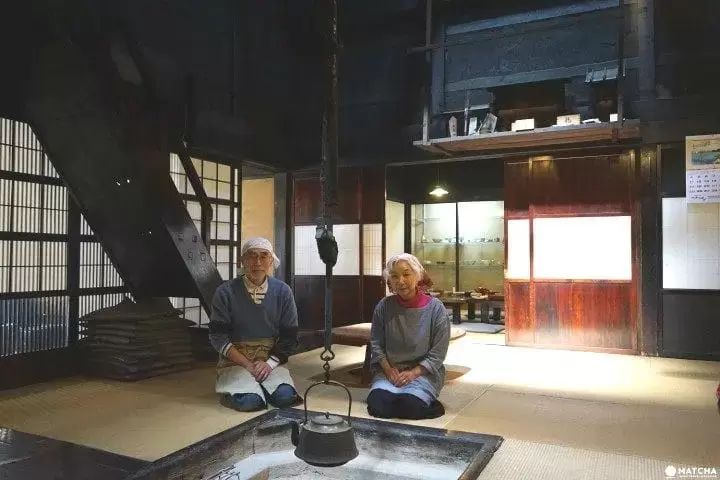
One highly recommended spot is Soba Tokkuriya, a family-owned restaurant run by a charming elderly couple.
The beautiful Edo-period interior features a traditional irori (sunken hearth) where guests once gathered for warmth, creating an authentic historical ambiance.
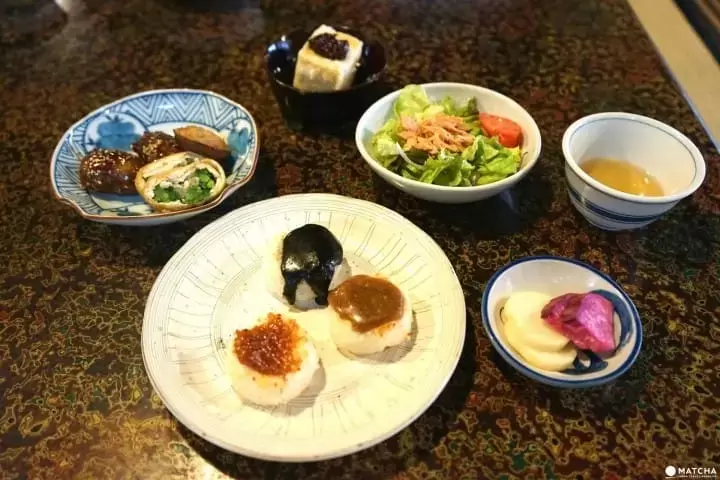
Alongside their excellent soba dishes, be sure to try their delicious gohei-mochi—skewered, pounded rice cakes glazed in a rich, sweet paste made from walnuts, sesame, and miso.
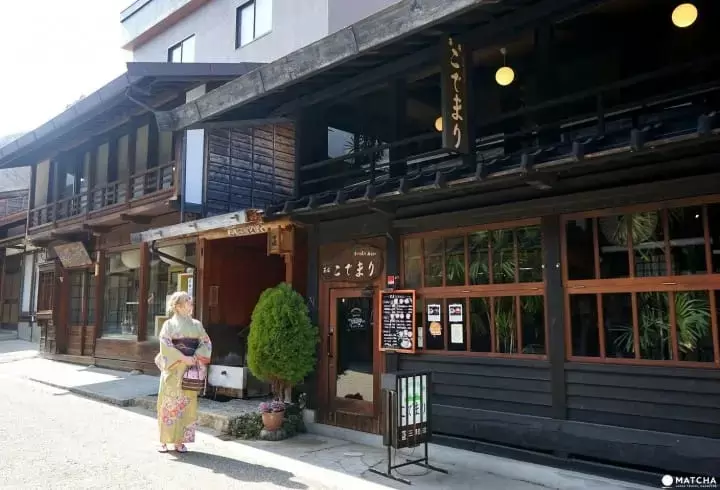
For a relaxing coffee break, stop by Sabo Kodemari, which serves delicious desserts alongside coffee and tea.
While the second floor offers cozy seating, the first floor houses a shop selling traditional lacquerware—including unique guitars finished with local Shiojiri lacquer.
The area's souvenir shops boast an impressive selection of local products. Visitors can pick up Shiojiri wine, snacks, and confections made with Nagano fruit (especially grapes), and regional staples like pickles, wasabi, and buckwheat noodles.
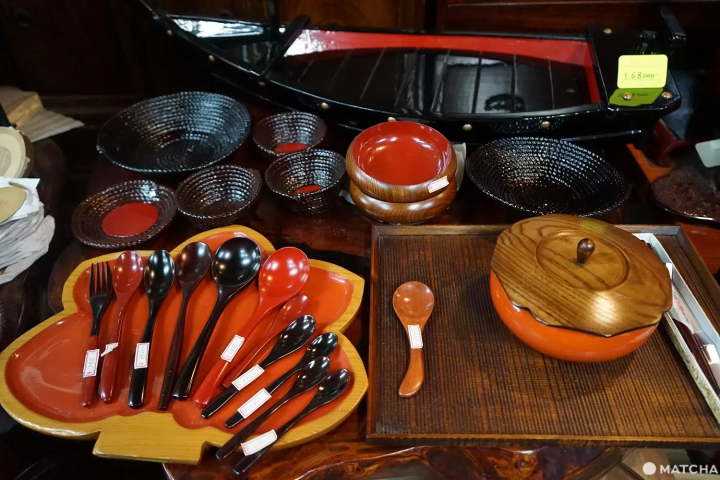
Be sure to explore the local artisan crafts as well. Narai-juku is highly renowned for its wooden goods—such as finely crafted bowls, combs, and chopsticks—as well as exquisite lacquerware made with traditional techniques passed down from the Edo period.
Enjoy Exploring Narai-juku
Unlike the bustling, highly commercialized historic districts, Narai-juku offers a quiet, nostalgic atmosphere free of chaotic crowds. Its simple, rustic charm allows travelers to relax, explore, and photograph the town at a comfortable, leisurely pace.
Narai-juku can be fully explored in about half a day, making it easy to integrate into a wider itinerary that includes Shiojiri or nearby Matsumoto. Please note that most shops and restaurants open around 9:00 AM and close promptly between 4:00 PM and 5:00 PM.
If you love traditional architecture and enjoy independent travel in Japan, Narai-juku is a must-visit destination.
Narai-juku
 Narai, Shiojiri City, Nagano Prefecture 399-6303
Narai-juku is the 34th post station on the Nakasendo. The village developed on the lower side of the river terraces at an altitude of 900m, and is now designated as an Important Preservation District for Groups of Traditional Buildings, preserving the townscape of that time. With temples and shrines nestled in the mountains, it is well-maintained as a tourist town with post towns, restaurants, souvenir shops, and more.
Narai, Shiojiri City, Nagano Prefecture 399-6303
Narai-juku is the 34th post station on the Nakasendo. The village developed on the lower side of the river terraces at an altitude of 900m, and is now designated as an Important Preservation District for Groups of Traditional Buildings, preserving the townscape of that time. With temples and shrines nestled in the mountains, it is well-maintained as a tourist town with post towns, restaurants, souvenir shops, and more.
Read also


Main imge by Pixta
This account is managed by MATCHA. We aim to provide useful information to our readers in an enjoyable manner.


Special Features
More